Beyond Bloat: Why Thinking Machines is Betting Big on Specialized AI with Inkling
The Shift Toward Specialized AI Models For the past several years, the artificial intelligence sector has been locked in an escalating arms…
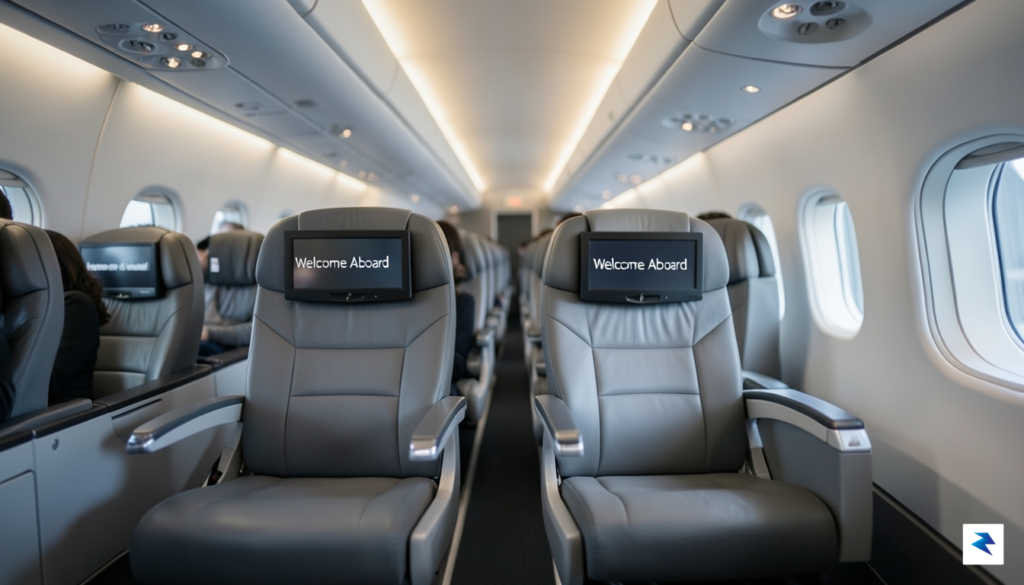
For decades, the economy class cabin has been defined by a rigid 3-3 or 3-4-3 seating configuration that leaves the middle passenger in a state of perpetual compromise. Historically, the middle seat has been viewed as the aviation industry’s ultimate consolation prize—a cramped, claustrophobic expanse that forces travelers to negotiate for every inch of armrest real estate. Psychologically, the seat has long been associated with a total loss of agency; lacking both the window for scenery or privacy and the aisle for mobility, the middle passenger is effectively trapped in a social and physical bottleneck. This dynamic has shaped a generation of flyers who view the middle seat not merely as a location on a plane, but as a hurdle to be avoided at almost any cost.
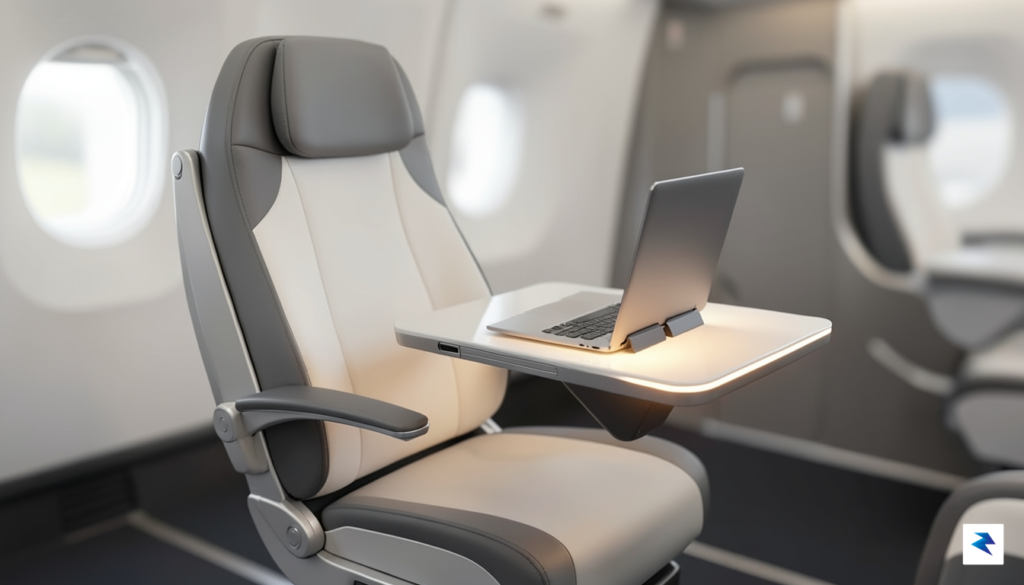
The persistent dread surrounding these seats stems from a fundamental mismatch between the demands of modern travel and the static infrastructure of the aircraft cabin. As travelers have increasingly turned to flights as mobile offices, the inability to open a laptop comfortably or access a stable surface has turned the middle seat into a productivity dead zone. While airlines have spent years focusing on enhancing the exclusivity of first and business class, the mass-market experience has remained largely stagnant, clinging to the traditional model of high-density transport. This approach has ignored the growing segment of business-leisure travelers who require more than just a seat; they require a functional environment that justifies the time spent in the air.
The pivot from seeing the middle seat as a storage problem to viewing it as a potential high-utility workspace marks a radical departure from the long-standing philosophy of seat density as the sole driver of revenue.
United Airlines is now attempting to dismantle this legacy of discomfort by fundamentally rethinking what a passenger is actually paying for when they book a seat in the middle. Rather than simply squeezing more bodies into the fuselage, the carrier is experimenting with a strategy that monetizes utility. By integrating advanced ergonomic features, enhanced power connectivity, and dedicated workspace surfaces into the middle seat, the airline is shifting the narrative from proximity to productivity. This strategic pivot acknowledges that while passengers may still be wedged between two strangers, the value proposition changes entirely if that space can be transformed into a mobile workstation. It is a bold acknowledgment that in the modern economy, the most valuable amenity an airline can provide is not just a seat, but the ability to reclaim lost time.
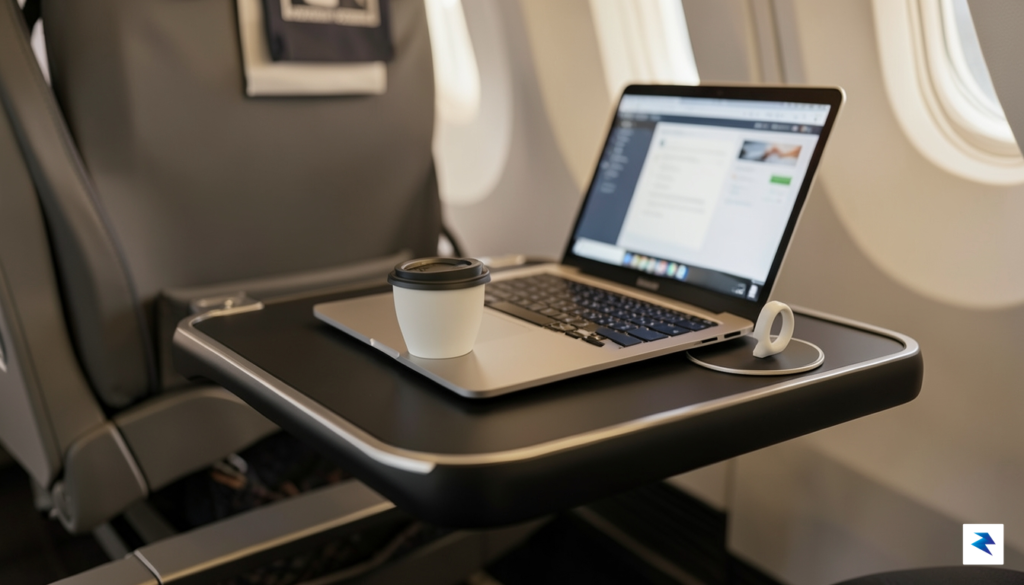
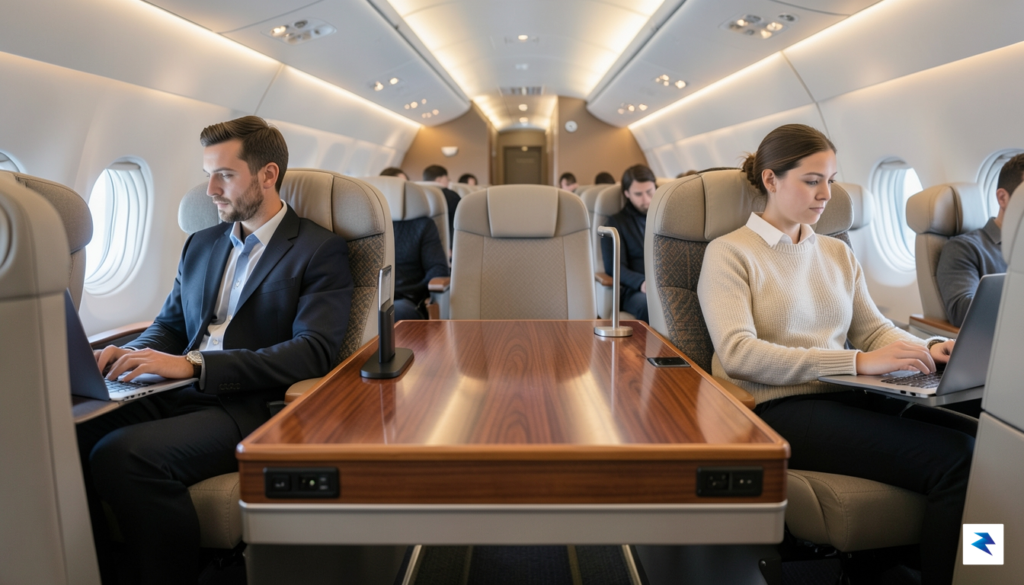
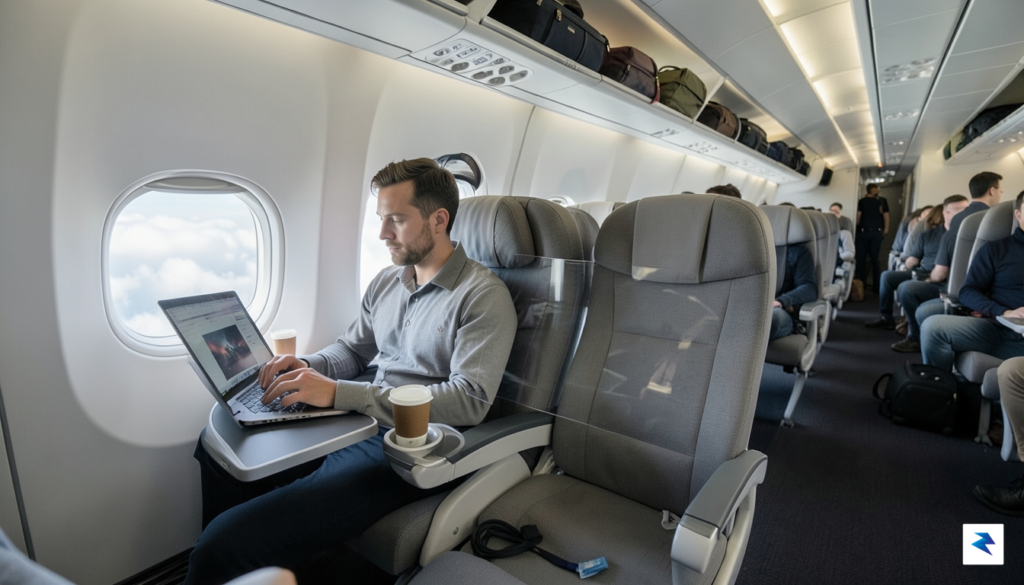
The engineering behind this transformation is a feat of modern cabin design, moving away from the traditional, static upholstery of the middle seat toward a highly modular, retractable architecture. Instead of a simple cushion, the new “Side-by-Side” configuration features a sophisticated, integrated platform that deploys from the seat structure itself. This surface is designed to be robust and stable, capable of supporting the weight of heavy laptops, peripheral equipment, and beverage service without the annoying wobble associated with standard tray tables. By repurposing the space that typically serves as the “dreaded” middle seat, United is effectively turning a notorious pain point into a premium, functional workstation that maximizes the utility of the cabin’s footprint.
The primary functionality of this desk is to provide a dedicated, expanded workspace that bridges the gap between the window and aisle passengers. For business travelers and digital nomads, this means having a sprawling surface area that can accommodate both a primary computer and supplementary documents or devices simultaneously. The design incorporates built-in power ports and high-speed charging hubs directly into the surface, ensuring that connectivity remains seamless during long-haul flights. This setup is particularly advantageous for colleagues traveling together who need to collaborate on projects or review reports, effectively turning the middle of the aircraft into an airborne conference room.
By converting the underutilized middle seat into a functional desk, United is shifting the narrative from “cramped proximity” to “collaborative productivity,” allowing travelers to reclaim their time in the air.
Despite the technical benefits, there are natural questions regarding the privacy implications of sitting in such close proximity to a neighbor. While the desk provides a physical barrier and a clear boundary between the two occupants, the arrangement does not eliminate the reality of sharing a row. To address this, the design team has incorporated subtle privacy screens and adjustable dividers that allow users to maintain a sense of personal space even while sharing a workspace. These features ensure that even if you are working side-by-side with a stranger, you can curate your environment to suit your comfort level, whether that means engaging in conversation or establishing a focused, isolated workspace. As airlines continue to experiment with cabin layouts, this evolution suggests a future where the middle seat is no longer a compromise, but a strategic choice for the productivity-minded traveler.
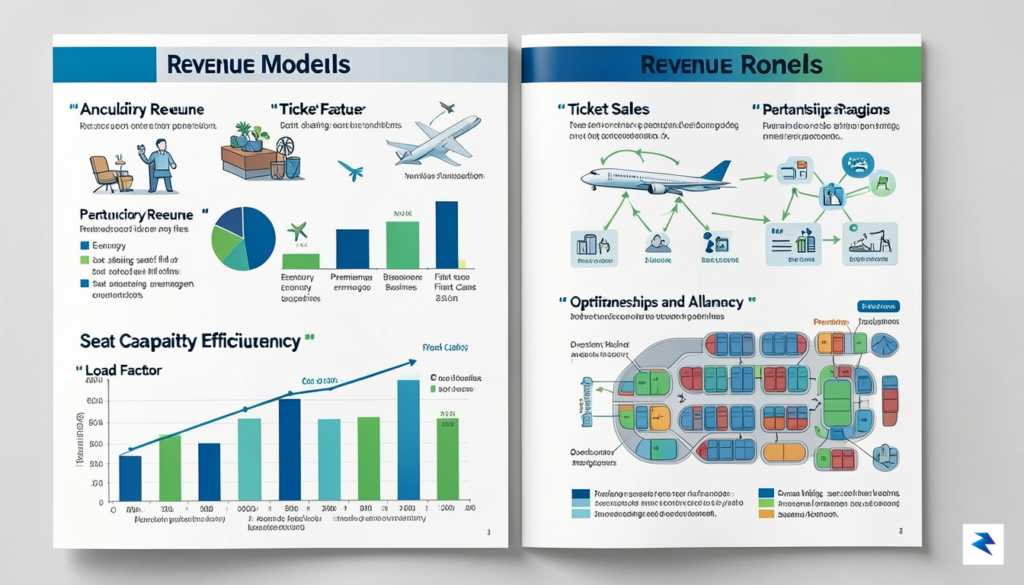
At its core, United Airlines’ pivot toward allowing passengers to purchase adjacent middle seats represents a fundamental shift in how legacy carriers perceive cabin real estate. For decades, the airline industry operated on a rigid model where every square inch of the cabin was tied to a specific passenger capacity. However, by transforming an empty middle seat into a premium, bookable commodity, United is effectively moving from selling “seats” to selling “personal space as a service.” This strategy allows the airline to capture revenue from inventory that might otherwise go unsold, particularly on flights that are not operating at full capacity. By formalizing the ability to purchase an adjacent seat, United optimizes its yield management, ensuring that the marginal revenue generated by an extra seat exceeds the potential cost of flying that space empty.
Beyond simple revenue capture, this initiative touches upon the intricate balance of operational efficiency and unit economics. While it might seem counterintuitive that a carrier would want fewer passengers on board, the reduction in total cabin load offers subtle but meaningful advantages in terms of fuel efficiency. Although one empty seat does not drastically alter the weight profile of a wide-body jet, the cumulative impact of reduced passenger weight—including luggage and service requirements—can contribute to long-term fuel savings. Furthermore, by curating a more spacious environment for premium-paying customers, United reduces the overall strain on cabin crew resources, as fewer passengers generally translate to shorter service times and less complex logistics during beverage and meal distributions.
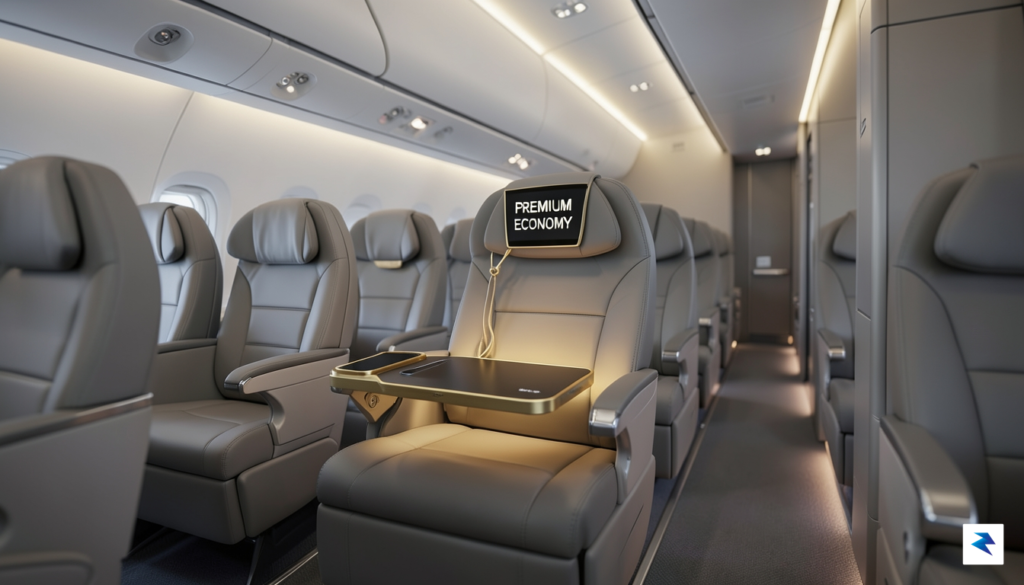
The transition toward personalized cabin configurations reflects a broader shift in aviation: the move away from a “one-size-fits-all” experience toward a tiered, boutique model that prioritizes individual comfort as a luxury good.
This strategy also aligns with the modern necessity for legacy carriers to diversify their ancillary revenue streams. In an era where base ticket prices are often pressured by fierce competition from low-cost carriers, airlines are increasingly reliant on “unbundled” services to bolster their profit margins. Selling middle seats functions similarly to a seat-assignment fee or an upgrade to Economy Plus, yet it offers a unique value proposition that appeals specifically to business travelers and high-net-worth individuals who prioritize productivity and social distancing. By leaning into this upsell strategy, United is effectively testing the upper limits of passenger willingness to pay for privacy, a trend that could redefine the standard cabin layout for years to come.
Ultimately, this move serves as a sophisticated middle ground between the standard economy experience and the high-cost barrier of a true business-class ticket. It bridges the gap for travelers who demand more than a cramped row but cannot justify the steep price hike of a premium cabin. By commodifying the middle seat, United is not just rearranging its current inventory; it is creating a new, flexible product that allows the airline to extract maximum value from every flight, regardless of the passenger load. This pragmatic approach to cabin space demonstrates a keen understanding of modern consumer behavior, where the ability to control one’s immediate environment is increasingly viewed as an essential component of the travel experience.
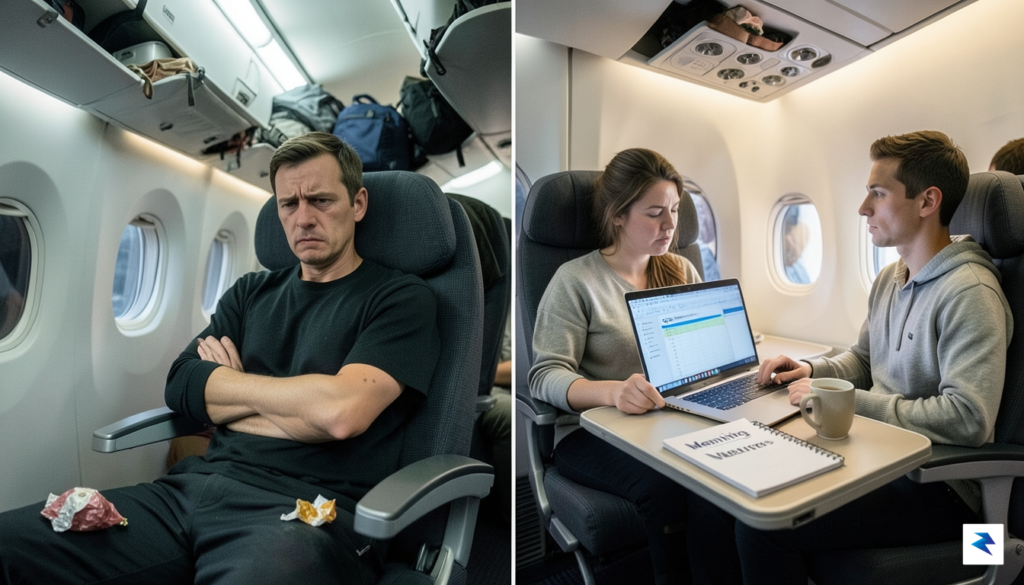
For the modern business traveler, the ability to secure a “buffer zone” at 30,000 feet is less about luxury and more about operational efficiency. When you are balancing a heavy workload, needing to draft sensitive emails, or simply requiring the mental bandwidth to prepare for a high-stakes presentation, the presence of a stranger in the middle seat can be a significant productivity drain. By purchasing that vacant space, United is essentially offering a premium on silence and personal territory, transforming a cramped row into a makeshift private office. For these professionals, the price tag is often viewed as a justifiable business expense, where the return on investment is measured in hours of uninterrupted focus rather than just physical legroom.
However, the value proposition shifts dramatically when viewed through the lens of a leisure traveler or a family navigating a tight vacation budget. For someone whose priority is stretching a travel fund across flights, hotels, and excursions, paying an additional premium to keep a middle seat empty might feel like an extravagant, if not unnecessary, luxury. There is an inherent tension here: if these “ghost seats” become a standard upsell, it could inadvertently create a two-tiered cabin environment where those with the means to pay for solitude are rewarded, while budget-conscious flyers are left to compete for the remaining inventory. This dynamic raises valid concerns about whether the overall cabin experience—and the accessibility of air travel—is being compromised by an increasingly granular “pay-to-play” seating model.
Beyond the personal cost-benefit analysis, there are broader logistical implications for the entire cabin. When passengers opt to purchase vacant middle seats, the airline effectively reduces the total seat capacity per flight, which inherently increases the demand—and potentially the price—for the remaining aisle and window seats. This could trigger a ripple effect where the average traveler finds it harder to secure their preferred spot without paying a premium, essentially making the “standard” economy experience feel more constrained than before. Furthermore, the aesthetic impact of partially occupied rows, complete with seat-blocking equipment or signage, might create a visual sense of fragmentation that departs from the traditional, uniform look of a full cabin.
Ultimately, the success of this initiative will hinge on whether United can balance the demand for personal space with the need for equitable cabin accessibility. If the price is set too high, the middle seats will remain empty and unbooked; if set too low, the airline risks operational inefficiency and a frustrated passenger base fighting over a diminishing supply of prime real estate.
Whether this shift represents a genuine improvement in the flying experience depends entirely on the traveler’s priorities. For those who value the “territorial” aspect of travel, this represents a welcome evolution in seat management. Yet, for the casual flyer, it serves as a reminder that the skies are becoming an increasingly commodified space where comfort is strictly tied to one’s willingness to pay.
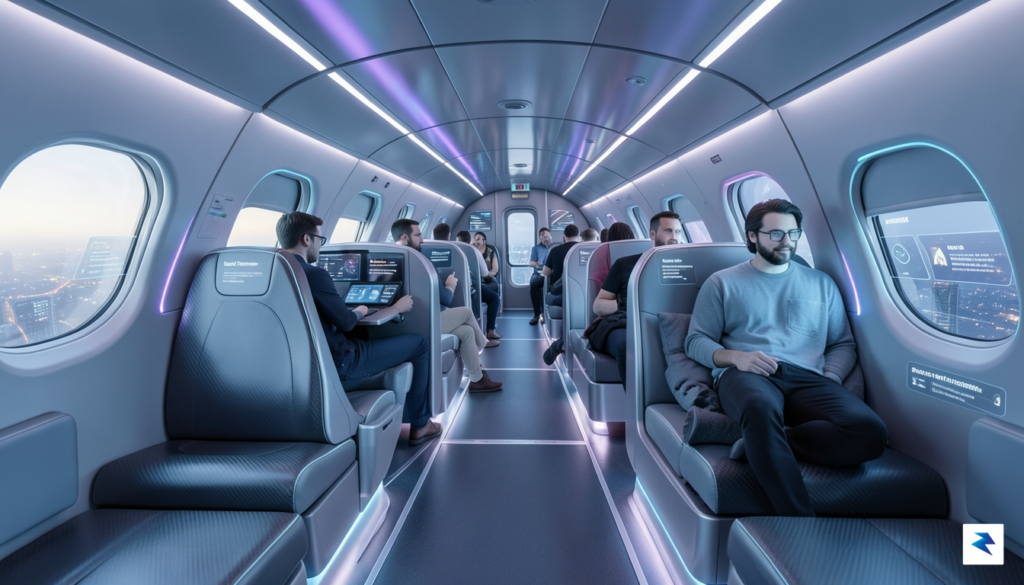
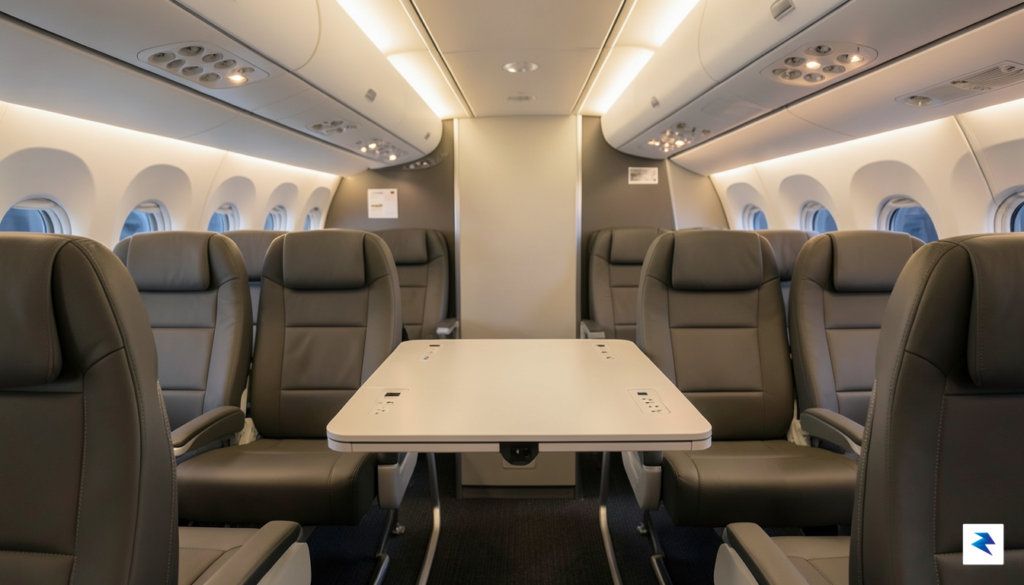
United’s move to monetize the middle seat space is likely the opening salvo in a broader industry shift toward modular cabin design. For years, airlines have been constrained by fixed configurations that prioritize passenger density above all else. However, as the “work-from-anywhere” culture becomes permanently embedded in the professional landscape, the traditional row of three seats is increasingly viewed as a relic. By allowing passengers to purchase the middle seat as a premium “productivity suite” or a dedicated lounge area, airlines are signaling that they recognize the changing needs of the modern traveler. Competitors will almost certainly follow suit, potentially leading to a marketplace where cabins are no longer static rows, but fluid spaces that can be reconfigured based on the needs of the flight manifest.
This transition suggests that the future of air travel will be defined by tiered utility rather than just tiered legroom. We can expect to see future aircraft interiors featuring retractable dividers, integrated docking stations, and ergonomic setups that cater to the traveler who refuses to unplug while at thirty thousand feet. As airlines scramble to maximize ancillary revenue, these modular zones will likely become a standard fixture, transforming the middle seat from a social burden into a high-value commodity. This evolution effectively shifts the airline business model from merely transporting bodies to facilitating high-end mobile offices.
The future of aviation is not just about moving people from one city to another; it is about providing a seamless extension of the office, where the middle seat becomes a premium amenity rather than a compromise.
Ultimately, this trend raises a significant question: are we witnessing the extinction of the “dreaded” middle seat, or merely its re-branding? While it is easy to view this as a win for comfort, the reality is that the middle seat is being commodified in a way that creates a new class of “air-productivity” elitism. Instead of eliminating the pain point of tight quarters, airlines are finding ways to make that space profitable for the business traveler while leaving the budget-conscious passenger to navigate the same cramped conditions as before. Whether this leads to a more pleasant experience for everyone or simply creates a new surcharge for basic comfort remains to be seen, but one thing is certain: the era of the one-size-fits-all cabin is rapidly coming to an end.
You must be logged in to post a comment.