
The Science of Sound: A New Frontier in Coffee Extraction
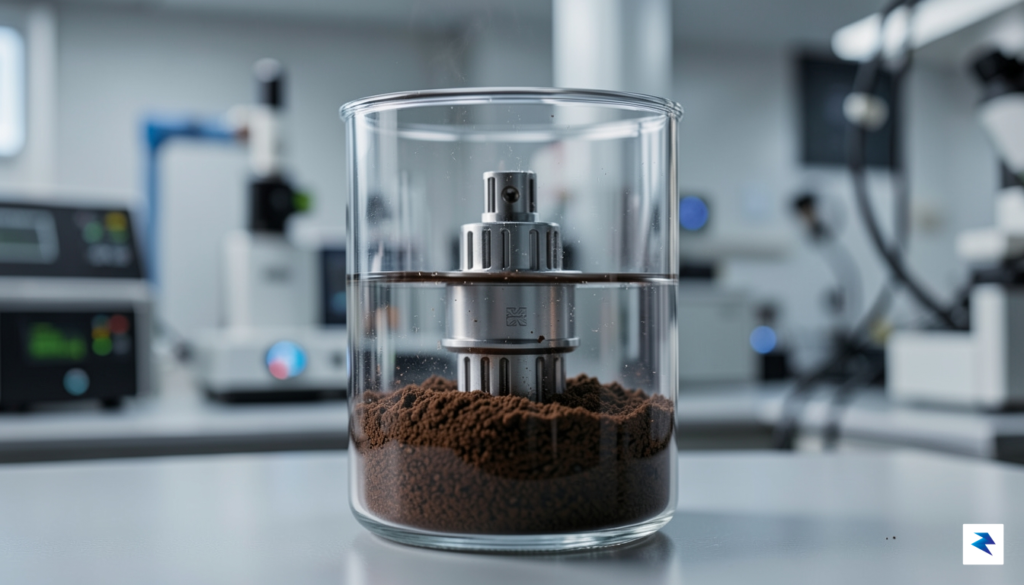
At the heart of traditional espresso brewing lies a reliance on thermal energy to drive solubility. For generations, baristas have depended on high-pressure hot water to dissolve the complex array of oils, sugars, and aromatic compounds locked within roasted coffee grounds. Heat serves as the primary catalyst, lowering the viscosity of these oils and accelerating the rate at which chemical compounds migrate from the solid coffee matrix into the water. However, this reliance on high temperatures can often lead to the degradation of delicate volatile compounds, sometimes resulting in a cup that is overly bitter or astringent. By shifting the focus from thermal agitation to mechanical energy, researchers are fundamentally reimagining how we achieve a balanced extraction.
The core mechanism behind this innovative approach is known as acoustic cavitation. When high-frequency ultrasonic waves are transmitted through a liquid medium, they create alternating cycles of high and low pressure. During the low-pressure phase, the liquid is essentially “stretched,” causing microscopic bubbles to form. As these bubbles are subjected to the subsequent high-pressure phase, they collapse with immense localized energy. This phenomenon acts as a microscopic hammer, generating intense shear forces and micro-jets of fluid that bombard the coffee particles. Consequently, the cell walls of the coffee grounds are disrupted at a granular level, releasing their contents far more efficiently than simple immersion or pressure-based steeping ever could.
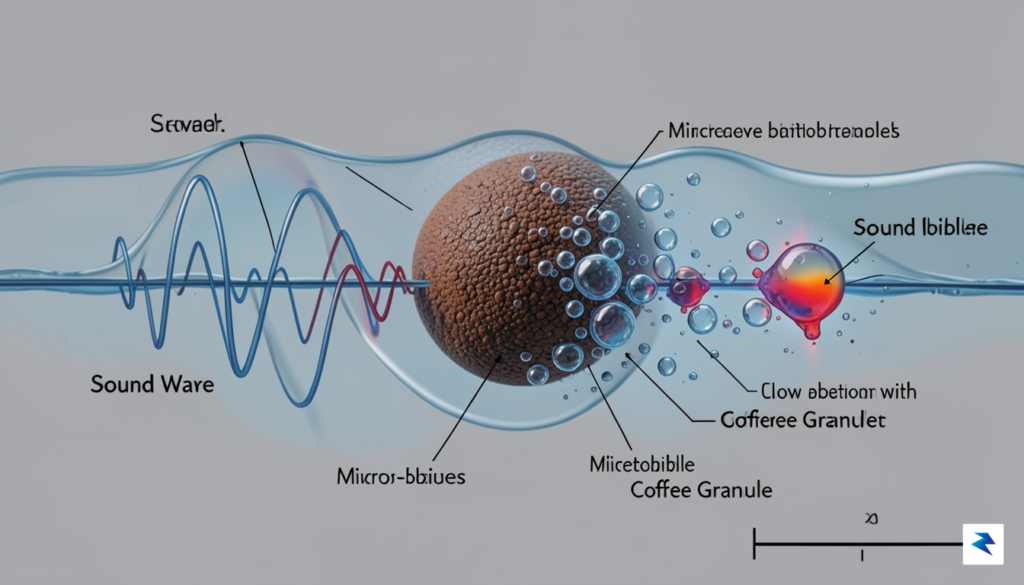
This ultrasonic agitation effectively replaces the need for high-temperature water because it provides the kinetic energy necessary to overcome the surface tension and mass transfer barriers that typically require heat to bypass. By bombarding the grounds with these rapid, high-energy pulses, the extraction process becomes a matter of physical displacement rather than thermal diffusion. Because the extraction occurs at room temperature, the volatile compounds that are usually sacrificed to the heat—often the bright, floral, or fruity notes that define high-quality single-origin beans—remain intact and vibrant. In essence, acoustic cavitation allows for a “cold” extraction that possesses the body, intensity, and complexity typically reserved for the finest hot-brewed espresso.
The power of ultrasonic brewing lies in its ability to decouple extraction from temperature, allowing for a cleaner, more nuanced flavor profile that heat-based methods often obscure.
Furthermore, this technology introduces a level of precision that traditional espresso machines struggle to emulate. In a standard setup, water temperature fluctuations can lead to inconsistent extractions, making it difficult for even skilled baristas to replicate the perfect shot repeatedly. With ultrasonic waves, the intensity and frequency of the acoustic energy can be modulated with surgical accuracy. This level of control means that the chemical yield of the coffee can be “tuned” to highlight specific flavor notes, offering a new frontier for coffee professionals and enthusiasts alike who seek to push the boundaries of modern brewing science.
Energy Efficiency: Why Ultrasonics Are a Game Changer
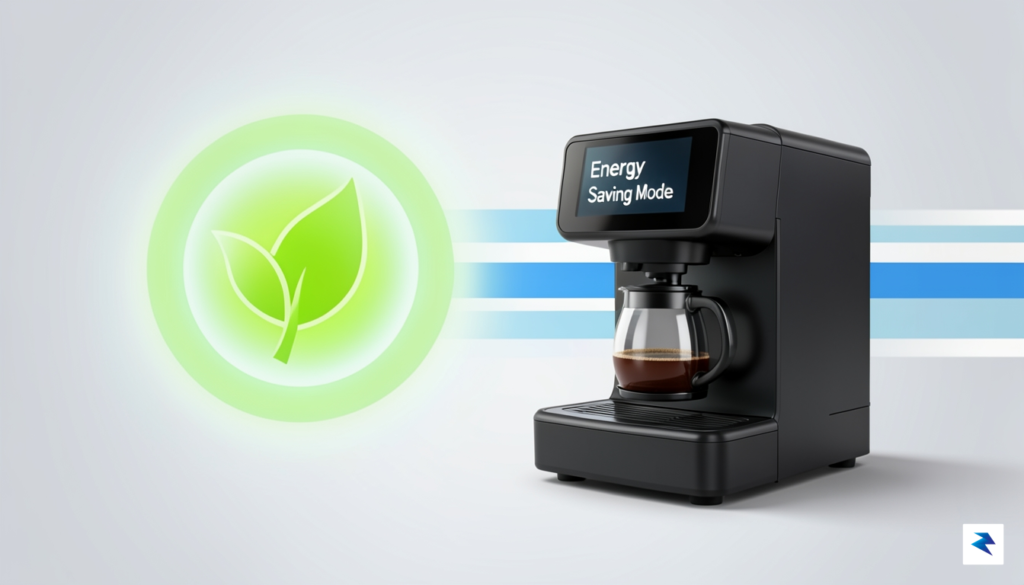
The traditional espresso experience is defined by the thermal intensity required to force pressurized water through finely ground beans. In a standard commercial espresso machine, the vast majority of electricity consumption is dedicated to the boiler—a component that must remain constantly heated to maintain the precise pressure and temperature needed for extraction. This “always-on” state represents a significant drain on utility resources, as energy is continuously lost to ambient heat dissipation, even when the machine is between shots. By shifting the extraction process to ultrasonic waves, researchers have effectively decoupled the need for extreme heat from the need for high-quality flavor, fundamentally altering the environmental profile of our morning ritual.
When we utilize ultrasonic transducers to agitate coffee grounds, we are replacing the energy-hungry resistive heating elements with low-power, high-frequency sound waves. Because the extraction process no longer relies on the thermal energy of boiling water, the electricity required to drive the transducers is a fraction of what a traditional machine consumes. Current data suggests that this innovative approach can slash energy consumption by as much as 75 percent compared to conventional brewing methods. This represents a monumental shift in efficiency, moving from a model that prioritizes thermal mass to one that prioritizes kinetic energy and acoustic precision.
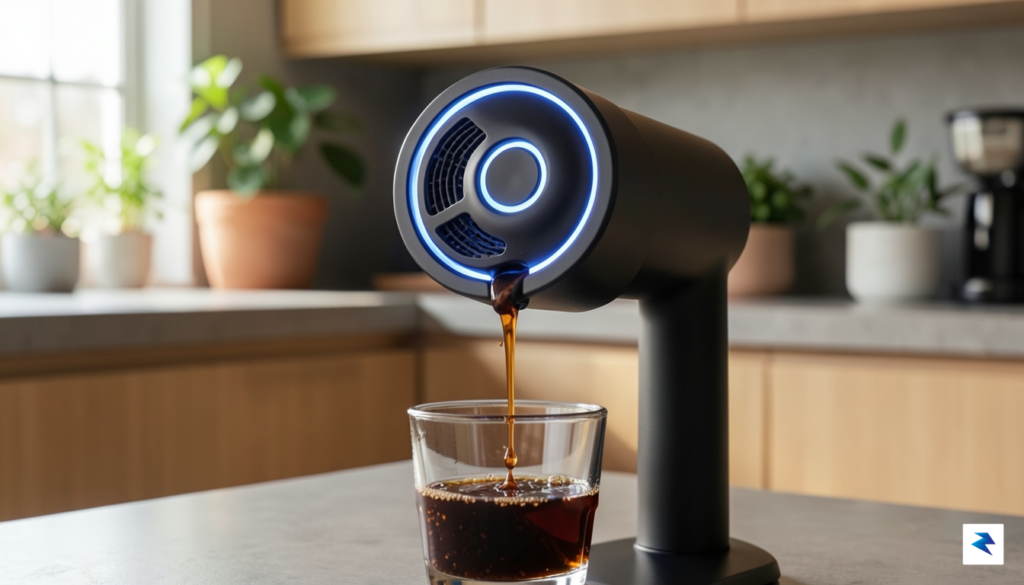
By eliminating the boiler, ultrasonic technology moves the coffee industry away from energy-intensive thermal extraction, potentially reducing the carbon footprint of every cup served by three-quarters.
The environmental implications for the broader coffee industry are profound, especially when considering the sheer volume of coffee shops operating globally. If commercial establishments were to adopt ultrasonic extraction technology at scale, the cumulative reduction in electricity demand would be staggering. Beyond the immediate energy savings, this transition could lead to smaller, more streamlined brewing equipment that requires less heavy-duty electrical infrastructure and produces less waste heat in small retail spaces. As we look toward a future where sustainability is no longer optional, integrating sound-wave technology into our daily brewing habits offers a clear, measurable path toward reducing the carbon footprint of the global coffee trade while maintaining the complex flavor profiles that enthusiasts demand.
Flavor Profile: Can Sound Waves Match Thermal Extraction?

The introduction of any radically new brewing method inevitably sparks one primary question: “How does it taste?” For coffee aficionados and casual drinkers alike, the sensory experience of espresso is paramount. Researchers venturing into sound-wave extraction are keenly aware of this, meticulously comparing the output to the familiar, complex profile of a high-end, traditionally brewed shot. The challenge lies in replicating the delicate balance of body, acidity, and the intricate array of flavor notes—from bright citrus to dark chocolate and nutty undertones—that define a truly exceptional espresso, all without the aid of scalding water.
At the heart of this taste comparison is the chemical extraction process itself. Traditional espresso relies on hot water to efficiently dissolve and carry various compounds from the coffee grounds. Ultrasonic waves, however, achieve this through mechanical vibration, literally shaking molecules free. This fundamental difference raises critical questions about the resulting chemical composition; specifically, how do caffeine and lipid (fat) extraction compare? The careful release of these compounds is crucial, as caffeine contributes to the perceived strength and bitterness, while fats are pivotal for the characteristic mouthfeel and ability to carry volatile aroma molecules. Early findings suggest that sound waves can be highly efficient, potentially extracting compounds selectively or at different rates than thermal methods, which could lead to novel flavor nuances.
One of the most iconic visual and textural hallmarks of a perfectly pulled espresso shot is its rich, reddish-brown crema – the dense, aromatic foam that crowns the beverage. This emulsion of coffee oils, proteins, and gas bubbles is often seen as a reliable indicator of a well-extracted shot and contributes significantly to the drink’s mouthfeel and aroma retention. The question then arises: can ultrasonic brewing generate a comparable, stable crema? While traditional crema formation is linked to high pressure and dissolved CO2 in hot water, acoustic agitation offers a different mechanism. Scientists are exploring how these sound waves might emulsify oils and entrain gases to create a visually appealing and texturally satisfying crema that lives up to the expectations set by its hot-water counterpart, which is a significant hurdle to overcome for widespread acceptance.
Beyond the crema, the overall mouthfeel and aroma profile are critical determinants of espresso quality. The gentle yet powerful vibrations of sound waves during extraction could uniquely influence how aromatic compounds are released and how the coffee feels on the palate. Acoustic agitation has the potential to break down cell walls differently, perhaps unlocking new precursors or altering the volatility of existing flavor compounds, leading to a distinct aromatic bouquet. Furthermore, the absence of high temperatures might preserve delicate volatile notes that are often lost or altered during conventional hot water extraction, potentially yielding a fresher, brighter, or even more nuanced aroma. The interaction of extracted lipids and other solids with the tongue contributes to the perception of body and silkiness, and researchers are carefully mapping how these components are affected by the sonic method.
Ultimately, the pursuit is to deliver not just a novel brewing technique, but a superior or at least equivalent sensory experience. The ongoing research is a testament to the scientific rigor applied to understanding every facet of ultrasonic coffee extraction, from the precise chemistry of its compounds to the ephemeral delight of its aroma and taste. By meticulously analyzing the body, acidity, sweetness, bitterness, and aftertaste, researchers aim to fine-tune the sonic process to either perfectly mimic the best of traditional espresso or, perhaps even more excitingly, unlock an entirely new spectrum of coffee flavors and textures previously unattainable. The journey towards a sound-wave brewed espresso that truly
The Path to Commercialization: From Lab to Kitchen Counter
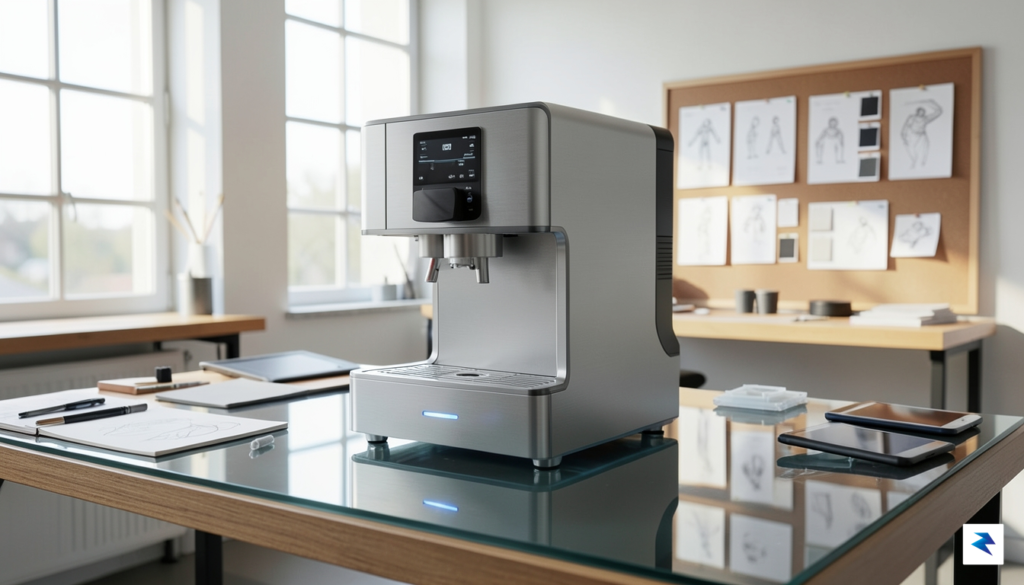
Translating a breakthrough in acoustic extraction from a controlled laboratory environment to the bustling chaos of a typical kitchen is an immense engineering undertaking. While the current prototype successfully utilizes ultrasonic vibrations to manipulate coffee grounds at room temperature, refining this into a consumer-ready appliance necessitates a complete overhaul of the device’s architecture. Engineers must first address the durability of the high-frequency transducers, which are subjected to significant mechanical stress during the extraction process. Ensuring that these components can withstand thousands of cycles without losing their precision—or failing entirely—is essential for building consumer trust in a product that is intended to last for years rather than weeks.
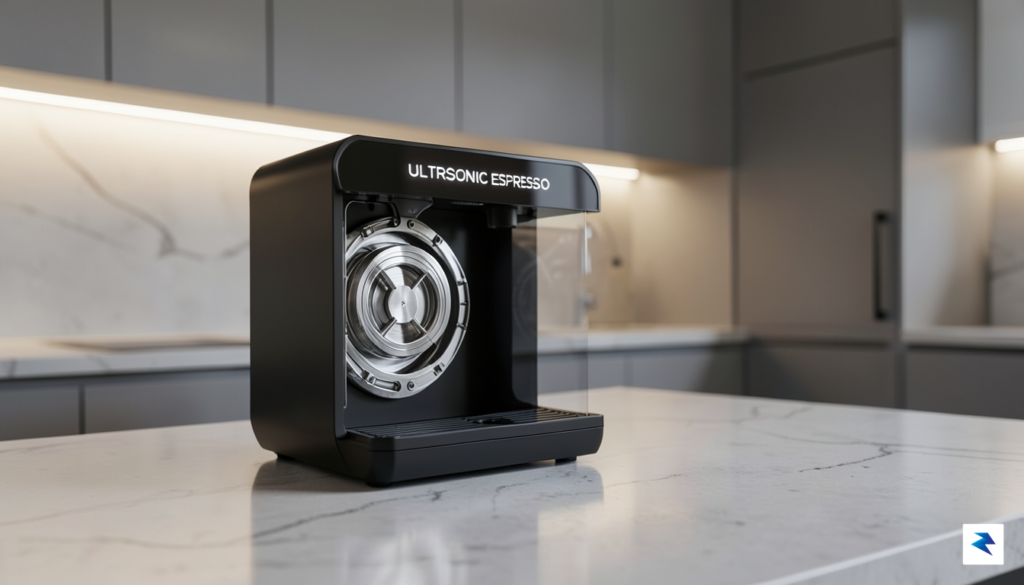
Beyond internal durability, the design team must tackle the practicalities of daily maintenance and sanitation. Traditional espresso machines rely on high-pressure water to flush through systems, but an ultrasonic brewer requires a different approach to ensure that coffee oils and microscopic grounds do not accumulate within the vibration chambers. Developing a self-cleaning mechanism or a modular design that allows users to easily sanitize the extraction zone is critical for market viability. If the process of cleaning the device becomes more cumbersome than the ritual of pulling a standard shot of espresso, the innovation risks being relegated to a niche scientific curiosity rather than a staple of the home barista’s arsenal.
Cost-reduction strategies will ultimately dictate whether this technology reaches the masses or remains an expensive luxury item for early adopters. Currently, the hardware required to generate consistent, precise ultrasonic waves at the necessary power levels is prohibitively costly for a mass-market retail product. Manufacturers will need to invest in supply chain optimization and potentially develop proprietary, scalable acoustic components to drive down the price point. Furthermore, integrating these high-tech systems with the standard aesthetic and ergonomic expectations of modern coffee drinkers requires a delicate balance between industrial design and functional engineering.
The leap from laboratory proof-of-concept to a household appliance is measured not just in months, but in rigorous iterations of material science and manufacturing feasibility.
Looking ahead, industry experts suggest that we are likely several years away from seeing functional ultrasonic espresso makers on retail shelves. Before a commercial launch can occur, the technology must undergo extensive safety testing, particularly regarding the shielding of high-frequency sound waves to ensure they do not interfere with other household electronics or affect household pets. While the prospect of cold-brewed, ultrasonic-extracted espresso is undeniably exciting for those who prioritize flavor purity, the path to the kitchen counter is a long, winding road of optimization, regulatory approval, and careful cost management.
Environmental Impact and the Future of Sustainable Brewing

The global specialty coffee industry has spent the last decade painstakingly refining its supply chain, moving toward direct trade models and carbon-neutral farming practices. However, the final step in the chain—the energy-intensive act of heating massive quantities of water to near-boiling temperatures—has remained a persistent bottleneck in achieving true sustainability. By shifting the extraction process from thermal energy to ultrasonic vibrations, this new brewing technology aligns perfectly with the industry’s broader push to decouple quality from heavy resource consumption. This innovation offers a way to maintain the complex flavor profiles that specialty enthusiasts demand while dramatically shrinking the carbon footprint of every cup served.
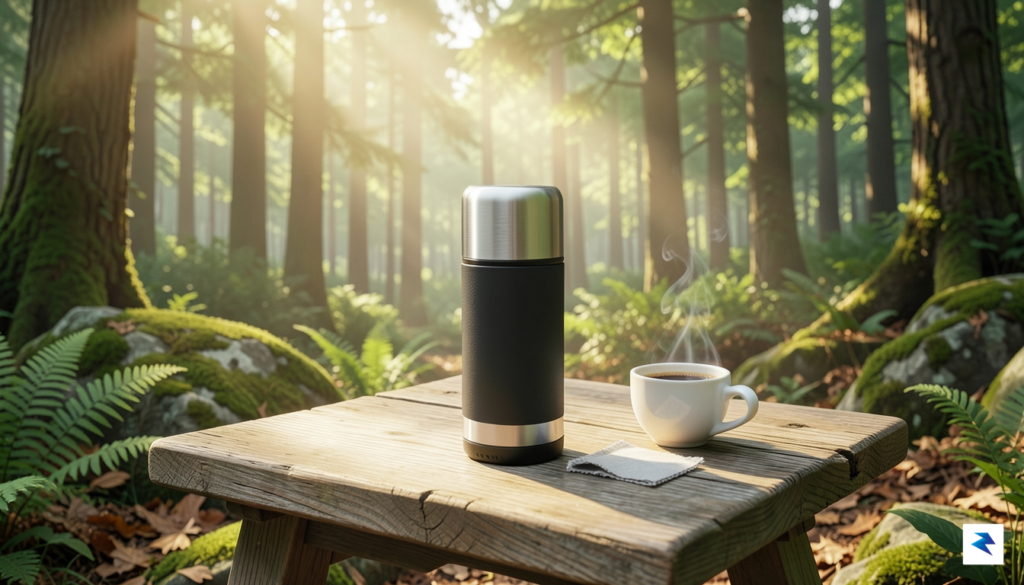
Beyond the immediate reduction in electricity usage, this shift invites us to rethink the entire logistics of coffee consumption. Traditional espresso machines are notorious for their power draw, requiring consistent, high-voltage connections that limit where and how we enjoy premium coffee. If ultrasonic cavitation can successfully replace the need for heat, we move toward a future where high-fidelity espresso is no longer tethered to a wall outlet or a bulky boiler. Imagine a compact, battery-powered device that produces a syrupy, aromatic shot of espresso in the middle of a remote wilderness or during long-distance travel, all without the need for propane burners or heavy thermal insulation.
The true promise of ultrasonic brewing lies in its ability to democratize the specialty coffee experience, making high-end extraction portable, efficient, and entirely independent of traditional energy infrastructure.
This portability does more than just enhance convenience for campers and travelers; it signals a fundamental change in how we perceive the “luxury” of coffee. As the specialty movement continues to grow, the integration of sound-wave extraction could lead to a new generation of low-impact mobile cafes and home brewing kits that utilize renewable energy sources like small-scale solar panels. By eliminating the high energy requirements of heating water, we are not just making a cup of coffee; we are participating in a larger movement toward a more resilient, mobile, and environmentally conscious lifestyle. As this technology matures, it will likely serve as a catalyst for other advancements in brewing, proving that the future of the perfect espresso shot is not found in higher temperatures, but in the precision of innovative physics.