
Schwab Enters the Prediction Market Race: What S&P 500 Event Trading Means for You
The Rise of Event-Based Trading The landscape of retail investing is undergoing a profound metamorphosis, shifting away from the patient,…


For millions of households across the country, the morning ritual of preparing breakfast has felt increasingly like a luxury expense over the past year. Recently, however, there has been a noticeable shift in the commodity markets: the wholesale price of eggs—the cost producers charge to suppliers—has plummeted from the record highs that dominated headlines during the height of the recent avian influenza outbreaks. Theoretically, this downward trajectory in wholesale costs should translate into immediate relief at the grocery store. Yet, as many shoppers have discovered, the price tag on a dozen eggs remains stubbornly high, creating a jarring disconnect between the cooling wholesale market and the reality inside the dairy aisle.
This phenomenon is largely driven by what economists call market lag, a systemic delay that prevents raw commodity price drops from instantly reflecting in retail pricing. When wholesale costs shift rapidly, grocery retailers do not necessarily adjust their shelf prices with the same velocity. Instead, retailers often rely on a smoothed pricing strategy, averaging out costs over longer periods to protect their profit margins against future volatility. Because supply chains involve multiple layers—including processors, distributors, and logistics providers—the downward pressure on costs must filter through several intermediaries before it reaches the end consumer. Consequently, while the cost of producing a carton of eggs has decreased, the “sticky” nature of retail pricing ensures that shoppers continue to pay a premium long after the wholesale market has stabilized.
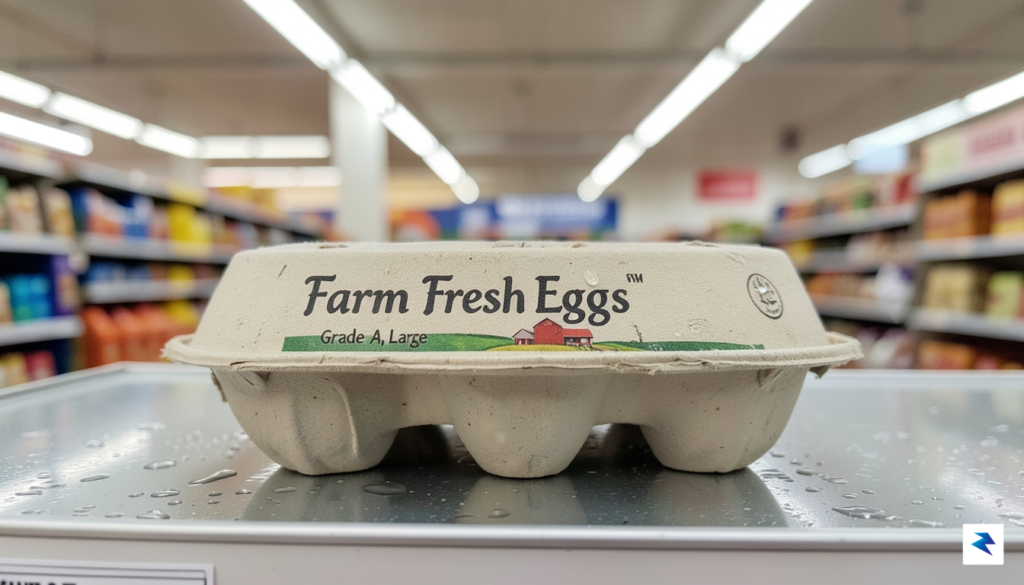
While consumers grow frustrated by the lack of relief at the checkout counter, a parallel crisis is unfolding behind the scenes for poultry farmers. The decline in wholesale prices is not merely a sign of market normalization; it represents a significant revenue cliff for agricultural producers who are still grappling with the high costs of feed, fuel, and biosecurity measures. Farmers are effectively caught in a vice: they are receiving less for their product than they were just months ago, yet their overhead expenses remain elevated due to lingering inflation in the agricultural sector. This creates a dangerous economic paradox where the market appears to be “healing” for the buyer, but the financial stability of the actual producers is being eroded by the very price drops that consumers are clamoring for.
The disconnect between wholesale commodity prices and retail shelf prices highlights the complex, multi-layered nature of the modern food supply chain, where market adjustments are rarely instantaneous and often unevenly distributed.
Ultimately, the current state of the egg market serves as a stark reminder of the complexities inherent in global food distribution. It is rarely a simple case of supply and demand dictating the final price; rather, it is a delicate dance between corporate margin protection, supply chain logistics, and the survival of the farming sector. As we examine the factors keeping prices high at the register, it becomes clear that the path to true affordability for the consumer may inadvertently place an unsustainable burden on the farmers tasked with putting eggs on our tables.
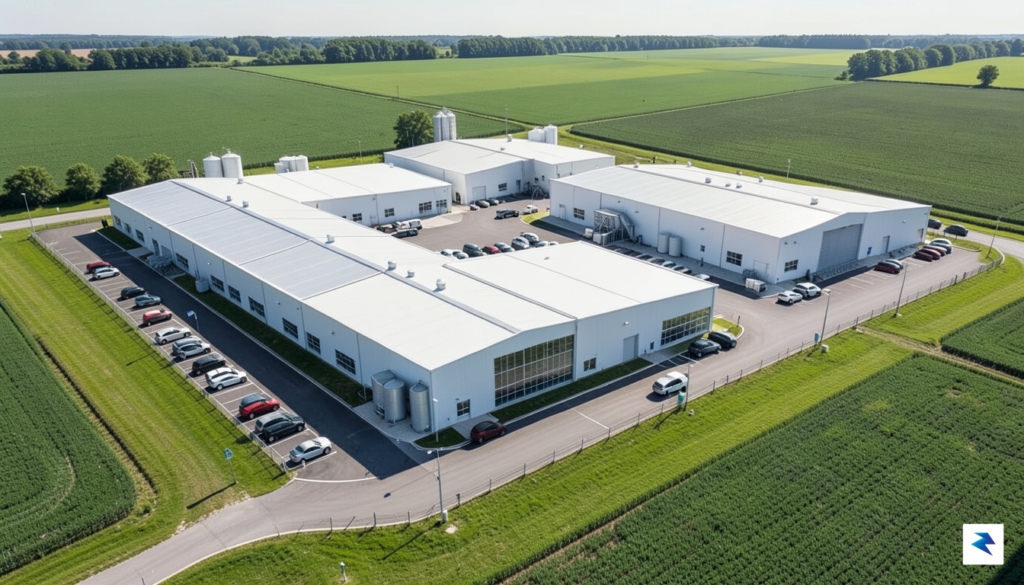
To understand why the pendulum has swung so sharply in the egg market, we must look at the industry’s reaction to the historic price spikes of the recent past. When egg prices soared due to supply constraints, farmers were naturally incentivized to maximize output to capitalize on high retail margins. This period of intense profitability encouraged aggressive flock expansion and the retention of older hens that might otherwise have been cycled out of production. However, poultry farming operates on significant biological lead times; you cannot simply flip a switch to increase or decrease the number of laying hens overnight. By the time producers ramped up their operations to meet the perceived high demand, the market reached a saturation point, leading to a surplus that currently outweighs consumer appetite.
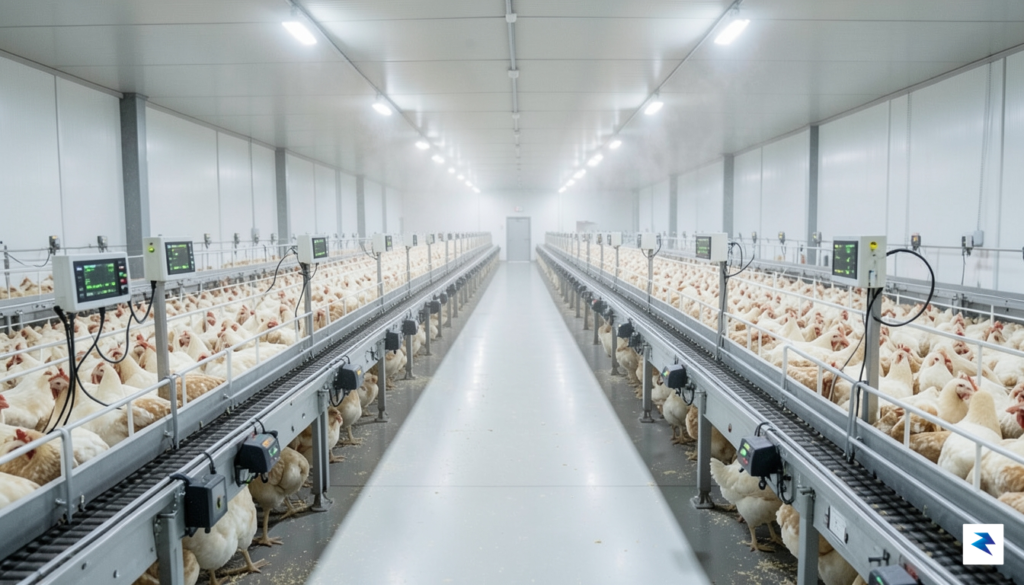
This cycle of expansion is inherently delayed by the nature of the agricultural calendar. Raising a pullet to the point of laying maturity takes several months, meaning that today’s egg volume is often the result of decisions made long before the current market cooling began. Once these flocks are fully integrated into the production cycle, farmers are effectively locked into a specific output level for a considerable duration. When demand plateaus or shifts, the biological momentum of the industry keeps the supply high, creating a classic “cobweb” effect where producers are constantly chasing the market rather than controlling it. Consequently, the wholesale benchmarks that dictate pricing have plummeted as warehouses fill with inventory that must be moved quickly to prevent spoilage.
The current oversupply is a textbook example of agricultural lag, where the industry’s attempt to solve a shortage inadvertently engineered a glut that now threatens the stability of small and mid-sized producers.
This imbalance is further complicated by the operational pressures of large-scale farming. Because keeping a laying hen is a continuous expense—requiring consistent feed, labor, and energy regardless of the current market price of eggs—farmers are often forced to continue production even when profit margins turn negative. They cannot simply pause the operation without incurring devastating losses or abandoning their infrastructure entirely. As a result, the market stays flooded with products, driving wholesale prices down to levels that fail to cover the rising costs of production. This creates a precarious environment where, despite the abundance of eggs available to retailers, the financial health of the farm-level supply chain remains severely compromised by these persistent market cycles.
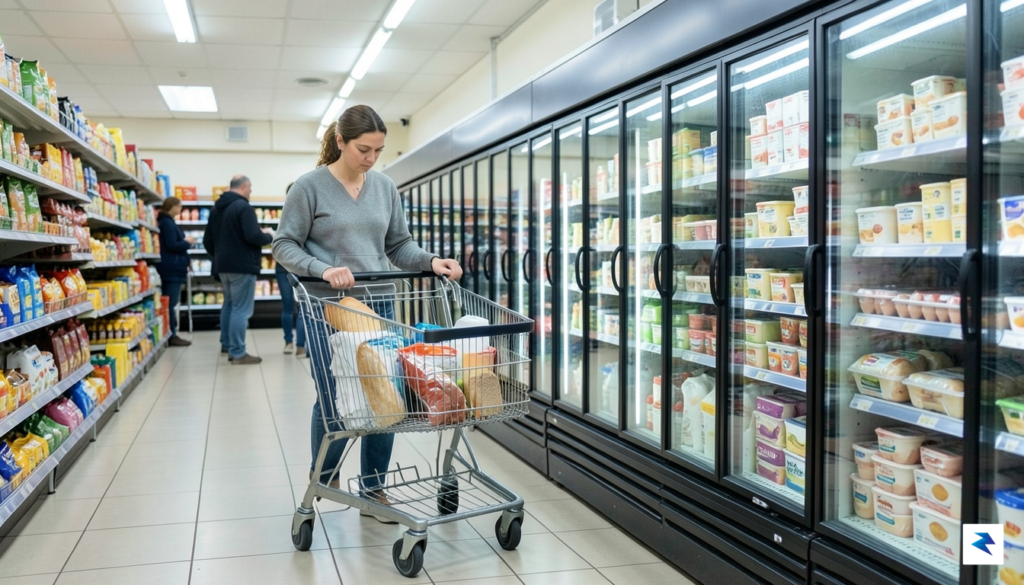
While wholesale egg prices have experienced a sharp decline following the volatility of recent years, the price you see at the supermarket checkout often feels stubbornly disconnected from these market realities. This phenomenon, frequently referred to by economists as “sticky prices,” occurs because retail grocery stores do not operate on a simple, real-time cost-plus model. Instead, supermarkets function within a complex web of long-term contractual agreements and multi-layered logistics that prevent immediate price adjustments. When you purchase a carton of eggs, you aren’t just paying for the commodity itself; you are paying for a bundled service that includes cold-chain storage, sophisticated inventory management, and shelf-space allocation, all of which remain costly regardless of the fluctuating price of the raw product.
A primary driver of this price lag is the nature of grocery procurement contracts. Large retail chains rarely buy their eggs on the fluctuating daily “spot market” that dictates wholesale prices. Instead, they enter into fixed-price agreements with major producers that span several months or even longer. These contracts are designed to provide predictability and stability for both the retailer and the supplier, effectively insulating the store from extreme price spikes. However, the flip side of that stability is that when wholesale prices crash, the retailer is still locked into the higher, pre-negotiated rate. Consequently, consumers do not see the immediate benefits of a market dip because the store’s internal procurement costs remain temporarily elevated by those binding agreements.
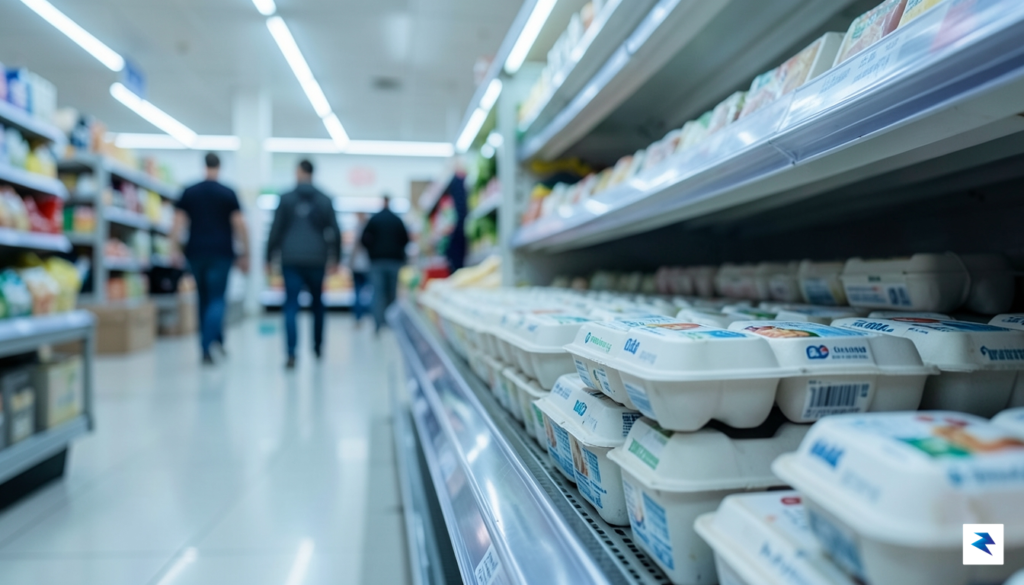
The price of an egg at the register is a composite of labor, transportation, and retail overhead—not just the cost of the bird that laid it.
Beyond the contractual barriers, we must account for the significant “non-commodity” costs that have surged in recent years. Even if the price of eggs at the farm gate drops significantly, the expenses associated with getting those eggs onto the shelf have not followed suit. Transportation costs, driven by fuel prices and a persistent shortage of long-haul drivers, remain at historically high levels. Furthermore, the labor required to stock shelves, manage refrigeration units, and maintain sanitary standards in the dairy aisle has seen substantial wage inflation. Finally, the costs of packaging materials—such as the cardboard or recycled plastic cartons—and the energy required to power the store’s massive cooling systems continue to exert upward pressure on the final retail price, buffering any potential savings that a wholesale drop might otherwise pass on to the shopper.
Ultimately, the retail price of eggs is as much a reflection of the broader economic environment as it is of the specific market for poultry. As long as grocery stores are faced with these inflexible overhead costs and long-term procurement structures, they will continue to act as a smoothing mechanism for price changes. While it is frustrating to see wholesale numbers plummet while your grocery bill stays high, it highlights the structural reality of modern food distribution: the cost of convenience and supply chain reliability remains a constant, even when the commodity itself becomes significantly cheaper.
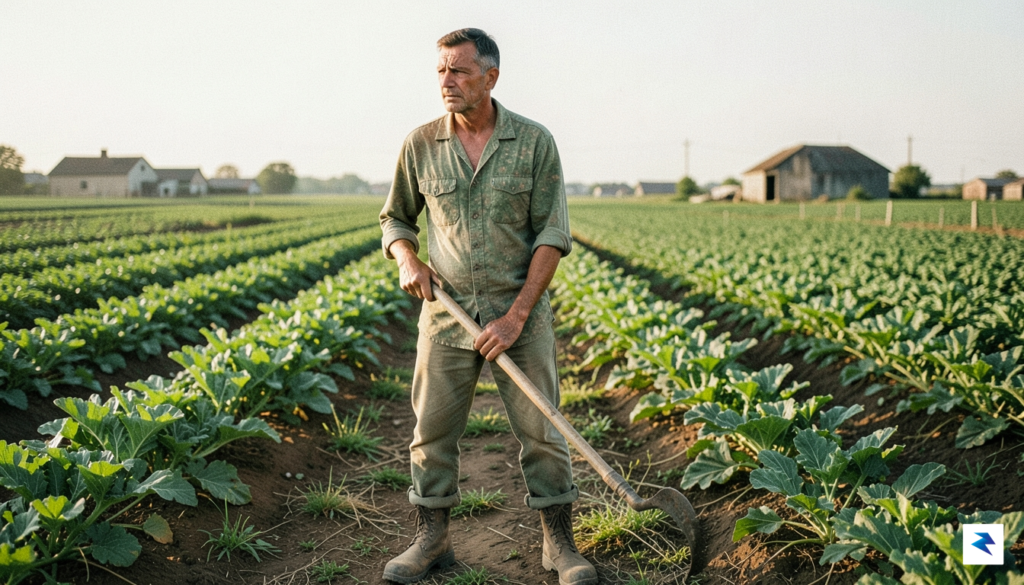
While shoppers are finally seeing some relief at the grocery store checkout, the dramatic decline in wholesale egg prices has triggered a silent crisis behind the scenes at poultry farms across the country. For the producers, this shift represents more than just a fluctuating market; it is a profound economic squeeze that threatens the viability of operations both large and small. While the public celebrates lower costs, many farmers are struggling to reconcile the plummeting revenue per dozen with the stubborn, persistent reality of their rising operational expenses. The transition from record-high prices to a market surplus has left many producers operating on razor-thin margins that simply cannot absorb the shock for long.
The financial pressure is compounded by the fact that the cost of doing business has not followed the same downward trajectory as wholesale prices. Farmers are currently grappling with inflated prices for high-quality poultry feed, which remains the single largest expense in egg production. Furthermore, the energy required to maintain climate-controlled facilities and the ongoing necessity of rigorous biosecurity protocols—essential to preventing devastating outbreaks of avian influenza—have kept overhead costs at an all-time high. These mandatory investments act as a fixed floor for production costs, meaning that even as wholesale market prices plummet, the farmer’s cost to produce every single carton of eggs remains stubbornly elevated.
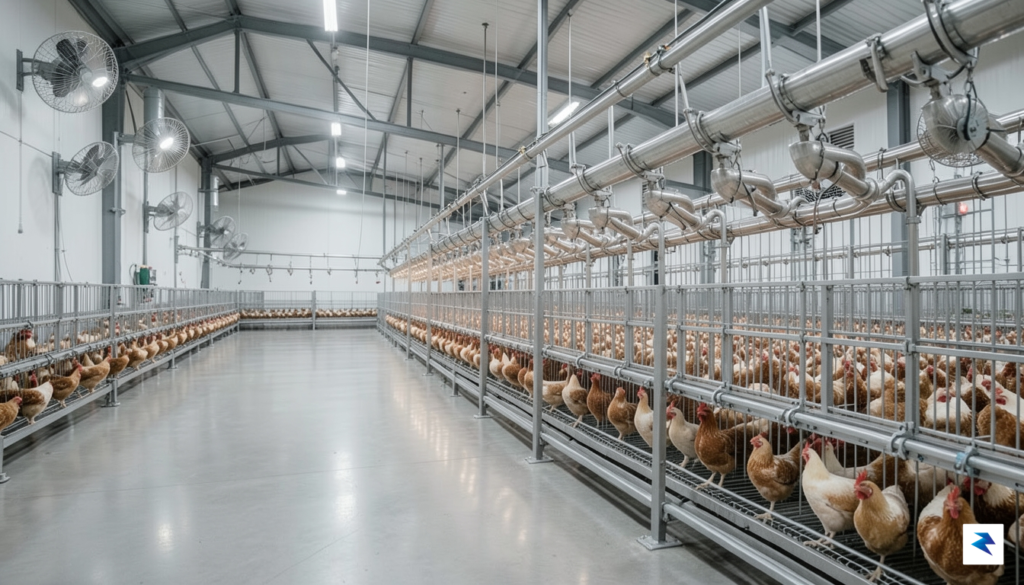
The current market environment forces farmers to choose between operating at a loss to maintain market share or scaling back production entirely, both of which carry significant long-term risks for the stability of our food supply chain.
Beyond the spreadsheets and balance sheets, there is a tangible psychological toll on those who dedicate their lives to animal husbandry. Managing a surplus in a climate where wholesale buyers are consistently slashing their offers creates a state of perpetual uncertainty. Many independent farmers find themselves working longer hours just to maintain the same level of output, often sacrificing their own take-home pay to ensure their staff and flocks are properly cared for. This financial and emotional strain is reaching a breaking point for many, as the gap between the cost of survival and the reality of the market continues to widen. When the excitement over lower prices fades, the industry may find itself facing a landscape where only the largest commercial entities can afford to remain standing, fundamentally altering the diversity and resilience of our local agricultural economy.

The recent oscillation in egg prices has served as a wake-up call for the agricultural sector, highlighting the precarious balance between industrial efficiency and biological vulnerability. As the market begins to find its footing following the massive disruptions caused by avian influenza, producers and distributors are increasingly focused on building structural resilience. Rather than simply hoping for a return to the predictable price points of the past, the industry is moving toward a model characterized by decentralized production and enhanced biosecurity. By diversifying the geographical footprint of poultry farms and investing in climate-controlled, secure facilities, stakeholders hope to mitigate the risk of localized outbreaks triggering nationwide supply chain collapses in the future.
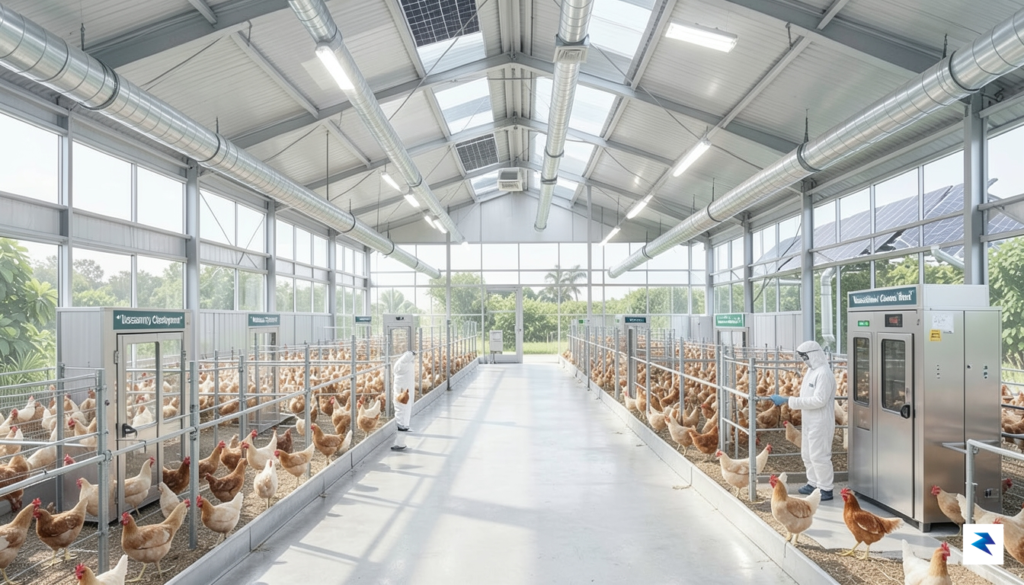
Beyond the logistics of production, the industry must also account for a permanent shift in consumer psychology. Years of price volatility have fundamentally altered shopping habits, with many households diversifying their protein sources or becoming more price-sensitive regarding premium egg varieties. This change suggests that the future of the poultry market will be less about mass-market dominance and more about tiered value propositions. Producers who can market transparency, animal welfare standards, and localized supply chains are likely to see more consistent demand, even when commodity prices fluctuate. Consequently, the long-term outlook for egg pricing will likely be dictated by a decoupling of standard commodity eggs from specialized, value-added products.
The path toward market stabilization relies less on returning to the past and more on embracing a new era of proactive supply chain management and consumer-centric production.
Ultimately, the era of “set it and forget it” supply chain management is coming to an end. To prevent the recurring boom-and-bust cycles that have penalized both farmers and shoppers, the industry is adopting more sophisticated forecasting tools and data-driven inventory management. While we may not see a return to the ultra-low prices of previous decades due to rising labor and feed costs, a more stable, albeit higher-baseline, market is achievable. Investing in agricultural resilience is no longer an optional expenditure for poultry operations; it is a fundamental requirement for survival in an increasingly unpredictable global economy. By fostering a more robust infrastructure today, the sector can better insulate itself against the next unforeseen shock, ensuring that the humble egg remains an accessible staple for families everywhere.
You must be logged in to post a comment.