
Android and the AI Wars: Is the EU’s New Mandate a Win for Google?
The EU’s Strategic Shift: Regulating AI Ecosystems The European Union has long positioned itself as the global architect of digital…


At its core, Uber’s decision to acquire Delivery Hero for $14.8 billion marks a definitive pivot from the era of hyper-growth-at-all-costs toward a strategy defined by aggressive consolidation and logistical dominance. For years, the gig economy was defined by fragmented competition, with companies burning through venture capital to subsidize low-cost deliveries in a desperate race for user acquisition. By absorbing Delivery Hero, Uber is signaling that the era of market fragmentation is effectively over. Instead, the company is betting that scale is the only viable defense in a high-stakes sector where margins are razor-thin and operational efficiency is the ultimate differentiator.
This all-stock transaction is more than a simple expansion of territory; it is a calculated masterstroke designed to solidify Uber’s status as the world’s definitive “super-app.” By integrating Delivery Hero’s extensive international infrastructure, Uber is transforming itself from a ride-hailing company into a comprehensive global logistics platform. This transition is essential for long-term viability, as it allows the company to diversify its revenue streams and leverage its massive user base across multiple high-frequency services. Investors are increasingly viewing this move as a pivotal step toward achieving sustained profitability, shifting the focus from simply acquiring new users to capturing greater market share in regions outside of China where competition remains fierce.
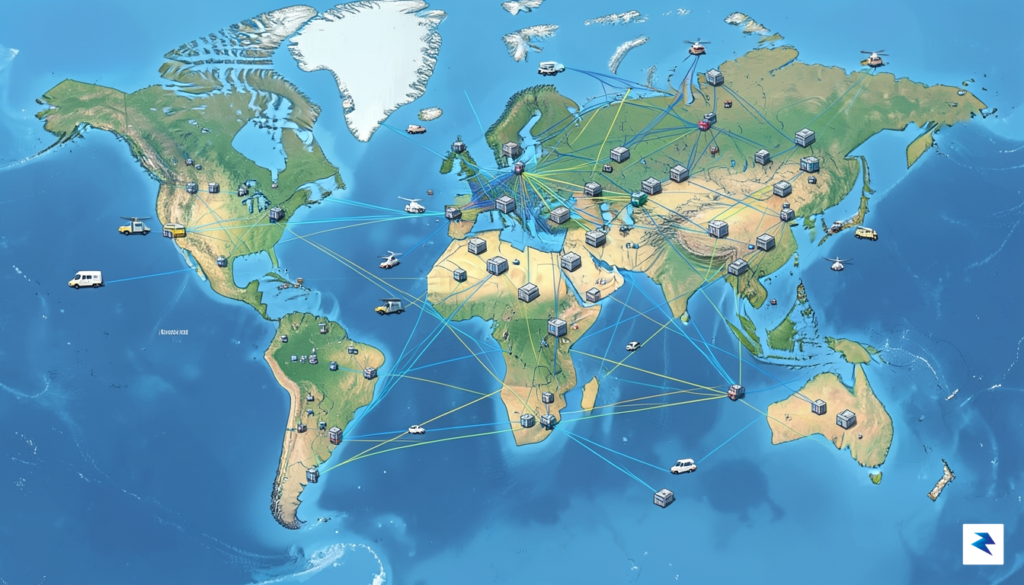
The consolidation of regional delivery powerhouses under the Uber umbrella suggests that market dominance, rather than sheer volume, is the new North Star for the gig economy.
Beyond the logistical benefits, the financial structure of this deal reveals a significant degree of investor confidence in Uber’s future trajectory. By utilizing an all-stock payment method, Uber is essentially asking shareholders to bet on the long-term synergies of the combined entity rather than short-term cash payouts. This approach minimizes the immediate impact on Uber’s balance sheet while aligning the interests of Delivery Hero’s stakeholders with the future performance of the merged platform. As the global economy grapples with inflationary pressures and shifting consumer behaviors, Uber’s move to consolidate creates a formidable moat, making it increasingly difficult for smaller, regional players to compete on price, speed, or technological sophistication.
Ultimately, this acquisition is a recognition that in the modern delivery landscape, size is the primary mechanism for driving operational efficiency. By combining fleets, optimizing routing algorithms across a larger geographic footprint, and streamlining administrative overhead, Uber is positioning itself to extract significantly more value from every transaction. The goal is no longer just to be the largest player in the room, but to be the most efficient one. Through this lens, the $14.8 billion price tag is not merely an expense, but a strategic investment in securing a global monopoly on the last-mile logistics chain.
For years, Uber has dominated the delivery landscape in Western urban centers, yet the company has often found its growth constrained in complex, high-barrier emerging markets. The acquisition of Delivery Hero serves as a strategic masterstroke by effectively bypassing the costly and time-consuming process of building localized logistics networks from the ground up. Delivery Hero has spent over a decade cultivating deep operational roots across Asia, the Middle East, and parts of Latin America—regions where cultural nuances and infrastructural challenges previously made it difficult for outsiders to gain a foothold. By absorbing these assets, Uber isn’t merely increasing its order volume; it is inheriting a sophisticated, pre-existing framework of local partnerships, delivery fleets, and regional expertise that would take years, if not decades, for any competitor to replicate independently.

The true value of this merger lies in the “white space” Delivery Hero occupies. While Uber has historically focused on highly saturated, high-revenue markets, Delivery Hero has mastered the art of delivery in regions defined by high population density and unique consumer behaviors. This includes localized delivery fleets—ranging from motorbikes to specialized courier services—that are optimized for the specific traffic patterns and housing layouts of rapidly growing cities. By integrating Delivery Hero’s proprietary logistics technology, Uber can now deploy its platform in environments where address accuracy or traditional delivery logistics were once significant bottlenecks. This technological synergy allows Uber to pivot from being a Western-centric player to becoming a truly global infrastructure provider for last-mile logistics.
The integration of Delivery Hero’s regional expertise provides Uber with an instant, localized operational playbook, effectively eliminating the friction typically associated with entering complex international markets.
Furthermore, this expansion provides a critical layer of resilience to Uber’s overall revenue model. By diversifying its geographic footprint, the company effectively hedges against localized economic downturns or regulatory shifts in any single nation. A broader global map means that revenue streams are no longer tethered exclusively to the performance of North American or European markets. Instead, Uber can now balance its portfolio across diverse economic cycles, leveraging the high-growth potential of emerging markets to offset the maturity of Western service adoption. This geographic diversification is not just an operational necessity; it is a fundamental shift toward a more stable and sustainable long-term financial structure that can weather global volatility far more effectively than a localized competitor ever could.
A transaction of this astronomical scale is rarely a smooth path to completion, as global regulators have grown increasingly wary of the “winner-take-all” dynamics inherent in digital platform economies. Because Uber and Delivery Hero command significant market share in distinct geographical territories, antitrust authorities in the European Union and across Latin America are expected to launch exhaustive investigations to determine if the merger would create an insurmountable barrier to entry for smaller competitors. Regulators are particularly sensitive to how such a consolidation might impact merchant commission fees, consumer pricing, and the delicate ecosystem of gig-worker compensation, which has already been a flashpoint for legal battles worldwide.
To secure the green light for such a massive acquisition, Uber will likely be forced into complex, high-stakes negotiations that could necessitate the divestiture of specific regional assets. Historically, tech giants have attempted to appease regulators by promising to maintain separate operations or by offloading overlapping business units to secondary players, yet modern regulators are increasingly demanding more structural remedies rather than behavioral promises. The current climate—marked by the EU’s Digital Markets Act and heightened scrutiny from the U.S. Federal Trade Commission—suggests that authorities will not be easily swayed by arguments regarding “synergy” or “operational efficiency” if those gains come at the expense of healthy market competition.

The success of this $14.8 billion deal will ultimately hinge not on the financial terms between the two companies, but on Uber’s willingness to prune its new portfolio to satisfy the demands of global competition watchdogs.
Beyond the immediate divestiture requirements, the merger presents a profound challenge in integrating two vastly different corporate cultures and operational infrastructures while under the microscope of public and political scrutiny. Unlike historical mergers of the early 2000s, where regulators were largely focused on consumer price gouging, today’s oversight bodies are looking at the holistic impact of digital platforms on labor rights and small business autonomy. Consequently, Uber must navigate a landscape where they are not just proving that they won’t raise prices, but also demonstrating that their enlarged footprint won’t stifle the broader gig economy. The path forward is fraught with potential litigation and mandatory concessions, ensuring that this deal remains a centerpiece of global antitrust debate for the foreseeable future.
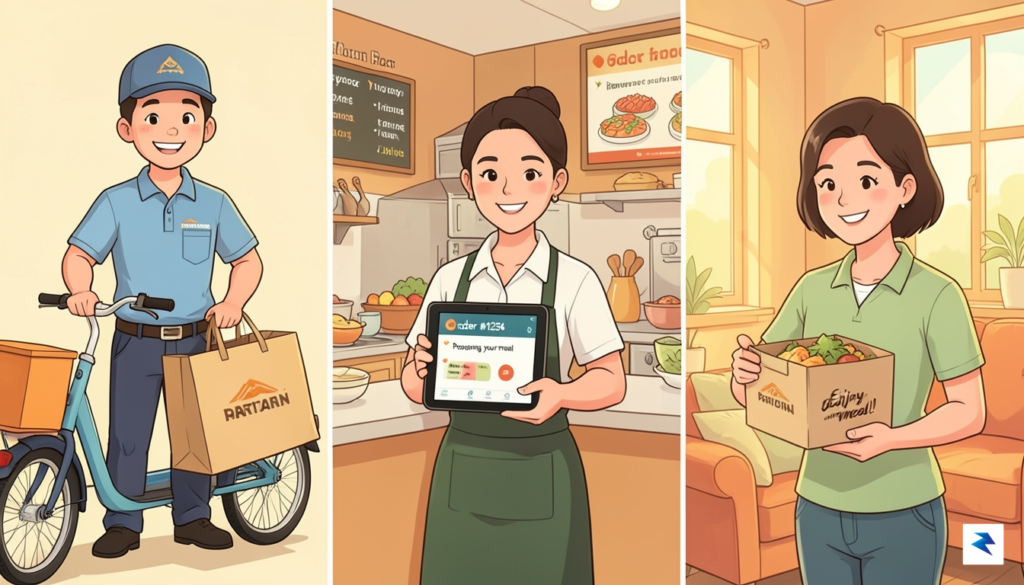
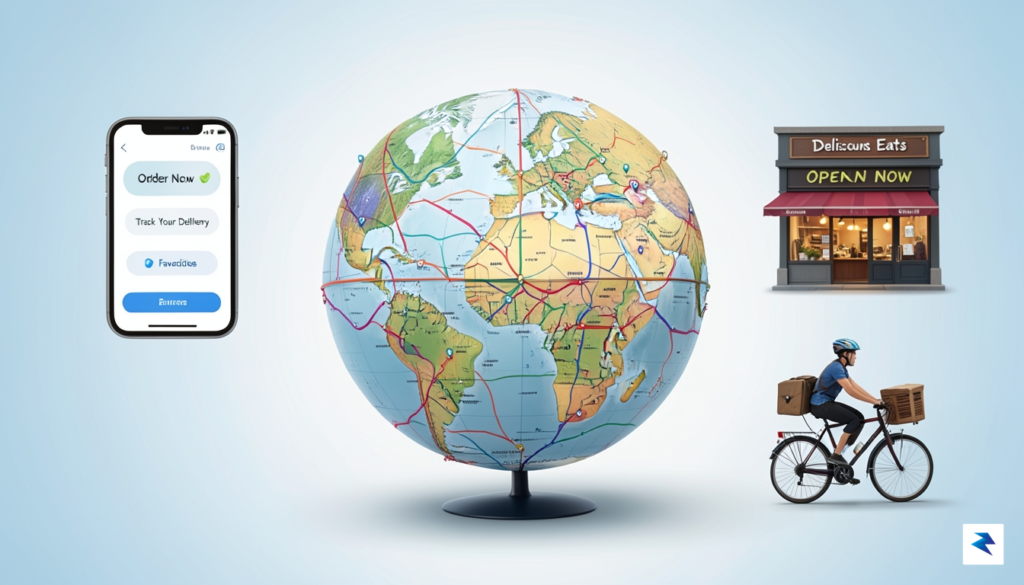
The consolidation of such a massive portion of the delivery market under the Uber umbrella promises a radical shift in the daily mechanics of the gig economy. For the millions of restaurants currently navigating the complex landscape of third-party delivery apps, this merger presents a double-edged sword. On one hand, a unified platform could offer standardized commission structures and more intuitive merchant dashboards, potentially streamlining operations for small businesses that currently struggle to juggle disparate systems. Conversely, the reduction in competitive pressure may grant Uber significant leverage to dictate terms, leaving independent restaurants with little recourse if commission fees rise or if the visibility of their storefronts is throttled by new, opaque algorithmic preferences.
For the average consumer, the immediate concern is the phenomenon of “fee fatigue.” While proponents of the deal argue that increased logistical efficiency—such as optimized batching of orders and reduced delivery times—could theoretically lower costs, historical market dominance suggests otherwise. When competition diminishes, platforms often find themselves with the market power to increase service fees and delivery surcharges without losing their customer base. We are likely to see a push toward subscription-based loyalty programs as the primary way to offset these costs, effectively locking users into the Uber ecosystem and making it increasingly difficult for them to compare prices across different providers.
The true measure of this merger’s success will not be found on a balance sheet, but in whether the platform can maintain service quality while resisting the temptation to extract maximum rent from a captive audience.
The implications for gig workers are perhaps the most volatile element of this transition. A unified global contractor policy could lead to a more predictable, standardized pay model, which would be a welcome change for drivers who currently deal with wildly fluctuating incentives across different applications. However, this level of standardization also risks creating a rigid system where worker autonomy is further diminished by centralized algorithmic management. If Uber manages to monopolize the labor pool in key urban markets, the ability for drivers to “multi-app”—switching between services to find the best hourly rate—may vanish entirely. This shift could solidify a permanent, globalized contractor model that prioritizes platform efficiency over the individual flexibility that originally defined the gig economy.
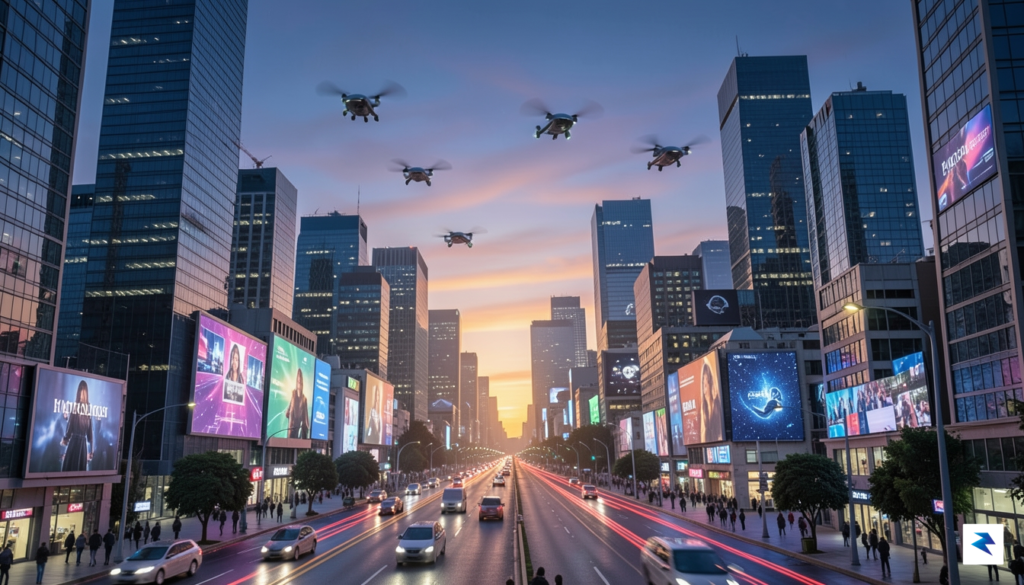
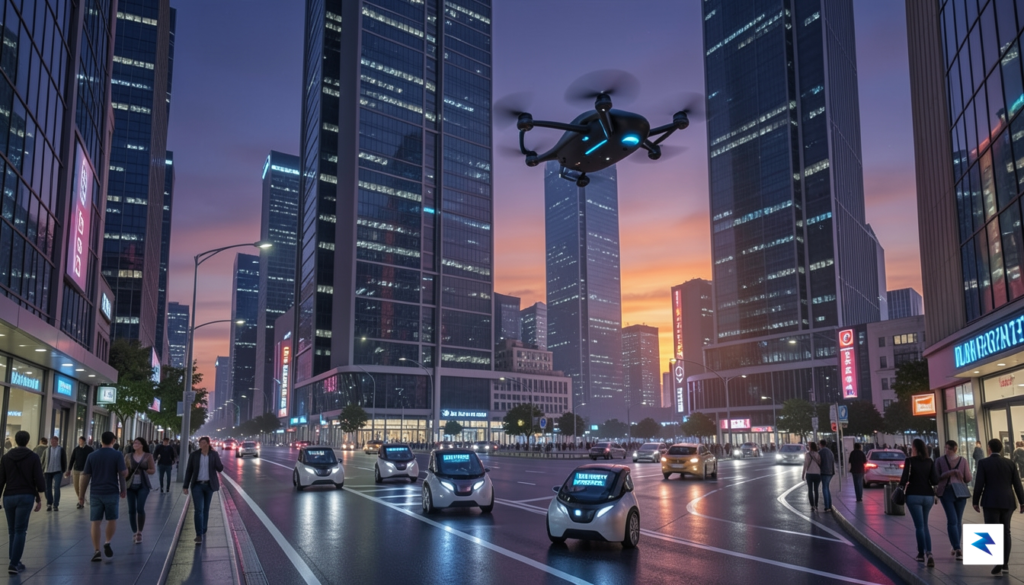
The monumental consolidation of Uber and Delivery Hero signals a paradigm shift that extends far beyond simple meal logistics, effectively establishing the blueprint for the “delivery-everything” economy. By merging these massive operational networks, the combined entity creates a colossal data engine capable of mapping local commerce with unprecedented precision. As the boundaries between restaurant food, grocery staples, and retail goods continue to dissolve, this unified platform will likely dictate the pace of innovation for the next decade. We are witnessing the transition from a collection of fragmented gig-economy apps to a singular, all-encompassing infrastructure that functions as the central nervous system for neighborhood trade.
At the heart of this evolution lies the sophisticated application of artificial intelligence and machine learning, which will be tasked with optimizing logistics at a global scale. With a footprint this expansive, the company can leverage predictive analytics to anticipate consumer demand before a purchase is even made, positioning inventory closer to end-users to reduce transit times.
The true competitive advantage of this merger is not just the sheer volume of orders, but the deep, longitudinal data set that will train the next generation of autonomous logistics algorithms.
By analyzing millions of micro-transactions, the platform can optimize everything from battery consumption in electric fleets to the precise batching of multiple deliveries, ensuring that the cost-per-delivery continues to trend downward even as labor costs rise.
Looking toward the next ten years, the delivery wars will shift from a battle of market share to a race for technological dominance in the “last fifty feet.” While human couriers have been the backbone of the industry to date, the future will be defined by a multimodal approach. We should expect to see a rapid acceleration in the deployment of autonomous ground robots for high-density urban zones, while aerial drones will likely handle time-sensitive, smaller parcels in suburban landscapes. Furthermore, the integration of hyper-local retail—where physical storefronts essentially function as automated fulfillment centers—will make “instant delivery” the standard expectation rather than a premium luxury. Ultimately, this deal cements a future where the local economy is no longer constrained by the physical limitations of the consumer, but rather empowered by an invisible, intelligent network of automated logistics.
You must be logged in to post a comment.