
Google AI Mode Now Links to Your Apps: Here is What You Can Do
The Evolution of Google’s AI Mode: From Search to Action For years, the experience of interacting with artificial intelligence has been…
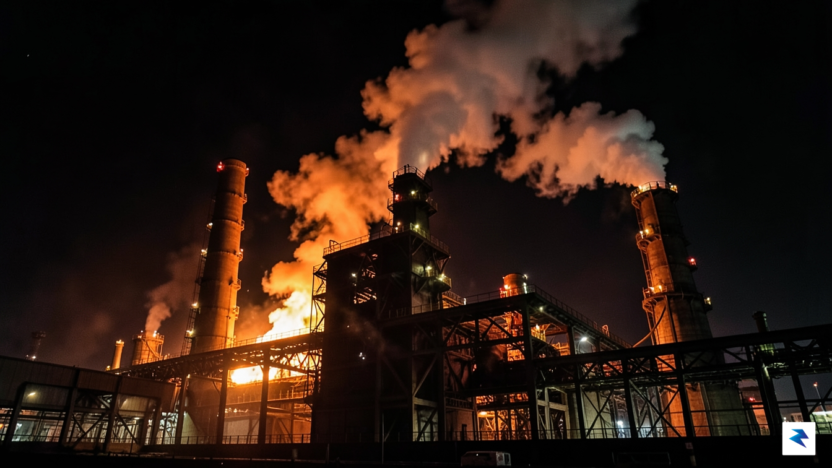
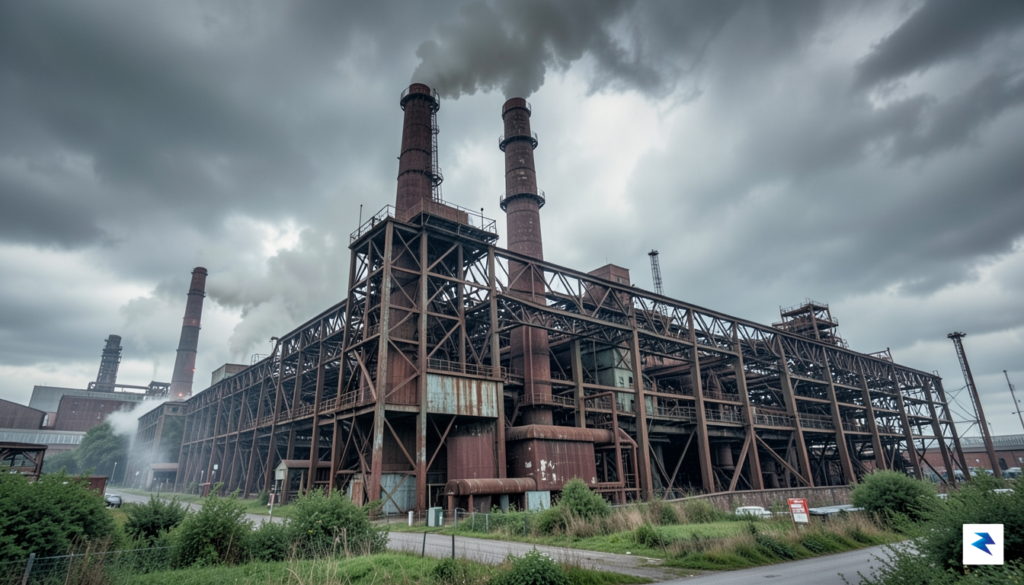
The decision to bring British Steel under state control represents far more than a mere administrative shift; it signifies the closing of a chapter in the United Kingdom’s long-standing industrial narrative. For generations, the production of steel has served as the backbone of the British economy, fueling the expansion of railways, infrastructure, and defense capabilities. As the final major steel mill of its kind, the facility in Scunthorpe has stood as a symbol of national resilience, yet it has faced an increasingly hostile global market characterized by volatile trade tariffs, rising energy costs, and stiff international competition. The move toward nationalization is a sobering acknowledgment that the private sector could no longer sustain the operational demands required to keep the furnaces burning, forcing the government to step into a role it has largely avoided for decades.
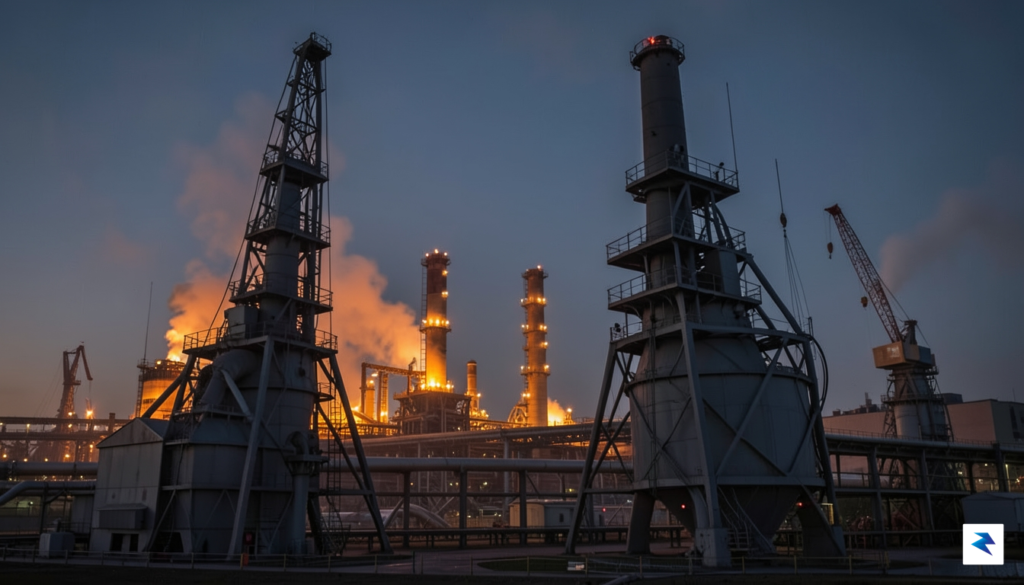
The timeline leading to this intervention was marked by years of precarious financial maneuvering and unsuccessful attempts to stabilize the company through private equity and foreign investment. Despite multiple restructuring efforts and promises of long-term viability, British Steel remained trapped in a cycle of mounting debt and declining demand. The government’s decision to intervene was ultimately a defensive measure, designed to prevent the catastrophic economic ripple effects that would follow a total liquidation. By stepping in, the state is attempting to insulate thousands of skilled workers from the immediate threat of unemployment and to ensure that the U.K. retains at least a baseline capacity for domestic steel production, which is essential for national security and future infrastructure projects.
Nationalization in this context acts as a “last resort” stabilization mechanism, prioritizing the preservation of industrial heritage and supply chain integrity over the immediate pursuit of shareholder profit.
Defining this intervention requires looking at the broader shift in the U.K.’s industrial policy, which has traditionally leaned toward privatization since the late 20th century. Nationalization here does not necessarily imply a permanent return to state-run industry in the traditional sense, but rather a temporary period of public stewardship aimed at seeking a more sustainable, long-term buyer. However, the move is deeply significant because it signals a departure from the “hands-off” approach that has defined British economic policy for years. It highlights a growing recognition that certain industrial assets are too critical to be left entirely to the whims of private market fluctuations, especially when those assets underpin the very foundation of the nation’s manufacturing capabilities.
Ultimately, this pivot toward public control raises complex questions about the future of British manufacturing. While the immediate danger of closure has been averted, the government now faces the immense challenge of modernizing the facility to meet contemporary environmental standards while remaining competitive on a global stage. The success of this transition will depend on whether the state can effectively manage the mill as a strategic asset, moving beyond crisis management to foster a period of genuine industrial renewal that protects both the local workforce and the broader economic interests of the United Kingdom.

The collapse of private stewardship at British Steel represents more than just a localized corporate failure; it serves as a stark illustration of the structural volatility inherent in the modern global manufacturing landscape. Under the tenure of the Jingye Group, the company struggled to reconcile the high-capital demands of heavy industry with a market environment defined by razor-thin margins. While the acquisition was initially hailed as a lifeline, the reality quickly shifted as the firm grappled with the prohibitive costs of maintaining aging, energy-intensive blast furnaces. These legacy facilities required constant, expensive upgrades to meet modern environmental standards, a financial burden that proved unsustainable when coupled with the volatile price of raw iron ore and coal.
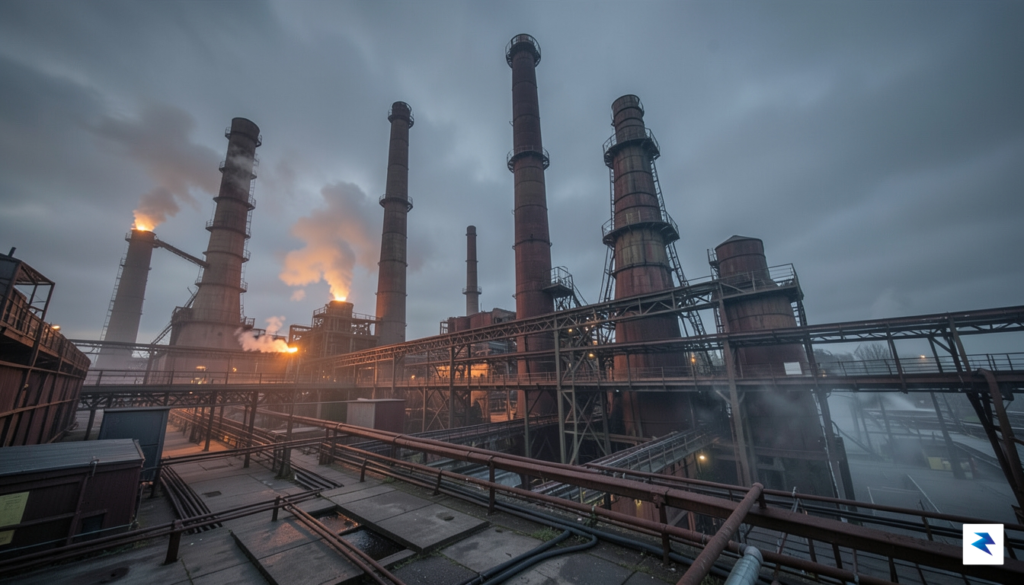
Compounding these operational hurdles were the relentless macroeconomic pressures that have squeezed traditional steel producers across the Western world. British Steel found itself caught in a pincer movement of high domestic energy prices and aggressive competition from state-subsidized manufacturers in emerging markets. Because the U.K. energy market frequently subjects industrial consumers to some of the highest electricity costs in Europe, the operational overhead simply became too heavy to bear. Consequently, the firm was forced to operate in a state of perpetual catch-up, attempting to modernize its output while simultaneously fighting to keep the lights on during periods of peak grid demand.
The inability of private equity to absorb these shocks highlights a fundamental mismatch: the short-term horizons of investment cycles are often incompatible with the multi-decade requirements of heavy industrial maintenance and decarbonization.
When the financial outlook darkened, the silence from the private sector was deafening. Potential investors—ranging from global conglomerates to specialized turnaround funds—largely opted to stay on the sidelines, deterred by the sheer scale of the capital expenditure required to transition the plant to greener, electric-arc furnace technology. There was a widespread recognition that the risk-to-reward ratio had tilted irrevocably against the private model. Without a clear path to profitability that could satisfy shareholders, no commercial buyer was willing to shoulder the liabilities of a workforce and infrastructure that were increasingly viewed as a legacy burden rather than a growth engine. This vacuum of private interest ultimately left the government with little choice but to step in, transforming the mill into a strategic national asset that the market had effectively abandoned.
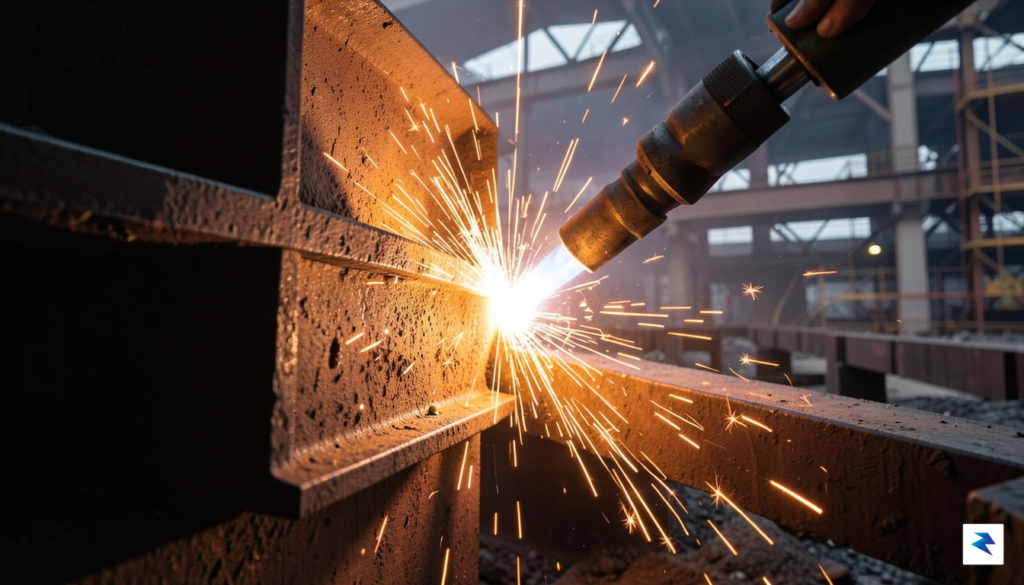
At the heart of the government’s decision to intervene lies the principle of strategic autonomy—the conviction that a nation as industrialized as the United Kingdom cannot afford to be entirely beholden to foreign suppliers for its most critical raw material. Steel is not merely another commodity; it is the physical skeleton upon which the entire modern state is built. By maintaining a domestic production capability, the U.K. retains a degree of control over its industrial destiny, ensuring that the essential components required for defense systems, naval vessels, and secure infrastructure are not subject to the whims of global trade disputes or the precarious nature of international logistics chains.
The reliance on imported steel introduces significant vulnerabilities, particularly in an era defined by geopolitical volatility and shifting alliances. When a country depends on external sources for its primary building blocks, it becomes susceptible to price shocks, sudden supply bottlenecks, and even the leverage of hostile actors who might restrict access during a crisis. By securing the future of its last major mill, the U.K. is effectively building an insurance policy against these systemic risks. This domestic capacity ensures that the nation can sustain its own defense manufacturing and emergency infrastructure repairs without being forced to compete in a crowded, expensive, and often unreliable global marketplace.
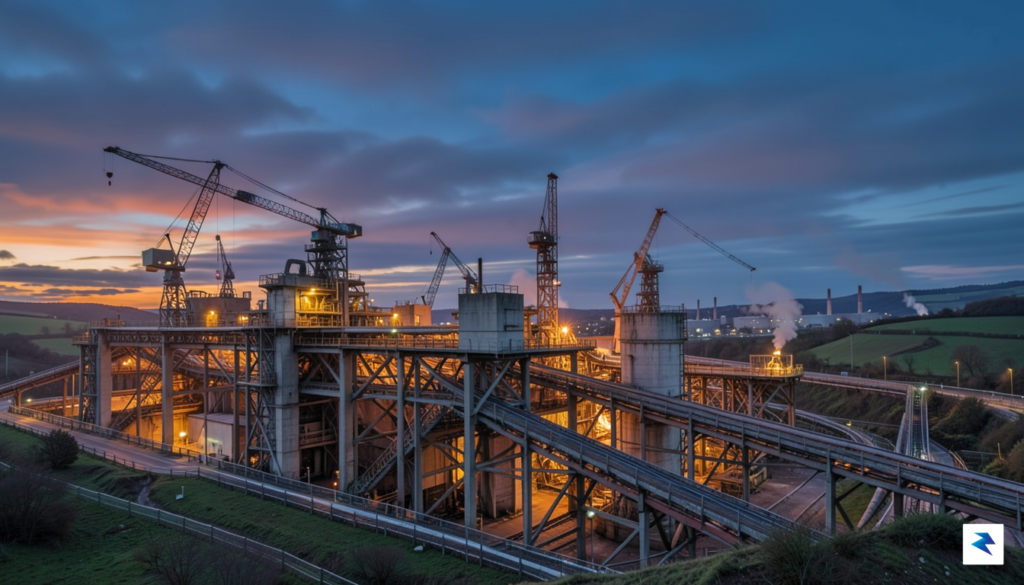
Beyond the realm of national security, domestic steel is a non-negotiable requirement for the U.K.’s long-term economic and environmental ambitions. Massive infrastructure projects—ranging from high-speed rail networks and bridge construction to the rapid expansion of sustainable housing—require a consistent, high-quality supply of steel that meets specific regulatory standards. Relying solely on imports can lead to unpredictable delays and quality control issues that ripple through the entire construction sector, driving up costs for taxpayers and stalling essential urban development. Furthermore, as the nation pivots toward a green economy, the demand for specialized, low-carbon steel to construct wind turbines, tidal energy arrays, and electric vehicle infrastructure will only intensify.
To cede control of steel production is to outsource the future of the U.K.’s infrastructure. A domestic mill acts as a vital anchor, stabilizing prices and ensuring that the materials for a green transition are manufactured at home, rather than shipped across oceans with a heavy carbon footprint.
Ultimately, the move to nationalize this industry is a recognition that market forces alone cannot always account for the profound value of industrial self-sufficiency. By keeping these furnaces burning, the government is not just protecting jobs; it is safeguarding the physical foundations of British society. As the global economy becomes increasingly fragmented, the ability to produce steel domestically is evolving from a traditional economic advantage into a fundamental pillar of national sovereignty and future-proofed growth.

Nationalization acts as a temporary life raft, but it is merely the opening chapter in a much more grueling saga of industrial transformation. For British Steel to emerge from this crisis as a viable, long-term entity, the government must move beyond simple financial stabilization and commit to a radical, multi-billion-pound overhaul of the company’s aging infrastructure. The current operational model, characterized by outdated blast furnaces and energy-intensive manufacturing processes, is no longer compatible with the global market’s demands for cost-efficiency or environmental accountability. Consequently, significant capital investment is essential to replace legacy assets with modernized, agile machinery that can compete on both price and quality with international rivals who have already embraced automation and advanced metallurgy.
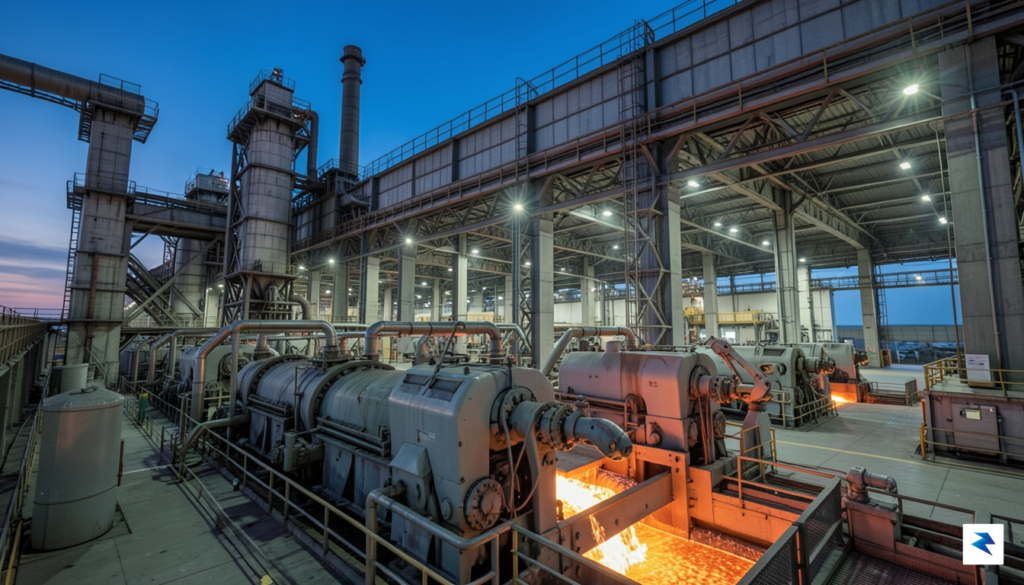
The most pressing imperative for this modernization is the urgent transition toward “green steel.” As the United Kingdom sets ambitious targets for net-zero carbon emissions, the steel industry—a historically heavy polluter—must pivot rapidly to survive in a regulatory landscape that increasingly punishes high carbon footprints. This shift requires a monumental pivot toward hydrogen-based production and electric arc furnace technology, both of which offer a cleaner alternative to traditional coal-fired methods. Investing in this transition is not merely a matter of meeting environmental mandates; it is a strategic necessity to future-proof the business against carbon taxes and the growing demand from construction and automotive sectors for sustainable, low-carbon materials.
To survive in the 21st century, British Steel must transition from a reliance on legacy coal-based production to a circular, hydrogen-powered model that aligns with the global mandate for decarbonization.
Crucially, the government faces a complex dilemma regarding its role: should it act as a hands-on operator or a strategic facilitator? History suggests that state-run industrial ventures often suffer from bureaucratic inertia, which is the antithesis of what a volatile, global commodity business needs to thrive. Instead of attempting to micromanage day-to-day operations, the state should focus on creating a stable environment that attracts private-sector expertise and encourages innovation. By acting as a facilitator—providing the capital for modernization while allowing industry experts to drive operational efficiency—the government can bridge the gap until the company is stable enough to be returned to the private market. This delicate balance of public oversight and private-sector agility will ultimately determine whether British Steel becomes a modern industrial success story or remains an expensive relic of a bygone era.
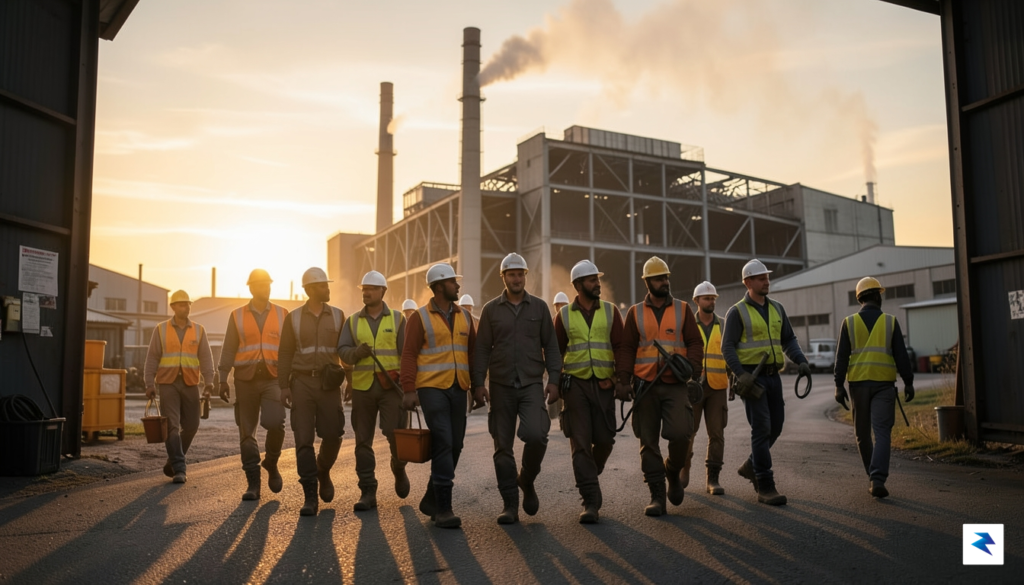
For the thousands of workers at the Scunthorpe plant and those tethered to the expansive supply chain, the government’s move to nationalize British Steel acts as an essential, albeit temporary, bulwark against the threat of immediate unemployment. This intervention provides a vital stabilization period, effectively freezing the catastrophic job losses that would have otherwise rippled through the local economy. However, while the relief is palpable on the shop floor, the shadow of uncertainty looms large. Employees are keenly aware that state control is often viewed as a stopgap measure rather than a permanent solution, leaving the long-term viability of their livelihoods contingent upon future investment and structural reform. The transition into public ownership is not merely an administrative shift; it is a profound psychological pivot for a workforce that has spent years navigating the volatility of private ownership and the looming specter of insolvency.
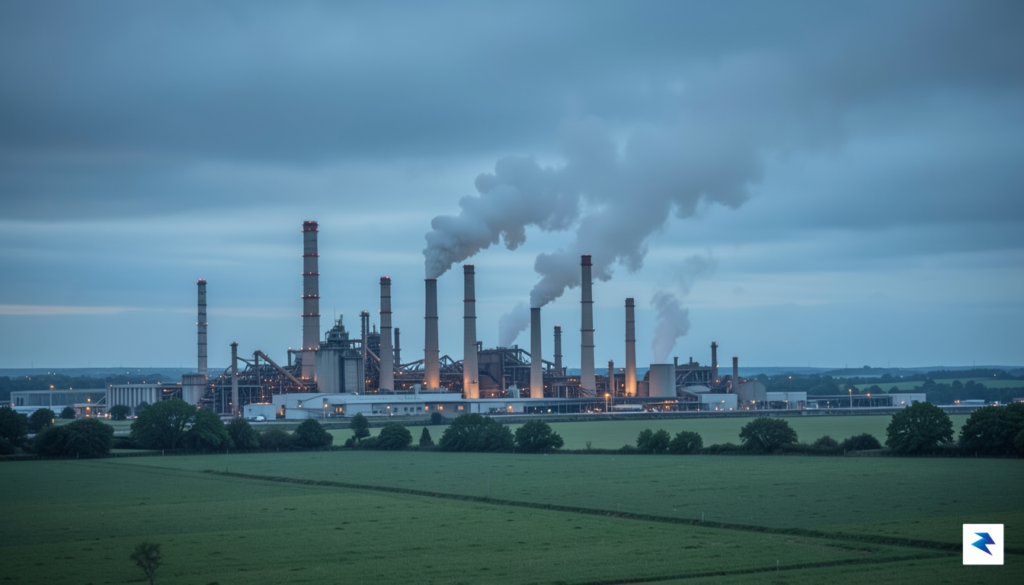
The implications of this nationalization extend far beyond the mill gates, striking at the heart of industrial towns where the steel industry has historically functioned as the primary economic engine. In communities like Scunthorpe, the plant is not just an employer; it is the cornerstone of a complex social ecosystem that supports local retailers, logistics firms, and service providers. Should the government fail to maintain a long-term strategy for these assets, the resulting economic vacuum would be devastating, potentially leading to a decade-long stagnation characterized by diminished tax revenues and the erosion of local public services. Consequently, the government’s ability to sustain these towns rests on its capacity to evolve the facility into a modern, competitive, and green steel producer that can withstand the pressures of the global market.
The nationalization of British Steel serves as a litmus test for the U.K. government’s commitment to its industrial heartlands, highlighting the delicate balance between market intervention and the preservation of regional economic identity.
Political fallout is an inevitable byproduct of such a significant intervention, as the move invites intense scrutiny from labor unions and the general public alike. Union leaders have welcomed the move as a necessary measure to protect jobs, yet they remain vocal in their demands for transparency regarding the government’s long-term roadmap. There is an urgent expectation for the state to prioritize worker safety and wage stability while simultaneously outlining how it intends to modernize operations to ensure they remain viable. As the political discourse heats up, the government faces the dual challenge of managing the facility’s financial health while satisfying the collective voice of the workforce, who are no longer mere employees but stakeholders in a state-run enterprise that will likely define the political legacy of the current administration.
You must be logged in to post a comment.