Netflix Confirms AI Use in 300 Titles: What It Means for Streaming
The Reality of AI in Netflix's Content Pipeline The recent disclosure by Netflix regarding the integration of generative AI into roughly…
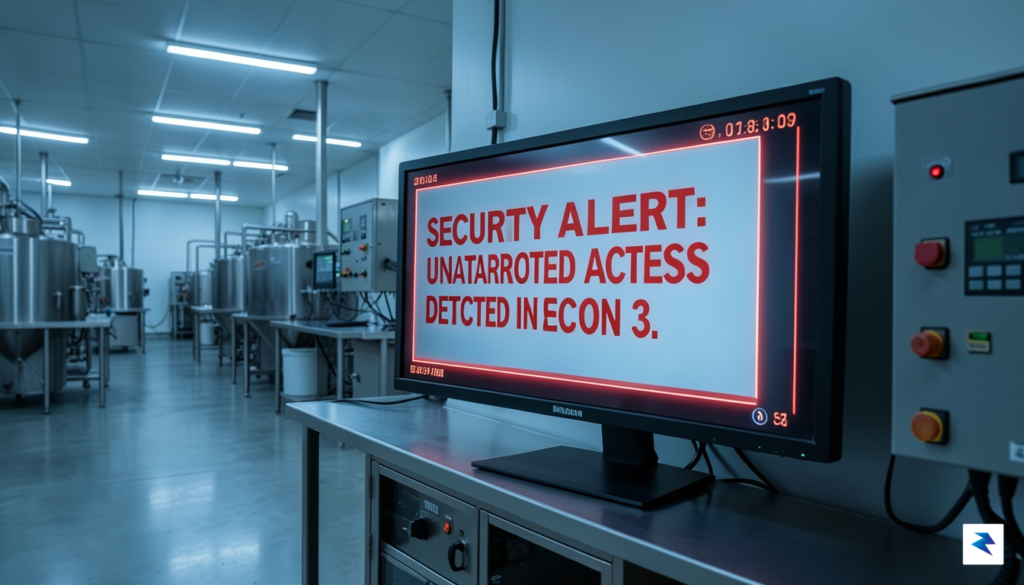
In a significant disruption to the beverage industry’s supply chain, Coca-Cola recently confirmed that it was forced to halt operations at its Fairlife dairy facilities following a sophisticated and targeted ransomware attack. This digital intrusion represents a major security challenge, illustrating how even the world’s largest corporate entities are increasingly vulnerable to malicious cyber actors seeking to exploit critical infrastructure. By successfully breaching the internal networks of the dairy unit, the perpetrators disrupted day-to-day manufacturing processes, leaving the company with little choice but to take drastic action to safeguard its systems and sensitive data.
When an organization identifies a ransomware infection within its environment, the immediate suspension of production is not merely a reactive measure, but a standard and essential containment strategy. By effectively “pulling the plug” on connected manufacturing systems, the company prevents the malicious software from propagating laterally across their broader network, potentially protecting other segments of the corporate ecosystem from further compromise. Although this decision carries immediate economic consequences and impacts product availability, it is a necessary tactical step to ensure that the breach does not escalate into a more catastrophic loss of data integrity or prolonged operational failure.

While Fairlife operates as a prominent brand within Coca-Cola’s extensive portfolio, it is important to note that the scope of this incident is localized to specific facilities within the United States. The attack highlights the unique risks faced by modern food and beverage producers, which rely heavily on automated systems, industrial IoT devices, and digital inventory tracking to manage perishable goods. Because these systems must be highly integrated to maintain the freshness and safety standards that Fairlife is known for, the impact of a system-wide shutdown is immediate and palpable for both distributors and end-consumers.
The decision to suspend operations serves as a sobering reminder that cybersecurity is now a fundamental pillar of food safety and supply chain logistics, rather than just an IT concern.
As the company works to remediate the situation and restore its production capabilities, the incident serves as a critical case study in modern corporate risk management. The priority remains focused on identifying the entry point of the attackers and ensuring that the restoration process is conducted with the highest levels of security. While the temporary cessation of output presents a clear challenge, it underscores the firm’s commitment to mitigating threats before they can compromise the quality or safety of the products reaching the marketplace.

In the modern manufacturing landscape, the once-distinct lines between Information Technology (IT) and Operational Technology (OT) have effectively vanished. Where IT systems manage the digital infrastructure—such as email, accounting, and supply chain logistics—OT systems serve as the mechanical backbone, controlling the precise temperatures of pasteurization vats, the speed of automated bottling lines, and the robotics responsible for palletizing goods. In a high-stakes dairy environment like Fairlife, these two realms are now deeply interconnected, sharing data streams to ensure that every liter of milk is tracked from the farm gate to the grocery store shelf. While this integration drives unprecedented efficiency, it also creates a significant security vulnerability: a single entry point into the business network can potentially serve as a gateway to the factory floor.
The primary danger during a cyberattack is the phenomenon known as lateral movement. When ransomware infiltrates a company’s broader network, it rarely stays confined to the administrative offices where it might have first gained access via a phishing email or an unpatched vulnerability. Instead, the malicious code probes for connections to internal servers that manage production schedules and sensor data. Because OT systems are often prioritized for maximum uptime and are sometimes built on legacy software that lacks modern encryption protocols, they can become easy targets once the perimeter is breached. Threat actors understand that by compromising the digital “brain” of a production line, they can hold the entire physical output of a company hostage, forcing a cessation of operations that costs millions in lost revenue every hour.
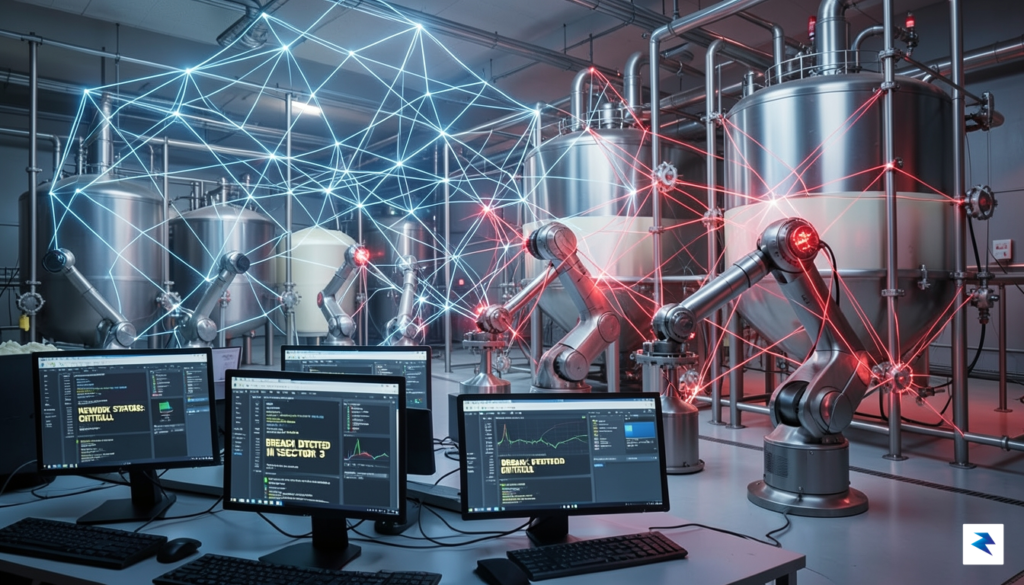
When an organization detects such a breach, the immediate response is rarely a simple system reboot; it is a full-scale security lockdown. This proactive shutdown of both IT and OT networks is a calculated trade-off between immediate financial loss and long-term risk management. By severing the digital links between systems, the company prevents the malware from spreading further and, more importantly, protects the integrity of the manufacturing process. In industries involving food production, this is a matter of public safety as much as data security. If the automated controls that monitor pasteurization or cold-chain storage are compromised, the manufacturer can no longer verify the safety of their products. Consequently, companies must prioritize the integrity of their physical output over the convenience of immediate production uptime, ensuring that no compromised batch makes its way to the consumer.
The integration of digital and physical systems has turned the factory floor into a high-stakes cybersecurity front line, where a single malicious file can halt physical production globally.
Ultimately, the suspension of production serves as a sobering reminder of the fragility inherent in our digitized supply chains. As manufacturers move toward Industry 4.0, the challenge lies in implementing robust segmentation, ensuring that even if the business network is compromised, the sensitive controls governing industrial processes remain isolated and secure. Until such architectural safeguards are universal, the “kill switch” remains the most effective, albeit painful, tool for preventing a digital crisis from becoming a physical catastrophe.
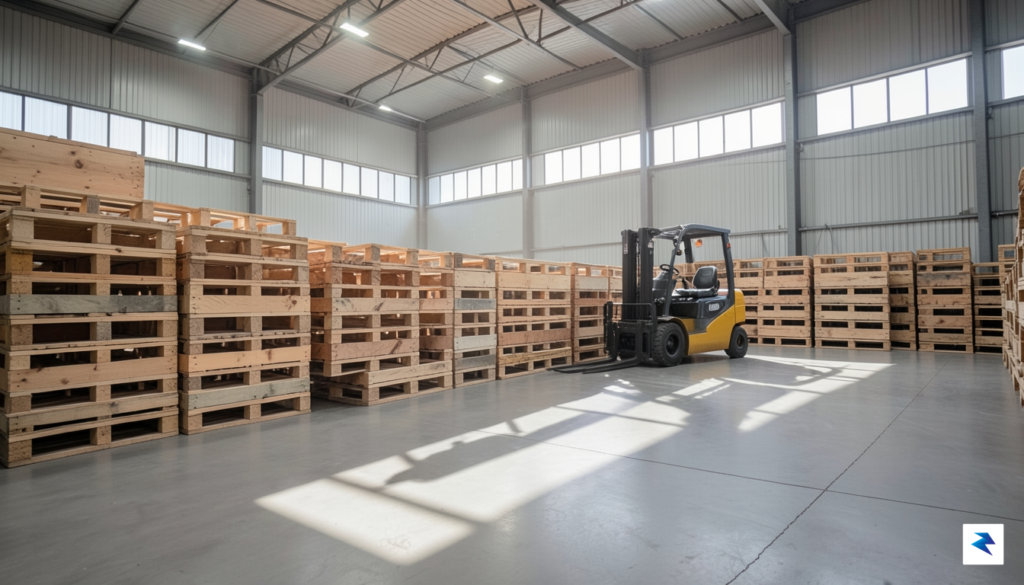
The sudden suspension of operations at a major facility like Fairlife is far more than a localized technical glitch; it acts as a disruption that reverberates throughout the entire dairy supply chain. Because raw milk is a highly perishable commodity, dairy logistics operate on a razor-thin timeline, often requiring processing to occur within hours of collection from the farm. When a large-scale processing plant goes dark due to a security breach, the immediate challenge is not just the lack of finished goods, but the sudden absence of a destination for incoming tanker trucks. This forces dairy cooperatives and logistics managers to scramble, often redirecting thousands of gallons of raw milk to alternative facilities or, in worst-case scenarios, forcing the disposal of product that cannot be processed in time, which represents a staggering economic and environmental loss.
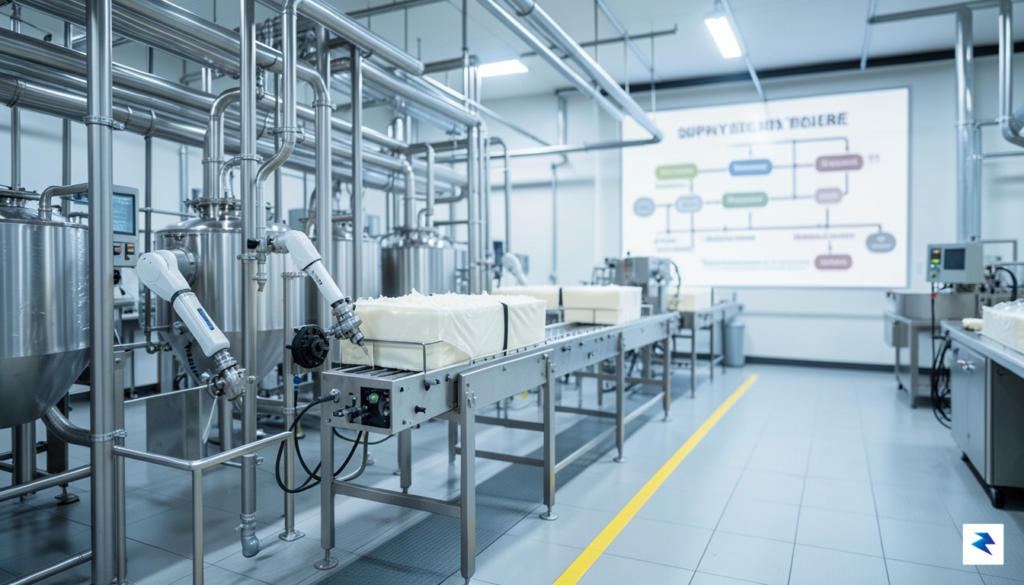
For the average consumer, this logistical turmoil translates into visible gaps on grocery store shelves. Retailers rely on JIT (Just-In-Time) inventory models to keep fresh dairy products circulating, meaning that even a few days of interrupted production can lead to significant shortages of popular items like ultra-filtered milk. As inventory levels dwindle, shoppers may find themselves facing empty coolers or limited variety, which can trigger localized panic buying or force consumers to pivot toward competitor brands. This shift creates a secondary ripple effect, putting sudden, unexpected demand pressure on other dairy producers who may not be equipped to scale up their output instantaneously to fill the sudden void left by a major market player.
The resilience of the modern food supply chain depends entirely on the seamless integration of digital and physical infrastructure; when the digital layer is compromised, the physical flow of goods stalls almost instantly.
Transparency during this recovery phase is paramount for maintaining consumer trust and market stability. As Coca-Cola and its partners work to bring systems back online, the complexity of restarting a dormant dairy line—which requires rigorous sanitization, quality control testing, and safety certifications before products can be released—means that market availability will likely return in waves rather than all at once. For consumers and industry analysts alike, this incident serves as a stark reminder of the vulnerability inherent in modern, interconnected supply chains. Ensuring that companies can communicate clear timelines for replenishment is not just a matter of customer service; it is a critical component of stabilizing the retail landscape and mitigating the broader economic impact of the disruption.

The recent operational disruption at Fairlife serves as a stark illustration of a burgeoning crisis within the global food and beverage industry. For years, cybercriminals largely bypassed manufacturing sectors in favor of financial institutions or healthcare providers, but the landscape has shifted dramatically as digital transformation has integrated industrial control systems with corporate networks. Food producers now operate on incredibly lean, “just-in-time” supply chains where even a few hours of downtime can lead to the spoilage of perishable raw materials and missed distribution windows. Ransomware groups have identified this extreme sensitivity to operational continuity as a critical vulnerability; they know that for a dairy processor or a meat packer, an extended shutdown is not just a financial inconvenience—it is a catastrophic loss of inventory and a threat to food safety standards.
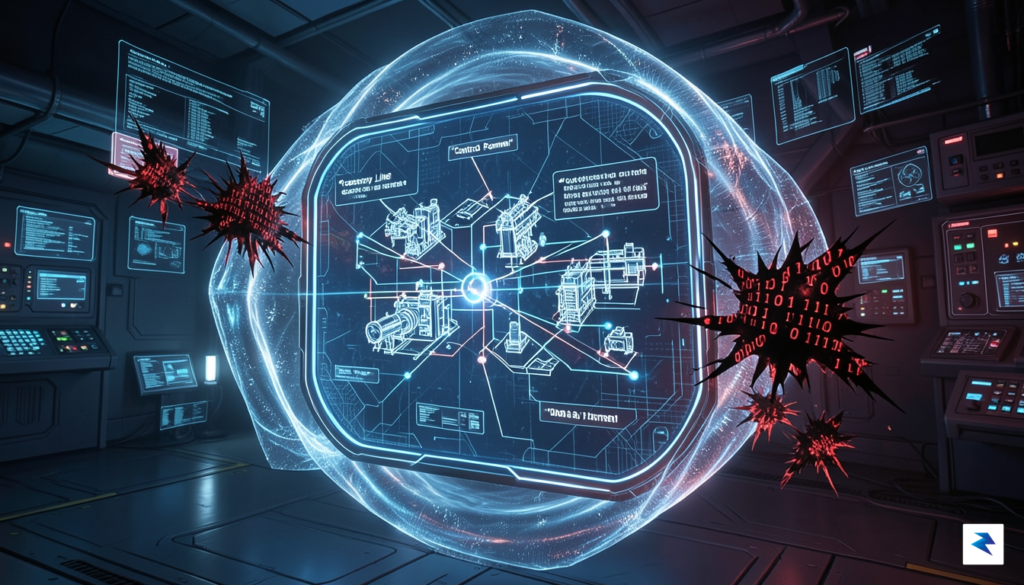
Furthermore, the threat landscape has evolved beyond simple file encryption. Modern cyber-extortionists increasingly favor “double-extortion” tactics, where attackers exfiltrate sensitive corporate data before locking production systems. By threatening to leak proprietary formulas, supply chain contracts, or employee personal information, hackers place manufacturers in a precarious double-bind. Even if a company has robust backup systems to restore their encrypted servers, the pressure to prevent a massive data breach forces leadership to consider the ransom demands in a new, more desperate light. This shift has transformed ransomware from a mere technical nuisance into a complex crisis management scenario that tests the limits of corporate governance and public transparency.
The rise of double-extortion tactics means that even companies with pristine backups remain vulnerable to the public and regulatory fallout of stolen trade secrets and private data.
This incident is far from an isolated event; it represents a broader trend of industrial-scale digital sabotage that is targeting the very infrastructure of our daily lives. As production lines become more automated and connected to the Internet of Things (IoT), the “attack surface”—the total sum of potential entry points for a hacker—has expanded exponentially. Cyber-criminal syndicates have recognized that food manufacturers are often less prepared to defend against sophisticated intrusions than banks, making them “low-hanging fruit” for high-impact extortion. Consequently, the industry is now in a race against time to modernize its cybersecurity posture, moving away from legacy systems that were never designed to face the persistent, well-funded adversaries currently patrolling the digital frontier.
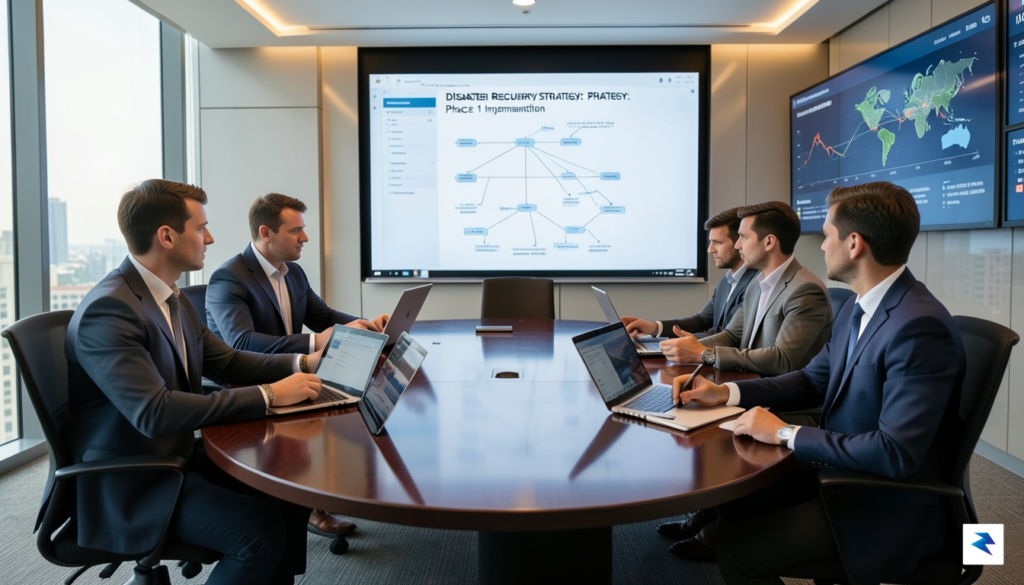
The disruption at Fairlife serves as a stark reminder that in a modern, hyper-connected economy, digital infrastructure is just as critical as the physical machinery on the factory floor. For enterprises across every sector, the incident highlights that resilience is no longer a luxury but an operational mandate. To safeguard against similar systemic failures, organizations must prioritize the implementation of air-gapped backups. By maintaining data copies that are physically disconnected from the primary network, companies ensure that even if a ransomware strain encrypts the main production servers, a clean, immutable recovery point remains accessible. This strategy serves as the final line of defense, allowing teams to restore operations without succumbing to the exorbitant demands of digital extortionists.
Beyond technical redundancy, the efficacy of an incident response plan is defined by its ability to minimize downtime when the unexpected occurs. Enterprises must move beyond static, paper-based protocols and engage in regular, rigorous tabletop exercises that simulate ransomware scenarios across different business units. These drills should involve not just IT departments, but cross-functional leadership, including legal, communications, and supply chain managers. By practicing these workflows under pressure, teams can identify bottlenecks in the decision-making process before a real crisis hits, ensuring that communication flows seamlessly and recovery efforts are synchronized rather than disjointed.
The convergence of Information Technology (IT) and Operational Technology (OT) necessitates a fundamental shift toward Zero Trust architectures. In a traditional factory environment, systems were often kept behind a single perimeter, but this “castle-and-moat” approach is insufficient against modern, sophisticated threats. By adopting a Zero Trust model, organizations can segment their networks so that a compromise in one department—such as an office email server—does not inevitably grant an attacker lateral access to the sensitive machinery controlling production lines. This granular control limits the “blast radius” of a potential intrusion, effectively compartmentalizing risks and preventing a localized incident from cascading into a total production shutdown.
Key Takeaway: True resilience is proactive, not reactive. It requires a holistic commitment to network segmentation, immutable backups, and a culture of transparent, rapid stakeholder engagement.
Finally, the importance of transparent communication during a crisis cannot be overstated. When production halts, stakeholders—ranging from employees and distributors to retail partners and consumers—require clear, honest updates to mitigate uncertainty and preserve brand trust. Silence during a cyberattack often breeds speculation and compounds reputational damage. By establishing a pre-approved crisis communication strategy that prioritizes honesty regarding the scope of the issue and the steps being taken toward recovery, organizations can maintain their credibility. Ultimately, the lessons from this event reinforce that while technology will always have vulnerabilities, a company’s ability to respond with integrity and technical preparedness determines its long-term viability in an increasingly volatile digital landscape.
You must be logged in to post a comment.