The Secret of Roman Concrete: How Ancient Latrines Reveal the Key to Eternal Infrastructure
The Mystery of Roman Concrete: Engineering an Eternal Legacy In the modern era, we have grown accustomed to the idea that infrastructure is…
For years, the industry narrative was clear: streaming had won, and the physical music format was destined to become a dusty relic of a bygone era. Yet, against all expert predictions, physical media is not merely surviving; it is actively thriving. Recent industry data reveals a staggering 16.3 million CD units sold during the first half of 2026, a figure that has sent shockwaves through the digital-first landscape. This double-digit growth signals a profound shift in consumer behavior, suggesting that the ephemeral nature of streaming—while incredibly convenient—has left a void for listeners who crave a deeper, more permanent connection to the art they consume.
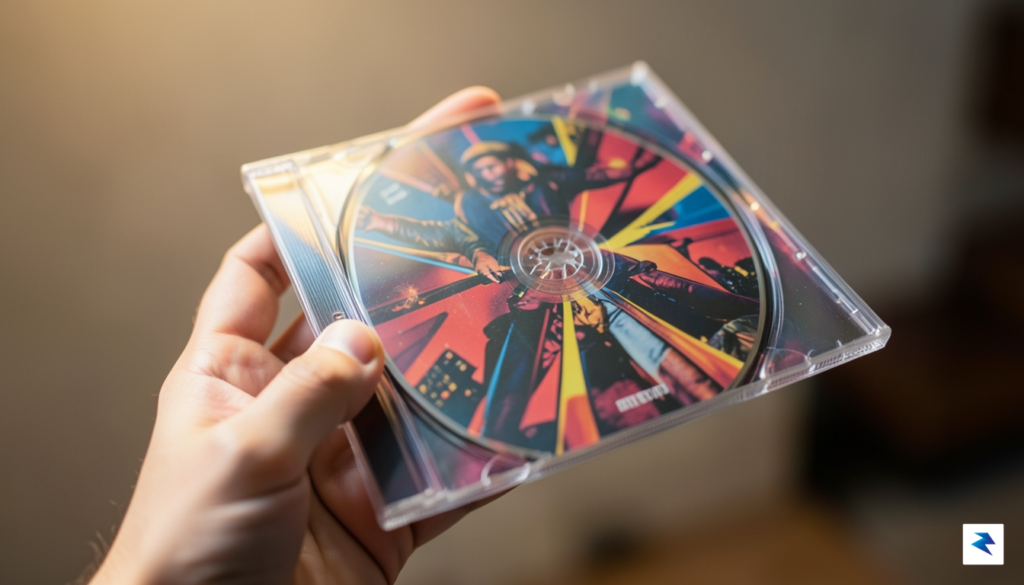
A primary driver behind this resurgence is a growing sense of “vinyl fatigue.” While the vinyl revival paved the way for the return of physical media, the market has become increasingly bloated with high price points, long production lead times, and quality control inconsistencies. As the cost of a new 12-inch record climbs, often exceeding thirty dollars, the compact disc offers a much more accessible entry point for music collectors. CDs provide the same tangible satisfaction as vinyl, offering high-fidelity audio and physical liner notes, but at a fraction of the cost and space requirements. Consequently, budget-conscious audiophiles are pivoting back to the format as a reliable, cost-effective way to build a personal library.
The shift toward physical ownership represents a form of digital resistance, where listeners seek to reclaim their relationship with music from the arbitrary control of platform algorithms and fluctuating licensing agreements.
Beyond economics, there is a palpable psychological shift occurring in how we value our media. In an age where digital content can be deleted, modified, or removed from a library without notice, consumers are feeling the sting of “renter’s anxiety.” Owning a physical disc provides a sense of permanence and security that a cloud-based playlist simply cannot match. This desire for tangible ownership is about more than just data storage; it is about curation, identity, and the romanticism of the physical object. By purchasing a CD, listeners are essentially casting a vote against the disposability of the digital age, opting instead for a format that requires intentional engagement and honors the artist’s full vision from start to finish.
Ultimately, this trend proves that convenience is not the only metric by which listeners measure value. While streaming services will always dominate the market in terms of sheer accessibility, the resurgence of the CD demonstrates that there is a significant, passionate subset of the population that demands more from their listening experience. Whether driven by the limitations of vinyl or a genuine desire to own their music collection, these listeners are fundamentally reshaping the industry, proving that physical media is far from obsolete—it is evolving into a meaningful staple of the modern music landscape.
The modern resurgence of the compact disc is rarely driven by a simple desire to save money or gain convenience; in fact, it is quite the opposite. For many music enthusiasts, the appeal lies in the intentionality of the experience, serving as a direct counterweight to the passive, background nature of streaming services. When you place a disc into a player, you are committing to an artist’s vision in its intended sequence, free from the intrusion of algorithmic suggestions or “shuffle” modes that strip albums of their narrative arc. This ritualistic approach to listening transforms music from a disposable utility into a deliberate activity, allowing the listener to step away from the relentless churn of the digital feed and engage deeply with the art itself.
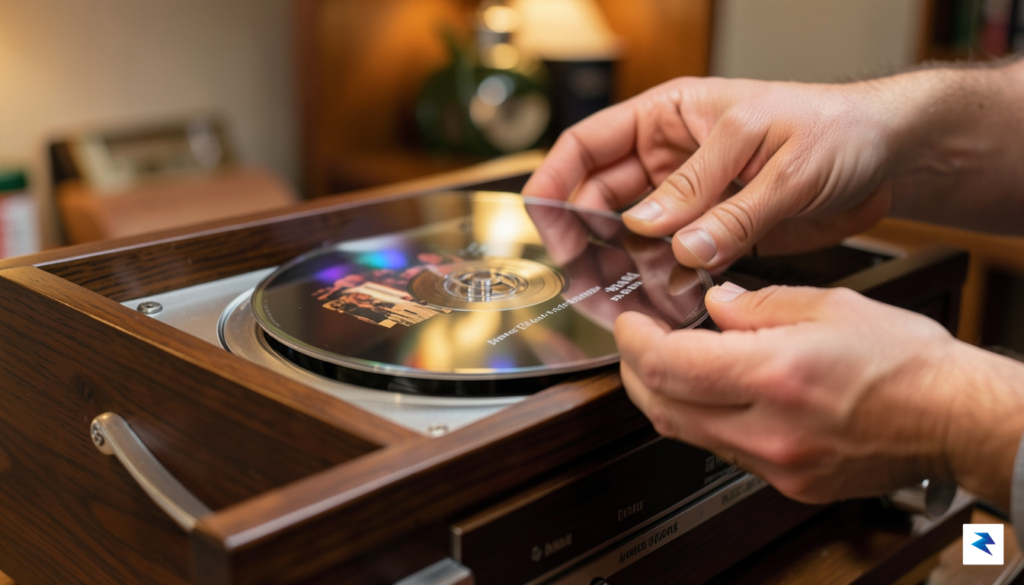
Beyond the psychological need for focus, there is a profound sense of digital fatigue driving consumers toward physical collections. We live in an era of “everything, everywhere, all at once,” where our access to music is mediated by screens, subscriptions, and unstable cloud libraries that can vanish at the whim of licensing agreements. By contrast, a physical archive offers a sense of permanence and personal ownership that streaming simply cannot replicate. Owning a CD means possessing a tangible piece of musical history—a permanent object that exists in your living space, independent of Wi-Fi stability or corporate server outages. This desire to build a “curated archive” represents a pushback against the ephemeral nature of digital files, grounding the listener in a collection they can touch, organize, and pass down.
The revival of physical media is less about the technology itself and more about the human need for sensory engagement in an increasingly abstract, screen-based world.
Furthermore, the sonic quality of the compact disc continues to be a major draw for those who prioritize audio fidelity. While modern streaming services often rely on heavy data compression to ensure seamless playback across varied bandwidths, the CD provides uncompressed, 16-bit audio that remains a gold standard for high-fidelity home listening. For audiophiles and casual listeners alike, the difference is often palpable: the depth of the soundstage, the clarity of the instrumentation, and the lack of digital artifacts create a richer, more immersive acoustic landscape. When coupled with the aesthetic joy of high-quality cover art, lyric booklets, and the tactile snap of a jewel case, the CD offers a holistic sensory experience that digital interfaces—no matter how sleek—are fundamentally unable to provide.
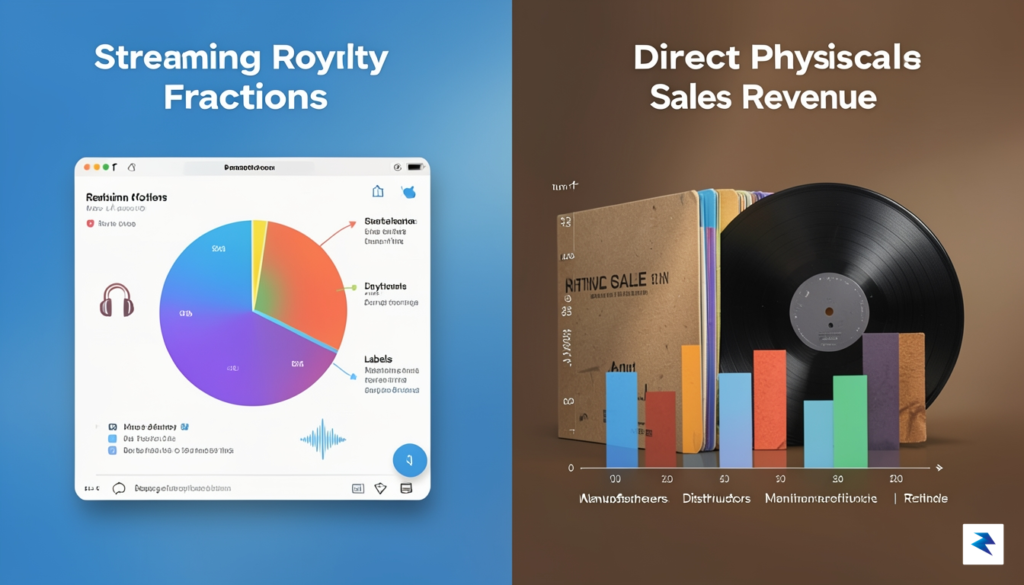
While streaming platforms have undeniably democratized music consumption, they have simultaneously introduced a complex, often opaque, financial reality for the creators behind the art. Under the current streaming paradigm, an artist might receive only a fraction of a cent per play, a model that necessitates millions of streams just to generate a modest income. In contrast, purchasing a physical CD serves as a profound act of direct patronage. When a fan buys an album, a significant portion of that revenue goes directly to the artist and their label, bypassing the microscopic increments of streaming royalties. This transaction provides a stable, upfront injection of capital that is far more impactful than the cumulative revenue of thousands of passive listens, effectively turning the act of buying music into a tangible investment in an artist’s creative longevity.
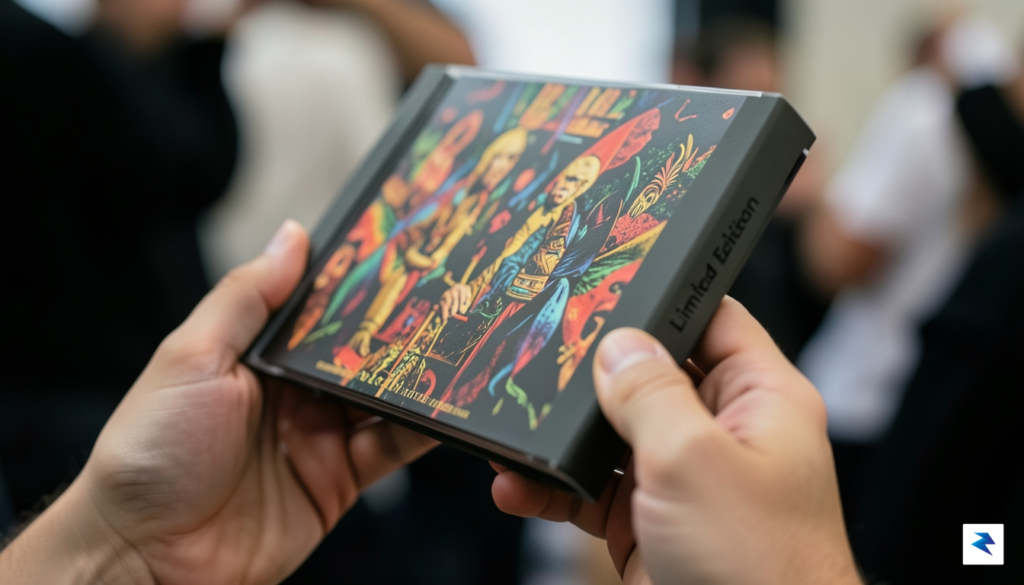
To incentivize this transition from listener to patron, many artists have transformed the CD from a simple data container into a highly collectible piece of art. By incorporating exclusive bonus tracks, intricate lyric booklets, high-quality photography, and unique packaging, artists create a “super-fan” experience that justifies the purchase. These added features offer a sense of ownership and exclusivity that digital files simply cannot replicate. For the modern listener, owning a physical copy is no longer just about the utility of playing music; it is about holding a physical manifestation of their fandom. This shift has given rise to a robust super-fan economy, where dedicated supporters are more than willing to pay a premium price to secure a piece of their favorite artist’s discography.
The shift toward physical media is less about the convenience of the format and more about the depth of the connection; it is a conscious decision to value an artist’s work in a way that truly sustains them.
Ultimately, the resurgence of the CD represents a consumer-led movement toward economic sustainability for musicians. While streaming will always reign supreme for casual discovery and background listening, physical media has reclaimed its role as the gold standard for dedicated support. When fans choose to pay for a CD, they are casting a vote for the type of music industry they want to see—one that prioritizes the artist’s livelihood over the convenience of a subscription model. By bridging the gap between artistic output and financial reward, these collectors ensure that their favorite creators have the resources to keep making the music that defines their lives.
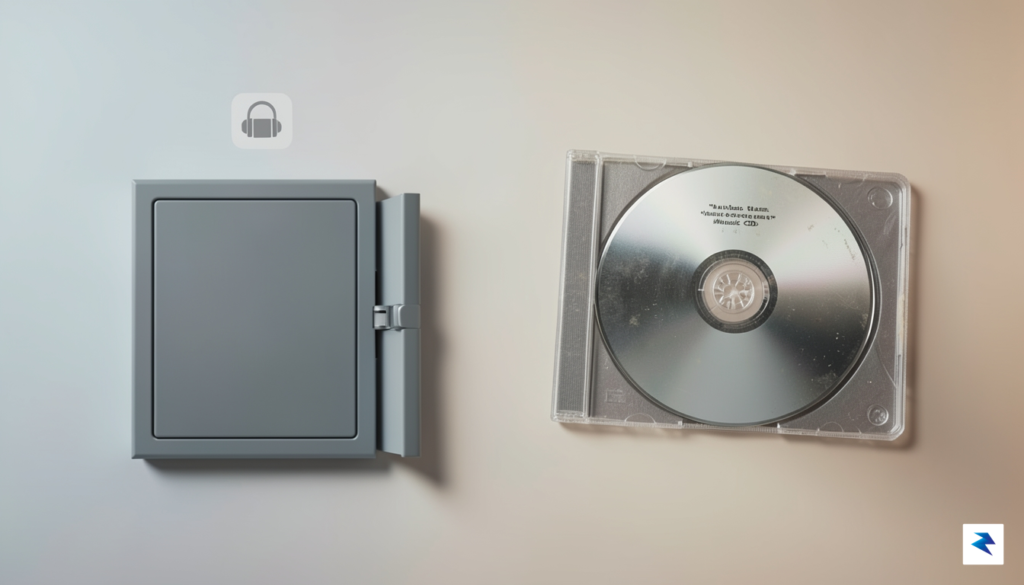
In the age of ubiquitous cloud computing, we have gradually traded the tangible concept of property for the ephemeral convenience of access. When you subscribe to a streaming service, you are essentially leasing a library that exists at the mercy of complex licensing agreements, corporate mergers, and fluctuating copyright negotiations. The music you believe is “yours” can vanish overnight if a contract expires or a label decides to pull its catalog from a specific platform. This fragility creates a precarious listening experience where your favorite albums are tethered to an internet connection and a third-party server, leaving you with little recourse when a track suddenly turns grayed out or a playlist is purged without warning.
Conversely, the resurgence of the compact disc represents a deliberate shift back toward the principle of true ownership. When you purchase a physical copy of an album, you are acquiring a permanent asset that is entirely independent of any digital ecosystem. You are not paying for the right to stream a file; you are acquiring the medium itself, which functions regardless of whether your Wi-Fi is active or a specific artist has decided to leave a streaming giant. This provides a profound sense of security for music lovers who find it unsettling that their cultural archives could be edited or removed by faceless algorithms. With a CD, the music remains in your possession, ready to be played at your convenience, exactly as it was the day you bought it.
True ownership is the only way to ensure that your relationship with an artist’s work remains unmediated by corporate shifts, technical outages, or subscription price hikes.
Beyond the legal stability that physical media provides, there is a practical, utilitarian advantage to owning a collection that does not require an active internet connection. Streaming services are designed for discovery and convenience, but they often struggle in environments where bandwidth is limited or completely unavailable. By maintaining a physical library, you eliminate the reliance on data caps and cellular reception, ensuring that your listening habits are never dictated by your environment. Furthermore, this physical permanence fosters a deeper, more intentional connection to the music, as you are curating a collection that reflects your personal history rather than following an automated, ever-changing algorithm that may prioritize commercial trends over your genuine artistic preferences.
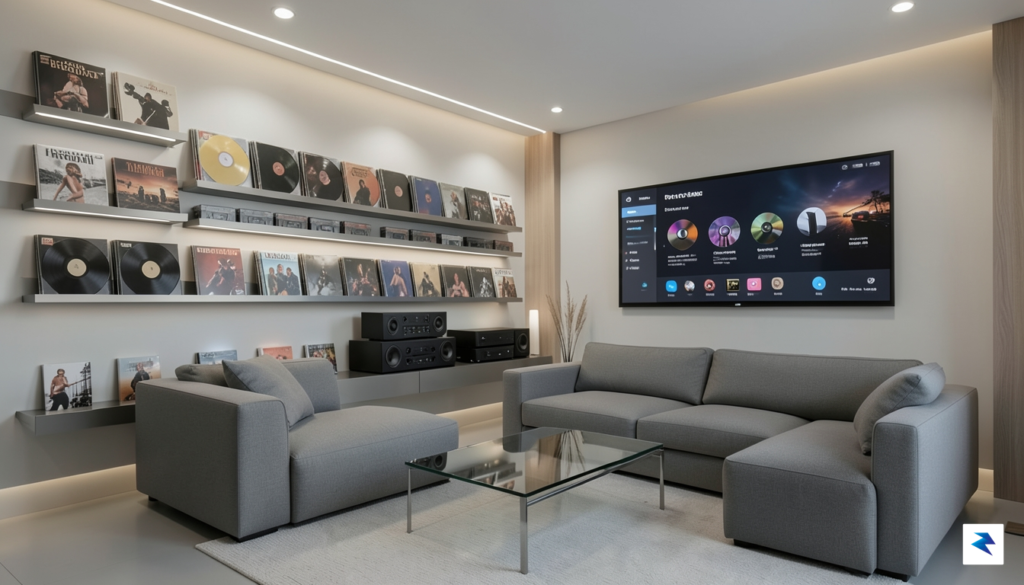
The trajectory of physical music is shifting away from the era of mass-market commodity and toward a specialized, premium landscape that values the tangible experience. As streaming services continue to dominate the way we access music, the role of the compact disc is being redefined not as a primary means of consumption, but as a deliberate act of fandom. This transition is not merely a nostalgic trend; it is a sophisticated evolution where labels and artists are treating physical releases as high-end artifacts. By integrating exclusive artwork, expanded liner notes, and unique bonus content, the industry is successfully positioning the CD as a piece of curated art that digital files simply cannot replicate.
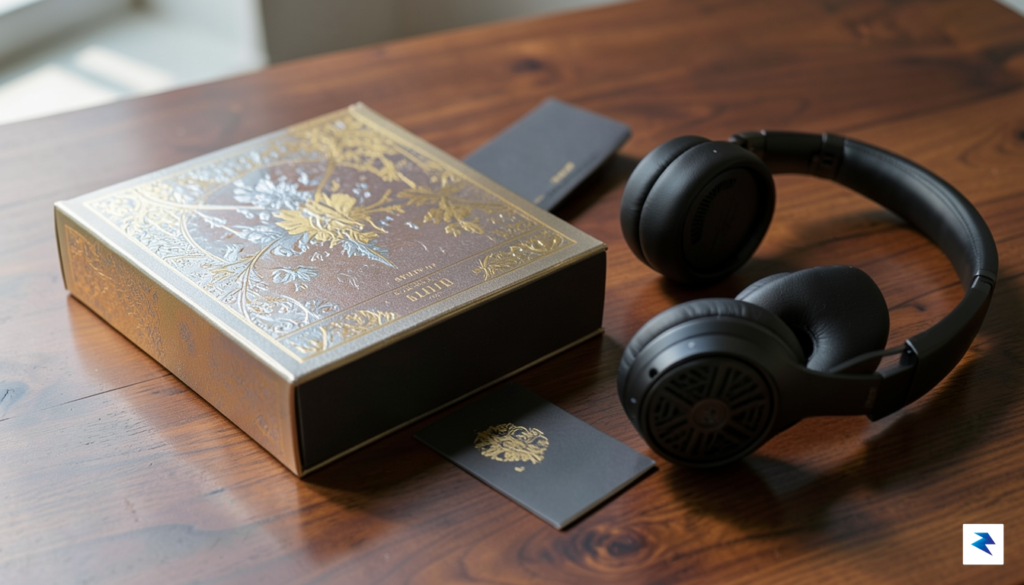
Labels are increasingly leaning into the intersection of digital convenience and physical collectability to sustain long-term interest. We are seeing a surge in limited-edition releases that offer fans more than just the audio; they offer a sense of ownership and scarcity that is entirely absent in a subscription-based model. For the next generation of listeners, the CD serves as a permanent, offline tether to their favorite artists. While digital convenience is unbeatable for discovery and daily transit, the physical object provides a psychological reward for the listener, transforming the act of listening from a background activity into an intentional, focused event. This hybrid approach—where a CD often includes a digital download code—ensures that the consumer gets the best of both worlds without forcing a choice between utility and aesthetics.
The future of the CD lies not in competing with the convenience of an algorithm, but in offering a deeper, more tactile connection to the music we identify with most.
Looking ahead, the CD format is poised to occupy a vital niche within the music industry, much like the resurgence of vinyl but with its own unique advantages in portability and digital-grade fidelity. As artists realize that their discography is their greatest asset, they will continue to release physical variants that reward their most dedicated supporters. Whether through autographed inserts, unique color-coded discs, or elaborate packaging that functions as a coffee-table display, these items are becoming essential components of modern music marketing. Ultimately, the survival of the CD is not about market share in the traditional sense; it is about the sustained value of the “album” as a cohesive, physical work of art that stands the test of time in an increasingly ephemeral digital environment.
You must be logged in to post a comment.