The CD Comeback: Why Physical Music Sales Are Soaring Again
The Unexpected Resurgence of Physical Music For years, the industry narrative was clear: streaming had won, and the physical music format was…
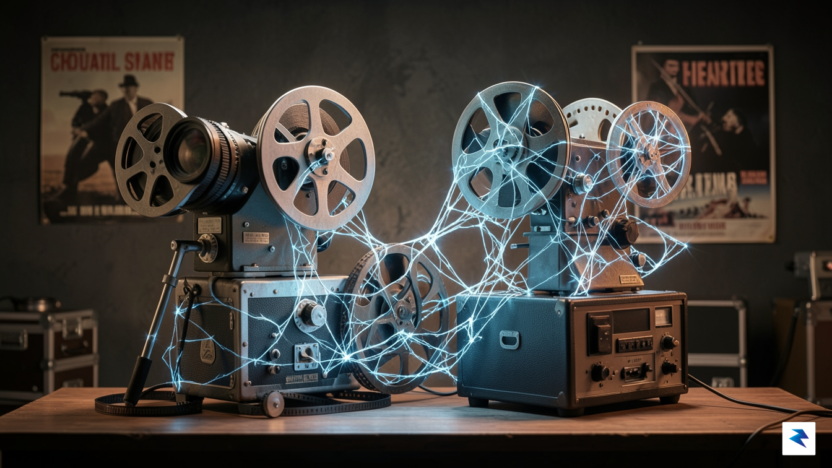
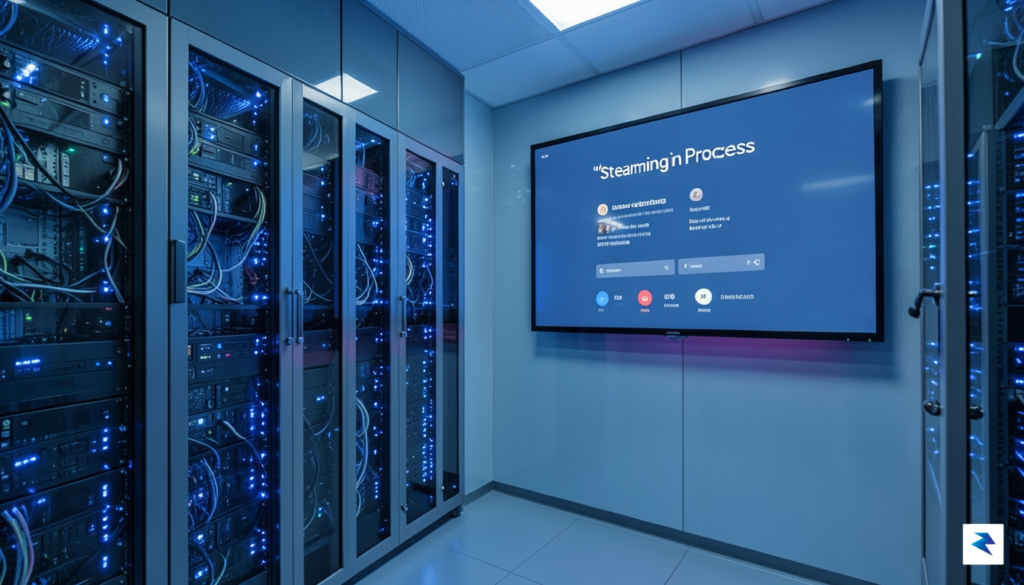
The recent disclosure by Netflix regarding the integration of generative AI into roughly 300 of its titles serves as a definitive marker of a shifting industrial paradigm. During the company’s Q2 earnings report, leadership clarified that these technologies are not merely experimental experiments but are becoming foundational components of the streaming giant’s vast infrastructure. While the sheer scale of 300 titles might initially trigger concerns regarding the automation of artistry, the company has framed this deployment as a strategic necessity designed to manage an increasingly complex production pipeline. By embedding AI into the workflow, Netflix is signaling that the future of streaming success relies as much on high-tech operational efficiency as it does on traditional creative vision.
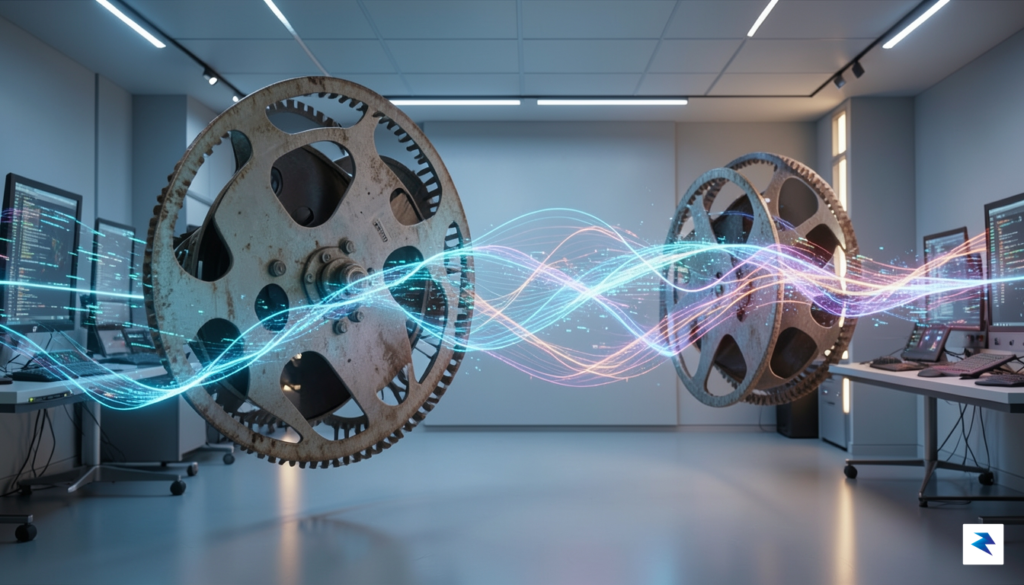
To understand the true scope of this integration, it is essential to distinguish between generative AI as a replacement for human talent and its role as a sophisticated tool for optimization. Netflix has been explicit in positioning these advancements as a means to streamline labor-intensive post-production processes rather than a mechanism for replacing the writers, directors, and actors who define their content. In practice, this often manifests in tasks such as high-end visual effects refinement, localized dubbing, and complex color grading, which would otherwise require thousands of manual hours. By delegating these technical hurdles to machine learning models, the platform aims to maintain the high production values that subscribers have come to expect, even as they scale the volume of their international content library.
The integration of AI into 300 titles is not a retreat from human-led storytelling, but a sophisticated evolution of the studio’s digital infrastructure.
Ultimately, this strategic shift highlights the transition of the streaming industry toward a more data-informed model of content management. As Netflix navigates an increasingly crowded market, the ability to utilize generative tools to enhance efficiency allows the company to reinvest capital into the creative aspects of filmmaking that truly matter to audiences. Rather than viewing this as a binary choice between technology and creativity, Netflix is advocating for a hybrid model where AI acts as a force multiplier for human intent. As these tools continue to evolve, the distinction between production and infrastructure will likely blur, cementing AI’s place as a permanent, albeit invisible, member of the modern production crew.
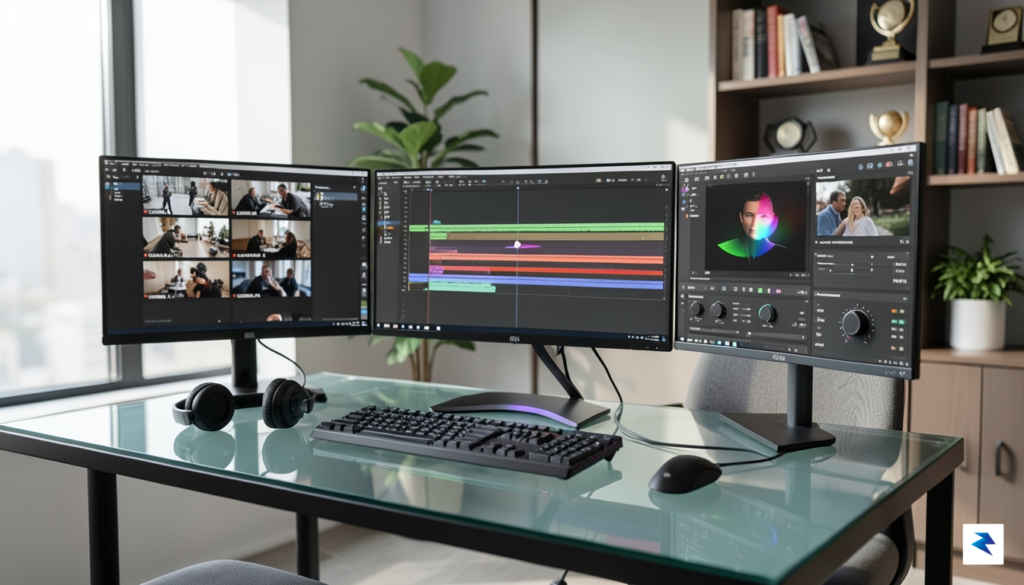
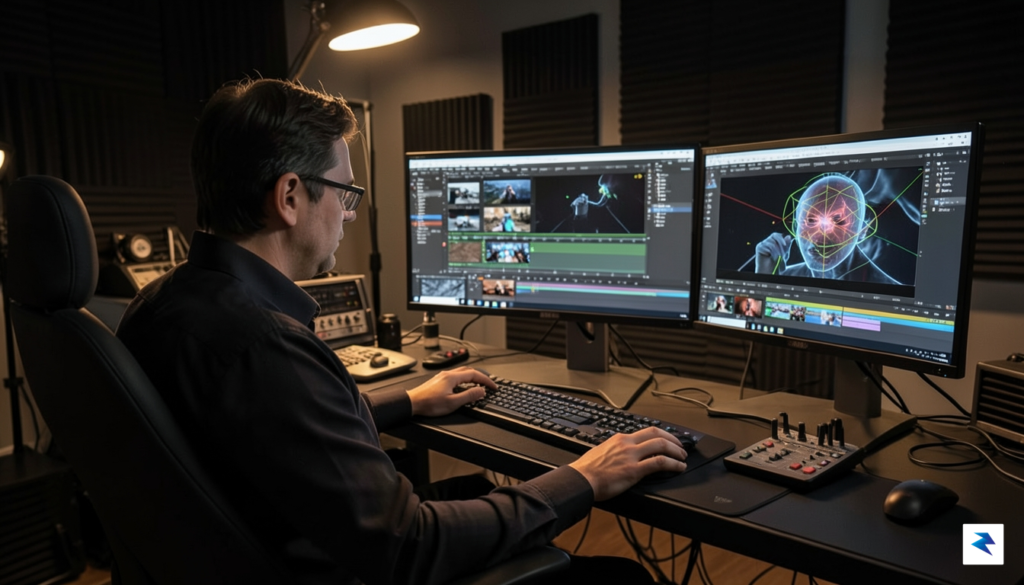
While the creative spark of filmmaking remains inherently human, the technical heavy lifting is undergoing a silent, digital revolution. In the context of post-production, generative AI is functioning less like a replacement for editors and more like a high-speed engine that eliminates the most repetitive burdens of the craft. Tasks that once consumed hundreds of man-hours—such as frame-by-frame rotoscoping or intricate background cleanup—are now being handled with incredible precision by machine learning models. By automating these tedious processes, post-production houses can focus their human expertise on narrative flow, color theory, and emotional resonance rather than pixel-pushing.
Specific applications of this technology are already standardizing the workflow for high-budget streaming content. For instance, AI-driven rotoscoping tools can now isolate subjects from their backgrounds in a fraction of the time it previously took for artists to trace paths manually. Similarly, neural-network-powered upscaling tools allow editors to refine footage, intelligently filling in detail to improve image quality without the need for exhaustive manual restoration. Furthermore, AI-assisted color grading is helping artists quickly match the “look” of different camera angles, ensuring visual consistency across a scene even when lighting conditions shift unexpectedly.
The true power of generative AI in post-production lies in its ability to handle the “grunt work,” allowing creative professionals to iterate faster and experiment with more complex visual narratives.
These tools are not intended to replace the editor’s eye; rather, they act as a force multiplier. When a software tool can instantly remove a boom mic from a frame or smooth out skin textures in a busy scene, the editor gains the luxury of time. Instead of waiting days for visual effects teams to process a sequence, creators can see near-final results in real-time, which significantly accelerates the feedback loop between directors and editors. This shift in the timeline means that the distance between shooting a scene and delivering a polished final product is shrinking, allowing streaming platforms to maintain a consistent output of high-quality content without sacrificing the depth of the visual experience. As these tools become more sophisticated, the focus of post-production will continue to move away from technical manual labor and toward pure storytelling.
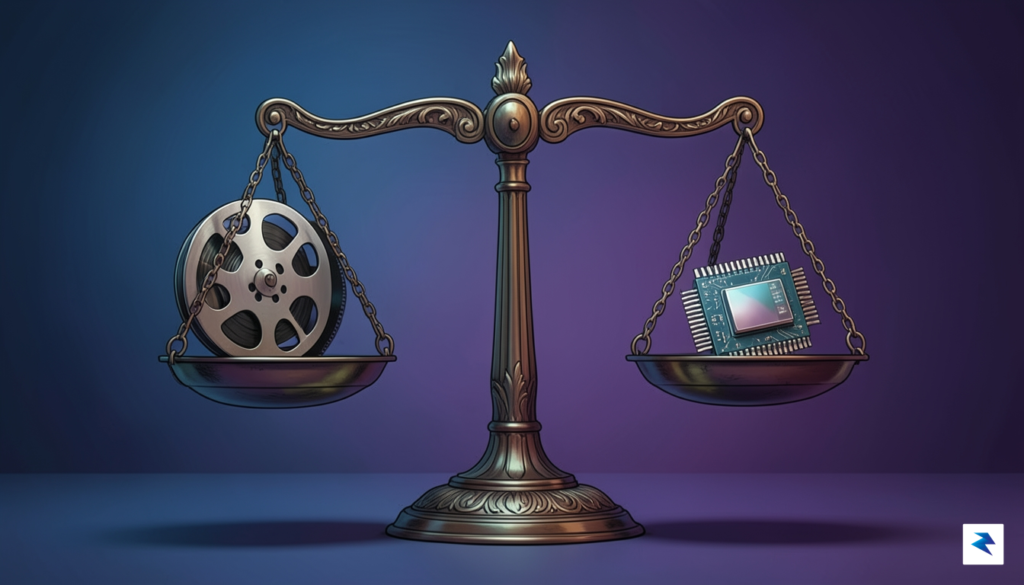
At its core, the integration of generative AI into the Netflix production pipeline is a calculated move designed to optimize the platform’s massive financial output. By leveraging machine learning to handle labor-intensive tasks—such as rotoscoping, background asset generation, and even complex color grading—Netflix can theoretically reallocate budgets from repetitive technical processes toward higher-value creative endeavors, such as star-studded casting or elevated production design. This economic logic is compelling for a streaming giant operating in an increasingly saturated market where the cost of producing “must-watch” content continues to balloon. However, the pursuit of efficiency naturally begs the question of whether these savings truly enhance the final product or merely serve to pad the bottom line by accelerating the speed of content delivery.
The “Netflix quality” standard, which has historically been defined by high-fidelity visuals and polished narrative arcs, now faces a unique existential test. While AI tools can certainly produce visually stunning assets at a fraction of the time required by traditional methods, there is a persistent concern regarding the “uncanny valley” effect and the loss of human nuance. When algorithms dictate the aesthetic texture of a scene, the risk is that the content begins to feel homogenized, lacking the idiosyncratic flourishes that define critically acclaimed cinema. If the platform prioritizes volume and speed—essentially treating content as a commodity to be churned out—it may inadvertently dilute the very brand value that keeps subscribers paying for premium monthly memberships.
The true challenge for streamers is not just producing more content, but ensuring that the automation of technical tasks does not strip the soul from the storytelling process itself.
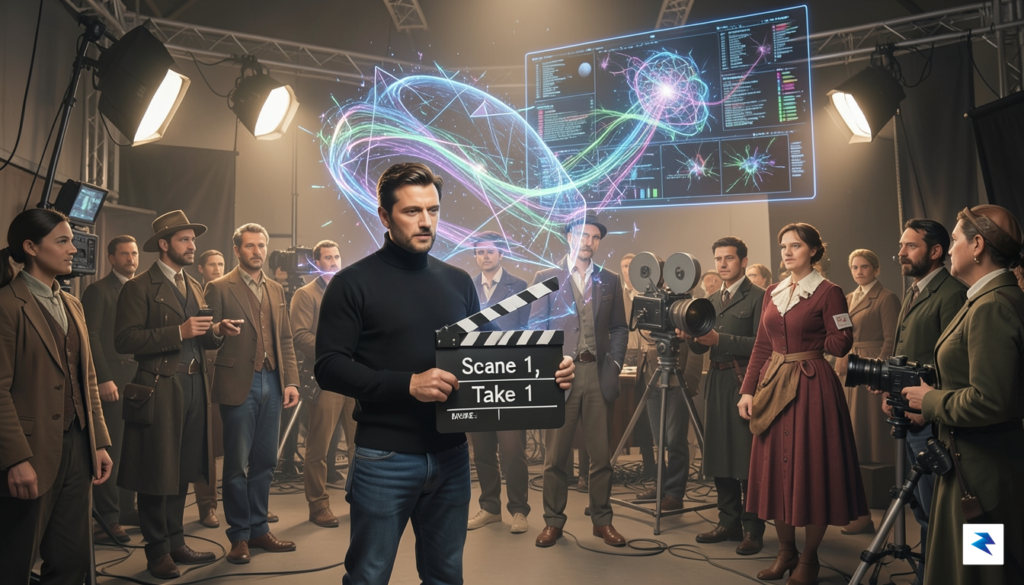
Beyond the immediate quality concerns, this shift represents a fundamental transformation in the entertainment industry’s labor market. As AI tools begin to automate entry-level or specialized technical roles, the traditional career ladder for aspiring editors, animators, and visual effects artists faces unprecedented instability. If these roles are phased out in favor of AI-assisted workflows, the industry risks losing the mentorship pipeline that trains the next generation of creative leaders. Ultimately, Netflix is betting that its audience will not notice the difference between human-crafted and machine-assisted content, but the long-term sustainability of this model depends on whether creativity can be successfully synthesized or if it will forever require the unpredictable, messy, and irreplaceable touch of a human hand.

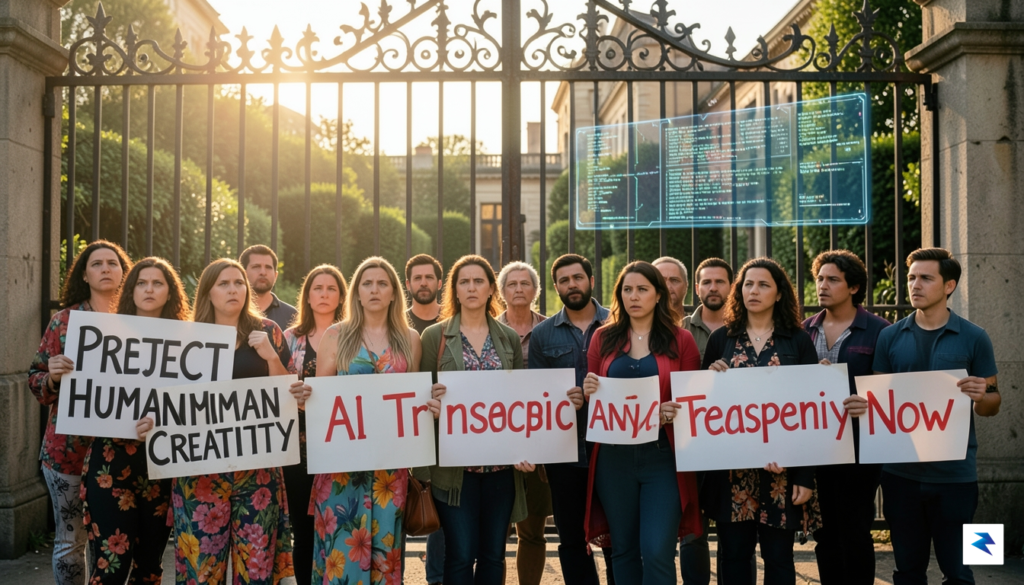
Netflix’s recent disclosure, indicating generative AI has been employed in approximately 300 of its titles, lands squarely in the middle of a deeply contentious and ongoing debate within Hollywood. For many months, the creative workforce, notably writers and actors represented by the WGA and SAG-AFTRA unions, have voiced profound concerns regarding the rapid integration of artificial intelligence into content creation. These anxieties stem from fears of job displacement, the devaluation of human artistry, and the potential for studios to use AI-generated content without fair compensation or credit, essentially undermining the very foundation of creative labor. The core tension revolves around whether AI serves as a powerful new tool to augment human creativity or as a cost-cutting measure designed to replace it, thereby eroding the unique value proposition of human artists.
Consequently, the push for greater transparency and explicit labeling of AI-generated content has become a major flashpoint. Creators and unions argue that audiences deserve to know if the content they consume has been partially or wholly created by AI, citing ethical considerations, artistic integrity, and consumer awareness. This isn’t merely about identifying a computer-generated image; it’s about understanding the provenance of the work, how it impacts the creative process, and ensuring human creators are not exploited or erased. The challenge lies in defining what constitutes “AI-generated” content—does a minor AI-assisted visual effect count, or only content where AI plays a more significant role in concept, script, or performance? Clear guidelines and mandatory disclosures are seen as crucial steps to build trust and set industry standards for this new frontier.
In this evolving landscape, Netflix’s approach, while a step towards transparency, is being scrutinized by the industry. Revealing that “around 300 titles” have utilized generative AI is a broad statement that leaves many questions unanswered regarding the extent and nature of AI’s involvement in each project. Is it for minor background elements, conceptual art, visual effects, or more integral aspects like script development or voice generation? This level of detail is critical for creators to understand the implications. Comparatively, some studios have been perceived as less forthcoming, while others have been more aggressive in their exploration of AI, sometimes leading to direct clashes with unions over issues like digital doubles and voice cloning during contract negotiations. Netflix’s disclosure, therefore, places it in a delicate position, attempting to balance the pursuit of efficiency and innovation with the pressing demands for ethical AI use and the protection of human creative jobs.
The streaming giant, like many other major studios and tech companies, is navigating a complex ethical minefield. On one hand, generative AI offers unprecedented opportunities for streamlining production workflows, generating vast amounts of content, and potentially unlocking new creative possibilities. On the other, it poses existential threats to traditional creative roles and raises profound questions about authorship, intellectual property, and fair compensation. The industry’s response to Netflix’s revelation will undoubtedly shape future policies and negotiations, further emphasizing the need for robust frameworks that protect human artists while allowing for responsible technological advancement. The dialogue is far from over, and how platforms like Netflix engage with these concerns will significantly influence the future of entertainment production and the delicate ecosystem of Hollywood creativity.
As we gaze toward the next decade, the line between traditional craftsmanship and machine-assisted production is destined to dissolve into a seamless creative partnership. We are currently witnessing only the tip of the iceberg, as generative tools move beyond simple visual effects and background enhancements toward more complex tasks like real-time scene rendering and dynamic content adaptation. In the near future, the streaming experience may evolve from a static broadcast into a living, personalized environment where AI tailors specific visual or auditory elements to fit the viewer’s preferences without compromising the director’s core vision. This shift suggests a move toward “living stories” that can adjust their pacing, tone, or even stylistic presentation based on the nuances of audience engagement metrics, effectively creating a more immersive and bespoke entertainment ecosystem.
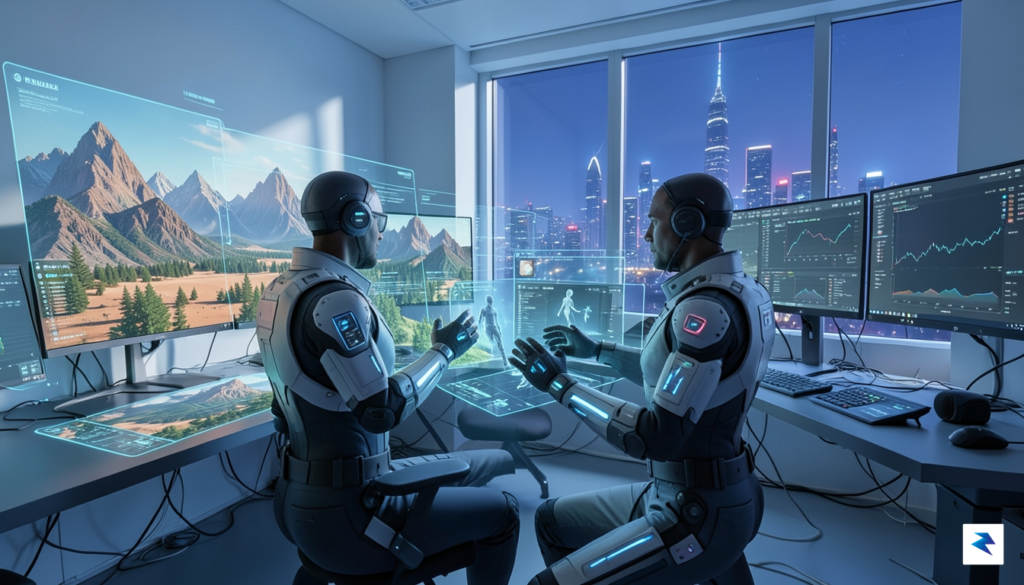
However, despite these rapid technological leaps, the fundamental essence of storytelling remains stubbornly human. While algorithms excel at pattern recognition, data synthesis, and the optimization of technical workflows, they lack the lived experience, emotional vulnerability, and cultural context that define great art. AI is an incredibly powerful brush, but it is not the painter; it lacks the intent and moral compass required to craft a narrative that truly resonates with the human condition. Consequently, the filmmakers of tomorrow will not be replaced by these systems, but rather empowered by them. The next generation of creators will be defined by their ability to act as orchestrators, guiding sophisticated AI models to execute high-concept visions that were previously impossible to produce due to budget or time constraints.
The future of entertainment lies not in the automation of creativity, but in the amplification of the human perspective through the lens of machine intelligence.
Ultimately, the trajectory of streaming points toward a landscape where efficiency and imagination exist in a symbiotic loop. As these tools become more accessible, the barrier to entry for independent creators will lower significantly, fostering a new golden age of diverse, democratized storytelling. By handling the logistical drudgery of post-production and asset generation, AI allows human creators to focus their energy on what matters most: the soul of the story. While we should remain vigilant regarding the ethical implications of these technologies, the outlook for content production is one of unprecedented potential. We are moving toward an era where the only limit to what we can watch is the depth and breadth of our own collective imagination.
You must be logged in to post a comment.