
Beyond the AGI Hype: Why AMI Labs Is Prioritizing Utility Over Superintelligence
The AGI Hype Cycle vs. Reality The current landscape of artificial intelligence is defined by a frantic race toward a finish line that remains…

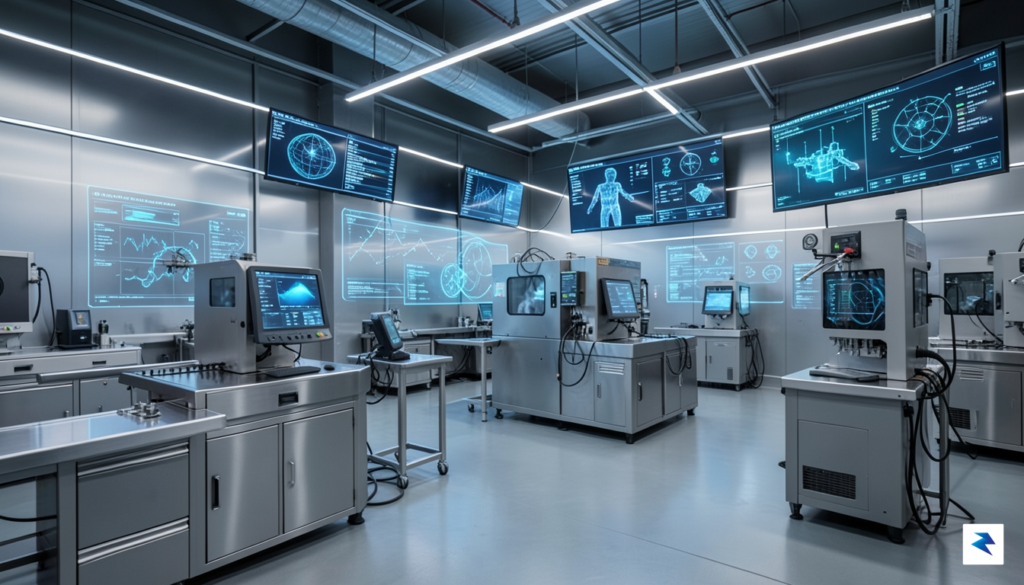
The automotive industry, a cornerstone of modern society, is undergoing a profound digital transformation, fundamentally reshaping how vehicles are manufactured, operated, and maintained. For decades, vehicle inspections — whether for routine maintenance, accident assessment, or end-of-lease evaluations — have largely relied on manual, visual methods. This traditional approach, often involving a technician meticulously scanning a vehicle with a clipboard and flashlight, is inherently subjective, time-consuming, and prone to human error, creating inconsistencies that can impact safety, cost, and customer trust.
The limitations of human-centric inspection methods are becoming increasingly apparent in today’s fast-paced world. Even the most experienced human inspectors are susceptible to fatigue, leading to missed details or misdiagnoses. Furthermore, the level of scrutiny can vary significantly between individuals and even different times of day, making it challenging to maintain consistent quality standards across a fleet or a network of service centers. This inconsistency can result in unnecessary repairs, overlooked critical safety issues, and protracted inspection processes that slow down service delivery and inflate operational costs for dealerships, rental agencies, and insurance providers alike.
Enter the era of artificial intelligence, which is now poised to revolutionize this critical aspect of vehicle care. AI-driven inspection services leverage an array of sophisticated technologies, including high-resolution cameras, advanced sensors, and powerful machine learning algorithms, to conduct comprehensive vehicle assessments with unparalleled speed and accuracy. These systems can objectively identify everything from minor scratches and dents to more significant structural damage or wear on components, often in mere seconds. By eliminating human subjectivity and providing consistent, data-backed evaluations, AI not only enhances accuracy but also streamlines workflows, allowing for faster processing times and more transparent reporting for all stakeholders.
This paradigm shift in automotive maintenance is part of a much broader trend: the significant flow of venture capital into “AI-for-everything” solutions across various industries. Investors are keenly aware of the massive potential for AI to disrupt established, often inefficient, manual processes. The automotive sector, with its complex machinery and high stakes, presents a particularly fertile ground for such innovation. The ability of AI to provide objective, repeatable, and scalable inspection capabilities addresses a long-standing pain point, making it an attractive proposition for those looking to invest in technologies that promise both significant operational efficiencies and enhanced safety standards.
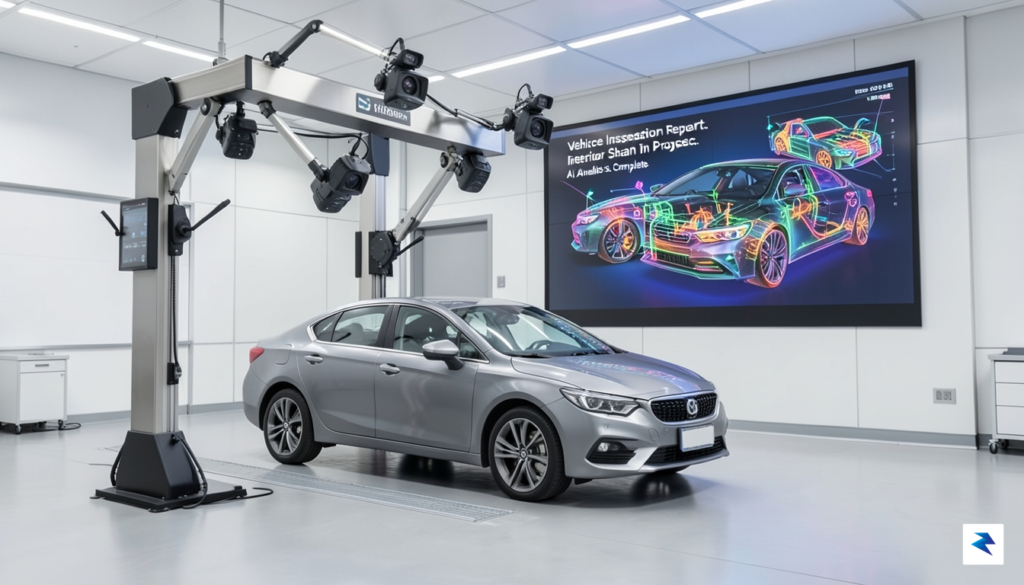

At the heart of this technological shift is the transition from manual, error-prone assessments to a streamlined, automated workflow powered by the ubiquitous smartphone. Rather than relying on specialized, bulky diagnostic equipment, the platform leverages the high-resolution sensors and advanced optics already integrated into modern mobile devices. By simply walking around a vehicle while capturing video, a user initiates a sophisticated computer vision process that tracks the car’s geometry in three-dimensional space. The software interprets these image streams in real-time, mapping every contour and surface to identify anomalies that might escape the naked eye, such as minute paint chips, subtle frame misalignments, or structural dents.
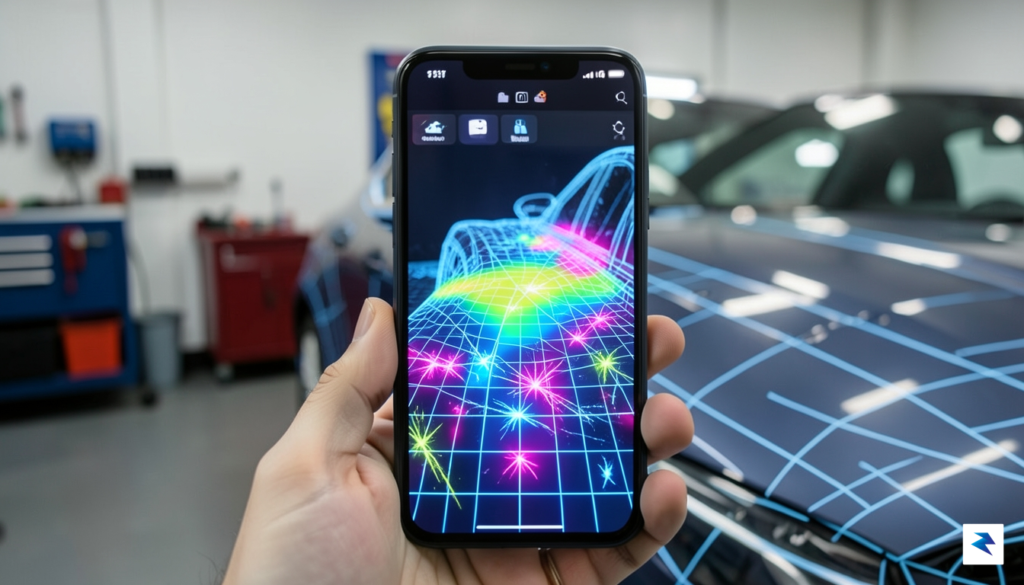
Once the video data is captured, it is instantly uploaded to a robust cloud-based engine that performs heavy-duty image processing. This remote infrastructure eliminates the need for expensive, localized hardware installations, allowing fleet operators and service centers to scale their inspections without massive capital expenditure. The AI cross-references the captured visuals against a massive database of vehicle specifications and damage patterns, generating a comprehensive digital twin of the car. This 3D model acts as a verifiable record of the vehicle’s condition, which can be shared instantaneously between insurers, repair shops, and fleet managers to accelerate decision-making.
The power of this system lies in its accessibility; by turning a standard mobile device into a precision diagnostic tool, companies can convert a routine three-minute walkaround into an actionable data report that drastically reduces vehicle downtime.
Beyond simple detection, the technology produces intuitive heat maps that prioritize repair needs based on severity and location. This granularity allows fleet managers to make data-driven choices about whether a vehicle requires immediate maintenance or can remain safely in operation, effectively extending the lifespan of their assets. Furthermore, because the entire workflow is digitized and stored in the cloud, it creates an audit trail that is far more transparent and accurate than traditional paper-based inspection logs. By removing the subjectivity of human assessment, the system ensures that every inspection is consistent, repeatable, and audit-ready, ultimately driving down operational costs and fostering a more efficient ecosystem for vehicle maintenance.

The recent $10 million injection of capital led by Sheryl Sandberg into AI-powered vehicle inspection technology signifies a pivotal shift in how industry heavyweights perceive the future of automotive operations. Rather than chasing consumer-facing gadgets, sophisticated investors are increasingly pouring resources into the “invisible” infrastructure that keeps massive fleets running efficiently. This strategic move highlights a broader market consensus: AI diagnostics have officially graduated from experimental novelty to a foundational requirement for enterprise-level logistics and vehicle management.
At the core of this investment is the immediate, tangible ROI that AI-driven inspection models provide to large-scale operators. By automating the identification of mechanical issues and structural damage through high-precision imaging, companies can drastically reduce human error, minimize vehicle downtime, and optimize maintenance schedules. In an era where supply chain fluidity is paramount, the ability to turn a time-consuming, manual inspection process into a rapid, data-backed assessment represents a massive competitive advantage. Sandberg’s involvement underscores the belief that businesses capable of digitizing these physical assets will inevitably outpace those still reliant on antiquated, subjective manual checks.
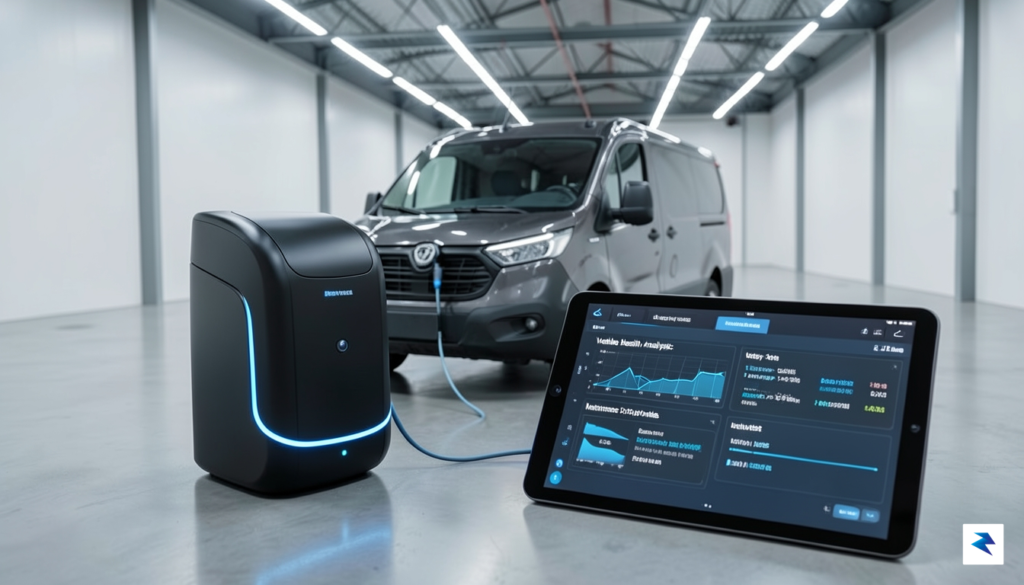
The scalability of this specific model is particularly attractive to enterprise clients who manage thousands of vehicles across vast geographic footprints. Unlike individual consumer tools that offer intermittent utility, this technology integrates seamlessly into the central nervous system of a business, providing real-time data that informs insurance claims, resale values, and safety compliance. Because these systems learn and improve with every inspection, they offer a compounding value proposition that becomes more indispensable the larger the operation grows. This shift toward B2B AI solutions reflects a deliberate pivot in venture capital, moving away from speculative “moonshots” and toward practical, utility-driven software that solves high-friction operational problems.
The true power of AI in the automotive sector lies not in replacing human oversight, but in providing the diagnostic precision required to make massive, enterprise-level fleets safer, more profitable, and significantly more reliable.
Ultimately, this $10 million funding round is a harbinger of a wider trend in which seasoned tech leaders prioritize infrastructure-grade artificial intelligence. As the automotive industry continues to digitize, the winners will be the organizations that successfully bridge the gap between physical hardware and automated intelligence. By backing this startup, Sandberg and her fellow investors are betting that the next wave of industry disruption will not come from autonomous cars alone, but from the sophisticated diagnostic ecosystems that ensure those cars are always road-ready and fiscally optimized.
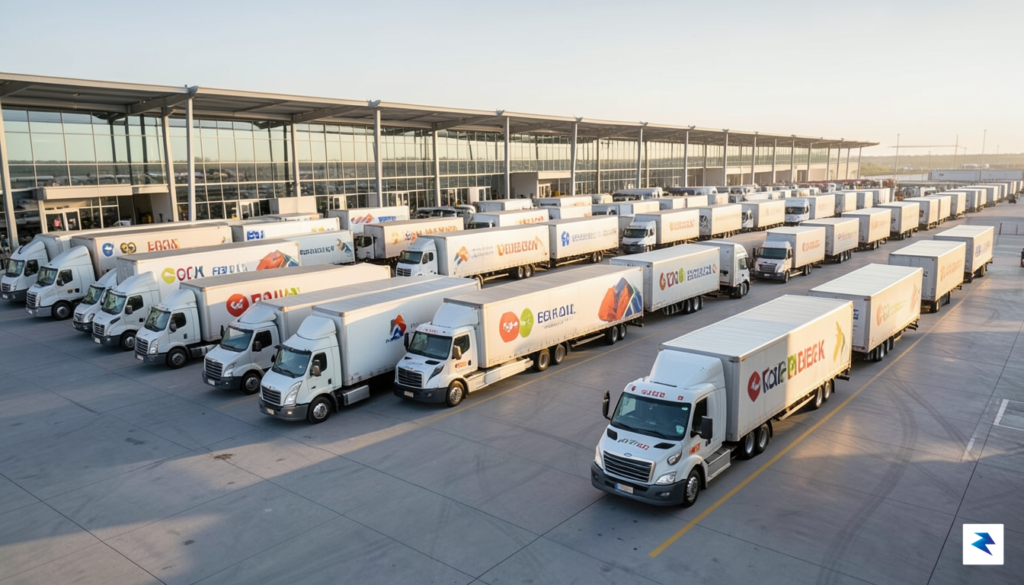
For large-scale fleet operators, the standard manual inspection process has long been a significant operational bottleneck, characterized by inconsistent reporting and human error. By integrating AI-powered inspection technology, logistics companies and rental agencies can finally move away from subjective, paper-based checklists toward a standardized, automated audit trail. This transition is not merely about convenience; it is a fundamental shift in asset protection. When a vehicle is assessed through high-resolution imaging and machine learning, the system creates an immutable “source of truth” that records the exact condition of a vehicle at any given moment, effectively bridging the accountability gap between drivers, fleet managers, and third-party insurance providers.
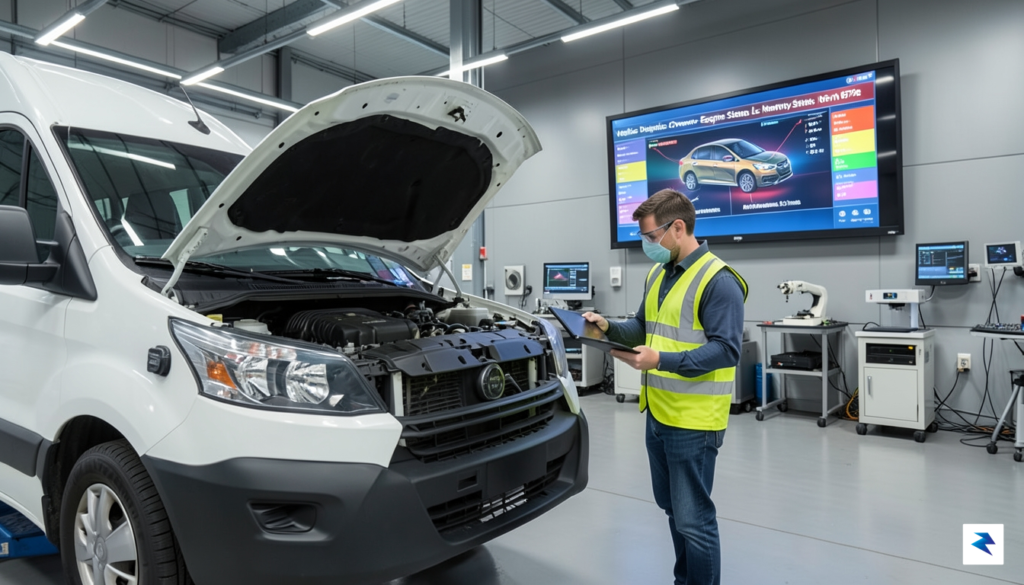
The financial implications of this technological leap are profound, particularly concerning insurance claims processing and vehicle resale. Traditionally, disputes regarding “who caused the damage” often lead to prolonged investigations, inflated repair costs, and stalled insurance payouts. With AI-verified records, companies can instantly substantiate claims with time-stamped, visual evidence, significantly reducing the time spent in administrative limbo. Furthermore, as fleet managers prepare vehicles for remarketing or resale, having a transparent, comprehensive digital history of the vehicle’s condition helps maintain higher resale values. Buyers are far more likely to pay a premium when they can access an objective, AI-generated report that validates the maintenance and physical state of the asset.
The integration of automated diagnostic tools transforms a reactive maintenance culture into a proactive, data-driven engine, ensuring that fleets remain on the road longer while minimizing unexpected downtime.
Beyond immediate damage assessment, the long-term potential for predictive maintenance represents the most exciting frontier for enterprise fleets. By continuously collecting data on wear and tear, these AI systems can identify subtle indicators of mechanical failure long before they become catastrophic or costly. Instead of relying on rigid, interval-based service schedules that may result in unnecessary maintenance, operators can leverage specific data points to optimize their service cycles. This shift not only slashes operational overhead but also enhances safety audits, ensuring that every vehicle in the fleet meets rigorous compliance standards. Ultimately, this technological investment provides fleet managers with the visibility needed to optimize their entire operation, turning a fleet from a depreciating liability into a highly efficient, data-optimized asset.

While the promise of AI-driven vehicle inspection is immense, offering unprecedented speed, accuracy, and consistency, its widespread adoption across the global automotive landscape hinges on successfully navigating several complex hurdles. One significant area of concern revolves around data privacy and security. AI systems for vehicle inspection collect vast amounts of visual data, often including license plates, unique vehicle identifiers, and even details about the car’s interior. Establishing robust frameworks for how this sensitive data is stored, processed, and shared, while ensuring compliance with varying international regulations like GDPR or CCPA, is paramount to building public trust and ensuring ethical deployment.
Beyond regulatory concerns, the technical implementation presents its own set of challenges. Current AI models, while powerful, can struggle with data accuracy in suboptimal conditions such as low-light environments, inclement weather, or when inspecting vehicles that are heavily soiled or obscured. Furthermore, detecting highly specific, “edge-case” damage—a hairline crack in a particular component, or subtle structural stress that doesn’t fit neatly into trained categories—requires exceptionally sophisticated algorithms and an incredibly diverse, continuously updated dataset. Integrating these advanced AI systems with existing, often proprietary, legacy automotive software used by dealerships, repair shops, and insurance providers also demands significant development effort to ensure seamless operation and avoid creating new technological silos.
Another critical aspect for broad market acceptance involves the standardization of reporting and assessment. Different regions, manufacturers, and insurance companies currently operate under diverse sets of inspection criteria and damage classification systems. For AI inspection services to achieve universal utility, there will be a strong need for industry-wide consensus on what constitutes a standardized damage report, how severity is assessed, and what benchmarks define an “accurate” AI diagnosis. This standardization is crucial not only for regulatory alignment but also for fostering confidence among end-users and ensuring that AI-generated reports are universally understood and accepted, thereby streamlining processes from claims to repair estimates.
Looking ahead, the future outlook for AI inspection services is deeply intertwined with the evolution of autonomous vehicles. Imagine a future where vehicles perform continuous self-diagnostics using AI architectures similar to those deployed in external inspection systems. These cars could proactively identify wear and tear, potential mechanical issues, or subtle damage from minor incidents, communicating directly with service centers or even ordering replacement parts autonomously. This shift would transform vehicle maintenance from a reactive process triggered by malfunctions or scheduled intervals into a highly predictive, preventative model, significantly enhancing safety, longevity, and operational efficiency across the entire automotive ecosystem.
Ultimately, while the path to full, ubiquitous AI-driven vehicle inspection is paved with challenges related to data governance, technical refinement, and industry standardization, the long-term benefits are too compelling to ignore. Overcoming these hurdles will unlock a future where vehicle inspections are faster, more reliable, and transparent than ever before, leading to improved road safety, reduced insurance fraud, and more efficient vehicle maintenance cycles. The significant investments pouring into this sector, exemplified by leading figures backing innovative startups, underscore a collective belief in AI’s transformative potential to redefine how we care for our cars and, by extension, our transportation infrastructure.
You must be logged in to post a comment.