Truth API: How Wall Street is Turning Political Posts into Market Alpha
Introduction: The Intersection of Political Sentiment and Algorithmic Trading For decades, the evolution of algorithmic trading has been…

Digital abuse has evolved into a sophisticated and often invisible mechanism of control, fundamentally altering the way domestic violence manifests in the modern age. For many survivors, the devices they rely on for communication and navigation have been weaponized by perpetrators to enforce isolation and constant surveillance. This practice, often facilitated by the installation of “stalkerware”—malicious software hidden deep within a device’s file system—allows an abuser to track real-time GPS coordinates, intercept encrypted messages, and even activate microphones or cameras remotely. Because this technology operates silently in the background, survivors may remain unaware that their private life is being broadcast to someone who seeks to harm them, creating a suffocating environment where every digital interaction becomes a potential liability.
Beyond specialized spyware, the standard operating systems found on most consumer smartphones are inherently designed to collect vast amounts of telemetry data. Features like persistent location services, cloud-synced account backups, and cross-platform advertising identifiers create a digital trail that is remarkably easy for an abuser to follow. When a perpetrator has access to a survivor’s credentials or shares a family account plan, they can leverage these built-in ecosystems to monitor call logs, photos, and browsing history with minimal effort. This constant state of observation creates a profound psychological burden; the survivor is never truly alone, and the lack of digital privacy can lead to severe anxiety, social withdrawal, and a paralyzing fear that their movements or conversations will be used against them in a cycle of intimidation.
The loss of digital agency is not merely a technical inconvenience; it is a fundamental violation of a survivor’s autonomy, designed to keep them tethered to their abuser through the threat of perpetual surveillance.
To break free from this cycle, survivors often require more than just changing a password or performing a factory reset, as sophisticated monitoring can persist across cloud backups or even compromised hardware firmware. A comprehensive approach necessitates a “clean slate” strategy, which involves distancing oneself from the invasive data-harvesting practices of mainstream mobile operating systems. By prioritizing hardware and software that are built from the ground up for privacy, survivors can begin to reclaim their digital boundaries. Transitioning to a hardened environment is the first critical step toward silencing the invisible eyes that have monitored their lives, providing the necessary breathing room to plan for safety and long-term independence.
Ultimately, recognizing the severity of this digital landscape is essential for anyone supporting those in abusive situations. Technology should be a tool for empowerment and connection, not a leash for control. By understanding how common features are manipulated for harm, survivors and their advocates can make informed decisions about the tools they use, ensuring that their devices serve their own interests rather than those of a perpetrator. Reclaiming one’s digital life is a powerful act of defiance, marking a significant milestone in the journey toward safety and personal freedom.

At its core, a standard smartphone operating system—whether it is stock Android or iOS—functions as a sophisticated data collection engine designed to prioritize ecosystem lock-in and targeted advertising. These systems rely on constant telemetry, location reporting, and deep integration with cloud services that effectively create a digital trail of a user’s movements and habits. For survivors of domestic abuse, this default architecture is inherently dangerous, as it provides abusers with numerous vectors to track, monitor, or manipulate their victims. GrapheneOS fundamentally flips this paradigm by stripping away the invasive hooks that define mainstream mobile platforms, replacing them with a security-first architecture that refuses to treat the user as a product to be monetized.
One of the most significant technical advantages of GrapheneOS is its robust approach to application sandboxing. While standard operating systems do utilize sandboxing to some extent, GrapheneOS enhances these protections by strictly isolating processes and limiting the ability of applications to communicate with one another or access sensitive system resources. By implementing granular permission controls, the operating system ensures that even if a malicious application is inadvertently installed, it remains trapped within a constrained environment. This prevents apps from “escaping” their boundaries to harvest private data, scan local files, or ping location services without explicit, verified user consent.

Beyond isolation, GrapheneOS implements a hardened kernel and an advanced memory allocator that make it significantly more difficult for attackers to exploit common software vulnerabilities. Standard operating systems are often bloated with legacy code and unnecessary background services that expand the “attack surface”—the total number of entry points an intruder could use to gain unauthorized access. GrapheneOS surgically removes this bloat, minimizing the amount of code running with high-level privileges. This reduction in complexity is a critical safety feature; by limiting what can execute at the deepest levels of the device, the OS prevents sophisticated spyware or remote surveillance tools from gaining a foothold on the phone.
GrapheneOS prioritizes the user’s autonomy by severing the mandatory dependency on Google Play Services, which is the primary mechanism through which mainstream Android devices report user behavior to third-party servers.
By removing the hardcoded reliance on Google Play Services, GrapheneOS ensures that location data and usage patterns are not automatically funneled back to external cloud servers. For a survivor, this means that their device is no longer an involuntary witness to their daily life. Instead of relying on a centralized, tracking-heavy ecosystem, GrapheneOS users can utilize sandboxed versions of these services only when absolutely necessary, or opt to run without them entirely. This shift provides a level of digital independence that is currently unavailable on mass-market devices, offering a vital layer of protection for those who need to keep their physical presence and digital communications entirely private.
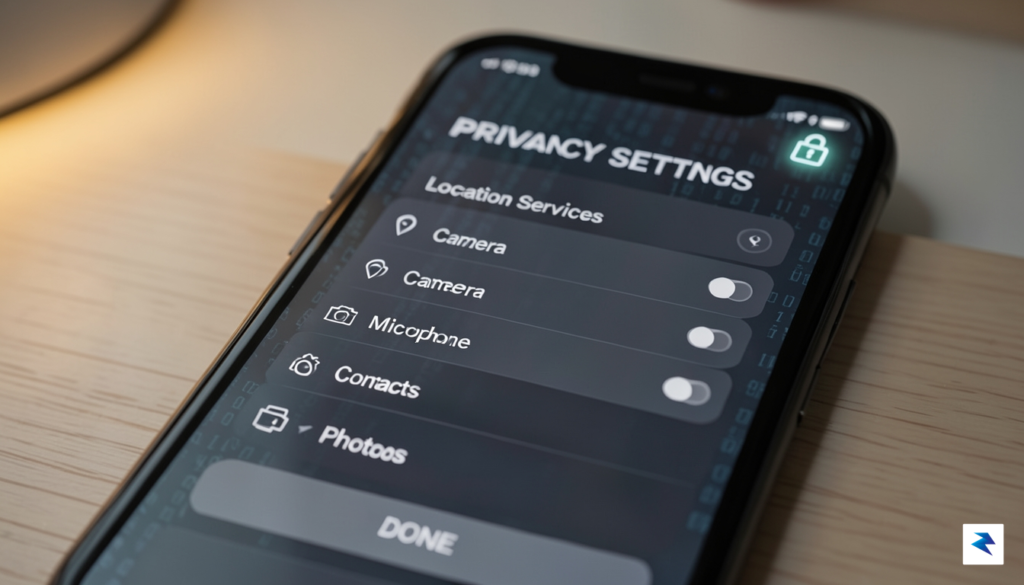
For individuals navigating the complexities of domestic abuse, the smartphone is often a double-edged sword—a vital lifeline for communication and a potential surveillance device for an abuser. GrapheneOS addresses this fundamental vulnerability by moving beyond the standard privacy settings found on conventional mobile operating systems. By providing granular permission scoping, the platform allows users to restrict exactly what an application can see or access, effectively creating a digital shield that prevents malicious or intrusive apps from harvesting sensitive personal data. This level of control ensures that even if an abuser manages to install tracking software, the application is systematically denied the permissions required to access contacts, call logs, or precise location history.
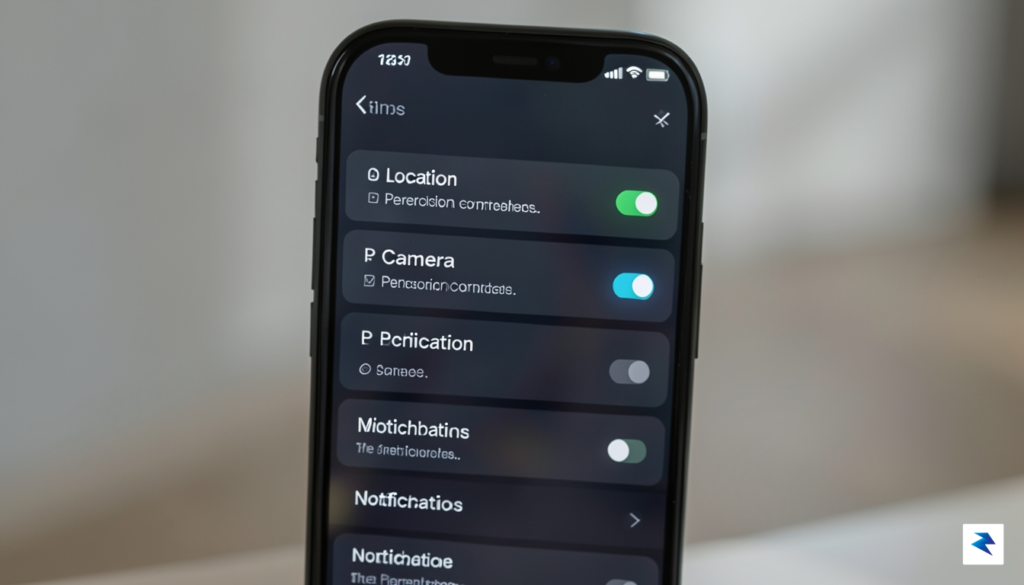
One of the most powerful tools available to survivors is the system-wide network and sensor toggle feature. Standard operating systems often operate with an “always-on” mentality, where apps constantly poll for location data, microphone access, and network connectivity in the background. GrapheneOS empowers users to disable these sensors and network access at the hardware and software layer, ensuring that apps cannot “phone home” with sensitive metadata or location pings. By toggling off network access for specific apps, you effectively neuter software designed to exfiltrate data, providing peace of mind that your whereabouts and digital interactions remain strictly private.
The core philosophy of GrapheneOS is to move the power dynamic of data privacy from the application developer back to the user, ensuring that no software is granted more access than is strictly necessary for its operation.
Beyond active monitoring, GrapheneOS implements robust protections for data at rest. The Auto-Reboot feature is a critical security layer that forces the device to restart after a set period of inactivity, moving the phone from an “After First Unlock” (AFU) state back to a much more secure “Before First Unlock” (BFU) state. In this state, the vast majority of your data remains encrypted and inaccessible without your unique passcode, even if the physical device is compromised or seized. Furthermore, the operating system utilizes advanced memory management techniques that isolate application processes, preventing remote exploits from jumping from one app to another. This hardened architecture acts as a persistent security guard, ensuring that even if an attacker attempts to exploit a vulnerability in one app, they remain trapped within a sandbox, unable to access the rest of your private life.

While GrapheneOS offers industry-leading privacy and security protections, it is essential to approach it as one component of a broader safety strategy rather than a total solution. Transitioning to a hardened operating system involves a significant learning curve that can be daunting for individuals already navigating the high-stress environment of domestic abuse. Users must be prepared to manage their own security updates, navigate a permission-focused interface, and occasionally troubleshoot minor functional issues that arise from running a privacy-centric environment. Because the system is designed to strip away invasive tracking, standard apps may occasionally require extra configuration or, in rare cases, refuse to run entirely, which can disrupt daily routines or critical communication channels.
Furthermore, software-based security is inherently limited by the physical reality of the device and the human element of security. Even the most secure operating system cannot prevent an abuser from physically accessing the hardware, nor can it defend against social engineering tactics, such as coercion to reveal passcodes or the installation of monitoring hardware on other household devices. If an attacker has physical possession of the phone or access to the user’s secondary accounts—such as cloud backups, email, or linked social media—the encryption provided by GrapheneOS may be bypassed through account recovery processes or physical intimidation. Consequently, digital safety must be paired with physical safety planning, including securing physical home entry points and ensuring that sensitive communications are not intercepted via compromised secondary devices.
True security is a process, not a product. Before committing to a custom ROM, survivors should evaluate their specific threat model to determine if the technical complexity aligns with their current capacity for digital maintenance.
Before deciding whether GrapheneOS is the right path for your situation, consider the following practical questions to gauge your readiness and needs:
Ultimately, the goal of using hardened technology is to provide peace of mind, not to create additional burdens. If the complexity of managing a custom operating system feels overwhelming, it is perfectly acceptable to prioritize simpler, more accessible privacy tools that still offer significant improvements over standard factory settings. Always remember that your safety is the priority, and the best tool is the one that you can use reliably and consistently without inviting further risk or confusion into your life.

While transitioning to a hardened operating system like GrapheneOS provides a vital layer of digital defense, it is crucial to recognize that technology is merely one component of a comprehensive safety strategy. For individuals navigating domestic abuse, true security requires a multi-faceted approach that bridges the gap between digital privacy and physical safety. A phone is only as secure as the environment in which it is used, and technical measures must be integrated into a broader plan that accounts for your unique living situation, social network, and legal circumstances.

The first step in any robust safety plan is to connect with experts who understand the complexities of domestic violence. Professional advocacy services offer more than just emotional support; they provide specialized risk assessment tools that can help you identify vulnerabilities you might otherwise overlook. By reaching out to organizations like the National Domestic Violence Hotline or local community centers, you can gain access to legal resources, housing assistance, and safety planning strategies that go far beyond what a device can provide. These advocates are trained to help you recognize patterns of coercive control, ensuring that your digital security efforts are supported by a strong foundation of real-world protection.
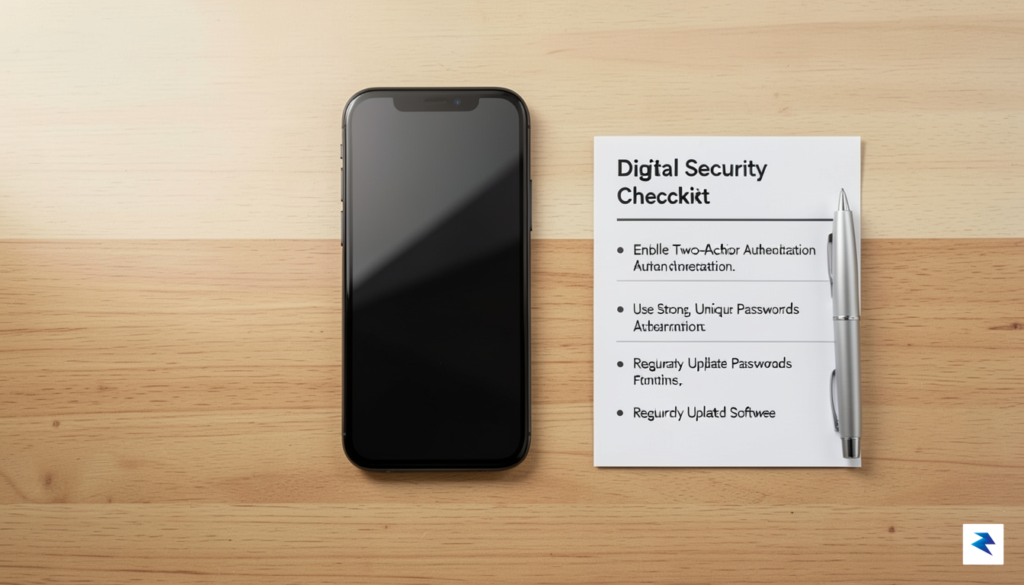
Hardening your hardware is ineffective if your accounts remain accessible to an abuser. Before transitioning to a new device, you must perform a thorough audit of your digital identity. This process involves more than just updating security settings; it requires a complete overhaul of your access points:
Technical tools like GrapheneOS can limit surveillance, but they cannot replace the necessity of a comprehensive safety plan that addresses physical, legal, and emotional well-being.
Finally, do not underestimate the importance of physical security in tandem with your digital hardening. Abusers often use physical surveillance technologies, such as hidden cameras, GPS trackers, or AirTags, to monitor their victims’ movements. Regularly sweep your personal belongings, vehicle, and living space for unauthorized tracking devices. If you suspect you are being monitored, document these findings with the help of an advocate, as this evidence may be critical if you choose to pursue legal protections. By treating your safety as an integrated system—combining secure communication habits with diligent physical awareness—you can reclaim your autonomy and build a more stable path forward.
You must be logged in to post a comment.