
Taylor Farms Recall: What You Need to Know About the Cyclospora Outbreak
Understanding the Cyclospora Outbreak and Taylor Farms Recall The recent decision by Taylor Farms to initiate a voluntary recall of specific…
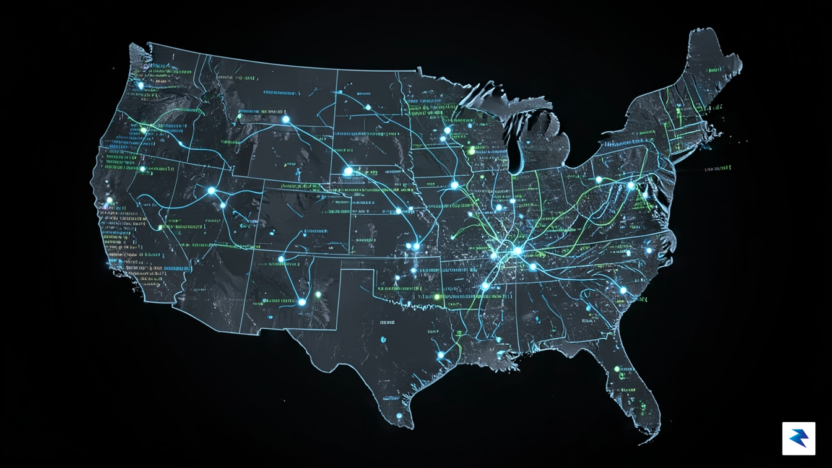

The landscape of federal immigration enforcement has undergone a quiet but profound transformation in recent years, moving away from traditional field-based investigations toward an era defined by algorithmic oversight and expansive data mining. This shift is solidified by the recent $25 million contract renewal between U.S. Immigration and Customs Enforcement (ICE) and Thomson Reuters, a move that reinforces the agency’s growing dependence on private sector intelligence. By leveraging proprietary software suites, ICE has effectively outsourced the heavy lifting of investigative research to corporate entities that possess massive repositories of personal information, ranging from utility bills and motor vehicle records to credit history and social media footprints.
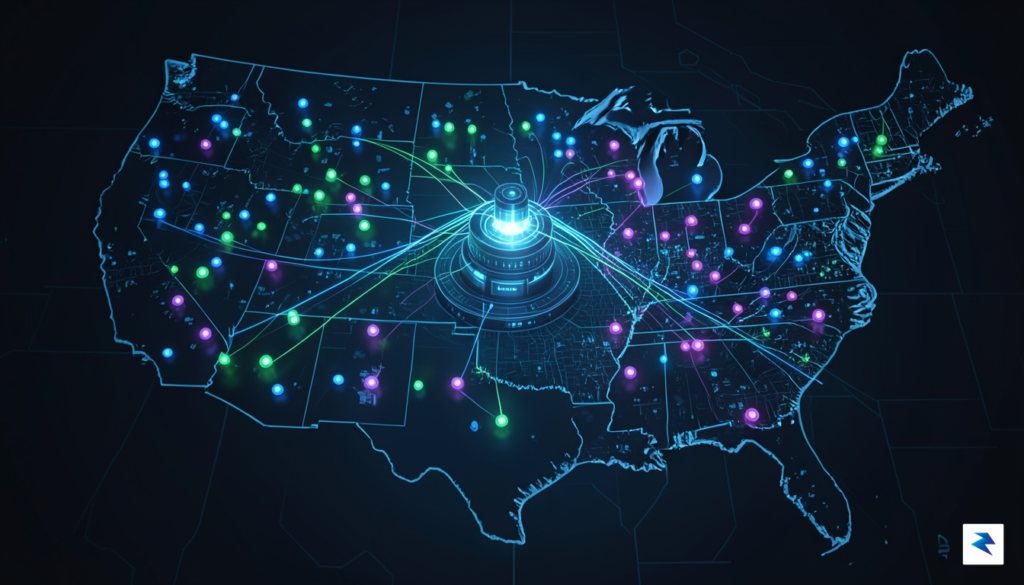
This reliance on public-private partnerships marks a permanent departure from the legacy methods that once defined immigration oversight. In the past, enforcement was primarily reactive, relying on physical presence, warrants, and localized intelligence gathering. Today, however, the agency operates in a persistent state of digital surveillance, where individuals can be flagged, located, and analyzed through automated processes long before an officer ever sets foot in the field. This transition not only streamlines the identification process but also broadens the scope of who is monitored, as the sheer volume of data ingested by these private platforms allows for a level of granular tracking that would be impossible to achieve through manual labor alone.
The integration of private data brokerage into federal enforcement creates a “black box” environment where the mechanisms used to identify and target individuals remain largely hidden from public scrutiny and judicial oversight.
The implications of this $25 million investment extend far beyond simple administrative efficiency. By embedding private data brokers into the core of the immigration apparatus, the government has created an infrastructure that is both scalable and increasingly difficult to dismantle. As these tools become more sophisticated, the line between public law enforcement and private corporate surveillance continues to blur, leaving privacy advocates concerned about the lack of transparency in how this data is utilized to monitor vulnerable populations, including unaccompanied minors. Ultimately, this technological leap signals that the future of immigration policy will be driven less by boots on the ground and more by the silent, relentless processing of digital information.

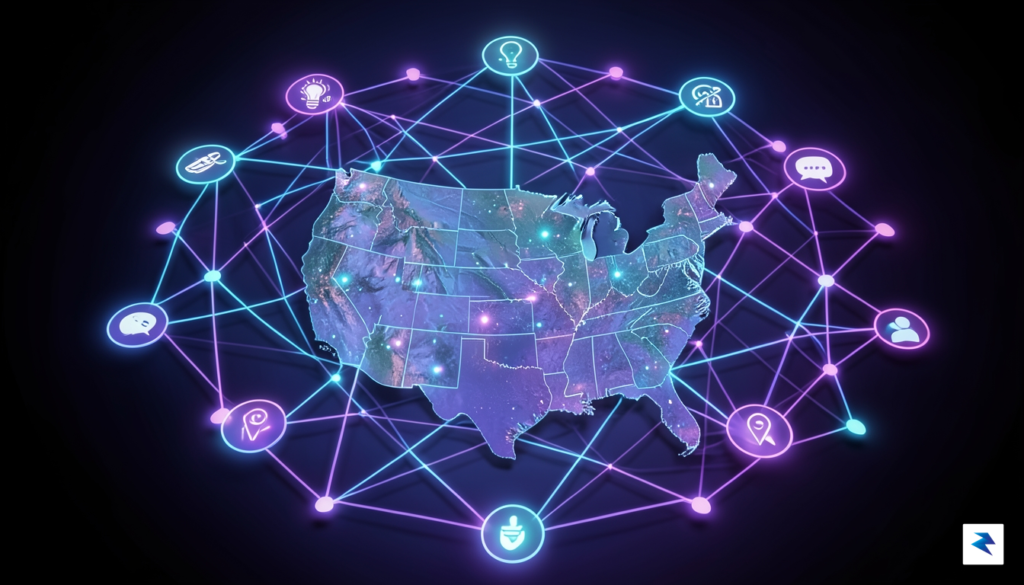
The modern landscape of federal immigration enforcement has shifted dramatically from traditional fieldwork to a sophisticated, data-driven architecture. At the heart of this transformation is the relationship between Immigration and Customs Enforcement (ICE) and the private data brokerage industry. Rather than relying solely on time-consuming manual surveillance, ICE agencies leverage third-party brokers—companies that specialize in scraping, aggregating, and selling massive repositories of personal information. By purchasing access to these commercial databases, the federal government effectively bypasses the procedural hurdles and resource limitations that once constrained investigative work, turning the digital footprints of millions of residents into actionable intelligence.
These data brokers act as clearinghouses for the intimate details of daily life, pulling from a staggering variety of sources to build comprehensive digital dossiers. The information harvested includes, but is not limited to, utility service records, real-time location history derived from mobile applications, financial transactions, property ownership deeds, and even social media activity. Because this data is collected across disparate sectors of the economy—often with the implicit consent of users who agree to opaque terms of service—it offers a level of visibility that no single government agency could achieve on its own. For ICE, this means they can instantly access current addresses, employment history, and professional associations, transforming fragmented digital breadcrumbs into a cohesive, searchable profile.
The ability to synthesize billions of data points allows federal agents to track individuals with a speed and efficiency that was previously unimaginable in administrative law enforcement.
Once this information is aggregated, it is funneled into sophisticated analytical platforms that allow ICE agents to monitor, identify, and track individuals across the country in real-time. The mechanics of this process are designed to be seamless; an agent can input a name or a partial identification marker and receive an automated report detailing an individual’s recent movements or points of contact. This capability is particularly potent when applied to identifying unaccompanied minors or investigating suspected fraud, as the tools can map complex networks of relationships and residences that would otherwise remain hidden. By commodifying personal privacy, these brokerage tools empower ICE to maintain a persistent state of digital surveillance, effectively erasing the line between public record and private life in the pursuit of enforcement objectives.

The integration of massive data broker tools into federal immigration enforcement marks a profound shift in how the government approaches the management of unaccompanied minors. By leveraging Thomson Reuters’ vast analytical databases, Immigration and Customs Enforcement (ICE) can essentially bypass traditional investigative hurdles to locate and profile children who have entered the country without legal status. While proponents of these digital surveillance contracts argue that such technology is essential for identifying potential fraud or human trafficking, the practice raises alarming questions about the ethical boundaries of monitoring children. Treating a minor’s personal information—which often includes geolocation data, utility records, and social connections—as a commodity for law enforcement surveillance creates a digital dragnet that leaves these vulnerable individuals with little to no path for data privacy or recourse.

At the heart of the controversy is the transition from reactive casework to proactive, algorithm-driven profiling. When ICE utilizes private sector data tools to track minors, they are not merely checking existing records; they are actively weaving together disparate threads of a child’s private life to map their movements and associations. This process inherently treats the child as a potential risk factor rather than a vulnerable person in need of protection. Civil liberties advocates warn that this creates a permanent digital shadow, where a minor’s past interactions or temporary housing arrangements can be used to justify detention or deportation long before they have had a meaningful chance to navigate the complex legal asylum process.
The reliance on private data brokers to track children effectively turns the digital footprint of a minor into a tool for state enforcement, complicating the humanitarian protections intended for unaccompanied youth.
Furthermore, the lack of transparency surrounding how this data is managed, stored, and shared remains a significant point of contention. Unlike government-collected data, which is often subject to specific oversight and public record mandates, information funneled through private data brokers exists in a somewhat opaque legal gray area. There is minimal public insight into the accuracy of the algorithms being used to flag these minors, leaving significant room for human or technical error. When sensitive details regarding a child’s location or family connections are filtered through a third-party commercial platform, the potential for misuse—and the lack of accountability for that misuse—grows exponentially. Ultimately, the normalization of tracking children through these expansive, commercial-grade digital tools sets a dangerous precedent that prioritizes enforcement efficiency over the fundamental privacy rights and safety of the most vulnerable among us.

At the center of the federal government’s modern surveillance apparatus lies Thomson Reuters, a company perhaps better known for its global news operations than its role as a digital architect for law enforcement. Through its proprietary CLEAR platform, the corporation has effectively bridged the gap between private-sector data aggregation and public-sector enforcement. CLEAR functions as a vast, searchable repository of personal information, drawing from billions of data points including utility records, credit reports, social media activity, and historical location data. By marketing these comprehensive dossiers to Immigration and Customs Enforcement (ICE), Thomson Reuters has transformed the mundane debris of everyday digital life into a potent tool for federal oversight, far exceeding the traditional scope of government intelligence gathering.

The ethical dilemma inherent in this arrangement is profound, as it blurs the once-distinct lines between a neutral media entity and an active participant in state-sponsored surveillance. When a corporation that prides itself on journalistic integrity also profits from selling surveillance tools to agencies tasked with deportations and border control, it raises critical questions about corporate accountability. This business model relies on the normalization of “data brokerage,” where information collected for one benign purpose—such as establishing credit or paying a utility bill—is repurposed without the individual’s explicit consent to facilitate immigration investigations. By commodifying the private lives of vulnerable populations, Thomson Reuters is not merely providing a service; it is setting a precedent where private commercial interests dictate the reach and efficiency of government enforcement.
The integration of commercial data into federal enforcement strategies represents a paradigm shift where the private sector provides the infrastructure for state power, often bypassing the traditional legal hurdles associated with government surveillance.
Furthermore, the broader implications of this corporate-government synergy suggest a future where public sector enforcement is inextricably linked to private data monopolies. As agencies like ICE continue to lean on the robust, real-time analytics provided by platforms like CLEAR, they become increasingly reliant on private companies to maintain their operational capabilities. This dependency creates a feedback loop that incentivizes the mass collection of data, as the value of these platforms is directly tied to the breadth and depth of the information they contain. Ultimately, when the tools of modern surveillance are treated as simple commercial products, the fundamental right to privacy is relegated to a secondary concern, subordinated to the efficiency of the government’s investigative reach.

The integration of commercial data brokers into federal immigration enforcement marks a profound shift in the architecture of the modern surveillance state. By leveraging vast reservoirs of information—ranging from utility bills and credit headers to real-time location data—agencies like ICE are effectively bypassing the traditional boundaries of government oversight. This transition from targeted investigation to broad, automated data harvesting raises critical concerns about the erosion of privacy. When private corporate databases become de facto tools for federal deportation, individuals find themselves subject to a digital dragnet that operates without the traditional checks and balances of a warrant, fundamentally altering the relationship between the citizen and the state.
As these automated systems become increasingly sophisticated, the risk of systemic overreach grows exponentially. Algorithms designed to identify “fraud” or track the movement of unaccompanied minors are rarely transparent, often operating within a “black box” that makes it nearly impossible for individuals to contest the data being used against them. This lack of accountability is compounded by the inherent flaws in commercial datasets, which are frequently riddled with errors, outdated information, and historical biases. Without robust legislative oversight, we are witnessing the solidification of a system where digital footprints are weaponized, potentially leading to the wrongful targeting of vulnerable populations who have no meaningful recourse against the machines making decisions about their lives.

The normalization of third-party data tracking in immigration enforcement risks turning the internet into a permanent, inescapable mechanism of state control, effectively erasing the line between our private lives and our public status.
The broader societal implications of this trajectory are unsettling. If the internet and our daily digital interactions are repurposed into tools for tracking and deportation, the very nature of public trust in digital infrastructure is compromised. We are moving toward a future where participation in modern society—paying for power, using a smartphone, or opening a bank account—effectively acts as a signal to federal agents. To prevent this trajectory from becoming the standard, there is an urgent need for comprehensive policy reforms that limit how government agencies can purchase or access private data. Without clear, legally binding boundaries, the move toward automated enforcement threatens to institutionalize a permanent state of suspicion, where civil rights are secondary to the efficiency of the surveillance machine.
You must be logged in to post a comment.