Dyson Hot+Cool Review: Can One Appliance Replace Your Fan and Heater?
The Case for Multi-Functional Climate Control For years, the seasonal transition in most households has been defined by a tedious, recurring…
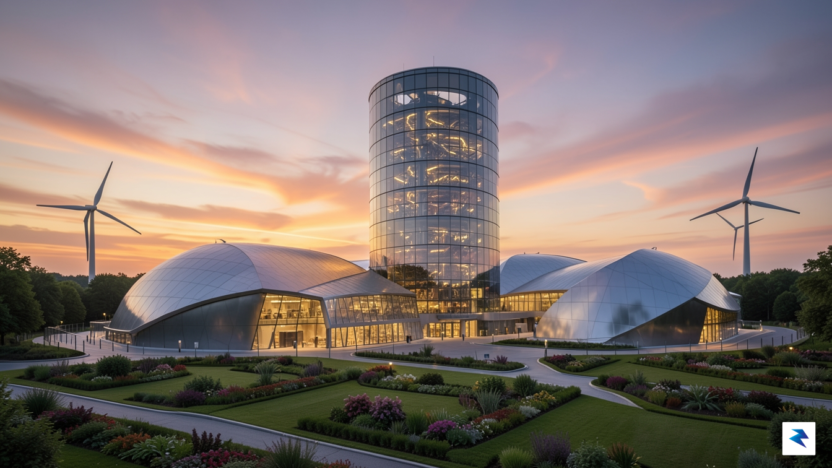
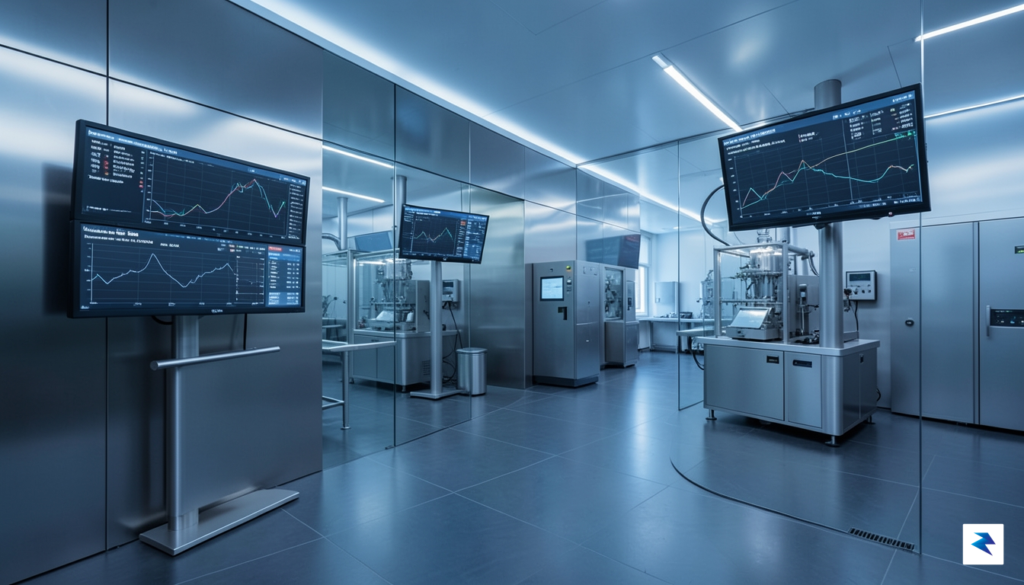
The global energy landscape is undergoing an unprecedented and radical transformation, driven by a confluence of urgent environmental mandates and an insatiable demand for power. As nations worldwide commit to aggressive decarbonization goals, the imperative to transition away from fossil fuels has never been more pressing. This monumental shift isn’t just about reducing emissions; it’s about securing a future where energy is not only clean but also abundant and consistently available to power a rapidly evolving, interconnected world. Consequently, the focus has sharpened dramatically on energy sources that can deliver carbon-free, baseload power without the intermittency challenges inherent in many renewable technologies.
For decades, nuclear technology was largely sidelined, grappling with significant regulatory hurdles, public perception issues, and the formidable costs associated with large-scale plant construction. However, a remarkable nuclear renaissance is now firmly underway, positioning advanced nuclear power as a primary focus for venture capital and strategic investment. This resurgence is fueled by a deeper understanding of nuclear’s unique advantages: its unparalleled energy density, minimal land footprint, and capacity to deliver power around the clock, regardless of weather conditions. New innovations, particularly in small modular reactors (SMRs) and other advanced reactor designs, promise enhanced safety, reduced construction times, and more flexible deployment options, making nuclear an increasingly attractive proposition for the 21st century energy grid.
Further intensifying this demand is the explosive growth of the digital economy, particularly the AI-driven data center boom. These computational behemoths, essential for everything from machine learning to cloud computing, consume staggering amounts of electricity, and their energy needs are projected to surge exponentially in the coming years. Unlike traditional industrial loads, data centers require an absolutely unwavering, high-quality power supply, 24 hours a day, 7 days a week. Intermittent energy sources, while vital to the overall clean energy mix, often struggle to meet this relentless, high-density demand on their own, creating a critical gap that only consistent, high-capacity generation can fill. Nuclear energy, with its stable and dispatchable output, emerges as an ideal solution to power these energy-intensive digital infrastructures, providing the reliability and scale necessary for continuous operation.
It is against this backdrop of surging demand and technological reinvention that venture capital is now flooding into the nuclear sector, recognizing its pivotal role in the future of energy. Investors are no longer deterred by past challenges but are instead drawn to the immense market opportunity presented by climate mandates, energy independence goals, and the insatiable power appetite of our digital age. Companies like Valar Atomics are at the forefront of this new wave, embodying the innovative spirit and potential for disruption that investors seek. Indeed, the discussions surrounding new funding at a staggering $6 billion valuation for Valar Atomics underscore the profound confidence the financial world now places in advanced nuclear solutions to revolutionize how we power our planet and meet the urgent energy demands of tomorrow.

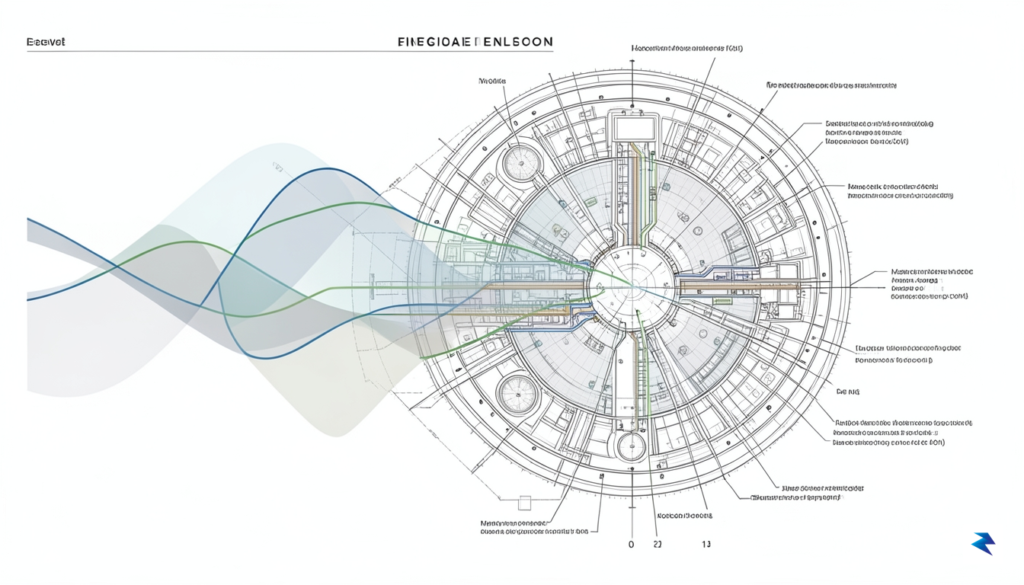
A $6 billion valuation for a company that has yet to achieve full-scale commercial deployment is a staggering figure, yet it signals a fundamental shift in how the market perceives deep-tech infrastructure. In the world of software startups, valuations are typically tethered to recurring revenue multiples and user growth metrics. However, for a company like Valar Atomics, this price tag is predicated on something far more foundational: the scarcity of viable, scalable carbon-free energy solutions. By positioning itself at this valuation, the company is effectively being priced as a future utility giant rather than a traditional venture-backed firm, reflecting investor confidence that the technological hurdles of nuclear innovation have been sufficiently derisked to justify massive capital infusion.
The sheer intensity of capital required to bring nuclear hardware from the laboratory to the grid is immense, often acting as a barrier that keeps all but the most well-funded players at the periphery. Investors justifying a $6 billion entry point are looking beyond current balance sheets; they are betting on the long-term strategic value of sovereign energy independence and the inevitable transition away from fossil fuels. Because nuclear projects involve complex regulatory frameworks, long-term government procurement contracts, and decades-long operational lifespans, the valuation reflects the projected net present value of energy output that could span thirty to fifty years. This isn’t a speculative bet on a product release, but a strategic acquisition of a stake in the infrastructure that will define the next half-century of global energy markets.
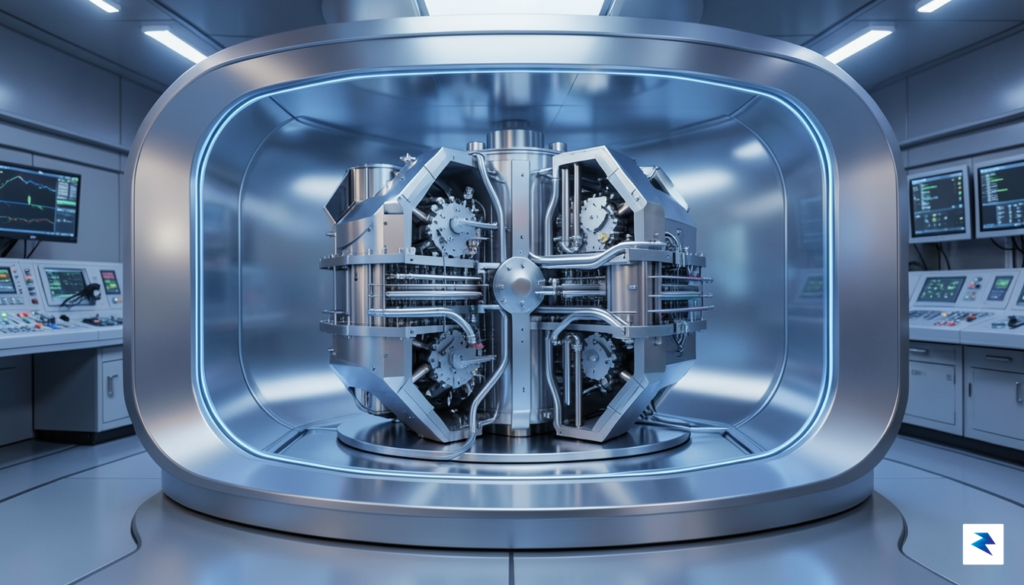
The $6 billion valuation represents more than just financial capital; it is a vote of confidence in the inevitability of the nuclear renaissance and Valar Atomics’ role as its primary architect.
Furthermore, this valuation implies that Valar Atomics has moved beyond the “proof of concept” phase and is now entering the “industrialization” phase of its maturity. For early-stage nuclear companies, reaching such a milestone suggests that the firm has secured critical intellectual property, cleared significant regulatory milestones, and established a pipeline of high-intent enterprise or government partners. By commanding such a high price in the current funding environment, Valar Atomics is signaling to the market that it possesses the moat—whether through proprietary fuel cycles, advanced reactor design, or specialized manufacturing capabilities—necessary to survive the “valley of death” that typically claims hardware startups. Ultimately, the market is acknowledging that while the risks remain significant, the cost of inaction and the potential upside of dominating a multi-trillion-dollar energy sector make this a high-stakes, high-reward necessity for institutional portfolios.

Modern venture capital has moved far beyond the days of simple equity exchanges, where a straightforward price-per-share calculation dictated a company’s worth. In the capital-intensive world of deep-tech, where projects like Valar Atomics require billions in infrastructure investment long before turning a profit, funding has become a sophisticated game of financial engineering. Today, startups are increasingly utilizing multi-stage funding mechanisms—a blend of convertible notes, warrants, and layered liquidation preferences—to secure the massive capital injections necessary for long-term nuclear development. By layering these instruments, companies can raise substantial sums while deferring the rigorous, often volatile valuation benchmarks that typically accompany a traditional Series C or D round.

These complex structures allow startups to achieve “unicorn” status while masking the true liquidity risk inherent in hardware-heavy ventures. Unlike consumer software startups, which can pivot or scale rapidly, a nuclear energy firm faces decades of regulatory hurdles and physical construction. To bridge this gap, investors often utilize liquidation preferences that guarantee their capital is returned before common shareholders see a cent, effectively insulating them from the downside of a stagnant valuation. Furthermore, the inclusion of warrants—options to purchase future shares at a fixed price—allows investors to hedge against the possibility that the company’s valuation may fluctuate wildly as it moves from theoretical design to operational pilot programs.
By utilizing multi-stage instruments, deep-tech firms can maintain high-profile valuations that attract talent and public interest, even when the underlying asset is still years away from commercial viability.
Ultimately, this evolution in funding represents a strategic shift in how risk is priced. By utilizing convertible instruments that convert to equity only upon specific milestones—such as regulatory approval or successful reactor ignition—Valar Atomics and its peers are creating a new category of “milestone-based valuation.” This approach is fundamentally different from the growth-at-all-costs metrics seen in Silicon Valley’s past. It prioritizes long-term capital stability over immediate market liquidity, ensuring that the company has enough “runway” to survive the arduous journey toward nuclear commercialization without the immediate pressure of an IPO or a down-round that could stifle innovation.
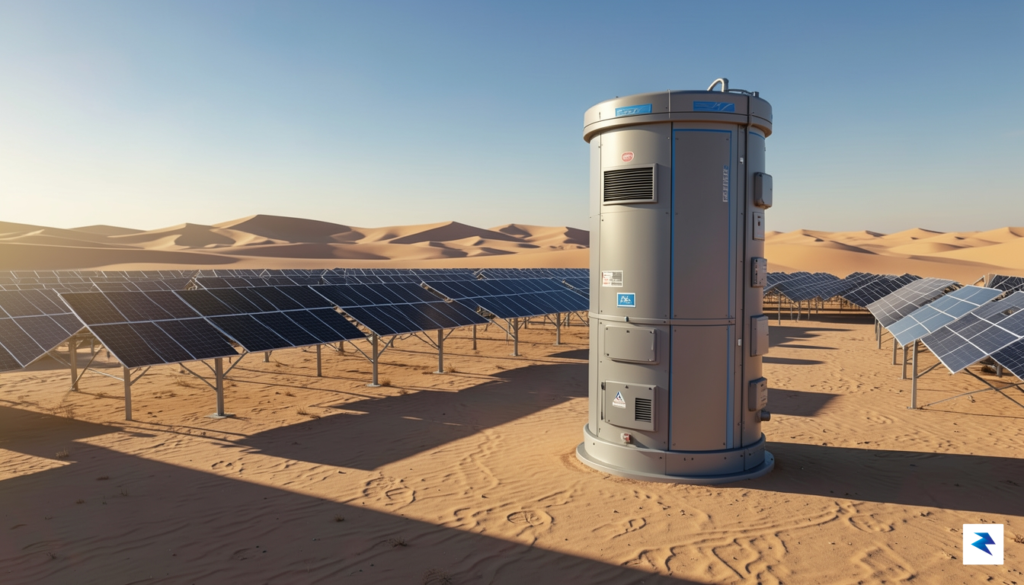
The burgeoning interest in companies like Valar Atomics isn’t merely a speculative gamble on future energy; it’s a profound recognition of a paradigm shift within the nuclear industry. At the heart of this excitement lies the transformative potential of Small Modular Reactors (SMRs). Unlike their colossal predecessors, SMRs represent a radical reimagining of nuclear fission technology, aiming to shrink the physical footprint of power generation while simultaneously addressing the long-standing challenges of safety, cost, and scalability that have plagued traditional gigawatt-scale plants. This miniaturization isn’t just about size; it’s about fundamentally altering how nuclear power is designed, built, and deployed, making it a far more agile and accessible solution for a world urgently seeking reliable decarbonization.
One of the most compelling engineering advantages of SMRs is their inherently enhanced safety profiles. Traditional nuclear reactors, while incredibly safe, often rely on active safety systems requiring external power or operator intervention during emergencies. SMR designs, conversely, frequently incorporate passive safety features that leverage natural forces like gravity, convection, and pressure differentials to cool the reactor core and prevent meltdowns, even in the complete absence of human intervention or grid power. This intrinsic safety, often demonstrated through designs that are physically smaller and contain less radioactive material, significantly mitigates the public perception risks and operational complexities associated with larger plants, making them more palatable for broader adoption and investment.
Beyond safety, the “modular” aspect of SMRs unlocks unprecedented manufacturing efficiency. Unlike the bespoke, on-site construction of conventional nuclear plants—which often takes over a decade and incurs massive cost overruns—SMRs are designed for factory fabrication. Components, and even entire reactor modules, can be mass-produced in controlled industrial environments, leading to higher quality control, faster production cycles, and substantial cost reductions through economies of scale. This shift from custom-built mega-projects to standardized, assembly-line production is a game-changer, promising to bring down the capital intensity and accelerate deployment schedules, directly addressing two of the biggest financial hurdles for legacy nuclear power.
This manufacturing prowess naturally leads to flexible deployment capabilities, a stark contrast to the legacy ‘gigawatt-scale’ nuclear model. Traditional plants require vast tracts of land, extensive cooling infrastructure, and robust transmission lines to distribute their immense power output, limiting their siting options and increasing transmission losses. SMRs, with their compact size and lower power output (typically 300 MWe or less), can be deployed in a much wider array of locations—from replacing retiring coal plants to powering remote industrial operations or even providing district heating. Their modularity also allows for incremental capacity additions, enabling communities to scale up their power supply as demand grows, rather than committing to a single, enormous power station from the outset. This distributed, adaptable energy solution is far more aligned with modern grid requirements and localized energy needs.
[IMAGE: An illustrative graphic showing a small modular reactor being transported on a truck or barge, contrasting its compact size with a large, traditional nuclear power plant in the background, to highlight flexible deployment.]
For investors, these combined innovations represent nothing short of the “holy grail” of the green energy transition. While renewables like solar and wind are crucial, their intermittency demands reliable baseload power, a role traditionally filled by fossil fuels. SMRs offer a carbon-free, always-on energy source that can complement renewables, stabilize grids, and provide the consistent power required for heavy industry and urban centers. The prospect of a safe, scalable, and economically competitive nuclear option—one that can be rapidly deployed globally—is precisely why companies like Valar Atomics are attracting such significant capital. It’s a bet on decarbonization without compromise, offering a pathway to meet ambitious climate goals while ensuring energy security and economic growth.

While the infusion of capital into companies like Valar Atomics signals a profound shift in market sentiment, the journey from venture-backed innovation to a functioning, grid-ready nuclear power plant remains perilous. The nuclear industry is uniquely defined by what experts often call the “regulatory valley of death.” Unlike software or even traditional renewable energy, nuclear technology requires navigating a labyrinth of licensing requirements mandated by the Nuclear Regulatory Commission (NRC) or international equivalents. These agencies prioritize safety above all else, which, while essential for public welfare, imposes a timeline that often clashes with the rapid growth expectations of private equity and venture capital. A startup might possess a brilliant reactor design, but without the multi-year, multi-million-dollar process of federal certification, that design remains nothing more than a digital blueprint.
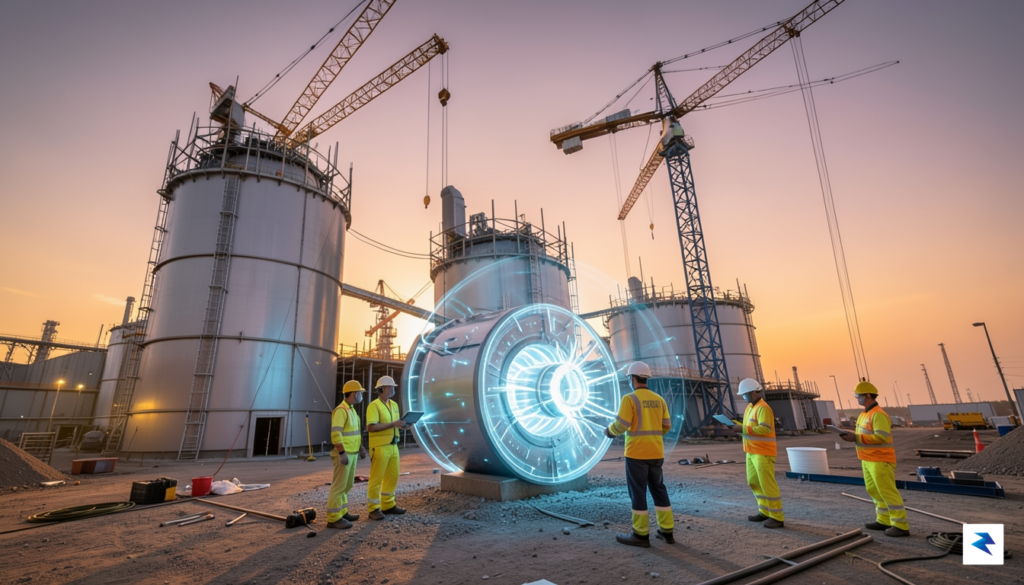
Beyond the regulatory hurdles, the physical reality of building nuclear infrastructure presents an immense strain on supply chains and capital reserves. The cost of specialized materials—such as high-assay low-enriched uranium (HALEU) and radiation-hardened alloys—is subject to extreme price volatility and geopolitical constraints. Scaling a factory or a power plant requires enormous upfront expenditure long before the first kilowatt of electricity is sold to the grid. Consequently, the timeline for commercialization is measured in decades rather than quarters. Investors are essentially betting that these startups can maintain their “burn rate” through years of construction, regulatory review, and technical iteration without running out of cash or encountering a catastrophic supply chain bottleneck.
The core tension in nuclear investment lies in the mismatch between the high-velocity expectations of Silicon Valley and the slow-motion, rigorous reality of nuclear physics and civil engineering.
Given these constraints, a sober analysis of current valuations—such as the $6 billion figure attached to Valar Atomics—is necessary. While these numbers reflect the immense potential of carbon-free baseload power in an era of surging electricity demand from data centers and AI, they also carry significant risk. If the technology fails to scale as promised, or if regulatory bodies tighten their requirements in response to evolving global safety standards, the downside for late-stage investors could be substantial. Ultimately, while the enthusiasm for nuclear energy is both historic and justified by the climate crisis, the sector’s high valuations are predicated on a future that is still being written. Investors must be prepared for the possibility that the path to profitability will be far more complex, expensive, and time-consuming than any pitch deck might suggest.
You must be logged in to post a comment.