
Is Lyft Finally the Better Choice? CEO David Risher Makes the Case
The Strategic Pivot: Defining the 'Good' Alternative Under the steady hand of CEO David Risher, Lyft is undergoing a fundamental…

In the modern digital landscape, the lifecycle of a cinematic controversy has become startlingly predictable, often beginning long before the first frame of a film is even projected. For the latest adaptation of The Odyssey, the backlash functioned less as a genuine critique of the artistic vision and more as a coordinated, preemptive strike orchestrated by niche online echo chambers. By weaponizing the casting choices—specifically those that diverged from historical or traditional depictions—these critics framed the film as a deliberate betrayal of Homeric legacy. This narrative was meticulously crafted to capitalize on existing cultural tensions, positioning the production as an ideological battleground rather than a creative project. Consequently, the discourse was poisoned by bad-faith arguments that prioritized “culture war” framing over any substantive discussion regarding the film’s actual thematic depth, cinematography, or narrative structure.
The mechanics of this outrage cycle rely heavily on the production of “rage-bait,” a digital strategy designed to trigger visceral reactions and maximize engagement metrics within polarized social media silos. By isolating specific casting decisions and presenting them as an erasure of heritage, these influencers created a vacuum of context that invited hostility before the audience had an opportunity to judge the material for themselves. This manufactured indignation, however, operated within a distinct bubble. While the online vitriol appeared deafening in its intensity, it failed to permeate the broader public consciousness. Most casual moviegoers, who prioritize entertainment value and narrative resonance, were largely indifferent to the performative outrage dominating certain corners of the internet. The disconnect between these loud, algorithm-driven dissenters and the actual ticket-buying public is a testament to the limited influence of manufactured moral panics on real-world commercial outcomes.
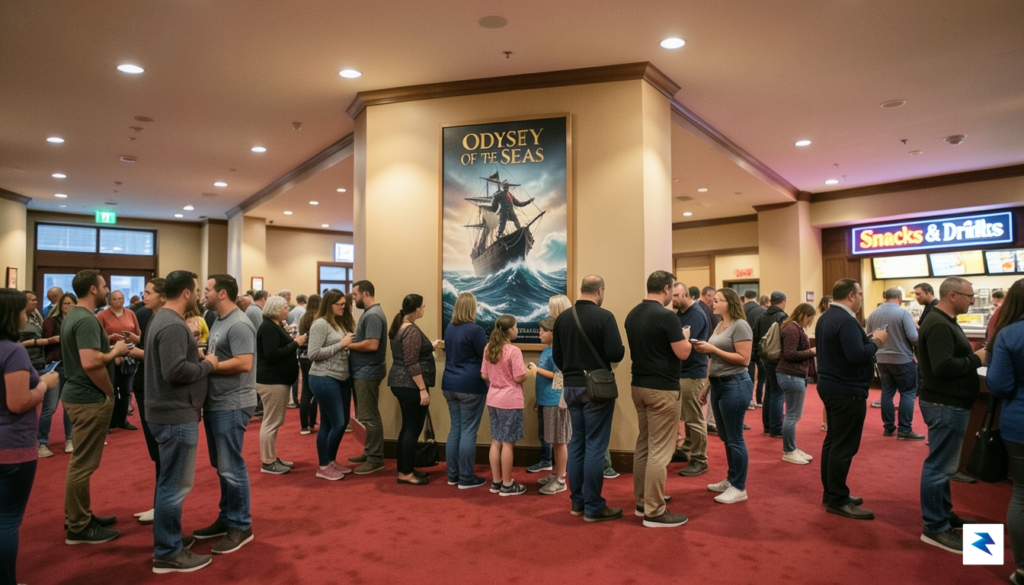
Ultimately, the failure of this backlash confirms a growing trend: the audience is increasingly capable of distinguishing between legitimate artistic critique and cynical, agenda-driven noise.
When the film finally premiered, the dissonance between the pre-release vitriol and the actual content became starkly apparent. Those who engaged with the movie found that the themes of homecoming, resilience, and the human condition were treated with the gravity and respect that the source material demands. The casting choices, which had been dissected and condemned as “sacrilegious” in forums, were revealed to be artistic decisions that did little to hinder—and often enhanced—the emotional weight of the performances. By focusing on surface-level grievances, the critics blinded themselves to the film’s actual quality, thereby rendering their own arguments hollow. As box office numbers solidified the film’s success, it became clear that the strategy of leveraging outrage to tank a blockbuster had not only failed but had inadvertently highlighted the growing irrelevance of those who treat cinema as a proxy for political warfare.
When the first wave of vitriol hit social media regarding the latest cinematic adaptation of The Odyssey, many commentators were quick to brand the project “dead on arrival.” However, the cold, hard reality of the global box office has effectively dismantled that narrative of failure. With a projected $200 million global opening weekend, the film has demonstrated that the economic engine of modern Hollywood is rarely stalled by the aesthetic or political protests that dominate online discourse. These figures represent a massive infusion of capital that confirms the studio’s bet on broad, commercial viability over the niche grievances of a vocal, internet-based minority.
A critical factor in this financial success is the film’s performance across international markets, which often act as a buffer against domestic controversy. While a segment of the online population may obsess over the ideological purity of a blockbuster, global audiences—particularly in territories like China, Europe, and Latin America—tend to prioritize high-budget production value and universal storytelling tropes. By focusing on wide-reaching spectacle rather than pandering to the demands of the “anti-woke” fringe, the production team ensured that the movie functioned as an accessible product for a global demographic. This international turnout proves that studios are fundamentally incentivized to ignore domestic culture wars in favor of maximizing their reach across diverse cultural borders.
The box office does not reflect the consensus of a Twitter thread; it reflects the aggregate behavior of millions of casual viewers who value entertainment over ideological purity.
Furthermore, the correlation between high-budget production value and audience turnout remains the most reliable indicator of a film’s success. Audiences are increasingly selective about which spectacles are worth the price of a theater ticket, and The Odyssey delivered the kind of visual polish and technical craftsmanship that necessitates a big-screen experience. By investing heavily in top-tier cinematography, world-class visual effects, and a sprawling narrative scope, the studio created a “must-see” event that neutralized the impact of organized review-bombing campaigns. Ultimately, the numbers suggest that when a film offers genuine scale and spectacle, the vast majority of theater-goers will choose to vote with their wallets, effectively silencing the noise of those hoping for the project’s collapse.

The recent discourse surrounding The Odyssey has been dominated by a narrow focus on casting, yet this fixation misses the fundamental reality of literary adaptation: translation is inherently an act of transformation. When we approach an epic as ancient and fluid as Homer’s, the goal is rarely a museum-quality historical reenactment. Rather, the goal is to find thematic resonance that speaks to a contemporary audience. For centuries, artists have reshaped the myths of Odysseus to reflect the anxieties, values, and cultural landscapes of their own time. By treating the text as a static relic rather than a living narrative, critics of modern casting ignore that even the most “traditional” versions of these stories were once innovative departures from the source material.
When we evaluate creative liberty, we must ask whether these casting choices serve the narrative arc or if they are merely being weighed against a rigid, non-existent standard of historical accuracy. The truth is that “accuracy” in the context of Greek epic is a moving target. These tales are rooted in a mythological past where gods interact with mortals and monsters roam the seas; they are, by definition, works of fantasy and oral tradition. To demand that a visual adaptation adhere strictly to a singular aesthetic interpretation is to fundamentally misunderstand the nature of epic storytelling, which has always relied on the imagination of the performer to bridge the gap between antiquity and the present.
The true test of an adaptation is not whether it looks exactly like a textbook illustration, but whether it captures the enduring emotional and moral complexity of the human experience.
Instead of viewing casting through the lens of a culture war, we should frame it as an artistic decision aimed at revitalizing a story that might otherwise feel distant or inaccessible. Creative liberty allows a director to breathe new life into archetypes, forcing us to engage with the themes of homecoming, hubris, and endurance in fresh ways. When a production prioritizes a diverse, modern ensemble, it is not necessarily making a political statement; rather, it is recognizing that the journey of Odysseus is a universal human experience that transcends the specific geographic and temporal boundaries of the Mediterranean Bronze Age.

Ultimately, the backlash against these creative choices fails because it relies on the flawed premise that there is only one “correct” way to visualize a myth. By clinging to a narrow definition of heritage, critics forfeit the opportunity to see the narrative evolve. Art thrives on reinterpretation, and The Odyssey has survived precisely because it is flexible enough to contain multitudes. When we move beyond the noise of reactionary debate, we find that the most compelling adaptations are those that dare to challenge our expectations, reminding us that these stories belong to the present just as much as they belong to the past.
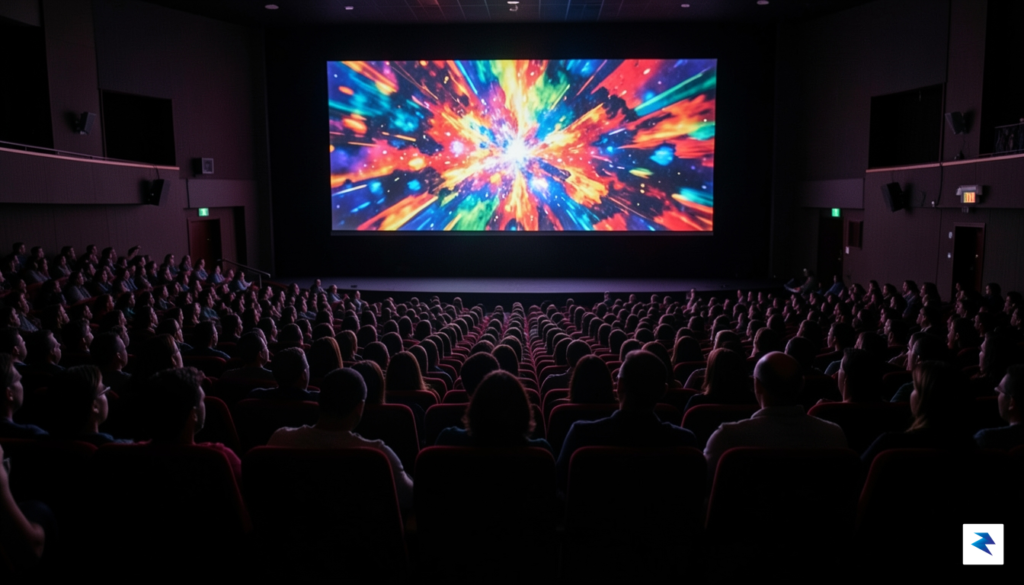
When audiences purchase a ticket for a major cinematic event, their primary motivation is rarely to participate in a political manifesto or to affirm a specific ideological stance. Instead, they are seeking an immersive experience—a temporary departure from the mundane stresses of daily life that only the scale of a cinema can provide. The recent attempt to organize a backlash against the film suggests a profound misunderstanding of the average moviegoer’s intent. For most, the theater remains a sanctuary for escapism, where the quality of the craft takes precedence over the manufactured anxieties of social media discourse. By prioritizing entertainment value and narrative grandeur, the production team tapped into a fundamental human desire for storytelling that transcends the narrow confines of contemporary culture wars.
The success of this endeavor is inextricably linked to the visionary direction, which elevates the film beyond a simple blockbuster into a cohesive, sensory-heavy spectacle. Christopher Nolan—and those working in a similar vein of high-concept, large-format filmmaking—understands that visual spectacle and precise sound design are the engines of the modern box office. When a film utilizes expansive cinematography, practical effects, and a booming, immersive score, it creates an atmosphere that demands to be seen on the largest screen possible. This technical mastery acts as an equalizer, rendering the trivialities of internet outrage campaigns largely irrelevant. When a viewer is confronted with a meticulously crafted sequence that pushes the boundaries of cinematic technology, the ideological purity tests favored by online activists simply lose their grip.
Ultimately, the audience is an expert at separating the art from the noise; they recognize that a well-executed spectacle provides a communal value that online vitriol simply cannot replicate.
There is a widening, undeniable chasm between the high-pitched fervor of digital discourse and the actual habits of the public. While pundits and activists spent weeks attempting to frame the film through a lens of political grievance, the average person was simply looking for a compelling reason to spend their Friday night out. This indifference to manufactured controversy is not a lack of critical thinking, but rather a preference for the visceral, aesthetic experience that cinema was designed to provide. By refusing to let the noise dictate their viewing choices, audiences have effectively signaled that they are uninterested in turning their leisure time into a battleground for ideology. As long as filmmakers continue to prioritize the integrity of the craft, the spectacle will almost always prevail over the sound and fury of the internet.
As the digital dust settles on the recent, highly publicized attempt to derail The Odyssey, it becomes clear that this episode serves as a definitive case study in the limitations of manufactured online outrage. For weeks, the discourse was dominated by a vocal minority of influencers and keyboard activists who sought to position the film as a cultural battlefield, demanding that audiences boycott the spectacle before a single ticket was scanned. Yet, as the box office numbers poured in, a stark reality emerged: the vacuum of noise created by social media algorithms proved to be entirely disconnected from the actual theater-going experience. The general public, it seems, remains largely uninterested in the performative purity tests that have come to define modern online discourse.
This disconnect highlights a significant shift in the landscape of film criticism. We are moving toward a fractured ecosystem where professional critique, influencer commentary, and organic audience word-of-mouth operate on entirely different wavelengths. While the digital sphere can amplify specific grievances with incredible speed, it lacks the gravitational pull necessary to dictate the cultural value of a blockbuster. Moving forward, the industry is likely to view these “culture war” campaigns with increasing skepticism. When a film offers genuine narrative ambition and high-concept spectacle, it builds a protective layer of goodwill that performative outrage simply cannot penetrate. The audience, it turns out, is far more discerning than the loudest voices in the room assume.
The true measure of a film’s success in the digital age is not found in trending hashtags or inflammatory video essays, but in the enduring, quiet consensus formed by audiences filling seats in the dark.
Looking ahead, the future of film criticism will likely pivot back toward substantive, craft-focused analysis rather than ideological gatekeeping. There is a growing fatigue among casual viewers who are tired of having their entertainment choices framed as political allegiances. As studios realize that quality and spectacle consistently triumph over manufactured controversy, we may see a decline in the effectiveness of these reactionary movements. Ultimately, the industry has learned that while the internet can provide a megaphone for dissent, it cannot replace the visceral, communal experience of watching a story unfold on the big screen. The “culture war” may continue to rage in the corners of the web, but for the blockbuster, the lesson is clear: keep the audience engaged, deliver on the promise of the spectacle, and the noise will eventually fade into silence.
You must be logged in to post a comment.