
Beyond the Basics: Running SQLite in High-Performance Production
Why SQLite is More Than Just a Local Database For years, a pervasive narrative has categorized SQLite as little more than a lightweight…
Under the steady hand of CEO David Risher, Lyft is undergoing a fundamental transformation that reaches far beyond simple marketing optics. Risher, whose professional pedigree includes significant tenures at Amazon, brings a disciplined, customer-obsessed philosophy to a company that previously found itself caught in the volatile, high-stakes arms race of the ride-hailing industry. By consciously distancing the brand from the industry’s former “growth-at-all-costs” mentality, Risher is signaling a departure from the chaotic expansion phase that defined the previous decade. Instead, the current leadership is prioritizing a sustainable model that emphasizes long-term user value and operational health over the aggressive, often predatory tactics that historically characterized the sector.
The philosophical divide between Lyft and its primary competitor has become increasingly pronounced as Risher refines the company’s identity. While the broader ride-hailing market has frequently been criticized for prioritizing scale and market dominance at the expense of both driver welfare and passenger experience, Lyft is attempting to carve out a niche as the more conscientious, consumer-centric alternative. This shift is not merely about pricing or convenience; it is a calculated effort to foster a sense of brand trust. By leaning into its reputation as the “good” alternative, Lyft aims to create a psychological differentiator that encourages passengers to choose their platform not out of necessity, but out of a perceived alignment with the company’s stated ethics and service standards.
This strategic pivot is heavily reliant on the belief that brand loyalty is driven by consistent, positive interactions rather than mere ubiquity. Risher recognizes that in a commoditized industry, the app that offers the most predictable and pleasant experience will eventually win the favor of the discerning user. By focusing on reliability, safety features, and a transparent pricing structure, Lyft is betting that passengers are ready to move past the era of aggressive disruption and toward a more mature, predictable form of personal transportation. This long-term strategy requires patience, as it involves weaning the company off the sugar-high of massive, unsustainable subsidies and replacing them with a refined, value-added service experience.
“Our goal is to build a platform where the friction of daily life disappears, and the focus remains entirely on providing a service that people can actually trust and rely upon every single day,” Risher has suggested in his approach to the company’s new culture.
Ultimately, the success of this rebranding depends on whether consumers can perceive a tangible difference in their daily commute. If Lyft can successfully translate its ethical positioning into real-world benefits—such as shorter wait times, more helpful support, and a more intuitive application interface—it may well succeed in redefining the standard for what a ride-hailing service should be. The challenge, however, lies in maintaining this “good” identity while still competing in a market that remains inherently cutthroat and price-sensitive. As Risher continues to guide the ship, the industry will be watching closely to see if a focus on decency and sustainability can truly yield a superior competitive advantage in the modern tech landscape.
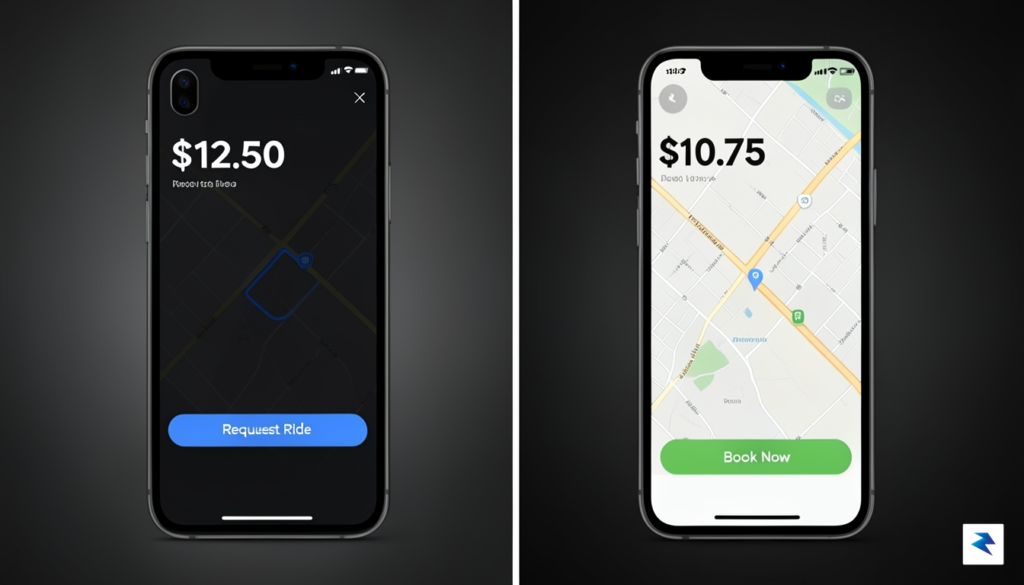
For years, the ride-sharing industry has been dominated by a singular default behavior: opening the app with the largest market share out of pure habit. Most consumers have grown accustomed to the convenience of a specific interface, often assuming that price fluctuations are universal across the board. However, Lyft is now actively challenging this inertia by positioning itself as the more cost-effective alternative. By aggressively streamlining its internal operations and focusing on operational efficiency, the company is attempting to prove that riders who stick to one provider are frequently leaving significant money on the table. This isn’t just a marketing slogan; it is a fundamental shift in how the company approaches its dynamic pricing algorithms to ensure they remain competitive in a landscape where every dollar counts for the average commuter.
The mechanics behind modern ride-hailing prices are complex, relying on real-time data that accounts for supply, demand, traffic patterns, and even local weather conditions. Because each platform utilizes distinct proprietary models to calculate these costs, a price disparity between two apps for the identical route is not only possible but increasingly common. Lyft is banking on the idea that price-sensitive riders will begin to view “comparison shopping” as a standard part of their travel routine. By prioritizing better price transparency and tighter margins, they are aiming to capture the segment of the market that has grown weary of the premium pricing often associated with the dominant market player. When riders take a moment to toggle between apps, they often find that the difference is not merely cents, but sometimes several dollars per trip.
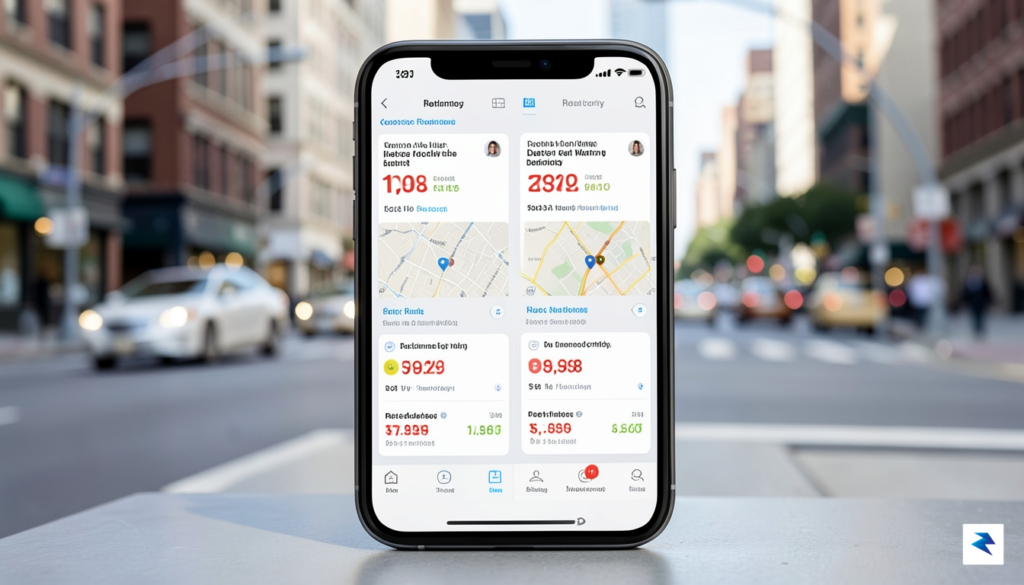
Defaulting to a single app is a psychological trap that benefits the platform more than the user. While the convenience of saved payment methods and stored addresses is undeniable, this friction-less experience often prevents users from realizing they are paying a “convenience tax” for their loyalty. Lyft’s strategic pivot suggests that they are willing to accept thinner margins in exchange for higher volume, effectively passing those savings directly to the rider. This data-driven approach highlights a simple economic reality: in a duopoly, competition is the only reliable lever for cost control. By consistently positioning themselves as the more affordable option, Lyft is attempting to break the cycle of consumer complacency.
“The era of blindly trusting one app for every ride is coming to an end. By taking ten seconds to compare, riders can reclaim control over their transportation budget and ensure they aren’t overpaying for the exact same service.”
Ultimately, the goal for the consumer should be to treat ride-sharing apps as utility tools rather than brand loyalties. As Lyft continues to refine its pricing structures to undercut competitors, the burden of optimization shifts to the user. Whether it is a short trip to a neighborhood cafe or a longer commute to the airport, the financial benefits of checking both platforms are becoming too significant to ignore. If more riders adopt the habit of comparing prices, the market will naturally be forced to compete on cost, which is a win for the entire ecosystem of commuters seeking to maximize their spending power.
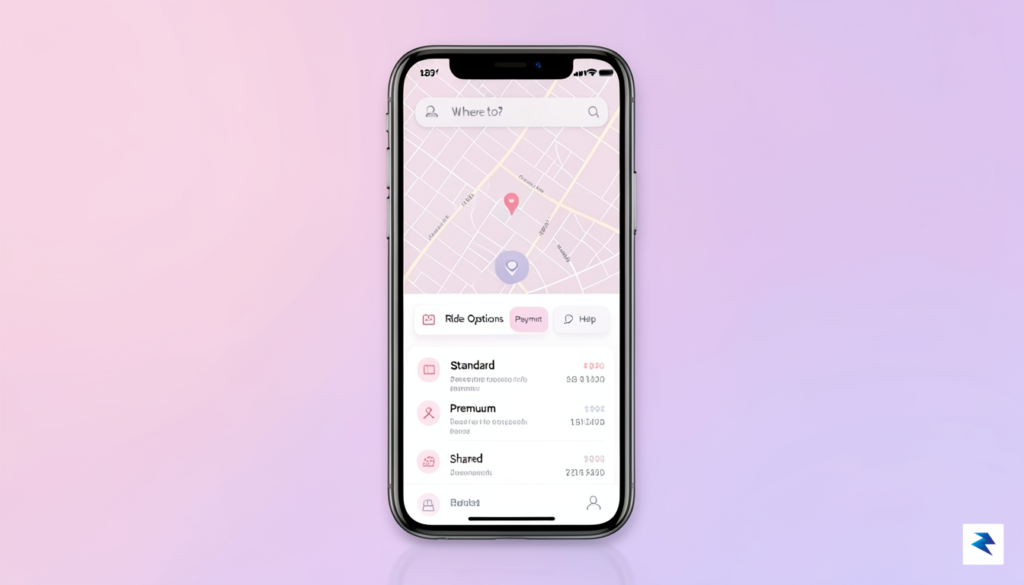
For years, the choice between ride-sharing platforms felt largely transactional, driven primarily by whoever offered the lowest surge pricing at a given moment. However, as the market matures, the competition has shifted from mere cost-cutting to the nuances of user experience and brand ethos. Lyft has aggressively positioned itself as the more human-centric alternative, focusing on a clean, intuitive app interface that prioritizes simplicity. While Uber has evolved into a “super app” cluttered with food delivery, grocery services, and transit options, Lyft remains laser-focused on the singular goal of getting a passenger from point A to point B. This design philosophy resonates with users who find the current landscape of ride-hailing apps overwhelming and prefer a streamlined digital environment that gets them on the road with fewer taps.
Beyond the interface, the perception of brand identity plays a pivotal role in consumer loyalty. Lyft has historically cultivated a more approachable, community-oriented personality, often highlighting safety initiatives and driver satisfaction programs that paint a picture of a more ethical corporation. This branding strategy is intentional; by emphasizing driver earnings and transparent safety protocols, the company appeals to the conscious consumer who is increasingly wary of the “gig economy” pitfalls associated with larger, more aggressive competitors. When riders feel that their driver is fairly compensated and treated with respect, it creates a psychological halo effect that improves the perceived quality of the ride itself, turning a utilitarian service into a brand alignment choice.
The battle is also being fought in the trenches of customer support and service reliability, where the friction of a negative experience can permanently drive a user to a competitor. Lyft’s efforts to differentiate itself involve a more responsive support ecosystem and a proactive approach to safety features, such as real-time location sharing and direct emergency assistance. These are not just technical additions; they are foundational pillars of a brand promise designed to build long-term retention. By positioning itself as the “good” alternative, Lyft is betting that passengers are willing to pay a premium—or at least remain loyal during price fluctuations—if they believe they are participating in a service that prioritizes their personal safety and the well-being of the driver behind the wheel.
Ultimately, the differentiator in the ride-hailing wars is no longer just about the destination; it is about the values the passenger feels they are supporting when they click ‘Request Ride.’
Ultimately, this strategic pivot toward a distinct brand identity is about emotional real estate. While Uber may dominate in sheer volume and global ubiquity, Lyft is carving out a niche where reliability meets relatability. By choosing to eschew the chaotic, multi-feature clutter of its rivals, Lyft is banking on the idea that users crave a calm, reliable, and ethically framed experience. In an era where digital fatigue is real, the company that provides the most frictionless and trustworthy path forward is likely to secure the most valuable asset in the modern economy: the habit-forming loyalty of the daily commuter.
The North American ridesharing landscape has evolved from a chaotic, venture-capital-fueled gold rush into a stabilized, albeit cutthroat, duopoly. For years, the industry was defined by a “grow at all costs” mentality, where both Lyft and Uber burned through billions of dollars to capture market share through aggressive subsidies and promotional pricing. Today, that era of reckless expansion has been replaced by a rigorous focus on profitability and operational efficiency. The market is no longer about winning new users through unsustainable discounts; instead, it is a battle for incremental gains in unit economics, where every second saved in a pickup or every percentage point improved in driver utilization directly impacts the bottom line.
This maturation has been significantly influenced by the shifting regulatory environment across the United States and Canada. As local governments have stepped in to impose stricter oversight—ranging from safety standards to insurance requirements—the barrier to entry for potential competitors has skyrocketed. This regulatory density, combined with the complexities of gig economy labor laws, has forced both dominant players to reevaluate their pricing models. When jurisdictions mandate minimum earnings for drivers or require benefits contributions, the cost of the ride inevitably rises. Consequently, both companies must now compete on the quality of their platform experience and their ability to navigate these legal frameworks more effectively than their rival, rather than simply competing on the lowest possible fare.

The current market reality dictates that scaling is no longer a substitute for structural efficiency. Because the duopoly is so deeply entrenched, the focus has shifted toward technological optimization, such as refining dynamic pricing algorithms, improving wait times, and creating better loyalty programs that encourage repeat usage. Shareholders now demand a clear path to sustainable margins, which means that any competitive advantage is found in the margins of the service—how quickly a car arrives, the reliability of the driver, and the seamlessness of the app interface.
The era of ridesharing as a loss-leading experiment is over; the industry is now a battle of logistical precision where success is measured by the ability to balance driver satisfaction with passenger affordability in a strictly regulated economy.
Ultimately, the rivalry between Uber and Lyft is no longer just about who has more cars on the road, but rather who can provide a more ethical and efficient service that keeps both sides of the marketplace—drivers and riders—loyal in an increasingly commoditized environment. By leaning into their brand identities and emphasizing a different approach to corporate culture and user experience, these companies are attempting to differentiate themselves in a space where, for the average consumer, the functional utility of the ride remains largely identical. This transition from raw scale to refined service quality marks the most significant evolution in the history of the modern gig economy.

While positioning itself as the more ethical alternative to its primary rival has certainly helped Lyft stabilize its brand identity, the true test lies in whether this “good guy” narrative can withstand the rapid technological shifts transforming the transportation landscape. In the coming decade, the company must transition from being a simple ride-hailing app into a comprehensive, multi-modal mobility platform. Simply offering a point-to-point car service is no longer a viable long-term strategy in a world where consumers increasingly demand seamless integration between ride-sharing, public transit, and micro-mobility solutions like scooters and bikes. If Lyft can successfully weave these disparate services into a single, intuitive interface, it may transform from a luxury convenience into an essential utility for urban living.
The rise of autonomous vehicle (AV) technology presents both a existential threat and a massive opportunity for the company’s current business model. As self-driving fleets begin to scale, the traditional gig-economy framework—which currently defines the relationship between Lyft and its drivers—will face immense pressure to adapt. To remain competitive, Lyft must leverage its existing data infrastructure to become a primary orchestrator for these autonomous fleets, rather than just a middleman for human drivers. By prioritizing safety and ethical deployment of these technologies, the company has a unique chance to define what “responsible autonomy” looks like, potentially securing a level of consumer trust that its competitors might struggle to replicate.

The longevity of a platform in the tech-forward transport sector will not be determined by brand sentiment alone, but by the ability to offer a zero-friction experience that makes car ownership feel like an outdated relic of the past.
Furthermore, sustainability remains the silent linchpin of Lyft’s long-term feasibility. As municipalities worldwide tighten carbon emission standards and incentivize greener transit options, the company’s commitment to electrifying its fleet will move from a marketing talking point to a core operational requirement. If Lyft can prove that its platform is not only more ethical regarding labor practices but also more environmentally conscious than private vehicle ownership, it will capture a growing demographic of climate-conscious urbanites. Ultimately, the “better choice” label will only be enough to secure a dominant market position if it is backed by a robust, multi-modal ecosystem that effectively anticipates the needs of the next generation of city dwellers.
You must be logged in to post a comment.