
Inside Valar Atomics: Why Investors Are Pouring $6B Into the Future of Nuclear
The Rise of Nuclear Tech Investment The global energy landscape is undergoing an unprecedented and radical transformation, driven by a…

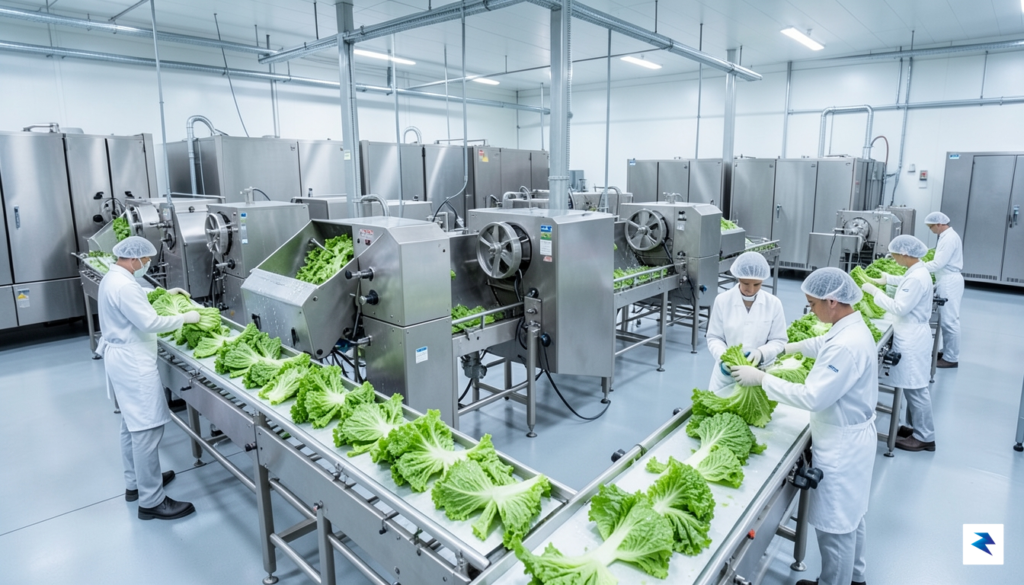
The recent decision by Taylor Farms to initiate a voluntary recall of specific produce items marks a critical moment in food safety surveillance. This proactive step comes as health officials continue to investigate a cluster of Cyclospora infections, a parasitic illness that typically manifests through gastrointestinal distress. The connection between these illnesses and fresh produce distribution networks has prompted a widespread review of supply chains, particularly those serving large-scale food service providers. By pulling these items from shelves and distribution centers, the company aims to mitigate the risk of further exposure while working in close coordination with public health authorities to identify the root cause of the contamination.
The scope of this recall is significant, reflecting the sheer scale of Taylor Farms’ distribution network, which supplies a vast array of restaurants, grocery stores, and institutional kitchens across the country. Reports have specifically highlighted links between these illnesses and ingredients supplied to major food service chains, most notably Taco Bell. While investigators work to pinpoint the exact point of contamination, the recall encompasses specific batches of leafy greens and prepared salad mixes that were identified during the epidemiological investigation. Consumers are urged to cross-reference the batch codes and expiration dates provided by the company against any products currently in their refrigerators, as even minor exposure to the Cyclospora parasite can lead to prolonged health complications.
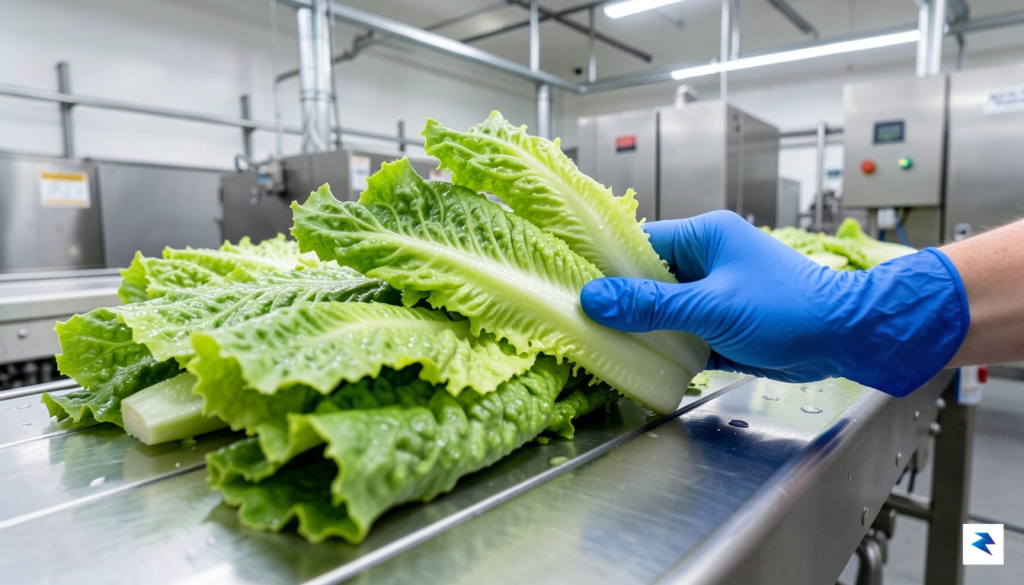
It is essential for consumers and food service operators to remain vigilant during this investigation, as symptoms of Cyclospora can often be delayed by several days or even weeks after initial ingestion.
The investigation into this outbreak began when health departments noticed an uptick in cases of cyclosporiasis, which prompted a retrospective review of the patients’ dietary histories. Once a pattern emerged linking the illnesses to specific salad products, investigators traced the ingredients back to the common supplier. This process is complex, as fresh produce often moves through multiple distribution hubs before reaching the end consumer. Consequently, the recall serves as both a protective measure for public health and a necessary component of the broader food safety audit. Moving forward, the focus remains on transparency and the implementation of enhanced testing protocols to ensure that future batches of produce meet the rigorous safety standards required to prevent similar outbreaks.
For those concerned about their own health, it is important to understand that Cyclospora is not typically spread from person to person but is almost exclusively contracted by consuming contaminated food or water. If you believe you have consumed a recalled product and are experiencing symptoms such as watery diarrhea, loss of appetite, or fatigue, it is advisable to consult with a healthcare professional immediately. Furthermore, keeping an eye on official updates from the company and local health departments is the most effective way to stay informed as more details regarding the specific sources and affected regions become available.
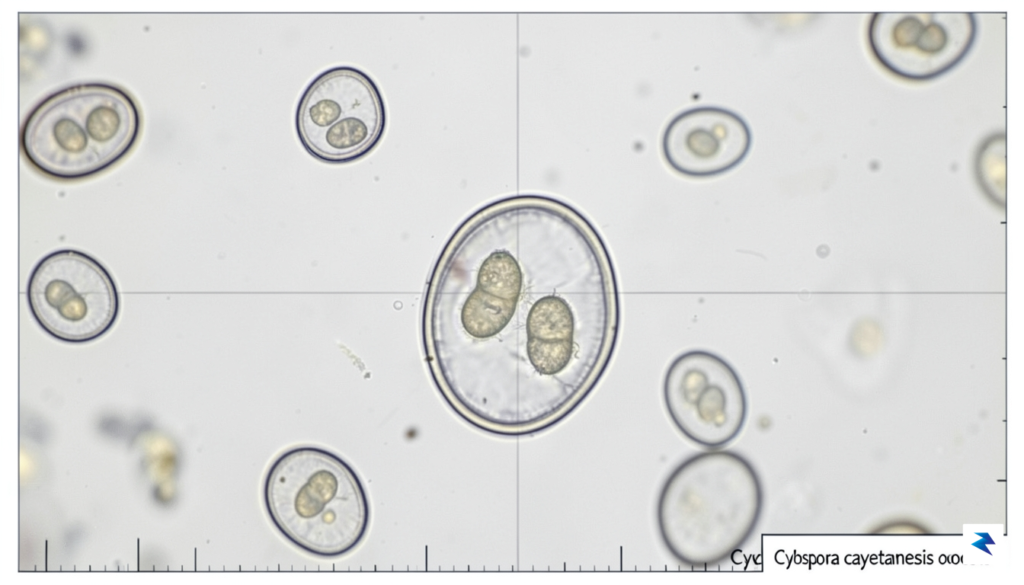
Unlike the more commonly discussed bacterial pathogens such as E. coli or Salmonella, Cyclospora cayetanensis is a single-celled, microscopic parasite. When ingested through contaminated food or water, this organism invades the small intestine, leading to a debilitating gastrointestinal illness known as cyclosporiasis. Because the parasite is so small, it is impossible to see, smell, or taste on fresh produce, allowing it to bypass standard visual inspections in packing facilities. This biological reality makes Cyclospora a uniquely persistent challenge for food safety experts and public health officials alike.
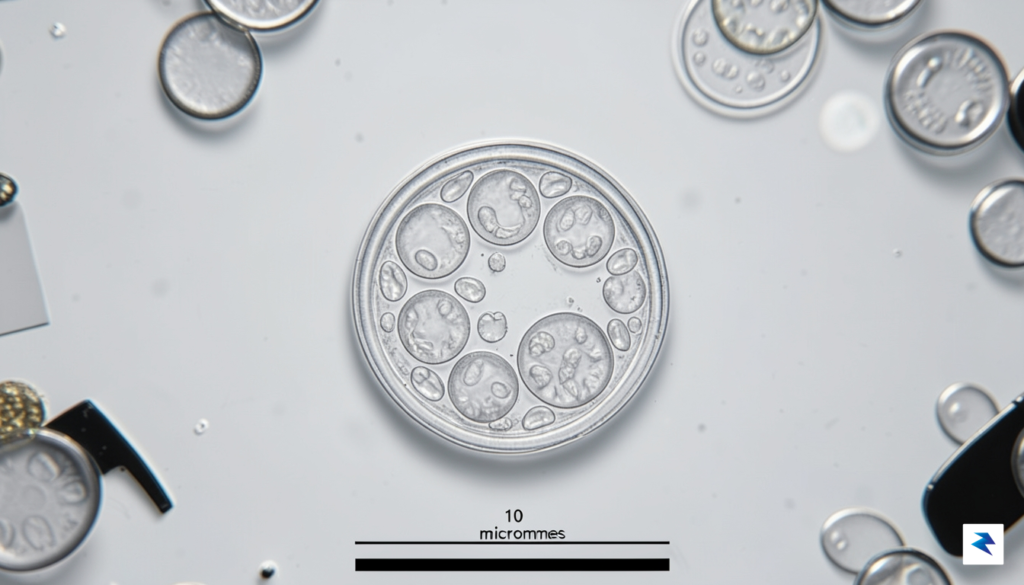
The clinical progression of cyclosporiasis often begins several days after ingestion, typically with an incubation period ranging from one to two weeks. The hallmark symptom is frequent, explosive, and watery diarrhea, which can quickly lead to severe dehydration if not managed properly. Patients often report a constellation of accompanying symptoms that distinguish the infection from a standard stomach bug, including:
What makes Cyclospora particularly dangerous—and why it remains a major public health concern—is its resilience. Unlike bacteria that can be easily reduced through certain sanitation protocols, this parasite is protected by a tough, environmentally resistant shell called an oocyst. Once shed in human feces, these oocysts require time in the environment to become infectious, which means contamination often traces back to complex water-supply issues or agricultural practices. Furthermore, because symptoms can be protracted and cyclical, lasting anywhere from a few weeks to several months if left untreated, the burden on the individual’s health is substantial.
Key Takeaway: Because Cyclospora is a parasite rather than a bacteria, standard antibiotic treatments used for common food poisoning are ineffective; it requires specific, targeted medical intervention to eradicate the infection from the digestive system.
Public health officials face an uphill battle with this pathogen because it is notoriously difficult to detect in fresh produce. While modern testing methods have improved, the parasite does not distribute evenly across a field or a batch of leafy greens, meaning that random sampling can easily miss contaminated leaves. This technical limitation often results in illnesses appearing in clusters before the source is identified, making consumer awareness and rapid product recalls essential tools in preventing widespread outbreaks. Understanding the biological nature of this parasite is the first step in recognizing why these precautionary measures are necessary to protect the food supply.
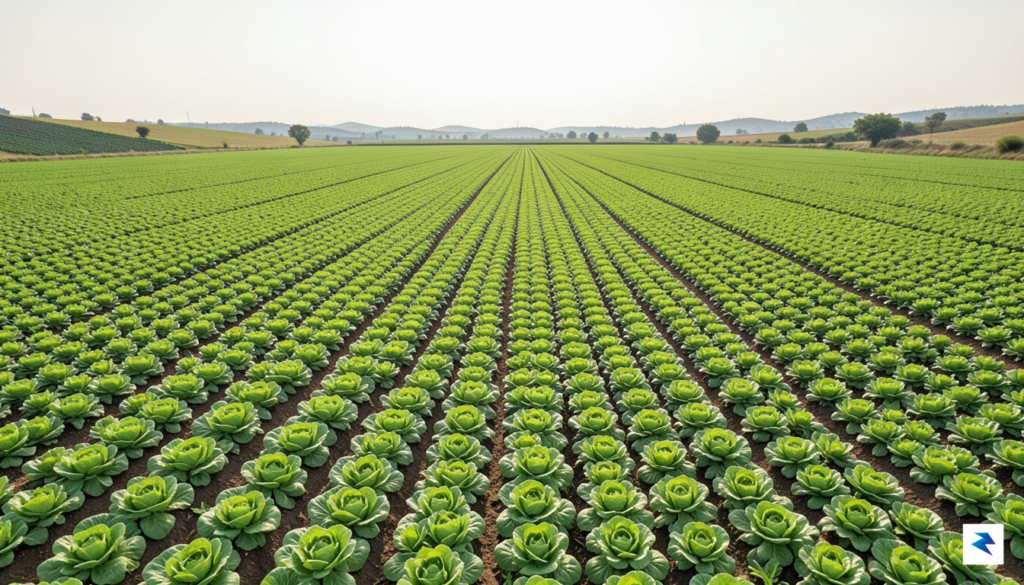
Modern industrial agriculture operates on a scale that few consumers truly grasp, transforming the simple act of eating a salad into a logistical feat that spans thousands of miles. Companies like Taylor Farms manage production across a vast footprint, including diverse growing regions in twelve different states, Mexico, and Canada. This geographic dispersion is designed to ensure a year-round supply of fresh produce, yet it simultaneously creates a sprawling network of potential exposure. Because leafy greens are harvested, processed, and shipped in rapid succession to maintain freshness, a single contamination event at a remote farm can be disseminated across the entire country before health authorities even identify a pattern of illness.
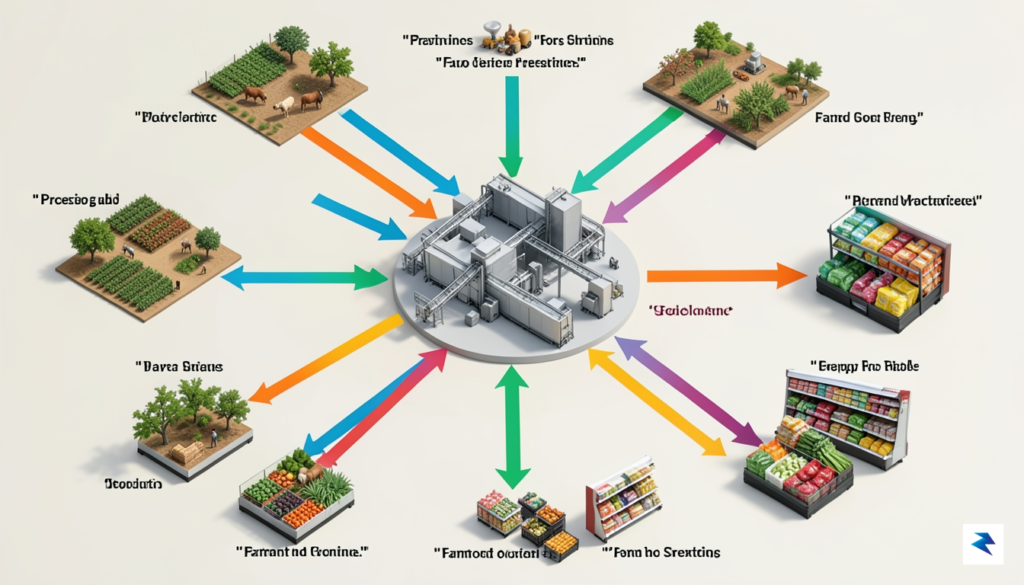
The primary vulnerability in this “farm-to-fork” journey lies in the environmental factors that define large-scale cultivation. Unlike processed foods that undergo intense heat treatment, fresh produce is often consumed raw, meaning that any pathogens introduced in the field—specifically Cyclospora, which is typically waterborne—carry a high risk of reaching the consumer. Irrigation water is a frequent culprit, as it can be easily contaminated by runoff from nearby livestock operations or wildlife, especially in regions where water scarcity forces farmers to utilize recycled or surface-level sources. Once a pathogen enters the irrigation system, it can silently infiltrate thousands of acres of crops, turning a localized environmental issue into a widespread public health crisis.
The extreme speed of modern produce distribution means that by the time the first symptoms of an outbreak are reported to the CDC, the contaminated product may have already been consumed by thousands of households, leaving little time for effective recall intervention.
Furthermore, the inherent complexity of the supply chain makes the process of “traceability” incredibly difficult. As produce moves from the farm to regional cooling facilities, and finally to massive processing plants where leaves from different fields are often commingled for bagging, the paper trail becomes fragmented. When an outbreak occurs, investigators must work backward through a labyrinth of purchase orders, shipping manifests, and lot codes to pinpoint the exact point of contamination. This opacity is a significant hurdle; because produce is often harvested and packaged in bulk, a single contaminated head of lettuce can potentially taint an entire processing batch. Consequently, until the industry adopts more robust, real-time tracking technologies, the ability to isolate and contain these risks remains a reactive, rather than a proactive, challenge for safety regulators.
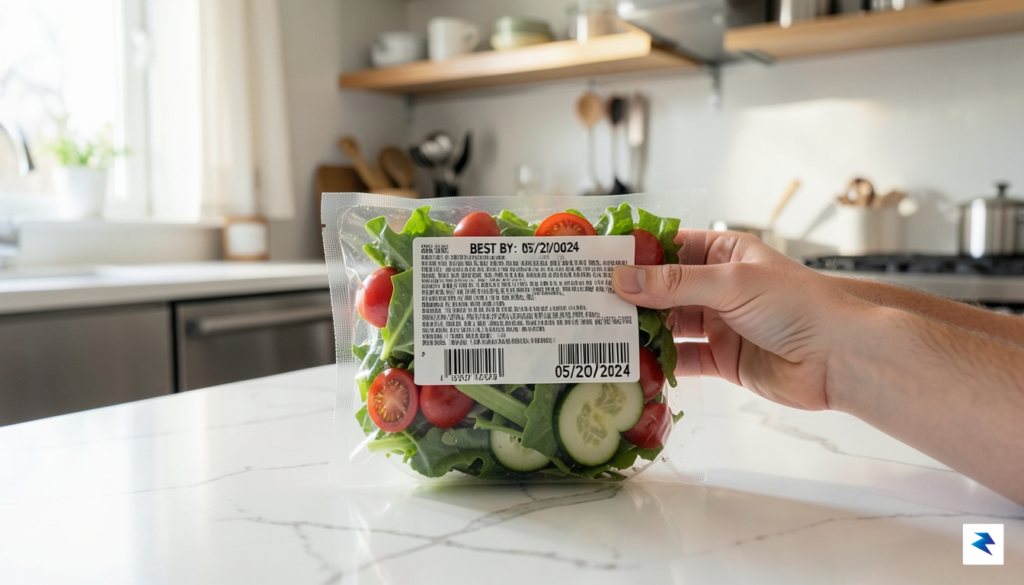
If you have recently purchased pre-packaged salad kits or leafy green products, the most critical step you can take is to verify whether your items are included in the current recall list. Do not rely on visual inspection alone, as Cyclospora parasites are microscopic and cannot be detected by sight, smell, or taste. Instead, locate the packaging labels and carefully cross-reference the UPC (Universal Product Code) and the specific lot codes or “best-by” dates against the official list provided on the manufacturer’s website or the FDA’s recall database. Even if your product appears fresh and crisp, the presence of the pathogen remains a significant health risk, making diligent checking of these identifiers absolutely essential for your household’s safety.
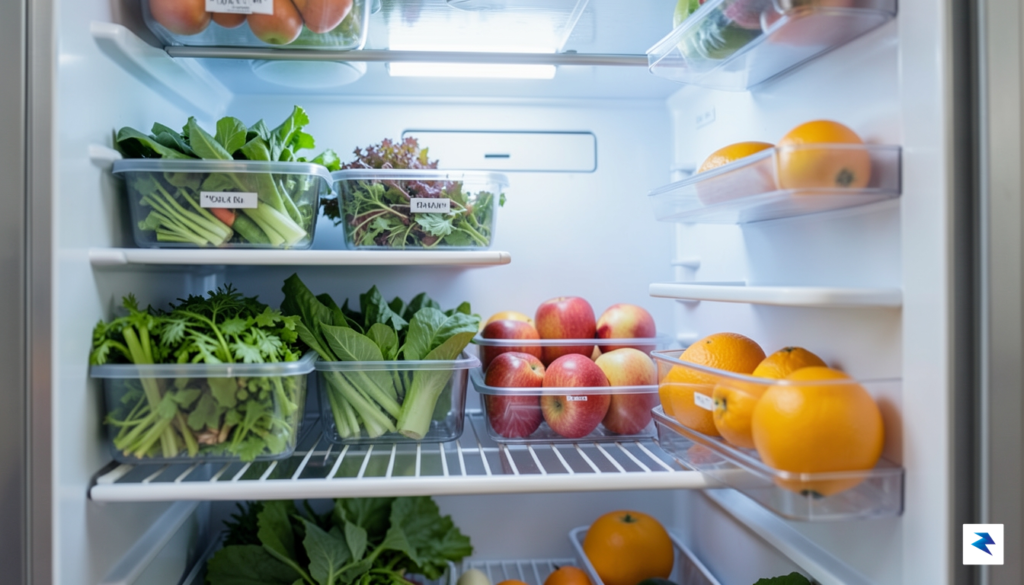
Once you have identified an affected product, you must act quickly to remove it from your refrigerator to prevent any possibility of consumption. When disposing of the item, do not simply toss it into an open bin where it might leak or come into contact with other items. Seal the product in a secure plastic bag to ensure that no juices or particles can contaminate your trash area or other surfaces. Furthermore, it is vital to thoroughly sanitize any area in your refrigerator or countertop where the recalled bag was stored. Use a solution of hot, soapy water followed by a food-safe disinfectant to wipe down drawers, shelves, and any kitchen utensils that may have touched the packaging.
Key Takeaway: Cross-contamination is a significant risk; treat the recalled product as a biohazard until it is safely sealed and removed from your kitchen environment.
If you suspect that you may have already consumed a contaminated product, monitor your health closely for the next two weeks, as symptoms of cyclosporiasis—a parasitic infection—can take several days to appear. Common indicators include sudden, watery diarrhea, loss of appetite, fatigue, bloating, and stomach cramps. Because these symptoms can mimic other gastrointestinal illnesses, it is important to inform your healthcare provider about your recent purchase of a recalled food product if you begin to feel unwell. If you do visit a doctor, be prepared to provide the specific details of the product, including the brand name and the lot code, as this information is invaluable for medical professionals to track the outbreak and ensure you receive the correct diagnostic testing, which requires specific stool samples to identify the parasite.
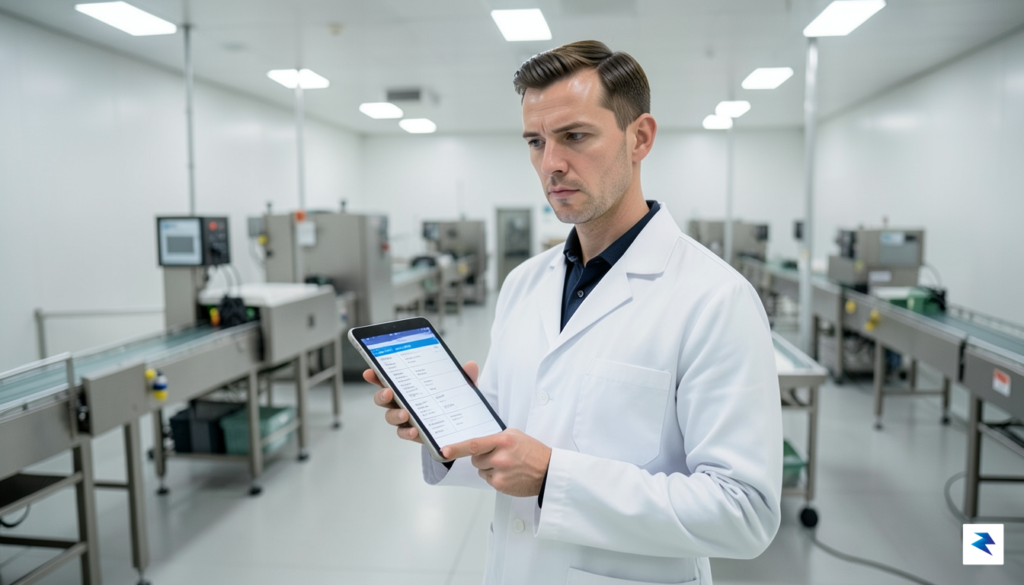
The recurring nature of foodborne illnesses linked to leafy greens highlights a persistent vulnerability in our agricultural supply chains that demands a more robust regulatory response. While the Food and Drug Administration (FDA) currently oversees safety standards through the Food Safety Modernization Act (FSMA), the complexity of produce distribution means that contamination can often go undetected until a public health crisis emerges. To move beyond reactive recalls, the industry must evolve toward a proactive model that emphasizes aggressive water testing protocols and environmental monitoring. Strengthening these standards is not merely a bureaucratic task; it is a vital necessity for ensuring that pathogens like Cyclospora are identified at the source before they ever reach a distribution center.
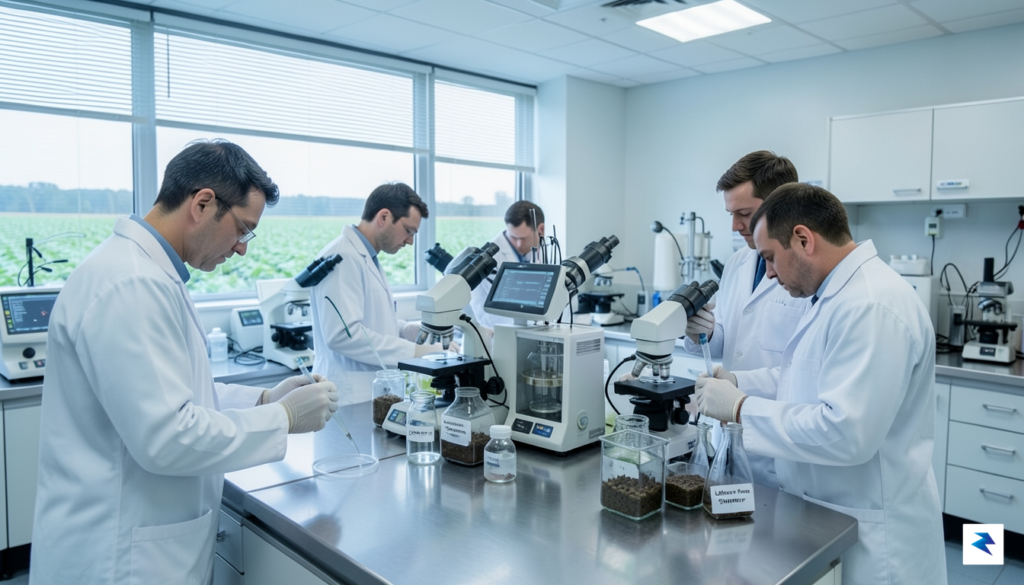
One of the most promising avenues for reform lies in the integration of advanced traceability technologies, such as blockchain and digitized labeling. Currently, tracing the exact origin of a contaminated batch of lettuce can take days or even weeks, during which time infected products may continue to circulate in retail environments. By adopting blockchain ledgers, producers can create an immutable, real-time record of a product’s journey from the field to the grocery shelf. This level of transparency would allow regulators to isolate specific contaminated lots with surgical precision, thereby preventing the need for massive, disruptive recalls that penalize safe farms alongside those experiencing contamination issues.
The future of produce safety depends on shifting from manual, paper-based tracking to automated, transparent supply chains that provide instantaneous visibility into every step of the harvest and distribution process.
Furthermore, the industry is seeing a necessary cultural shift toward more rigorous, preventative testing programs that go beyond the minimum requirements mandated by federal law. Leading agricultural organizations are increasingly investing in private, third-party audits and enhanced sanitation protocols that target irrigation water quality, which is frequently cited as a transmission route for parasites. These industry-led initiatives demonstrate that safety is becoming a core competitive advantage rather than just a compliance cost. As we look toward the future, the combination of stringent government oversight, technological integration, and a commitment to transparency will be the only effective strategy for restoring consumer confidence and ensuring that the produce we bring into our homes is as safe as it is nutritious.
You must be logged in to post a comment.