
Samsung Galaxy Z Fold 8 Leak: Everything We Know About the New Design
The Evolution of the Galaxy Z Fold Form Factor Since its inception, the Samsung Galaxy Z Fold series has been defined by a singular,…


The orchestration of this digital heist relied on the perpetrator’s ability to weaponize Steam’s own developer ecosystem against its massive user base. By registering as a legitimate game developer, the suspect gained access to the platform’s publishing tools, which allowed them to bypass the initial hurdles that typically block malicious software from reaching a consumer’s device. Instead of relying on traditional phishing emails or dubious third-party download sites, the accused leveraged the inherent trust gamers place in the Steam storefront. Once the fraudulent “free-to-play” titles were listed, they appeared indistinguishable from legitimate indie games, effectively cloaking the malicious payload within a familiar and trusted interface.
The psychological manipulation at play was just as calculated as the technical execution. To entice victims, the perpetrator crafted titles that mimicked popular genres and leveraged trendy aesthetics, promising an immersive experience at no financial cost. By offering these games for free, the suspect tapped into the “curiosity gap” of the gaming community, encouraging users to download and execute files without performing the typical due diligence one might apply to a suspicious link sent via email. Once a victim initiated the download, the malware—a sophisticated strain of crypto-draining software—was deployed as part of the game’s executable package.
The integration of malware into an seemingly standard executable file is a deceptive technique known as “trojanization,” which hides malicious code inside a benign piece of software to ensure it executes with the user’s implicit permission.
Technically, the operation was highly refined. The malware was bundled into the game’s installation files, meaning it would run silently in the background as soon as the victim opened the game for the first time. Once active, the malicious script would scan the local machine for cryptocurrency wallet keys and sensitive credentials. Because the software was running under the guise of an authorized gaming application, it often escaped the scrutiny of basic security software, which frequently grants “allow-listed” status to programs originating from established gaming platforms. By the time victims realized their digital assets were being drained, the perpetrator had already moved the stolen funds through obfuscated channels, leaving a trail that required intensive federal investigation to uncover.

The modern digital storefront operates on a delicate balance between welcoming independent creators and maintaining a secure environment for millions of users. While platforms like Steam employ sophisticated automated scanning tools designed to detect known malware signatures and suspicious code patterns, these defenses are not infallible. The sheer volume of game submissions—often numbering in the hundreds each week—creates a bottleneck where deep, manual code analysis becomes logistically impossible. Consequently, bad actors exploit this scale by submitting seemingly benign software that passes initial automated hurdles, only to reveal its true, malicious nature once the game is downloaded and installed by unsuspecting players.

At the heart of this issue lies the platform’s reliance on a “trust-but-verify” model, which assumes that a developer’s initial submission is a good-faith effort. Attackers often take advantage of this by pushing out legitimate-looking software initially to build a small, unassuming reputation before deploying a malicious update. Because digital storefronts are designed to facilitate seamless, background updates to keep games running at their peak, these platforms inherently trust the developer’s signed executable files. By pushing a “patch” that contains the actual crypto-draining payload, the attacker can bypass the storefront’s front-door security entirely, as the update mechanism itself is viewed as a privileged, trusted process by the operating system.
The danger lies in the seamless nature of modern game updates; a harmless puzzle game can turn into a sophisticated digital vault-breaker with just one silent, automated patch.
Because automated scanners struggle to distinguish between complex, legitimate game scripts and obfuscated malicious code, user-driven reporting systems often serve as the platform’s final and most critical line of defense. When a game begins behaving erratically—such as requesting unusual permissions or attempting to interact with crypto-wallet files—it is frequently the community that flags the activity first. This reactive approach highlights a significant vulnerability: by the time the community identifies a threat and reports it to platform moderators, the damage has often already been done. Relying on user reports means that the security of the entire ecosystem is essentially crowdsourced, leaving a window of opportunity for attackers to siphon digital assets before the storefront can intervene and purge the malicious content from its servers.
Ultimately, the threat of fake games is a byproduct of the very accessibility that makes digital gaming so vibrant today. As long as the barrier to entry remains low to encourage innovation, malicious actors will continue to find creative ways to camouflage their exploits within the vast libraries of independent titles. Moving forward, the industry must grapple with the necessity of more rigorous identity verification for developers and more granular permission controls that prevent games from accessing sensitive system directories—steps that could curb these attacks without stifling the creative freedom that defines the modern gaming landscape.

Once the malicious code successfully bypassed initial security measures and established persistence on a victim’s system, it transitioned into a highly automated extraction phase. The malware functioned as a multi-stage toolkit, designed to operate silently in the background while mimicking legitimate gaming processes to avoid triggering antivirus alerts. By embedding itself deep within the operating system, the script gained the necessary permissions to monitor system activity, allowing it to act as a digital vacuum for sensitive financial data.
The primary mechanism for this theft relied on a combination of specialized data-scraping modules. One of the most common techniques employed was the use of a clipboard hijacker, which constantly monitored the user’s clipboard for strings of text that matched the format of cryptocurrency wallet addresses. If a user copied an address to perform a transaction, the malware would instantly swap it with one controlled by the attacker, redirecting funds without the victim ever realizing the error until it was too late. Simultaneously, the malware deployed sophisticated credential scrapers and keyloggers to harvest sensitive files, specifically hunting for wallet.dat files or text documents containing unencrypted recovery seed phrases that users might have recklessly stored on their desktop.
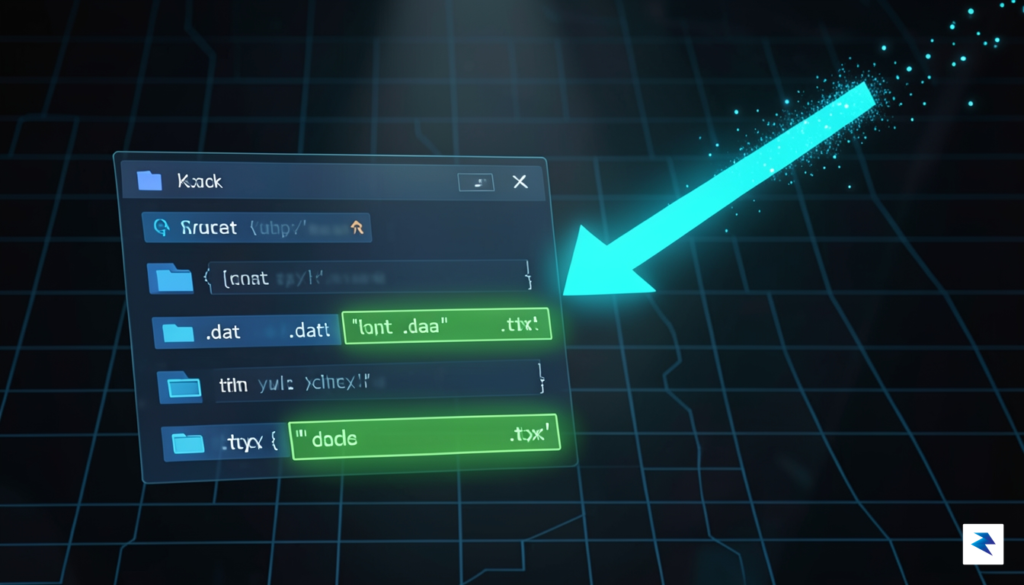
Gaming PCs have become increasingly attractive targets for these operations because they typically possess high-performance hardware and, more importantly, a high concentration of digital assets. Users who participate in play-to-earn gaming or NFT-based economies often keep their digital wallets synced to their primary machines, inadvertently creating a “honey pot” for cybercriminals. By masquerading as an executable file for a new, indie-style game on Steam, the attackers exploited the implicit trust gamers place in their gaming platforms to gain direct access to these lucrative, high-value environments.
The sophistication of these modern drainers lies in their ability to operate entirely autonomously; once the malware identifies a target wallet, it executes a series of scripted API calls to initiate the transfer of funds to an anonymous, obfuscated blockchain address.
The final step of the attack was the automated exfiltration process, where the captured data was sent to a remote command-and-control server. Once the attackers successfully decrypted or bypassed the wallet protections, the scripts would prioritize the highest-value assets, draining the balance in rapid, successive transactions. Because these transfers were executed via blockchain protocols, they were effectively irreversible, leaving the victims with no recourse to recover their stolen digital wealth. This automated approach allowed the perpetrators to scale their operation, targeting dozens of unsuspecting gamers simultaneously without the need for manual intervention.

In an era where your gaming profile acts as a gateway to your financial life, treating your Steam account as a mere digital toy box is a dangerous oversight. As attackers increasingly target the intersection of gaming platforms and integrated cryptocurrency wallets, you must adopt a zero-trust mindset toward every piece of software you download. Protecting your liquidity starts with the realization that your saved browser credentials and connected wallets are high-value targets for malware that can bypass standard login protections in seconds.

The most critical step in safeguarding your assets is the physical isolation of your cryptocurrency. Never store significant amounts of digital currency in browser-based wallets or on any machine where you frequently install unverified independent games or software. Instead, prioritize the use of a hardware wallet, which keeps your private keys offline and immune to the credential-stealing malware often hidden in deceptive game files. By requiring a physical button press to authorize any transaction, a hardware device acts as an impenetrable barrier that keeps your funds safe even if your primary gaming computer is fully compromised by malicious software.
For those who insist on testing independent or indie titles, consider running these applications within a sandboxed or virtualized environment. Using tools like Windows Sandbox or dedicated virtual machine software allows you to execute untrusted code in an isolated container that has no access to your host operating system’s files, browser cookies, or crypto-wallet keys. This approach ensures that if a game contains a “drainer” script, the malicious actor is trapped within a temporary, disposable environment, rendering their attempts to access your sensitive data entirely futile.
Beyond isolation, you must be proactive in verifying the legitimacy of developers before granting any software permission to run on your system. Before downloading a title from a non-official marketplace, conduct a thorough background check: look for a professional website, an active social media presence with a consistent history, and verified user reviews on reputable community platforms. If a developer’s digital footprint appears suspiciously thin or recently created, it is a significant red flag that the game may be a vehicle for malware distribution.
To remain secure, never assume that a software executable is safe simply because it is hosted on a platform you recognize; always prioritize endpoint security software that performs real-time behavioral analysis rather than relying solely on traditional signature-based detection.
Finally, maintain a rigorous strategy for your endpoint protection by ensuring your antivirus software is set to monitor for suspicious process behavior. Modern “drainers” often attempt to scan your system for specific crypto-related files or browser data, and active protection tools can identify these unauthorized access attempts and block them before they transmit your data to an attacker. By combining physical hardware security, virtualized execution, and consistent developer vetting, you can enjoy your gaming library without sacrificing your financial security.

This incident functions as a sobering wake-up call for the entire digital entertainment sector, highlighting the precarious gap between platform accessibility and malicious exploitation. For years, digital storefronts have operated on a model that prioritizes rapid content distribution, often relying on automated or signature-based scanning to catch malicious code. However, as cybercriminals become more adept at bypassing these surface-level defenses, the industry must pivot toward more sophisticated, behavior-based security protocols. Real-time monitoring of how an application interacts with a user’s local system—specifically its attempts to access sensitive files like crypto-wallets or browser cookies—must become a mandatory standard rather than an optional safeguard.
The core of the problem lies in the tension between maintaining an open, developer-friendly ecosystem and protecting the end user. While lowering the barrier to entry for indie developers fosters innovation and diversity in gaming, it also provides a convenient shroud for bad actors to hide behind legitimate-looking storefront pages. To mitigate these risks, platforms must implement more rigorous developer identity verification processes. Moving beyond simple email and payment verification, future protocols could require multi-factor identity proofing, sustained reputation tracking, and perhaps even mandatory code-signing certificates for all executable content to ensure that a title is exactly what the developer claims it to be.
The erosion of user trust is a quiet but devastating consequence of these scams; once a player feels unsafe downloading a new title, the entire indie gaming economy suffers.
Ultimately, the long-term impact of this case will likely force a fundamental shift in how digital marketplaces handle accountability. Users have traditionally operated under the assumption that a game purchased on a major platform has been “vetted,” but this incident proves that such trust is increasingly fragile. Platforms will soon be pressured to take a more active role in the security lifecycle of the software they host, potentially introducing sandbox environments that isolate game files from the rest of the operating system. By limiting the reach of game executables, platforms can provide a necessary layer of protection that keeps the thrill of discovery alive without exposing players to the catastrophic risk of financial ruin.
Looking ahead, the gaming industry must embrace a more collaborative approach to threat intelligence. If one platform identifies a malicious pattern or a suspicious developer profile, that information should ideally be shared across the wider ecosystem to prevent “whack-a-mole” tactics where attackers simply move their operations to the next available storefront. As we move further into an era where digital assets and real-world currency are inextricably linked through gaming, the standard for platform security must rise to meet the gravity of these new threats, ensuring that the gaming community remains a space for entertainment rather than a hunting ground for sophisticated cybercriminals.
You must be logged in to post a comment.