
Oil Prices Surge as Strait of Hormuz Shipping Stalls
The Strategic Volatility of the Strait of Hormuz At its narrowest point, the Strait of Hormuz spans only 21 miles, yet this sliver of water…
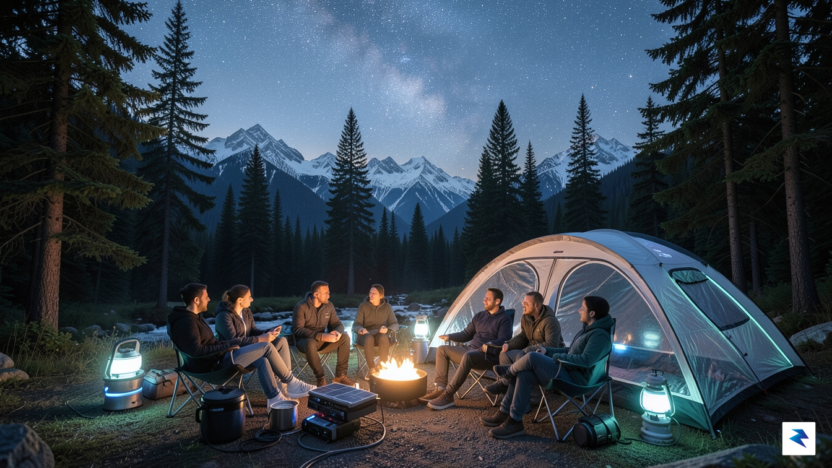
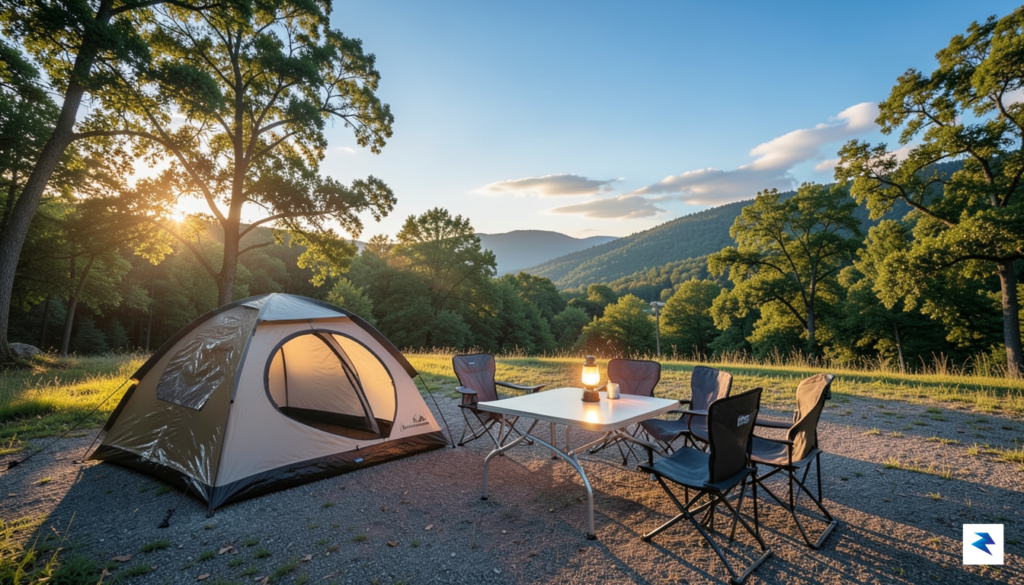
The outdoor industry has undergone a radical transformation over the past few years, moving away from the “disposable gear” culture that once dominated entry-level camping supplies. As we navigate the 2026 landscape, the primary narrative is no longer just about getting people outside, but about keeping them there with equipment that respects the environment. Manufacturers have prioritized a circular economy model, heavily investing in recycled high-tenacity nylons and PFC-free water-repellent coatings that perform just as effectively as their toxic predecessors. This commitment to sustainability has forced a complete overhaul of supply chains, ensuring that the footprint of your next backcountry adventure is significantly lighter than it was even half a decade ago.
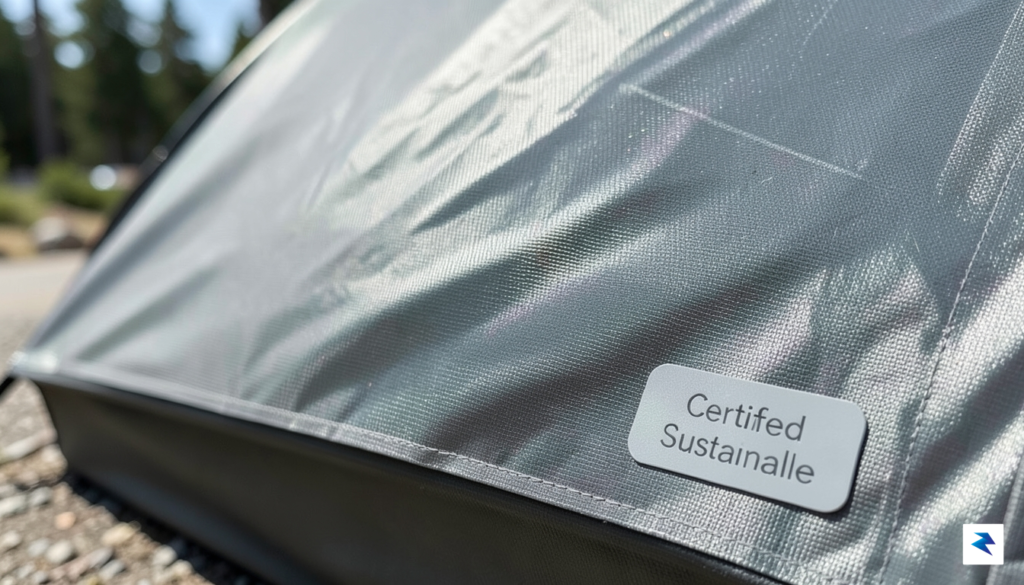
Beyond the materials themselves, there is a profound shift toward modularity and repairability. In previous years, a broken zipper or a snapped tent pole often signaled the end of a product’s lifespan, leading to an unnecessary accumulation of landfill waste. Today’s leading brands are designing gear with “repair-first” architecture; many 2026 tents and packs feature user-replaceable components, standardized hardware, and modular attachment points that allow campers to swap out damaged parts without requiring professional intervention. This focus on longevity represents a deeper philosophical change, where companies now measure success not just by the volume of sales, but by the years of service a piece of equipment provides to the user.
Simultaneously, consumer expectations have reached a fascinating intersection of backcountry performance and front-country comfort. Modern campers are no longer willing to compromise on sleep quality or culinary capabilities, even when venturing deep into the wilderness. Consequently, we are seeing ultra-lightweight materials—once reserved exclusively for elite alpinists—being utilized in gear designed for casual car camping. This fusion means you can now pack a sleeping system that weighs less than two pounds yet offers the thermal efficiency and ergonomic support of a home mattress. By blending these two worlds, the 2026 gear market has effectively dismantled the barrier between grueling, minimalist expeditions and accessible, restorative outdoor recreation.
The hallmark of the 2026 gear cycle is the balance of “guilt-free” manufacturing and “luxury-grade” performance, proving that you do not need to choose between protecting the planet and enjoying the comforts of a basecamp.
Ultimately, this convergence of technology and design ensures that today’s gear is more intuitive, more resilient, and more versatile than anything that came before it. Whether you are a weekend warrior setting up in a local state park or a seasoned thru-hiker tackling a multi-week trek, the equipment available this year is designed to grow with your experience. By investing in modular, sustainable, and high-performance items, you are not merely purchasing tools for a single trip; you are acquiring a reliable companion for a lifetime of exploration.
The landscape of backcountry shelter design has shifted dramatically this year, moving away from the heavy, complex frames of the past toward sophisticated tension-pole geometries. The latest generation of fast-pitch tents now utilizes pre-bent, lightweight aluminum alloys that create nearly vertical sidewalls, effectively maximizing internal living space without increasing the overall footprint. These structural advancements do more than just provide extra room to change clothes; they significantly enhance storm resistance by distributing wind loads more evenly across the fly. By integrating hubbed pole systems that snap into place intuitively, manufacturers have reduced setup times to under two minutes, ensuring that even in inclement weather, you can secure your camp before the elements take their toll.
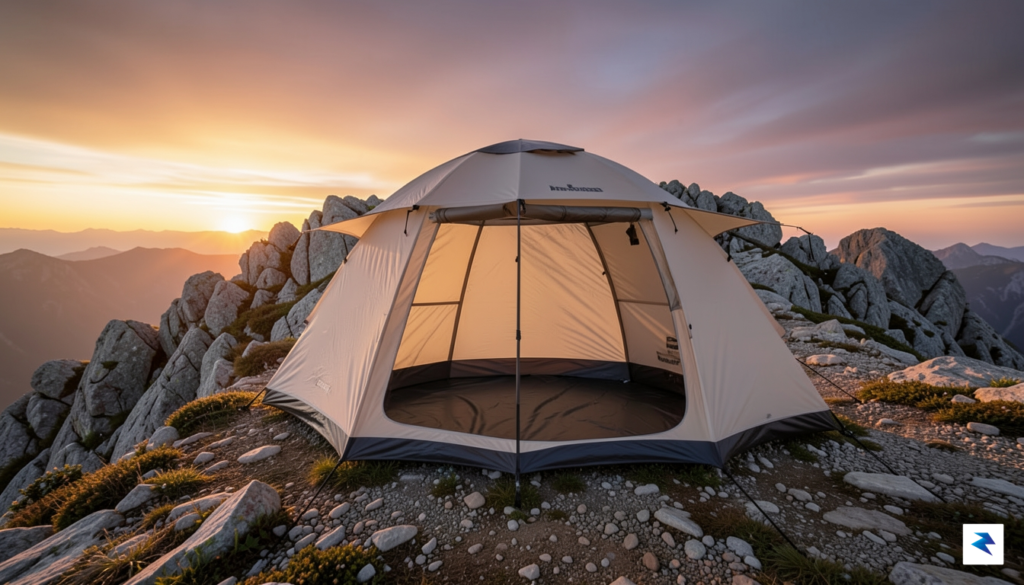
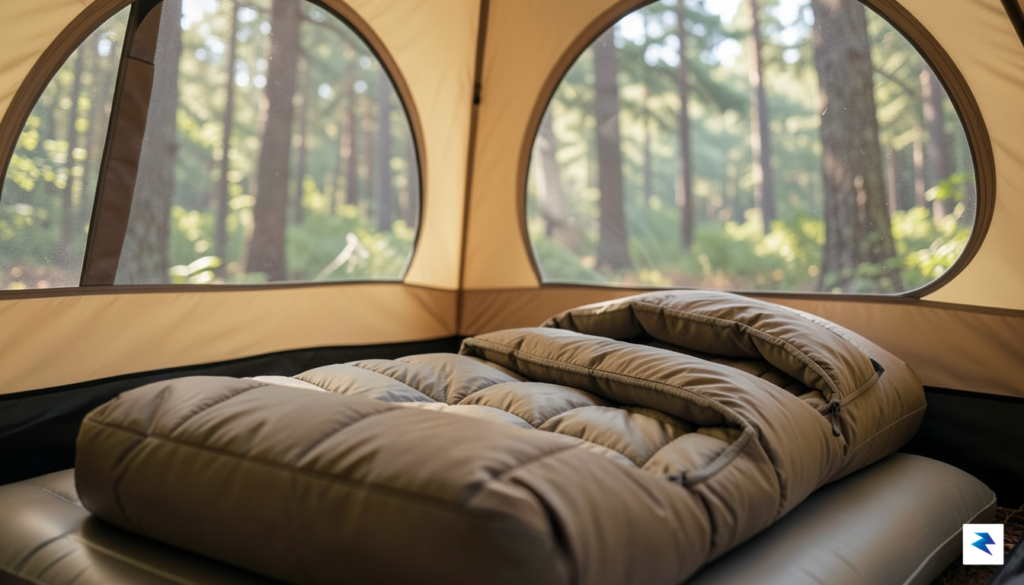
When it comes to rest, the ongoing debate between synthetic and down insulation has reached a new level of nuance. While traditional down has long been prized for its unmatched warmth-to-weight ratio, 2026 models feature hydrophobic treatments that allow the feathers to maintain loft even in high-humidity environments. Conversely, synthetic alternatives have evolved to mimic the structure of down clusters, using hollow-core fibers that trap heat far more efficiently than the bulky, flat-filament fills of previous years. For the modern camper, this means you no longer have to sacrifice weight for moisture resistance, as both insulation types now offer reliable performance across a wider spectrum of climate conditions.
The most significant breakthrough in sleep systems this year isn’t just the insulation itself, but the emergence of smart-fabric liners that actively manage the microclimate inside your sleeping bag.
Beyond the fill, the integration of biomimetic liners is fundamentally changing how we regulate body temperature throughout the night. These new smart fabrics are engineered with variable-weave patterns that react to your skin’s moisture output, wicking away sweat before it can cool and turn into a chill. Unlike older iterations that relied on simple fleece or nylon, these materials expand or contract based on ambient humidity, essentially acting as a secondary skin that maintains an equilibrium. By balancing heat retention with superior breathability, these systems ensure you remain comfortable through shifting mountain temperatures, effectively bridging the gap between summer-weight bags and heavy winter expedition gear.
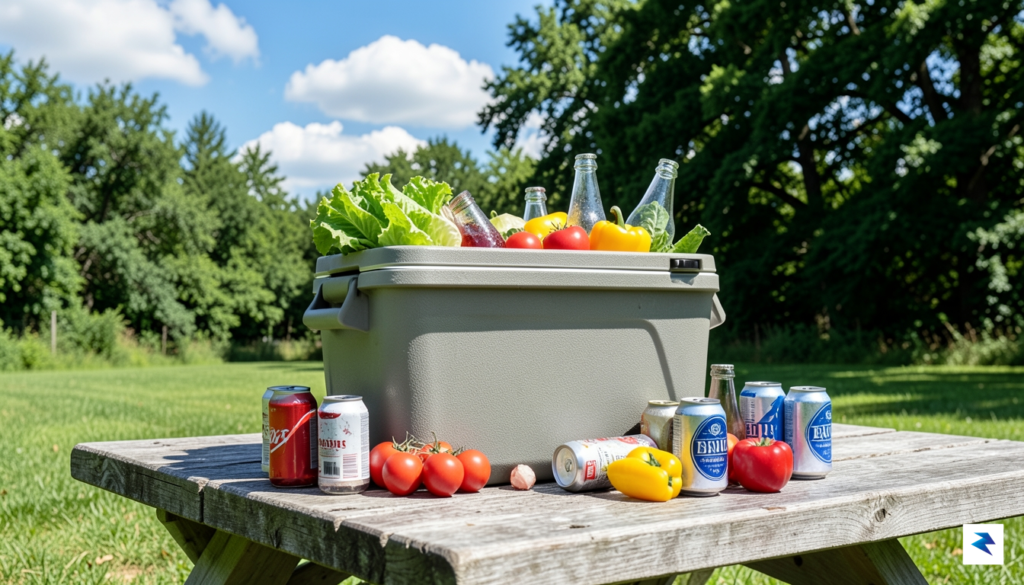
The landscape of backcountry sustenance has undergone a dramatic transformation this year, shifting away from bulky, cumbersome equipment toward sophisticated, high-performance systems that prioritize both weight reduction and extreme thermal efficiency. Leading the charge are the latest iterations of rotomolded coolers, which have finally shed their reputation for being prohibitively heavy. By utilizing advanced composite materials and reinforced polymer walls, manufacturers have engineered chests that maintain sub-freezing temperatures for five days or more while weighing significantly less than their predecessors. These upgrades are not merely cosmetic; they represent a fundamental change in how we manage perishables, allowing campers to venture further into the wilderness without sacrificing the quality of their ingredients.
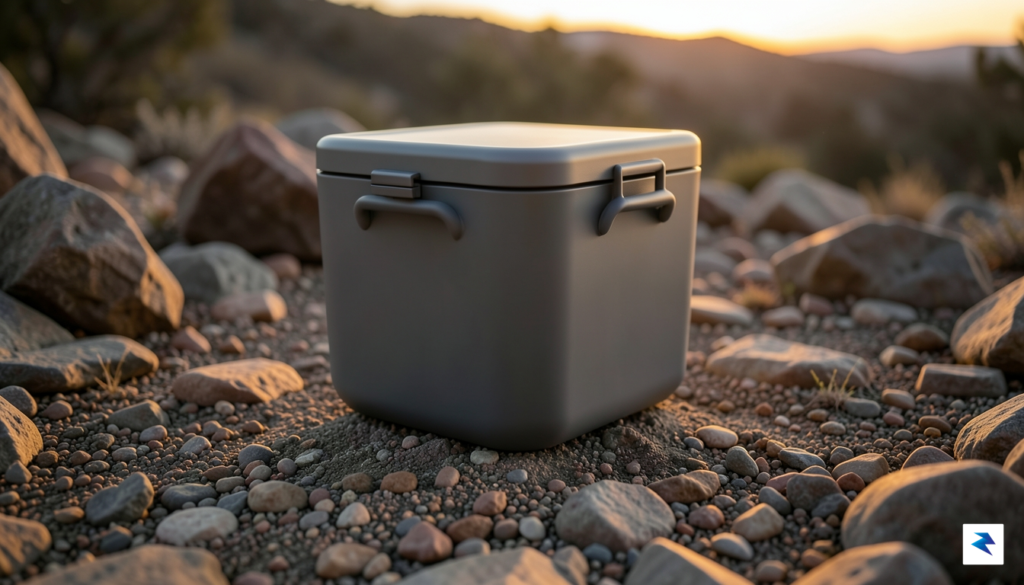
Complementing these cooling advancements are the newest developments in camp kitchen hardware, particularly regarding stove ergonomics and wind management. Engineers have successfully integrated modular wind-shielding technology directly into the burner housing, ensuring that fuel efficiency remains consistent even in high-altitude gusty conditions. By focusing on precision flame control and stable, low-profile tripod designs, these stoves now offer a level of culinary versatility that was once reserved for home kitchens. Whether you are simmering a delicate reduction or searing a protein, the improved heat distribution ensures that you no longer have to worry about erratic flare-ups or uneven cooking surfaces.
The marriage of long-lasting ice retention and hyper-efficient fuel systems has effectively bridged the gap between basic survival rations and true backcountry fine dining.
These technological strides have fundamentally altered the backcountry gourmet experience. Because hikers and car campers no longer struggle with rapidly thawing ice or inefficient, wind-blown flames, they can confidently pack fresh produce, artisanal cheeses, and high-quality proteins that would have been unthinkable a few years ago. This evolution encourages a more intentional approach to camp cooking, where the focus shifts from mere calorie consumption to the actual enjoyment of a well-prepared meal. As these tools become more accessible, the barrier to entry for high-end wilderness cooking is lowering, making it easier than ever to turn a remote campsite into a premier dining destination.
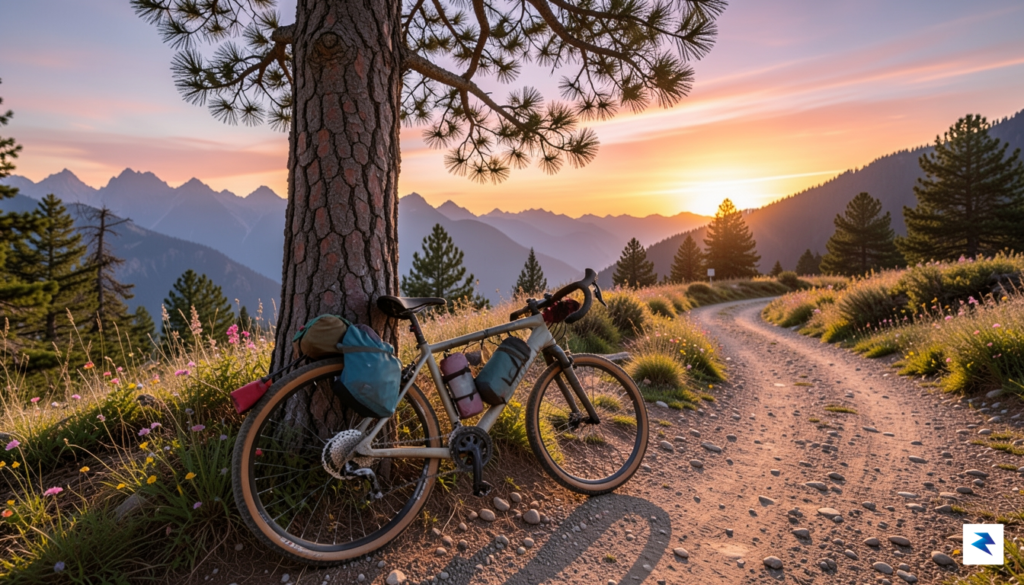
The boundary between traditional camping and cycling has all but evaporated, giving way to the booming trend of bikepacking. No longer relegated to paved suburban trails, modern gravel bikes are engineered with geometry and frame mounts specifically designed to haul gear across rugged, multi-day backcountry routes. These machines feature wider tire clearance for stability on loose terrain and reinforced mounting points that allow riders to distribute weight across frame bags, saddle packs, and fork cages. By stripping away the need for a bulky vehicle, cyclists are discovering a more immersive way to experience the wilderness, turning the journey into just as significant a part of the adventure as the destination itself.
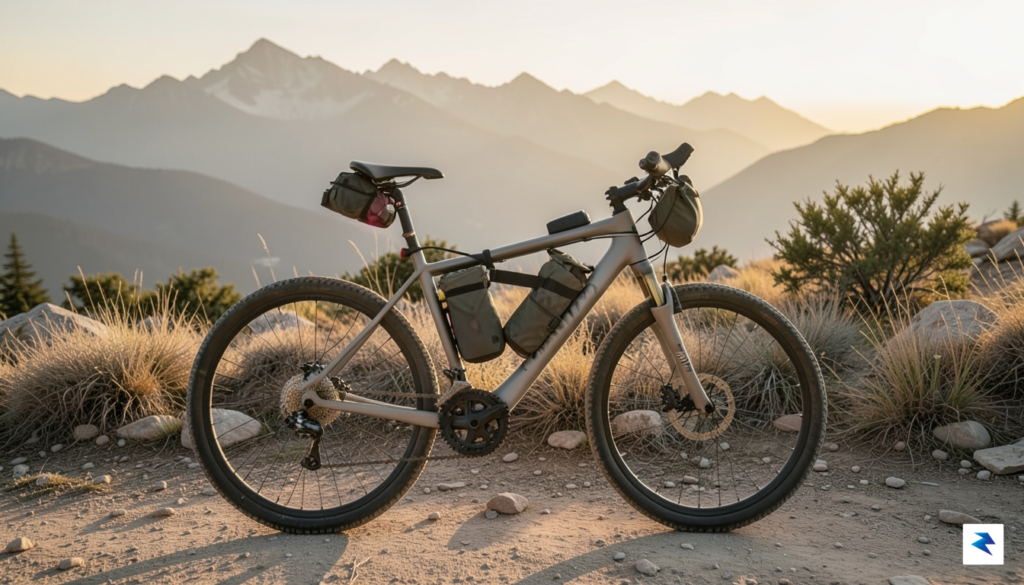
The integration of e-bikes into the camping sphere has further democratized this style of travel, though it introduces a unique set of logistical considerations. For many, the pedal-assist power of an e-bike makes ambitious routes—once deemed too grueling—suddenly achievable for a wider range of fitness levels. However, the added weight of the motor and battery requires a more strategic approach to gear packing; riders must be mindful of their center of gravity to maintain handling precision on technical descents. Furthermore, battery management has become a crucial skill for the modern camper. You must plan your mileage based on the terrain’s elevation gain and the availability of charging stations, often necessitating the use of portable, lightweight solar chargers that can be strapped to the top of a pannier while riding.
Success in modern bikepacking relies on the delicate balance between high-utility gear and total pack weight. Every ounce saved on your bike setup is an ounce you don’t have to haul up the next mountain pass.
When curating your kit for a bikepacking excursion, the focus should remain squarely on minimalism and multi-functionality. REI’s 2026 collection highlights several essential accessories that bridge the gap between heavy-duty utility and lightweight design:
Ultimately, whether you are pedaling a traditional gravel rig or a high-torque electric mountain bike, the goal remains the same: to move efficiently through the landscape while carrying everything you need to survive comfortably. By investing in gear that prioritizes durability and weight reduction, you ensure that your bicycle remains a nimble, capable companion rather than an anchor, allowing you to reach hidden campsites that remain inaccessible to the average motorist.
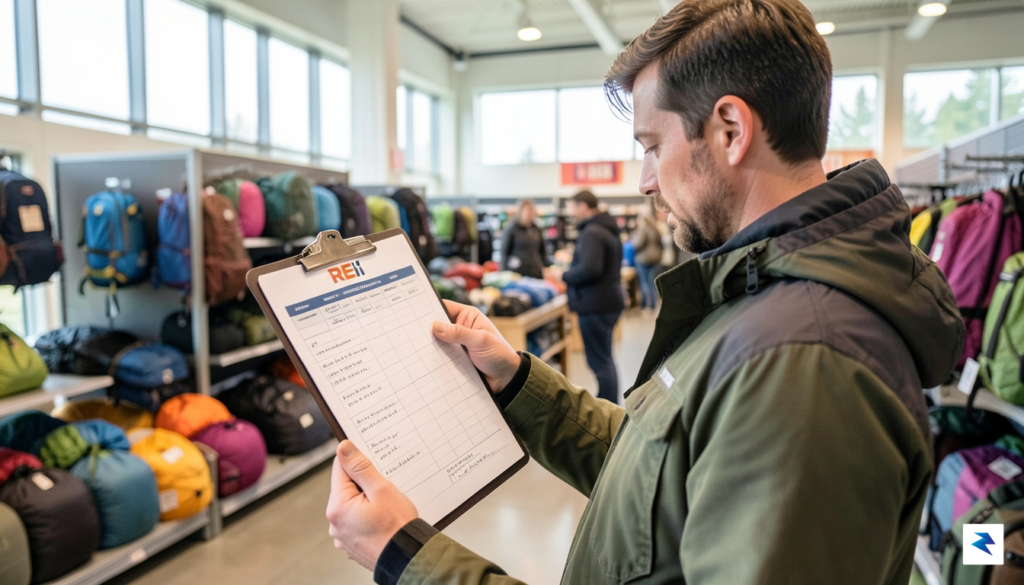
Investing in outdoor equipment is rarely just about the initial purchase price; it is about the long-term utility of your gear during the moments that matter most in the wilderness. To make a truly informed decision, begin by auditing your recent excursions to identify your specific “pain points.” If you find yourself consistently frustrated by a tent that takes twenty minutes to pitch in the wind, or a cooler that fails to keep your provisions cold by the second day, these are clear indicators of where your next upgrade should be focused. Rather than buying the latest trend, document these persistent issues so you can prioritize gear that solves functional problems rather than simply adding weight to your pack.
Once you have identified your needs, you must navigate the classic trade-off between weight and durability. Ultralight materials are a dream for long-distance trekkers, but they often come at the expense of abrasion resistance and overall lifespan. If your typical terrain involves jagged granite, dense underbrush, or frequent off-trail navigation, prioritizing a slightly heavier, high-denier fabric will save you from mid-trip repairs. Conversely, if your primary goal is covering high mileage on well-maintained paths, cutting ounces will significantly improve your endurance. Always consider the intended environment rather than just the specification sheet, as the best gear is the one that survives the specific conditions you face most often.
True value is found not in the lowest price tag, but in the longevity of the materials and the manufacturer’s commitment to standing behind their product.
Before finalizing any purchase, it is vital to evaluate the brand’s commitment to repairability and warranty support. A product that can be easily repaired—whether through replaceable poles, patches, or a robust warranty program—will almost always provide a better return on investment than a cheaper, disposable alternative. Look for companies that provide detailed maintenance guides or spare parts, as these small details often signify a piece of equipment built to endure years of heavy use. If a brand offers a lifetime warranty, investigate the ease of the claim process; this often serves as a proxy for how much faith the manufacturer has in their own engineering.
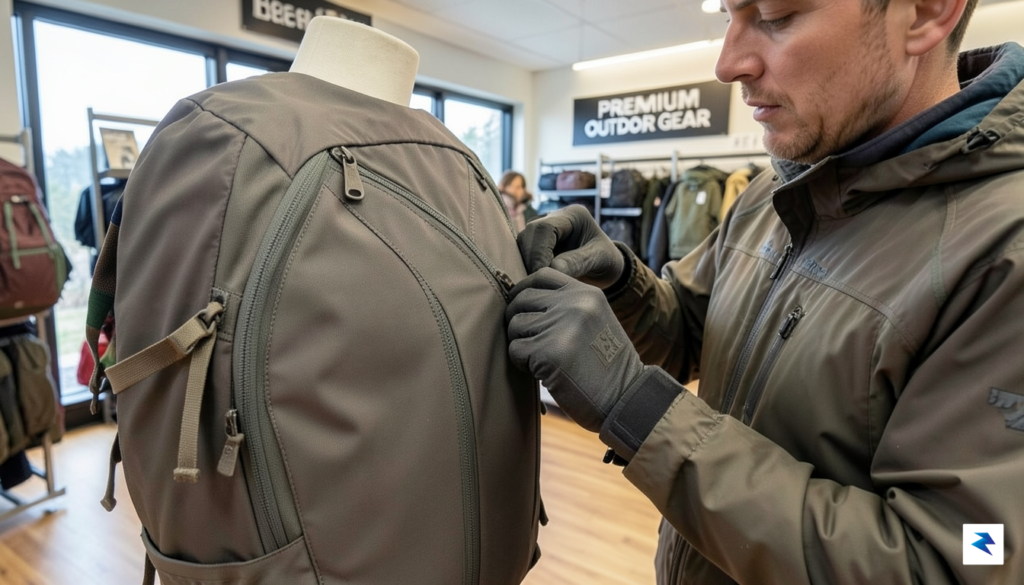
Finally, there is no substitute for the tactile experience of trying gear in person. Even with detailed online reviews, visiting a store to handle the zippers, test the tension of suspension systems, or verify the actual interior volume of a tent is essential. When you can physically interact with the gear, you gain an intuitive sense of its quality and fit that a digital screen cannot replicate. Take the time to shoulder a loaded pack or sit inside a floor model to ensure the dimensions align with your body type and expectations. By blending analytical research with hands-on testing, you can build a kit that supports your adventures for years to come.
You must be logged in to post a comment.