
Beyond the Smartphone: The Rise of Safer Mobile Tech for Kids
The Digital Dilemma: Why Parents Are Rethinking Smartphones For many modern parents, the pocket-sized device intended to provide security and…
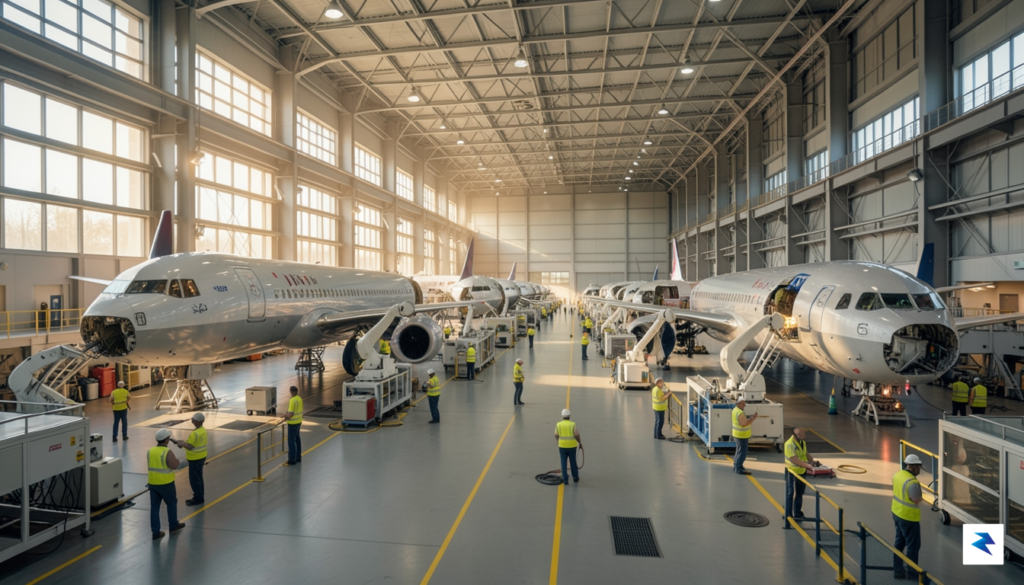
For years, Boeing has navigated a turbulent landscape defined by intense regulatory scrutiny, high-profile mechanical failures, and a fractured reputation that echoed across the global aviation sector. The series of crises that followed the 737 MAX grounding forced the aerospace giant to confront deep-seated internal issues, ranging from quality control lapses to a fragmented manufacturing culture. As the company transitions out of this prolonged period of emergency mitigation, the primary objective has shifted from reactive firefighting to a systematic, disciplined stabilization of its core production lines. This pivot is essential, not merely for financial recovery, but to restore the trust of regulators and airline partners who rely on the consistency of Boeing’s output to maintain their own operations.
The strategic shift toward operational stabilization is most visible in the company’s recent efforts to overhaul its factory floors. By implementing more rigorous oversight and slowing down assembly rates to prioritize quality over volume, Boeing is attempting to rectify the production bottlenecks that previously led to safety concerns. This newfound emphasis on “quality-first” manufacturing is supported by an influx of new leadership tasked with dismantling the siloed communication structures that once plagued the engineering and production teams. By empowering shop-floor workers to halt production when they identify potential defects, the company is signaling a cultural shift toward transparency and accountability, moving away from the aggressive delivery schedules that historically compromised systemic safety.
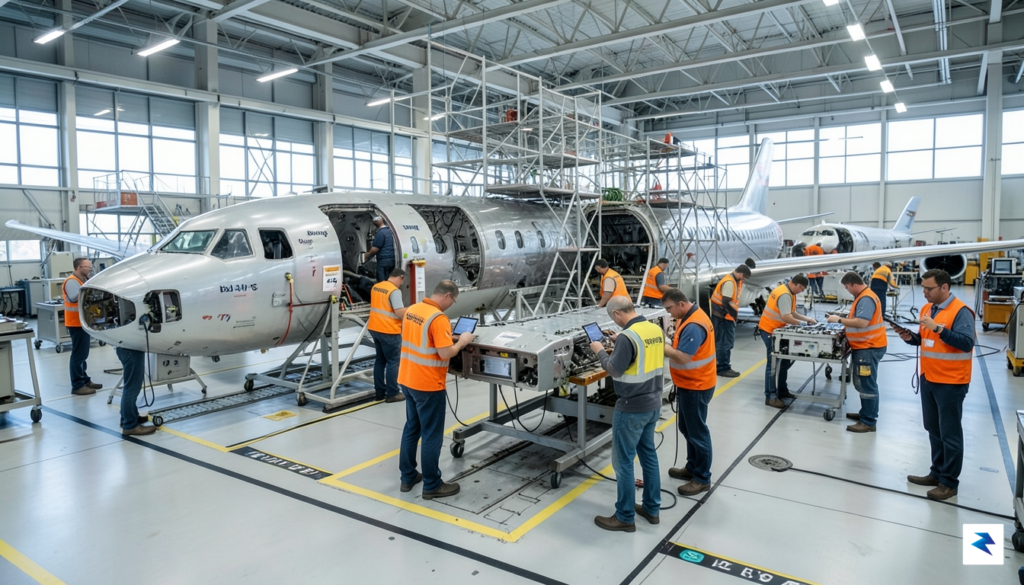
“The path to recovery is not defined by how quickly we deliver, but by the integrity of every bolt, sensor, and system that leaves our hangar,” noted an internal briefing regarding the company’s long-term quality roadmap.
Furthermore, the opening of enhanced production facilities and the modernization of existing lines serve as a strategic pivot point in this recovery mission. These investments are designed to integrate advanced automation and real-time digital monitoring, which allow managers to track the status of an aircraft in unprecedented detail. By minimizing human error and ensuring that parts are installed correctly the first time, Boeing hopes to eliminate the costly “re-work” that previously stalled its delivery pipeline. While the road ahead remains complex, these structural changes suggest a more deliberate approach to manufacturing, one that aims to balance the immense global demand for new aircraft with the non-negotiable requirement for passenger safety.
Despite the prevailing turbulence in specific corners of the aviation industry, the overarching demand for air travel continues its vigorous ascent, painting a picture of robust growth for airlines worldwide. This buoyant market, however, presents a fiercely competitive battleground, particularly for the two titans of aircraft manufacturing: Boeing and Airbus. While both stand to benefit immensely from the expanding global fleet, Boeing finds itself in a relentless race, striving to regain ground against its European rival, Airbus, which has skillfully cemented a formidable position, especially within the highly coveted narrow-body segment. The stakes are incredibly high, as the ability to meet this surging demand dictates not only current profitability but also long-term market leadership.
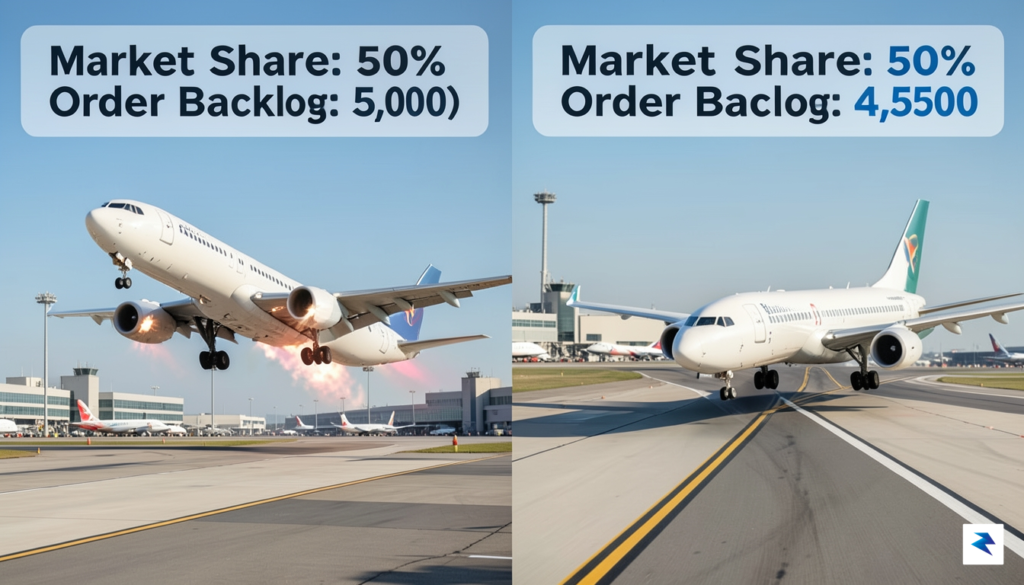
The current landscape is starkly illuminated by the extensive order backlogs each manufacturer holds, representing not just future revenue but years of committed production. Airbus, leveraging its successful A320neo family, currently boasts an impressive backlog stretching well into the next decade, with thousands of aircraft awaiting delivery. Boeing, despite securing significant new orders for its 737 MAX, also faces a substantial queue, yet its recent production challenges have meant a slower pace in fulfilling these commitments compared to its rival. These enormous backlogs underscore a critical truth in today’s aerospace industry: securing orders is only half the battle; the ability to deliver them efficiently, on schedule, and with impeccable quality is what truly defines market leadership and customer loyalty.
In this environment of overflowing order books, production efficiency has transcended its traditional role to become the paramount metric for competitive standing. Airlines operate on tight schedules and even tighter margins, meaning that late deliveries directly impact their operational planning, revenue generation, and crucial fleet modernization strategies. Every delay can lead to lost revenue opportunities for the airline and significant contractual penalties for the manufacturer. Consequently, the manufacturer capable of consistently ramping up production, while simultaneously upholding stringent quality controls, gains a significant strategic advantage, reinforcing trust and securing future business. This efficiency translates not only into timely aircraft for eager customers but also into a more stable and predictable revenue stream for the manufacturer itself, solidifying its market position.
Airbus’s strategic foresight and consistent execution, particularly with its A320neo family, have allowed it to capture a commanding share of the narrow-body market – the very segment where Boeing’s 737 MAX competes. Following the unprecedented grounding of the 737 MAX, Airbus capitalized on the resultant vacuum, accelerating its own production and offering airlines a readily available and reliable alternative when Boeing’s flagship narrow-body was unavailable. This period of uncontested growth allowed Airbus to deepen its relationships with key carriers, expand its operational footprint, and establish a significant lead in deliveries. This situation has undeniably created a formidable hurdle for Boeing as it strives to reclaim its historical dominance and re-establish its traditional market share in this crucial and high-volume segment.
To bridge this delivery gap and directly challenge Airbus’s narrow-body lead, Boeing is keenly focused on a multi-pronged strategy centered around meticulous production ramp-up and unwavering quality assurance. The company is investing heavily in its manufacturing processes, aiming to increase the rate of 737 MAX production while simultaneously implementing enhanced quality checks to prevent future issues and restore customer confidence. Furthermore, Boeing is working closely with its extensive global supply chain partners to ensure a smooth, uninterrupted flow of components, recognizing that the entire ecosystem must be optimized for sustained, high-volume output. This comprehensive and integrated approach, while inherently challenging given past setbacks, is absolutely essential for Boeing to not only meet its existing commitments but also to attract new orders and eventually narrow the competitive distance with its European rival.
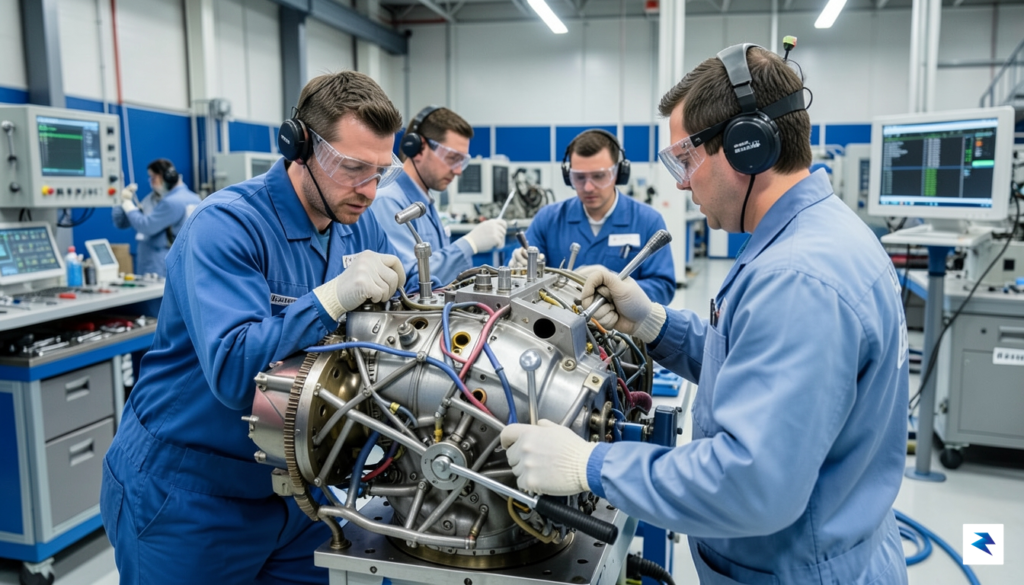
For Boeing, the path forward for the 737 Max program is no longer defined by the aggressive pursuit of volume, but rather by a recalibrated focus on disciplined, methodical assembly. Scaling production in the current climate requires a fundamental shift in how the company manages the delicate interplay between supply chain logistics and rigorous safety protocols. Rather than simply pushing parts through the factory floor as fast as possible, Boeing has integrated a “pulse” line philosophy, where assembly stalls are synchronized to ensure that every technician has the necessary time and resources to verify each installation before moving to the next phase. This tactical adjustment is designed to prevent the “trapped work” issues that previously plagued the program, ensuring that defects are caught at the point of origin rather than surfacing during final delivery inspections.
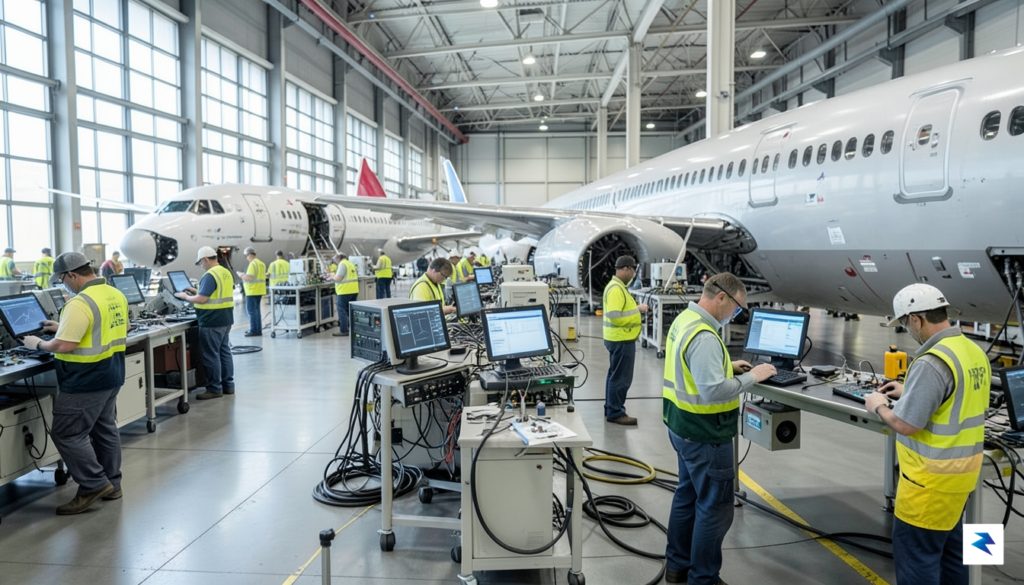
To support this heightened level of precision, the company is fundamentally restructuring its supply chain architecture. Recognizing that a single bottleneck can compromise the entire production cadence, Boeing is actively diversifying its supplier base to mitigate risks associated with regional disruptions or vendor-specific capacity constraints. By moving away from a single-source model for critical components, the manufacturer is creating a more resilient ecosystem that can absorb shocks without stalling the assembly line. This diversification is coupled with deeper, more collaborative partnerships, where Boeing engineers are now working alongside supplier teams to harmonize quality standards long before parts reach the factory floor.
Success in modern aerospace manufacturing is measured not by the speed of the output, but by the integrity of the process that creates it.
The integration of advanced automation and human oversight represents the final pillar of this new production strategy. While automated systems are now utilized for high-precision tasks—such as automated drilling and structural fastening—these technologies are purposefully designed to augment, rather than replace, the judgment of experienced technicians. Every stage of the assembly process is now augmented by enhanced digital tracking, allowing for a “digital thread” that follows every bolt and circuit from the supplier’s warehouse to the final aircraft certification. This emphasis on data transparency ensures that quality control is not a final hurdle, but an intrinsic, continuous loop that defines every hour spent on the assembly line.
Ultimately, the turnaround of the 737 Max is a testament to the idea that operational resilience is a competitive advantage. By prioritizing the stability of the production environment over raw throughput, Boeing is attempting to restore the trust of regulators, airline partners, and the traveling public alike. This deliberate pace ensures that as production numbers eventually climb, they do so on a foundation of proven stability, setting a new benchmark for how one of the world’s most complex industrial products should be built.

For Boeing, the road to recovery is no longer measured solely by delivery quotas or quarterly financial performance; it is defined by a fundamental recalibration of its corporate DNA. In the wake of intense regulatory scrutiny and heightened oversight from the Federal Aviation Administration (FAA), the company is operating under a mandate that transcends traditional manufacturing. New, rigorous quality management requirements now dictate every stage of the assembly line, effectively placing safety protocols on an equal—if not superior—footing to production speed. This shift is not merely a bureaucratic checkbox; it represents an existential pivot toward a “safety-first” culture that empowers every technician and engineer to halt production if a single defect is identified, ensuring that quality assurance is no longer an afterthought but the primary driver of operations.
Beyond the factory floor, Boeing has recognized that transparency is the new currency of trust. By fostering an unprecedented level of openness with airline partners, the manufacturer is attempting to dismantle the barriers that previously obscured technical challenges. This transition is evident in their evolving marketing strategy, which emphasizes collaborative problem-solving and proactive communication rather than polished PR campaigns. By inviting customers into the fold to witness safety audits and quality control improvements firsthand, Boeing is signaling to the global aviation community that its engineering prowess is once again grounded in the uncompromising principles of aeronautical excellence.
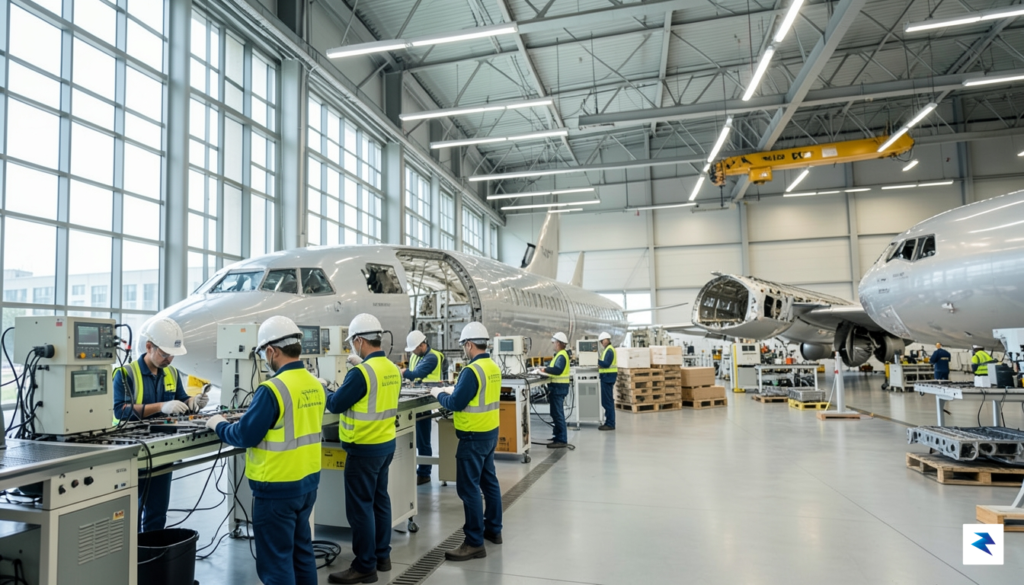
Ultimately, the long-term equity of the Boeing brand rests on its ability to prove that safety is a permanent fixture of its culture rather than a temporary reaction to crisis. Building a reputation for reliability is a generational endeavor that requires consistency, patience, and a willingness to prioritize long-term integrity over short-term gains. As the company navigates this transition, the following pillars have emerged as essential components of their strategic realignment:
The true measure of an aerospace leader is not just the sophistication of its aircraft, but the unshakeable reliability of its processes. For Boeing, regaining the gold standard requires proving that safety is not a cost center, but the very foundation upon which its future market leadership is built.
By embedding these values into the daily rhythm of the company, Boeing is attempting to transform its organizational culture from one driven by efficiency at all costs to one anchored by a commitment to the passenger experience. This shift is undoubtedly difficult, as it requires moving away from legacy habits that prioritized market share above all else. However, by embracing this new paradigm of accountability, Boeing is positioning itself to not only survive the current cycle of scrutiny but to re-emerge as a more resilient and trusted titan of the skies.

The stabilization of Boeing’s production lines is far more than an internal corporate matter; it is the heartbeat of a massive, interconnected global supply chain. When Boeing falters, thousands of tier-two and tier-three suppliers—ranging from specialized metal fabricators to advanced avionics manufacturers—experience immediate fiscal distress. As the aerospace giant attempts to rectify its operational workflows, the broader industry is witnessing a tentative sigh of relief. A return to consistent, high-quality production would catalyze a more predictable flow of capital through the aerospace ecosystem, reducing the inventory bottlenecks that have plagued airlines for the past several years and allowing for a more synchronized expansion of global travel capacity.
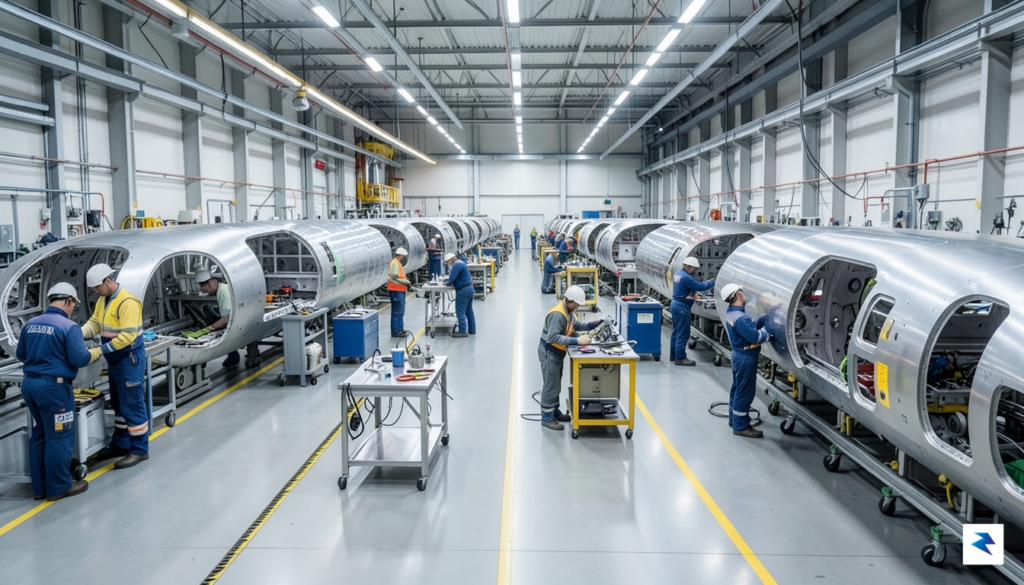
For investors, the narrative surrounding Boeing has shifted from one of speculative risk to a patient, long-term outlook. Market sentiment remains cautious, yet there is a growing recognition that the company’s sheer scale and essential role in the global aviation duopoly make it a fundamental pillar of any industrial portfolio. Investors are currently prioritizing transparency and safety metrics over short-term dividend yields, understanding that the path to restoring the company’s valuation hinges on consistent adherence to regulatory benchmarks. While the stock has faced significant volatility, the long-term outlook suggests that if Boeing can successfully navigate its current audit hurdles, it is positioned to recapture the market confidence necessary to sustain growth through the end of the decade.
The true measure of Boeing’s recovery will not be found in quarterly delivery numbers alone, but in the sustained restoration of its culture of engineering excellence and regulatory transparency.
Looking ahead to the next five to ten years, the landscape of the aviation industry will likely be defined by a race toward efficiency and decarbonization. Boeing’s ability to turn the corner today will dictate its capacity to invest in the next generation of narrow-body and wide-body aircraft. If the company fails to move past its current crises, it risks losing its competitive edge to emerging international rivals and its primary domestic competitor, which could permanently alter the market share dynamic in civil aviation. Conversely, a successful turnaround would solidify Boeing’s role in shaping the future of sustainable flight, providing the R&D capital required to innovate in hydrogen propulsion and high-efficiency engine technology. Ultimately, Boeing stands at a critical juncture where the restoration of operational excellence is the only viable bridge to its future relevance in a rapidly evolving global market.
You must be logged in to post a comment.