
Is the Self-Parking Micro-EV the Future of American City Driving?
The Resurgence of the Micro-Mobility Movement For decades, the American automotive landscape has been defined by the principle that bigger is…
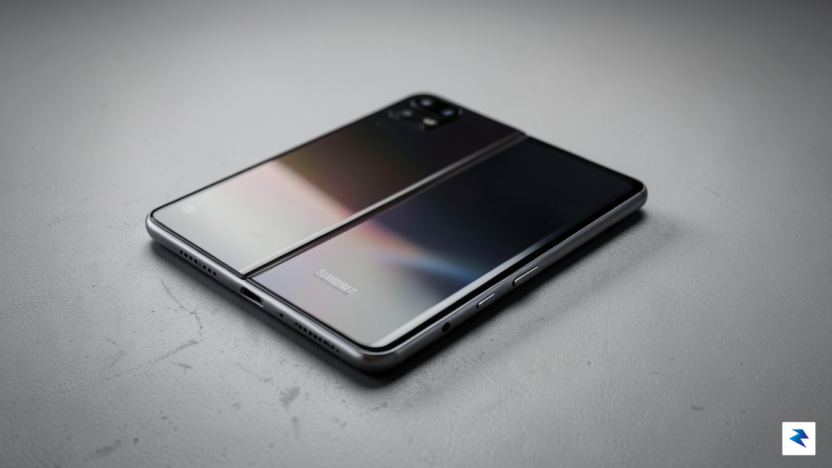
Since its inception, the Samsung Galaxy Z Fold series has been defined by a singular, polarizing design choice: the tall, narrow outer display. For years, this “candy bar” aspect ratio served as the brand’s signature aesthetic, intended to make the device easier to grip with one hand while closed. However, as the foldable market has matured, this design has become a point of contention for power users. The narrow screen often feels cramped for typing, makes standard applications look stretched or awkward, and limits the utility of the device when it is not fully unfolded into tablet mode. What was once seen as a bold, pioneering choice has gradually transformed into a notable ergonomic bottleneck that separates Samsung from newer, more versatile competitors.
The latest leaks regarding the Z Fold 8 suggest a definitive pivot point in Samsung’s design philosophy. By embracing a wider footprint, the company is finally acknowledging the long-standing feedback from its most loyal customers who have clamored for a more natural, traditional smartphone experience on the cover screen. A wider display does more than just fix the aesthetics; it fundamentally changes how the device interacts with everyday software. When the outer panel matches the proportions of a standard flagship phone, developers no longer need to create custom layouts just to accommodate the Fold’s peculiar dimensions, leading to a more seamless experience for millions of apps.
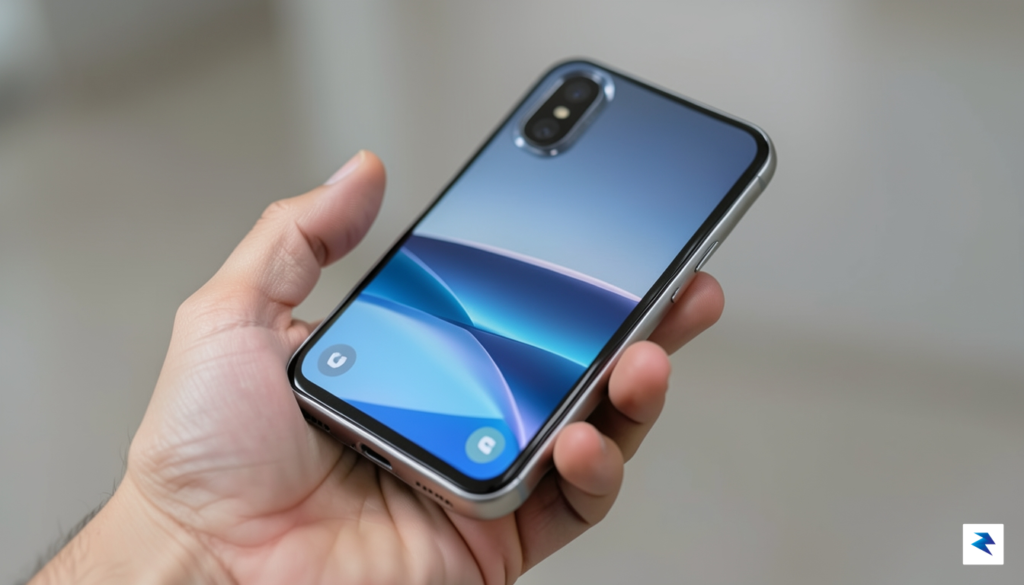
By shifting toward a wider form factor, Samsung is prioritizing real-world usability over the experimental constraints that defined the early era of foldable technology.
This shift represents the most significant design evolution for the series since the debut of the original device. Transitioning to a wider chassis suggests that Samsung is moving away from treating the Fold as a niche gadget for tech enthusiasts and is instead positioning it as a practical, daily driver for the mainstream market. The broader dimensions will likely provide a more expansive keyboard, improved readability for emails and web browsing, and a more comfortable grip for those who find the previous, thinner models too precarious to handle. Ultimately, this change signals that the foldable category has moved beyond its “proof of concept” phase and is now entering a period of refinement where user comfort and software compatibility take center stage.
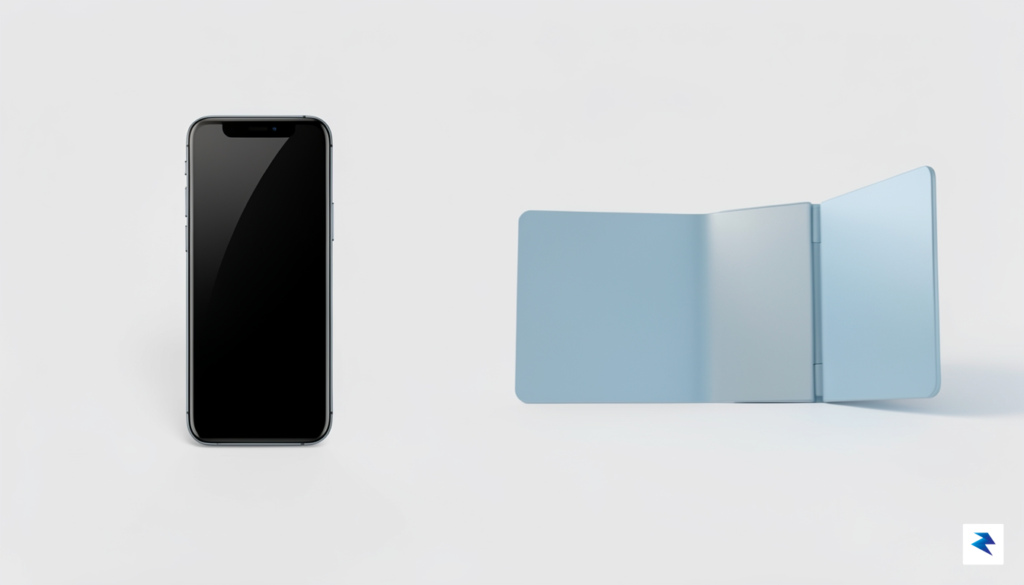
For years, Samsung’s foldable flagship has been criticized for its distinctively narrow, “remote control” form factor, which often made the cover screen feel cramped and difficult to navigate. The leaked chassis design for the Galaxy Z Fold 8 signals a major pivot away from this elongated aesthetic, favoring a shorter and noticeably wider profile that aligns more closely with standard smartphone dimensions. This shift is far more than a simple visual update; it represents a fundamental rethinking of how a foldable device should feel in the palm of your hand. By broadening the footprint, Samsung is addressing the primary ergonomic hurdle that has plagued the series since its inception, ensuring that the external display is no longer a secondary afterthought but a fully capable, primary portal for daily tasks.
One of the most immediate benefits of this wider chassis is the drastic improvement to keyboard usability on the cover screen. On previous models, the narrow aspect ratio forced users to contend with cramped keys and frequent typographical errors, often necessitating a two-handed typing approach even for simple messages. With the increased width of the Galaxy Z Fold 8, the software keyboard can finally spread out to a natural, comfortable size that mirrors a traditional slab phone. This adjustment allows for a significantly faster and more accurate typing experience, effectively removing the frustration that previously compelled users to unfold the device just to send a quick text or search for a brief query.
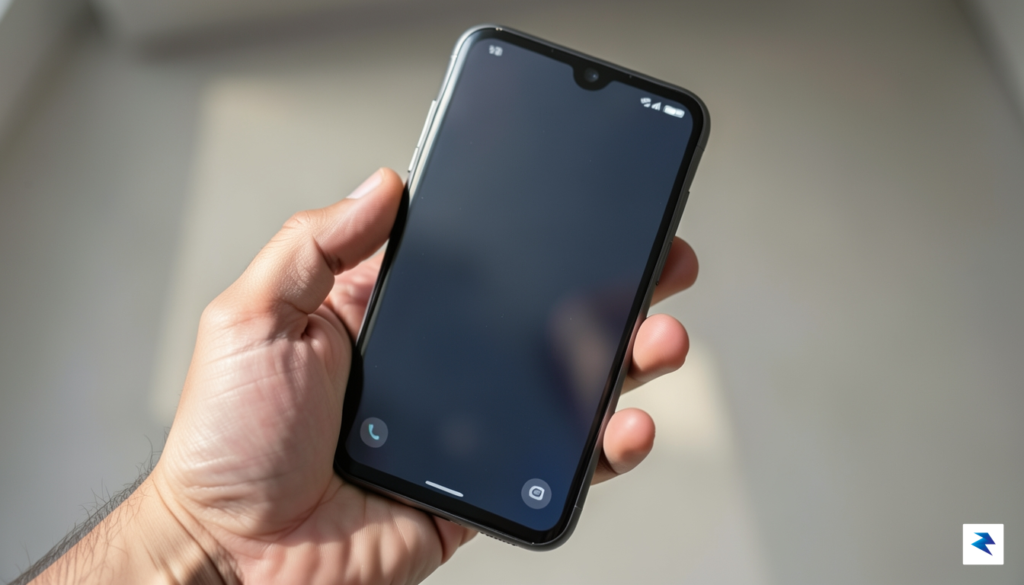
The transition to a wider, more conventional aspect ratio marks a maturation of the foldable form factor, prioritizing real-world usability over the experimental constraints of early-generation designs.
Beyond ergonomics, this structural overhaul drastically improves the daily consumption of content and application compatibility. Many mobile applications are optimized for the standard 20:9 or 19.5:9 aspect ratios found on flagship devices, and the previous, ultra-tall displays often caused UI elements to appear stretched, clipped, or oddly formatted. By adopting a wider profile, the Z Fold 8 ensures that these apps look and behave exactly as developers intended, providing a more consistent visual experience when jumping between the outer cover and the inner foldable display. Furthermore, watching video content on the cover screen will no longer result in massive, distracting black bars, as the aspect ratio will more closely match modern cinematic and social media formats. This holistic change makes the device feel less like a specialized piece of hardware and more like a refined, high-performance tool that fits seamlessly into the existing mobile ecosystem.

Under the sleek, widened exterior of the upcoming Z Fold 8 lies an internal architecture designed to push the boundaries of mobile productivity. At the heart of this device, we anticipate the integration of Qualcomm’s latest Snapdragon 8 Gen 4 chipset, which promises significant improvements in both raw processing power and neural engine efficiency. For professional users who frequently juggle intensive multitasking sessions, video editing, or high-fidelity gaming, this silicon upgrade is expected to provide a noticeably snappier experience, ensuring that the interface remains fluid even when multiple applications are active on the expansive display.
To complement this top-tier processor, Samsung is reportedly prioritizing high-bandwidth memory and storage configurations. Current leaks suggest a floor of 12GB of RAM, with high-end variants potentially pushing toward 16GB, a move that would provide the necessary overhead for seamless app switching and sophisticated AI-driven background tasks. Coupled with UFS 4.1 storage speeds, the device will likely minimize load times for heavy files, effectively turning the foldable into a genuine portable workstation that can handle complex data sets or creative projects without hesitation.
The physical redesign of the chassis also presents a unique opportunity for better thermal management. By adjusting the internal layout to accommodate the wider aspect ratio, Samsung has more surface area to distribute heat away from the processor during heavy workloads. This is a critical factor for maintaining peak performance over long periods, as it mitigates the risk of thermal throttling—a common hurdle in thinner, high-performance foldable devices. Furthermore, the slightly larger footprint may allow for a more optimized battery cell design. Even a marginal increase in physical volume could translate to better power density and improved battery chemistry, extending the usable life of the device throughout a demanding workday.
The combination of enhanced thermal dissipation and next-generation silicon suggests that the Z Fold 8 is not just a cosmetic update, but a significant leap in sustained mobile computing performance.
Finally, the hardware suite is rounded out by an expected overhaul of the camera sensors, which are rumored to benefit from the refined internal spacing. By utilizing the additional room within the chassis, Samsung can likely house larger sensor modules and more complex lens arrays without compromising the device’s folded thickness. This focus on optical performance, paired with advanced image signal processing (ISP) enabled by the new chipset, positions the Z Fold 8 to compete directly with traditional flagships, ensuring that power users don’t have to sacrifice camera quality for the sake of the foldable form factor.
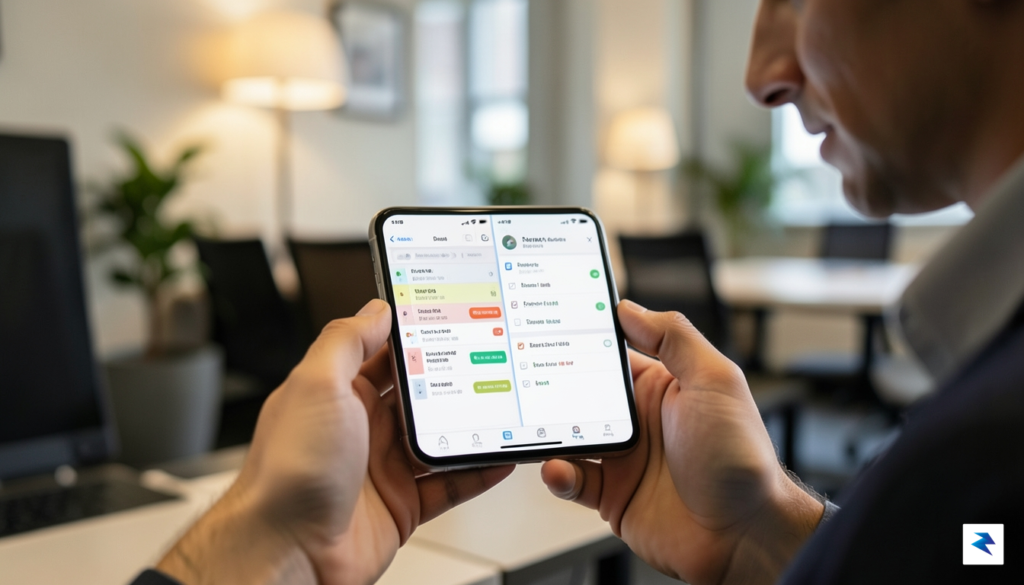
Hardware innovations are only as impactful as the software ecosystem that supports them, and Samsung clearly recognizes that a wider display requires a more refined approach to user interaction. With the shift toward a more conventional aspect ratio on the Z Fold 8, One UI is poised to evolve from a specialized interface into a truly versatile powerhouse. By reclaiming horizontal space that was previously constrained, the software can now present information in a way that feels less like a stretched smartphone app and more like a dedicated desktop environment, reducing the cognitive load on users who frequently switch between multiple tasks.
The improvements to the taskbar and split-screen functionality are perhaps the most anticipated changes accompanying this hardware refresh. On previous iterations, multitasking often felt cramped, forcing users to prioritize one app over another to maintain readability. With the additional width, the revamped taskbar now offers a more fluid way to drag and drop applications, allowing for side-by-side configurations that no longer feel claustrophobic. These refinements allow the OS to better handle three-way splits, providing enough breathing room for each window to remain fully functional without compromising the interface’s overall responsiveness.
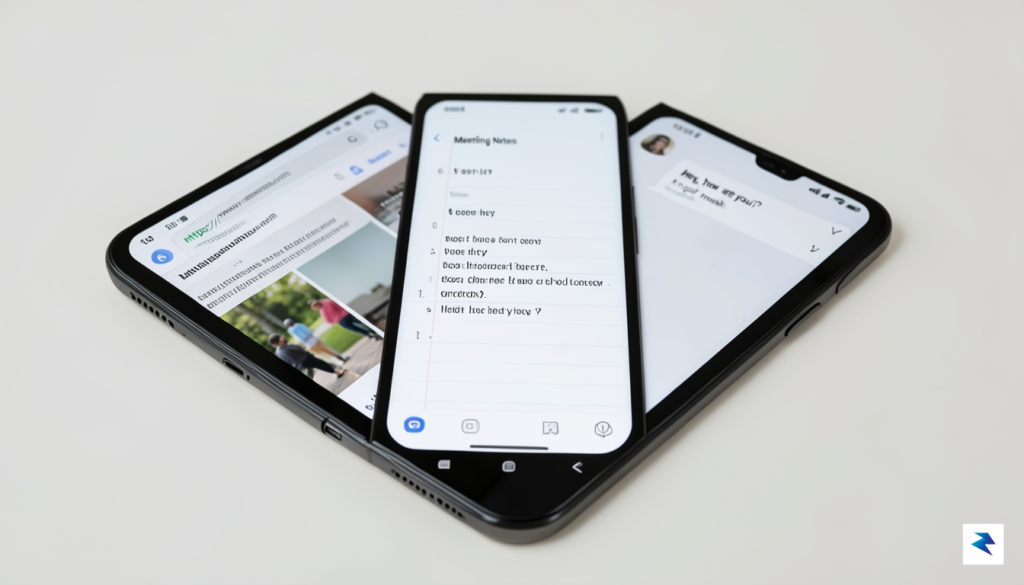
For developers, this transition represents a significant shift in how they must approach the Z Fold 8’s form factor. Samsung is actively encouraging app creators to move away from rigid, phone-centric layouts and toward adaptive designs that leverage the expanded canvas dynamically. When an application is optimized for this wider screen, it no longer needs to rely on letterboxing or awkward scaling; instead, it can present expanded sidebars, multi-column data views, and more accessible navigation menus. This shift ensures that as users unfold their devices, the transition between the cover display and the main screen feels entirely seamless.
The true potential of a foldable device is realized when the software stops fighting the hardware and starts anticipating the user’s intent through spatial awareness and intelligent window management.
Ultimately, these software enhancements turn the Z Fold 8 into a productivity machine that bridges the gap between mobile convenience and laptop-grade utility. By refining how One UI handles window snapping and background processes, Samsung is effectively future-proofing the user experience. As the ecosystem continues to mature, this wider aspect ratio will likely become the standard, pushing developers to build more robust, tablet-class applications that make the most of every available pixel on the internal display.

The landscape of foldable smartphones has shifted dramatically over the past two years, moving from a niche novelty to a highly competitive arena where hardware ergonomics are the primary battleground. For a long time, Samsung’s narrow cover screen was the company’s signature, yet it became a point of contention as rivals like the OnePlus Open and the Google Pixel Fold introduced wider, more conventional aspect ratios. By finally adopting a wider display for the Z Fold 8, Samsung is signaling a clear pivot toward consumer feedback, effectively closing the hardware gap that had previously allowed competitors to claim the “usability” high ground. This redesign is more than just a aesthetic change; it represents a strategic recalibration intended to neutralize the primary selling point of the Chinese OEMs and the sophisticated hinge engineering found in the Pixel series.
Beyond raw specifications, the Z Fold 8 launch serves as a crucial test for Samsung’s ecosystem dominance. While other manufacturers offer compelling hardware, they often struggle to match the seamless integration of Samsung’s One UI, which remains the gold standard for multitasking and cross-device synergy. Users who have invested heavily in the Galaxy ecosystem—ranging from smartwatches and tablets to smart home appliances—are rarely inclined to switch platforms, even if a competitor’s hinge feels slightly thinner or the camera software appears more vibrant. However, hardware parity is the baseline requirement for maintaining this lock-in; if the physical device feels outdated compared to the competition, even the most loyal power users will eventually begin to look elsewhere.
The true success of the Z Fold 8 will not be measured by its specs alone, but by how effectively it silences the long-standing criticism regarding its front-screen ergonomics while retaining the software maturity that anchors the Galaxy experience.
Ultimately, this release is a defensive maneuver designed to secure Samsung’s throne in a market that is no longer dominated by a single pioneer. As foldable technology matures, the “wow factor” of a folding screen has faded, replaced by a demand for practicality and durability. By aligning its design language with the preferences of the broader market, Samsung is betting that its unparalleled global distribution, customer support infrastructure, and software polish will keep it ahead of the pack. The Z Fold 8 is therefore positioned not just as a new iteration, but as a definitive statement that Samsung remains the only manufacturer capable of blending cutting-edge innovation with the reliability required for daily, mainstream use.
You must be logged in to post a comment.