
AWS Billing Glitch: Why Some Customers Saw Billion-Dollar Invoices
The AWS Billing Glitch: What Happened? On a seemingly ordinary Friday, the developer community was sent into a collective state of…


For many modern parents, the pocket-sized device intended to provide security and peace of mind has instead become a source of profound anxiety. The rapid integration of full-featured smartphones into the lives of pre-teens and young adolescents has outpaced our collective understanding of the long-term psychological consequences. While parents recognize the utility of being able to reach their children at a moment’s notice, they are increasingly wary of the “digital baggage” that comes with unrestricted access to the internet. From the addictive nature of social media algorithms specifically designed to harvest attention to the persistent threat of cyberbullying, the cost of connectivity is beginning to outweigh the perceived benefits for many families.
The pushback against the status quo is gaining momentum as more parents realize that a standard smartphone is essentially a gateway to an uncurated digital landscape. Clinical research has begun to shed light on the correlation between early smartphone adoption and increased rates of anxiety, depression, and disrupted sleep patterns in youth. Consequently, a growing movement of tech-conscious families is intentionally pivoting away from the “all-in-one” device model. Whether by delaying the purchase of a flagship smartphone or opting for so-called “dumbphones”—devices stripped of social media, web browsers, and app stores—parents are reclaiming their role as the primary gatekeepers of their children’s digital experience.

The goal is not to isolate our children from the modern world, but to curate their entry into it in a way that prioritizes their mental well-being over the demands of the attention economy.
This shift is not merely a reactionary trend; it is a fundamental reassessment of what technology is truly necessary for a child to thrive. The market, once dominated by companies pushing the next upgrade, is finally starting to listen to this parental demand for friction-filled—rather than frictionless—technology. New hardware manufacturers are emerging with a singular focus: providing essential communication tools that empower kids to navigate the real world without being tethered to a virtual one. By prioritizing managed devices that offer GPS tracking and voice calls without the intrusive presence of addictive platforms, these companies are offering a middle ground that respects both the need for parental oversight and the child’s need for healthy development.
Ultimately, this change represents a broader cultural realization that our devices should serve our needs rather than dictate our behavior. As parents become more informed about the manipulative design techniques used by tech giants, they are choosing to opt-out of the traditional ecosystem. This intentional approach allows for the benefits of connection while safeguarding the formative years of childhood from the pressures of a 24/7 digital existence. By demanding safer, simpler, and more transparent technology, parents are effectively forcing the industry to innovate in a direction that supports, rather than undermines, the next generation.
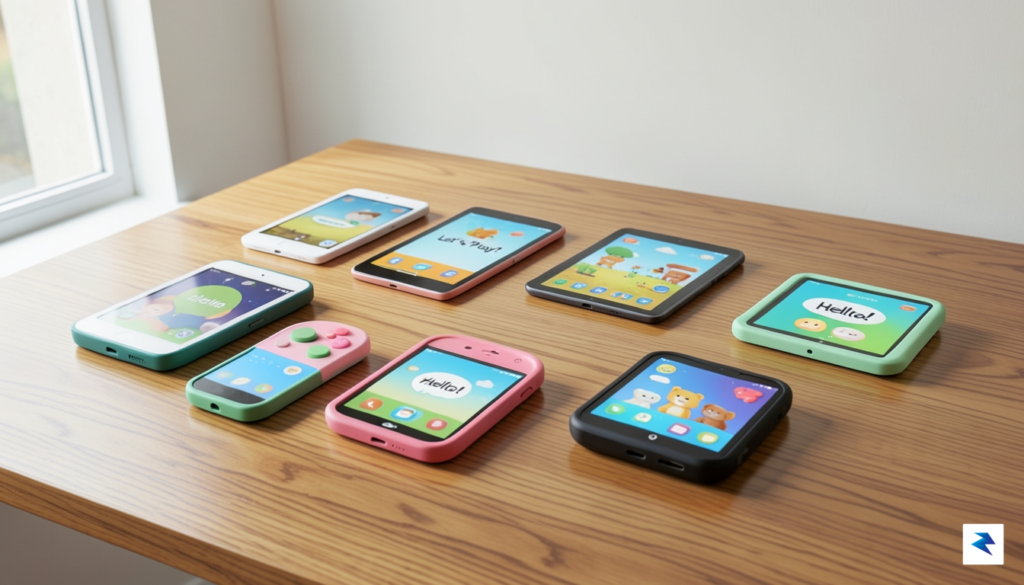

The current landscape for children’s mobile technology has effectively split into two distinct philosophies: the “digital training wheel” approach and the “digital detox” approach. On one side of the spectrum, we find locked-down smartphones. These devices are essentially standard handsets running heavily modified operating systems or robust parental control suites that restrict app installation, manage screen time, and monitor social interactions. While these offer a familiar interface for the child, they often rely on software-based guardrails that can be circumvented by tech-savvy users or bypassed through clever workarounds. Parents who choose this path are essentially opting for a “controlled environment” model, where the device stays powerful but the sandbox is strictly policed.
Conversely, a rapidly growing movement favors the minimalist device, a category that has seen a significant revival as parents look to curb the addictive nature of traditional mobile tech. These phones are designed from the ground up to prevent distraction, often stripping away internet browsers, social media integration, and open app stores entirely. By physically limiting the hardware—such as omitting front-facing cameras or removing the capability to download third-party software—these devices eliminate the root cause of digital overstimulation. Instead of relying on a parent to enforce rules through a cloud-based dashboard, these phones function on a “default-secure” premise where the hardware simply does not support the features that cause the most concern.
The most effective safety measures are often those that exist at the hardware level rather than the software level; if a device cannot access the open web, no amount of parental software is required to block it.
This shift toward minimalist hardware—often referred to as the “feature phone revival”—is gaining significant traction because it addresses the cognitive load placed on children. When a device is incapable of running infinite-scroll algorithms or addictive games, the child is naturally freed from the constant pressure of digital validation. We are seeing a variety of archetypes emerge in this space, ranging from GPS-enabled smartwatches that function as glorified walkie-talkies to “dumb phones” that feature nothing more than encrypted messaging, contact lists, and basic utility tools like calendars or alarms. Ultimately, choosing between these two categories requires a candid assessment of a child’s maturity level: some families need the utility of a managed smartphone for educational access, while others find that the simplicity of a non-smart device provides the necessary breathing room for a child to develop without constant digital interference.
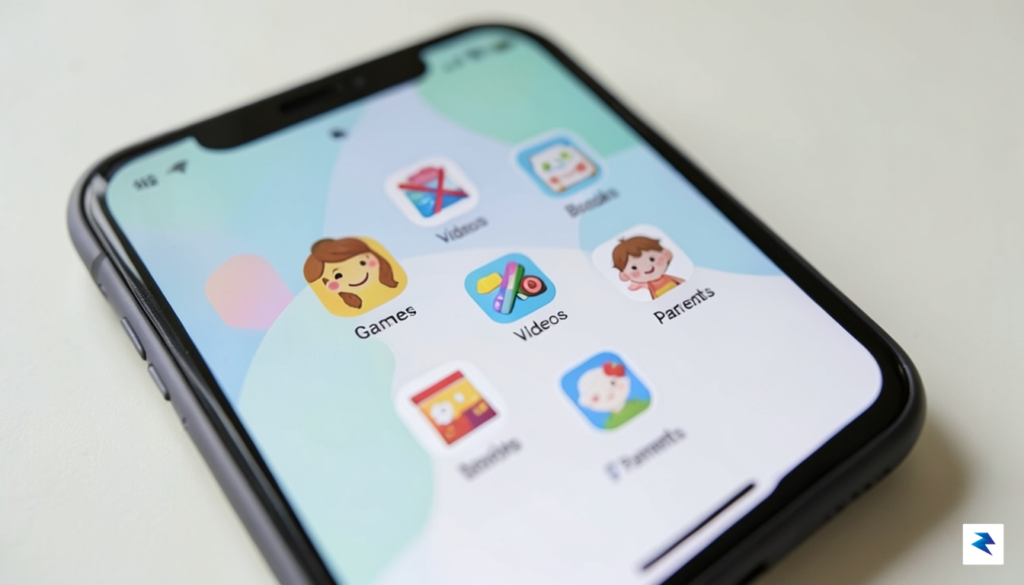
The core philosophy behind the current generation of child-centric mobile devices is the implementation of “intentional friction.” Unlike mainstream smartphones that are engineered to capture and hold a user’s attention through endless notification loops and algorithmic feeds, these specialized tools are designed to be used briefly and then set aside. By removing the open-ended nature of standard mobile operating systems, manufacturers have effectively transformed what were once addictive entertainment portals into reliable, purposeful communication hubs that serve the specific needs of families.
One of the most critical safeguards is the total removal of open-access web browsers. By stripping away the ability to navigate the unrestricted internet, these devices eliminate the risk of children stumbling upon inappropriate content or falling prey to malicious pop-ups. In place of a browser, these phones often utilize heavily curated, whitelisted environments. Parents maintain total control over a “contact list” that is strictly vetted; the device will simply refuse incoming calls or messages from any number not explicitly approved by a guardian. This creates a digital sandbox where the child can communicate freely with family and close friends without the looming threat of unsolicited interactions from strangers or predatory entities.
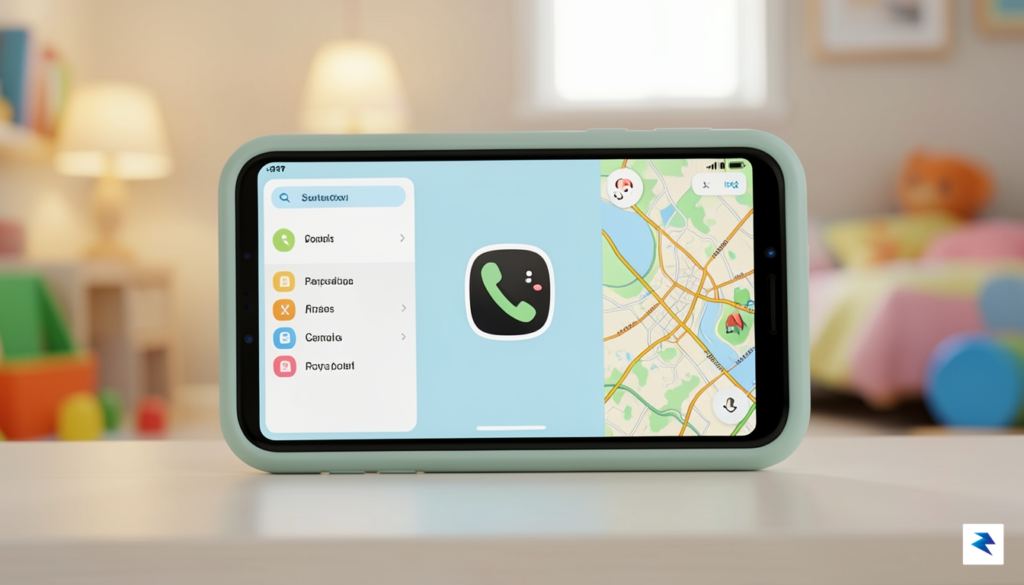
Furthermore, hardware-level restrictions ensure that these safeguards remain robust, even when faced with a tech-savvy child. While a standard smartphone’s parental controls are often software-based—and therefore easily bypassed by clearing a cache or resetting a setting—the architecture of a child-centric device is often “locked down” at the firmware level. This means that features like social media apps, gaming platforms, and unverified app stores cannot be sideloaded, regardless of how much technical maneuvering a user attempts. Because the device lacks the underlying infrastructure to support these bloated applications, the temptation to stray from intended use is physically removed from the hardware experience.
The true value of a child-centric device lies not in what it allows the user to do, but in the specific distractions it prevents, ensuring that the technology remains a tool for connection rather than a source of digital dependency.
Beyond content restriction, these devices offer parents peace of mind through advanced, always-on location services. Unlike consumer-grade phones where location sharing can be easily toggled off by the user, these child-safe devices often prioritize GPS tracking as a non-negotiable feature. Many models provide real-time location updates directly to a linked parent application, often including geofencing capabilities that alert guardians the moment a child arrives at or leaves a designated zone, such as a school or a friend’s house. By prioritizing safety and simplicity over high-end processing power or social connectivity, these companies are finally providing parents with the mobile technology necessary to bridge the gap between keeping children reachable and protecting their digital wellbeing.

Introducing a child to their first mobile device represents a significant milestone in modern parenting, marking a transition toward increased autonomy. Rather than viewing the phone as a digital leash meant for constant surveillance, parents should frame it as a tool for empowerment—a bridge that allows children to communicate their needs, share their location, and practice the essential skills of modern connectivity. When the conversation shifts from control to capability, the device becomes a classroom where trust is cultivated rather than a point of friction between generations. By setting clear, collaborative expectations early, parents can ensure that the technology serves the child’s development rather than serving as a distraction from the real world.

Establishing healthy digital hygiene is the cornerstone of this developmental process. It is helpful to treat the introduction of a device much like teaching a child to ride a bike; you wouldn’t send them onto a busy highway without first practicing in a safe, enclosed environment. This means starting with restricted devices that limit access to open web browsers or unmonitored social platforms, allowing children to master the basics of polite communication and time management. Boundaries should be transparent and consistent, such as designating “tech-free zones” like the dinner table or bedrooms at night. These rules are not intended to be punitive, but rather to teach the child that technology is a utility to be used intentionally, not a constant companion that demands their attention at every waking moment.
True digital literacy is not found in how many apps a child can navigate, but in their ability to know when to put the device down and engage with the world around them.
As children grow and demonstrate a consistent ability to navigate these smaller, safer digital landscapes, parents can begin the process of “graduating” them to devices with more functionality. This transition should be treated as a reward for responsible behavior, essentially serving as a trial period for greater freedom. For instance, once a child consistently respects time limits and communicates safely, a parent might unlock a specific messaging app or a controlled GPS feature. This tiered approach allows the child to prove their maturity in stages, fostering a sense of accomplishment and accountability. Ultimately, the goal is to raise a digitally conscious young adult who understands that the true value of a phone lies in its ability to connect us to people, not in the endless scroll of an algorithm.

Choosing the right mobile device for your child is rarely a one-size-fits-all endeavor; rather, it is a nuanced decision that hinges on your family’s unique daily rhythm, your child’s maturity level, and your specific safety concerns. Before rushing into a purchase, it is helpful to view the process through a structured lens, evaluating exactly what your child needs versus what they simply desire. Consider the following criteria to help narrow down the vast array of options currently available in the marketplace:

It is also essential to consider the trade-off between current cost and long-term utility. While cheaper, entry-level devices might seem like a low-risk starting point, they often lack the software support and security updates necessary to keep the device safe from evolving online threats over time. Investing slightly more in a brand that prioritizes long-term privacy and parental management tools can ultimately offer better value and greater peace of mind.
Involving your child in the selection process is more than a courtesy; it is an opportunity to cultivate a sense of ownership and responsibility from day one.
By sitting down with your child to discuss why you are choosing a specific device, you transform the phone from a mere toy into a tool they are expected to manage with care. Explain the limitations of the device in age-appropriate terms, emphasizing that the restrictions are in place to ensure their safety rather than to hinder their freedom. This collaborative approach fosters an environment of trust, making it significantly easier to enforce boundaries and discuss digital etiquette as they grow older and their mobile needs inevitably evolve.
You must be logged in to post a comment.