
How Malware-Infected Steam Games Are Targeting Crypto Wallets
The Rise of Game-Based Malware Attacks The landscape of cybercrime has undergone a dramatic transformation, evolving from the era of nuisance…

On a seemingly ordinary Friday, the developer community was sent into a collective state of bewilderment when numerous Amazon Web Services (AWS) users logged into their management consoles only to be greeted by billing dashboards reflecting astronomical, impossible figures. Reports began circulating rapidly on social media and developer forums as users shared screenshots showing estimated charges reaching into the billions of dollars. For many, the sight of a ten-figure invoice for what should have been a standard monthly operational cost sparked immediate panic, leading to concerns regarding potential security breaches, massive account takeovers, or catastrophic failures in the AWS automated infrastructure.
The incident was quickly identified as a localized display error within the AWS Billing and Cost Management dashboard rather than a systemic failure of the underlying cloud services. While the numbers on the screen were undeniably staggering, they were entirely decoupled from reality; the actual backend billing data and the records tied to customer payment methods remained accurate and unaffected. AWS engineering teams moved swiftly to acknowledge the glitch, clarifying that the inflated figures were the result of a temporary rendering issue that impacted the console’s ability to display accurate cost projections. Consequently, it is important to emphasize that no customers were actually charged these exorbitant amounts, and the integrity of their financial accounts remained fully intact throughout the duration of the display error.
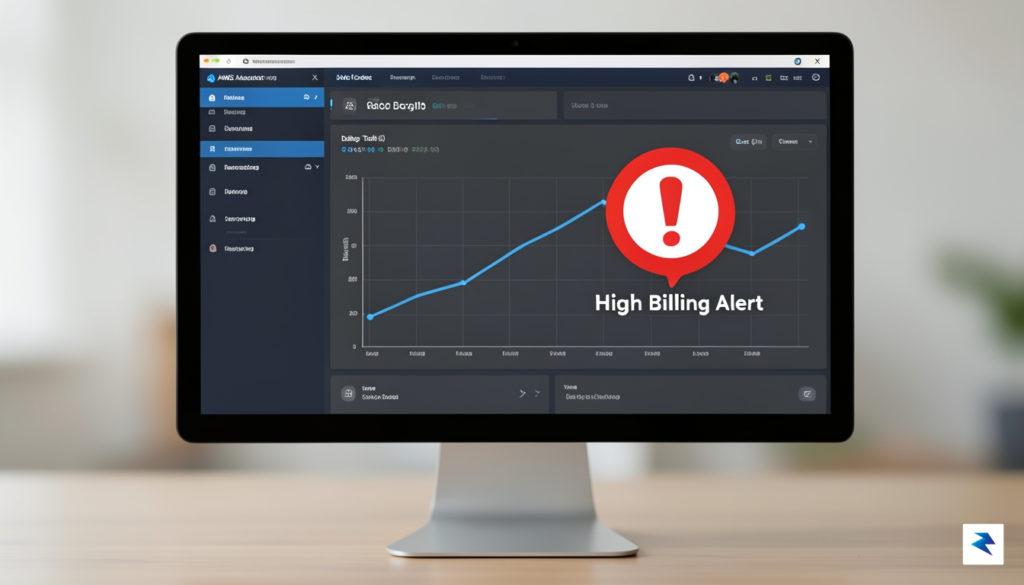
It is crucial to note that these figures were strictly internal display errors. At no point were actual funds deducted from customer bank accounts or credit cards, as the incident was confined entirely to the visualization layer of the user portal.
For those navigating the complexities of cloud infrastructure, an event like this serves as a potent reminder of the psychological impact that interface reliability has on user trust. When the primary dashboard for a critical service suddenly projects a financial liability larger than the GDP of many small nations, the immediate reaction is naturally one of alarm. However, the swift resolution of the issue demonstrated the robustness of Amazon’s internal monitoring systems, which were able to isolate the rendering bug from the transactional billing engine. By recognizing the scope of the error early, AWS was able to mitigate widespread panic and reassure the developer community that their actual billing data was secure, reliable, and entirely disconnected from the erroneous numbers displayed on their dashboards.

At its core, the infrastructure powering Amazon Web Services is a marvel of distributed computing, yet this complexity is precisely what creates room for rare but catastrophic failures. To understand how a billing statement can suddenly reflect a national-level deficit, one must first recognize that cloud invoicing is not a static calculation. Instead, it is an exhaustive, real-time orchestration that aggregates billions of individual data points—ranging from millisecond-level compute cycles to granular data transfer volumes—across dozens of global geographic regions. Each of these metrics is subjected to a unique cocktail of tiered pricing models, reserved instance discounts, and enterprise-level negotiated rates, all of which must be reconciled before an invoice is ever rendered to a customer dashboard.

The critical distinction in this process lies between the raw metering data and the subsequent invoicing display logic. Metering systems are designed for high-availability and extreme throughput, constantly recording usage as it occurs. However, the display layer acts as a translator, pulling this massive volume of raw logs and applying the specific business rules associated with a particular account. When a customer observes a massive discrepancy, it is rarely because their actual resource consumption has ballooned overnight; rather, it is usually a failure in the interpretive layer. A configuration error—such as a misplaced decimal point in a pricing table or a cache synchronization failure—can cause the system to multiply consumption units by the wrong rate, or erroneously apply a global multiplier to a localized service.
A billing glitch is typically a failure of communication between the database and the dashboard, rather than an actual change in the underlying consumption of infrastructure resources.
Furthermore, cloud billing systems often rely on distributed caching mechanisms to ensure that users can view their estimated costs without dragging down the performance of the core billing engine. If a cache update fails, or if a temporary configuration bug is introduced during a deployment, the system may inadvertently pull corrupted data or apply logic meant for one service to an entirely different set of resources. This creates a scenario where the math is logically consistent within the broken system—leading to that staggering, astronomical figure—even though the premise of the calculation is entirely detached from reality. Because these systems are so tightly integrated, a single logic error can propagate rapidly across a user’s account dashboard, turning a minor technical hiccup into a deeply unsettling financial experience for the customer.
Ultimately, these events highlight the fragility of automation at scale. When a platform manages millions of independent workloads, the billing engine must be as robust as the compute services themselves. While the occurrence of a billion-dollar invoice is clearly a source of panic, the fact that these errors are almost exclusively corrected through backend reconciliation confirms that the underlying metering data remains safe and accurate. It is an unfortunate side effect of modern cloud complexity, where the sheer volume of data being processed ensures that even a one-in-a-million configuration bug can result in a display error of truly epic proportions.

When the infrastructure backbone of the internet reports a multi-billion dollar charge, the implications for enterprise clients extend far beyond the immediate balance sheet. For DevOps engineers and financial controllers, seeing an astronomical figure on a dashboard is not merely a technical error; it is a moment of profound organizational anxiety that can trigger emergency board meetings and halted deployments. The panic factor is real because modern cloud environments are built on the assumption that automated billing is as precise as the code they host. When this fundamental trust is shaken, companies are forced to question the stability of their entire operational stack, leading to a ripple effect of uncertainty that can disrupt internal workflows and risk management strategies.
Billing integrity must be viewed as an essential component of the Service Level Agreement (SLA) experience. While cloud providers historically focus on uptime, latency, and throughput, the accuracy of financial reporting is equally critical to the health of the partnership. If a customer cannot trust the meter, they cannot effectively govern their cloud consumption, which leads to a dangerous loss of visibility. Transparency in cloud operations is not just about clear documentation; it is about ensuring that the mechanisms governing expenditure are as resilient as the servers themselves. Without this transparency, enterprises feel a lack of agency, essentially operating in a black box where the costs of success are dictated by opaque, potentially fallible algorithms.
Reliability in billing is the silent partner of technical uptime; when either fails, the foundation of the cloud-first enterprise begins to crack.

This incident also highlights the broader, uncomfortable reality of our collective dependency on a handful of monolithic cloud providers. As organizations migrate more of their critical workloads to these platforms, the power dynamic becomes increasingly lopsided. When a billing error of this magnitude occurs, it serves as a stark reminder that even the most robust ecosystems are susceptible to human or systemic oversight. Enterprises are now forced to weigh the benefits of centralized cloud management against the risks of being tethered to a system where a single software glitch can represent a existential threat to their liquidity. Consequently, many firms are likely to accelerate their adoption of more rigorous cost-monitoring tools and multi-cloud strategies to mitigate the risks associated with total reliance on a single vendor’s financial infrastructure.
Ultimately, the long-term cost of these glitches is measured in diminished institutional trust. To maintain their leadership positions, cloud giants must do more than simply correct the math; they must proactively communicate how these guardrails are being reinforced to prevent recurrence. For the modern enterprise, the cloud is no longer a peripheral utility but the very engine of growth. Ensuring that this engine does not suddenly demand an impossible price is the next great frontier in maintaining the reliability and stability of the global digital economy.

Upon identifying the underlying cause of the anomalous billing figures, Amazon’s engineering teams moved with significant urgency to rectify the display error across the AWS Management Console. The company confirmed that the issue was strictly a front-end rendering glitch rather than a genuine charge against customer payment methods, meaning no actual funds were withdrawn from bank accounts or credit cards. Despite this reassurance, the sudden appearance of astronomical invoices understandably triggered alarm among developers and business owners alike. AWS has since deployed a patch to stabilize the billing dashboard, ensuring that the interface now reflects accurate, real-time usage data for all affected accounts.
For those who were caught in this digital shockwave, the most important immediate step is to conduct a thorough audit of your billing history to ensure that the correction has fully propagated to your specific account. You should navigate to the AWS Billing and Cost Management dashboard and cross-reference the current balance against your detailed Cost and Usage Reports. By downloading the CSV or JSON data provided by AWS, you can compare the granular service-level charges against the top-level summary. If you notice any persistent discrepancies—or if the astronomical, erroneous figures remain visible after a hard refresh of your browser—it is imperative that you do not simply assume the system will fix itself over time.
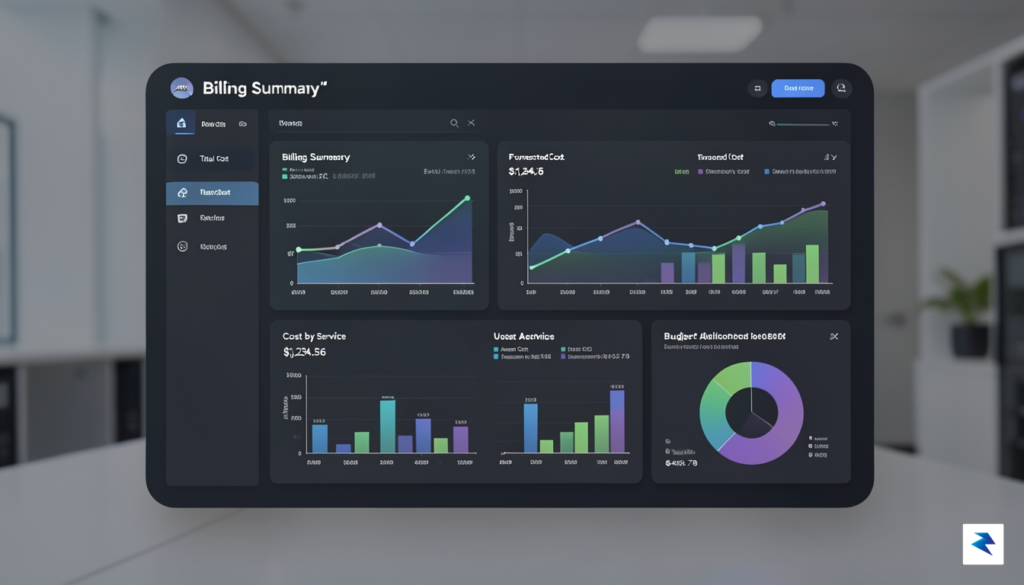
If your account dashboard still displays inaccurate data after the reported fix, open a support ticket immediately. Even if the error appears to be a systemic glitch, having a documented paper trail with AWS support provides you with an essential layer of protection for your financial records.
Maintaining vigilance over the next several days is a prudent strategy, as distributed systems can occasionally experience latency in updating across global regions. If you find that your billing dashboard continues to report inaccurate totals, reach out directly to AWS Support via the support center to request a manual reconciliation of your account. When submitting a ticket, be sure to attach screenshots of the erroneous invoices along with your account ID and the specific timeframes the glitches occurred. This level of proactive communication not only helps you resolve potential lingering issues but also assists AWS engineers in confirming that the fix has been applied universally across their infrastructure. By staying informed and verifying your data manually, you ensure that your cloud spend remains transparent, accurate, and under your control.
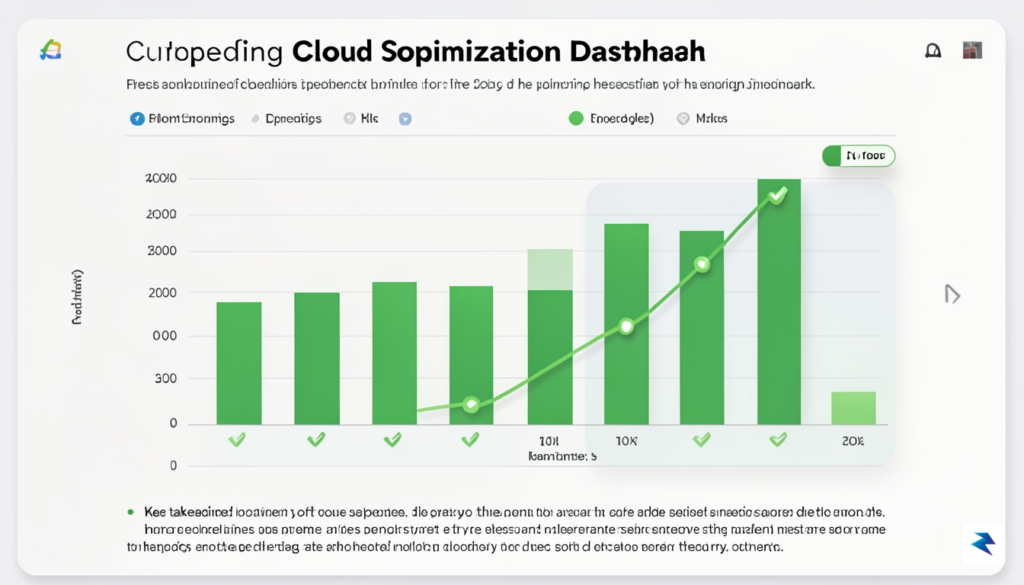
While the prospect of a multi-billion dollar invoice is an outlier, it serves as a stark reminder that cloud infrastructure is dynamic, complex, and prone to occasional technical hiccups. Relying solely on the billing provider’s dashboard is a dangerous gamble; instead, organizations must adopt a strategy of “trust but verify.” The most effective way to safeguard your financial health is by implementing robust, multi-layered guardrails that act as an early warning system against both system-wide errors and accidental resource over-provisioning.
The first step in any comprehensive cost management strategy is to leverage native cloud tools such as AWS Budgets and Cost Anomaly Detection. By establishing granular spending thresholds that trigger immediate notifications, you can catch runaway costs before they scale into catastrophic figures. It is not enough to set a single monthly budget; rather, you should configure alerts based on daily usage spikes, which often signal a misconfigured service or an automated script running amok. By segmenting these budgets by specific departments, projects, or environments, you gain the visibility required to isolate cost drivers instantly.
Beyond native tools, the industry best practice involves integrating third-party cost management platforms that offer cross-cloud visibility and deeper analytical insights. These specialized tools often use machine learning to normalize your spending data, helping you distinguish between legitimate business growth and genuine architectural anomalies. Furthermore, establishing a cadence of regular manual audits is essential. During these reviews, architects should compare the actual consumption of compute, storage, and networking resources against the reported billing line items. If your architectural footprint has remained static but your bill shows a sudden, unexplained climb, you have the data necessary to open a support ticket with confidence.
To ensure long-term financial security, treat your cloud infrastructure budget with the same level of rigorous oversight and security compliance as your codebase or database backups.
Ultimately, these preventative measures transform cloud finance from a reactive chore into a proactive business function. By automating your oversight mechanisms and maintaining a disciplined review process, you insulate your company from the risks of technical glitches and human error alike. Remember that in the world of cloud computing, the most expensive mistake is the one you never saw coming; by preparing for the unexpected, you ensure that your infrastructure supports your innovation rather than depleting your capital.
You must be logged in to post a comment.