Patreon Takes a Stand: Moving Beyond Robots.txt to Block AI Scrapers
The Shift from Robots.txt to Active Blocking For decades, the digital landscape operated under a somewhat quaint, yet largely effective,…
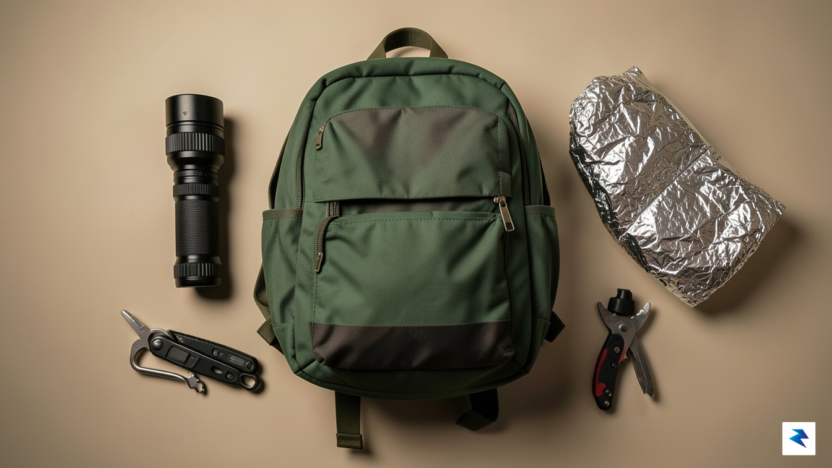
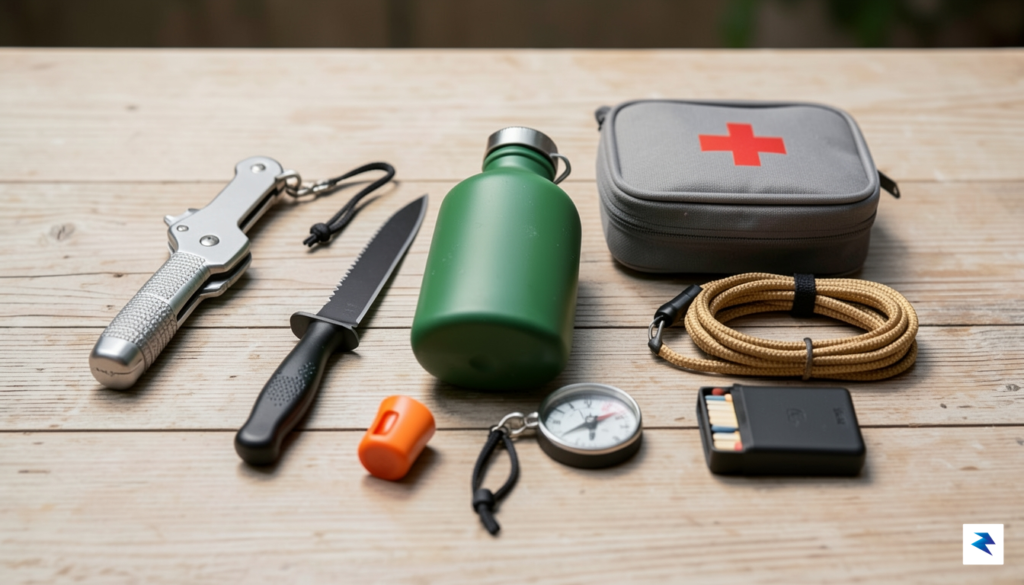
True preparedness is often misunderstood as an expensive competition to see who can accumulate the most high-tech gear. In reality, the most effective survival strategy is rooted in agility rather than accumulation. When you approach disaster readiness from a place of fear, you tend to hoard heavy, redundant items that provide a false sense of security but ultimately become a liability. A resilience-based mindset, by contrast, focuses on the scalability of your resources. It asks a fundamental question: does this item help me move toward safety, or does it anchor me to a static position? By shifting your focus from “having it all” to “having what is necessary,” you transform your kit from a burdensome collection of gadgets into a streamlined system of survival.
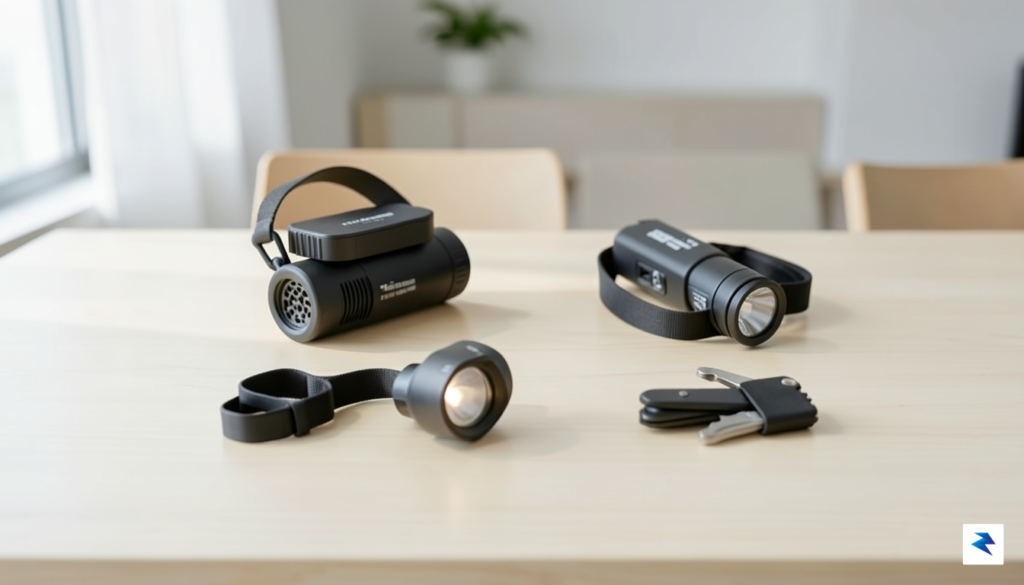
The core of a functional kit relies on the “Rule of Four”: shelter, water, light, and signaling. Every item you choose to include should serve at least two of these functions, or be so vital that its lack would be catastrophic. For instance, a high-quality tarp can serve as both shelter and a signaling device, while a durable water filter eliminates the need to carry gallons of heavy, stagnant water. When you prioritize multi-purpose, lightweight equipment, you reduce the physical strain on your body. This weight management is critical because, in a real-world evacuation, your ability to move quickly across difficult terrain or navigate through congested urban environments is your greatest asset. If you cannot comfortably carry your pack for several miles, it is not an emergency kit; it is simply a heavy box of supplies that you will likely be forced to abandon.
The best survival gear is not the most expensive or the most complex; it is the gear you have practiced with, maintained, and can carry without hesitation when seconds matter most.
Ultimately, your readiness plan should be an extension of your own capabilities rather than a replacement for them. Over-packing creates a psychological barrier to action, as the sheer weight and complexity of a massive kit can lead to decision paralysis during a crisis. By curating a selection of essential, reliable tools, you build confidence in your ability to adapt to changing circumstances. Remember that preparedness is a process of refinement, not a one-time purchase. Regularly audit your gear, remove the “what-if” items that you have never actually used, and replace them with knowledge and skills. A lean, mobile, and well-understood kit is far more valuable than a cavernous bag filled with items you don’t know how to operate.
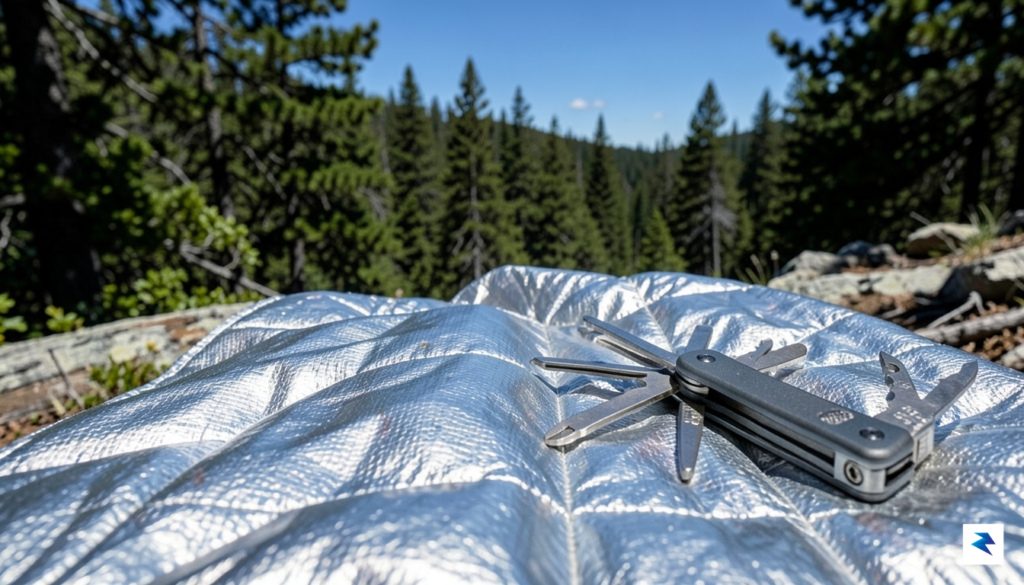
When environmental conditions degrade, your primary objective shifts from convenience to physiological preservation. The most critical layer of defense is thermal regulation, as hypothermia can set in surprisingly quickly even in moderate temperatures if you are wet or inactive. While standard Mylar “space blankets” are popular due to their compact size, they are often prone to tearing and provide limited utility in high-wind scenarios. For a more robust solution, prioritize an emergency bivy sack. These bags utilize a similar heat-reflective material but are constructed in a sealed, sleeping-bag format that traps convective heat far more efficiently than a flat sheet, shielding you from both wind chill and ground moisture.
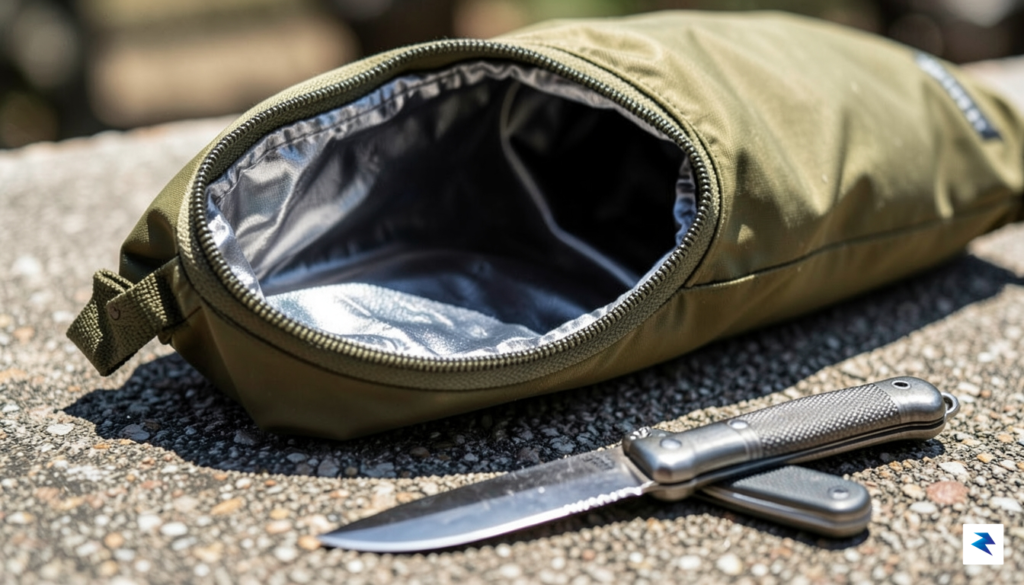
Beyond shelter, your interaction with the physical world requires a precision tool. A high-quality, non-serrated folding knife is an indispensable asset for processing cordage, preparing kindling, or modifying materials for improvised repairs. A straight-edge blade is generally superior to a serrated one for emergency tasks because it is significantly easier to sharpen in the field and provides a cleaner cut for medical applications. When selecting a blade, look for high-carbon stainless steel that balances edge retention with corrosion resistance, ensuring that your primary tool remains functional even after exposure to humidity or salt air.
The core of any emergency kit is not found in the quantity of items, but in the reliability and multi-functionality of each individual component.
Medical preparedness requires a shift in mindset from general-purpose first aid to trauma management. Your baseline kit should move beyond simple adhesive bandages, focusing instead on life-saving interventions. Include a CAT or SOFT-T tourniquet for hemorrhage control, along with vacuum-sealed compressed gauze to pack deep wounds. Additionally, never underestimate the impact of respiratory hazards; in the event of urban fires, chemical spills, or heavy smoke, an N95 or P100 respirator is non-negotiable. These masks are lightweight and easily stored, yet they provide the necessary filtration to maintain air quality, allowing you to evacuate an area safely without risking long-term lung damage from airborne particulates.
By focusing on these high-performance essentials, you move from a state of vulnerability to one of calculated resilience. Each item serves a distinct purpose, yet when combined, they provide a comprehensive system that protects your core body temperature, allows for mechanical problem-solving, and addresses the most frequent causes of preventable mortality in a crisis. Regularly auditing these tools ensures that when the environment turns hostile, your gear is ready to perform exactly as intended.
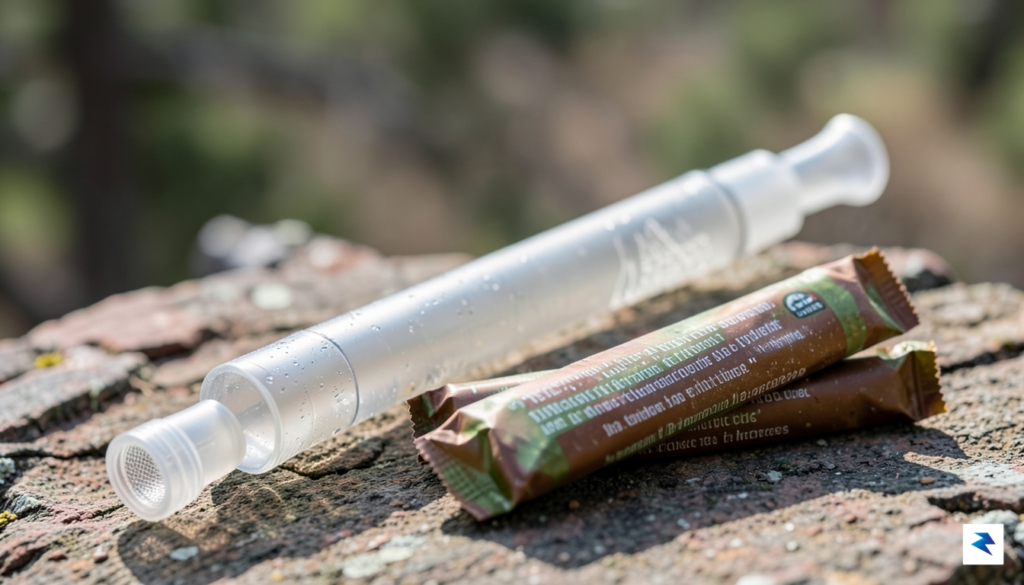
In the high-stress environment of an emergency, the biological demands of your body do not pause; in fact, they often accelerate. Dehydration and hypoglycemia are the silent adversaries of any survival situation, impairing cognitive function and physical stamina long before you realize you are in danger. While the conventional wisdom suggests a standard intake of one gallon of water per day for an average adult, this is a baseline for sedentary comfort rather than a survival mandate. In reality, rationing must be dynamic; you may survive on less if you reduce physical exertion, but you must prioritize intake to maintain the metabolic processes required for clear decision-making. When water sources are questionable, relying on a multi-layered filtration strategy becomes non-negotiable to prevent waterborne pathogens from causing further, fatal fluid loss through illness.
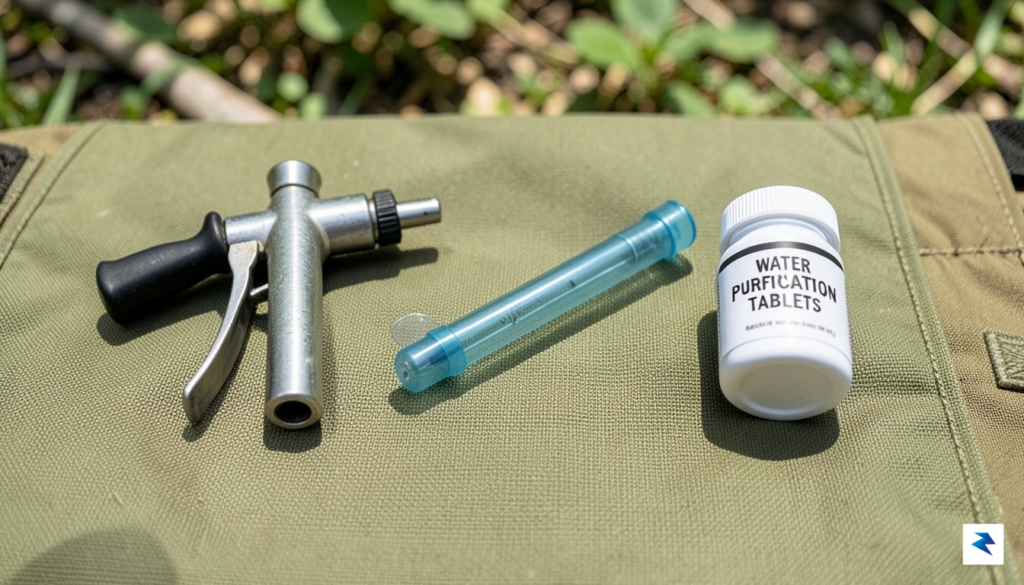
Selecting the right purification method depends on your mobility and the environment you anticipate encountering. Personal filtration straws offer the ultimate portability, allowing you to drink directly from a source, though they are often limited by their inability to handle chemical contaminants or viruses. Conversely, manual pump filters provide a more robust mechanical barrier, effectively removing bacteria and protozoa while offering a higher volume of output for groups. For those with limited space, purification tablets remain the gold standard for backup; while they require a waiting period to neutralize pathogens, they are virtually weightless and provide a chemical fail-safe that mechanical devices cannot match. A layered approach—carrying a filter for immediate access and tablets for long-term storage—ensures that you are never left vulnerable to contaminated supplies.
When selecting food for a go-bag or vehicle kit, you must move beyond the allure of simple sugars, which provide a fleeting burst of energy followed by a debilitating crash. Instead, focus on caloric density—the ratio of calories to the actual weight of the food—to ensure you are carrying the most fuel for the least amount of physical exertion. Foods rich in healthy fats and complex proteins provide a sustained release of energy that stabilizes blood sugar levels over several hours. Furthermore, you must be hyper-aware of salt content; while electrolytes are essential, high-sodium survival rations can inadvertently accelerate dehydration if your water supply is limited.
To maximize efficiency, prioritize foods that require no preparation, no heating, and minimal water to digest. Every ounce of weight saved is an ounce of mobility gained.
Use the following checklist to curate a nutrition plan that keeps your body and mind sharp when resources are scarce:
By balancing these nutritional requirements with a robust water purification strategy, you create a physiological buffer that allows you to weather the storm. Remember that your kit should be reviewed every six months to cycle out items approaching their expiration, ensuring that when the moment of crisis arrives, your fuel is as reliable as your plan.
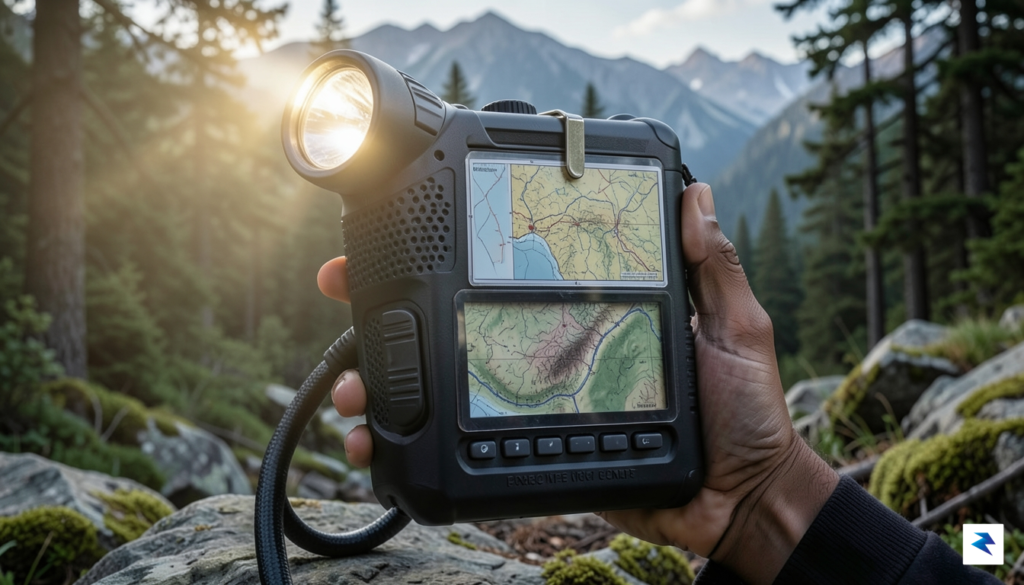
In an era defined by constant connectivity, our reliance on smartphones has created a dangerous blind spot in emergency preparedness. When a disaster strikes and cell towers fail or the power grid falters, your device may quickly become nothing more than a glass-and-metal paperweight. To remain informed and capable, you must supplement your digital tools with hardware that functions independently of infrastructure. The cornerstone of this strategy is a reliable hand-crank or solar-powered weather radio capable of receiving AM/FM and NOAA emergency broadcasts. These devices serve as your primary lifeline to the outside world, providing critical updates on weather patterns, evacuation routes, and government directives long after the internet has gone silent.
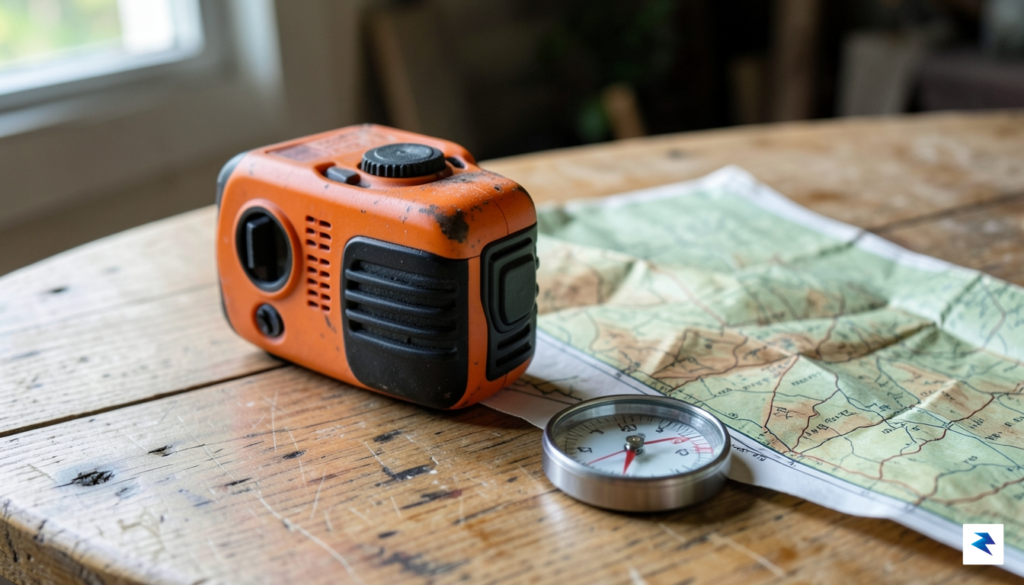
While technology offers convenience, it is prone to failure in extreme conditions, which is why analog navigation tools are non-negotiable for anyone traveling outside their immediate neighborhood. GPS systems are incredibly precise, but they are entirely dependent on satellites and software that can be compromised or obscured by atmospheric interference and power outages. By keeping a high-quality physical road atlas and a standard baseplate compass in your kit, you ensure the ability to navigate regardless of the digital landscape. Learning the basics of terrain association—matching what you see on a map to the physical features around you—is a vital skill that transforms a simple piece of paper into a reliable roadmap to safety.
True independence in a crisis comes from the ability to function when your screen goes dark; always prioritize gear that works without a signal or a plug.
To bridge the gap between low-tech preparedness and modern necessity, you should integrate portable power solutions into your emergency kit. High-capacity power banks are excellent for keeping small electronics alive for a few days, but they are ultimately finite; therefore, pairing them with a foldable, portable solar charger is a more sustainable approach for long-term survival. When selecting these tools, prioritize durability and weatherproofing, as your gear must be able to withstand the same harsh conditions you are trying to escape. By maintaining a diverse toolkit that combines the best of analog reliability with essential power-harvesting technology, you remove the fear of isolation and empower yourself to make informed decisions when it matters most.
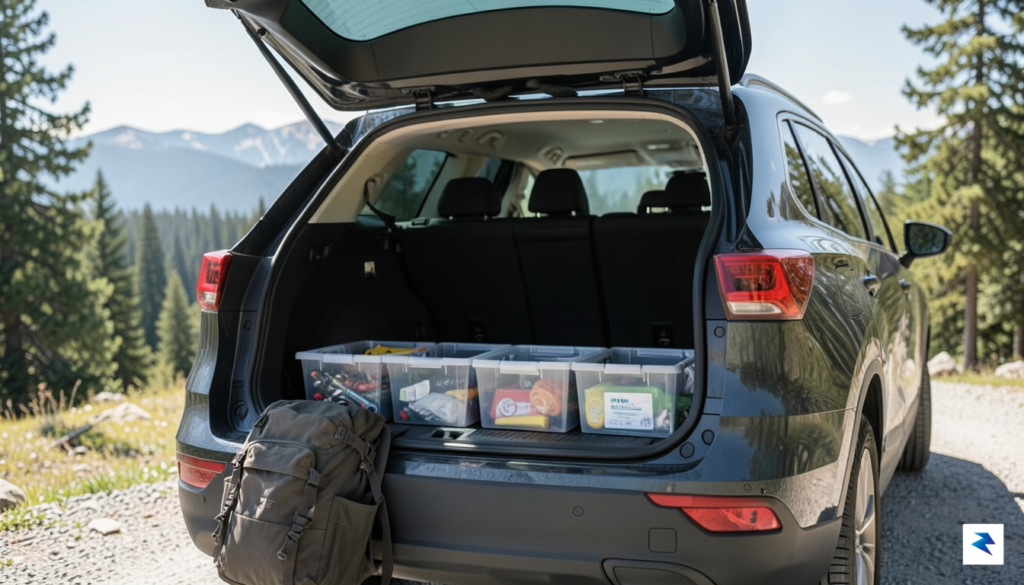
Understanding the distinction between a mobile go-bag and a vehicle-based kit is the cornerstone of effective disaster preparedness. A go-bag is fundamentally an exercise in weight management and mobility; it is designed to be shouldered during an evacuation where your feet are your primary mode of transport. Because you are physically carrying every ounce of your survival gear, you must prioritize lightweight, multi-purpose items that provide high caloric density and immediate shelter from the elements. Conversely, a car kit leverages the storage capacity of your vehicle, allowing for bulkier, heavier equipment that focuses on stationary comfort, vehicle recovery, and long-term sustainment during events like a massive highway gridlock.
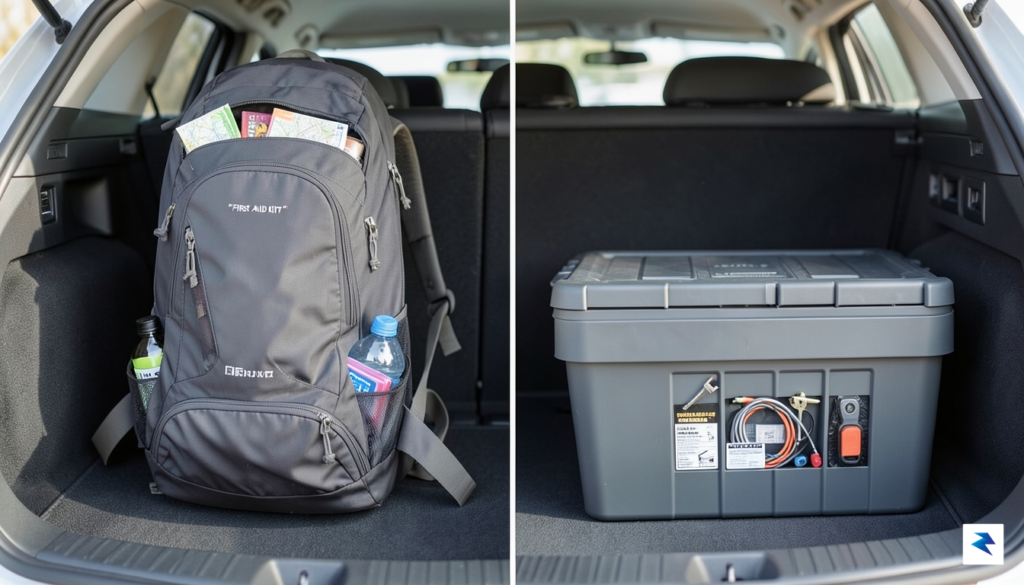
When assembling a go-bag, think in terms of the “rule of threes” and tactical portability. Your priorities should be hydration systems, high-energy non-perishable foods, compact first-aid supplies, and lightweight layers that can handle rapid weather shifts. Since you may be navigating through crowds or debris, your gear should be organized in a durable, ergonomic backpack that allows for hands-free movement. Every item added to this bag must justify its weight; for example, a versatile multi-tool or a high-output headlamp is far more valuable than bulky luxury items that will only serve to slow your pace during a high-stress evacuation.
In contrast, the car kit is your stationary fortress. Since you aren’t limited by the capacity of your own body, you can store heavier items that offer a significantly higher degree of comfort and utility. A robust car kit should include jumper cables, a portable tire inflator, a shovel for snow or mud, and a gallon of water—items that would be impractical to carry on foot but are life-savers if you are stuck in a vehicle for twenty-four hours or more. Beyond vehicle recovery, consider adding a heavy-duty wool blanket, a large-capacity power bank, and a supply of shelf-stable meals that can be prepared with a portable stove. This kit turns your car into a mobile safe zone, providing the endurance needed to wait out infrastructure failures or traffic bottlenecks.
The most effective survival strategy is modularity: your go-bag should act as the core of your preparedness, while your car kit acts as an expansive, supportive layer that bridges the gap between basic survival and long-term resilience.
Regardless of which kit you are focusing on, accessibility and maintenance are non-negotiable. Your go-bag should remain in a dedicated, easily reachable spot near your front door, while your car kit should be secured in the trunk in a way that doesn’t interfere with your spare tire access. Furthermore, seasonal rotation is vital for both. As the weather turns, swap out lightweight summer gear for insulated clothing, ensure your water supplies haven’t leaked or frozen, and verify that your batteries remain charged. By treating your gear as a dynamic, evolving system rather than a “set-it-and-forget-it” collection of items, you ensure that you are ready for the specific demands of any emergency scenario.
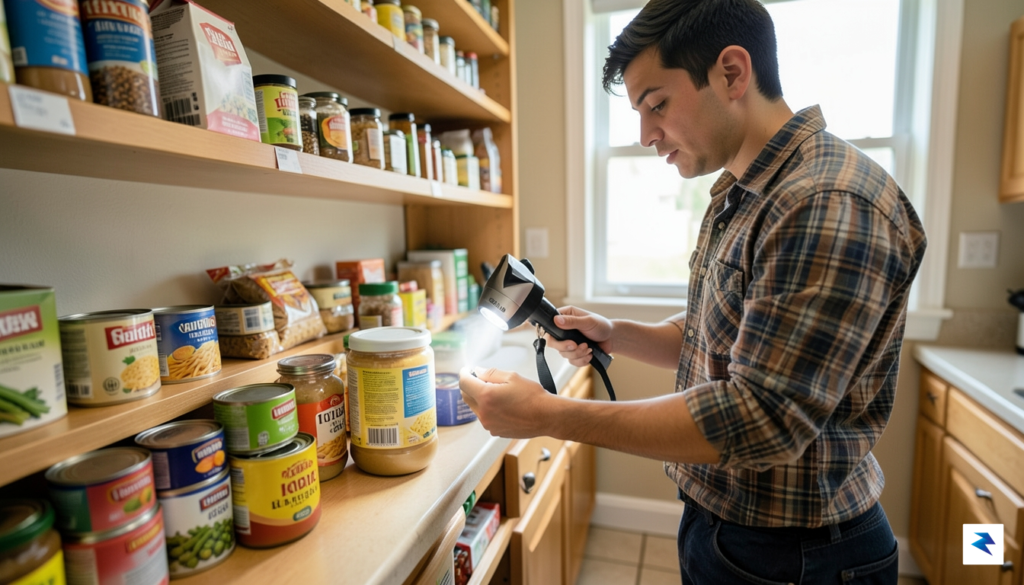
True preparedness is rarely defined by the moment you purchase your gear; rather, it is found in the quiet, consistent discipline of stewardship. Treating your emergency kit as a “set it and forget it” project is a dangerous fallacy, as environmental factors, expiration dates, and mechanical decay inevitably compromise the utility of your supplies over time. When you view readiness as an iterative lifestyle rather than a one-time chore, you shift your perspective from passive ownership to active management. This commitment ensures that when the unexpected happens, your equipment is as reliable as your intention to survive.
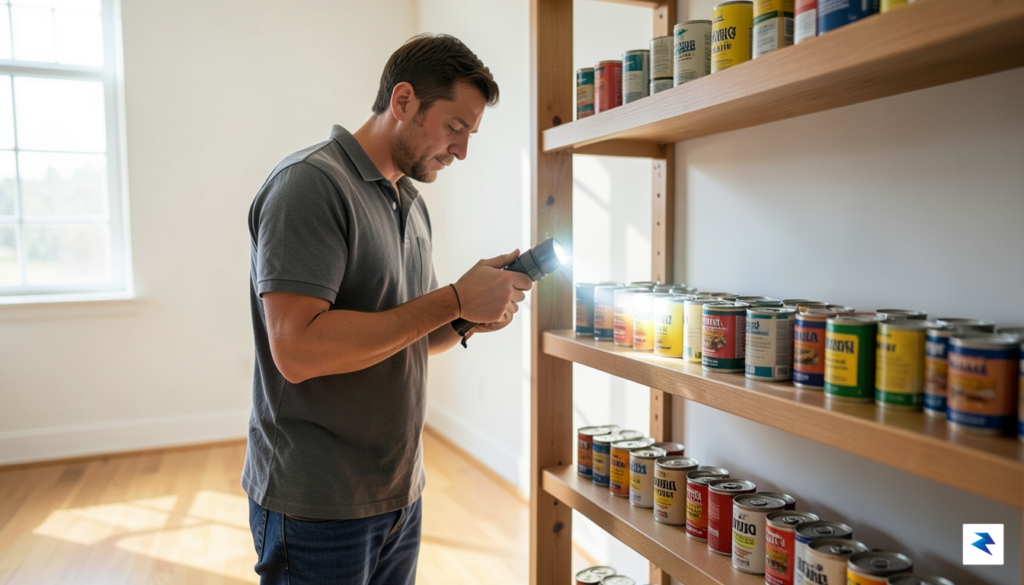
To keep your supplies in peak condition, establish a quarterly maintenance ritual that systematically addresses the vulnerabilities of your kit. Every three months, dedicate time to inspect your gear with a critical eye, focusing on the following essential tasks:
Preparedness is not the act of hoarding supplies, but the development of a calm, adaptive mindset that transforms panic into a series of logical, pre-rehearsed steps.
Beyond physical maintenance, the most critical component of your survival strategy is the mental “dry run.” It is one thing to own a fire extinguisher or a tactical trauma kit; it is quite another to know exactly how to deploy them under the physiological stress of an emergency. Conduct simple drills—such as practicing the assembly of your go-bag in the dark or navigating your vehicle’s emergency kit while wearing gloves—to build muscle memory. These repetitions serve to lower your heart rate and sharpen your focus when reality finally intersects with your plan. By normalizing the process of self-reliance, you transform preparedness from a burdensome task into a foundational habit that grants you the clarity to act decisively when every second counts.
You must be logged in to post a comment.