
Beyond Earth: Astronomers Confirm Atmosphere on Rocky Exoplanet
Introduction: A Milestone in Exoplanet Research For decades, the hunt for life beyond our solar system has been defined by a frustrating…


For decades, the gaming console has existed in a state of perpetual tension between the manufacturer’s desire for a closed, controlled ecosystem and the hacker community’s insistence on hardware sovereignty. This philosophy of “owning your hardware” suggests that once a consumer purchases a device, they should possess the fundamental right to run whatever software they choose on it. This movement gained significant cultural traction during the PlayStation 3 era, when Sony officially supported the “OtherOS” feature, allowing users to install Linux directly onto their consoles. When that feature was unceremoniously stripped away in 2010, it catalyzed a lasting resentment among power users who saw it as a betrayal of the open-computing spirit, effectively turning a versatile workstation into a locked-down media box.

The current push to bring Linux to the PlayStation 5 is essentially a spiritual successor to those early days of console modding. Today’s enthusiasts are driven by the realization that modern consoles are, in every technical sense, highly efficient personal computers hiding behind proprietary software layers. With the PS5 boasting a powerful custom AMD Zen 2 CPU and RDNA 2 graphics architecture, it represents a significant amount of untapped performance that is currently tethered to the constraints of the Sony operating system. By installing Linux, modders aim to bypass these restrictions, transforming a single-purpose entertainment device into a high-performance computer capable of general-purpose tasks, scientific computing, or simply serving as a sandbox for experimental software that Sony would never permit in their digital storefront.
The core motivation here is not merely to pirate games or bypass DRM; it is about reclaiming agency over sophisticated hardware that the user has rightfully purchased.
Beyond the philosophical drive for transparency and freedom, there is a profound practical appeal to running Linux on such specialized hardware. Enthusiasts are often drawn to the challenge of optimizing open-source kernels to interact directly with custom silicon, effectively pushing the boundaries of what the hardware can achieve outside of its intended gaming environment. For the developer or the tinkerer, the ability to compile their own applications, manage their own filesystems, and strip away the bloated background processes of a standard console OS offers a level of customization that is increasingly rare in the modern tech landscape. Ultimately, this movement is a testament to the fact that for many, a console is not just a toy—it is a piece of powerful engineering waiting to be fully unleashed.
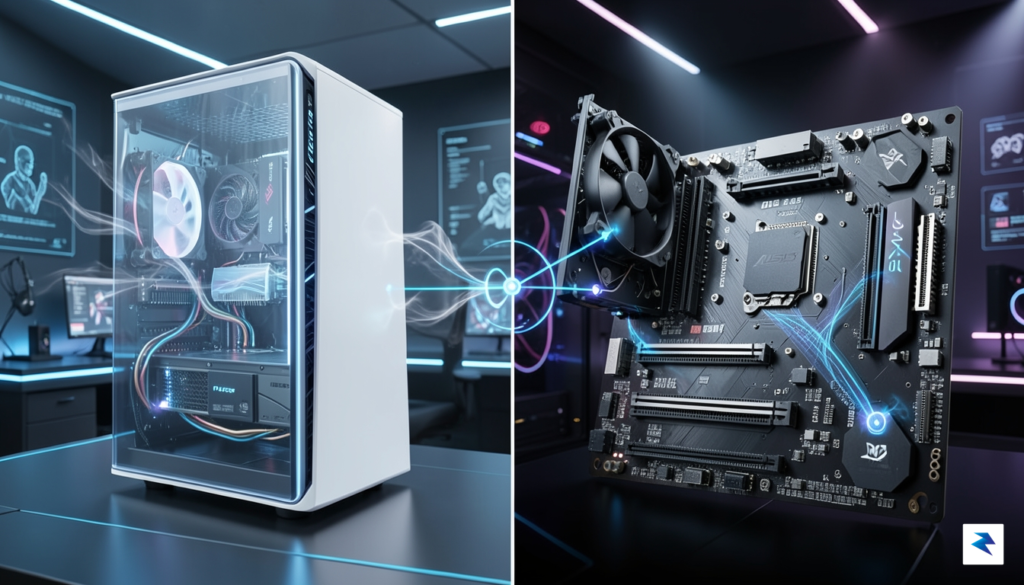
Beneath the iconic, sweeping white curves of the PlayStation 5, the console is far less of a mysterious “black box” than its predecessors. At its core, the system is built upon a semi-custom Accelerated Processing Unit (APU) designed by AMD, which bridges the gap between console gaming and desktop computing. This chip integrates an eight-core Zen 2 processor with a custom RDNA 2 graphics architecture, effectively mimicking the same fundamental silicon found in mid-to-high-tier gaming PCs from the same era. Because these components rely on the x86-64 instruction set—the same architecture that powers virtually every modern Windows and Linux desktop—the hardware is inherently capable of executing general-purpose computing tasks.
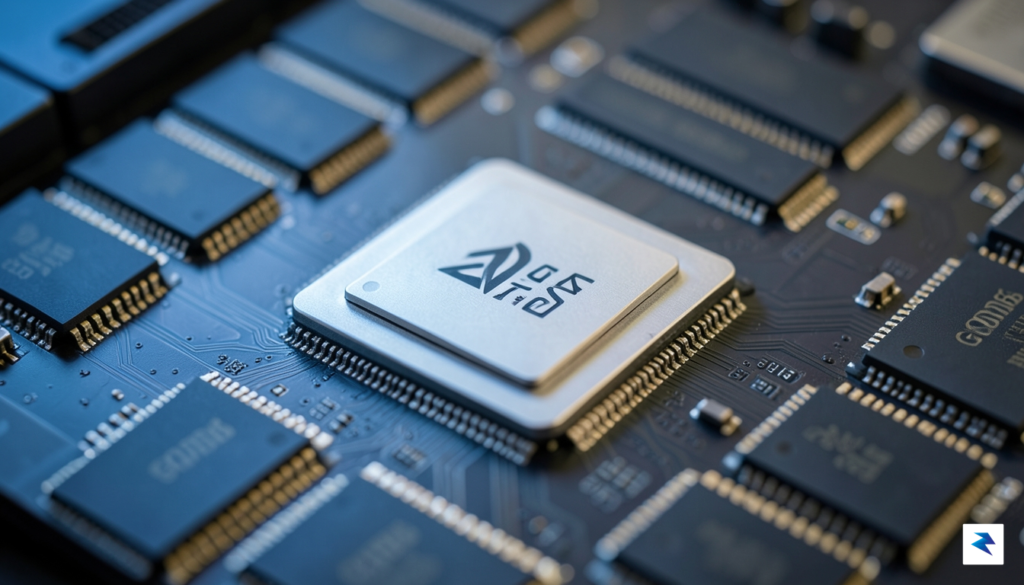
In terms of pure compute power, the PS5’s performance profile sits comfortably in the neighborhood of a PC equipped with a mid-range graphics card, such as an AMD Radeon RX 6700 series. While Sony has optimized the interaction between the hardware and the internal SSD to achieve unparalleled loading speeds, the underlying logic remains familiar to anyone who has built a gaming rig. The system utilizes unified memory, meaning the processor and graphics unit share a pool of high-speed GDDR6 RAM, a design choice that streamlines data throughput but complicates the standard desktop memory management approach. Despite these proprietary optimizations, the hardware is not fundamentally alien; it is essentially a highly refined, specialized PC packaged in a consumer-friendly form factor.
This structural familiarity is precisely why the open-source community views the console as a prime candidate for alternative software. Since the CPU and GPU are designed to run instructions that standard operating systems already understand, the primary barrier to turning the PS5 into a functional computer is not the silicon itself, but the “walled garden” of Sony’s firmware.
The PlayStation 5 is effectively a high-performance PC restricted by a locked-down bootloader and a proprietary operating system, rather than a device with incompatible, exotic hardware.
If the software-level restrictions were removed, the hardware is more than capable of handling a Linux distribution. A user could theoretically leverage the RDNA 2 architecture to run productivity software, web browsers, or even desktop-class development environments. By replacing the restrictive Sony interface with a Linux kernel, the console could transcend its role as a gaming-only machine, transforming into a versatile, high-powered desktop workstation for those willing to bypass the manufacturer’s digital gates.

In the high-stakes world of console security, progress is often dictated by the intersection of intellectual curiosity and tangible reward. While open-source development frequently relies on the passion of hobbyists, the introduction of a $10,000 bounty acts as a powerful accelerant, transforming a niche interest into a high-priority engineering objective. This financial incentive is not merely a prize; it serves as a professional signal to the cybersecurity community that the time and effort required to pierce Sony’s formidable security layers are valued. By setting a concrete monetary goal, the organizers have effectively gamified the labor-intensive process of kernel exploitation, attracting top-tier talent who might otherwise dedicate their expertise to more traditional corporate bug-bounty programs.
The bounty, backed by prominent figures within the enthusiast and security research scenes, operates on a principle common in the white-hat hacking world: specialized labor deserves fair compensation. Analyzing a system as complex as the PlayStation 5 requires thousands of hours of reverse engineering, vulnerability research, and experimental code execution. Unlike simple software bugs, kernel-level exploits demand an intimate understanding of low-level hardware interactions and proprietary firmware architectures. By pooling resources to provide a significant payout, the community ensures that developers can justify the immense “opportunity cost” associated with spending months dissecting the PS5’s encrypted security processor and hypervisor environments.
The true power of this bounty lies in its ability to synchronize the efforts of decentralized researchers, providing a common target that bridges the gap between disparate hacking collectives.
This strategic approach to incentivization is particularly significant because it legitimizes the “Open PS5” movement as a serious technical endeavor rather than a mere act of digital vandalism. When hackers work in isolation, progress is often fragmented and prone to stalling as individuals lose interest or move on to other projects. However, a bounty creates a shared milestone that encourages collaboration and the open sharing of findings. It turns the hunt for an exploit into a competitive yet cooperative race, where the collective goal is to restore the user’s agency over their own hardware. By placing a high value on the breakthrough, the initiative effectively forces the pace of development, compelling the security community to tackle the most stubborn, deep-seated obstacles within the console’s operating system.

Ultimately, this financial push is about more than just the money; it is about establishing a precedent for hardware autonomy in an era of increasingly locked-down consumer electronics. By offering a substantial reward for enabling open-source access, the bounty organizers are sending a clear message to the industry: consumers demand the right to repurpose the devices they own. Whether or not the $10,000 goal successfully yields a fully functional, open-source computer experience remains to be seen, but the incentive structure is undeniably shifting the landscape. It creates a professionalized environment where ingenuity is rewarded and where the barriers to entry for hardware modification are systematically dismantled, one exploit at a time.

Transforming the PlayStation 5 into a general-purpose computer is far more complex than simply booting from a USB drive or installing a standard Linux distribution. At the heart of this resistance is Sony’s meticulously engineered “Chain of Trust,” a multi-layered security architecture designed to ensure that only authorized, digitally signed code can ever run on the machine. From the moment the power button is pressed, the hardware verifies every single component—from the bootloader to the kernel—against cryptographic keys burned directly into the silicon. If even a single byte of code does not match the expected digital signature, the system refuses to initialize, effectively locking out any unauthorized operating system before it can even begin to load.
The most significant barrier in this environment is the hypervisor, a sophisticated layer of software that sits between the hardware and the operating system. Think of the hypervisor as a digital bouncer that exerts total control over the system’s resources, such as memory access and processor instructions. By isolating the console’s primary operating system from the raw hardware, the hypervisor ensures that even if a user were to find a way to manipulate the software, they would still be restricted by the hypervisor’s rigid security policies. Any attempt to boot an alternative kernel, like Linux, is immediately identified as an anomaly, triggering a system halt that protects the integrity of the platform.

Because the current console firmware is patched with extreme frequency, finding a way to bypass these defenses requires the discovery of a “zero-day” exploit—a previously unknown vulnerability that Sony’s engineers have yet to identify or fix. These vulnerabilities often exist within the complex drivers or the proprietary firmware that manages the console’s custom AMD APU. To achieve code execution, a researcher must chain together multiple flaws: perhaps one to gain a foothold in the web browser, another to escalate privileges, and a final, critical exploit to break out of the hypervisor’s constraints entirely.
The difficulty of this task cannot be overstated; hackers are not just fighting software, but a synchronized hardware-software ecosystem that treats every unauthorized instruction as a malicious attack.
Consequently, the path forward is an arduous game of cat and mouse. Even when a researcher identifies a potential entry point, the system’s internal memory randomization and hardware-backed security features often render the exploit unstable or ineffective. To successfully turn the PS5 into a PC, the community must navigate these layers without triggering a permanent lockout or a system “brick.” It is a delicate balance of technical precision, where the goal is to convince the console to run an open-source kernel without alerting the very security mechanisms that were built specifically to stop it.

At its core, the effort to unlock the PlayStation 5 is about much more than just gaining access to a desktop environment or sideloading unauthorized software. It is a fundamental assertion of hardware ownership in an era where manufacturers increasingly treat the devices we purchase as mere temporary licenses. When Sony restricts the PS5 to a curated, locked-down ecosystem, they are effectively limiting the utility and lifespan of the machine to the specific whims of their corporate roadmap. By pushing to run Linux on this powerful hardware, the hacking community is challenging the paradigm of “walled gardens,” arguing that once a consumer pays for a device, they should possess the autonomy to repurpose it as they see fit, especially when the manufacturer eventually decides to pull support.
This movement aligns perfectly with the growing global Right to Repair initiative, which seeks to dismantle the barriers companies erect to prevent users from modifying or fixing their own property. For too long, tech giants have utilized restrictive firmware and proprietary software locks to force consumers into a cycle of planned obsolescence. When we cannot install alternative operating systems or perform independent repairs, we are left at the mercy of a manufacturer’s decision to stop providing updates or spare parts. By turning a console into a functional computer, enthusiasts are proving that hardware often has a much longer shelf life than the software ecosystem intended for it, thereby pushing back against the culture of disposability.
“True ownership of a device is defined by the ability to control its software, not just the physical chassis. If you cannot modify it, you do not truly own it.”
Beyond the ethical implications of ownership, there is a significant environmental argument for this kind of hardware liberation. Every console that is retired simply because its primary manufacturer has moved on to the next generation represents a massive amount of electronic waste. Repurposing these powerful machines into desktop computers, media servers, or research nodes keeps functional silicon out of landfills and reduces the demand for new resource-intensive electronics. When we defend the right to modify our hardware, we are not just engaging in a technical hobby; we are advocating for a more sustainable future where devices are valued for their raw processing power rather than their status as a single-use consumer product. Ultimately, these hackers are reminding the tech industry that consumers are not just users to be managed, but owners who deserve the freedom to extend the life and utility of the technology they have bought and paid for.
You must be logged in to post a comment.