
Taylor Farms Recalls Iceberg Lettuce: What You Need to Know About the Cyclospora Outbreak
Understanding the Cyclospora Outbreak and Taylor Farms Recall In a proactive effort to safeguard public health, Taylor Farms recently…
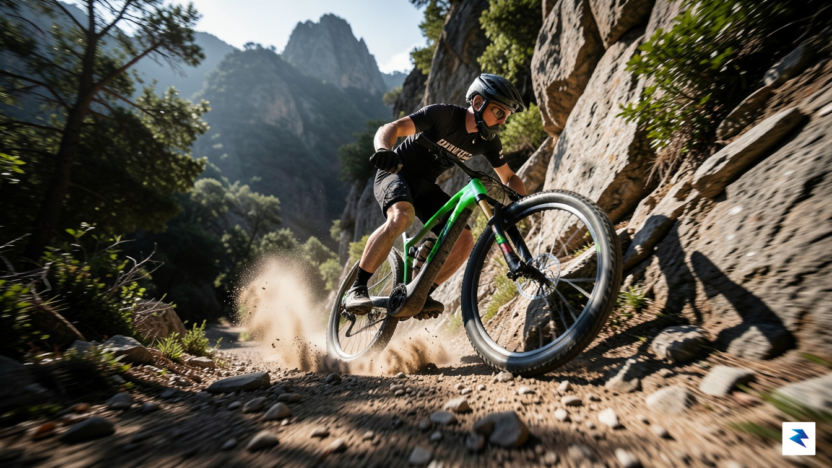
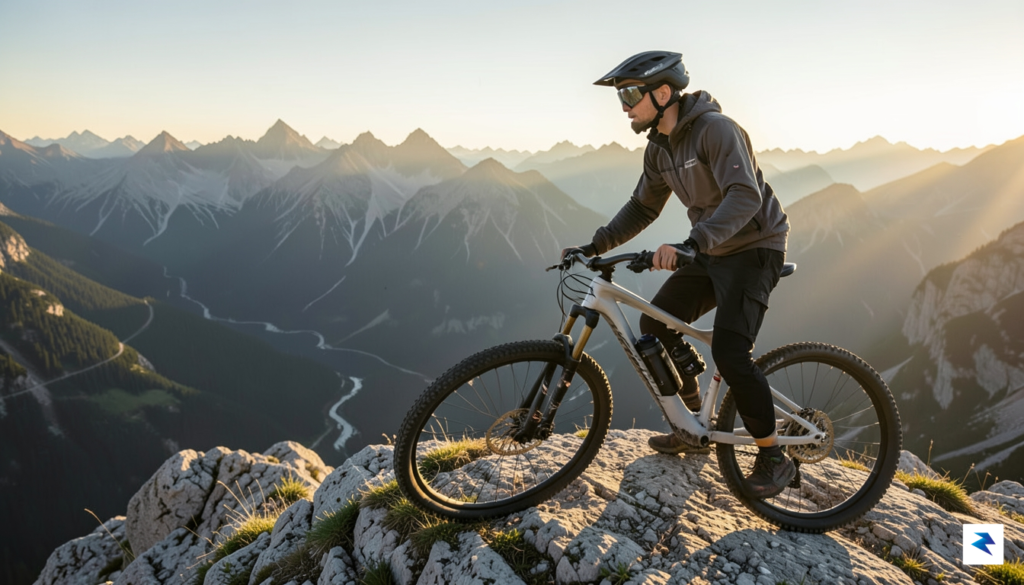
For years, the mountain biking community has guarded its sanctity with a rigid, almost puritanical obsession with the concept of “earning your turns.” The prevailing narrative suggested that unless you were suffering under your own power—lungs burning and legs screaming—you hadn’t truly experienced the trail. When electric mountain bikes first hit the mainstream, they were met with a wave of hostility, branded as “cheater bikes” for those too lazy to put in the work. This stigma was rooted in the idea that cycling is defined by physical output alone, effectively gatekeeping the sport behind a barrier of aerobic suffering. However, this narrow definition ignores the fundamental joy of mountain biking: the connection to the landscape, the flow of the descent, and the technical mastery required to navigate challenging terrain.
The transition from viewing e-bikes as a shortcut to recognizing them as a legitimate evolution of the sport is, at its core, a psychological shift. Many riders who once championed the traditionalist view have found that as their schedules tighten or their physical capabilities wane, an electric-assist bike isn’t a replacement for effort, but a multiplier of experience. By flattening the steepest climbs, these machines allow riders to spend more time in the “fun zone,” turning a grueling two-hour slog into a series of repeatable, high-intensity descents. The “cheating” label falls apart when you realize that the goal of recreational cycling is to maximize enjoyment and accessibility, not to win a grueling stage of the Tour de France.
Furthermore, the resistance toward e-bikes often mirrors the historical skepticism that greeted other technological leaps in the cycling world, such as the transition from rigid frames to full-suspension bikes or from rim brakes to hydraulics. Each innovation was initially dismissed by purists as a way to “soften” the sport, yet today, these advancements are recognized as essential tools that allow us to ride faster, safer, and further. The modern e-mountain bike is simply the latest chapter in this progression. It democratizes the trail, inviting older riders to stay in the game longer, helping injured cyclists recover through managed output, and allowing casual enthusiasts to keep pace with their more conditioned peers.
The true measure of a cyclist isn’t the presence or absence of a motor; it is the quality of the experience and the respect shown to the trail and fellow riders.
Moving beyond the “cheater” narrative requires us to acknowledge that personal satisfaction in sport is subjective. For some, the silence and purity of a non-assisted bike remain the ultimate goal, and that is a perfectly valid perspective. However, dismissing those who choose pedal-assist technology misses the broader cultural shift toward inclusivity. When we stop policing how others choose to engage with the wilderness, we open the door to a more vibrant, diverse, and sustainable cycling community. Ultimately, electric mountain bikes aren’t taking anything away from the sport; they are expanding the definition of what is possible, proving that the most important part of the ride is simply getting out there.
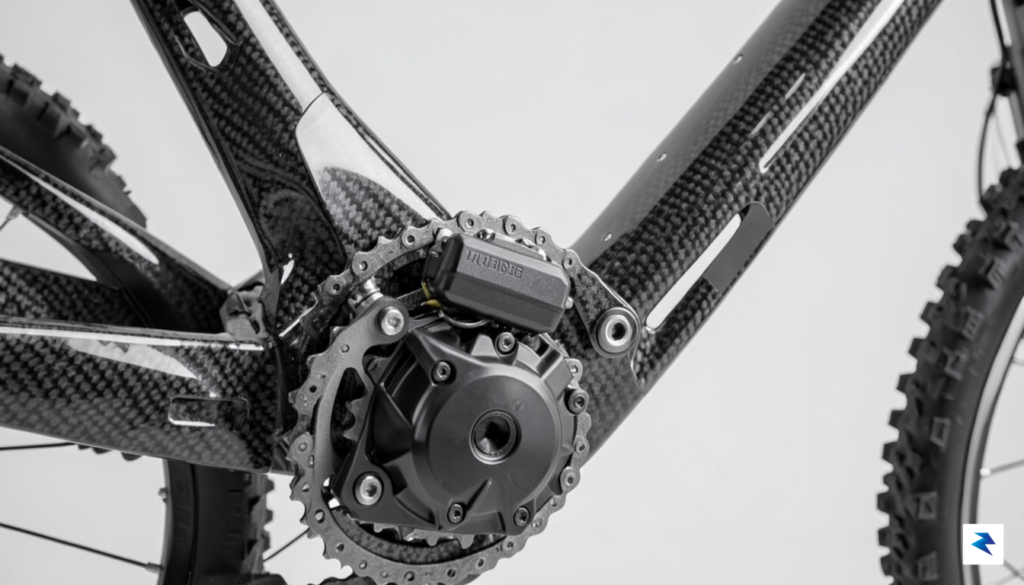
Modern electric mountain bikes are a far cry from the early, clunky attempts at motor-assisted cycling. These aren’t simply standard mountain bikes with an engine bolted onto the frame; instead, they represent a significant leap in precision engineering, demanding a re-evaluation of what a performance mountain bike can be. Manufacturers like Amflow, with models such as the PX, are at the forefront of this revolution, meticulously integrating complex electronics and mechanical systems into a cohesive, high-performance package. The result is a sophisticated vehicle designed from the ground up to leverage electronic power without compromising the exhilarating ride experience that defines mountain biking. This integration requires a new level of mechanical understanding, pushing the boundaries of what’s possible on two wheels.
A core challenge in e-MTB design has always been managing the additional weight of the battery and motor. Contemporary engineering has masterfully addressed this by centralizing mass as low and as close to the bottom bracket as possible, significantly improving stability and handling responsiveness. Advancements in battery technology have dramatically increased energy density, allowing for smaller, lighter power units that integrate almost seamlessly into the frame’s downtube, often becoming nearly invisible. Furthermore, modern motors deliver their substantial torque in a surprisingly refined and intuitive manner, providing assistance that feels like an extension of the rider’s own power, rather than an abrupt, disconnected push.
Comparing the ride dynamics of a cutting-edge e-MTB to a traditional “acoustic” bike reveals a nuanced evolution rather than a complete departure. While undeniably heavier, the intelligent placement of components, combined with carefully optimized frame geometry, means that a well-designed e-MTB can still feel remarkably balanced and agile on the trail. The assistance provided by the motor often allows riders to maintain momentum over technical climbs and through challenging sections, which paradoxically can enhance the feeling of flow and control. This engineered balance ensures that while the bike offers robust electronic power, it retains the nimble, responsive character crucial for true mountain biking prowess.
Achieving this delicate balance between raw electronic power and trail agility is a testament to sophisticated design principles. Engineers meticulously optimize every aspect, from head tube angles and chainstay lengths to bottom bracket height, all while accounting for the unique forces and weight distribution of the drive system. Frame materials are often reinforced in key areas to handle increased stresses, yet they are also crafted to maintain a degree of flex and responsiveness essential for navigating varied terrain. The goal is to create a machine that doesn’t just climb faster, but descends with confidence and carves corners with precision, leveraging its power without becoming unwieldy or difficult to manage.
Perhaps nowhere is this specialized engineering more apparent than in the suspension systems of modern e-MTBs. The added weight, higher speeds, and increased forces generated by the motor mean that standard suspension setups often fall short. Consequently, manufacturers have developed e-MTB specific forks and shocks featuring increased damping, stronger internals, and larger air volumes to cope with the elevated demands. This advanced tuning allows the suspension to absorb impacts more effectively, maintain traction across diverse surfaces, and prevent harsh bottom-outs, ensuring a controlled and comfortable ride even when pushing the limits. It’s this dedicated approach to every component that truly elevates the e-MTB into a legitimate, high-performance machine, requiring a refined riding technique to unlock its full potential.
[IMAGE: A detailed close-up of the integrated
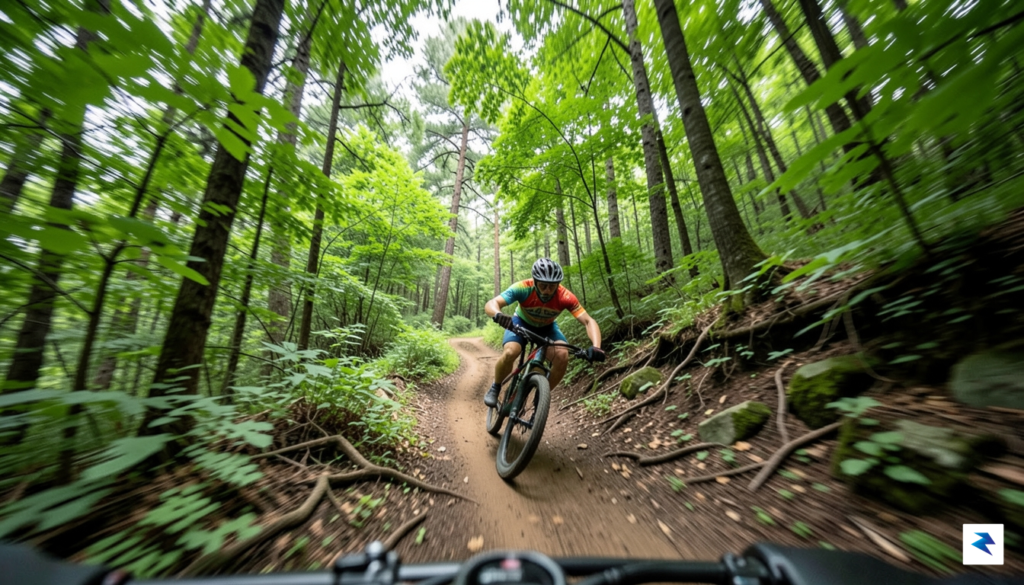
For many years, the mountain bike experience was synonymous with a certain degree of suffering. It was often a test of endurance, a gritty battle against gravity and personal limits, frequently leaving riders utterly depleted but perhaps (sometimes) satisfied. However, with the advent of electric mountain bikes, this paradigm is undergoing a profound transformation. What was once primarily an arduous physical challenge is now rapidly evolving into an unadulterated tool for pure, joyful exploration. This fundamental shift – from a test of suffering into an instrument of boundless adventure – is precisely the secret behind the infectious smiles you see on the faces of e-bike riders, a testament to a newfound liberation on the trails.
The most immediate and impactful benefit of an e-MTB is its ability to dramatically extend your range. Imagine trails and vistas that were previously deemed too far, too steep, or simply too daunting for a single outing. With the subtle, yet powerful, assistance of an electric motor, those inaccessible horizons suddenly become reachable. Riders are no longer bound by their current fitness levels; instead, they are empowered to venture deeper into the wilderness, discover hidden gems, and experience a broader tapestry of landscapes in a single ride. This enhanced accessibility doesn’t diminish the workout; rather, it redefines it, allowing for longer, more engaging rides without the crushing fatigue that often cuts adventures short.
This extended range fundamentally alters how riders approach the terrain, particularly when it comes to climbs. Traditional mountain biking often meant picking your battles, perhaps one major ascent per ride before energy reserves dwindled. Now, the game changes entirely. E-bikes allow riders to confidently tackle multiple technical climbs throughout their journey, linking together sections of trail that were once disconnected by exhausting ascents. This means more diverse terrain covered, more breathtaking summit views earned, and a richer, more varied riding experience overall. The focus shifts from merely surviving the climb to actively enjoying the journey upwards, knowing that even more exhilarating challenges await.
Perhaps even more profound is the impact on technical descents. When riders conserve significant energy on the climbs, they arrive at the top of descents feeling fresh, alert, and ready to truly engage with the trail. This translates directly into improved control, better line choices, and a heightened sense of ‘flow’ – that sublime state where rider and bike move as one, effortlessly gliding over obstacles. Fatigue, conversely, often leads to stiff arms, blurry vision, and cautious, survival-mode riding, increasing the likelihood of mistakes or a less enjoyable descent. By reducing uphill exhaustion, e-bikes allow riders to tap into their full potential on the downhills, savoring every twist, turn, and jump with precision and confidence, enhancing both safety and the sheer thrill of the ride.
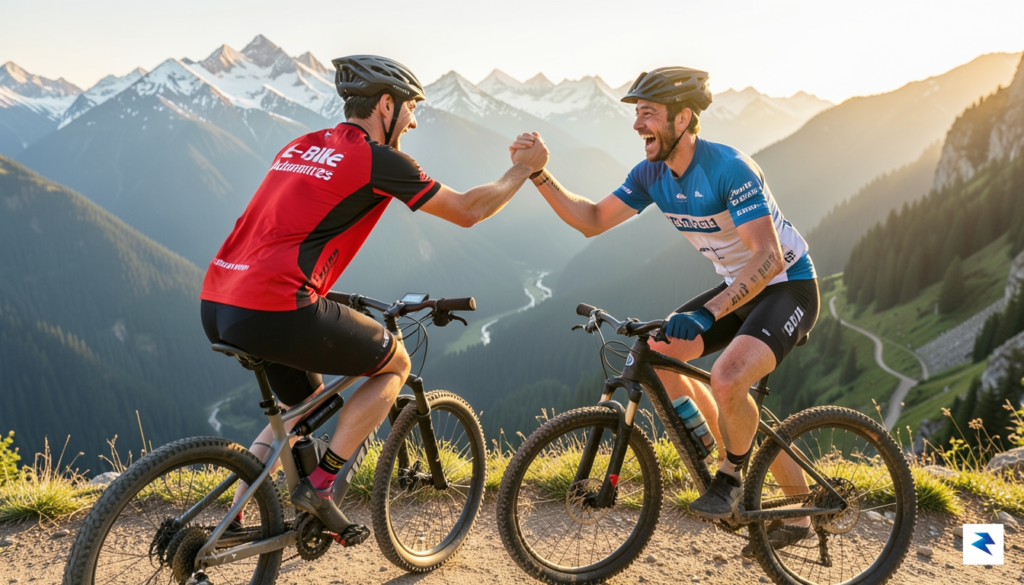
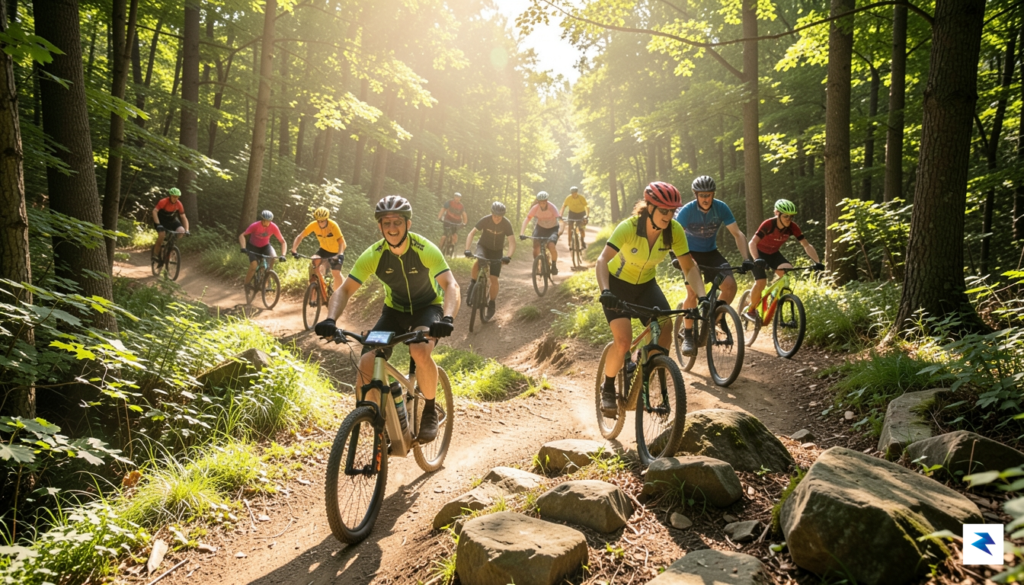
Beyond individual prowess, e-mountain bikes are also revolutionizing the social aspect of riding. One of the biggest challenges for groups of friends has always been disparate fitness levels, often resulting in some riders feeling held back and others feeling pushed beyond their limits. E-bikes elegantly resolve this dilemma, effectively leveling the playing field. Friends of varying strengths can now embark on epic adventures together, sharing the joy of long rides, challenging climbs, and thrilling descents without anyone being left behind or feeling guilty about slowing the group. This fosters a stronger sense of camaraderie, allowing for more shared experiences and lasting memories on the trails.
Ultimately, the qualitative benefits of electric mountain bikes boil down to one core principle: they amplify the joy of mountain biking by diminishing its inherent barriers. They empower riders to explore further, climb higher, descend with greater confidence, and share these incredible experiences with friends, all while preserving the fundamental thrill of being out in nature on two wheels. It’s not about making the sport easier; it’s about making it more accessible, more enjoyable, and ultimately, more fulfilling for a wider range of enthusiasts.
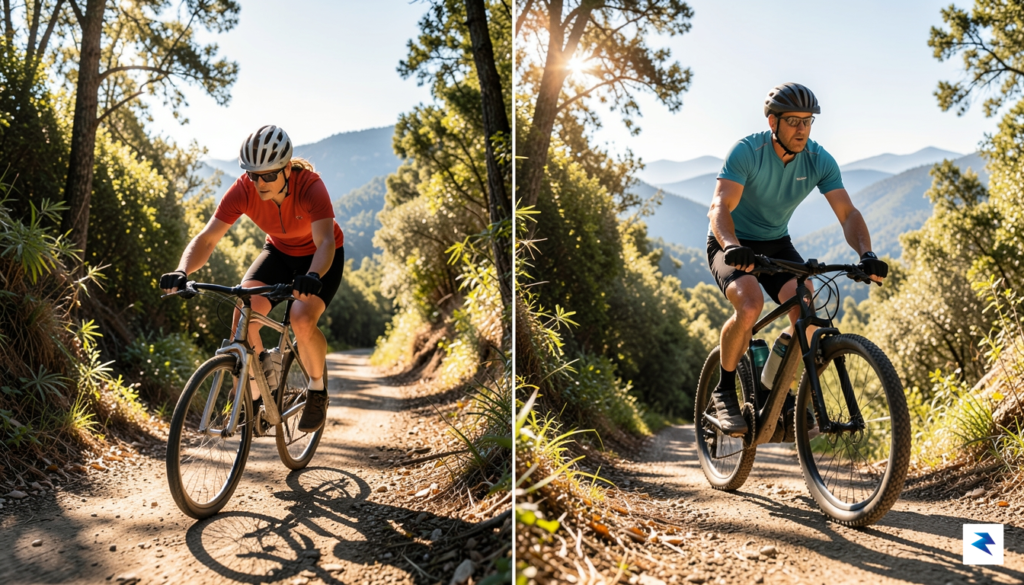
The most persistent critique leveled against electric mountain bikes is the notion that they function as a “cheat code,” effectively stripping the physical rigor from the sport. However, empirical evidence and real-world heart rate data tell a far more nuanced story. Research suggests that while e-bike riders utilize motor assistance to smooth out the steepest gradients, they often compensate by choosing longer routes and tackling more technical terrain that would otherwise be beyond their reach. Instead of spending 45 minutes grinding up a fire road in a state of exhaustion, an e-bike rider might spend two or three hours in the saddle, keeping their heart rate squarely in the aerobic zone for the duration of the ride. By extending the time spent on the bike, these riders frequently accumulate a higher total caloric burn than their analog counterparts, debunking the myth that the motor replaces the effort.
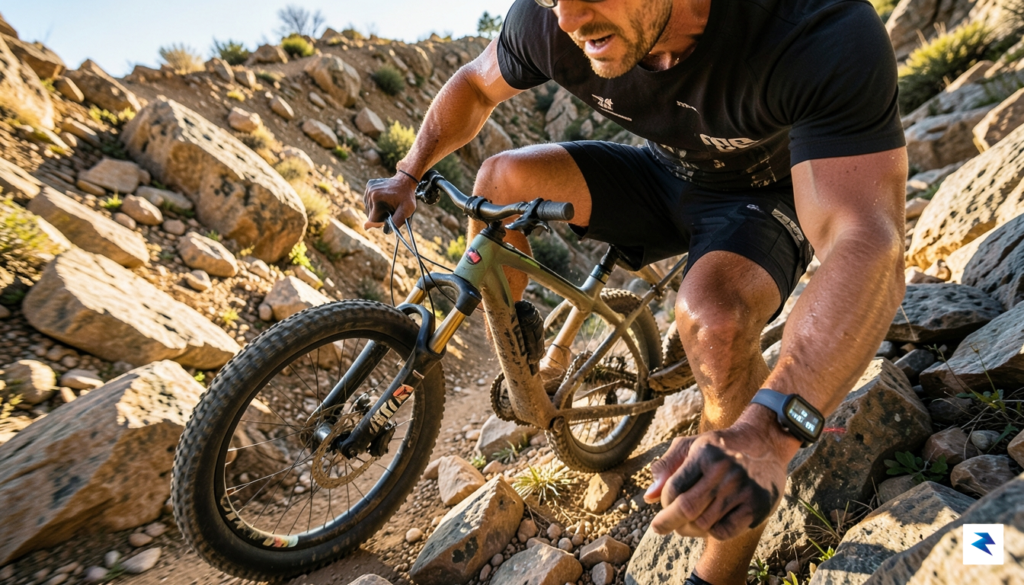
Beyond the raw metrics of fitness, e-bikes serve as a vital lifeline for riders who might otherwise be forced to retire from the sport prematurely. As athletes age or navigate the complexities of chronic joint issues, the high-torque demands of traditional mountain biking can become prohibitive. Electric assist offers a manageable way to maintain muscle tone and cardiovascular health without the bone-jarring impact of pushing a heavy, non-motorized frame up a steep incline. Similarly, for those recovering from injury or managing physical limitations, the “pedal-assist” function acts as a physical equalizer, allowing them to remain active and connected to the cycling community. This inclusivity ensures that mountain biking remains a lifelong pursuit rather than a sport restricted only to those in their physical prime.
The true measure of a mountain bike’s value isn’t how much you suffer on the climb, but how much you engage with the landscape and the trail ahead.
Furthermore, the accessibility afforded by e-bikes has a profound impact on technical skill development for newcomers. Many beginners are intimidated by the prospect of grueling climbs, which often discourages them from ever reaching the technical descents where true skill is forged. By removing the barrier of extreme physical fatigue, e-bikes encourage riders to explore more challenging terrain earlier in their development. When a rider isn’t completely depleted by the ascent, they arrive at the top of the trail with the mental clarity and physical reserves necessary to navigate rock gardens, roots, and technical corners with proper form. This shift in energy management accelerates the learning curve, as beginners can repeat difficult sections with renewed focus, ultimately becoming more competent and confident trail users in a fraction of the time it would take on a conventional bicycle.
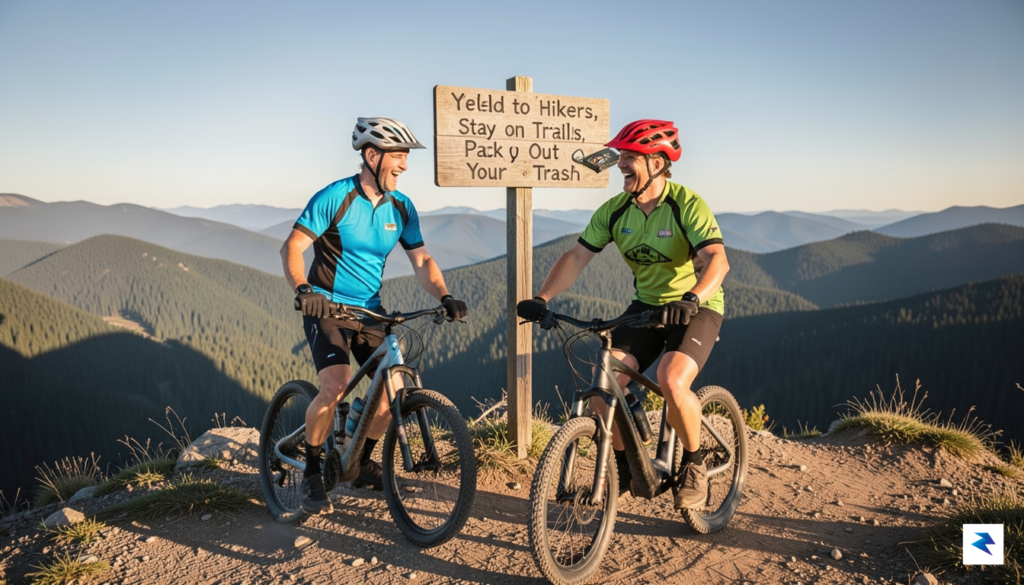
The rise of pedal-assist technology has undeniably altered the landscape of modern mountain biking, yet the core of our trail culture remains anchored in the same principles that have existed since the sport’s inception: stewardship, kindness, and shared access. As e-mountain bikes move from the fringes to the mainstream, the persistent “us versus them” narrative serves only to fracture our community at a time when we need unity the most. Instead of viewing the electric motor as an intruder, we must embrace it as a catalyst for a more robust and inclusive trail network. The forest floor does not distinguish between a human-powered drivetrain and a battery-assisted one; it only reacts to the behavior of the rider behind the handlebars.
To ensure that these shared spaces remain sustainable, the burden of responsibility falls on the e-bike community to set a new standard for trail etiquette. This begins with aggressive speed management, particularly in high-traffic zones, near intersections, and on multi-use paths where hikers and equestrians are prevalent. E-bike riders have the unique power—quite literally—to climb faster and cover more ground, but with that power comes the obligation to prioritize the right-of-way and yield graciously. By maintaining a controlled, predictable pace, riders can dismantle the stigma surrounding motor-assisted travel and prove that e-bikes are compatible with the serene, low-impact experience that defines backcountry riding.
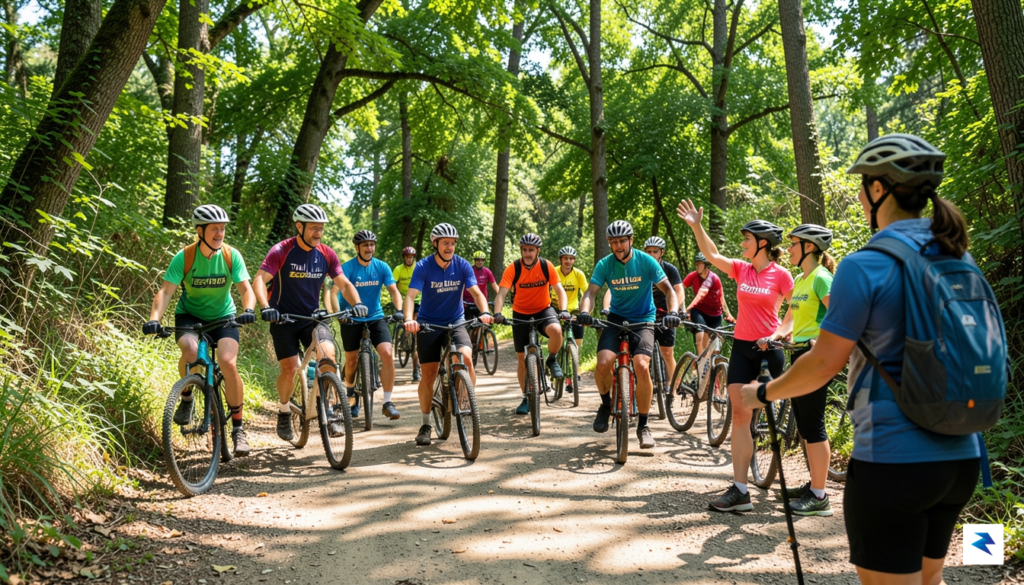
True trail advocacy is not measured by the type of bike you ride, but by the amount of time you spend digging in the dirt and protecting the land we all share.
Beyond individual behavior, the influx of e-bike riders represents a significant opportunity for the health of our trail systems. As the sport grows in popularity, so too does the need for professional maintenance and infrastructure improvements. The e-bike community, often composed of riders who have more time to spend on the trails due to the efficiency of their gear, can serve as a massive volunteer force for trail advocacy groups. When these riders channel their enthusiasm into local trail associations—donating funds, participating in maintenance days, and lobbying for responsible access—the entire community benefits. A larger, more engaged user base means more political leverage and greater financial support to keep trails open and pristine for generations to come.
Ultimately, the longevity of our sport depends on our ability to evolve alongside the technology. If we foster a culture rooted in mutual respect, where every rider recognizes their role as an ambassador for the outdoors, the distinction between electric and acoustic will become secondary to the shared passion for the ride. We are all stewards of the same wild places, and by working together to maintain our trails and educate one another, we ensure that mountain biking remains a welcoming, thriving pursuit regardless of what drives the rear wheel.
You must be logged in to post a comment.