
4 Best Walking Pads for Small Spaces and Standing Desks (2026 Review)
The Rise of the Walking Pad: Why Movement Matters For years, the modern professional landscape has been defined by the chair. While remote…

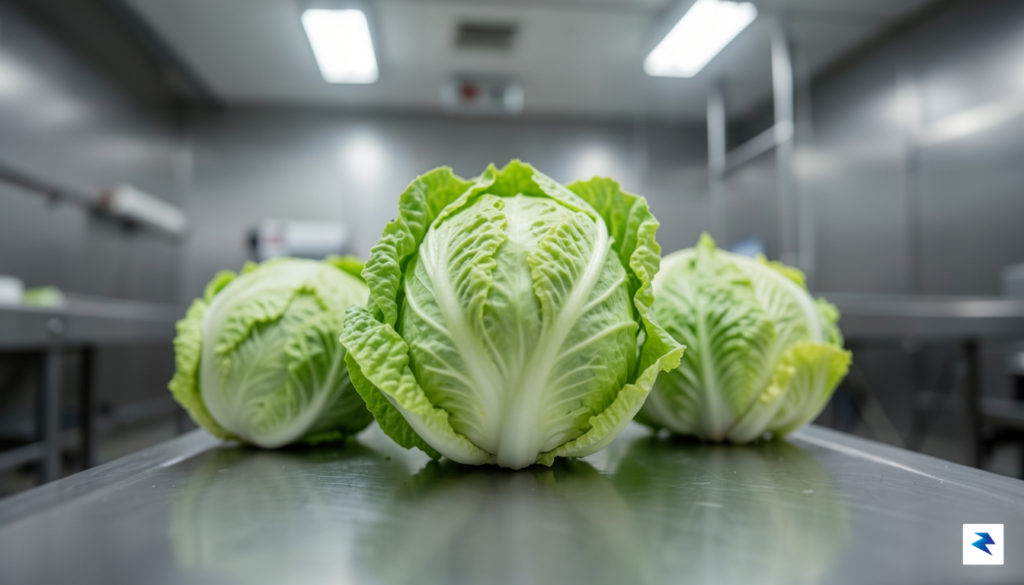
In a proactive effort to safeguard public health, Taylor Farms recently initiated a voluntary recall of specific iceberg lettuce products, a move triggered by an ongoing investigation into a multi-state Cyclospora outbreak. By labeling this action as a “voluntary recall,” the company is taking full responsibility for removing the implicated produce from the supply chain before it can reach consumers, even before a mandatory government order was issued. This preemptive strategy is designed to minimize risk and demonstrates a commitment to food safety standards that exceed baseline regulatory requirements. The items in question were sourced specifically from the central Mexico region, an area that has been identified by health investigators as a potential point of origin for the parasite currently causing gastrointestinal distress across several states.
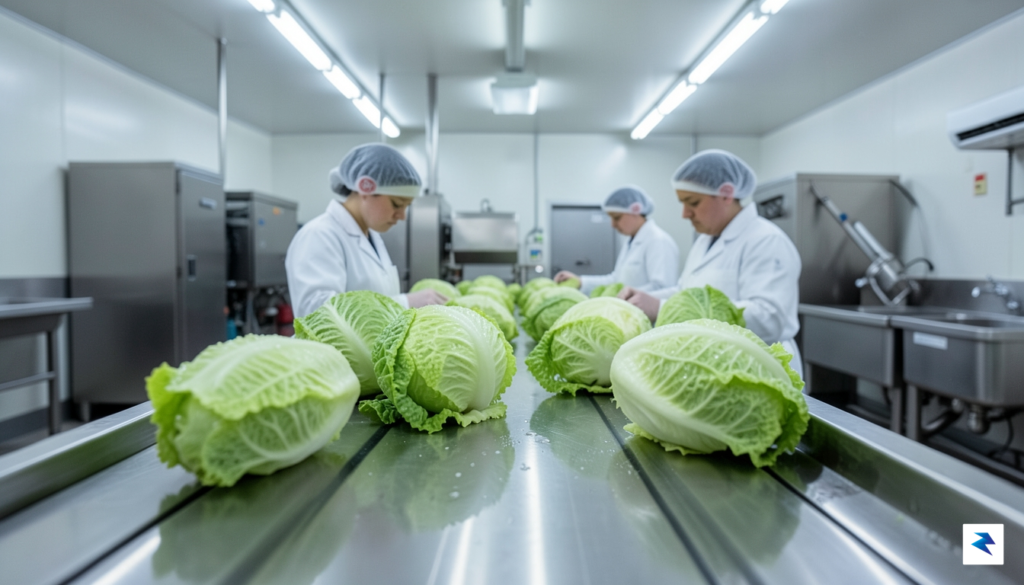
The timeline of this announcement reflects the rapid response necessary when dealing with foodborne pathogens like Cyclospora, which is a microscopic parasite that causes an intestinal illness known as cyclosporiasis. Once the correlation between the outbreak and the specific produce supply was brought to light, Taylor Farms acted immediately to notify its distribution partners. This included high-profile coordination with massive supply chain entities like Sysco and major restaurant operators such as Yum Brands. Because these organizations manage vast logistics networks, the communication was critical to ensuring that the potentially contaminated inventory was quarantined or destroyed at the warehouse level rather than being processed into meals at restaurant locations.
Key Takeaway: A voluntary recall is a proactive measure taken by a food manufacturer to remove products from the market when there is a reasonable probability that they could cause adverse health consequences. It is an essential tool in preventing the spread of foodborne illness while maintaining consumer trust.
For the average consumer, understanding the scope of this recall is essential for peace of mind. The outbreak has primarily been linked to specific shipments of iceberg lettuce that entered the United States food supply through Taylor Farms’ established distribution channels. By working in tandem with the FDA and CDC, Taylor Farms has been able to trace the product back to its source in central Mexico, effectively isolating the supply chain issue. While investigations into the exact contamination point are still ongoing, the swift removal of these products serves as a necessary buffer, protecting the public from further exposure to the Cyclospora parasite while health officials continue their rigorous evaluation of the farming and harvesting practices in the affected region.
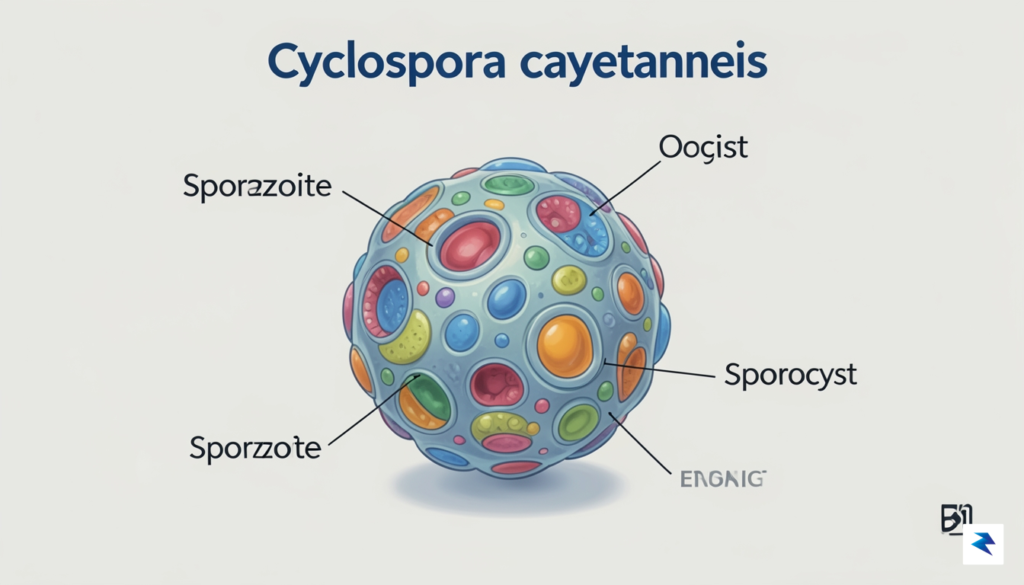
At the heart of the current health concern is Cyclospora cayetanensis, a microscopic, single-celled parasite that triggers an intestinal illness known as cyclosporiasis. Unlike some common foodborne pathogens that manifest within hours, this parasite typically requires an incubation period of about one week after the ingestion of contaminated food or water before symptoms begin to appear. Because this delay can make it difficult for individuals to immediately link their illness to a specific meal, understanding the clinical presentation of the parasite is essential for proactive health management.
The hallmark symptom of a Cyclospora infection is frequent, sometimes explosive, watery diarrhea. However, the illness often presents as a constellation of gastrointestinal and systemic complaints that can significantly impact daily functioning. Beyond the digestive distress, affected individuals frequently report a profound loss of appetite, unintended weight loss, severe stomach cramps, bloating, and increased gas. Many patients also describe a persistent sense of fatigue and low-grade fever, which can leave them feeling physically drained long after the initial digestive symptoms have subsided.
While the prospect of a parasitic infection can be alarming, it is important to maintain perspective regarding the medical risks. For the vast majority of healthy individuals, cyclosporiasis is not typically life-threatening. The human body is often capable of managing the infection with adequate rest and hydration; however, because the parasite does not simply “wash out” of the system on its own, it rarely resolves without medical intervention. Consequently, physicians almost always prescribe a specific course of antibiotics—typically a combination of trimethoprim and sulfamethoxazole—to effectively eradicate the parasite and prevent the illness from lingering for weeks or even months.
Key takeaway: If you have consumed products associated with the recent recall and begin experiencing persistent diarrhea or unusual fatigue, do not attempt to self-diagnose or “wait it out.” Contact your healthcare provider to discuss your symptoms and mention your recent dietary history.
Seeking medical attention is particularly vital for individuals who may be at a higher risk for complications, such as the elderly, young children, or those with compromised immune systems. When visiting a doctor, be sure to provide a detailed timeline of your symptoms and any specific food items you have consumed over the past two weeks. Early diagnosis is straightforward—usually requiring a stool sample analysis—and prompt treatment with the appropriate antibiotics can drastically shorten the duration of the illness and prevent the potential for dehydration and other secondary health complications.

The modern food supply chain is a marvel of precision, yet its complexity becomes a double-edged sword when a safety crisis emerges. Taylor Farms serves as a critical node in this network, acting as a primary supplier for high-volume distributors like Sysco, which in turn feed the vast inventories of global restaurant giants like Taco Bell. When a potential contamination like Cyclospora is identified, the ripple effect is immediate and profound. Because these massive chains rely on a “just-in-time” delivery model—designed to keep produce as fresh as possible by minimizing storage time—there is very little buffer in the system. Consequently, a recall notification creates an urgent, chain-wide scramble to purge inventory before it reaches the consumer’s plate.
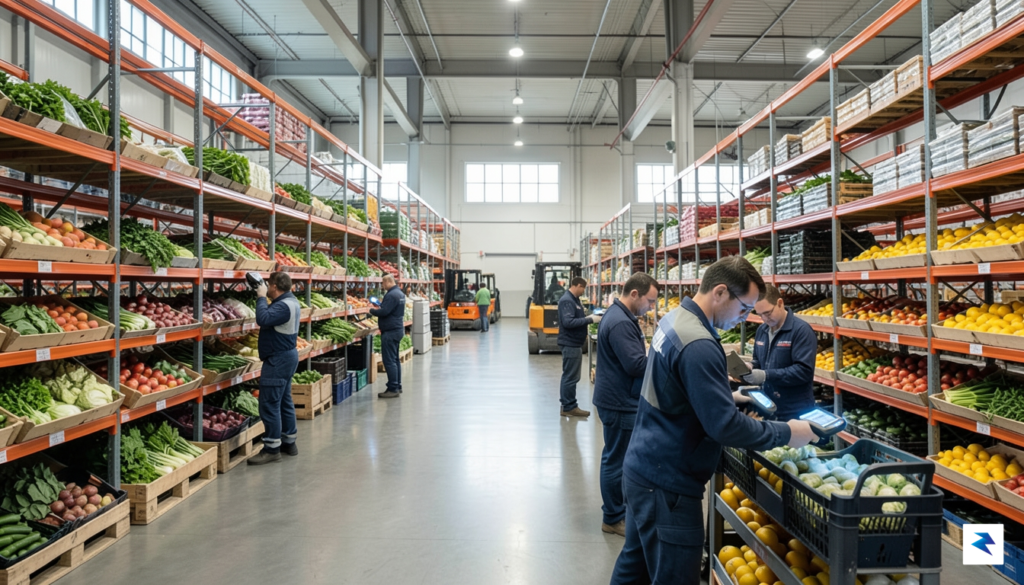
Executing a recall across thousands of fast-food locations simultaneously is a logistical marathon that requires seamless coordination between food safety officers, regional distribution hubs, and individual store managers. Once the alert is issued, the priority shifts from efficiency to total containment. Distributors must trace shipments back to the specific processing facilities identified by Taylor Farms, effectively “quarantining” any iceberg lettuce in transit or currently sitting in cold storage. At the restaurant level, this involves an immediate stop-sale order, where employees must physically remove shredded lettuce from prep lines, discard open bags, and sanitize all food-contact surfaces. This rapid response is essential to preventing the further spread of the parasite, but it also forces chains to temporarily alter their menus or source alternative supplies, often leading to noticeable gaps in availability for the average diner.
The speed of a recall response is dictated by the strength of the digital traceability systems linking growers to the final point of sale; in the fast-food industry, even a few hours of delay can represent thousands of potentially compromised servings.
Furthermore, the reliance on a centralized supplier means that a single point of failure can disrupt the operations of seemingly unrelated brands. Because multiple chains often share the same regional distribution centers, the logistical impact is compounded as teams work to scrub the entire supply chain of the affected lot numbers. This process is not merely about clearing shelves; it is about verifying the safety of every single crate that passed through the affected facility. While the disruption is undoubtedly costly and operationally taxing, these measures are the primary line of defense in protecting public health, turning a potential widespread outbreak into a contained, manageable event through rigorous supply chain discipline.
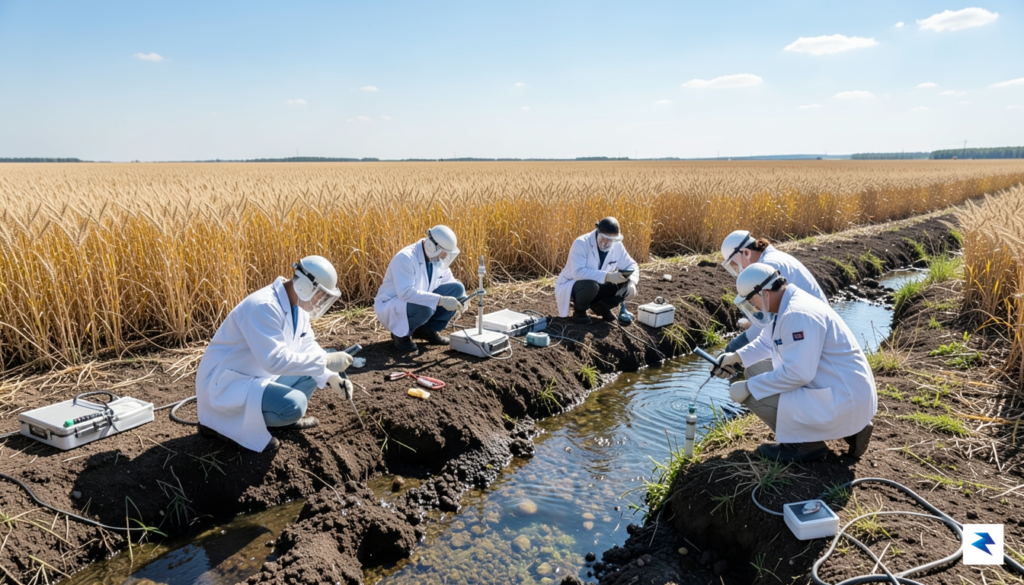
Modern food logistics rely on a complex, globalized network that ensures fresh produce is available on supermarket shelves regardless of the season. This centralized sourcing model allows suppliers like Taylor Farms to maintain a consistent supply chain by rotating harvest locations across diverse international climates. However, this level of integration introduces significant structural vulnerabilities. When a single processing facility consolidates crops from multiple regions, the risk of cross-contamination increases, as a localized issue at one farm can quickly propagate through the entire distribution system, making containment efforts inherently difficult.
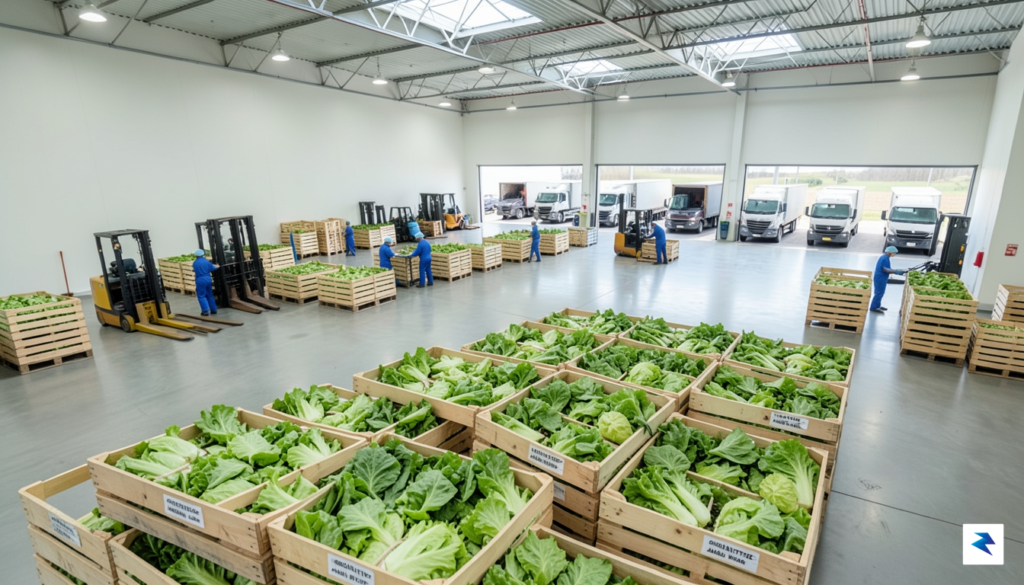
Maintaining safety within this intricate web requires adherence to rigorous standards set by agencies like the FDA and international health organizations. These protocols mandate strict hygiene practices, water quality testing, and comprehensive sanitation audits at every stage of the journey, from the field to the processing plant. Despite these stringent requirements, the detection of microscopic parasites, such as Cyclospora cayetanensis, remains a formidable challenge. Unlike bacteria, which can often be identified through rapid testing, these protozoa are notoriously difficult to isolate in raw agricultural products. Their microscopic nature and the sporadic, uneven distribution of contamination on leafy greens mean that even the most advanced testing protocols may occasionally miss a localized outbreak before the product reaches the consumer.
The fundamental weakness in our current food safety infrastructure is the time-lag between harvest, distribution, and the realization of a health risk, which is often only identified after consumers report symptoms.
To address these persistent vulnerabilities, the food industry is currently undergoing a significant technological shift toward enhanced traceability. Modern tracking initiatives aim to create a “digital passport” for every bundle of greens, utilizing blockchain and sophisticated barcoding systems to pinpoint the exact origin and transit path of produce in near real-time. By moving away from paper-based records, companies can isolate specific batches more effectively during a recall, thereby minimizing the scope of disruption. While technology cannot fully eliminate the biological risks inherent in raw agricultural commodities, these advancements are crucial for narrowing the window of exposure and ensuring that if a contamination event does occur, the industry can act with the precision and speed necessary to protect public health.

When large-scale food safety alerts are issued, the immediate responsibility falls on retailers to clear their shelves, but the final line of defense is often found within your own kitchen. Staying informed is the most effective way to navigate the uncertainty surrounding produce outbreaks. You should make it a habit to regularly monitor the official recall databases maintained by the U.S. Food and Drug Administration (FDA) and the Centers for Disease Control and Prevention (CDC). These agencies provide the most accurate, up-to-the-minute information regarding which specific products, lot codes, and expiration dates are affected. By checking your pantry or refrigerator against these lists, you can quickly identify any potentially contaminated items before they are prepared or consumed.

While washing produce is a standard practice for removing surface dirt and some pesticides, it is important to understand its limitations regarding parasites like Cyclospora. Because these microscopic organisms can become embedded in the rough, porous surfaces of iceberg lettuce and other leafy greens, standard rinsing is often insufficient to fully eliminate the risk of infection. If you have purchased a product linked to an active recall, the safest course of action is to discard the item immediately rather than attempting to clean it. Do not rely on visual inspection, as contaminated produce often looks, smells, and tastes completely normal.
Key Takeaway: If you are unsure whether a product in your home is part of a recall, err on the side of caution. When in doubt, throw it out.
Beyond checking your own groceries, pay close attention to notifications from local restaurants, grocery store loyalty program alerts, and social media announcements from major retailers. Many companies now use email and text-based alert systems to notify customers who have purchased recalled items, so ensure your contact information is up to date with your primary grocery chains. If you have dined out recently and later receive a notice that the restaurant served a recalled product, monitor your health closely for symptoms such as watery diarrhea, loss of appetite, fatigue, and abdominal cramping.
If you suspect you have been exposed to a foodborne illness, it is vital to track your symptoms carefully. Cyclospora infections can sometimes take several days or even weeks to manifest, and they can easily be mistaken for other common gastrointestinal issues. Should you experience persistent symptoms, contact your healthcare provider and be sure to mention that you may have consumed produce associated with a recent recall. Providing your doctor with specific information about what you ate can significantly assist in a quicker, more accurate diagnosis and treatment plan.
You must be logged in to post a comment.