
Motorola Edge 70 Max Review: The Future of All-Day Battery Life
The Battery Revolution: Why 7,100mAh Changes the Game For years, the smartphone industry has been trapped in a delicate balancing act:…

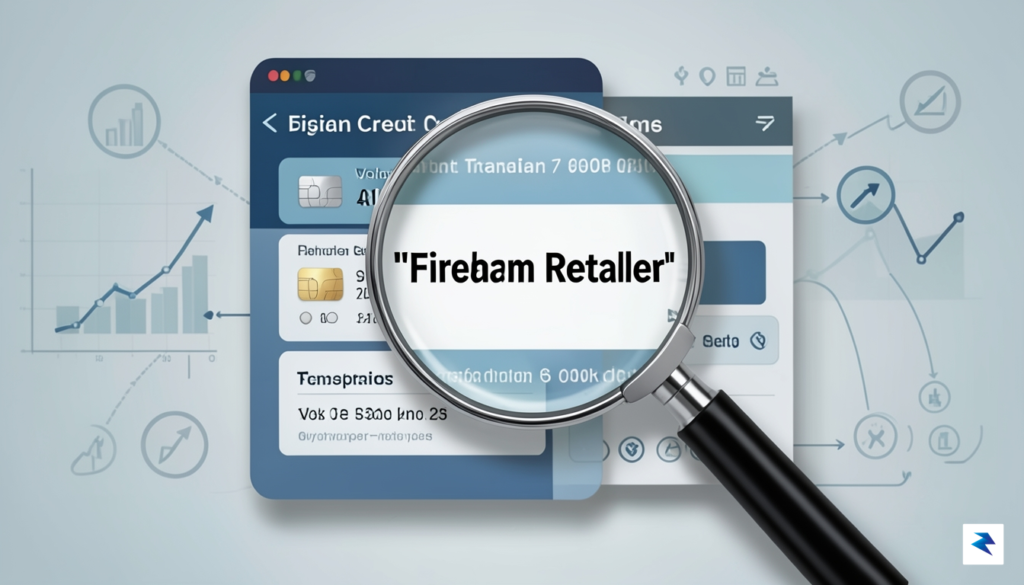

At its core, the Merchant Category Code (MCC) is a standard four-digit identifier used by the financial industry to classify businesses based on the types of goods and services they provide. Established by the International Organization for Standardization (ISO), these codes function as a universal shorthand for banks and payment processors to identify where a transaction occurs, which helps in everything from calculating tax reporting to applying merchant-specific rewards programs. For years, gun stores have been lumped into general categories, such as “sporting goods stores” or “miscellaneous retail,” which essentially masks the specific nature of these transactions within the broader sea of consumer spending data. The proposal to introduce a dedicated, firearm-specific MCC was designed to peel back this layer of obscurity, allowing financial institutions to better flag potentially suspicious purchasing patterns—such as a sudden surge in high-volume acquisitions that might signal criminal intent or the stockpiling of weapons.
However, what proponents view as a common-sense tool for financial security, privacy advocates and Second Amendment supporters perceive as a direct threat to personal liberty. The controversy centers on the fear that isolating gun store data creates a permanent, searchable digital trail of lawful firearm ownership. Critics argue that by creating a distinct category for these businesses, payment networks are effectively building a de facto national gun registry without the legislative oversight required for such a system. The primary concern is that this financial data could be harvested or subpoenaed by government agencies, leading to a surveillance dragnet where citizens who exercise their constitutional rights are unfairly profiled, monitored, or even flagged by automated banking algorithms.
“The implementation of a specific Merchant Category Code for firearm retailers is not merely a technical update; it is a fundamental shift in how financial institutions interact with the private, legal purchases of law-abiding citizens.”
This divide has transformed a dry, technical classification issue into a high-stakes political battleground. On one side, advocates for the new code emphasize that financial institutions have a social responsibility to identify illicit activity, such as money laundering or the financing of prohibited weapon transfers. On the other side, gun rights organizations contend that this data collection is an invasive overreach that provides no measurable improvement to public safety while simultaneously chilling the rights of the populace. As the pressure mounts, several states have already moved to pass legislation prohibiting financial institutions from implementing these specific codes, setting the stage for a protracted legal conflict between state-level privacy protections and the evolving standards of the global financial sector.
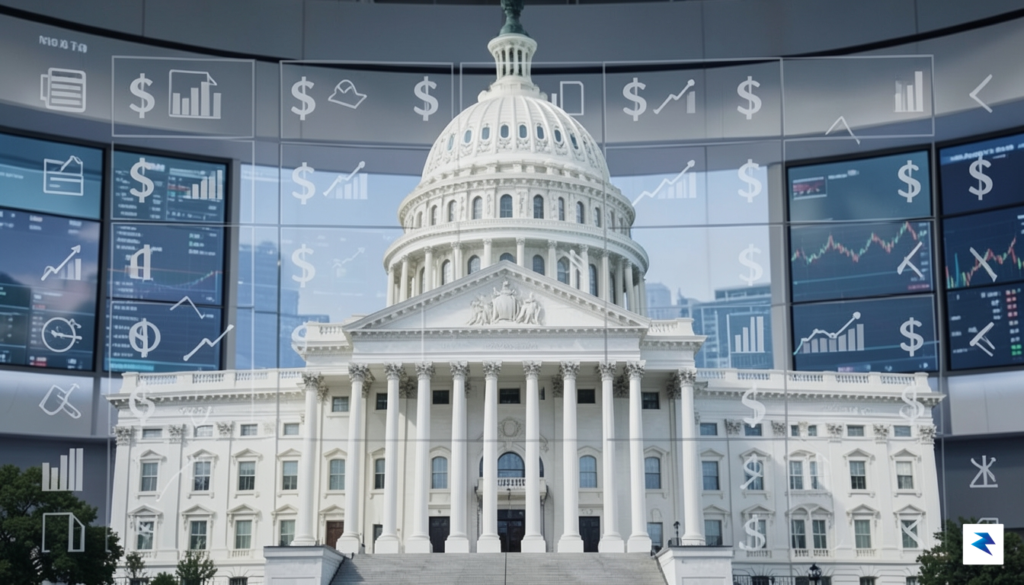
The legislative response to the growing trend of tracking firearm transactions centers on a recent House bill designed to create a definitive federal firewall against the implementation of specific Merchant Category Codes (MCCs) for gun retailers. By restricting how payment processors and financial institutions categorize retail activity, the bill aims to prevent the systematic collection of data that could effectively create a de facto registry of legal firearm purchases. The primary mechanism of this legislation is to prohibit financial service providers from requiring, or even facilitating, the use of a unique code that identifies a store specifically as a firearms or ammunition retailer. By doing so, the bill seeks to ensure that a purchase made at a sporting goods store remains indistinguishable from other retail transactions within the broader financial ecosystem.
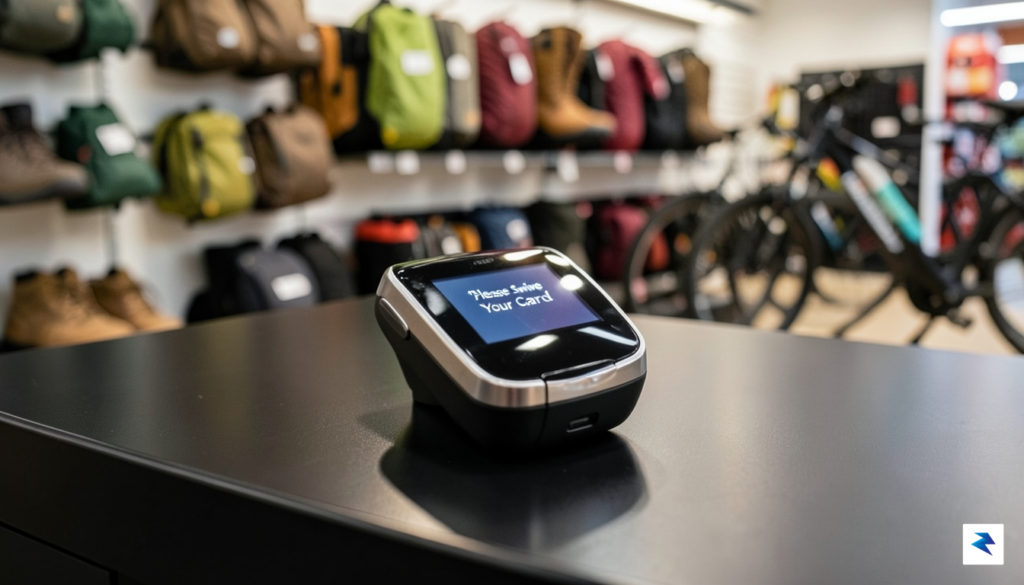
The core legislative intent behind this effort is to provide a robust federal backstop against an emerging patchwork of state-level mandates. In recent years, several jurisdictions have explored or moved toward requiring credit card companies to adopt specialized tracking codes for gun shops, arguing that such data could help flag suspicious purchasing patterns. Proponents of the new House bill, however, contend that such mandates represent an unacceptable overreach into private commerce. They argue that these tracking measures infringe upon the privacy of law-abiding citizens and create a dangerous vulnerability where sensitive consumer data could be exploited or leaked. By preempting these state mandates, the bill aims to establish a uniform national standard that prioritizes consumer anonymity in legal commerce over the investigative convenience of state agencies.
The fundamental argument driving this legislation is the protection of the Second Amendment by shielding the exercise of that right from the potential chilling effects of financial surveillance.
Beyond the immediate administrative mechanics, this bill reflects a deeper ideological struggle over the intersection of banking, privacy, and constitutional rights. Supporters emphasize that financial institutions should not be forced into the role of quasi-government monitors, especially when the transactions in question involve the exercise of a constitutionally protected activity. Furthermore, the legislation addresses concerns regarding the potential for “mission creep,” where data initially collected for crime prevention might eventually be repurposed for broader social policy goals or public disclosure. Ultimately, the bill serves as a legislative assertion that the privacy of a legal purchase—whether it be for sporting equipment, home defense, or hobbyist pursuits—is a critical component of personal liberty that should remain insulated from the reach of expansive digital tracking systems.

At the heart of the current legislative tug-of-war lies a fundamental disagreement over whether financial institutions should serve as an extension of law enforcement. Gun rights advocates frequently cite a “slippery slope” argument, contending that the implementation of a specific Merchant Category Code (MCC) for firearm retailers is less about identifying criminal activity and more about creating a federal registry of law-abiding gun owners. From this perspective, once financial institutions begin flagging specific purchase categories, it becomes increasingly easy for the government to pressure banks into restricting or monitoring legal commerce based on political or social agendas. Critics of tracking argue that this creates a chilling effect on the exercise of Second Amendment rights, where individuals may fear that their private transactional data could be stored in a permanent database, susceptible to future misuse or unauthorized disclosure.

Conversely, proponents of enhanced financial oversight argue that the retail gun industry has historically operated in a unique vacuum compared to other high-stakes sectors. They point out that banks already utilize sophisticated algorithms to monitor for patterns indicative of money laundering, human trafficking, and international terrorism; therefore, applying similar analytical rigor to firearm sales is a logical extension of existing anti-fraud measures. By identifying suspicious patterns—such as a sudden, massive influx of purchases at a single outlet or unusual bulk buying behavior—proponents believe that financial institutions could provide critical leads to law enforcement agencies before a tragedy occurs. For these advocates, the primary goal is not to track everyday hobbyists, but to provide a digital “paper trail” that could disrupt the flow of weapons to individuals who intend to bypass background checks or engage in illegal trafficking.
The core debate hinges on whether the potential for preventing criminal acts through financial surveillance outweighs the systemic risk of compromising individual financial privacy and civil liberties.
Ultimately, the friction between these two ideologies reflects a broader uncertainty regarding the role of the private sector in modern public safety. While the banking industry has traditionally functioned as a neutral intermediary for commerce, the pressure to adopt a more proactive regulatory stance suggests a shifting landscape where financial data is increasingly viewed as a tool for crime prevention. Opponents remain skeptical of this trend, fearing that if we allow financial institutions to monitor the exercise of constitutional rights, the boundary between private commerce and state surveillance will vanish entirely. As lawmakers continue to weigh these competing interests, the challenge remains to find a middle ground that provides law enforcement with the tools necessary to combat violence without infringing upon the fundamental expectation of privacy that citizens hold regarding their personal spending habits.

The practical reality for the firearms industry and the financial sector is rapidly shifting toward a precarious operational landscape defined by regulatory fragmentation. For small business owners, the introduction of specialized Merchant Category Codes (MCCs) for gun retailers is not merely a bureaucratic checkbox; it represents a fundamental change in how they manage their point-of-sale systems. Retailers must now grapple with the technical overhead of updating payment processing software to ensure they are accurately categorized, while simultaneously fearing the potential for “de-banking” or discriminatory service denials from institutions that may choose to distance themselves from the industry entirely to avoid legal headaches. This creates a volatile environment where a store’s ability to accept credit cards—the lifeblood of modern retail—could be suddenly jeopardized by shifting corporate policies or evolving compliance standards.
Payment processors such as Visa, Mastercard, and American Express find themselves trapped in the middle of a high-stakes tug-of-war between federal regulatory pressures and increasingly aggressive state-level legislation. When individual states pass laws that explicitly prohibit the tracking of firearm purchases, yet federal guidance or international standards encourage or require more granular data collection, these financial giants face an impossible paradox. They are forced to build redundant, location-specific compliance architectures to ensure that a transaction processed in a “pro-tracking” state does not trigger a violation in a “pro-privacy” state. This creates a staggering operational burden, as the costs of maintaining these disparate systems are often passed down to the merchants through increased transaction fees and administrative surcharges.
The fundamental challenge lies in the incompatibility of state-level privacy mandates with the centralized, globalized nature of modern payment networks, creating a legal minefield for institutions attempting to remain neutral.
Furthermore, the threat of legal liability looms large over the entire payment ecosystem. Financial institutions are now evaluating the risk-to-reward ratio of facilitating firearm transactions when the threat of litigation from both gun-rights advocates and gun-control proponents is at an all-time high. If a processor complies with tracking mandates, they risk being sued by states with anti-tracking laws; if they refuse to comply, they may face federal regulatory scrutiny or civil penalties. This atmosphere of uncertainty forces processors to invest heavily in legal counsel and compliance teams, effectively turning financial transactions into a specialized field of constitutional law. For the average retailer, this means the cost of doing business is becoming increasingly tethered to political currents, making long-term financial planning nearly impossible in an industry where the rules of the road are rewritten with every legislative session.

As this legislative challenge advances toward the Senate, it faces a complex landscape of political resistance and institutional skepticism. While the bill passed the House with notable momentum, the upper chamber presents a different set of hurdles, where bipartisan consensus on financial data regulation remains notoriously difficult to achieve. Skeptics argue that shielding firearm-specific merchant category codes (MCCs) could set a dangerous precedent for financial transparency, while proponents view the measure as a vital firewall against the potential for administrative overreach. The outcome of this battle will likely influence how lawmakers approach the intersection of private sector data collection and the exercise of fundamental constitutional rights, creating a lasting blueprint for future debates over digital oversight.
Regardless of the final vote, the legal environment surrounding firearm commerce is poised for prolonged litigation. Civil liberties organizations and gun rights advocates are already signaling that any attempt to standardize the tracking of specific purchases will be met with immediate judicial scrutiny. Should the bill fail to pass or be circumvented by regulatory guidance, we can expect a series of high-stakes court cases that test the limits of the Second Amendment in the digital age. These cases will likely hinge on whether the aggregation of retail data constitutes a form of surveillance that chills the exercise of protected rights, forcing the judiciary to define the boundaries of privacy for legal, high-stakes transactions.

The tension between modern financial surveillance capabilities and the preservation of individual privacy is no longer just a theoretical debate; it is a central pillar of American commerce policy.
Ultimately, this legislative push is emblematic of a much broader evolution in American financial privacy. As the economy shifts toward increasingly digitized transaction models, the ability for both government entities and private corporations to reconstruct a person’s life through their spending habits has reached an unprecedented scale. The debate over firearm transaction monitoring is, in many ways, a proxy war for the future of the entire financial ecosystem. Whether lawmakers succeed in creating a specialized exemption for these purchases or allow the trend of granular data collection to continue, the precedent established today will ripple across all sectors of consumer privacy. As we look ahead, the definition of what constitutes “private” financial activity will continue to be reshaped by the constant friction between technological convenience and the desire for institutional accountability.
You must be logged in to post a comment.