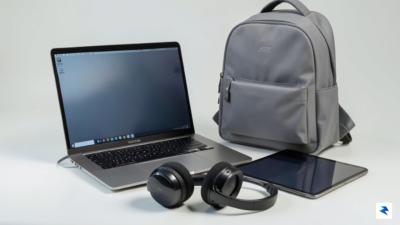
The Ultimate Student Tech Guide: Essential Gear for Academic Success
The Essential Foundation: Choosing the Right Laptop Choosing the right laptop is arguably the most pivotal decision a student will make when…
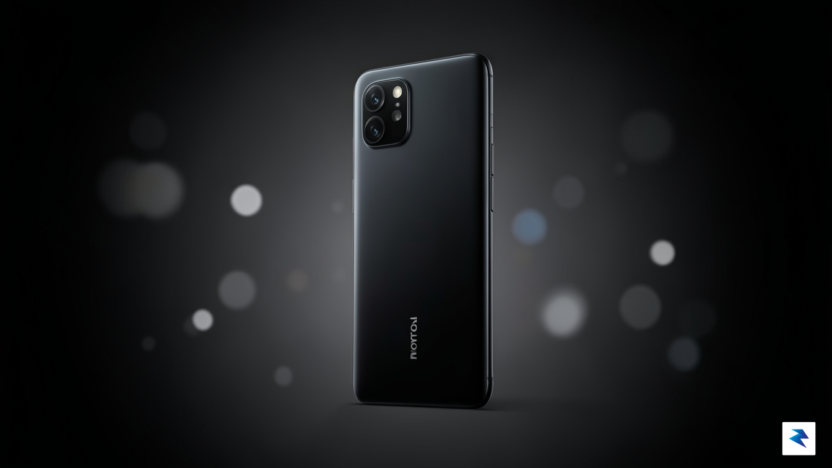
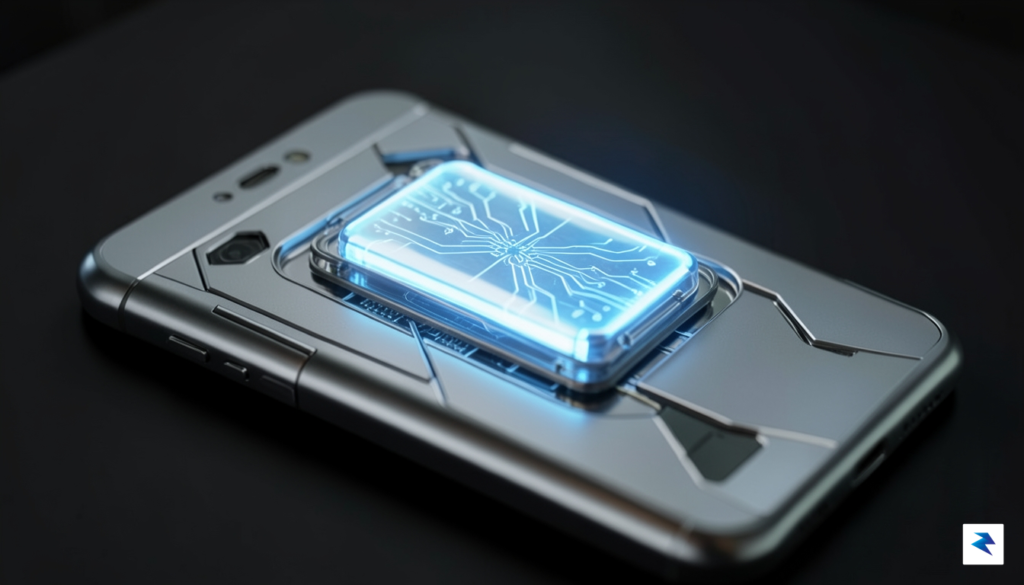
For years, the smartphone industry has been trapped in a delicate balancing act: manufacturers have consistently prioritized slim profiles and lightweight aesthetics over raw endurance. This trade-off often forced users to tether themselves to wall outlets or portable power banks by late afternoon. However, the Motorola Edge 70 Max fundamentally disrupts this status quo by leveraging the breakthrough potential of silicon-carbon battery technology. By replacing traditional graphite anodes with silicon-carbon, Motorola has achieved a higher energy density, allowing a staggering 7,100mAh capacity to fit into a chassis that feels remarkably ergonomic rather than bulky.

The transition from standard lithium-ion to silicon-carbon chemistry is a massive leap forward for mobile power management. Silicon-carbon anodes can store significantly more lithium ions than conventional graphite, which essentially means engineers can pack more “fuel” into the same physical footprint. In practical terms, this 7,100mAh powerhouse translates to true multi-day endurance for the average user. Whether you are a power user juggling high-resolution video conferencing, intensive mobile gaming, or GPS navigation, the device provides a safety net that effectively eliminates the “low battery” anxiety that has plagued smartphone owners for over a decade.
The integration of a 7,100mAh cell isn’t just about longer uptime; it is about fundamentally changing our relationship with our devices by removing the constant necessity of the daily charging cycle.
Beyond the raw convenience of multi-day battery life, this technology addresses the long-term issue of battery degradation. Because the 7,100mAh capacity is so vast, the phone completes fewer full charge-discharge cycles over the course of a year compared to a standard 4,500mAh or 5,000mAh battery. Frequent deep-cycle charging is one of the primary drivers of chemical aging in batteries; by extending the duration between charges, the Edge 70 Max preserves its peak health for much longer. This approach ensures that your device remains as reliable in its third year of ownership as it was on day one, setting a new standard for sustainable and long-lasting mobile hardware.
Ultimately, Motorola’s decision to adopt this high-density technology proves that consumers no longer have to compromise between a sleek design and reliable longevity. By pushing the boundaries of what is chemically possible in a compact form factor, the Edge 70 Max serves as a blueprint for the future of mobile energy. It signals a shift away from the era of “disposable” performance, moving toward a philosophy where your phone is designed to keep up with your lifestyle, not the other way around.
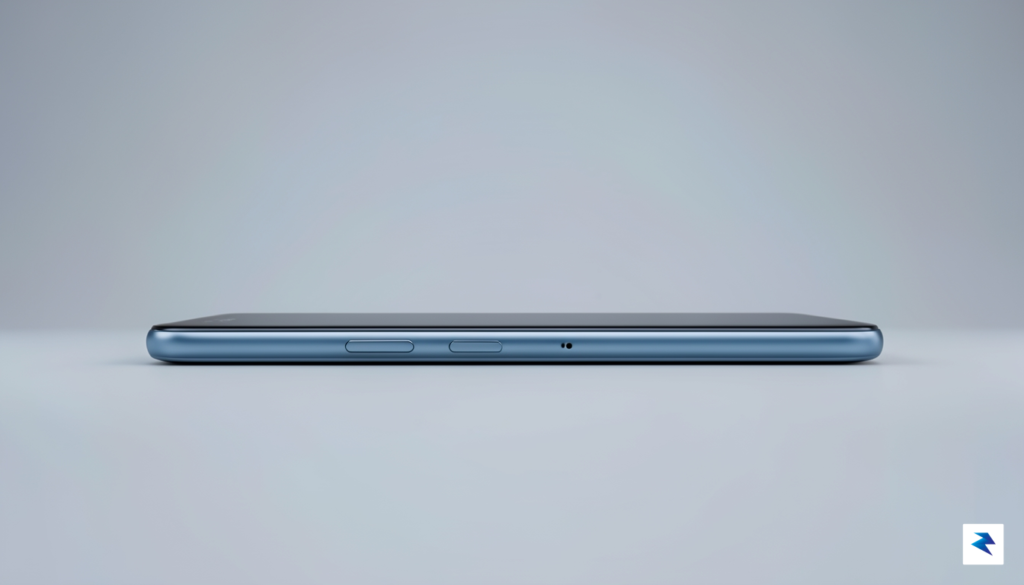
For years, the smartphone industry has conditioned consumers to believe that a massive battery requires a clunky, brick-like form factor. The Motorola Edge 70 Max shatters this narrative, proving that high-capacity power and pocketable ergonomics are not mutually exclusive. Through a combination of high-density silicon-anode battery technology and an unconventional internal layout, Motorola has managed to pack a significantly larger cell into a chassis that feels remarkably nimble in the hand. By rearranging the motherboard components and utilizing a stacked PCB (printed circuit board) design, engineers have cleared the necessary volume for the battery without forcing the exterior to expand outward.
Achieving this balance required a complete rethink of internal structural engineering. Instead of the standard horizontal stacking seen in most flagship devices, the Edge 70 Max employs a sophisticated weight-distribution system that centers the mass toward the middle of the chassis. This deliberate placement ensures that despite the density of the hardware, the phone doesn’t feel top-heavy or prone to tipping during one-handed use. The result is a device that contours naturally to the palm, utilizing subtle curves on the rear glass to mask the true depth of the internal hardware.
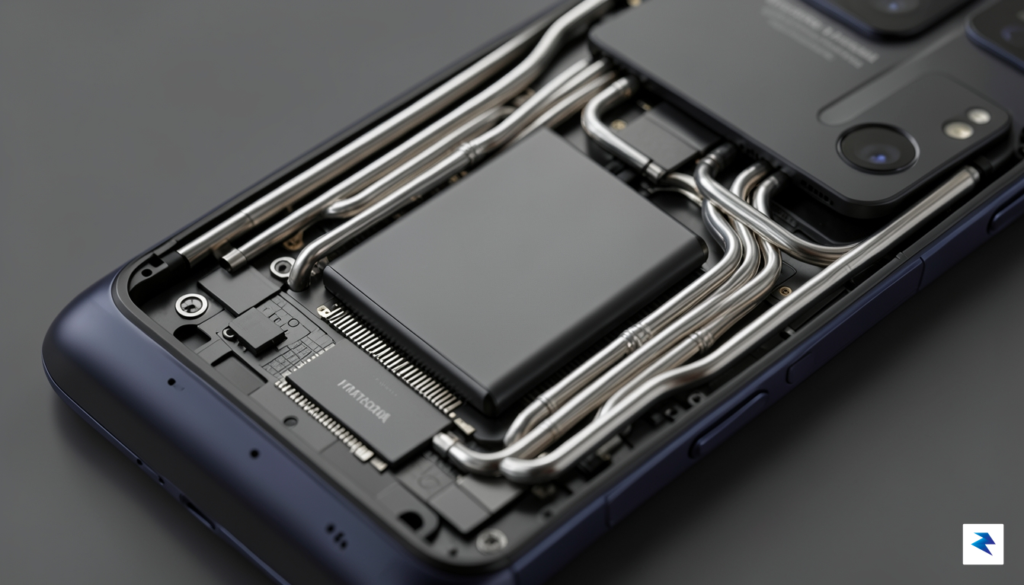
Of course, cramming more energy into a confined space inevitably raises concerns regarding thermal management. A thinner chassis provides less surface area for heat dissipation, which can be the death knell for performance stability. To combat this, Motorola has integrated a multi-layered vapor chamber cooling system that spans the width of the mainboard. This system acts as a thermal bridge, drawing heat away from the processor and distributing it evenly across the frame. By turning the phone’s own chassis into a passive heat sink, the device maintains peak performance without requiring bulky active cooling fans or thick insulation layers that would otherwise compromise the slim design.
The marriage of high-density power and refined aesthetics represents a significant shift in mobile engineering, where efficiency is no longer measured by size, but by the intelligent use of internal space.
Beyond the internal architecture, the choice of materials plays a crucial role in maintaining this delicate equilibrium. The use of an aerospace-grade aluminum frame provides the necessary rigidity to protect the sensitive battery cell from everyday flex and pressure, while keeping the overall weight at a minimum. Because the frame is so light, the phone retains a premium, substantial feel without becoming a burden in a pocket or bag. Ultimately, the Edge 70 Max succeeds because it refuses to compromise on either front, successfully proving that longevity and comfort can, in fact, coexist in a modern, slim-profile smartphone.
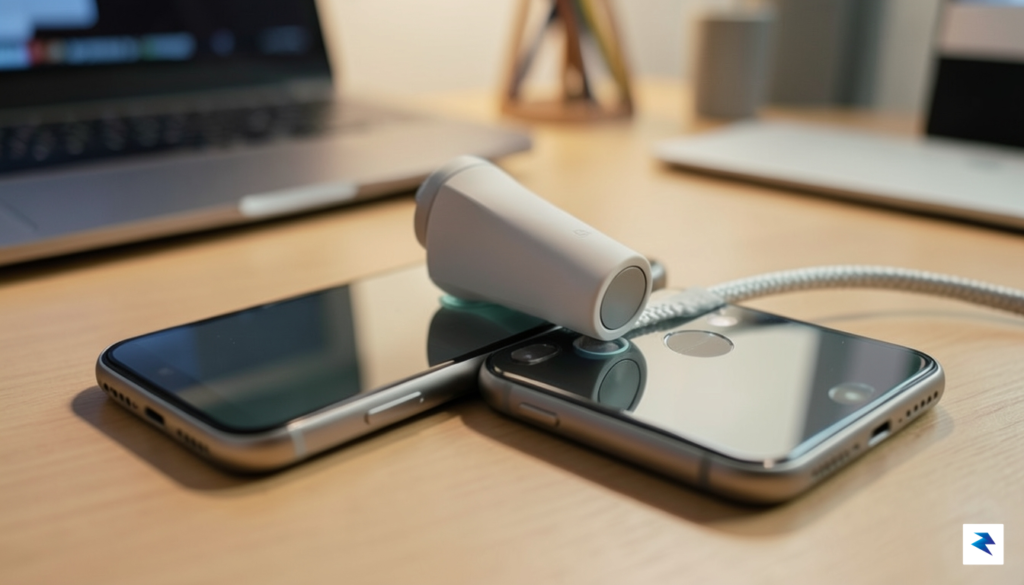
For years, wireless charging was often more of a novelty than a necessity, frequently hampered by the dreaded “misalignment” issue. We have all experienced the frustration of waking up to a dead phone because it was resting just a few millimeters off the center of a charging pad. The Motorola Edge 70 Max fundamentally rewrites this narrative by integrating the Qi2 magnetic charging standard. By utilizing a sophisticated array of magnets to snap the device into the perfect position every single time, the phone ensures that the charging coils are perfectly aligned. This precision eliminates energy loss through heat and ensures that power transfer is as efficient as possible, turning wireless charging from a guessing game into a reliable, set-it-and-forget-it experience.
Beyond the simple convenience of alignment, the Qi2 standard opens up an entirely new ecosystem of accessories that fundamentally change how you interact with your device throughout the day. Because the phone physically anchors itself to compatible chargers, you are no longer limited to flat surfaces. You can now utilize robust magnetic car mounts that hold your device firmly in place while providing a continuous charge, or snap-on magnetic battery packs that extend your usage time without the need for tangled cables. This modularity allows the Edge 70 Max to adapt to your environment, whether you are navigating a long road trip or simply need a quick top-up while commuting.
The integration of Qi2 isn’t just about convenience; it is a critical evolution in thermal management and battery health, ensuring that your device stays cool and efficient during every power cycle.
Furthermore, the shift to Qi2 offers significant improvements in safety and longevity compared to legacy wireless charging solutions. Older induction chargers often struggled with efficiency, leading to excess heat that can degrade lithium-ion batteries over time. By guaranteeing a consistent, optimal connection, the Edge 70 Max manages power delivery with far greater intelligence, effectively reducing the thermal stress placed on the internal battery. This is a vital component of the device’s “built to last” philosophy, as it preserves the long-term health of the battery cells while simultaneously providing faster, more stable charging speeds. By solving the technical hurdles of the past, Motorola has successfully transformed wireless power into a core pillar of the daily user experience, making the Edge 70 Max a truly worry-free companion for the modern power user.
While the headline-grabbing endurance of the Motorola Edge 70 Max might suggest a trade-off in raw power, the reality is far more impressive. Motorola has successfully architected a device that bridges the gap between extreme efficiency and flagship-grade performance. At its core, the device utilizes an advanced chipset manufactured on a cutting-edge node, which intelligently manages background processes to ensure that peak performance is available exactly when needed, without bleeding power during idle states. This synergy between the processor and the power management system means that whether you are multitasking between intensive productivity apps or engaging in high-fidelity mobile gaming, the interface remains fluid and responsive without the stuttering often found in “endurance-focused” handsets.
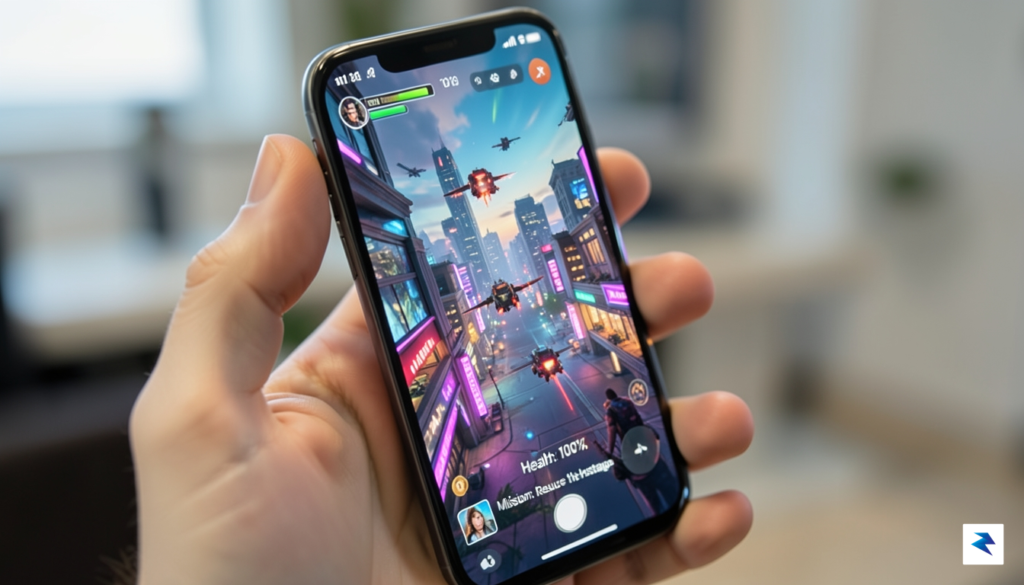
The display experience further exemplifies this commitment to balance. The Edge 70 Max features a high-refresh-rate LTPO OLED panel that dynamically scales from 1Hz to 144Hz. By automatically adjusting the refresh rate based on the content being displayed—dropping to a low frequency for static reading and ramping up for fluid scrolling or gaming—the screen becomes a tool for conservation rather than a battery drain. This adaptive technology is paired with Motorola’s refined software skin, which minimizes unnecessary background overhead. By stripping away redundant animations and optimizing system-level resource allocation, the phone feels snappy and intentional, proving that a long-lasting device does not have to be a slow one.
The Motorola Edge 70 Max succeeds by treating hardware efficiency as a feature of the user experience rather than a limitation of the device’s capabilities.
Photography enthusiasts will also find that the hardware choices prioritize computational efficiency. The primary sensor captures light with exceptional precision, allowing for fast shutter speeds and reduced processing time. By leveraging a dedicated image signal processor, the phone handles complex HDR merging and noise reduction in a way that minimizes the thermal and electrical load on the battery. This means you can capture hundreds of high-resolution photos and 4K videos without watching the battery percentage plummet. Ultimately, the Edge 70 Max is not a niche device built solely for longevity; it is a premium, flagship-caliber smartphone that happens to set a new standard for how long a high-performance device can stay powered on throughout a demanding day.
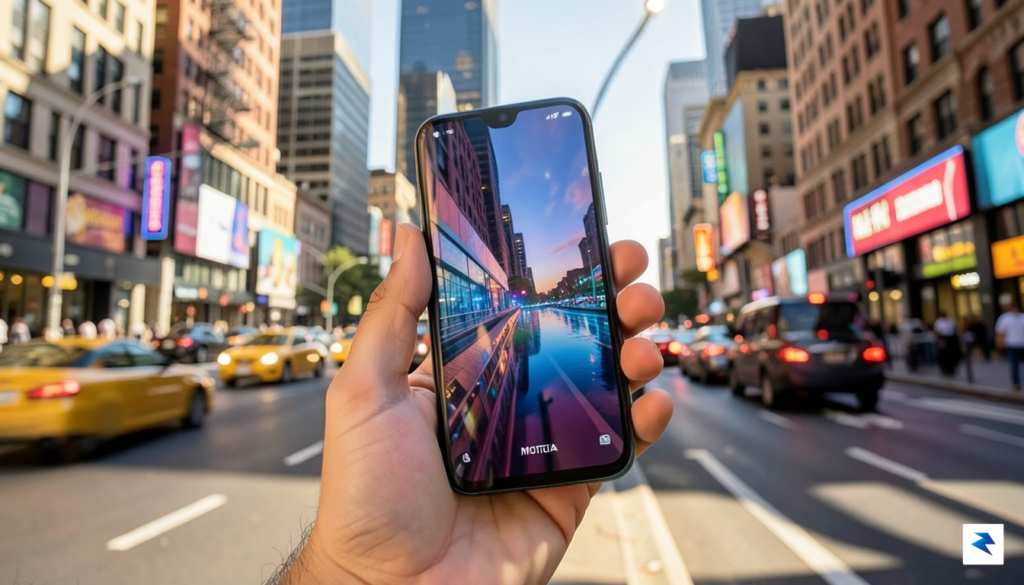
For the modern power user, the daily digital experience is often defined by the persistent, nagging fear of a depleting battery icon. Whether you are a business traveler navigating international terminals, a creative professional editing high-resolution content on the move, or a dedicated multi-tasker juggling endless video calls and cloud-based workflows, the Motorola Edge 70 Max serves as a transformative solution to this chronic anxiety. By effectively bridging the gap between uncompromising flagship performance and massive, high-density energy storage, this device acknowledges that true utility is not found in a thin chassis, but in the ability to remain operational long after the competition has forced you to hunt for a wall outlet.

When you place the Edge 70 Max side-by-side with current industry leaders, the value proposition becomes starkly clear. Many rival flagships prioritize extreme slimness or niche aesthetic choices at the expense of consistent endurance, often requiring users to implement restrictive battery-saving modes before the workday even hits its stride. In contrast, Motorola has engineered a device that refuses to sacrifice raw processing power or display vibrancy for the sake of longevity. The result is a premium experience that remains fluid and responsive from your early morning commute until your late-night wind-down, proving that you no longer need to choose between a high-end feature set and reliable, all-day dependability.
The true measure of a flagship device is not its benchmark score in a lab, but its ability to sustain your lifestyle without compromise.
Ultimately, the trade-offs—if one can even call them that—are negligible when weighed against the freedom of an uncompromised battery life. While some might argue that the slight increase in weight is a departure from the ultralight trends of recent years, the sheer peace of mind gained by leaving the portable power bank at home is a significant upgrade in quality of life. The Edge 70 Max sets a new, elevated benchmark for the smartphone industry, signaling a shift in consumer expectations toward devices that are built to be tools for life, rather than fragile accessories. As we look toward the future of mobile technology, this device stands as a bold testament to the idea that the next great innovation in smartphones isn’t just about faster screens or more complex cameras, but about ensuring that your phone is ready whenever, and wherever, you are.
You must be logged in to post a comment.