
Sony Bravia 9 II Review: The New King of LED TVs?
The Evolution of LED Technology: Why the Bravia 9 II Matters For what felt like an eternity, OLED technology stood as the undisputed monarch…
For years, Apple has positioned itself as the gold standard for consumer data protection, with features like “Hide My Email” serving as a pillar of that marketing strategy. Designed to combat the pervasive tracking of users across the web, the service allows individuals to generate unique, random email addresses that forward messages to their personal inbox, effectively shielding their true identity from marketers and potential data brokers. However, a recently filed class-action lawsuit threatens to dismantle this carefully curated reputation. The legal complaint alleges that the reality of the feature’s performance falls significantly short of the privacy guarantees Apple has aggressively advertised to its massive user base.
At the heart of this legal firestorm is a troubling claim regarding the fundamental technical operation of the proxy service. The plaintiffs argue that, rather than acting as a hermetic seal against data exposure, the “Hide My Email” system has suffered from critical oversights that potentially allowed real, personal email addresses to be exposed or linked to the randomized aliases. If these allegations are proven true, it would suggest that the bridge between the masked address and the user’s primary account was not as secure as Apple led the public to believe. This discrepancy between the technical architecture and the company’s explicit privacy promises is the primary catalyst for the lawsuit, as it challenges the assumption that Apple’s walled garden is impenetrable to unauthorized data leakage.

For the average iOS user, this controversy is far more than a technical footnote; it strikes at the core of why people choose Apple devices in the first place. Many users rely on these privacy tools specifically to curate their digital footprint and minimize the amount of spam, phishing, and unwanted tracking they encounter in their daily lives. When a company builds its entire brand identity around the promise of “what happens on your iPhone stays on your iPhone,” any failure in that infrastructure feels like a betrayal of trust. The significance of this case lies in its potential to set a precedent for how tech giants are held accountable for their privacy-centric marketing claims.
The core of the issue is not merely a software bug, but a fundamental question of whether Apple’s marketing language created a false sense of security that led users to share sensitive information they otherwise would have kept private.
Ultimately, the lawsuit forces a broader conversation about the transparency of privacy-enhancing technologies. Even if the alleged leaks were unintended consequences of complex system updates, the legal action highlights the danger of relying on “black box” features where the underlying mechanics are hidden from the user. As the case progresses, Apple will need to provide more than just boilerplate reassurances to maintain the trust of a user base that has grown accustomed to the idea that their personal data is inherently protected by their hardware choices. Whether this incident is an isolated technical glitch or a systemic failure will be the defining question of the litigation, and the outcome could fundamentally change how consumers evaluate the privacy tools built into their smartphones.
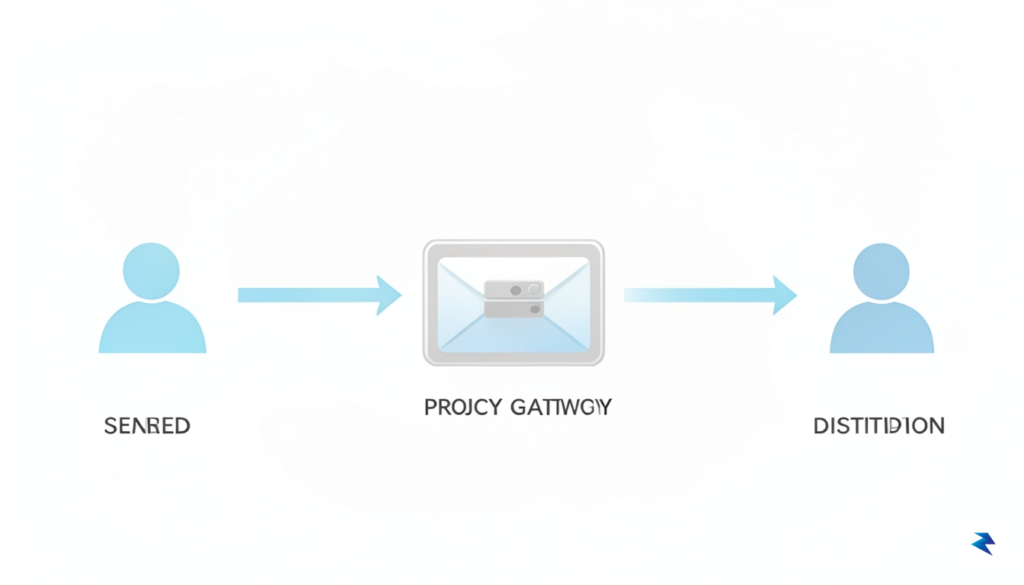
At its core, Apple’s “Hide My Email” feature functions as a sophisticated relay system designed to decouple your online interactions from your permanent digital identity. When a user chooses to utilize this tool, iCloud generates a unique, random email address that acts as a secure proxy. Instead of providing a website or app with your actual personal email address, you provide this randomly generated alias. These aliases are specifically engineered to automatically forward incoming messages to your primary inbox, ensuring that you never miss important correspondence while keeping your actual account details obscured from the service provider or any potential data brokers.

This architectural design creates a robust barrier against cross-site tracking and unwanted data aggregation. Because each alias is unique to a specific service, companies cannot easily cross-reference your activity across multiple platforms to build a comprehensive profile of your behavior. Furthermore, the system empowers users with granular control over their digital footprint. If you begin receiving unsolicited spam or promotional material through a specific alias, you can simply deactivate or delete that unique address instantly. This effectively severs the connection to your primary inbox, rendering the unwanted communication obsolete without requiring you to change your actual email address or lose access to other legitimate services.
By creating a “one-to-one” relationship between a service provider and a randomized alias, Apple intends to eliminate the ability of third-party trackers to link your activity to your identity.
The primary technical benefit of this system lies in its ability to mitigate the effectiveness of targeted advertising and intrusive data mining. In a standard digital environment, your email address often serves as a “persistent identifier”—a permanent key that connects your shopping habits, browsing history, and social media activity. By masking this key, Hide My Email forces third-party trackers to interact with a shell identity rather than a real-world persona. This adds a critical layer of anonymity, as the entity on the receiving end possesses no mechanism to verify the true owner of the account. Consequently, the feature is positioned not just as a tool for spam management, but as a fundamental defensive layer in the modern privacy landscape, designed to give users the sovereignty to choose exactly who has access to their personal communication channels.

At the heart of the recent legal challenge against Apple lies a fundamental concern regarding the integrity of the “Hide My Email” service. While the company has long marketed this feature as a robust barrier designed to mask a user’s true identity from third-party trackers and marketers, the lawsuit alleges that the technical architecture is far less impenetrable than advertised. Specifically, the plaintiffs claim that the service fails to provide the airtight separation it promises, potentially allowing the destination address to be exposed through systematic metadata leaks or header vulnerabilities. If these allegations are proven true, they suggest that the “randomized” aliases are not as anonymous as they appear, undermining the very value proposition that has convinced millions of users to entrust their digital privacy to Apple’s ecosystem.
The core of the issue likely revolves around how Apple’s mail relay servers handle incoming messages and the subsequent routing to a user’s primary inbox. Technical experts have long debated whether email headers—the hidden data contained within an email that tracks its journey across servers—might inadvertently contain traces of the original recipient’s address. If the relay service does not aggressively scrub these headers, or if it fails to properly obfuscate the mapping between the alias and the primary destination, then sophisticated advertisers could potentially correlate these addresses. This would render the alias feature essentially cosmetic rather than a true privacy firewall, leaving users vulnerable to the very cross-site tracking they sought to avoid.

If the barrier between a randomized alias and a user’s actual identity can be bypassed, the service transitions from a privacy tool to a false sense of security.
The implications for the average user are profound, particularly for those who rely on these aliases to compartmentalize their professional and personal correspondence. Many people use unique aliases specifically to track which companies might be selling their data or to keep their primary inbox free from spam. If the destination address is leaking, this separation is compromised, and the user’s primary email address could be added to secondary databases, leading to an influx of targeted phishing attempts or unwanted marketing. Furthermore, the psychological impact of this breach is significant; users who have built a digital wall to protect their private lives may find that, unbeknownst to them, their identity has been exposed for years.
Ultimately, this lawsuit forces a necessary conversation about the technical limitations of privacy-focused relay services. Whether the alleged flaws are a result of complex email protocol requirements or a genuine oversight in Apple’s server-side implementation, the outcome will likely set a precedent for how tech giants must disclose the realities of their security features. Users depend on these services not just for convenience, but for the assurance that their digital footprint remains minimal, and any failure in that infrastructure is a breach of the implicit contract between the service provider and the consumer.

While legal proceedings surrounding privacy tools unfold, it is a prudent time to reassess your personal data hygiene. Relying on a single mechanism—no matter how polished or integrated it may seem—is rarely a sufficient strategy for long-term digital security. Instead, you should adopt a layered approach to protecting your primary identity, ensuring that even if one service faces scrutiny or failure, your core communications remain shielded.
The first step in fortifying your privacy is conducting a comprehensive audit of your current email landscape. Begin by logging into your account settings to review every active alias you have created over the past few years. You will likely find services you no longer use that still have access to your forwarding path. Take the time to deactivate or delete these dormant aliases immediately, as they act as potential backdoors for data leaks. Furthermore, categorize your remaining aliases by their function—such as shopping, newsletters, or sensitive accounts—to better understand exactly where your information is flowing.

To truly enhance your security, do not put all your eggs in one basket. Consider utilizing a mix of different privacy tools rather than depending exclusively on your device’s built-in features. For instance, pairing a dedicated encrypted email provider with a reputable password manager can create a more robust defense than using browser-based auto-fill features alone. By separating your login credentials from your email routing, you add an extra layer of friction that makes it significantly harder for malicious actors to map your digital presence across multiple platforms.
True digital sovereignty comes from redundancy; never rely on a single point of failure for your most sensitive communications.
Ultimately, the most effective privacy strategy is one of constant vigilance. As the tech landscape continues to evolve and legal challenges arise, viewing your digital identity as a dynamic, shifting entity rather than a static address will serve you well. By proactively managing your aliases and diversifying your security tools, you create a resilient environment that protects your primary address from unnecessary exposure, regardless of how any specific company manages their privacy claims.
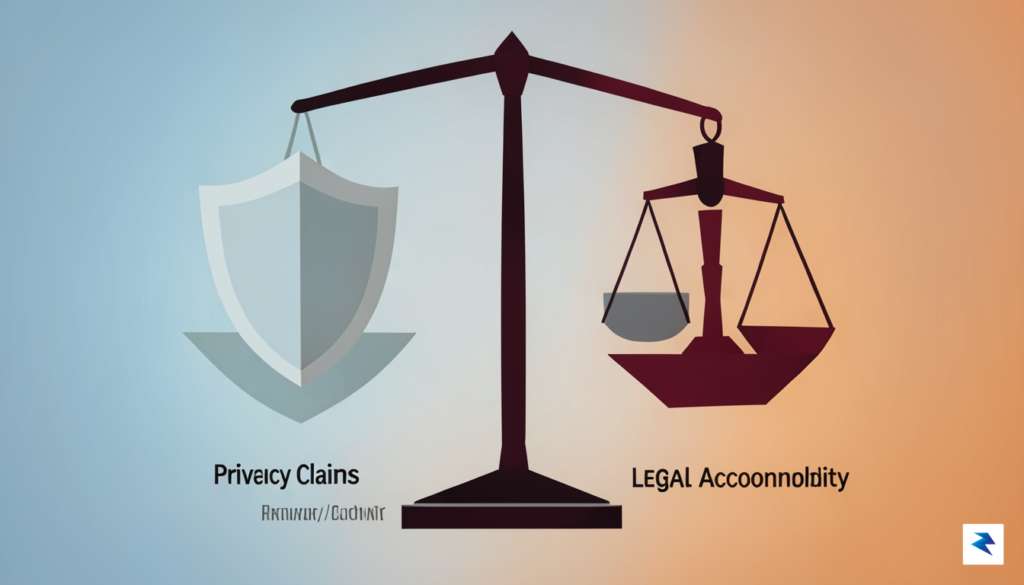
For years, Silicon Valley has leaned heavily into “Privacy-First” marketing, positioning data protection as a luxury feature rather than a baseline expectation. Companies like Apple have built entire brand identities around the idea that what happens on your device stays on your device. However, the recent legal scrutiny surrounding the “Hide My Email” feature serves as a critical litmus test for this industry-wide trend. It highlights a growing, palpable tension between the sophisticated, automated security tools tech giants promote and the legal, ethical responsibility to disclose when those systems fall short of their lofty promises.
When a company markets a feature as a total solution for anonymity, users rightfully assume that the technical implementation is airtight. Yet, as this lawsuit suggests, the reality of software engineering is rarely binary. This case forces a necessary conversation about the gap between high-level marketing slogans and the granular technical limitations of complex features. If the tech industry continues to prioritize seamless user experiences over transparent disclosure, they risk eroding the very consumer trust they have spent billions of dollars to cultivate. Lawsuits of this nature act as a wake-up call, signaling that “privacy” can no longer be treated as a vague, aspirational marketing term, but must instead be viewed as a verifiable technical standard.

Moving forward, the expectations of the modern user are rapidly shifting toward a demand for audit-backed privacy claims. It is no longer enough for a company to simply assert that they protect user data; consumers are becoming increasingly savvy about how data flows through back-end infrastructure. We are entering an era where users expect “privacy disclosures” to be as legible and accurate as a nutrition label on a food product. This means that if a system has inherent vulnerabilities or technical bottlenecks, those limitations must be clearly communicated rather than buried in opaque terms of service agreements.
The future of privacy-centric technology will not be defined by the loudest marketing campaigns, but by the companies that can provide verifiable, third-party proof that their security promises hold up under rigorous scrutiny.
Ultimately, this shift toward accountability will likely force a broader industry reckoning. As legal standards catch up to technological capabilities, tech giants may find that the cost of “marketing privacy” without full transparency is far higher than the cost of honest, proactive disclosure. By moving away from simple marketing promises and toward a culture of radical transparency, the industry can begin to bridge the trust gap. This transition is not merely a legal necessity but a strategic evolution that will define which companies remain relevant in an increasingly privacy-conscious digital landscape.
You must be logged in to post a comment.