
The Essential Tech Stack: Curating Your Digital and Physical Toolkit
The Philosophy of Digital Utility In our current landscape of infinite subscription models and high-frequency hardware releases, the line…
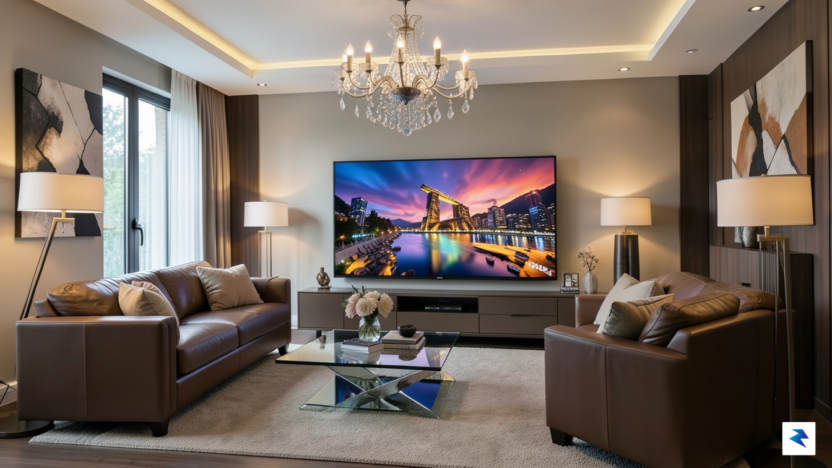
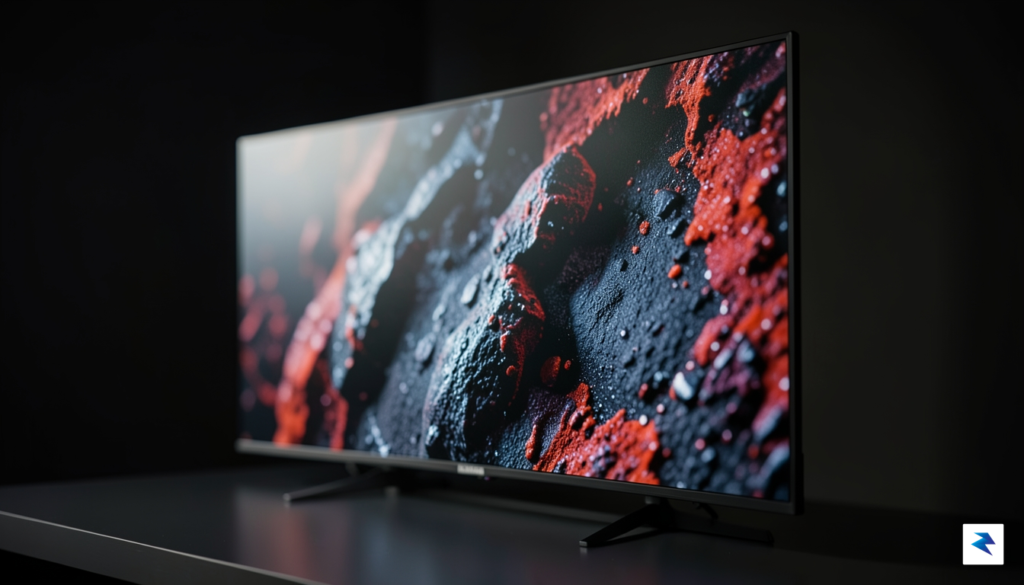
For what felt like an eternity, OLED technology stood as the undisputed monarch of television displays, revered for its unparalleled black levels, infinite contrast, and pixel-perfect light control. This dominance cultivated a perception that if you desired the absolute best in picture quality, an OLED panel was the only viable choice, relegating LED-backlit televisions to a secondary tier. However, the relentless march of technological innovation is now actively rewriting this narrative, with a new generation of LED displays emerging that not only challenges, but in some aspects, even surpasses the long-held supremacy of OLED, especially in the realm of raw brightness and vibrant highlights.
At the forefront of this dramatic industry shift is the sophisticated evolution of Mini-LED backlighting, a technology that packs thousands of tiny LEDs behind the LCD panel, creating significantly more local dimming zones than ever before. This precise control allows for deeper blacks and more accurate contrast, mitigating the blooming effect often associated with older LED TVs. Sony, with its much-anticipated Bravia 9 II, is not merely adopting Mini-LED; it’s pushing its RGB LED implementation to its absolute zenith. By meticulously engineering both the hardware and the processing, Sony has crafted a display that masterfully balances the immense brightness potential of LED with an astonishing level of granular control and precision, effectively bridging the gap that once separated LED from OLED in terms of image fidelity.
The Sony Bravia 9 II is consequently heralded as one of the most significant and highly anticipated releases in Sony’s entire display lineup, not just for its iterative improvements, but for its bold ambition to redefine the premium TV landscape. It represents a direct and formidable challenge to OLED’s long-standing reign, aiming to deliver an experience that rivals the inky blacks and vibrant colors of its organic counterparts, while simultaneously leveraging the inherent brightness advantages of LED. This flagship model isn’t just about offering an alternative; it’s about setting a new benchmark for what LED televisions are capable of, particularly in maintaining stunning visual integrity across a broader range of content and viewing conditions.
Indeed, there’s been a noticeable and growing shift in consumer demand towards displays capable of delivering exceptionally high brightness, a trend fueled by the increasing prevalence of HDR (High Dynamic Range) content and the desire for televisions that perform brilliantly in diverse home environments, including well-lit living rooms. While OLED excels in dark room viewing, its peak brightness has inherent limitations compared to the most advanced LED technologies. The Bravia 9 II capitalizes on this demand, offering an immersive viewing experience where dazzling highlights pop with incredible intensity and colors burst forth with remarkable vibrancy, all without sacrificing the critical precision that discerning viewers expect. This synergy of extreme brightness and meticulous control positions the Bravia 9 II as a truly compelling option, not just for LED enthusiasts, but for anyone seeking a no-compromise, cutting-edge visual experience.
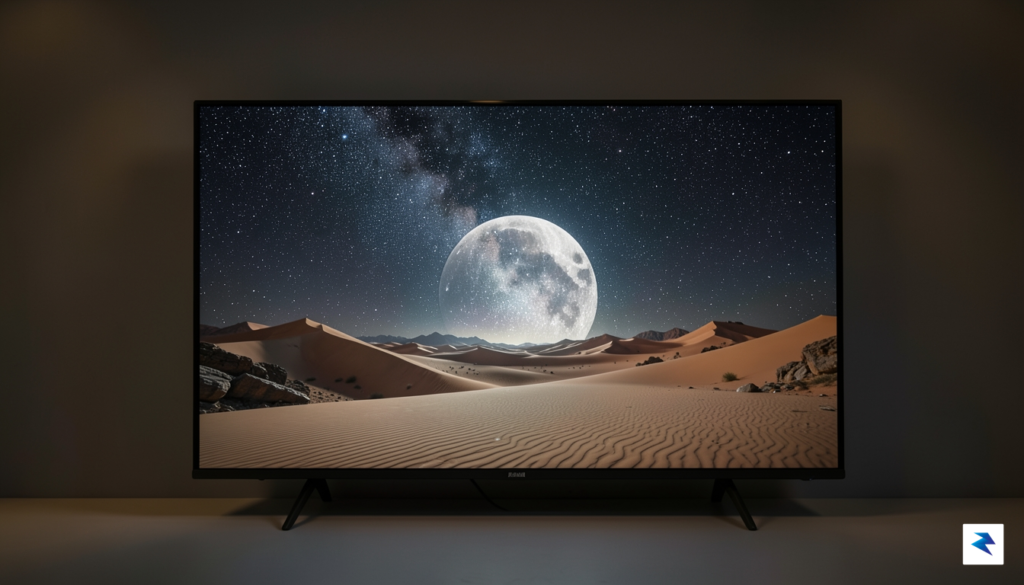
Achieving the perfect balance between blinding highlights and deep, inky blacks has long been the primary struggle of LED-based display technology. Historically, manufacturers were forced to choose between aggressive local dimming—which often resulted in the dreaded “halo” effect around bright objects—or a washed-out image that sacrificed contrast to maintain uniformity. The Bravia 9 II fundamentally changes this paradigm by utilizing a sophisticated, proprietary local dimming algorithm that governs thousands of miniature LED zones with surgical precision. By treating the backlight as a high-resolution grid rather than a collection of large blocks, Sony ensures that light is directed exactly where it is needed, allowing even the smallest specular highlights, like the glint of a star or the reflection on a metallic surface, to pierce through the darkness without bleeding into adjacent pixels.
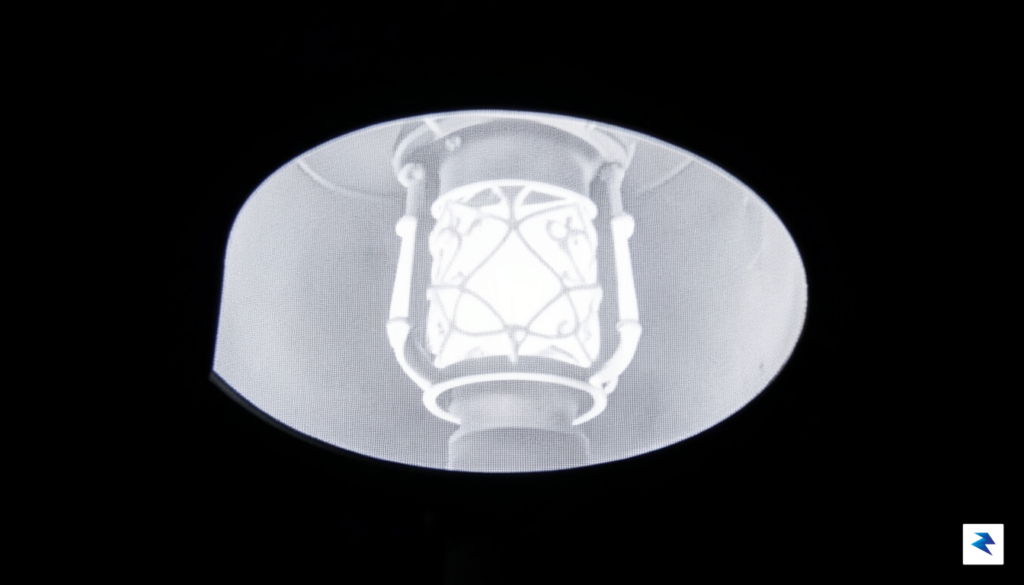
The science behind this control lies in the integration of Sony’s XR processor, which analyzes the spatial data of every frame in real-time. Unlike traditional arrays that simply dim or brighten based on average screen luminance, this system predicts light leakage before it occurs. By meticulously modulating the voltage to individual clusters of LEDs, the display minimizes the “halo” effect—that distracting glow typically found around high-contrast edges—resulting in a picture that rivals the native black levels of OLED technology. This level of granular control is not just about reducing artifacts; it is about maintaining the artistic intent of the cinematographer, ensuring that the shadows remain deep and textured while the light retains its piercing intensity.
The true measure of a high-end display is not just how bright it can get, but how effectively it keeps that light from spilling into the shadows where it doesn’t belong.
When comparing real-world peak brightness metrics, the Bravia 9 II consistently outshines its competitors by maintaining sustained output levels that would cause lesser panels to throttle or dim prematurely. While many displays offer a fleeting “burst” of brightness that lasts only a fraction of a second, Sony’s thermal management and power delivery architecture allow for high-nit output that remains stable throughout extended HDR viewing sessions. This sustained intensity is vital for HDR color volume, as colors—especially reds and yellows—require significant luminance to appear vibrant and saturated rather than muddy or muted. Because the backlight can drive such high peak brightness without compromising the underlying contrast ratio, the resulting images possess a three-dimensional quality that feels remarkably lifelike, effectively pulling the viewer into the scene with unmatched clarity and depth.
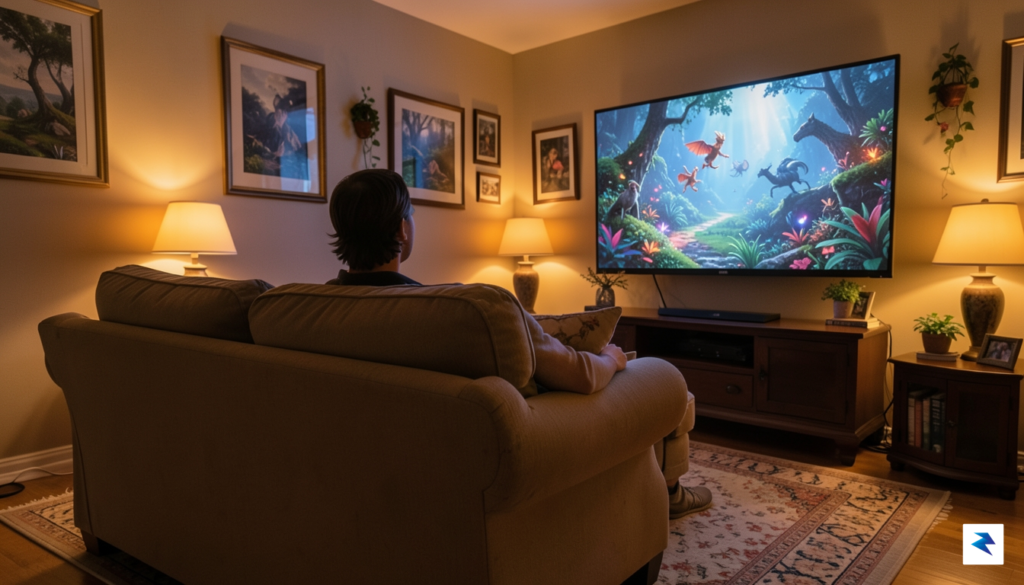
When it comes to true cinematic fidelity, color is far more than just a matter of eye-catching vibrancy; it is about absolute faithfulness to the director’s original intent. Sony has long mastered the marriage of hardware and software, and their latest flagship utilizes the XR Processor to perform real-time color mapping that feels almost sentient. By analyzing individual objects on screen rather than just general brightness levels, the processor ensures that complex fantasy landscapes—where neon magic might collide with earthy, muted textures—are rendered with startling precision. Instead of simply oversaturating the image to make it “pop,” the TV maintains a nuanced balance that allows for subtle gradients in sunsets or fog-filled valleys, preventing the banding issues that often plague lesser displays.

For the discerning film enthusiast, the DCI-P3 color gamut coverage on this panel is nothing short of a revelation. The Bravia 9 II reaches into the deepest recesses of the color spectrum, allowing it to reproduce skin tones that look organic and healthy rather than plastic or overly orange. This accuracy is anchored by the dedicated “Creator’s Mode,” a feature that bypasses the aggressive processing often found in standard vivid modes. By stripping away artificial sharpening and motion smoothing, this mode aligns the display’s output with the master monitor settings used in professional color grading suites. It essentially turns your living room into a private screening room where you are seeing the film exactly as the cinematographer intended, rather than how a television manufacturer thinks it should look.
True color accuracy is not about making the image look better; it is about making the image look real, ensuring every hue on screen serves the narrative atmosphere rather than distracting from it.
The impact of this technology becomes most apparent during high-action cinematic sequences where fast movement threatens to wash out detail. In many LED TVs, rapid camera pans across textured environments often result in color smearing or a loss of shadow detail, but the Bravia 9 II maintains its color integrity under pressure. Whether it is the subtle shift in light reflecting off a metallic suit in a dark room or the complex, desaturated color palettes of a gritty war drama, the TV demonstrates a remarkable ability to hold onto color data. This stability is the hallmark of a high-end display, proving that when color science is handled with this level of sophistication, the hardware finally disappears, leaving nothing between the viewer and the art on screen.
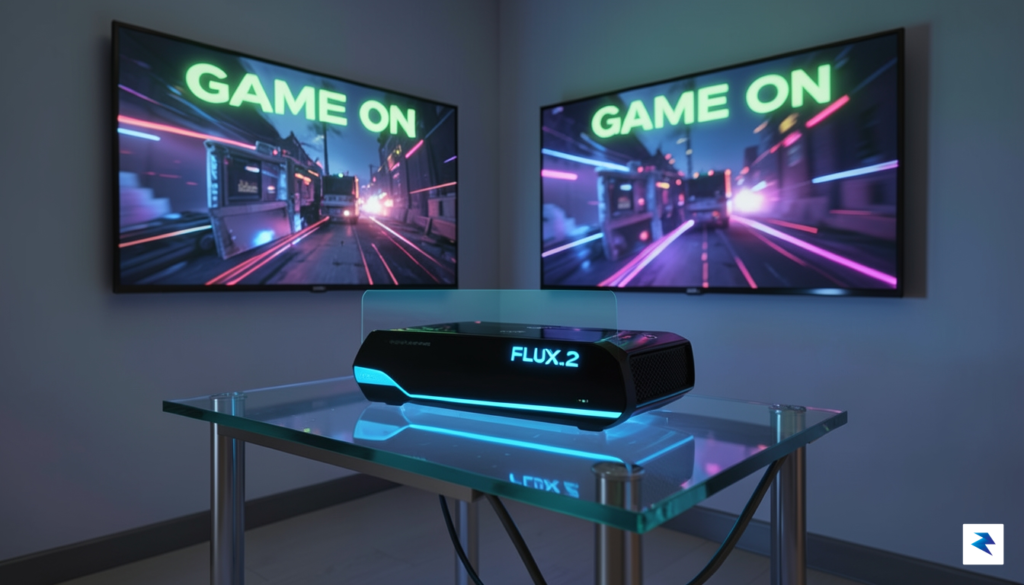
While the Bravia 9 II is widely lauded for its cinematic prowess, it stands as an absolute titan for those who view their television primarily through the lens of a gaming console or high-end PC. Sony has meticulously integrated a full suite of HDMI 2.1 features, ensuring that the TV acts as a seamless extension of your hardware. With support for 4K resolution at 120Hz, the display handles high-frame-rate content with remarkable clarity, preventing the blurring that often plagues lesser panels during intense combat sequences or rapid camera pans. Whether you are navigating the dense urban landscapes of an open-world title or reacting in split-second increments to a competitive shooter, the responsiveness of the panel is immediately palpable.
The implementation of Variable Refresh Rate (VRR) and Auto Low Latency Mode (ALLM) provides a massive quality-of-life upgrade for modern gamers. By automatically syncing the TV’s refresh rate with the output of your console or graphics card, the Bravia 9 II effectively eliminates screen tearing and stuttering, which are often the primary culprits for immersion-breaking visuals. Furthermore, the ALLM functionality ensures that the display enters its lowest-latency state the moment it detects a gaming signal, stripping away unnecessary image processing overhead. This results in a direct, tactile connection between your controller inputs and the on-screen action, which is essential for players who rely on precise timing.
When it comes to motion handling, Sony has long held a reputation for superior processing, and this model takes that legacy to new heights. While many manufacturers rely on aggressive motion smoothing that can introduce distracting “soap opera effect” artifacts or digital halos, the Bravia 9 II offers a more refined approach. Its motion interpolation algorithms are highly adjustable, allowing users to find the perfect balance between fluid motion and the natural, cinematic aesthetic intended by game developers. For those who prefer a pure experience, the motion settings can be dialed back to preserve the native judder of a game’s engine, ensuring that the transition between frames feels authentic rather than artificially manufactured.
The Bravia 9 II manages to bridge the gap between competitive performance and visual fidelity, providing input lag measurements that consistently rank among the lowest in its class, often dipping well below the 10ms threshold in optimized gaming modes.
Ultimately, the marriage of high-speed panel technology and intelligent software makes this television a top-tier choice for enthusiasts. The combination of deep black levels provided by the RGB LED backlighting and the rapid response times ensures that even in dark, high-contrast gaming environments, no detail is lost to ghosting or blooming. By prioritizing both raw speed and image integrity, the display guarantees that your gaming library looks exactly as it was meant to be seen, providing a competitive edge that is as visually stunning as it is technically proficient.
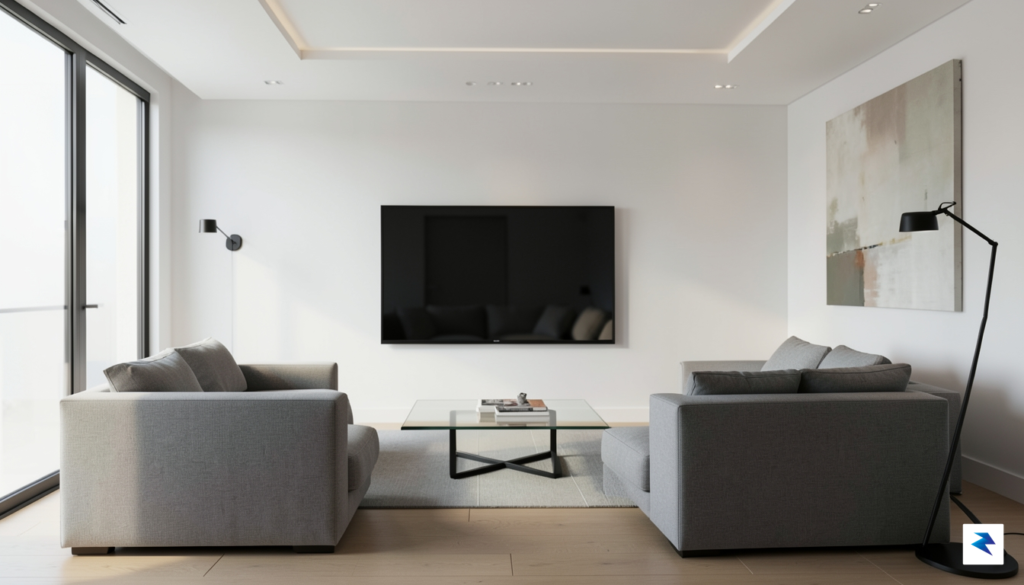
As a centerpiece of the modern living room, a television must balance performance with a physical presence that complements your interior design. The Sony Bravia 9 II achieves this through a sophisticated, minimalist industrial aesthetic that favors clean lines and premium materials. Its ultra-slim bezels effectively dissolve into the frame, ensuring that your focus remains entirely on the stunning imagery rather than the hardware itself. The pedestal stand is engineered with both stability and versatility in mind, offering multiple positions to accommodate soundbars of varying heights, which is a thoughtful touch for those looking to maintain a clutter-free media console.
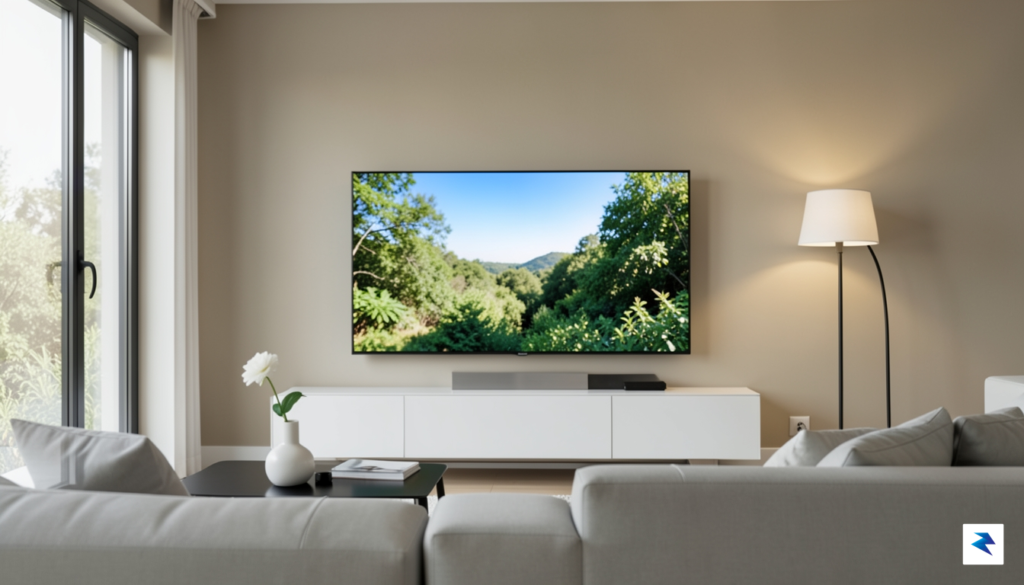
Beyond its physical form, the daily user experience is anchored by the integration of the Google TV interface. This platform remains one of the most robust and user-friendly operating systems available, offering an exhaustive library of streaming applications that load with impressive speed. Navigating through high-definition menus feels fluid and responsive, thanks to the TV’s powerful internal processor which handles background tasks without a stutter. Whether you are toggling between high-bitrate streaming services or managing your smart home devices through the integrated dashboard, the interface feels intuitive, organized, and perfectly tailored for a high-end viewing experience.
The user interaction is further elevated by Sony’s redesigned remote control, which strikes a commendable balance between ergonomics and functionality. Instead of cluttering the surface with dozens of rarely used buttons, Sony has opted for a streamlined, tactile layout that feels substantial in the hand. The buttons offer a satisfying click, and the textured finish prevents it from sliding off fabric surfaces. Furthermore, the inclusion of dedicated, customizable shortcuts ensures that your most-watched platforms are always just a single button press away, saving you from digging through menus.
The Bravia 9 II isn’t just an engineering marvel for your eyes; it is a meticulously crafted piece of furniture that respects the aesthetics of your home while simplifying your digital lifestyle.
Connectivity options on the Bravia 9 II are equally comprehensive, catering to power users who demand high-bandwidth performance. With multiple HDMI 2.1 ports, the television is fully prepared for next-generation gaming consoles and high-fidelity sound systems, supporting features like VRR and ALLM out of the box. Sony has also integrated clever cable management channels directly into the rear panel and stand, allowing you to route power and signal cables discreetly behind the unit. This attention to detail ensures that the back of the television looks just as tidy as the front, cementing the Bravia 9 II’s status as a top-tier choice for those who value both form and function.
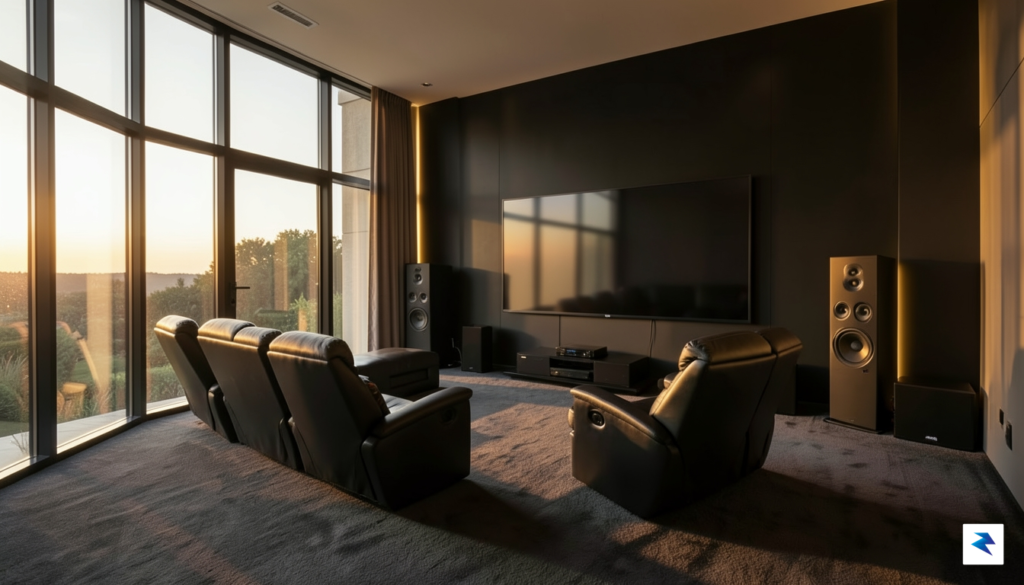
After extensive hands-on testing and meticulous calibration, it’s unequivocally clear that the Sony Bravia 9 II is far more than a mere iterative upgrade; it stands as a bold declaration from Sony, pushing the boundaries of what’s possible with an RGB Mini-LED display. This television delivers an absolutely breathtaking visual experience, particularly in its unprecedented brightness, which redefines HDR content, making highlights pop with an intensity previously unseen outside of professional mastering monitors. Furthermore, its color accuracy and remarkable black levels, achieved through Sony’s masterful local dimming algorithms, bring an astonishing depth and realism to every scene, challenging even the most premium OLEDs in specific viewing conditions. The processing prowess, a hallmark of Sony, ensures motion is fluid, details are razor-sharp, and upscaling older content is handled with grace, making everything you watch look its absolute best.
On the positive side, the Bravia 9 II’s peak brightness is simply phenomenal, allowing for a vibrant, punchy image even in brightly lit rooms, a significant advantage over many OLED competitors. Its exceptional anti-reflective coating further enhances this by minimizing distractions, preserving image integrity and contrast even when facing direct light sources. The sound quality, too, is a cut above the average TV, providing a more immersive audio experience straight out of the box, with impressive clarity and soundstage. However, no television is perfect, and while the black levels are astonishingly deep for an LED, they still can’t quite match the absolute, pixel-perfect inky blacks of an OLED in a completely dark room, where the very faint possibility of blooming, though incredibly well-controlled by Sony’s algorithms, might occasionally be perceptible to the most discerning eyes. Its flagship price point also places it in direct contention with the very best displays across all technologies, demanding a serious consideration of alternatives.
When weighing its value against the current landscape of flagship displays, the Bravia 9 II carves out a distinct niche, positioning itself not just as another option, but as a compelling alternative for specific viewing preferences. For those who prioritize extreme brightness, exceptional HDR impact, and superb performance in varied lighting conditions, it arguably surpasses even the brightest OLEDs, offering a truly unique viewing proposition that fills a gap in the market. While top-tier OLEDs might still hold a slight edge in absolute black uniformity and pixel-level contrast, the Bravia 9 II closes that gap significantly while introducing a level of sustained brightness that OLEDs simply cannot achieve without compromise. Compared to other Mini-LED flagships, Sony’s superior processing, particularly its refined local dimming and precise color calibration, often translates to a more natural, less artificial image, thereby justifying its premium positioning within its own technology class.
So, who exactly is this television for? The Bravia 9 II is the quintessential choice for discerning viewers who primarily watch content in rooms with moderate to high ambient light, or for anyone who simply craves the most impactful, dazzling HDR experience available on an LED TV. Gamers will also appreciate its robust feature set, including multiple HDMI 2.1 ports and responsive performance, making it a fantastic centerpiece for next-gen console gaming. If your viewing environment is consistently dark and your absolute priority is pixel-perfect black levels with zero potential for blooming, a top-tier OLED might still be your preferred choice. However, for those seeking the pinnacle of LED technology, a TV that delivers stunning visuals with incredible versatility across all content types and lighting conditions, the Bravia 9 II is an unparalleled contender. It’s for the enthusiast who wants to experience movies, sports, and games with unparalleled vibrancy and realism, without compromising on brightness or overall picture integrity.
Ultimately, the Sony Bravia
You must be logged in to post a comment.