
The Kimi K3 Moment: Why This AI Milestone Changes Everything
The Genesis of the Kimi K3 Moment Before the emergence of Kimi K3, the artificial intelligence landscape, particularly concerning large…
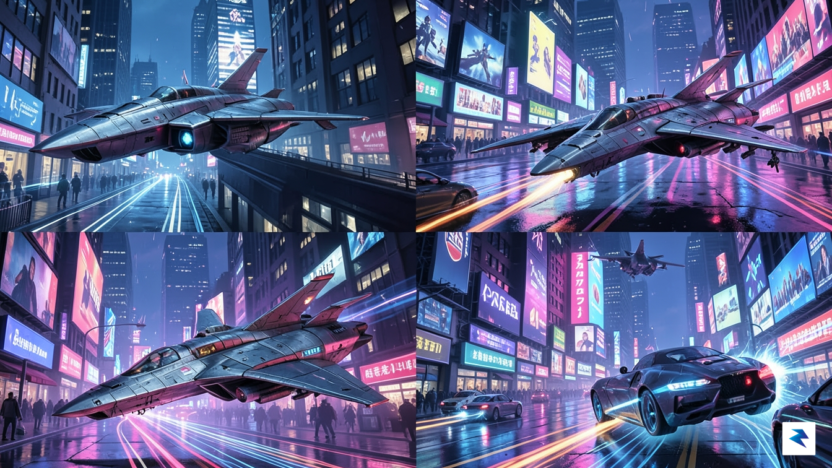
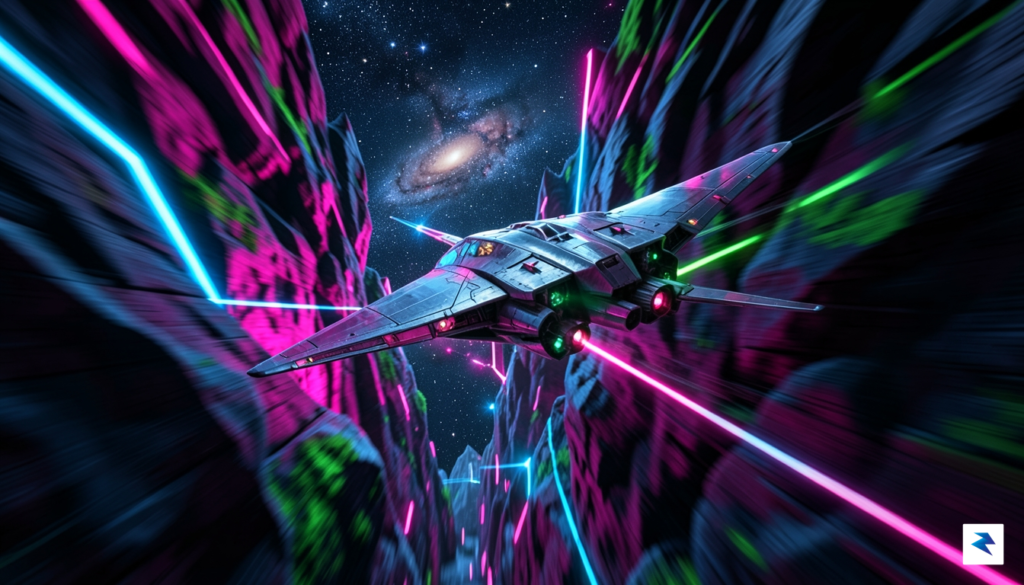
The phrase “on-rails” often carries an unfair stigma in modern gaming discourse, frequently dismissed as a relic of a bygone arcade era or a pejorative term for a linear experience. This perception, however, fundamentally misunderstands the profound design philosophy at its core. Far from being a limitation, an on-rails approach represents one of the most effective and potent methods for delivering pure, unadulterated adrenaline and tightly curated excitement. It’s a deliberate design choice that, when executed with mastery, can elevate a game from a mere interactive experience to a breathtaking, high-octane spectacle.
Historically, this genre found its footing in the coin-op arcades, where quick, intense bursts of entertainment were paramount. Games like the original Star Fox or Panzer Dragoon didn’t just offer players a fixed path; they offered a meticulously choreographed journey through dazzling landscapes and enemy formations. The core mechanic is elegantly simple: the game controls the player’s movement along a predetermined path, while the player focuses entirely on aiming, dodging, and strategic engagement. This isn’t about dumbing down the experience; it’s about refining it to its most concentrated form, ensuring every frame, every enemy placement, and every environmental cue contributes to an overarching, perfectly paced sequence.
The true genius of on-rails design lies in its ability to strip away the often-overlooked burden of navigation. In many open-world or free-roaming titles, a significant portion of a player’s cognitive load is dedicated to simply figuring out where to go next, how to get there, or whether they’re missing something. By removing this responsibility, developers liberate the player’s attention, allowing them to immerse themselves completely in the immediate action, react instinctively to unfolding events, and appreciate the intricate details of the world rushing past. Consequently, player engagement isn’t diminished by a lack of choice in movement; it’s intensified by the singular focus on high-stakes reactions and precision gameplay.
This deliberate curation transforms the game into a premium, rollercoaster-like experience, where every turn, every ascent, and every plummet is designed for maximum impact. Developers can craft breathtaking cinematic moments and elaborate set-pieces that would be impossible to maintain or fully appreciate if the player were also responsible for steering the vehicle. Imagine a collapsing skyscraper or a frantic chase sequence where every camera angle and enemy spawn is precisely timed to create a dramatic crescendo. The on-rails format ensures that players are always in the ideal position to witness and interact with these spectacles, fostering an unparalleled sense of immersion and urgency. It’s about delivering a meticulously crafted thrill ride, where the player is the essential actor in a perfectly directed action scene.
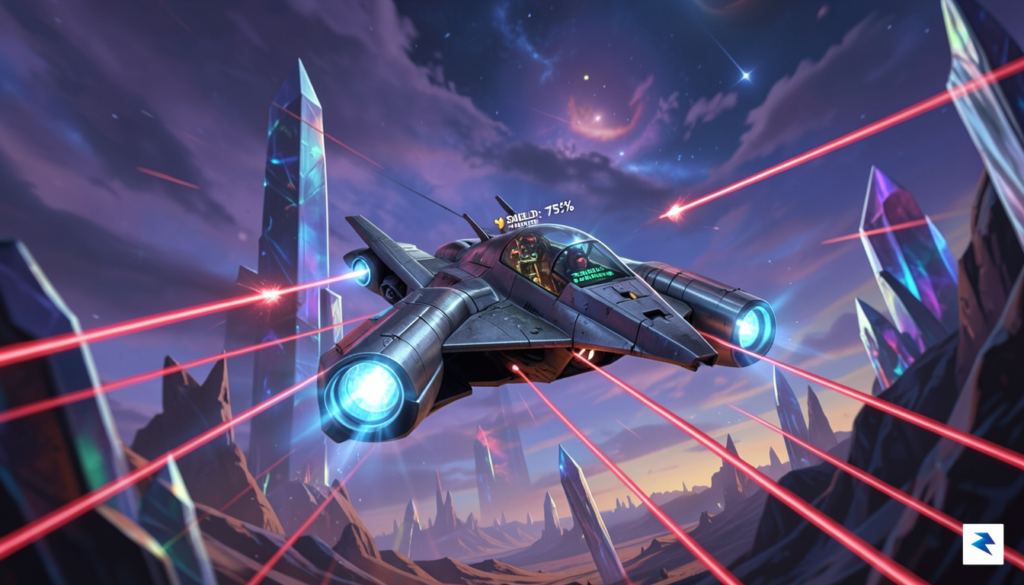
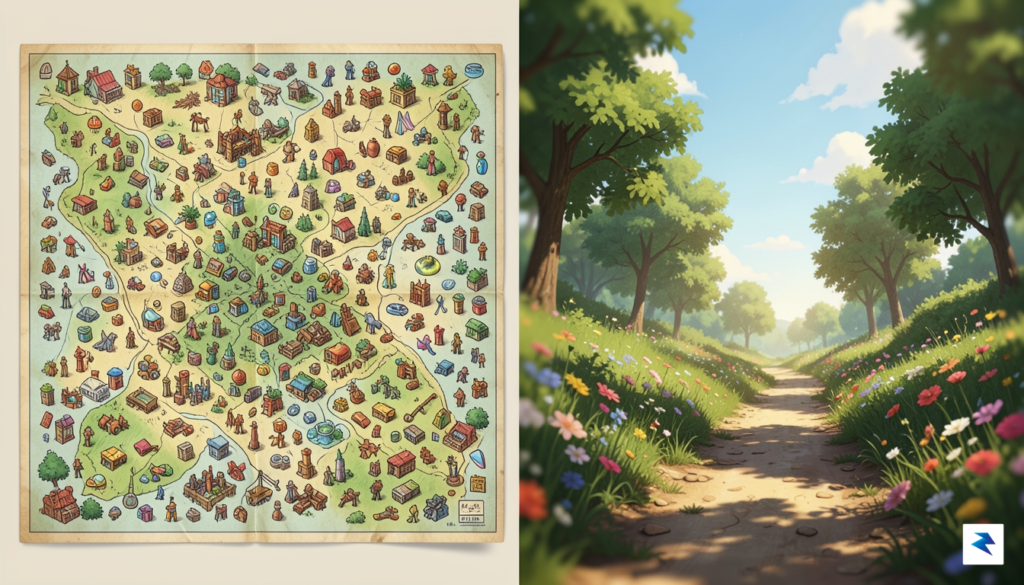
In an era where nearly every major release promises hundreds of hours of exploration and map-clearing chores, a distinct phenomenon known as “open-world fatigue” has begun to settle over the gaming community. What once felt like boundless freedom now often manifests as an overwhelming list of generic objectives, an endless stream of collectible icons, and a persistent feeling that you’re missing out on something just beyond the horizon. Players find themselves more engrossed in optimizing travel routes and managing sprawling inventories than in truly engaging with the core narrative or unique gameplay mechanics. This constant scattering of attention inevitably dilutes the impact of carefully crafted moments, turning epic journeys into a series of disconnected errands.
Amidst this vast digital landscape, the on-rails experience offers a truly refreshing alternative: absolute focus. When a game embraces a more structured, linear path, players are no longer distracted by an ever-present minimap or the temptation of an unexplored side path. Instead, they are invited to fully immerse themselves in a developer’s vision, experiencing it in its most concentrated and impactful form. This intentional constraint allows for meticulous pacing, precise narrative beats, and tightly choreographed action sequences that would be nearly impossible to achieve in a sprawling, player-directed environment. Every encounter, every environmental detail, and every plot twist is delivered with purpose, ensuring that the player’s attention remains exactly where the creators intended.
Linear, scripted levels act as a powerful narrative and mechanical anchor, guiding the player through a carefully curated sequence of events. This design philosophy empowers developers to fine-tune the emotional ebb and flow of the story, building tension, delivering climaxes, and providing moments of reflection with masterful control. Mechanics, too, benefit immensely from this focus; new abilities can be introduced and tested in controlled environments, ensuring players fully grasp their utility before moving on. There’s an inherent clarity in knowing that every step forward is a deliberate part of the grand design, rather than just another waypoint on a checklist. This structured progression fosters a deeper connection to the game world and its characters, as players are always moving towards a discernible goal.
Consider the stark contrast between the relentless, forward momentum of a classic rail shooter or a narrative-driven adventure and the often aimless wandering found in many modern open-world RPGs. In a linear experience, the sense of purpose is immediate and undeniable; the objective is clear, the path is laid out, and every action contributes directly to advancing the narrative or overcoming a specific challenge. Conversely, while open-world games promise freedom, they can sometimes leave players feeling adrift, struggling to find a meaningful direction amidst a sea of optional content. This isn’t to say open-world games lack purpose entirely, but rather that the player often has to self-impose that purpose, whereas a well-designed linear game imbues every moment with an intrinsic sense of progression and direction, creating a uniquely satisfying and cohesive journey.

Games that embrace a more directed, intentional path often guide players into a profound state known as “flow.” This psychological phenomenon, characterized by deep immersion, focused concentration, and a sense of timelessness, occurs when a task perfectly balances challenge and skill, absorbing the individual completely. When a game carefully curates the player’s journey, removing the potential distractions or decision paralysis of an expansive open world, it meticulously tunes the environment to foster this optimal experience. Consequently, players can surrender to the unfolding narrative and gameplay, allowing the experience to wash over them without the constant need to decide where to go or what to do next, thereby deepening their connection to the moment. This deliberate funneling of attention is a potent tool for engagement, ensuring every beat lands with maximum impact.
The power of precise orchestration truly shines when developers take the reins of the camera and the player’s immediate environment. Much like a seasoned film director, game designers can strategically frame shots, manipulate lighting, and choreograph character movements to build tension, deliver crucial narrative beats, or unveil breathtaking vistas. Imagine a camera slowly panning to reveal a colossal enemy lurking in the shadows, or a sudden, jarring cut that places you directly into the heart of an ambush – these moments are meticulously engineered. Such controlled perspectives ensure that every visual cue and every narrative revelation is delivered exactly as intended, crafting moments of suspense, awe, or terror that simply cannot be left to chance or the player’s unguided exploration in a vast, open-ended world. This level of cinematic control transforms gameplay into an interactive spectacle, guaranteeing that the emotional cadence hits its mark every single time.
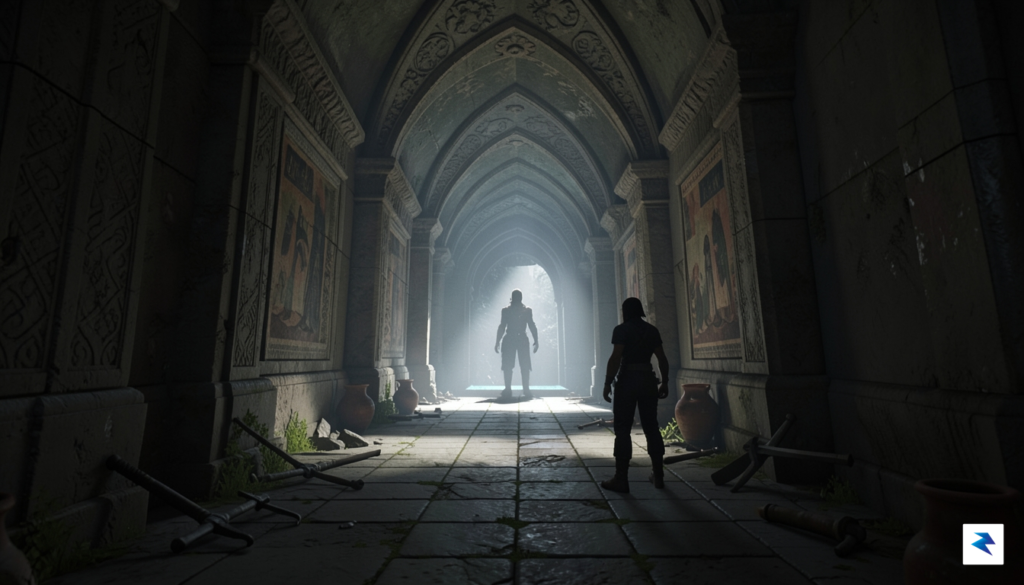
This careful craftsmanship culminates in a uniquely potent emotional payoff when players navigate and overcome these hand-crafted challenges. There’s a distinct satisfaction in conquering a sequence that feels intentionally designed for maximum dramatic effect, where every enemy placement, every environmental hazard, and every narrative twist felt perfectly timed. Unlike emergent challenges in sandbox games, which offer their own brand of organic reward, overcoming a meticulously choreographed gauntlet provides a sense of shared accomplishment with the creators. The player isn’t just succeeding; they are completing a masterfully designed experience, validating the artistic intent and precision of the developers. This feeling of having triumphed over a bespoke trial, rather than merely creating one’s own, elevates the sense of achievement and entrenches those moments deeper into the player’s memory.
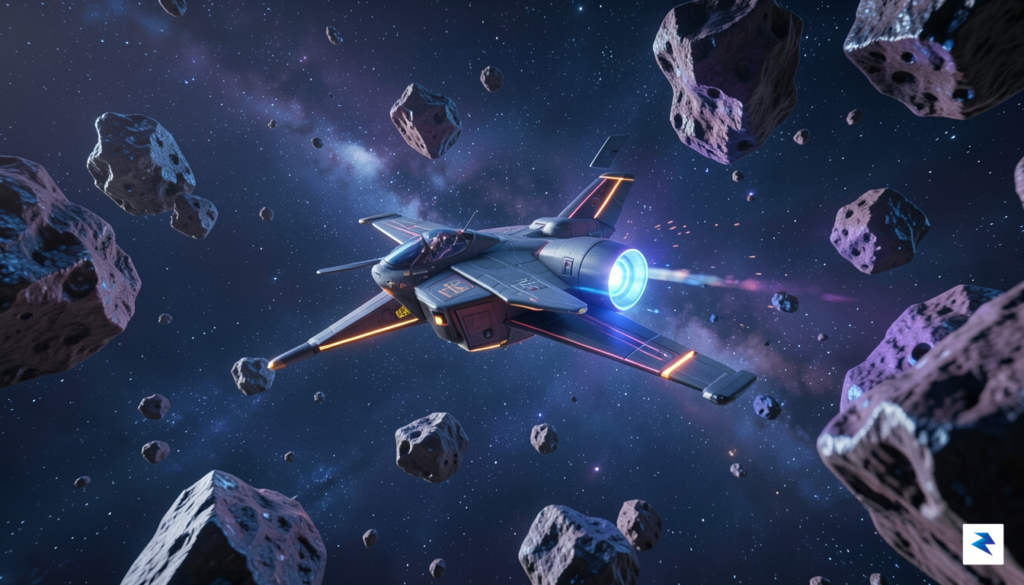
When we talk about games that perfectly encapsulate the brilliance of a focused, on-rails experience, one title invariably comes to mind: Star Fox 64. Released in 1997, this Nintendo 64 classic didn’t just define a genre; it perfected it, establishing a gold standard that few games have managed to match since. Its enduring legacy proves that truly good design doesn’t age; rather, it ripens, becoming even more appreciated as the industry grapples with ever-expanding scopes and often diluted experiences. The game’s success wasn’t built on sprawling open worlds or endless side quests, but on a meticulously crafted series of linear, yet dynamic, missions that prioritized immediate engagement and masterful execution.
The genius of Star Fox 64‘s level design lies in its ability to make a fixed path feel anything but restrictive. Each stage, from the asteroid fields of Asteroid to the molten surface of Solar, is a masterclass in environmental storytelling and challenge escalation. Players are constantly barraged with enemy fighters, environmental hazards, and boss encounters that demand precise maneuvering and quick reflexes. The “corridor shooter” format wasn’t a limitation but a carefully constructed canvas, allowing designers to orchestrate intense sequences where every enemy placement, every obstacle, and every power-up felt intentional. This tightly controlled environment meant that the player’s focus was always on the immediate action, fostering a sense of flow and urgency that is often lost in games that demand constant navigation and exploration.
What truly elevated Star Fox 64 beyond a simple arcade shooter was its innovative approach to replayability through branching paths. Instead of merely offering a linear progression from start to finish, the game presented players with choices that genuinely mattered. Successfully completing a specific objective within a level, like destroying a certain enemy or finding a hidden warp gate, would unlock an entirely different subsequent stage. This clever mechanic encouraged multiple playthroughs, not just for high scores, but to discover new worlds, encounter different challenges, and ultimately reach varied endings. It provided a profound sense of agency within its linear structure, rewarding skilled play with new content and ensuring that the game felt fresh and exciting even after dozens of runs.
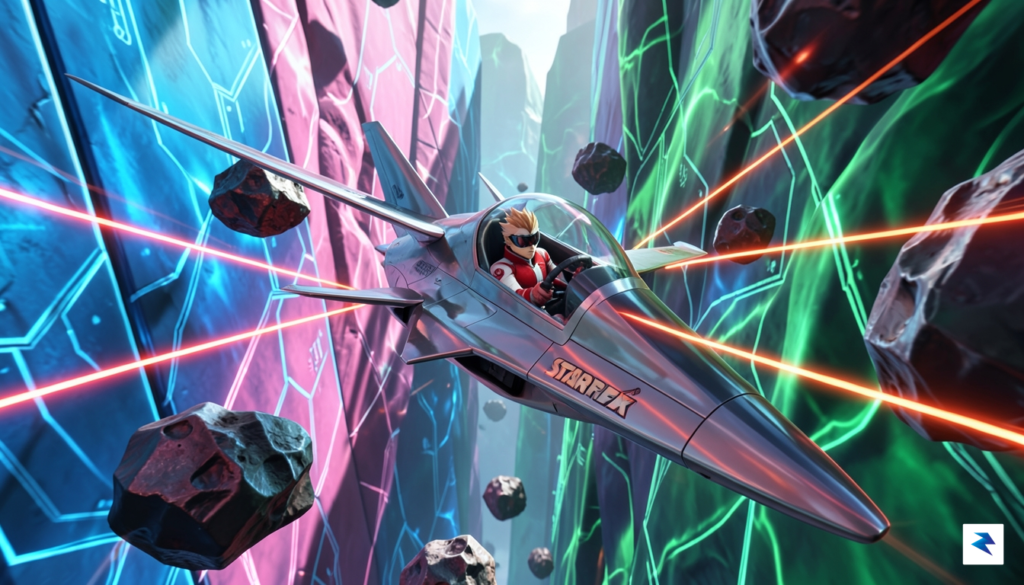
These specific mechanics — the tight controls, intentional level design, and meaningful branching paths — have stood the test of time remarkably well. While many ‘ambitious’ games from the same era, often boasting larger worlds or more complex systems, have faded into obscurity due to clunky controls or dated mechanics, Star Fox 64 remains as engaging today as it was decades ago. Its focus on quality of interaction over sheer quantity of content is a powerful lesson. The satisfaction comes from mastering the flight mechanics, perfecting your aim, and finding optimal routes through its challenging levels, rather than from simply ticking off a checklist of activities. This pursuit of mastery, coupled with its memorable characters and iconic voice acting, cemented its place as a classic.
Ultimately, Star Fox 64 serves as a powerful reminder that sometimes, less is indeed more. By embracing the constraints of its on-rails design and funneling creative energy into precise gameplay, dynamic encounters, and clever structural choices, it created an experience that is both timeless and deeply satisfying. It exemplifies how carefully curated challenges within a focused framework can deliver immense replay value and an unparalleled sense of accomplishment, proving that innovation isn’t always about expanding horizons, but sometimes about refining the journey itself.
The notion that fixed-path games are a relic of the past couldn’t be further from the truth. In fact, new titles are not just preserving the genre, but actively pushing its boundaries into exciting new territories. A prime example of this vibrant evolution is Undercoders’ exhilarating Denshattack!, a game that brilliantly demonstrates how classic rail mechanics can be reimagined for a modern audience. It stands as a powerful case study, proving that the on-rails format is far from dead, instead evolving into something fresh and compelling for contemporary players who appreciate focused, high-intensity gameplay experiences.
At its core, Denshattack! adheres to the beloved on-rails shooter formula, guiding players along a predetermined path while demanding precise aiming and tactical dodging. However, it’s the game’s spectacular modern visual flair and intricate input system that truly elevate the experience beyond simple arcade nostalgia. Players are plunged into a maelstrom of vibrant projectiles, dynamic environmental hazards, and a relentless barrage of enemies, requiring not just quick reflexes but also strategic thought in navigating the chaos. This blend of familiar mechanics with contemporary polish results in a tightly wound, incredibly satisfying challenge that feels both classic and cutting-edge.
This intense, multi-layered action would have been impossible on the arcade hardware of yesteryear. Modern gaming platforms, with their vastly superior processing power and graphical capabilities, allow Denshattack! to unleash a level of environmental detail and enemy density that simply couldn’t be rendered decades ago. The screen often teems with dozens of projectiles and adversaries, alongside stunning particle effects and destructible elements, creating a uniquely dense and satisfying challenge that continuously pushes players to their limits. This demonstrates that technological advancements are not just about creating sprawling open worlds, but also about deepening and enriching focused, linear experiences with unparalleled visual and mechanical complexity.
Crucially, Denshattack! also stands as a testament to the vital role independent developers play in the gaming landscape. While larger studios might shy away from what some perceive as ‘niche’ genres, indies like Undercoders are unafraid to innovate within established formats, breathing new life into classic gameplay loops. Their passion for game design, coupled with a willingness to experiment with modern technology and tighter controls, ensures that even venerable genres find new relevance and appeal. Through their creative vision and dedication, independent developers are proving that the on-rails genre isn’t merely surviving on nostalgia; it is actively evolving and thriving, offering experiences that are as deep and engaging as any other contemporary title.

The prevailing notion that every major game must be an expansive, 200-hour open-world epic has inadvertently narrowed the industry’s creative scope. However, there is a profound, often understated value in experiences that know precisely what they are and exactly what they want to show you. These meticulously curated journeys, which often benefit from “on-rails” design principles, offer a distinct kind of immersion and impact that boundless freedom can sometimes dilute. They prioritize focus, pacing, and intentional storytelling, guiding players through a narrative or a series of events crafted with specific emotional and experiential outcomes in mind, leading to singularly memorable moments.
Indeed, a healthy industry balance doesn’t necessitate an either/or scenario; rather, it thrives on intelligent integration. Developers can brilliantly incorporate ‘railed’ sequences into larger, more open games to significant effect, improving pacing and delivering narrative punch. Think of the exhilarating set pieces in an otherwise exploration-heavy adventure, or the tightly choreographed action sequences that punctuate a sprawling RPG. These moments serve as vital narrative anchors, allowing for intense emotional beats, breathtaking cinematic vistas, or focused gameplay challenges that might otherwise get lost in the vastness. By strategically employing guided segments, designers can ensure the player never loses sight of the main objective or feels overwhelmed by endless choices, creating a dynamic ebb and flow between freedom and directed progression.
This hybrid approach not only enriches the player experience within individual titles but also contributes to a more diverse and robust portfolio across the entire gaming landscape. Not every player, nor every game concept, benefits from infinite choices and endless exploration. Sometimes, the most compelling experiences are those that respect the player’s time, delivering a powerful, concise narrative or a perfectly tuned gameplay loop within a more defined structure. Embracing more on-rails design, whether as standalone shorter experiences or as integral components of larger titles, allows for a greater variety of artistic visions to flourish. It opens the door for innovative storytelling and gameplay mechanics that might not fit the open-world mold, catering to a broader spectrum of player preferences and time commitments.
Ultimately, the future of gaming lies not in abandoning one design philosophy for another, but in recognizing the inherent strengths of both open-ended freedom and deliberate curation. It’s about empowering developers to choose the structure that best serves their artistic vision, rather than conforming to perceived market demands for endless content. By valuing and nurturing games that embrace their focus and guide players through expertly crafted experiences, the industry can offer a richer, more varied tapestry of entertainment. This balance ensures that whether a player seeks boundless exploration or a potent, guided narrative, there will always be an enriching and compelling journey waiting for them.
You must be logged in to post a comment.