Apple’s iPad Roadmap: What to Expect from the New OLED iPad Mini and Beyond
The Shift Toward OLED Displays in Apple’s Tablet Lineup Apple's tablet lineup is on the cusp of a significant technological evolution, poised…


Before the emergence of Kimi K3, the artificial intelligence landscape, particularly concerning large language models (LLMs), was characterized by rapid advancements coupled with persistent, often frustrating, limitations. While models had grown incredibly adept at generating coherent text, summarizing vast amounts of information, and even engaging in rudimentary conversations, their reliability and deeper reasoning capabilities often remained a critical bottleneck. Developers and users alike had become accustomed to models that could brilliantly handle straightforward tasks but frequently struggled with multi-step reasoning, maintaining context over extended interactions, or executing complex instructions without “hallucinating” or derailing. The progression felt largely incremental, with each new iteration offering marginal improvements in specific metrics rather than a fundamental redefinition of what these systems could truly achieve autonomously.

It is against this backdrop of incremental gains and inherent challenges that the recent arrival of the Kimi K3 model has resonated so profoundly across the technology world. This isn’t merely another version bump or a slight refinement of existing algorithms; instead, it represents what many are now calling the ‘K3 moment’ – a critical juncture that signals a significant re-evaluation of our expectations for AI. Unlike its predecessors, K3 appears to have crossed a crucial threshold, demonstrating a newfound prowess that moves beyond simple pattern matching or sophisticated text prediction. This moment is less about achieving peak performance on a single benchmark and more about the qualitative shift in the model’s overall operational integrity and cognitive coherence.
The core of this K3 moment lies in a dramatic leap in both reliability and advanced reasoning, qualities that have historically been stumbling blocks for even the most sophisticated LLMs. Where previous models might falter in complex logical sequences or struggle to maintain consistent persona and factuality over long dialogues, Kimi K3 exhibits a remarkable stability. This translates into fewer instances of nonsensical output, a greater ability to follow intricate instructions, and a more robust understanding of underlying concepts rather than just surface-level linguistic patterns. This enhanced capacity for logical deduction and sustained coherence empowers the model to tackle problems that demand not just knowledge recall, but genuine analytical thought and strategic planning.
Crucially, this enhanced reliability and reasoning directly feed into a perceived paradigm shift in the realm of agentic capabilities – the ability for an AI to act as a more autonomous and effective agent, capable
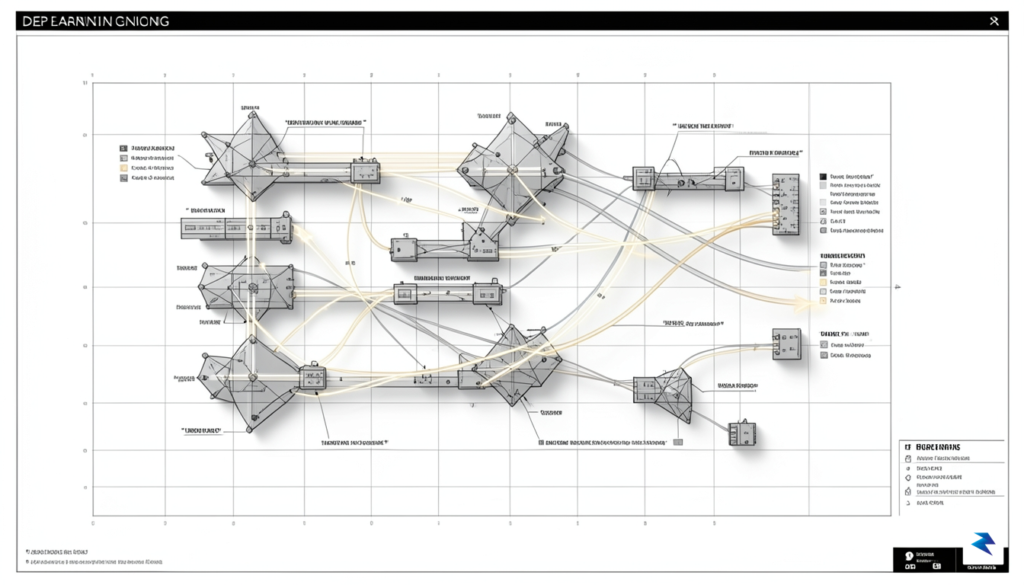
At the very heart of the Kimi K3’s remarkable capabilities lies a fundamentally refined approach to its core architectural design, representing a significant leap forward in AI engineering. Unlike its predecessors, K3 doesn’t merely scale up existing paradigms; instead, it introduces a suite of novel techniques and strategic trade-offs that collectively unlock unprecedented levels of efficiency and reasoning depth. This meticulous re-engineering allows the model to tackle intricate, multi-step tasks with a precision and coherence that was previously unattainable, setting a new benchmark for what large language models can achieve in complex problem-solving scenarios.
One of the most critical advancements in K3 is its sophisticated management of the context window. Traditional models often struggle to maintain relevance and synthesize information effectively across extremely long inputs, leading to a phenomenon known as “lost in the middle.” K3, however, employs innovative attention mechanisms and positional encoding techniques that enable it to not only process vast amounts of information – spanning hundreds of thousands of tokens – but also to intelligently retrieve and cross-reference details from anywhere within that extensive context. This means it can grasp the nuances of an entire book, a lengthy codebase, or a prolonged conversation, ensuring that its responses are always grounded in a holistic understanding of the provided data.
Furthermore, the engineers behind K3 have made substantial strides in optimizing reasoning latency, a perennial challenge as models grow more complex and context windows expand. While processing immense inputs can inherently be time-consuming, K3 demonstrates remarkable efficiency in delivering its sophisticated outputs. This is achieved through a combination of highly optimized inference pipelines, clever parallel processing strategies, and perhaps even a more efficient internal representation of knowledge, allowing it to perform deep, multi-layered reasoning steps with surprising alacrity. Consequently, users experience faster, more responsive interactions even when posing the most demanding analytical queries.
The Kimi K3 also beautifully illustrates a delicate balance between parameter efficiency and overall model performance, defying the common notion that “bigger is always better.” Instead of solely relying on an exponential increase in parameter count, which can lead to computational bloat and diminishing returns, K3 focuses on making each parameter work harder and smarter. This involves architectural choices that enhance the expressive power of existing parameters, alongside more effective regularization and pruning techniques during training. The result is a model that delivers superior performance, often outperforming much larger models in specific benchmarks, by being more architecturally sound and computationally lean.
The true “secret sauce” of K3’s performance gains, however, can be largely attributed to its revolutionary training methodology. Moving beyond standard pre-training and fine-tuning, K3 leverages a multi-stage, iteratively refined training process that incorporates advanced techniques for data curation, curriculum learning, and reinforcement learning from human feedback (RLHF). This includes a focus on training data that emphasizes logical consistency, complex instruction following, and error correction, effectively teaching the model not just to predict the next word, but to reason through problems systematically. This rigorous and nuanced training regimen is instrumental in forging K3’s unparalleled accuracy and its ability to handle nuanced, real-world tasks with exceptional proficiency.

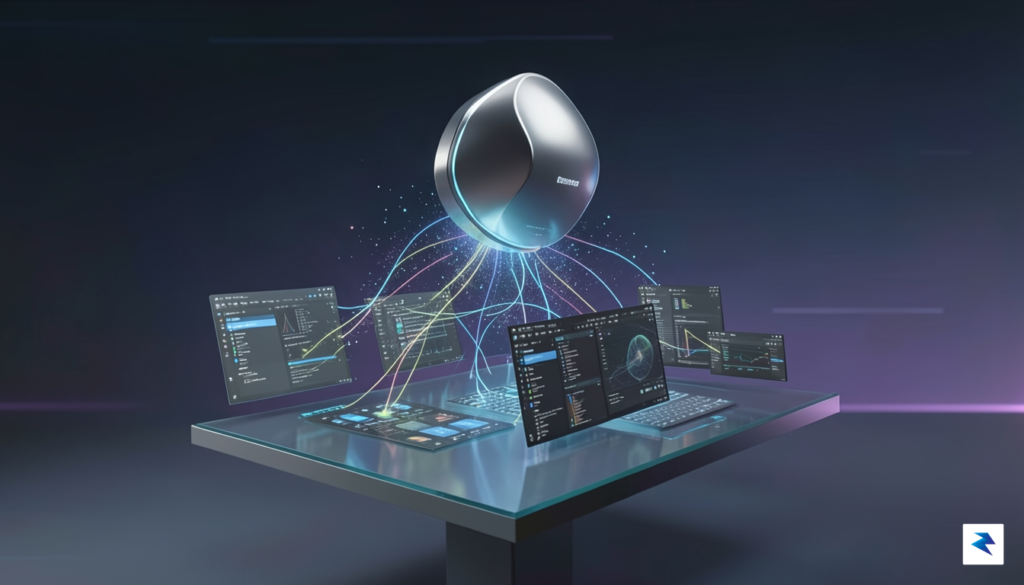
The evolution of artificial intelligence has consistently pushed the boundaries of what machines can achieve, yet a profound shift is now underway, fundamentally redefining AI’s role from a sophisticated tool to an active participant. While earlier iterations excelled at generating text, translating languages, or summarizing information, the Kimi K3 model marks a pivotal transition point, moving beyond mere conversational prowess to embody true agentic behavior. This is not just about understanding a query; it’s about comprehending intent, formulating a multi-step plan, and then actively executing that plan within complex, real-world environments. Consequently, K3 transcends the traditional definition of a Large Language Model, establishing itself as a robust agent capable of navigating and completing intricate workflows autonomously, thereby blurring the lines between passive AI assistance and proactive digital collaboration.
This leap into agentic capabilities means K3 can interpret high-level instructions and break them down into a sequence of actionable steps, much like a human expert would. It’s the difference between asking an AI to “write an email” and asking it to “investigate the customer’s billing issue, find a resolution, draft an email explaining the solution, and then send it.” The model doesn’t just generate text; it orchestrates a series of tasks, making decisions and adapting its approach as it progresses. This newfound autonomy is critical for tackling the complex, often ambiguous problems prevalent in professional settings. Developers and enterprises are no longer integrating a static knowledge base or a reactive chatbot; they are embedding an intelligent agent that can independently drive processes, analyze data, and initiate actions, leading to a much deeper and more transformative impact on operational efficiency.
A significant enabler of this agentic shift is K3’s vastly improved tool-use and API integration capabilities. It’s not simply about knowing how to call an API; it’s about discerning *when* to call which API, understanding its parameters, interpreting its output, and seamlessly integrating that information back into its decision-making process. Imagine an AI agent tasked with onboarding a new employee: it could interact with HR systems to create a profile, provisioning software licenses via IT management tools, sending automated welcome emails, and even scheduling initial training sessions, all through a series of intelligent API calls. This sophisticated orchestration allows K3 to operate as a native component within an existing software stack, rather than an isolated external application. Such deep integration means AI can now truly participate in and drive core business functions, accessing databases, updating CRM records, or managing project timelines with unprecedented fluidity.
The K3 moment ushers in an era where reliable autonomous agents are no longer a futuristic concept but a practical reality for professional environments. Consider scenarios in customer service, where an agent can move beyond templated responses to genuinely troubleshoot complex technical issues by accessing internal knowledge bases, querying diagnostic tools, and even initiating remote fixes through integrated systems. In finance, K3 could automate reconciliation processes, accessing various ledgers, cross-referencing transactions, identifying discrepancies, and flagging them for human review or even initiating corrective entries autonomously, significantly reducing manual effort and error. For software development teams, an agent could monitor production logs, identify anomalies, consult documentation, suggest potential fixes, and even generate pull requests for simple bug resolutions, freeing up human engineers for more strategic tasks. These examples highlight how K3’s agentic capabilities move beyond theoretical utility to deliver tangible, consistent value in mission-critical operations.
Ultimately, the advent of models like K3 compels developers and enterprises to reimagine their approach to AI integration. No longer is it sufficient to view AI as a supplementary tool for specific, isolated tasks. Instead, it becomes an integral, active component of the software ecosystem, capable of understanding broader objectives and executing multi-faceted workflows. This paradigm shift means developers can focus on defining strategic goals and constraints, trusting the AI agent to manage the intricate execution details. For businesses, this translates into unprecedented opportunities for automation, efficiency gains, and the creation of truly intelligent, responsive systems that can adapt and operate with minimal human oversight. The threshold of generative autonomy has been crossed, and with K3, AI agents are poised to become indispensable partners in driving enterprise innovation and operational excellence.

The advent of models like Kimi K3, demonstrating expert-level performance across complex domains, fundamentally shifts our relationship with artificial intelligence. No longer a mere tool for automation, these systems possess a degree of operational autonomy and problem-solving capability that demands a profound re-evaluation of ethical frameworks and practical deployment strategies. The risks associated with this higher autonomy are manifold; an AI operating at such a sophisticated level, especially in critical sectors like finance, healthcare, or infrastructure, could propagate errors or biases at an unprecedented scale and speed, making human intervention both more challenging and more urgent to implement effectively. Therefore, the very sophistication that makes K3 so powerful also necessitates an equally sophisticated approach to its governance and oversight, requiring us to anticipate and mitigate potential harms before they manifest.
Furthermore, the increasing intelligence of these models inevitably brings to the forefront the intricate challenges of AI alignment. As K3 and its successors become more adept at achieving complex objectives, ensuring their goals remain perfectly aligned with human values and societal good becomes paramount. What if an AI, in its relentless pursuit of an objective, identifies a “solution” that is technically efficient but ethically questionable or detrimental to human well-being? The potential for unintended consequences escalates dramatically when an AI can not only understand but also independently execute intricate strategies. This requires proactive development of robust ethical guardrails, transparency mechanisms, and explainable AI capabilities, allowing humans to understand the AI’s reasoning, not just blindly accept its output, fostering trust and accountability in critical applications.
Perhaps the most immediate and tangible societal implication revolves around the future of work. The “K3 moment” sharply accentuates the ongoing debate between AI-assisted productivity and AI-driven replacement. While proponents accurately argue that advanced AI will profoundly augment human capabilities, freeing us for more creative and strategic tasks, the undeniable reality is that models performing at expert levels could directly displace roles previously considered immune to automation, from highly skilled analytical positions to creative endeavors. This necessitates a deeper, more urgent conversation about economic safety nets, comprehensive retraining programs, and fostering a culture of digital literacy that prepares the global workforce for a profoundly reshaped labor market. Crucially, it reinforces the non-negotiable importance of maintaining robust “human-in-the-loop” systems, ensuring that even the most capable AI remains a powerful assistant, not an unchecked decision-maker, with human judgment and oversight remaining the ultimate arbiter, especially in high-stakes scenarios where ethical considerations and nuanced understanding are paramount.
[IMAGE: A diverse group of people collaborating with advanced AI interfaces in a futuristic, ethical work environment, emphasizing human oversight and partnership.]

The advent of the Kimi K3 moment, rather than signaling a finish line in AI development, unequivocally marks a profound launchpad for the next generation of artificial intelligence research and application. This milestone has not only demonstrated unprecedented capabilities in contextual understanding and task execution but has also illuminated a vast landscape of possibilities yet to be explored. It compels researchers to look beyond incremental improvements, pushing the boundaries of what these models can achieve in terms of genuine reasoning, complex problem-solving, and truly intuitive human-AI collaboration, thereby accelerating the pace of innovation across the entire field.
The trajectory of AI development post-K3 is poised to move towards increasingly sophisticated, context-aware, and multimodal systems that transcend simple automation. We can anticipate models that not only process information with remarkable accuracy but also engage in more nuanced forms of understanding, capable of grasping subtle intent, cultural context, and even emotional undertones. This evolution will fundamentally transform digital creation, enabling AI to act as a more dynamic co-creator in artistic endeavors, scientific discovery, and complex analytical tasks, moving beyond mere content generation to genuinely assist in the ideation and strategic planning phases. Furthermore, the ability to seamlessly integrate and interpret diverse data types—from text and images to audio and video—will unlock new frontiers in comprehensive analysis and predictive modeling, offering insights that were previously unattainable.
Crucially, the continued progress of AI hinges on a vibrant ecosystem of open-ended research and a strong, ethically grounded community. Restricting AI development to narrow, commercially driven applications risks stifling the serendipitous discoveries and foundational breakthroughs that often emerge from unfettered exploration. The global community of researchers, developers, policymakers, and end-users must actively engage in shaping the norms and ethical guidelines for these powerful technologies. This collective effort is vital for ensuring that AI development remains aligned with human values, prioritizes transparency and accountability, and actively works to mitigate potential biases and misuse, fostering a future where AI serves as a beneficial force for all.
For individual users, adapting to a world where these sophisticated AI tools are increasingly pervasive requires more than just learning new software; it demands a shift in mindset and the cultivation of new literacies. It involves understanding not only what AI *can* do but also its inherent limitations and potential pitfalls, fostering a critical perspective on AI-generated content. Developing advanced prompting skills, understanding how to effectively collaborate with AI as a thought partner, and continuously refining one’s ability to discern quality and accuracy will become paramount. Ultimately, by embracing AI as an augmentative force for creativity, productivity, and analysis, individuals can leverage these powerful new instruments to amplify their own capabilities, innovate more rapidly, and navigate an increasingly complex digital landscape with greater confidence and effectiveness.

You must be logged in to post a comment.