Apple’s ‘Baltra’ AI Chip Delay: What It Means for the Future of Apple Intelligence
Understanding the Apple 'Baltra' AI Chip Delay The reported delay of the internal project known as "Baltra" represents more than…
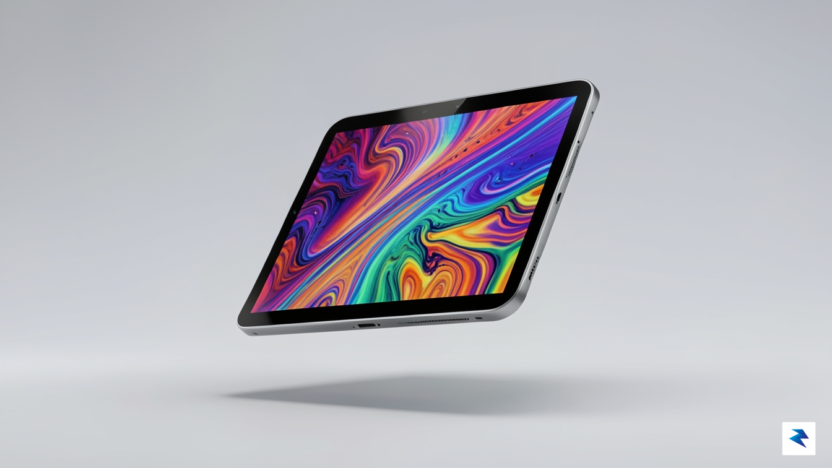
Apple’s tablet lineup is on the cusp of a significant technological evolution, poised to usher in a new era of visual fidelity and efficiency. The highly anticipated integration of Organic Light-Emitting Diode (OLED) displays across various iPad models, particularly in upcoming smaller form factors like the iPad mini, represents a pivotal departure from the Liquid Crystal Display (LCD) technology that has long defined these devices. This shift isn’t merely an incremental upgrade; it signifies a strategic commitment to pushing the boundaries of display quality and user experience, setting a new benchmark for the entire tablet industry and marking a profound milestone for the iPad ecosystem.
For decades, iPads have predominantly relied on LCD panels, which operate by shining a backlight through a layer of liquid crystals. These crystals selectively block or allow light to pass, illuminating color filters to produce an image. While LCDs have matured to offer excellent brightness and color reproduction, they inherently struggle with achieving true black because the backlight is always on, even for pixels intended to be black, leading to a subtle gray glow or ‘light bleed’. This fundamental limitation has been a consistent challenge for display engineers striving for ultimate contrast and depth in imagery.
Apple did introduce an advanced iteration of LCD, known as mini-LED, in some of its high-end iPad Pro models. This technology utilizes thousands of tiny LEDs for the backlight, grouped into hundreds or even thousands of local dimming zones. This innovation allowed for much finer control over brightness and contrast, significantly reducing light bleed and making dark areas appear considerably deeper than standard LCDs. However, even mini-LED, impressive as it is, still operates on the principle of backlighting. It cannot achieve the perfect, pixel-level blackness that a truly self-emissive display can, nor does it typically offer the same level of thinness or power efficiency as OLED for certain content.
This is precisely where OLED technology enters as a game-changer for the iPad. Unlike LCDs, OLED panels are comprised of individual pixels that generate their own light. When an OLED pixel needs to display black, it simply turns off completely, resulting in an ‘infinite’ contrast ratio where blacks are absolutely pure and indistinguishable from the bezel of the device in a dark room. This self-emissive nature unlocks a host of benefits that are transformative for a device like the iPad, fundamentally changing how users interact with content, from photos and videos to apps and games.
Foremost among these advantages is the unparalleled visual experience. OLED offers breathtaking color accuracy, vibrant saturation, and incredibly wide viewing angles without the color shift sometimes seen on LCDs. Furthermore, by eliminating the need for a separate backlight unit and its associated layers, OLED displays enable significantly thinner and lighter device profiles. This reduction in bulk contributes to a more comfortable and portable user experience, which is particularly impactful for smaller devices like the iPad mini, enhancing its already impressive portability and making it even more appealing for on-the-go consumption and creation. The improved response times of OLED panels also mean smoother scrolling and a more immersive, blur-free gaming experience.
Power consumption is another critical area where OLED shines, especially for a portable device. Because individual pixels can be turned off completely, displaying dark content or utilizing dark mode interfaces results in substantial energy savings compared to LCDs, where the entire backlight remains active regardless of the image displayed. This translates directly into extended battery life, a highly valued feature for any mobile device user, especially for those who rely on their iPad for long work sessions, extensive reading, or entertainment during travel. This efficiency, combined with superior display quality, makes OLED a compelling upgrade that directly enhances the user’s daily interaction with their tablet.
Apple’s decision to transition to OLED now, after years of refining its LCD and mini-LED offerings, speaks volumes about the maturity and cost-effectiveness of OLED manufacturing at scale. With OLED already a staple in its iPhone and Apple Watch product lines, bringing this superior display technology to the iPad creates a more consistent, premium visual ecosystem across its core devices. It allows Apple to further differentiate its tablets in an increasingly competitive market, offering consumers a truly next-generation viewing experience that competitors will struggle to match without similar investment. This strategic move solidifies the iPad’s position at the forefront of tablet innovation, redefining expectations for mobile displays and setting a new standard for what users can expect from a premium tablet experience.
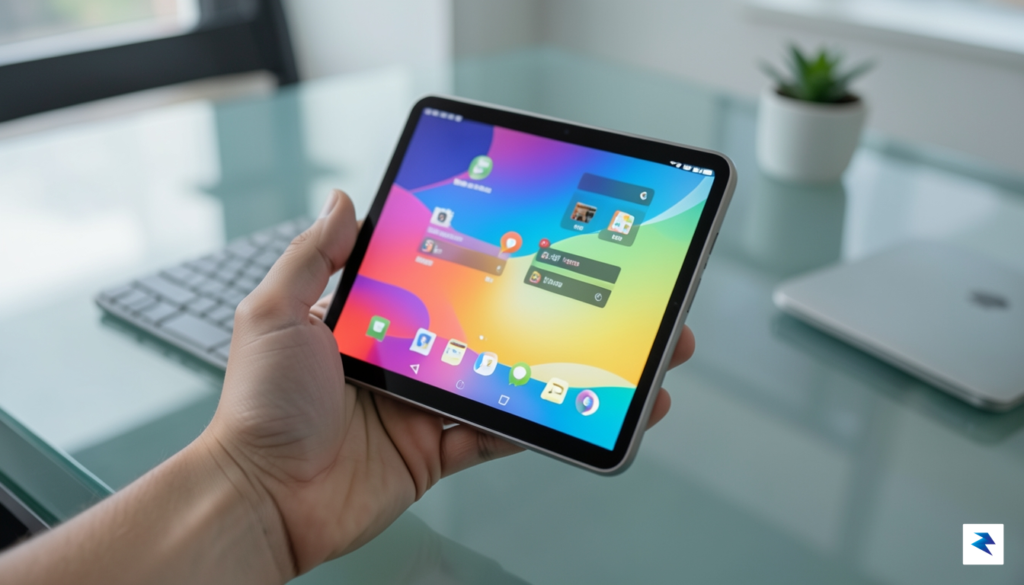
The iPad mini has long carved out a unique niche in Apple’s tablet lineup, cherished by digital nomads, avid readers, and dedicated note-takers alike for its unparalleled portability and pocketability. However, its display technology has remained largely consistent with traditional LCD panels, offering good quality but lacking the deep contrast and vibrant colors found in Apple’s more premium devices. The rumored shift to an OLED display marks the most substantial visual upgrade in the mini’s history, promising to transform the user experience by delivering true blacks, infinite contrast ratios, and significantly enhanced color accuracy, which are direct improvements over the current panel’s limitations, including its susceptibility to the “jelly scrolling” effect.
This revolutionary display technology, already lauded in iPhones and Apple Watch models, will bring a level of visual fidelity to the small-form-factor iPad that was previously unimaginable. Users can anticipate breathtaking HDR content, where highlights pop and shadows reveal subtle detail without crushing blacks, making movies, TV shows, and games more immersive than ever. Beyond media consumption, the improved clarity and color precision will greatly benefit creative professionals who use the mini for sketching, photo editing, or quick design work on the go, ensuring their work is rendered with exceptional accuracy. Furthermore, OLED panels are inherently more power-efficient for displaying dark content, potentially extending battery life for activities like reading e-books or browsing in dark mode, thereby enhancing the device’s utility for extended travel or daily commutes.
Accompanying such a significant display overhaul, it is highly probable that Apple will bundle a suite of internal performance enhancements. A new A-series chip, likely an iteration of the A16 or A17 Bionic, would provide a substantial boost in processing power, ensuring the device remains fluid and responsive for demanding applications, multitasking, and future operating system updates. This horsepower would also enable more sophisticated machine learning capabilities, benefiting everything from augmented reality experiences to advanced photography features. Additionally, upgrades to the camera system, potentially including support for Center Stage on the front-facing camera, improved low-light performance, and faster connectivity standards like Wi-Fi 6E, are all plausible additions that would round out the device’s capabilities, making it a truly modern and future-proof portable powerhouse.
The introduction of an OLED iPad mini clearly signals Apple’s intention to solidify its position as a premium offering, even in its most compact tablet form. This upgraded mini would appeal strongly to its existing demographic, providing an even more compelling device for those who prioritize a top-tier visual experience in a highly portable package. It could also attract new users who desire Pro-level display quality for media consumption or light creative tasks but find the larger iPad Pro models too cumbersome or expensive. By injecting high-end display technology into the mini, Apple strategically differentiates it from both larger iPhones and the standard iPad, ensuring that every size in its tablet lineup offers a distinct and premium option tailored to specific user needs, thus reinforcing its broader tablet strategy of offering a meticulously curated device for every segment of the market.
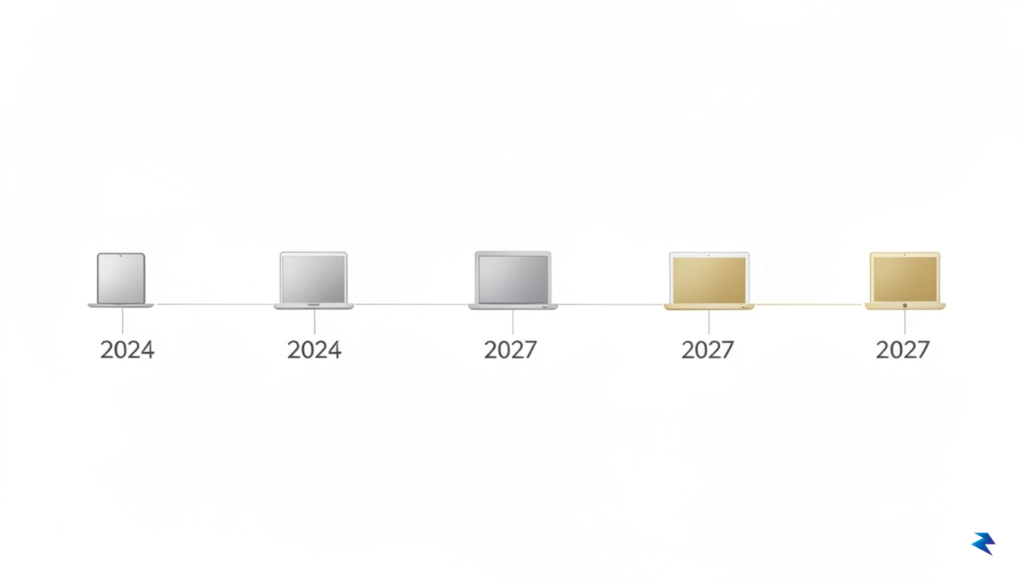
Apple appears to be adopting a highly strategic, staggered approach to refreshing its diverse iPad lineup, with a clear roadmap extending through 2027. This methodical cycle is designed not merely to introduce new hardware, but to sustain consistent market interest and ensure each tier—from the entry-level iPad to the sophisticated Pro models—remains at the forefront of tablet technology. By carefully spacing out these updates, Apple can maintain a steady drumbeat of innovation, preventing any single product category from becoming stale while effectively competing against a rapidly evolving landscape of alternatives. This long-term vision aims to provide both predictable upgrades for enthusiasts and compelling reasons for new users to enter the ecosystem at various price points.
The entry-level iPad, often seen as the gateway to Apple’s tablet ecosystem, is expected to see less frequent but still significant updates. These models typically prioritize affordability and broad appeal, making them ideal for students, casual users, and those seeking a reliable device without premium features. While specific refresh intervals might vary, the pattern suggests improvements focused on core performance, display quality, and perhaps minor design refinements, ensuring it remains an excellent value proposition. Consumers considering this tier can generally expect a device that will serve their needs well for several years, even if it doesn’t boast the very latest chip technology or cutting-edge display technology.
Moving up the ladder, the iPad Air occupies a crucial middle ground, balancing robust performance with a more accessible price point than the Pro series. This lineup is poised for more regular updates, potentially every 18-24 months, incorporating advancements like more powerful A-series chips, improved display technology, and perhaps new color options. The Air models often inherit features from previous-generation Pros, making them a compelling choice for users who demand a step up in power and design sophistication for creative tasks and demanding applications, without the full professional price tag. This strategic positioning allows it to capture a significant segment of the market looking for premium experiences without breaking the bank.
At the pinnacle of Apple’s tablet offerings, the iPad Pro models are anticipated to receive the most cutting-edge advancements, with a refresh cycle that might align closely with their Mac counterparts, possibly every 12-18 months. These updates are expected to introduce groundbreaking technologies, such as the rumored OLED displays, next-generation M-series chips for desktop-class performance, and advanced camera systems. The Pro line is squarely aimed at professionals and power users who require the utmost in performance, display quality, and accessory support, making each iteration a significant leap forward in mobile productivity and creative potential. These devices are designed to push the boundaries of what a tablet can achieve, serving as powerful computing tools for demanding workflows.
Crucially, Apple’s long-term hardware roadmap is inextricably linked with its robust software support. Even as new hardware iterations emerge, the company consistently provides many years of iOS/iPadOS updates to older models, often extending software longevity far beyond typical Android tablet lifespans. This commitment means that even if you purchase an iPad today, you can expect to receive critical security updates and new features for a significant period, ensuring your device remains relevant and secure. This strong software commitment enhances the overall value proposition of an iPad, allowing consumers to feel confident in their investment and reducing the pressure to upgrade solely for new software capabilities.
Given this strategic refresh cycle, consumers planning an iPad purchase have several considerations. If your current device is struggling or you have an immediate need, purchasing an iPad now will still provide a top-tier experience with years of software support. However, if you’re eyeing specific rumored features like OLED displays on the Mini or Pro, or the next generation of M-series chips, waiting for the anticipated 2024-2025 updates might be a prudent choice, especially if your current device is still performing adequately. For those seeking the best balance of features and value, keeping an eye on previous-generation models after a new release can also yield significant savings without a dramatic drop in performance or functionality. Ultimately, understanding your specific needs and timeline is key to making the most informed decision in Apple’s evolving iPad ecosystem.

For individuals whose livelihoods depend on visual fidelity, such as graphic designers, photographers, digital artists, and video editors, the display is arguably the single most critical hardware component. It serves as their window into the creative process, where every pixel, every shade, and every nuance directly impacts their output. The anticipated shift to OLED technology in devices like the iPad Mini is therefore far more than a mere incremental upgrade; it represents a profound leap forward in visual accuracy and the quality of the creative experience, moving beyond marketing buzzwords to deliver tangible professional advantages.
At the heart of OLED’s appeal for creative workflows lies its unparalleled ability to achieve true black. Unlike traditional LCD panels, which rely on a backlight that can never be entirely turned off, OLED pixels are self-emissive, meaning each pixel can be individually switched off. This results in perfect, inky blacks, which in turn dramatically boosts contrast ratios and makes colors appear significantly more vibrant and lifelike. For professionals engaged in color grading, photo editing, or digital illustration, this means they can finally perceive the full spectrum of their work with unprecedented precision, ensuring that what they create on screen is an accurate representation of the final product, free from the compromises of washed-out blacks and limited dynamic range that often plague mobile displays.
Furthermore, OLED technology fundamentally transforms how High Dynamic Range (HDR) content is experienced and manipulated. While traditional LCDs attempt to simulate HDR through local dimming zones, this often leads to compromises like “blooming” or “haloing” around bright objects on dark backgrounds, where the backlight bleeds into adjacent areas. OLED, with its pixel-level control, eliminates these artifacts entirely, offering a truly faithful and granular representation of HDR content. This is particularly crucial for video editors working with HDR footage, allowing them to make critical decisions about luminance, shadow detail, and highlights with confidence, knowing that the display is rendering every frame with impeccable accuracy.
Beyond color and contrast, the practical benefits of OLED extend to the often-challenging environments in which mobile professionals operate. High-quality OLED panels are renowned for their impressive brightness levels and superior anti-reflective properties, which significantly reduce glare from ambient light sources. This adaptability is a game-changer for creatives who frequently work outside the confines of a controlled studio environment, whether they’re sketching concepts in a brightly lit café, reviewing edits on location, or showcasing portfolios to clients under varying conditions. The ability to maintain visual integrity and minimize eye strain, regardless of surrounding light, empowers professionals to remain productive and creatively focused wherever their work takes them.
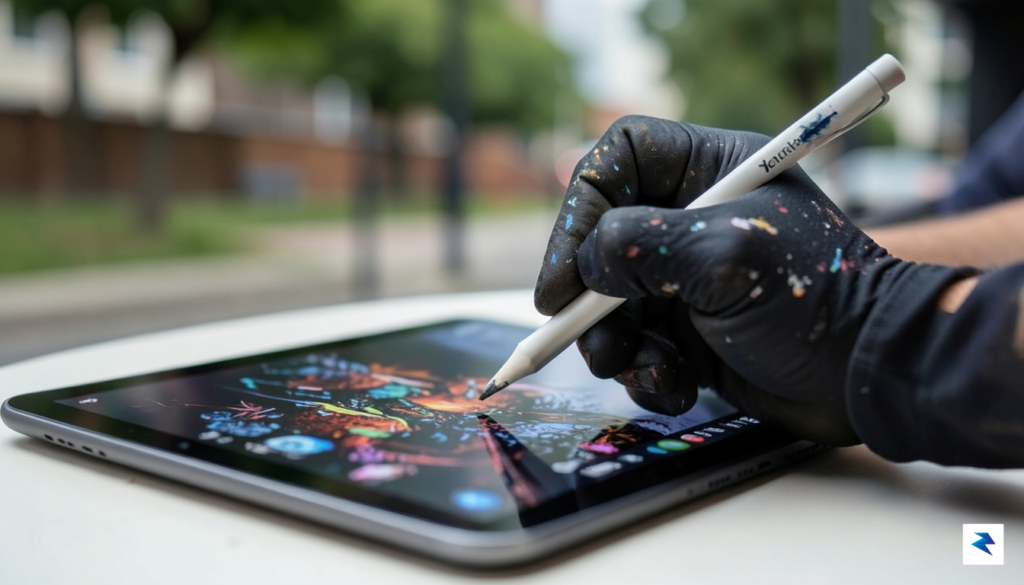

Apple’s rumored plan to roll out OLED displays across its entire iPad lineup, starting potentially with the iPad Mini and moving through other models by 2027, isn’t merely an incremental upgrade; it represents a profound strategic pivot poised to reshape the entire tablet market. By standardizing a premium display technology previously reserved for its most high-end devices and flagship smartphones, Apple is effectively setting a new benchmark for visual fidelity and hardware integration in the tablet space. This move signals a clear intent to elevate the baseline expectation for tablet experiences, moving beyond mere processing power as the primary differentiator. Such an aggressive embrace of OLED across a diverse product portfolio will inevitably send ripples through the industry, compelling competitors to re-evaluate their own product roadmaps and technological investments.
The immediate pressure from Apple’s OLED standardization will be acutely felt by its primary rivals, particularly Samsung and Google. Samsung, a long-time proponent of OLED technology in its own Galaxy Tab S series, already offers superb displays, but Apple’s comprehensive deployment will challenge Samsung to further differentiate its offerings, perhaps by pushing refresh rates, brightness, or unique software features that leverage its display prowess even more. For Google, which has recently re-entered the premium tablet arena with the Pixel Tablet, the stakes are even higher. While the current Pixel Tablet focuses on smart home integration, future iterations will almost certainly need to incorporate top-tier display technology to compete with the visual splendor an OLED iPad Mini or Air would offer, potentially forcing Google to accelerate its hardware development cycles and supply chain negotiations. This dynamic could spark an innovation arms race, ultimately benefiting consumers with an overall higher quality of tablet hardware.
Integrating more expensive OLED display technology across a wider range of iPads naturally carries significant pricing implications for Apple and the broader market. While Apple benefits from immense economies of scale, the initial cost of these premium panels will likely translate into higher retail prices for consumers, especially for entry-level and mid-range iPads that historically offered more accessible price points. This could further segment the tablet market, solidifying the premium tier while potentially creating a larger gap between high-end tablets and budget-friendly alternatives that lack advanced display tech. Competitors, in turn, will face a dilemma: either absorb higher component costs to match Apple’s display quality, thus impacting their margins, or risk being perceived as offering inferior products. This pressure could lead to a strategic reassessment of component sourcing and manufacturing processes across the industry, as companies seek to deliver high-quality displays at competitive prices.
Ultimately, Apple’s push for standardized OLED displays will fundamentally shift consumer expectations and purchasing behavior within the tablet market. No longer will consumers be content with just “good enough” displays; the vibrant colors, true blacks, and incredible contrast offered by OLED will become the new standard by which all tablets are judged. This means that factors beyond raw processing power, such as display quality, color accuracy, and seamless hardware-software integration, will become increasingly pivotal in purchasing decisions. Consumers will prioritize an immersive visual experience for media consumption, creative work, and casual browsing, effectively demanding a premium experience even from more compact or mid-range devices. This evolving preference will compel the entire industry to prioritize advanced display technologies and holistic hardware design, rather than simply focusing on incremental chip upgrades, fostering a market where visual excellence is a core expectation.
You must be logged in to post a comment.