
The 10 Best Electrolyte Powders: Tested and Reviewed for Maximum Hydration
Understanding Electrolytes: Why You Need More Than Just Water Most of us have been told since childhood that drinking eight glasses of water a…
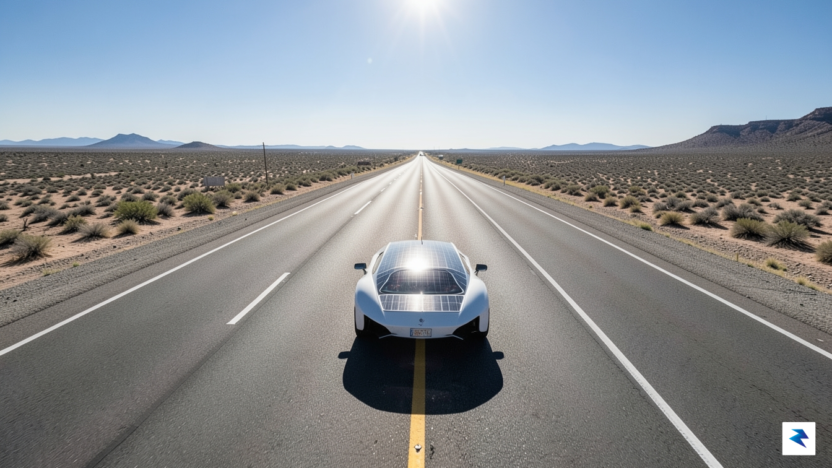

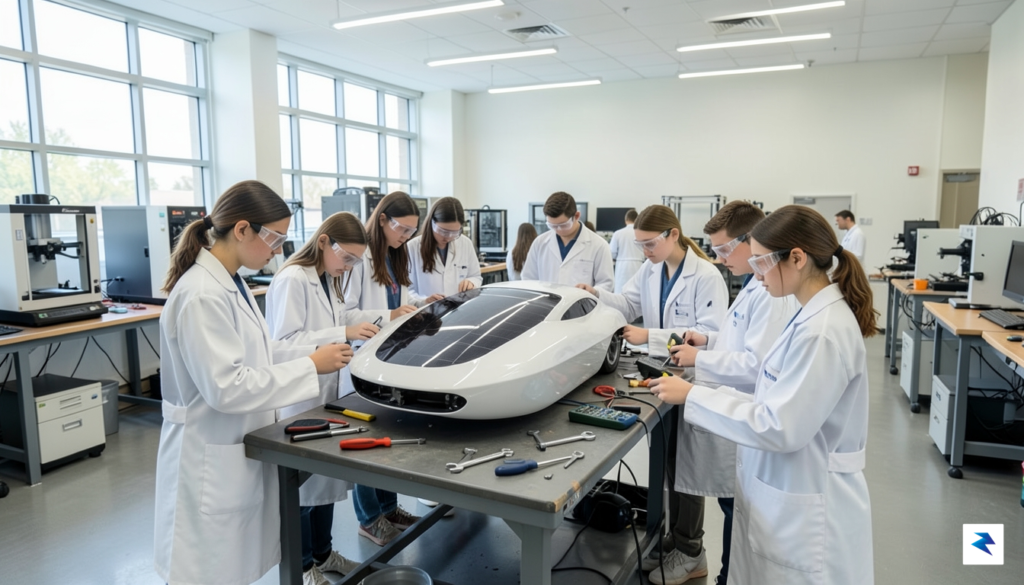
The Solar Car Challenge is far more than a high-stakes competition; it is a rigorous educational laboratory that forces students to confront the complexities of sustainable technology in real-time. Since its inception in 1993, the program has evolved from a niche academic exercise into a national stage where the brightest young minds test the limits of photovoltaic energy and vehicle efficiency. By tasking students with designing, building, and eventually racing a solar-powered vehicle over 630 miles, the challenge transforms abstract scientific principles into tangible, high-performance assets. It serves as a vital bridge between the rigid curriculum of the traditional classroom and the unpredictable, iterative nature of professional engineering.
At its core, the competition mandates that participants move beyond the limitations of textbook physics to solve genuine mechanical and electrical hurdles. Students must navigate the delicate balance of aerodynamics, rolling resistance, battery management, and complex telemetry systems, all while operating under the harsh constraints of a limited power budget. This transition from theoretical learning to applied engineering is transformative; it requires them to consider the real-world implications of energy efficiency and material science. When a team encounters a failure on the track, they are not merely receiving a grade—they are learning how to diagnose, troubleshoot, and innovate under pressure, a skill set that is essential for the next generation of engineers and scientists.
“The true value of the challenge lies not in the speed of the car, but in the shift in the student’s mindset from a passive learner to an active innovator.”
By fostering a culture of collaborative problem-solving, the Solar Car Challenge prepares participants for a workforce that is increasingly focused on renewable energy transitions. Students are tasked with managing supply chains, executing complex project management strategies, and communicating technical findings to diverse audiences. This holistic approach ensures that the race remains a pinnacle of STEM education, proving that the most effective way to teach the future of transportation is to hand the tools of innovation directly to those who will eventually build it. Through this crucible of hands-on experience, these students are not just studying the future of energy; they are actively engineering it.
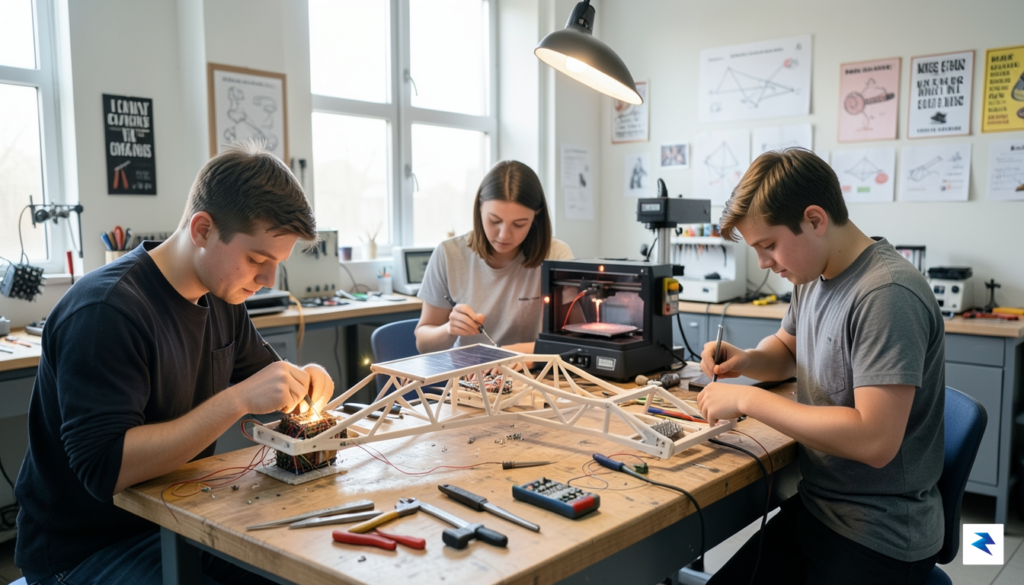
Constructing a vehicle capable of traversing 630 miles on nothing but the sun’s rays requires a fundamental departure from traditional automotive manufacturing. For student teams, the challenge begins with the realization that every gram of weight is a direct tax on the vehicle’s range. The design process is an obsessive exercise in optimization, where engineers must balance the rigid requirements of road legality with the extreme fragility of solar-harvesting technology. Teams often employ advanced 3D-printing techniques to create bespoke, lightweight chassis components that replace heavy cast-metal parts, allowing for intricate geometries that reduce drag while maintaining structural integrity.
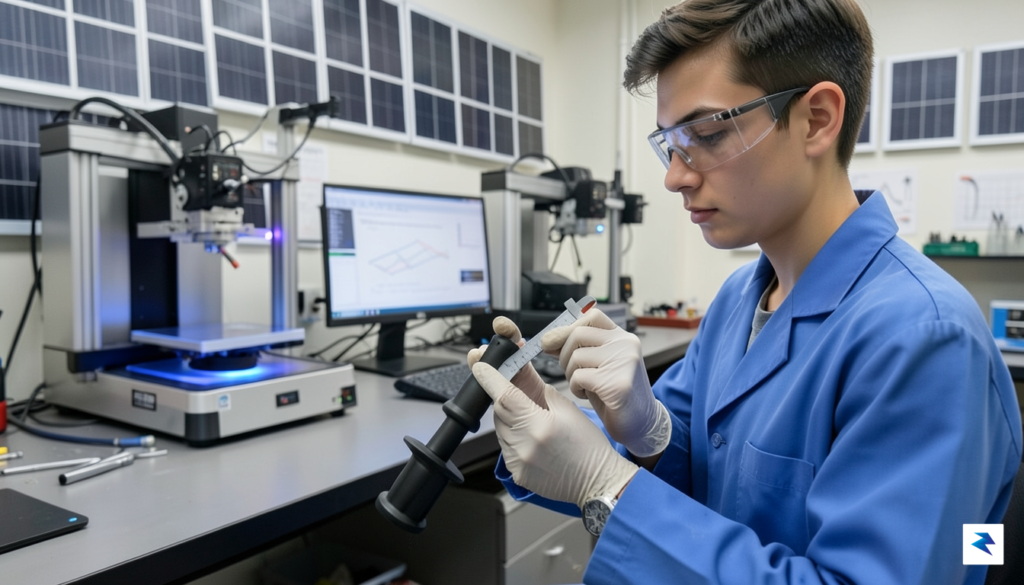
Aerodynamics serves as the primary battleground in this high-stakes engineering endeavor. Because solar cars operate on a limited power budget—often equivalent to the energy required to run a standard kitchen toaster—even the slightest turbulence can jeopardize the team’s ability to complete the race. Consequently, students spend hundreds of hours in computational fluid dynamics (CFD) simulations, refining the body shape to ensure the air flows seamlessly over the vehicle’s surface. By integrating off-the-shelf electronic controllers with custom-built battery management systems, these teams manage to coax maximum efficiency out of every photon captured, proving that sophisticated engineering doesn’t always require a multi-million-dollar corporate budget.
Success in solar racing isn’t found in a single breakthrough, but in the relentless, iterative refinement of every mechanical connection and electrical pathway.
The collaborative nature of these projects is what truly sets them apart from professional racing circuits. A solar car is not the work of a single mastermind; rather, it is a mosaic of contributions from students specializing in mechanical, electrical, and systems engineering. Throughout the build process, these teams must reconcile conflicting goals, such as the electrical team’s need for more surface area for solar panels versus the aerodynamicist’s desire for a smaller, more streamlined profile. This interdisciplinary tension forces students to engage in real-world project management and conflict resolution, skills that are just as vital as their ability to calculate the perfect power-to-weight ratio. As they tighten the final bolts on a machine designed to conquer hundreds of miles of public road, these students aren’t just building a car; they are stress-testing the limits of sustainable transportation technology.
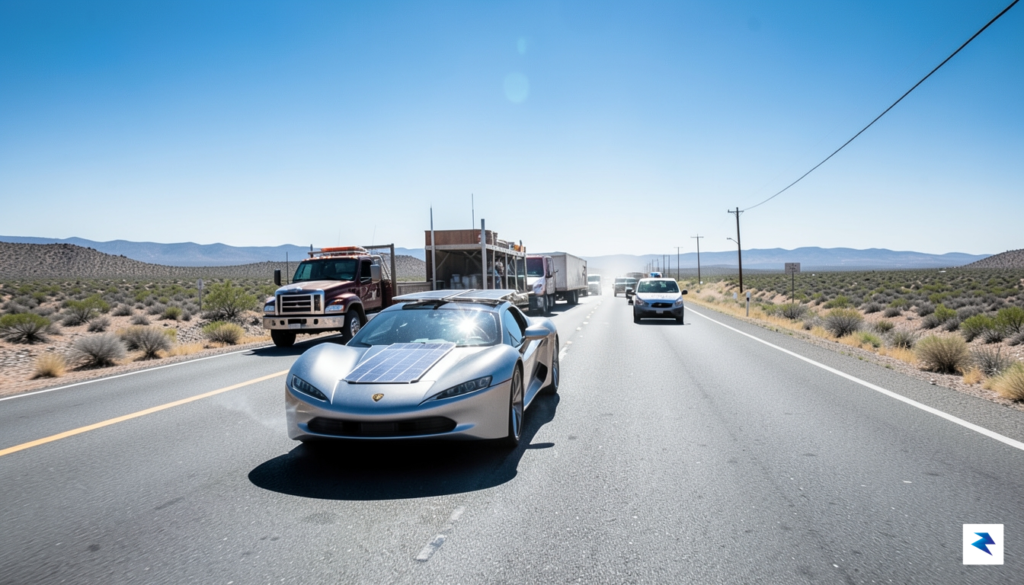
Traversing the 630-mile expanse from Fort Worth to Fort Stockton is far more than a mere road trip; it is an unforgiving crucible where high-stakes engineering meets the volatile reality of the Texas environment. As these solar-powered vessels depart the urban sprawl, they immediately face a landscape defined by rolling hills, unpredictable crosswinds, and a relentless, blistering sun that serves as both their greatest ally and their most significant environmental threat. The terrain demands constant vigilance, as teams must navigate steep inclines that can drain battery reserves in seconds, followed by flat, open plains where maintaining a steady pace requires a nuanced understanding of solar intake and power output. Because the race is strictly limited to solar energy, the margin for error is razor-thin, forcing students to treat the road not as a track for speed, but as a complex puzzle of energy conservation.
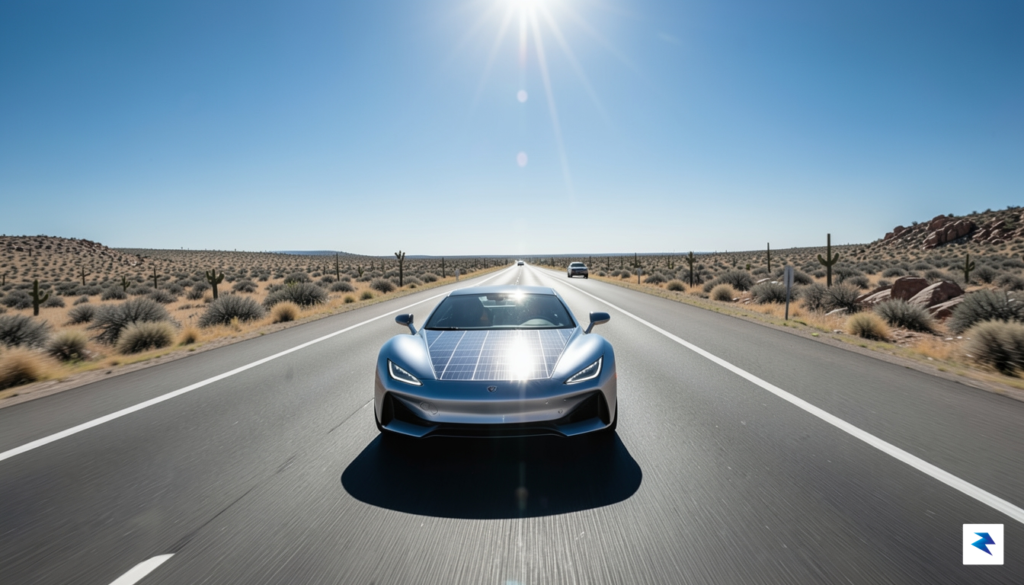
Strategy in this competition is a delicate balancing act where efficiency almost always triumphs over raw velocity. Teams are essentially managing a mobile power plant, constantly adjusting their speed based on cloud cover, solar array orientation, and battery state-of-charge. If a driver pushes too hard during a brief period of intense sunlight, they risk running out of power should the clouds roll in, leading to a disastrous loss of momentum. This environment necessitates a sophisticated telemetry system, with pit crews acting as mission control, analyzing data in real-time to tell drivers exactly how fast they can safely go without jeopardizing the mission. The goal is to maximize the “mile-per-watt” ratio, often requiring the vehicle to travel at speeds that feel agonizingly slow compared to traditional gasoline-powered cars, yet represent the absolute pinnacle of aerodynamic and electrical optimization.
Success in this race isn’t determined by the fastest lap, but by the most disciplined use of light.
Beyond the technical hurdles, the race imposes a profound psychological toll on everyone involved. For the student drivers, the cockpit is a claustrophobic, sweltering environment where concentration must remain absolute despite the physical discomfort of heat and the monotony of the open road. Meanwhile, the support teams in the trailing chase vehicles endure their own form of exhaustion, meticulously monitoring energy budgets and weather patterns while managing the stress of potential mechanical failures in remote locations. Every decision—from when to slow down for a steep climb to how to recalibrate the solar tracking algorithms—carries the weight of the entire project. This intense pressure transforms the race into an invaluable educational experience, teaching these young engineers that in the real world, innovation is rarely about the biggest engine; it is about the most thoughtful application of limited resources in a demanding world.
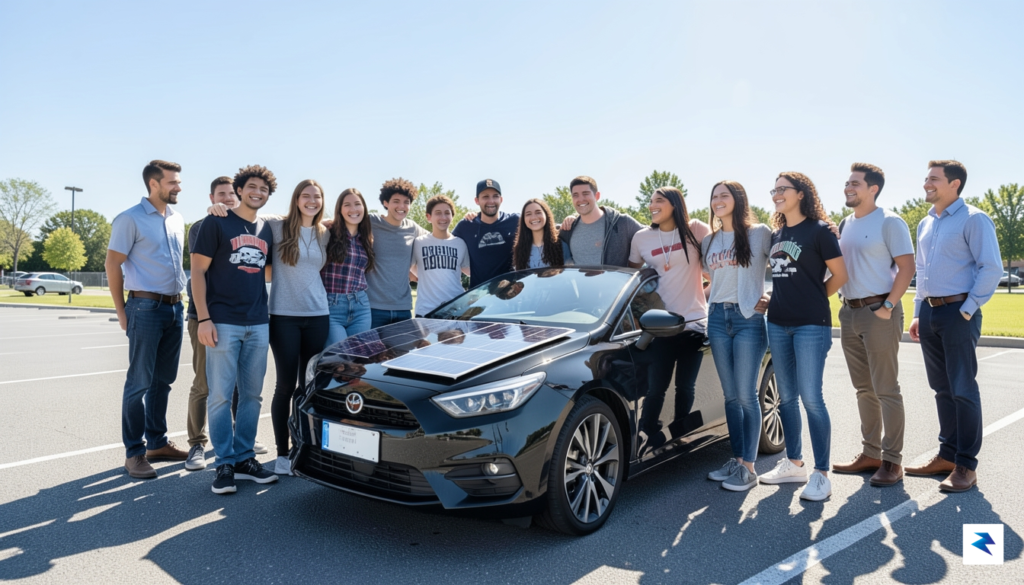
The Solar Car Challenge represents far more than a simple academic exercise or a quest for a fleeting trophy; it functions as a high-stakes launchpad for the engineers who will ultimately define the future of global transportation. By forcing students to navigate the complex intersection of aerodynamics, materials science, and electrical efficiency, the competition cultivates a rare brand of critical thinking that transcends the traditional classroom. Participants are not merely memorizing physics equations; they are applying them in real-time, learning how to troubleshoot faulty circuits under the desert sun or refine chassis designs to shave off precious seconds of wind resistance. This hands-on intensity fosters a deep, intuitive understanding of engineering principles that prepares these young innovators to tackle the world’s most pressing mobility challenges long before they graduate.
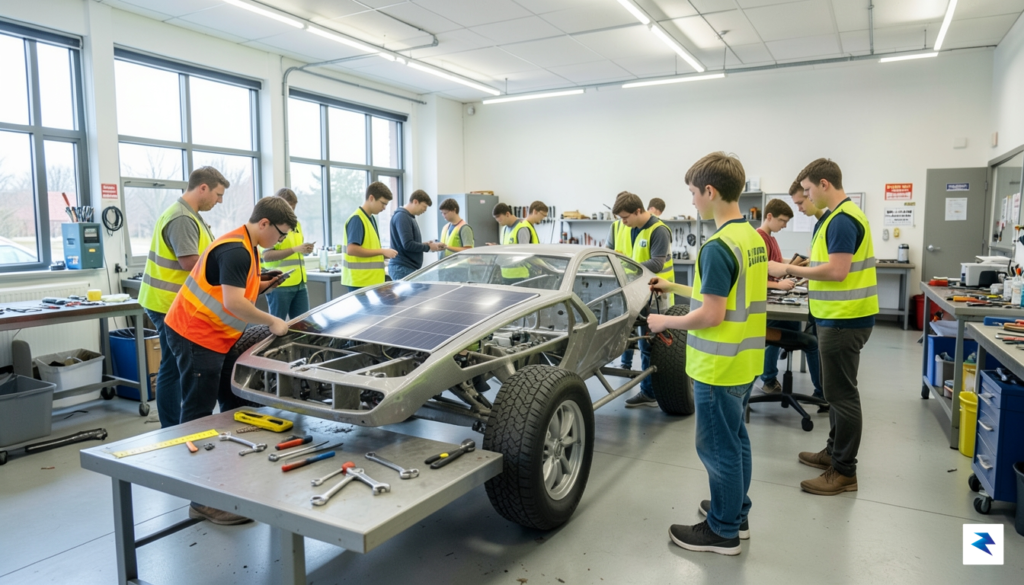
Beyond the immediate technical prowess gained during the race, students emerge from the program with a robust toolkit of soft skills that are highly sought after in modern industry. Collaboration is the cornerstone of every successful team, as students must coordinate effectively across disparate roles—from mechanical design and software programming to logistics and public outreach. When these students transition into prestigious university programs or competitive roles in the aerospace and automotive sectors, they carry with them the unique experience of having built a complex machine from the ground up. This background allows them to hit the ground running, bringing a problem-solving mindset and a collaborative spirit that is essential for navigating the complexities of large-scale engineering projects in the professional world.
The true victory of the Solar Car Challenge is not found at the finish line, but in the professional maturity and innovative courage these students bring to the global workforce.
Ultimately, the impact of these initiatives ripples far beyond individual career trajectories, serving as a vital engine for broader climate resilience. As these young engineers move into leadership positions within the energy and transportation sectors, they carry the conviction that fossil-fuel-free mobility is not just an idealistic vision, but a practical engineering reality. By normalizing the design and maintenance of renewable technology at a young age, the program helps dismantle the barriers to entry for sustainable innovation. Empowering this next generation is not merely a pedagogical goal; it is a strategic necessity for building a world where our infrastructure is as resilient as the sunlight that powers it.
You must be logged in to post a comment.