
Is This Earth 2.0? A Breakthrough in the Search for Habitable Worlds
The Search for Earth 2.0: A New Horizon For generations, humanity has looked toward the night sky with a singular, haunting question: are we…

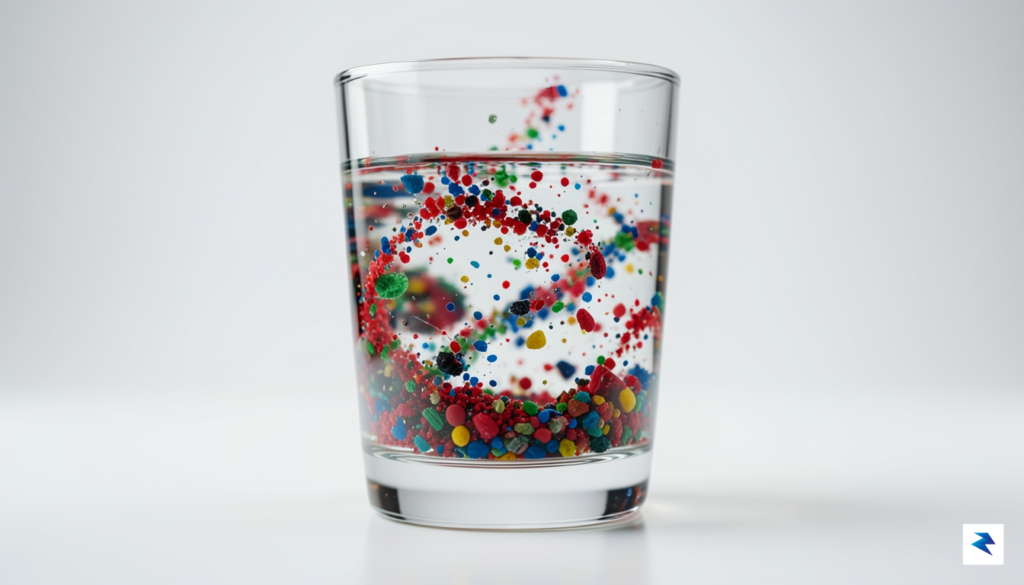
Most of us have been told since childhood that drinking eight glasses of water a day is the golden rule of health. While hydration is indeed the cornerstone of physiological function, the reality is that water alone is only half the equation. Inside your body, hydration is not just about fluid volume; it is about the electrical conductivity of your cells. This is where electrolytes—minerals like sodium, potassium, magnesium, and calcium—become the unsung heroes of your internal ecosystem. These minerals carry an electric charge when dissolved in body fluids, acting as the critical messengers that allow your nerves to fire, your muscles to contract, and your heart to maintain a steady rhythm.
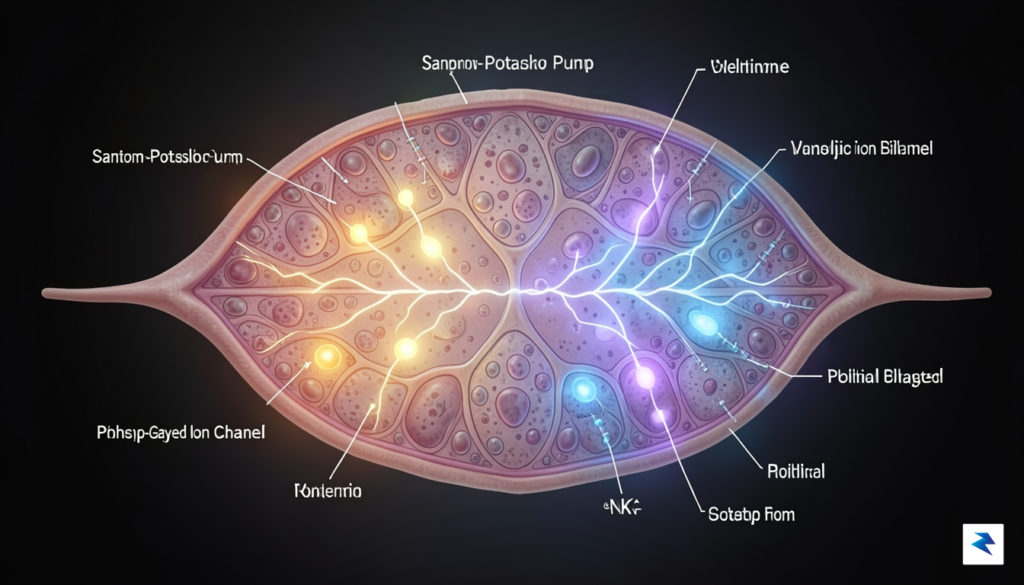
When you engage in high-intensity exercise or spend a long afternoon in the sweltering heat, you lose more than just water through sweat; you lose a significant concentration of these essential minerals. Relying solely on plain, filtered water to replenish these losses can sometimes be counterproductive. When you flood your system with pure water without replacing the minerals lost, you risk diluting the concentration of sodium in your blood. In extreme cases, this leads to a condition known as hyponatremia, where the excess fluid causes cells to swell because the body lacks the osmotic balance to regulate fluid movement properly. Essentially, plain water passes through your system too quickly without the “anchor” of electrolytes to help your cells actually absorb and hold onto that hydration.
True hydration is not merely the presence of water in the body, but the maintenance of osmotic pressure and electrical potential across every cell membrane.
The role of these minerals is highly specific and multifaceted, which is why a balanced intake is vital for daily wellness, not just for elite athletes. Sodium is the primary regulator of extracellular fluid, helping to prevent cramping and maintain blood pressure, while potassium works in tandem to regulate intracellular fluid and support proper nerve signaling. Magnesium acts as a crucial cofactor for hundreds of enzymatic reactions, including those related to muscle relaxation and energy production, while calcium provides the structural foundation for bone health and facilitates muscle contraction. Without this coordinated effort, you might find yourself drinking liters of water yet still feeling fatigued, foggy, or physically depleted.
Ultimately, understanding the necessity of electrolytes shifts your perspective on hydration from a passive act of “drinking when thirsty” to an active process of mineral replenishment. By integrating high-quality electrolyte powders into your routine, you are providing your body with the exact tools it needs to conduct the electrical signals required for life. Whether you are navigating a demanding workday or pushing your limits in the gym, ensuring that your water is “charged” with the right mineral profile is the smartest way to optimize your performance and keep your internal systems firing on all cylinders.
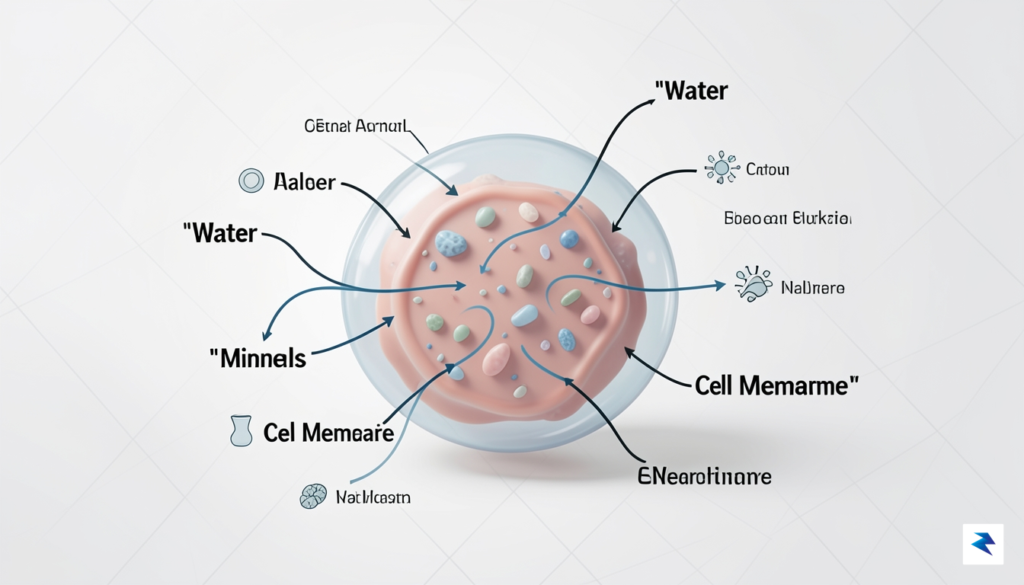
To truly understand how an electrolyte powder functions, we must look beyond the marketing labels and delve into the concept of osmolality. Osmolality refers to the concentration of particles dissolved in a fluid; in the context of hydration, it dictates how quickly water moves from your digestive tract into your bloodstream. When a solution is “isotonic”—meaning it has an osmolality similar to that of your blood—the body can absorb the fluid with maximum efficiency. If a solution is too concentrated (hypertonic), the body must actually pull water out of your system and into the gut to dilute the mixture before it can be absorbed, which can lead to bloating or gastrointestinal distress rather than the rapid rehydration you are seeking.
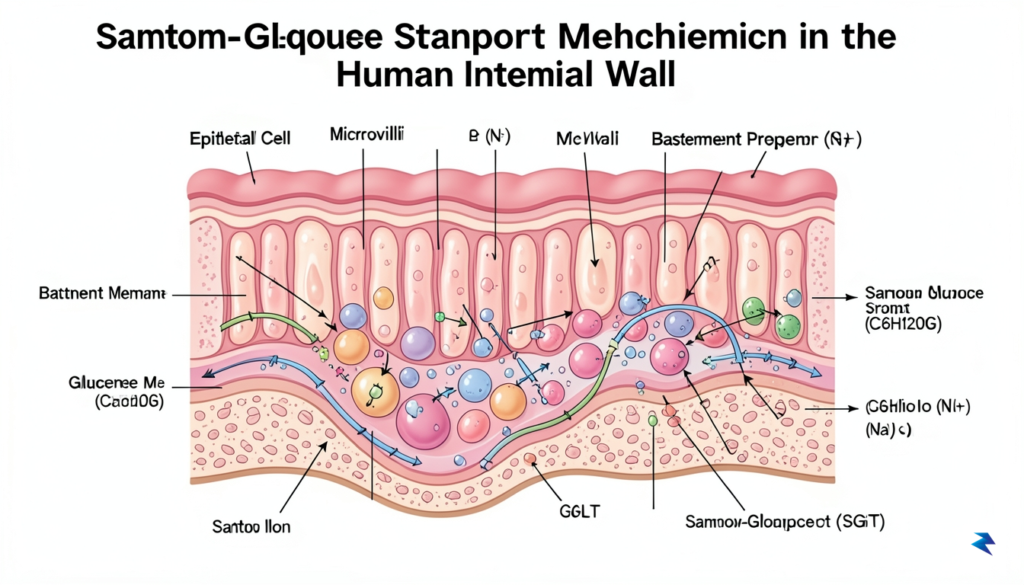
The secret to unlocking this rapid uptake lies in the sodium-glucose transport mechanism. Research has consistently shown that sodium and glucose work in tandem to pull water across the intestinal wall. When glucose is present in a specific ratio with sodium, it activates specialized transport proteins (SGLT1) that act like a pump, dragging water molecules along with the minerals into the bloodstream. This is why high-quality powders aren’t just collections of random salts; they are carefully engineered formulas where the ratio of sugar to sodium is calibrated to trigger this transport pathway without causing an unnecessary insulin spike or osmotic imbalance.
Furthermore, the bioavailability of the minerals themselves is a critical factor in performance. Not all mineral forms are created equal; for example, magnesium is a staple in most recovery blends, but its effectiveness depends entirely on the compound used. Magnesium oxide, while inexpensive, has notoriously low bioavailability and can act as a laxative, whereas magnesium citrate or magnesium glycinate are far more effectively absorbed by the body. When selecting a supplement, you should prioritize these chelated or organic mineral forms, as they are significantly more stable and easier for your system to utilize during periods of high physical stress.
The efficacy of an electrolyte powder isn’t defined by the sheer quantity of minerals, but by the precision of their formulation. A balanced ratio of sodium, glucose, and high-bioavailability minerals ensures that your body spends less energy processing the drink and more energy rehydrating your cells.
Ultimately, the difference between a high-performing supplement and a glorified flavored beverage comes down to this physiological synergy. By paying attention to the specific mineral sources and the overall osmotic profile of your chosen powder, you can ensure that you are providing your body with the fuel it needs for optimal recovery. Whether you are an endurance athlete or simply looking to combat the midday slump, choosing products built on these foundational biological principles will make a tangible difference in how quickly you feel the effects of your hydration efforts.
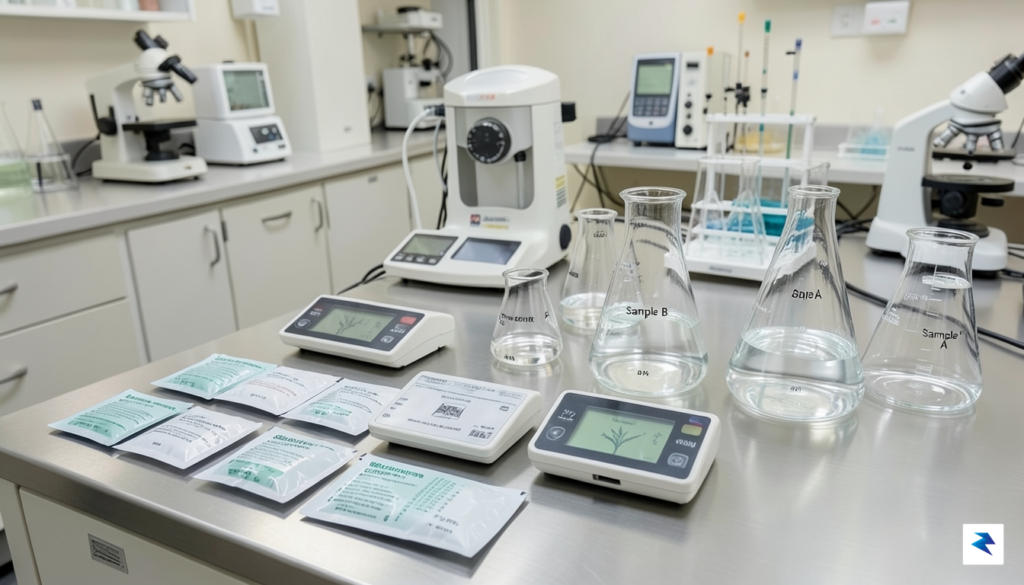
To cut through the persistent marketing noise surrounding sports nutrition, we took a systematic approach to evaluating over 20 leading electrolyte brands. Our goal was to move beyond flashy labels and celebrity endorsements to determine which products actually provide the hydration support athletes and busy professionals need. We subjected each candidate to a multi-phase assessment, focusing on sensory experience, chemical composition, and real-world utility during intense physical exertion.
The first hurdle for any electrolyte powder is palatability; if a supplement tastes like chalk or leaves a chemical aftertaste, it will inevitably sit unused in the pantry. We evaluated each powder on its ability to balance flavor profiles, specifically noting whether the sweetness came from natural sources like stevia or monk fruit, or if the product relied on heavy-handed synthetic sweeteners. Furthermore, we tested solubility by mixing a full serving into 16 ounces of ice-cold water, vigorously shaking each sample to check for grit, clumping, or residue left at the bottom of the shaker bottle. A high-quality powder should dissolve completely within seconds, ensuring a smooth, consistent experience from the first sip to the last.
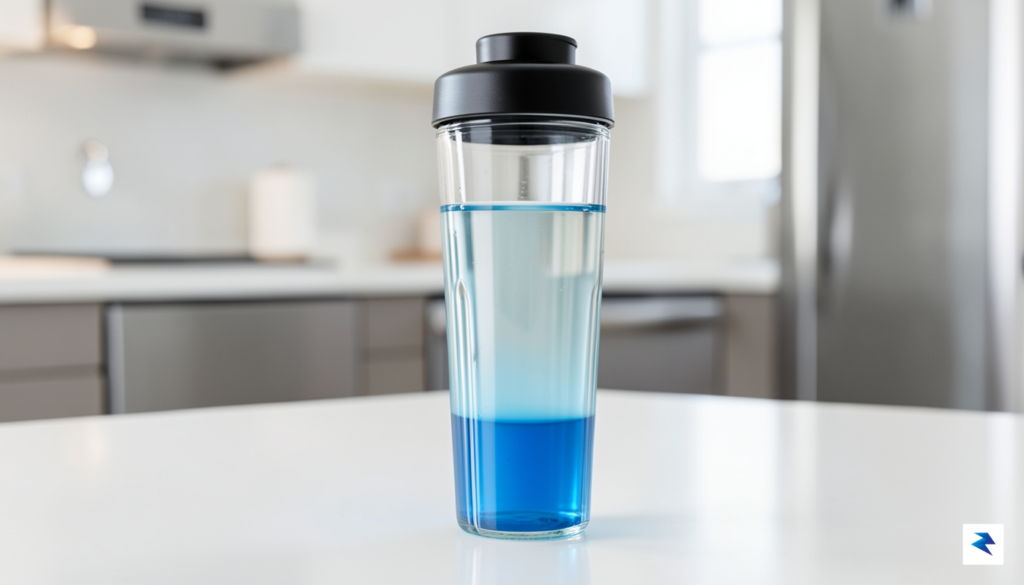
Beyond taste, we scrutinized the ingredient lists to prioritize transparency and purity. We favored brands that clearly disclose the exact dosages of sodium, potassium, and magnesium, rather than hiding behind proprietary “hydration blends” that mask meager quantities of essential minerals. Our performance testing involved consuming these powders before, during, and after varying levels of physical activity—ranging from high-intensity interval training (HIIT) to long-distance endurance runs. We monitored subjective metrics such as the prevention of muscle cramping, sustained energy levels, and the overall rate of perceived exertion.
True hydration is about more than just salt; it is about the precise ratio of minerals that allow your body to absorb water efficiently without causing gastrointestinal distress.
Finally, we assessed the price-per-serving value to ensure that our recommendations were accessible for different budgets. We compared the cost of each brand against its ingredient profile, determining whether the premium price point was justified by high-quality sourcing and third-party testing certifications. By weighing the cost against the practical performance benefits, we were able to filter out overpriced gimmicks and highlight the best value-driven solutions on the market today. This comprehensive methodology ensures that the final list reflects not just marketing hype, but the actual efficacy and reliability of these hydration tools.
Finding the right hydration strategy often feels like a guessing game, but the truth is that your electrolyte needs change depending on your activity level and health goals. Whether you are pushing through a grueling endurance race, recovering from a long day, or simply trying to maintain focus while chained to your desk, the mineral balance in your bloodstream dictates your overall performance and cognitive clarity. By categorizing our top-tested powders based on specific lifestyle demands, we have stripped away the guesswork to help you identify exactly which formula belongs in your gym bag or pantry.
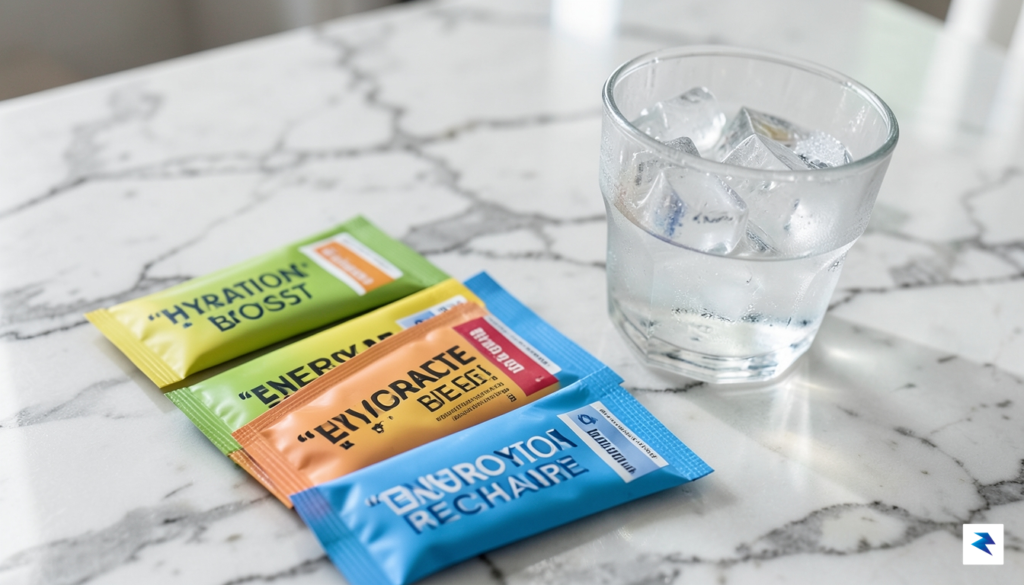
For those engaged in high-intensity training or long-distance endurance sports, sodium is non-negotiable. Athletes lose vast amounts of salt through sweat, and failing to replace it can lead to cramping, fatigue, and diminished power output. Our top pick for this category prioritizes a high sodium-to-potassium ratio, ensuring that your muscles receive the immediate support they need during sustained exertion. These formulas are intentionally designed to be potent, often sacrificing subtle flavor for functional concentration to ensure you are getting enough electrolytes in a single serving to sustain hours of movement.
If your primary goal is daily maintenance rather than replenishing after a marathon, you likely want hydration without the extra caloric baggage. The best daily-use powders focus on clean, transparent ingredient lists that provide essential minerals—like magnesium and calcium—without added sugars or artificial dyes. These options are perfect for those who struggle to drink plain water throughout the workday and want a gentle, refreshing boost. By opting for these low-calorie varieties, you maintain optimal cellular hydration without impacting your blood sugar levels or weight management goals.
Hydration only works if you actually enjoy drinking it, which is why flavor consistency is a major factor in our testing. The top contenders for taste utilize natural fruit essences rather than cloying, syrupy sweeteners, making them palatable even when you are exhausted or feeling nauseated post-workout. Simultaneously, we recognize that consistent hydration can become expensive. For the budget-conscious consumer, we identified several bulk-friendly powders that maintain high quality standards while reducing the cost per serving. These options prove that you do not have to sacrifice mineral integrity or flavor simply to keep your grocery bill manageable.
Consistent hydration is not just about water intake; it is about the balance of minerals that allow your body to absorb and utilize that fluid effectively.
Ultimately, the “best” powder is the one that aligns with your specific physiological requirements. By matching these categories to your routine—whether that means prioritizing sodium for a century ride or seeking a clean, sugar-free flavor for your morning routine—you can ensure your body remains hydrated, energized, and ready for whatever the day demands.

Understanding whether you actually need an electrolyte supplement requires a shift in perspective: electrolytes are not a daily multivitamin, but rather a functional tool designed for specific physiological demands. For the average person living a sedentary lifestyle or engaging in light movement, the sodium, potassium, and magnesium found in a balanced whole-food diet are usually more than enough to maintain homeostasis. If you are sitting at a desk for most of the day and drinking plain water when thirsty, adding supplemental electrolytes can often result in unnecessary caloric or sodium intake without providing any tangible performance benefit.

The primary indicator that you might benefit from supplementation is your personal sweat rate, which varies significantly based on genetics, climate, and exercise intensity. If you find yourself finishing a workout with visible white salt streaks on your skin or clothes, you are likely a “salty sweater” and may require sodium replenishment to avoid the common symptoms of deficiency, such as muscle cramping, lingering fatigue, or “brain fog.” These signs suggest that your body is losing minerals faster than your standard diet can replenish them, making a targeted electrolyte powder a smart, strategic addition to your training routine.
To determine if you need to supplement, observe your body’s response to exercise: if you experience persistent headaches, dizziness, or muscle spasms after activity, your electrolyte balance is likely disrupted and requires intervention.
To help you navigate these needs, consider this simple usage guide based on your daily activity profile:
However, it is crucial to remain mindful of the risks associated with over-supplementation. Consuming excessive sodium—especially if you already have a high-salt diet—can lead to fluid retention, elevated blood pressure, and unnecessary strain on the kidneys. Always check the labels of your chosen powder for sugar content and mineral ratios, and remember that these products are intended to complement a healthy lifestyle, not replace the essential nutrients found in whole, unprocessed foods. By listening to your body’s signals and matching your intake to your actual physical output, you can ensure that you are hydrating with purpose rather than just following a trend.

Navigating the supplement aisle can feel like walking through a minefield of clever marketing and misleading claims. Many electrolyte powders are marketed as “essential” performance boosters, but a quick glance at the label often reveals a cocktail of unnecessary additives designed to improve shelf life, color, or texture at the expense of your health. To truly hydrate effectively, you must look beyond the flashy packaging and scrutinize the ingredient list for common red flags that signal a low-quality product.
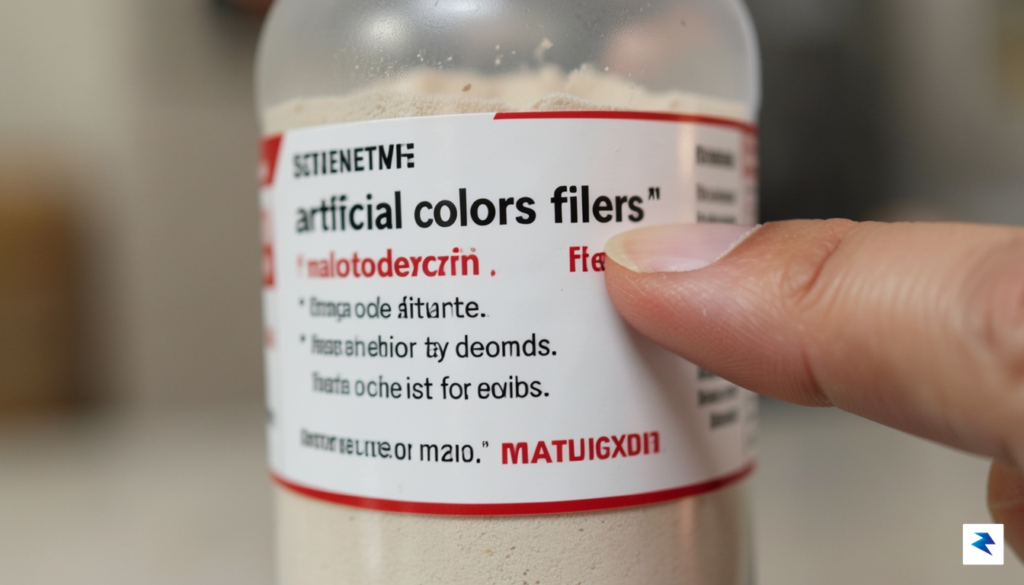
One of the most persistent issues in the hydration market is the inclusion of artificial dyes, such as Red 40, Yellow 5, or Blue 1. While these colors make the drink look vibrant and appealing, they serve absolutely no physiological purpose in your recovery or hydration. Some individuals report sensitivities or inflammatory responses to these synthetic chemicals, making them an unnecessary risk for a product meant to support wellness. Furthermore, keep a sharp eye out for excessive maltodextrin. While this carbohydrate is sometimes used for quick energy, it is often utilized as a cheap filler to increase the volume of the powder without providing the essential mineral density you are actually paying for. If maltodextrin appears as one of the first few ingredients, you are likely buying more filler than actual electrolytes.
Another deceptive practice to be wary of is the use of “proprietary blends.” When a manufacturer groups ingredients together under a single label—such as an “Electrolyte Recovery Matrix”—they are often hiding the specific dosages of each mineral. This makes it impossible for you to know if you are getting a meaningful amount of sodium, potassium, or magnesium, or if you are simply consuming a sprinkle of these minerals alongside a massive dose of sugar or artificial sweeteners. Transparency is the hallmark of a high-quality supplement; if the company isn’t willing to list the exact milligram count for each electrolyte, you should treat the product with skepticism.
True hydration is about balance, not miracles. Be wary of any product claiming a “secret” mineral ratio that promises to outperform basic biology, as the body’s need for electrolytes is grounded in science, not marketing hype.
Finally, it is time to debunk the myth of the “miracle ratio.” You will often see brands advertising proprietary ratios that claim to revolutionize cell absorption. In reality, while sodium is critical for fluid retention, the “ideal” ratio is highly dependent on your individual sweat rate, activity level, and environment. No single powder can offer a one-size-fits-all miracle, and anyone claiming otherwise is likely ignoring the nuance of human physiology. Instead of chasing these marketing buzzwords, prioritize products with simple, recognizable ingredient lists and clearly defined dosages that allow you to adjust your intake based on your own unique needs.
You must be logged in to post a comment.