The World Cup Halftime Show: Can FIFA Pull Off a Super Bowl-Style Spectacle?
The Shift Toward American-Style Spectacle For decades, the FIFA World Cup opening and closing ceremonies were defined by a sense of austere,…
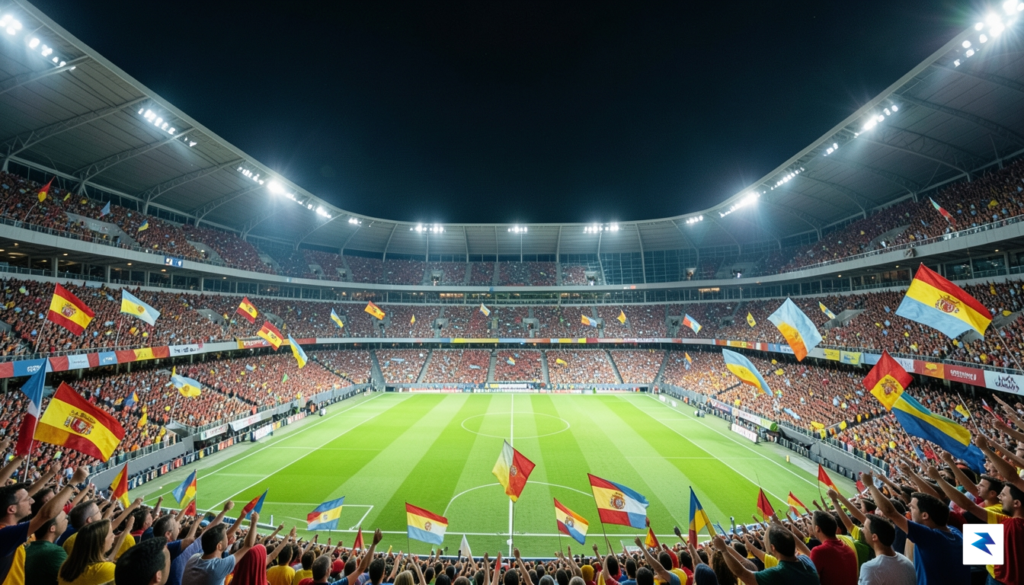
The 2026 FIFA World Cup has unfolded as a tournament of truly historic proportions, delivering unforgettable moments, stunning upsets, and breathtaking displays of skill that have captivated billions worldwide. From the initial group stages to the tense, dramatic knockout rounds, football fans have been treated to a spectacle that has pushed the boundaries of the beautiful game. Now, all eyes turn to the grand finale, a showpiece event that promises to be the definitive clash of the decade: Spain versus Argentina, a pairing that embodies both rich footballing heritage and cutting-edge modern tactics.
Spain’s journey to the final has been nothing short of a masterclass in controlled dominance and tactical evolution. Guided by a new generation of midfield maestros who have seamlessly integrated with seasoned veterans, La Roja exhibited an almost surgical precision throughout the tournament. Their campaign was characterized by an unyielding possession game, intricate passing sequences, and a relentless ability to break down even the most resilient defenses. They navigated a challenging draw with remarkable composure, overcoming formidable opponents through a blend of youthful exuberance and disciplined strategic execution, culminating in a semi-final performance that showcased their peak form and unshakeable confidence.
Conversely, Argentina’s path to the summit has been a testament to their unwavering spirit, individual brilliance, and tactical adaptability. Spearheaded by their legendary captain, who continues to defy expectations with sublime performances, the Albiceleste demonstrated a potent mix of attacking flair and gritty determination. Their road to the final saw them conquer tough adversaries, often relying on moments of pure genius from their forwards and a surprisingly resilient defense that stepped up in crucial moments. Each victory built their momentum, fueling a nation’s dreams and setting the stage for what could be another iconic chapter in their storied World Cup history.
This final is more than just a game; it is a fascinating tactical conundrum and an emotional epic waiting to unfold. It pits Spain’s meticulous, possession-based philosophy, where the midfield dictates the tempo and controls every inch of the pitch, against Argentina’s legendary offensive prowess and their capacity for devastating counter-attacks. The battle for supremacy in the center of the park will be crucial, as Spain seeks to suffocate Argentina’s creative outlets, while the South Americans will look to unleash their formidable attacking talents on the break. The emotional stakes are immeasurable, with both nations yearning for glory, making this specific pairing a dream final that has truly captured the global imagination and promises a spectacle for the ages.
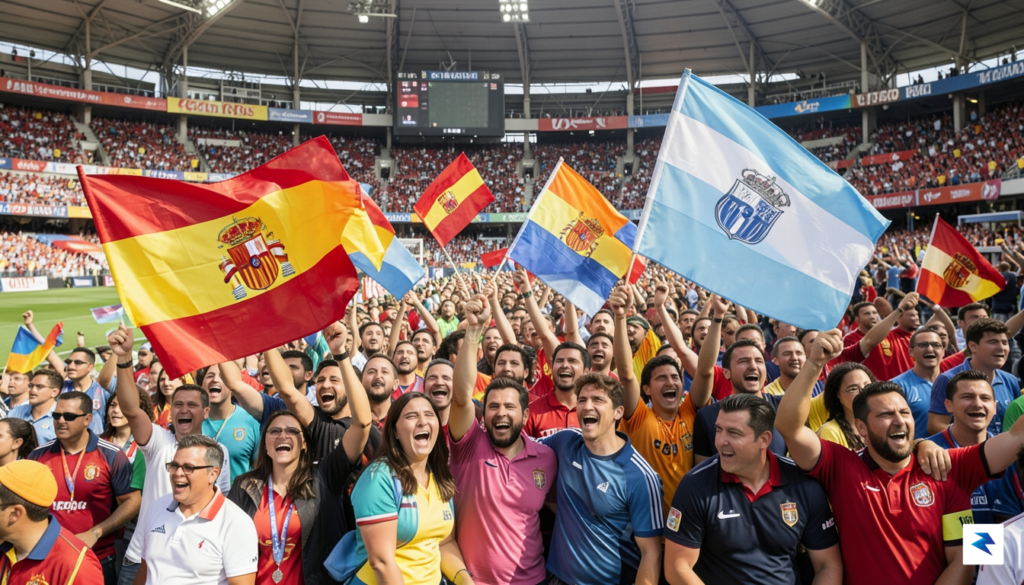

Securing a reliable stream for the 2026 World Cup final between Spain and Argentina requires a clear understanding of your local broadcasting landscape, as digital rights are strictly segmented by territory. In North America, fans can rely on major networks like NBC/Peacock or Fox Sports to provide comprehensive coverage, offering high-definition streams that minimize lag and potential connectivity issues. Meanwhile, European viewers often benefit from public service broadcasters like the BBC iPlayer in the UK or RTVE in Spain, which frequently provide free, high-quality streams. For those located in South America, national broadcasters and regional sports platforms like TyC Sports or DirecTV Go serve as the primary hubs for the match, ensuring that fans of the Albiceleste have dedicated, localized commentary and pre-match analysis.
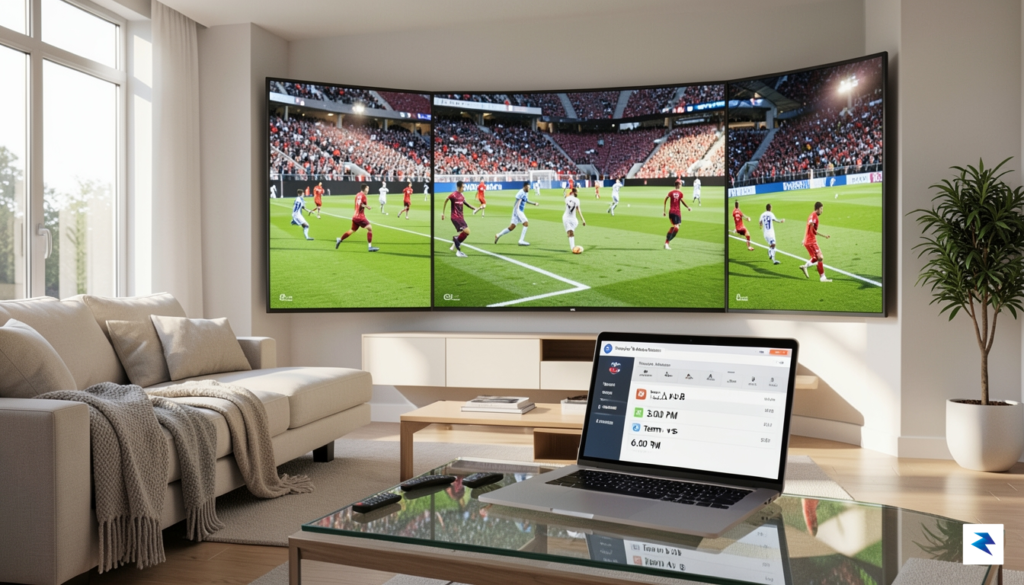
When choosing how to view the match, it is essential to prioritize official platforms over unlicensed third-party websites. Unofficial streams are notoriously unreliable, often plagued by intrusive advertisements, malware risks, and significant buffering that can cause you to miss the opening whistle or critical goal-scoring moments. By contrast, official broadcasters invest heavily in server infrastructure to handle the massive surge in traffic during such a high-stakes event, ensuring a seamless viewing experience. Furthermore, using authorized services supports the organizations that invest in the sport, ensuring that the production quality remains at the world-class level fans expect from a championship final.
For the best experience, always check your regional broadcaster’s official website or mobile app well in advance of the kickoff to test your connection and ensure your account credentials are up to date.
If you find yourself traveling abroad during the final, you may encounter geographical restrictions that prevent you from accessing your home streaming services. In these scenarios, utilizing a reputable Virtual Private Network (VPN) can be a highly effective solution. A VPN allows you to mask your location by routing your internet traffic through a server in your home country, tricking the streaming platform into granting you access as if you were physically present. However, it is vital to select a premium, high-speed VPN provider; free or low-quality services often struggle to bypass sophisticated geoblocking technology, leading to frustrating interruptions during the match. Always verify that your chosen VPN is compatible with your specific streaming app before the match begins to avoid missing any of the tactical brilliance on the pitch.
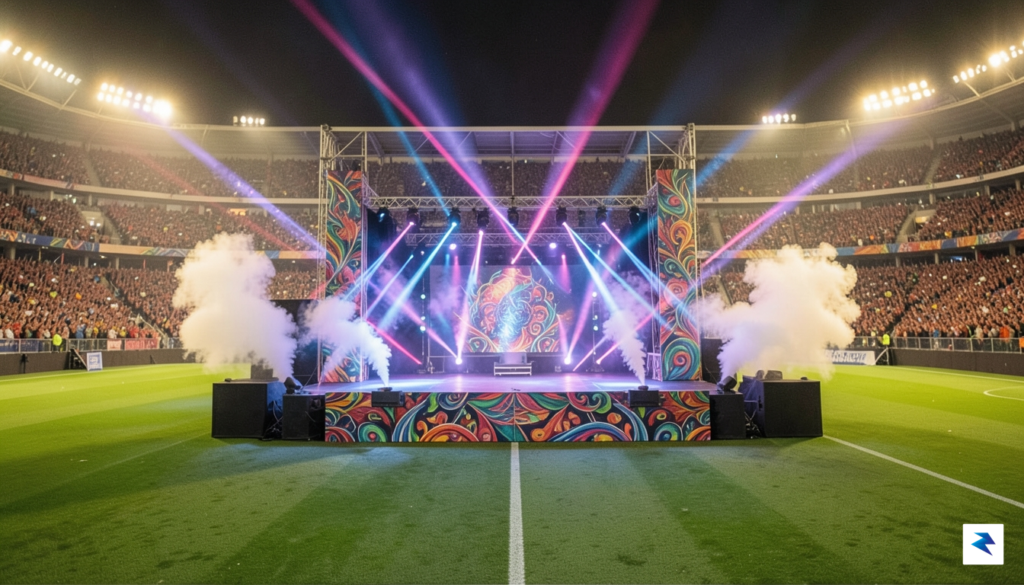
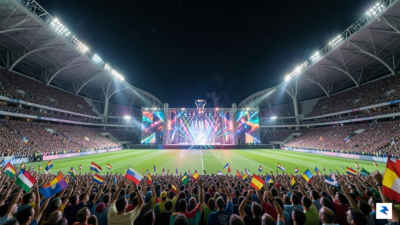
For decades, the FIFA World Cup final has been defined by the purity of the sport, leaving little room for the theatrical spectacles common in other global sporting events. However, the 2026 final between Spain and Argentina marks a tectonic shift in how the world experiences football. By introducing the first-ever dedicated halftime show, FIFA is signaling a move toward the “sportainment” model, aiming to bridge the gap between elite athletics and mainstream pop culture. This transition transforms the fifteen-minute intermission from a simple tactical breather into a massive, multi-sensory production that promises to captivate millions who might not otherwise tune in for a full ninety minutes of play.
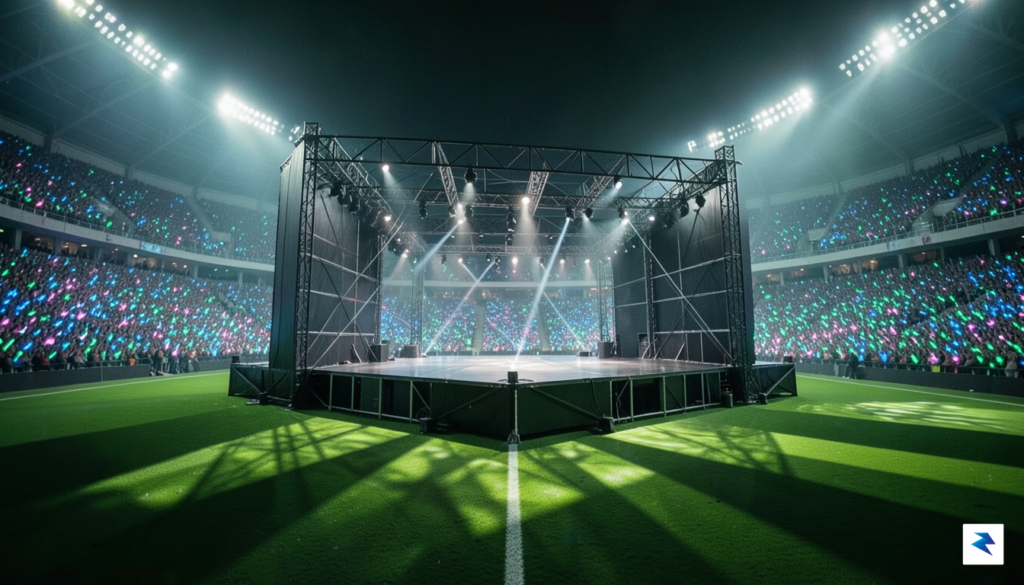
The logistics behind this undertaking are nothing short of monumental. Setting up a fully functional, high-tech stage in the middle of a pristine pitch without damaging the surface requires a level of engineering precision rarely seen in stadium management. Specialized modular panels have been designed to protect the grass while providing a stable foundation for the towering lighting rigs, pyrotechnic arrays, and high-fidelity sound systems required for such a high-profile performance. The transition itself is a feat of choreography; a small army of technicians must deploy the equipment in under six minutes, execute a world-class performance, and clear the field before the second half begins. This rapid-fire setup ensures that the rhythm of the game remains the priority while elevating the entertainment value to unprecedented heights.
The integration of a halftime show isn’t just about music; it’s about creating a cultural moment that transcends the scoreline and turns a sporting match into a global shared experience.
The lineup for this inaugural performance features a curation of global superstars designed to reflect the international reach of both Spain and Argentina. By blending genres that appeal to diverse demographics across Europe and the Americas, FIFA is successfully expanding its footprint beyond traditional football diehards. This strategic pivot acknowledges that modern audiences crave more than just the sport itself; they demand an immersive, high-production experience that offers value throughout the entire broadcast. As the world watches these two titans compete for the trophy, the halftime show stands as a testament to the evolving nature of the beautiful game, proving that even the most sacred sporting traditions are capable of bold, modern reinvention.
To truly capture the electric intensity of a clash between Spain and Argentina, your home setup must be as match-ready as the players on the pitch. The 2026 final will be broadcast in breathtaking 4K HDR, which means a reliable internet connection is the foundation of your viewing experience. To avoid the dreaded buffering wheel during a critical penalty kick, you should aim for a stable download speed of at least 25 Mbps dedicated solely to your streaming device. If your household has multiple users, prioritize a hardwired Ethernet connection over Wi-Fi to eliminate latency and maintain a consistent stream, ensuring that every pass and goal celebration is delivered in real-time without signal degradation.
Once your bandwidth is secured, turn your attention to your television’s calibration to minimize motion blur, which is the enemy of fast-paced sports. Most modern Smart TVs come with default settings that prioritize vivid colors over motion clarity, so navigate to your display settings and look for a “Sports Mode” or a manual motion interpolation setting. While you want to keep the picture fluid, be careful not to crank “motion smoothing” or “soap opera effect” settings too high, as this can create an artificial look that distracts from the cinematic quality of the broadcast. Instead, prioritize a high refresh rate and ensure your sharpness is balanced to keep the ball crisp as it traverses the field.
For the most immersive experience, adjust your television’s motion settings to “Game” or “Custom” mode, then manually calibrate the judder reduction to a lower level to keep the action smooth while maintaining a natural film-like aesthetic.
Sound is arguably just as important as the visual feed when it comes to recreating the stadium atmosphere in your living room. If you are using standard TV speakers, you are likely missing out on the roar of the crowd and the nuanced acoustic feedback of the game. Consider routing your audio through a soundbar or a surround-sound system that supports Dolby Atmos or similar spatial audio formats. This configuration allows you to hear the subtle sounds of cleats hitting the grass and the directional calls of the players, effectively placing you in the center of the stadium. If you are hosting a group, make sure your speakers are elevated or placed at ear level to prevent the audio from becoming muffled by furniture or guests.
Finally, your viewing environment plays a crucial role in maintaining focus throughout the full ninety minutes. Manage your lighting by dimming overhead fixtures to reduce screen glare, or consider adding bias lighting behind your television to decrease eye strain during long stretches of play. When hosting friends, establish a “no-distraction” zone near the screen and ensure that seating arrangements allow everyone a clear line of sight. By balancing your technical hardware with thoughtful physical positioning, you transform a simple living room into a private grandstand, ensuring that you don’t miss a single second of the tactical mastery on display.

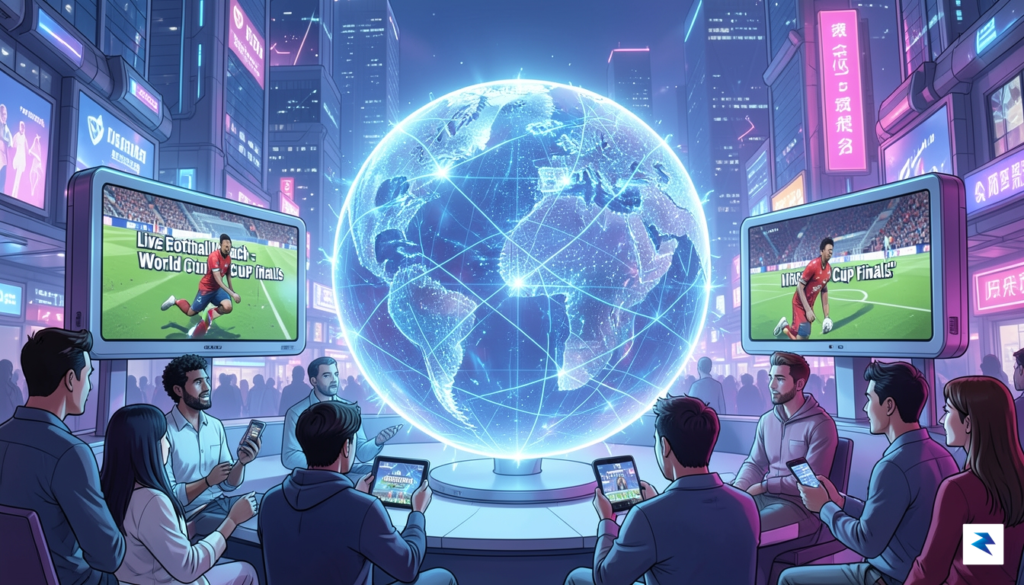
The FIFA World Cup has long transcended its roots as a mere sporting tournament, evolving into a colossal global broadcast spectacle that captures the collective imagination of humanity every four years. The 2026 edition, culminating in what promises to be an epic final between Spain and Argentina, is set to redefine this paradigm entirely. Moving beyond the traditional television set, the way fans consume this monumental event has been dramatically reshaped by advancements in digital technology and connectivity. Where once a single national broadcaster dictated the viewing experience, today’s audience commands a personalized, multi-platform approach, accessing high-definition streams on everything from smart TVs and tablets to smartphones, often with interactive overlays and multi-angle camera options at their fingertips. This shift signifies a profound transformation in media consumption, making the 2026 World Cup not just a tournament of football prowess, but a testament to our interconnected digital age.
Indeed, the sheer scale of the audience for the Spain vs. Argentina final will be unprecedented, cementing its place as a truly global broadcast effort. Billions of people across every habitable continent will tune in simultaneously, sharing in the drama, the passion, and the universal language of sport. From bustling city squares in Europe and South America to remote villages utilizing satellite internet in Africa and Asia, the match will create a singular, shared moment in time. This simultaneous connection fosters a unique sense of global community, bridging cultural divides and time zones through the shared anticipation of every pass, tackle, and goal. The technological infrastructure supporting this immense undertaking is a marvel in itself, leveraging advanced content delivery networks, cloud-based streaming solutions, and robust cybersecurity measures to ensure a seamless, high-quality viewing experience for an unfathomable number of concurrent users.
This digital-first broadcast strategy carries significant implications for the future of FIFA events and global media consumption as a whole. It underscores a pivot towards more personalized and immersive fan engagement, where viewers can choose their commentators, access real-time statistics, or even rewatch key moments instantly from different perspectives. Furthermore, it opens new avenues for content creators, advertisers, and even emerging technologies like virtual and augmented reality to integrate directly into the live experience, offering layers of information and entertainment previously unimaginable. For FIFA, this strategy means greater reach, deeper insights into fan preferences, and the potential for innovative monetization models beyond traditional advertising. Ultimately, the 2026 World Cup final will serve as a powerful blueprint, demonstrating how major global events can harness cutting-edge technology to connect, engage, and inspire a truly worldwide audience, setting a new standard for sports broadcasting for decades to come.
You must be logged in to post a comment.