
Qwen3.8 Launches: Why the New Open-Weight Model Changes Everything
Introduction: The Open-Weight Revolution Continues The artificial intelligence landscape is undergoing a tectonic shift, moving away from the…
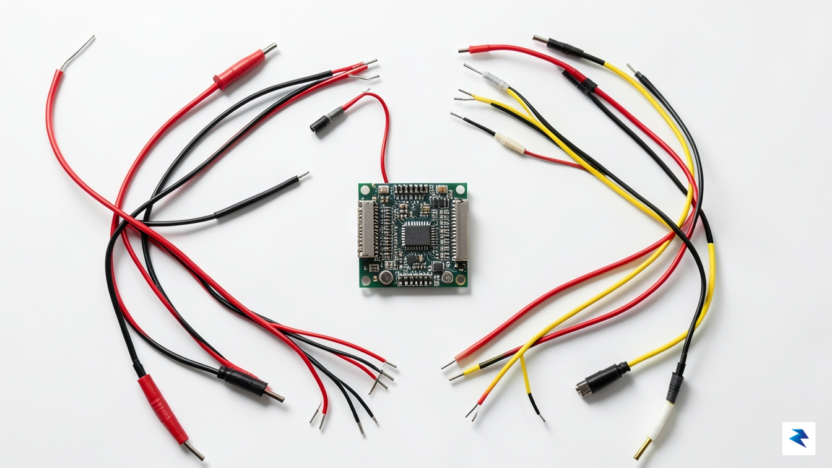
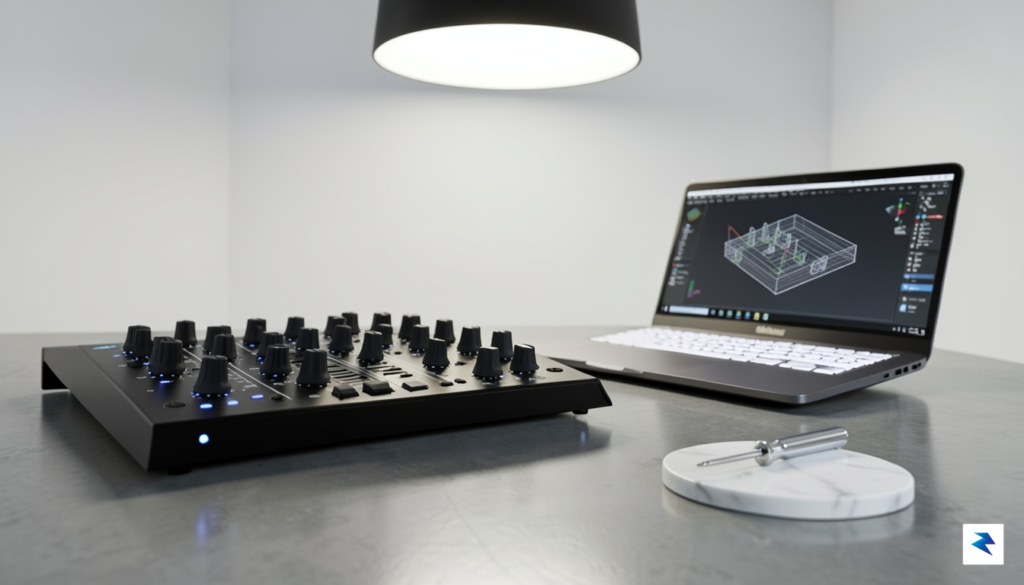
For most software engineers, the prospect of manufacturing physical goods feels like stepping into a different dimension. We are conditioned to believe that software is “agile” and forgiving, while hardware is rigid, unforgiving, and burdened by the crushing finality of “shipping atoms.” This psychological barrier often stops brilliant entrepreneurs in their tracks before they even begin. We imagine massive warehouses, complex supply chains, and the terrifying prospect of a product defect requiring a massive recall. However, this fear is largely a relic of a bygone era, perpetuated by the assumption that you must behave like a massive corporation to produce anything tangible.
The reality is that the gap between code and hardware has shrunk to a negligible distance. Today, building a physical product is increasingly similar to software development, provided you are willing to adopt a modular mindset. When I started shipping MIDI recorders, I quickly realized that I wasn’t managing a heavy industrial operation; I was managing a series of iterative loops. Just as you might push a commit to a repository, you can now push a design file to a fabrication house and receive a prototype in days rather than months. By treating your physical assembly like a stack of dependencies—where the PCB, the enclosure, and the firmware are treated as independent modules—you drastically reduce the risk associated with any single component.
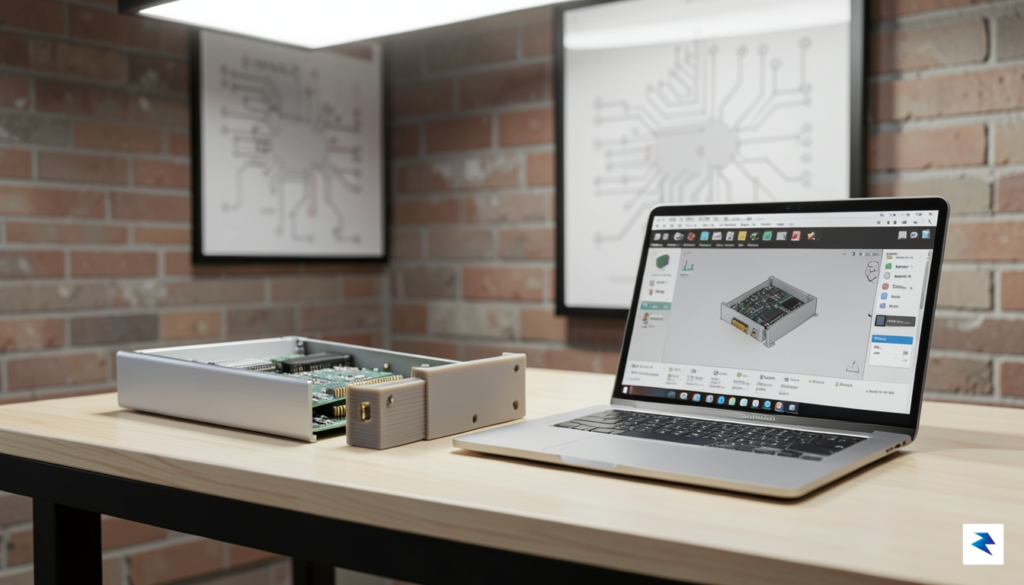
Modern tools have democratized the manufacturing process to an extent that was unimaginable a decade ago. High-fidelity 3D printing allows for rapid, iterative prototyping of enclosures that fit perfectly, eliminating the need for expensive, permanent injection molds during the early stages of a project. Similarly, PCB fabrication services have evolved to cater specifically to small-batch creators, offering professional-grade boards at price points that make low-volume production economically viable. You no longer need to order ten thousand units to get a decent price; you can start with ten, refine your design based on real-world feedback, and scale only when the demand dictates it.
The barrier to entry isn’t the difficulty of physics; it is the mental hurdle of treating hardware as a static, monolithic project rather than an evolving, iterative software-like lifecycle.
Ultimately, the “hardware is hard” narrative is a myth sustained by those who haven’t yet embraced the modular, low-friction tools available today. When you break the process down into discrete, manageable steps—designing, sourcing, testing, and assembly—the task shifts from an insurmountable mountain to a series of achievable milestones. If you can manage version control for a complex web application, you possess the mental framework necessary to manage the build of a physical product. The only difference is that instead of clicking ‘deploy,’ you are packing a box, but the underlying discipline of iteration remains exactly the same.
The leap from assembling a handful of MIDI recorders on a kitchen table to managing a production run of thousands is far less about mastering soldering irons and far more about mastering information. In the early days, you are the factory; you know exactly which wire goes where because you are the one holding the pliers. However, once you scale, you become a ghost in the machine, and your absence must be compensated for by an absolute, unyielding standard of documentation. This means moving away from “tribal knowledge”—those unspoken habits you develop while tinkering—and codifying every single step into a language that a stranger in a contract manufacturing facility can interpret without ever having to call you for clarification.
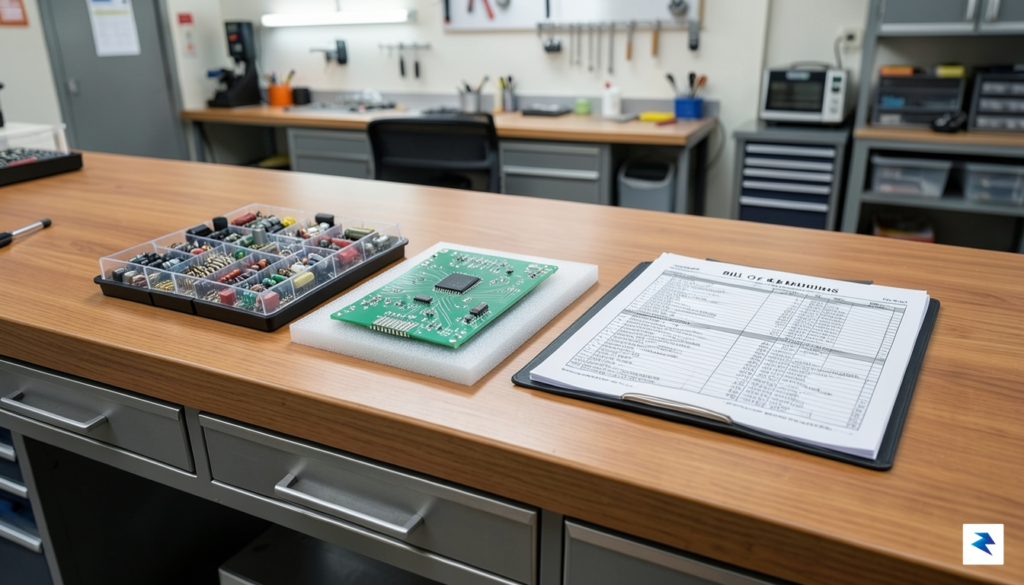
Transitioning from breadboards and spaghetti-wired prototypes to custom-designed Printed Circuit Boards (PCBs) is the definitive turning point in this journey. While breadboards are excellent for rapid iteration, they are inherently fragile and impossible to scale; they are the enemy of consistency. By moving to a custom PCB, you effectively bake your instructions into the hardware itself, removing the human variable from the circuitry. Yet, the board is only half the battle. You must pair this physical evolution with a meticulous Bill of Materials (BOM) that accounts for every resistor, capacitor, and enclosure screw. A professional BOM isn’t just a shopping list; it is a vital control document that tracks component sourcing, costs, and lead times, serving as the heartbeat of your supply chain.
Documentation is not an administrative burden; it is the physical architecture of your business. If you cannot describe your process on paper, you do not have a product—you have a hobby.
Ultimately, the bridge between a bedroom project and a scalable enterprise is built on the foundation of rigorous assembly guides. These guides must be written for the lowest common denominator, assuming nothing about the assembler’s previous experience. Every point of friction in your assembly process—like a connector that is difficult to seat or a screw that requires too much torque—must be addressed in your documentation, either by refining the design or explicitly noting the technique. When you treat your assembly manual as a living, breathing product of its own, you stop being a maker and start being an architect of a reliable, repeatable system. This transition is challenging, but it is the only way to ensure that the 2,500th unit is as functionally perfect and reliable as the very first prototype you ever built.
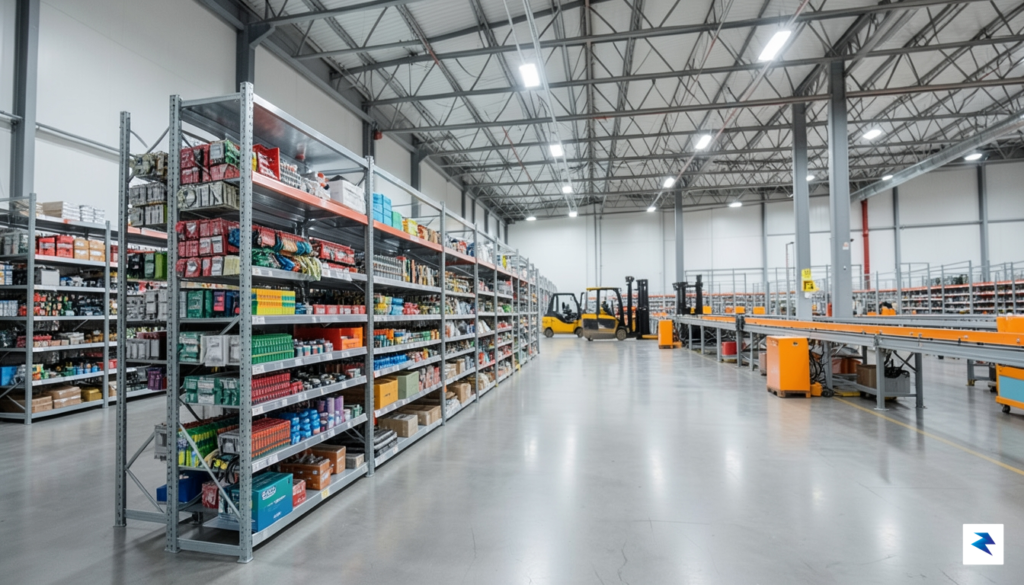
When you transition from a handful of prototypes to a production run of 2,500 units, the romantic notion of “building hardware” quickly evaporates, replaced by the rigid, often unforgiving mechanics of supply chain management. The primary shift is psychological: you are no longer just an engineer; you are a logistics manager responsible for the precise orchestration of hundreds of individual components. Every single resistor, capacitor, and microcontroller must arrive at the assembly facility in perfect synchronicity. If one obscure part—perhaps a specific voltage regulator or a custom tactile switch—is delayed by six months, your entire production line grinds to a halt, turning your inventory into a pile of expensive, incomplete paperweights.
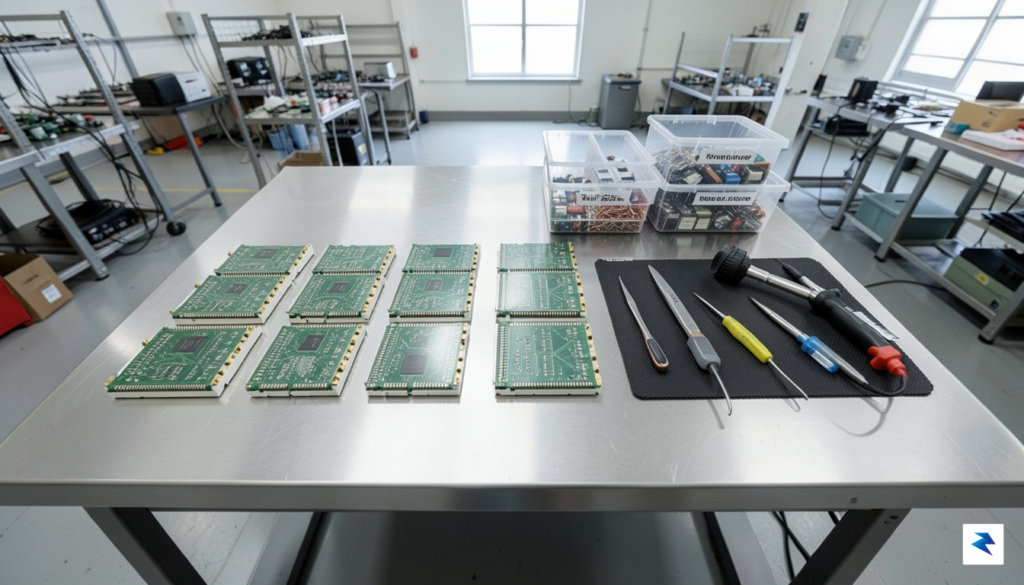
Managing these lead times requires a shift toward proactive, rather than reactive, procurement. In the early days, you might have sourced parts from hobbyist retailers, but at scale, you must build direct relationships with primary distributors and manufacturers. This means forecasting your needs months in advance, often placing non-refundable deposits to secure inventory in a volatile global market. You must learn to read the “signals” of the supply chain, such as sudden spikes in lead times for specific microcontrollers, which often serve as a harbinger of broader industry shortages.
The true hidden cost of hardware isn’t the price of the parts; it is the cost of the downtime caused by a single missing screw or a misaligned connector.
To mitigate these risks, you cannot afford to rely on a single vendor for critical components. Building redundant supply lines is not just a best practice—it is an insurance policy against the inevitable failures of the global shipping infrastructure. For instance, while it may be cheaper to source your chassis from one supplier, having a secondary, pre-vetted manufacturer on standby ensures that if a batch arrives defective or a factory faces an unexpected shutdown, your project doesn’t collapse.
Furthermore, you must implement a rigorous quality control framework that extends back to your suppliers. Scaling means that you are no longer personally inspecting every solder joint, so you must establish clear communication channels for technical specifications and tolerance levels. When you treat your vendors as partners rather than mere transactional entities, they are far more likely to notify you of potential delays or quality shifts before they become catastrophic bottlenecks. Successfully navigating this phase is what separates a one-off hobby project from a sustainable hardware business.
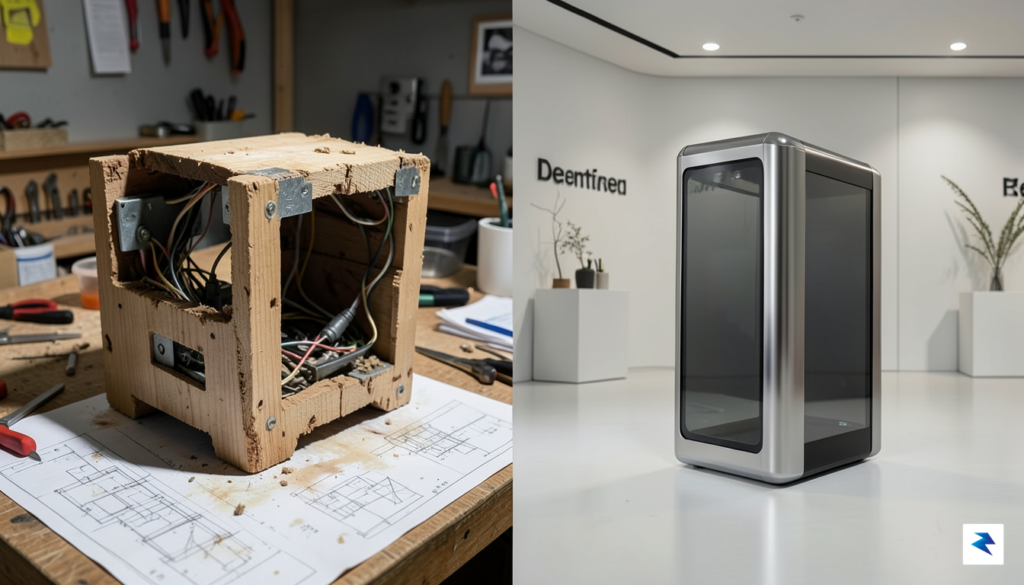
There is a dangerous myth in the hardware industry that the goal of a product launch is to deliver a flawless, finalized artifact. In reality, your Version 1.0 is less of a finished product and more of a high-stakes, real-world experiment. Once those first few hundred units reach the hands of actual musicians and producers, you will quickly discover that no amount of lab testing can replicate the unpredictable ways users interact with your gear. By embracing the mindset that the design process is continuous rather than linear, you transform potential failures into actionable data points that allow you to refine the user experience long after the initial shipping date.
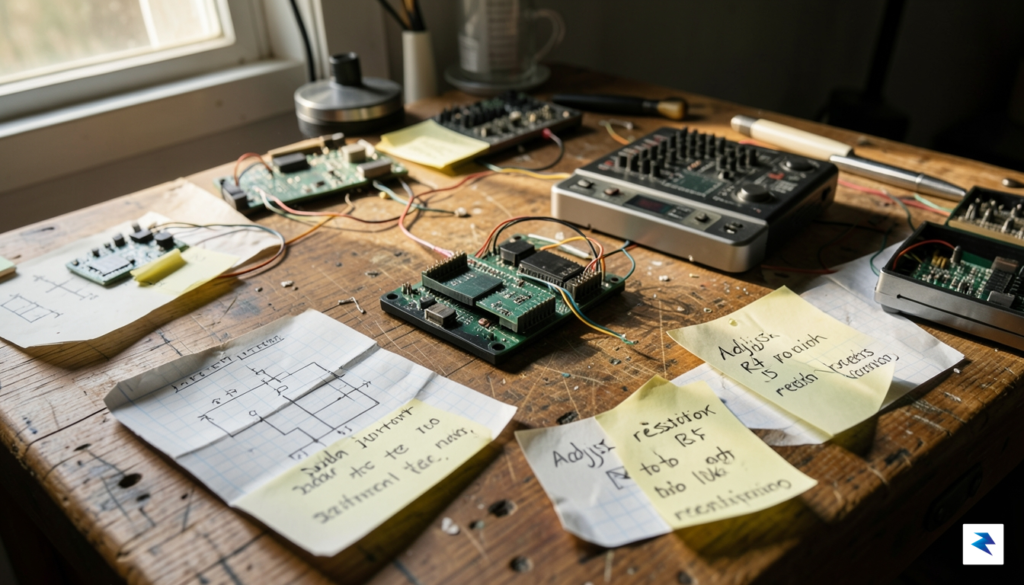
Implementing these changes does not require a complete overhaul of your manufacturing line. Instead, the secret to sustainable hardware development lies in modularity and incremental updates. When feedback suggests a button placement is awkward or a specific port is prone to wear, you can introduce “running changes” in subsequent production batches. This approach allows you to address design flaws or manufacturing inefficiencies in real-time, keeping your inventory fresh and increasingly reliable without the prohibitive costs of a total design refresh. By treating your supply chain as a flexible system, you ensure that every batch of units produced is slightly better than the last.
Hardware is a conversation with your users; the product is simply the medium through which that dialogue happens. Every update you make is a sign that you are listening.
Of course, there is a delicate tension between the paralyzing desire for perfection and the urgent demands of the market. If you wait until every minor detail is perfect, you will never ship, and you will miss the critical feedback loop that only comes from real-world usage. You must learn to balance “good enough” for launch with a long-term commitment to improvement. Perfectionism often leads to stagnation, whereas iterative design builds trust. When your customers see that you are actively responding to their suggestions, they stop viewing your hardware as a static tool and start seeing it as an evolving ecosystem that grows alongside their own creative process. In the end, the most successful hardware businesses are not those that launch perfectly, but those that refuse to stop improving.
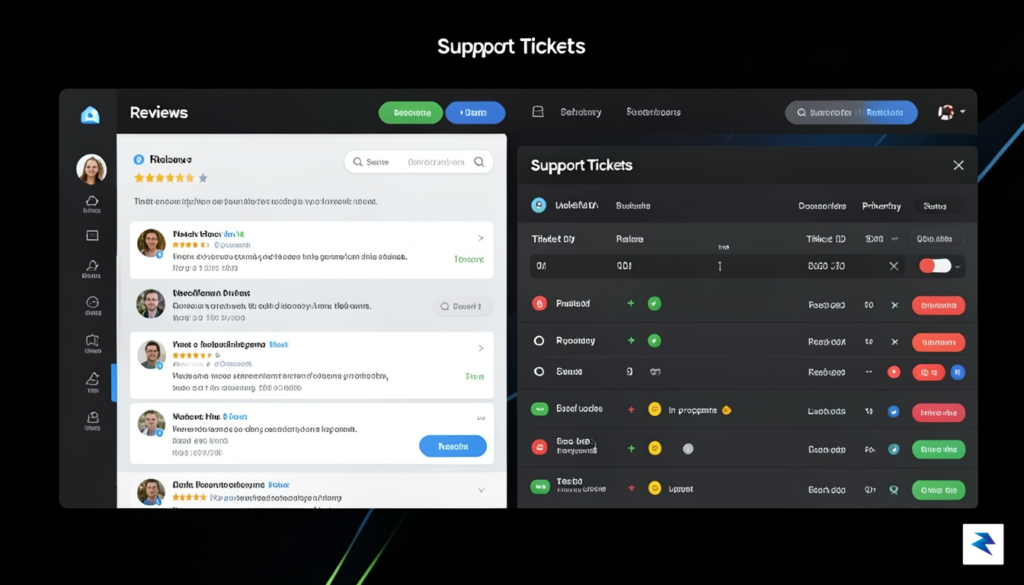
In the world of software, a bug report is often an abstract description of a logic error or a UI glitch. In hardware, however, the feedback loop is visceral, tactile, and uncompromising. When a customer holds your device, they aren’t just interacting with code; they are applying physical force, exposing it to environmental variables, and integrating it into their unique creative workflows. This direct physical interaction turns every user into a stress-tester, providing a goldmine of data that is impossible to simulate in a lab environment. By paying close attention to these real-world interactions, you can identify patterns of wear and tear that reveal critical design flaws long before they become systemic failures.
To capture this actionable data, we moved beyond basic support tickets and implemented a structured feedback pipeline. Whenever a user reported an issue, we asked for photographic evidence of the damage and a detailed account of the environment where the unit was being used. We discovered that what initially looked like “user error” was often a design oversight. For instance, if a specific port frequently broke, we didn’t just blame the user for being rough; we analyzed the leverage exerted on the chassis and the frequency of cable swaps. This process allowed us to categorize failure points—such as solder joint fatigue, plastic housing brittleness, or button tactile degradation—and quantify exactly how many cycles a component could handle before needing reinforcement.
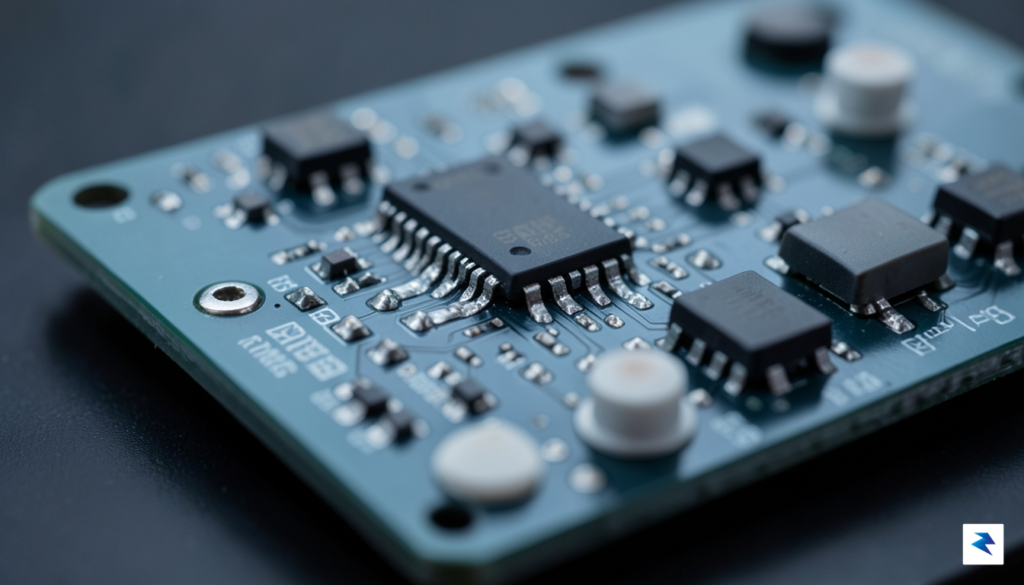
The most valuable design updates don’t come from the engineering department’s imagination, but from the friction points where the user’s intent meets the physical limitations of the hardware.
Translating these complaints into tangible design updates requires a disciplined approach to the next production run. Once we identified a recurring failure point, we treated it as an engineering mandate rather than a simple repair. If users noted that a particular knob felt “loose” after months of heavy performance, we didn’t just tighten the fastener; we redesigned the internal mounting bracket to distribute pressure more evenly across the faceplate. This iterative cycle—identifying the failure, analyzing the physical stress, and engineering a more robust mechanical solution—is what transforms a prototype into a reliable, professional-grade tool. By treating every customer complaint as a diagnostic test, we essentially crowdsourced our quality assurance, allowing the product to evolve into a version that is significantly more durable than the original batch.
Ultimately, this approach shifts the development philosophy from “launch and forget” to “launch and listen.” When you treat your hardware as a living product that improves through the physical experiences of your users, you build a level of trust that software-only companies rarely achieve. The data gathered from the first 2,500 units did more to improve our manufacturing quality than any internal audit ever could have. By embracing the physical feedback loop, we stopped viewing hardware as a rigid, finished state and began seeing it as an ongoing conversation between the creator and the end-user.

For decades, the idea of creating a physical product was reserved for corporate giants with massive R&D budgets and complex supply chain networks. Today, however, those barriers have fundamentally crumbled. The democratization of design software, the rise of global on-demand manufacturing platforms, and the availability of open-source electronics have transformed hardware from an intimidating industrial endeavor into a creative pursuit accessible to any curious individual. You no longer need a warehouse full of inventory or a team of specialized engineers to bring a vision to life; you simply need the willingness to embrace a steep learning curve and the discipline to iterate rapidly.
If you are standing on the sidelines of your own hardware project, the most effective strategy is to adopt a “just-in-time” approach to both knowledge and production. Rather than trying to master every aspect of electrical engineering, industrial design, and logistics before you begin, focus exclusively on solving the immediate problem at hand. When you encounter a specific hurdle—whether it is finalizing a circuit board layout or selecting the right injection molding material—that is the precise moment to dive deep into the research. This method prevents the paralysis of over-planning and ensures that your technical skills grow in lockstep with the actual requirements of your device.
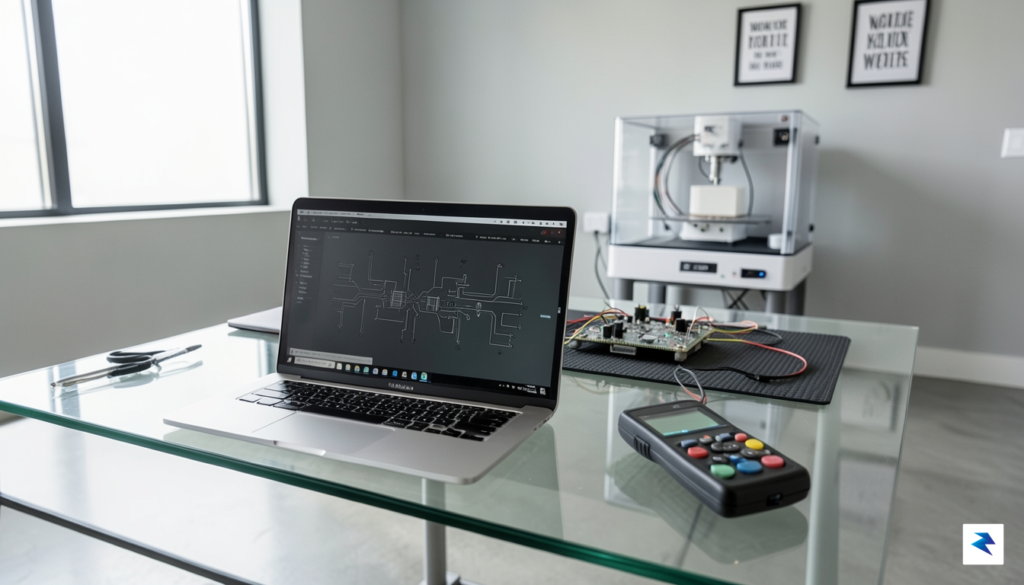
Your roadmap to success does not start with a massive order of 2,500 units; it begins with a single, functional prototype that proves your core concept. Start by utilizing affordable prototyping tools like 3D printing and hobbyist-grade microcontrollers to validate your idea with potential users. Once you have a working model, shift your focus toward refining the design for manufacturability, slowly introducing more professional processes as your demand dictates. This incremental scaling allows you to refine your product based on actual user feedback, minimizing the risk of expensive errors while building a base of loyal customers who value the journey of your brand.
The secret to hardware is not avoiding difficulty; it is breaking that difficulty down into manageable, iterative experiments that lead to a finished product.
Ultimately, the hardware game is as much about mindset as it is about engineering. You must be comfortable with the reality that your first iteration will be imperfect, and that your second iteration will teach you even more. By embracing the iterative nature of physical creation, you transform every setback into a data point for improvement. The tools available to you right now are more powerful and user-friendly than anything the engineers of the past could have imagined. Stop waiting for the perfect conditions and start building; the only way to demystify the hardware process is to begin turning your ideas into physical reality, one component at a time.
You must be logged in to post a comment.