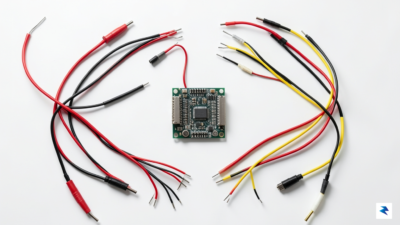
Building Hardware at Scale: Lessons from Selling 2,500 MIDI Recorders
The Myth of Hardware Complexity For most software engineers, the prospect of manufacturing physical goods feels like stepping into a different…
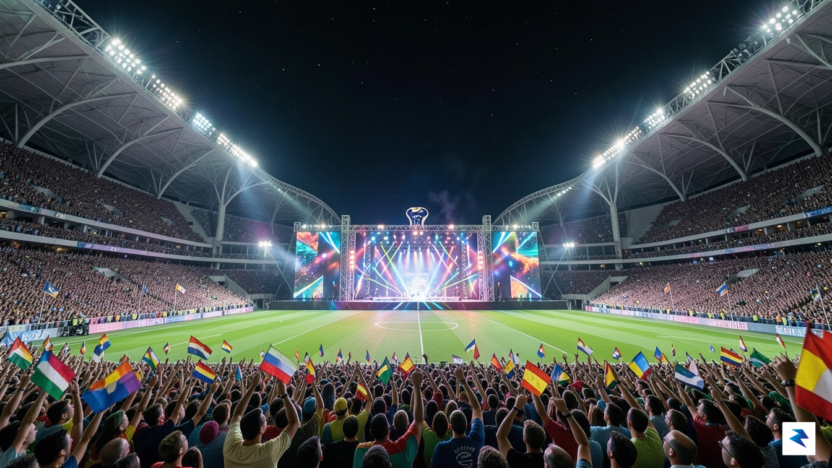
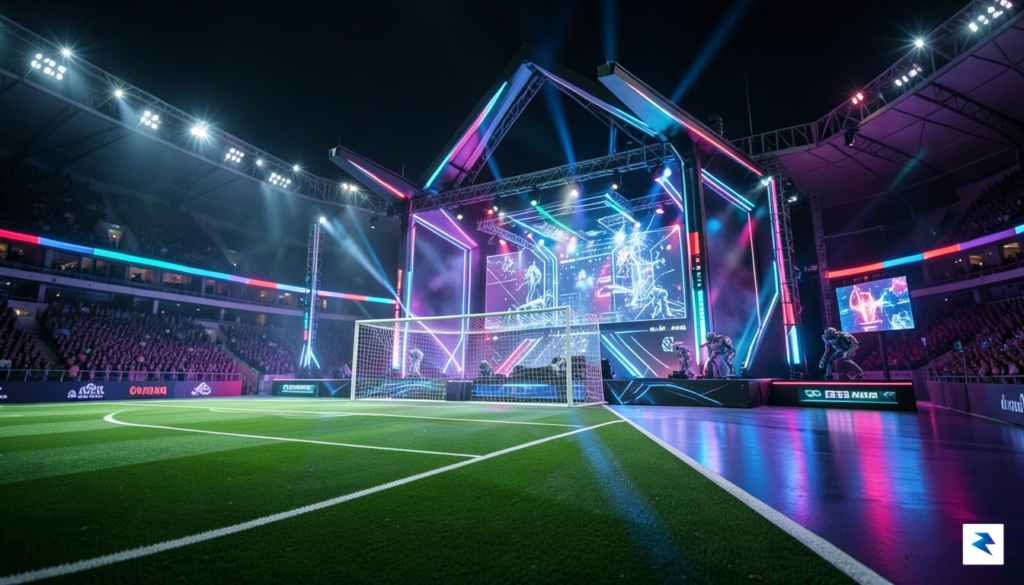
For decades, the FIFA World Cup opening and closing ceremonies were defined by a sense of austere, cultural pageantry. These traditional displays focused heavily on local folklore, historical narratives, and indigenous dance, serving as a dignified nod to the host nation’s heritage rather than a high-octane commercial production. While these ceremonies were undeniably beautiful, they often functioned as a brief prelude to the match, rarely capturing the imagination of casual viewers or those outside the traditional soccer heartlands. FIFA’s approach was rooted in the sanctity of the sport itself, keeping the focus strictly on the pitch and the players rather than the surrounding theater.
However, the governing body is now orchestrating a significant pivot, clearly inspired by the colossal success of the NFL’s Super Bowl halftime model. By transitioning toward star-studded, high-production entertainment, FIFA is moving to transform its marquee matches into global cultural events that extend far beyond the 90 minutes of regulation play. This strategic shift is designed to capture a broader demographic—specifically those who may not be die-hard soccer fans but are drawn to the spectacle, celebrity presence, and viral nature of a blockbuster performance. In essence, FIFA is recognizing that in the modern attention economy, the game is only one part of the product.
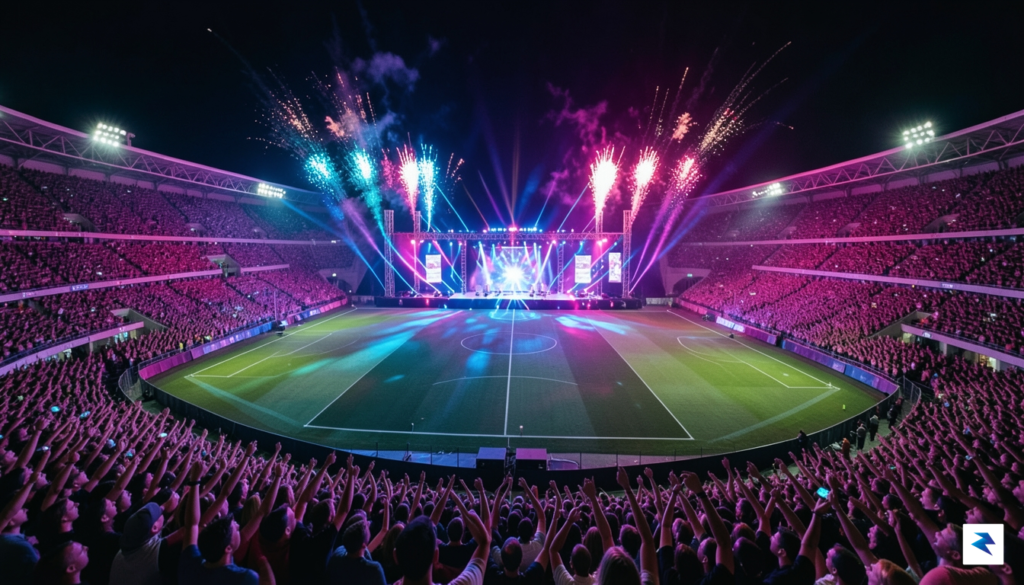
The motivation behind this evolution is rooted in hard data and the pursuit of unprecedented commercial impact. The Super Bowl has long proven that a halftime show can be a standalone cultural phenomenon, driving massive advertising revenue and securing viewership numbers that transcend the sport itself. By adopting this model, FIFA aims to maximize sponsorship opportunities and create “must-watch” moments that dominate social media feeds globally. This transition is not merely about adding a musical act; it is a calculated attempt to reposition the World Cup as the ultimate intersection of global pop culture and professional athletics.
The goal of this new strategy is to turn every World Cup final into a global town square, where the entertainment value is just as critical as the scoreline itself.
As the governing body prepares for future tournaments, this shift toward American-style spectacle highlights a departure from tradition in favor of growth. By leveraging celebrity influence and high-octane production values, FIFA is signaling that it is no longer satisfied with being a purely athletic organization. Instead, it is positioning itself as a titan of the global entertainment industry, aiming to ensure that the World Cup remains the most prestigious and profitable event on the planet, regardless of who is playing on the field.
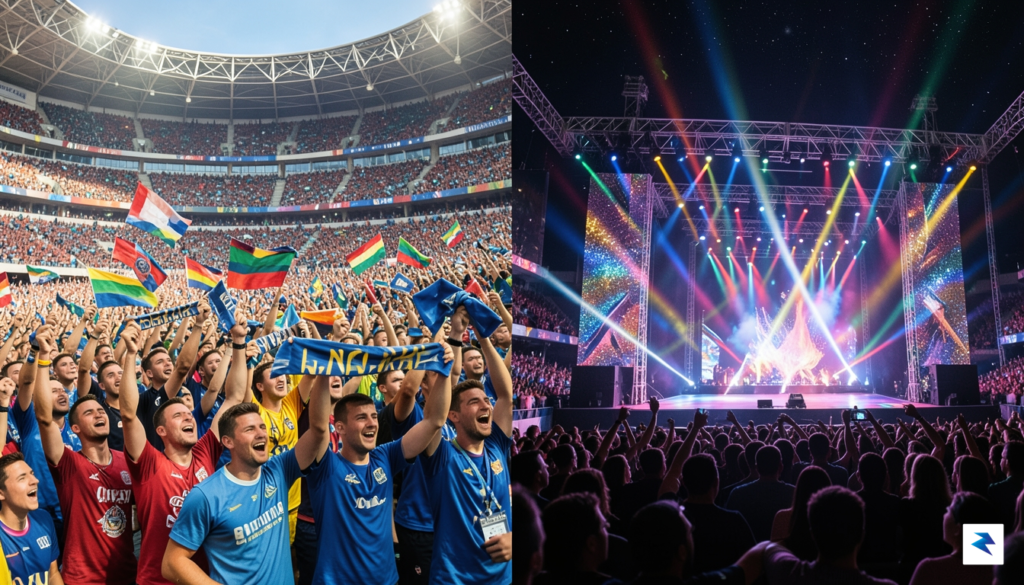
The introduction of a high-production halftime spectacle into the World Cup framework has ignited a fervent debate that pits long-standing soccer purists against the encroaching tide of commercialized entertainment. For decades, the global soccer experience has been defined by its organic flow; the sport is a continuous, ninety-minute narrative where the rhythm is dictated by the players on the pitch, not by scheduled interruptions or pyrotechnic displays. To the traditionalist, the halftime break is a functional pause, a brief moment to catch one’s breath and analyze the tactical shift before the drama resumes. When FIFA introduces massive pop acts and elaborate choreography, it arguably disrupts this sacred momentum, transforming a test of endurance and skill into a fragmented media product that prioritizes flashy visibility over the game’s inherent tension.
This friction is deeply rooted in the fundamental differences between international soccer and the American football model. In the NFL, the game is intrinsically modular, built around frequent timeouts, commercial breaks, and distinct play-calling sequences that naturally accommodate the pause of a massive halftime show. Conversely, soccer is a game of fluid endurance where the crowd’s energy is inextricably linked to the ongoing, unbroken action. By overlaying the Super Bowl’s “spectacle-first” philosophy onto the World Cup, FIFA risks imposing a jarring, artificial beat that feels disconnected from the sport’s history. Fans who have grown up with the minimalist, fan-led atmosphere of European and South American stadiums often view these forced entertainment additions as an encroachment—a distraction that dilutes the intense, singular focus required to appreciate the tactical nuances of a world-class match.
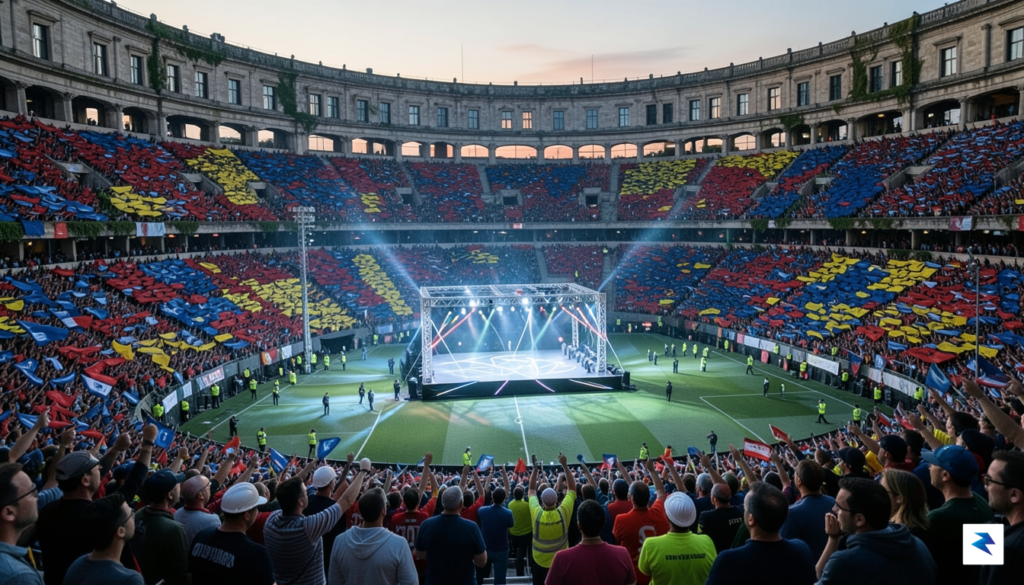
The transition from a sport-centric experience to an entertainment-heavy event risks alienating a base that values the sanctity of the pitch above the polished sheen of global pop culture.
Furthermore, there is a legitimate concern regarding “spectacle fatigue,” where the sheer volume of production values threatens to overshadow the actual game narrative. When the halftime show becomes a headline event in its own right, the players—the true protagonists of the World Cup—risk being relegated to mere supporting actors in a larger corporate performance. This shift could fundamentally alter the viewer’s relationship with the sport, moving it away from a communal, athletic pilgrimage and toward a passive, consumption-driven experience. If FIFA continues to push for a more commercialized stage, they must navigate this cultural divide carefully; otherwise, they risk turning the world’s most beloved tournament into a generic brand vehicle that feels hollow to the very supporters who have sustained its global dominance for generations.
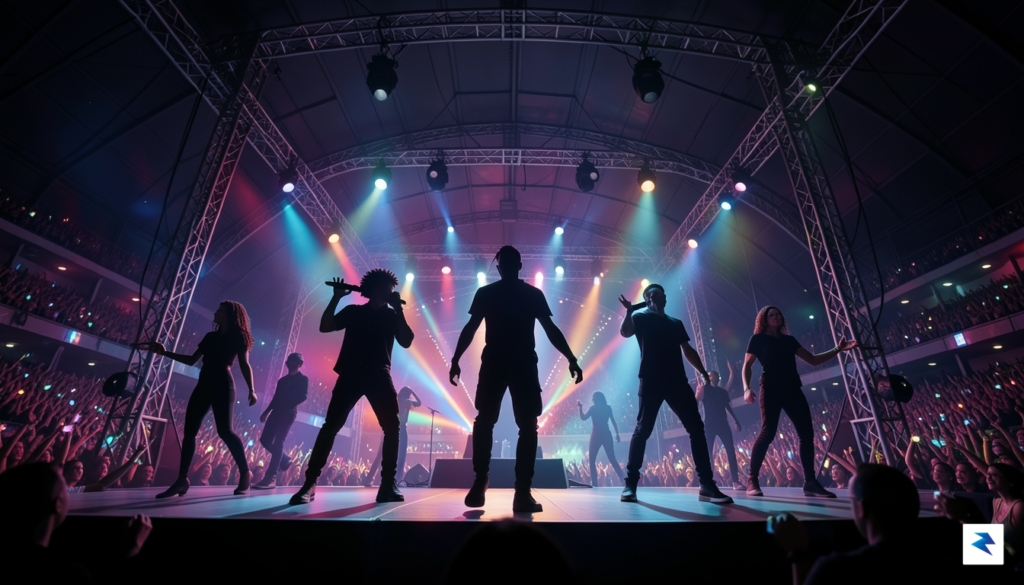
By curating a lineup that intentionally traverses musical genres and continental borders, FIFA is effectively casting a significantly wider net than it has in previous iterations of the tournament. When the organization taps into the immense cultural pull of global superstars like Shakira, Justin Bieber, or BTS, it isn’t merely booking talent; it is engaging in a sophisticated form of demographic acquisition. Each of these artists commands a massive, hyper-engaged digital following that often exists independently of traditional sports fandom. By bridging this gap, FIFA transforms the World Cup from a strictly athletic competition into an unmissable cultural event, enticing millions of younger, music-centric viewers to tune in who might otherwise have skipped the match entirely.
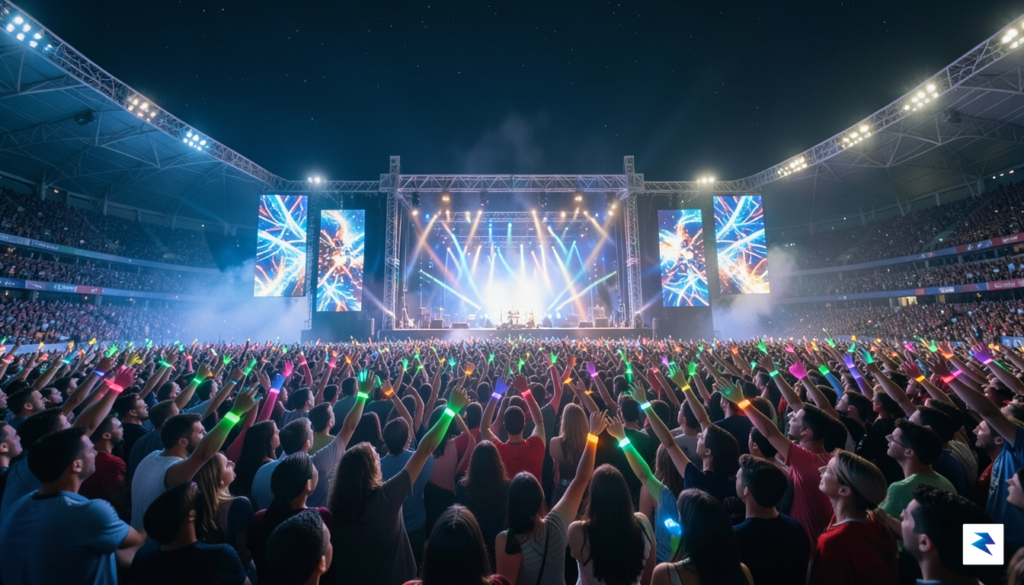
This strategic integration of pop stardom serves as a powerful funnel for demographic expansion, particularly among Gen Z and millennial audiences who prioritize multi-faceted entertainment experiences. For a younger fan, the allure of seeing a global icon perform a live set within the context of a high-stakes match creates a unique “event television” atmosphere that is increasingly difficult to capture in a fragmented streaming landscape. When a pop star with hundreds of millions of social media followers shares content related to the tournament, they act as a bridge, legitimizing the sport to their own fanbases and injecting a surge of youthful energy into the broadcast. Consequently, the tournament gains a global reach that transcends the pitch, effectively turning casual viewers into long-term stakeholders in the spectacle.
The true genius of the all-star approach lies in the ability to turn a fifteen-minute intermission into a global conversation, effectively turning non-sports enthusiasts into active participants in the tournament’s broader narrative.
However, the logistical challenges of hosting such massive, complex acts within an abbreviated halftime window cannot be overstated. Unlike the Super Bowl, which is specifically designed around a lengthy break, the World Cup must adhere to strict FIFA regulations that prioritize the rhythm and integrity of the match itself. Orchestrating a seamless transition from a high-intensity football match to a world-class concert requires a level of technical precision that pushes the boundaries of stadium infrastructure. Production crews face the immense pressure of transforming the pitch into a stage and back into a pristine field of play in mere minutes, ensuring that the spectacle enhances, rather than disrupts, the flow of the game. Balancing the sheer weight of these high-profile performances with the unforgiving demands of professional athletics is the ultimate test for FIFA, yet it remains a gamble that appears increasingly necessary to maintain the tournament’s status as the undisputed heavyweight of global entertainment.
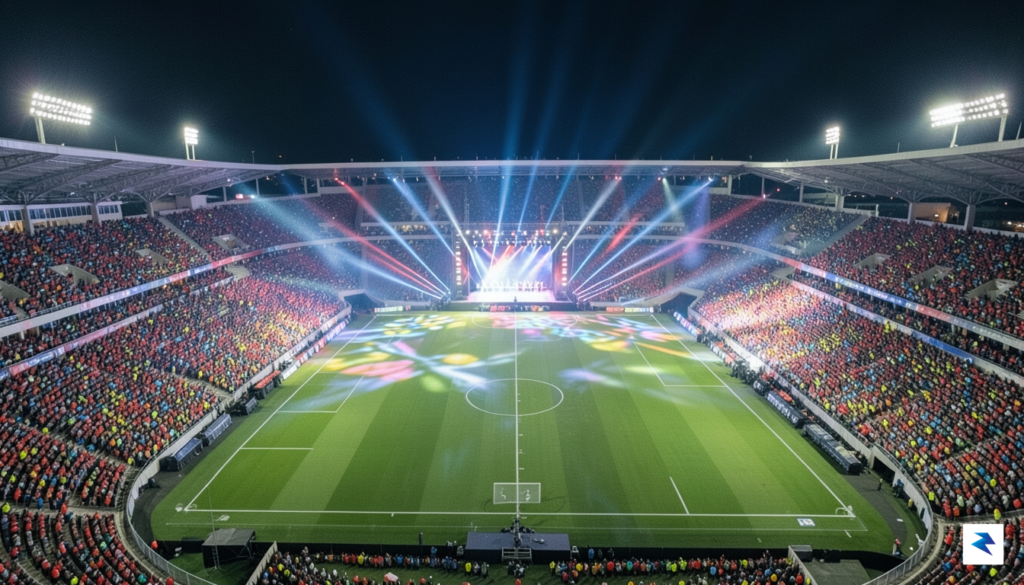
The contemporary landscape of professional sports has shifted toward a phenomenon known as “eventization,” where the athletic competition serves as merely one component of a broader, high-octane entertainment package. By integrating a large-scale halftime spectacle into the World Cup, FIFA is essentially attempting to transform a standard ninety-minute match into a multi-platform social media event. This strategy aims to capture the attention of casual viewers and younger demographics who may not be tethered to the traditional rhythm of soccer, leveraging the performance to generate viral moments, hashtags, and global conversation that extends far beyond the final whistle. In this sense, the show functions as a strategic bridge, turning a sporting contest into an all-encompassing cultural milestone that demands engagement across digital ecosystems.
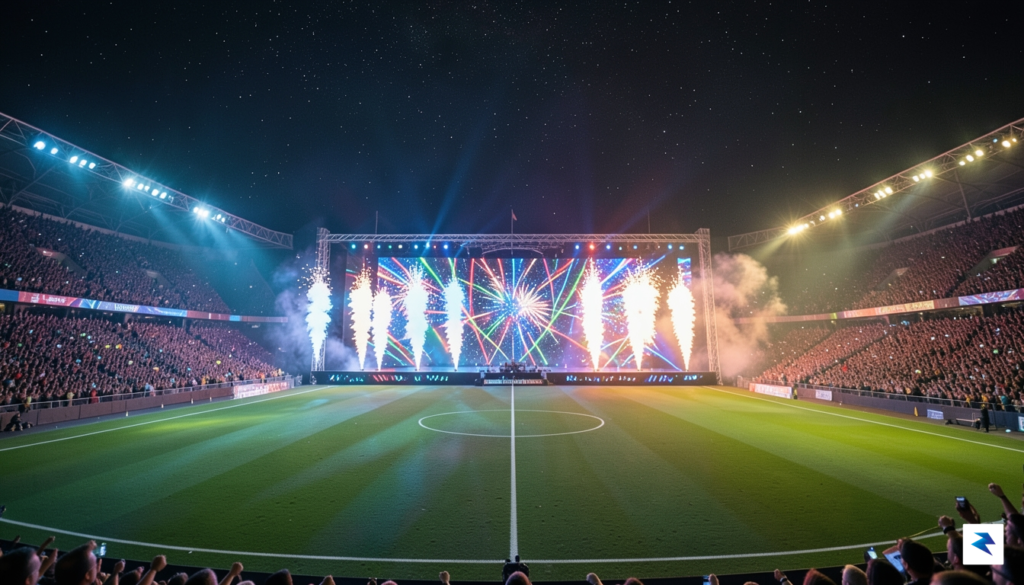
However, the integration of such elaborate production values carries inherent risks that could potentially alienate the sport’s purist core. For many dedicated fans, the intermission is a sacred period for tactical analysis, emotional decompression, and the essential rituals of stadium camaraderie. When an intrusive halftime show disrupts this flow, there is a legitimate concern that it dilutes the gravitas of the tournament. If the production quality falls short or feels disconnected from the cultural spirit of the host nation, the spectacle risks being perceived as a hollow marketing exercise rather than a genuine celebration. A lackluster performance does not merely occupy time; it has the potential to taint the perception of the match itself, creating a jarring juxtaposition between the gravity of the athletic pursuit and the artificiality of the entertainment interlude.
The success of a global halftime show hinges on whether it acts as a bridge between cultures or a commercial barrier that keeps fans from the very sport they came to celebrate.
Ultimately, the value of these spectacles depends on their ability to amplify the existing atmosphere rather than stifle it. When executed with precision, a halftime show can act as a catalyst for global unity, weaving together musical, visual, and performance art that resonates with a worldwide audience. It turns the stadium into a hub of shared human experience, transcending linguistic and national boundaries. Yet, FIFA must navigate this terrain with extreme caution. If the organization prioritizes spectacle over the authentic pulse of the game, it may find that the “Super Bowl-style” approach—while commercially lucrative—strips away the unique, organic tension that makes the World Cup the most anticipated event in international sports.
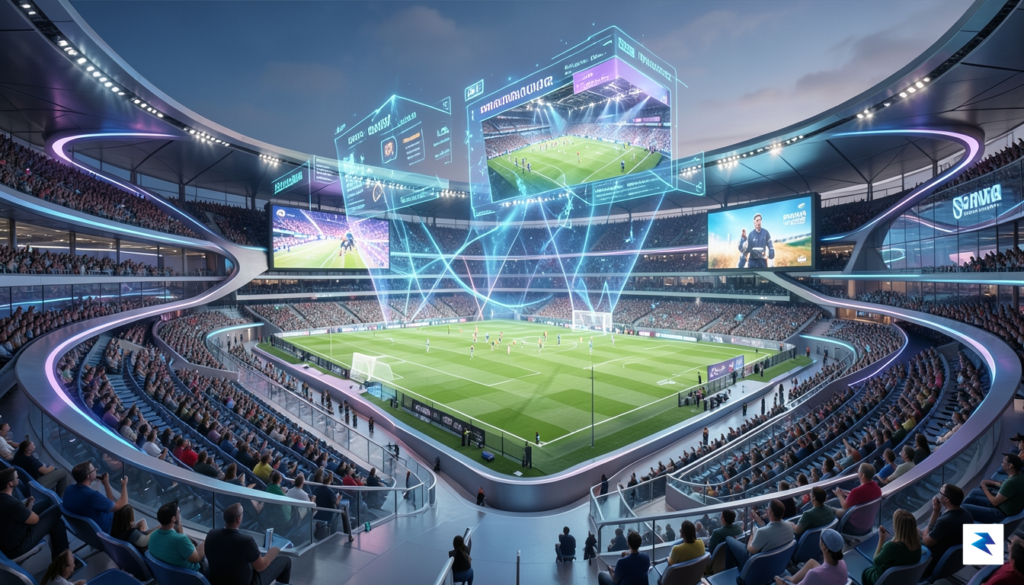
Whether traditionalists embrace the shift or recoil at the commercialization of the beautiful game, the “Super Bowlification” of global sports has firmly taken root. The modern sporting event is no longer just a contest of athletic prowess; it has evolved into a multimedia ecosystem designed to capture attention in an era defined by fragmented digital consumption. As FIFA maneuvers to integrate large-scale halftime productions into the World Cup, it is acknowledging a fundamental truth about the current landscape: the definition of a “live event” has irrevocably expanded. Fans today are not merely spectators in a stadium; they are content creators and curators who demand that every match provide a shareable, cinematic experience that transcends the final score.
This evolution is largely driven by the relentless gravity of social media, where viral moments often carry as much cultural weight as the matches themselves. In a world where attention spans are measured in seconds, the ability to generate a high-production spectacle creates “watercooler” moments that live on long after the final whistle. FIFA recognizes that to remain the centerpiece of global pop culture, it must compete with the endless stream of digital entertainment vying for a fan’s eye. By transforming the halftime period into a marquee showcase, the organization ensures that its broadcast remains a “must-watch” event, even for those who might otherwise tune out during the break. This strategy turns the stadium into a stage, effectively grafting the high-stakes glitz of American entertainment onto the storied traditions of international football.
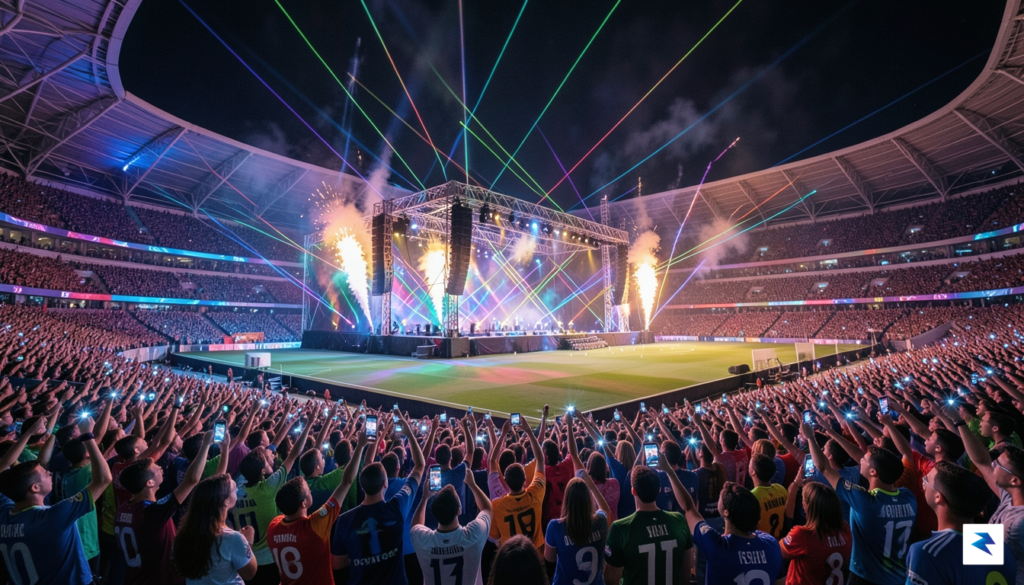
Looking toward the next decade, the challenge for FIFA lies in maintaining this delicate equilibrium between historical gravity and modern excess. While the demand for bigger, louder, and more technologically sophisticated spectacles is clear, the organization must be careful not to alienate the core demographic that views the World Cup as a sacred sporting rite. The future of sports entertainment will likely be defined by “hybridization”—the art of blending the raw intensity of professional soccer with the polished, broadcast-ready glamour of a global festival.
The true success of the modern World Cup will not be measured solely by the quality of the play on the pitch, but by the organization’s ability to weave spectacle into the fabric of the sport without tearing the seams of tradition.
Ultimately, the trajectory of global sports suggests that we are moving toward a model of constant engagement. As virtual reality, augmented interactive broadcasts, and social-first programming continue to mature, the “halftime show” may eventually become just one facet of a much larger, immersive experience. FIFA’s willingness to experiment with this American-style spectacle is a clear signal that they are ready to evolve, ensuring that the World Cup remains not just a tournament, but the ultimate stage for the world’s most fleeting and powerful cultural moments.
You must be logged in to post a comment.