
Understanding the New Student Loan Interest Rate Reduction
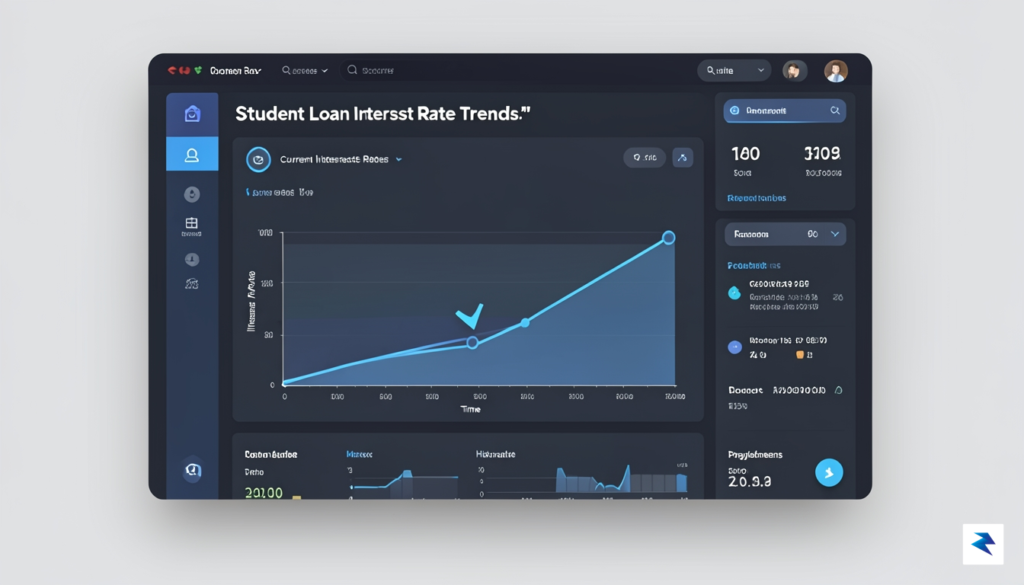
In a decisive move to provide immediate financial relief to millions of borrowers, the Department of Education has officially implemented a temporary reduction in student loan interest rates. Under this new policy, eligible federal student loan rates will see a decrease of up to one percentage point for a fixed duration of two years. This initiative is designed to act as a crucial stabilizing mechanism, effectively lowering the monthly burden for those struggling to manage high-interest debt while navigating an increasingly complex economic environment. By easing the accumulation of interest, the government aims to prevent the compounding growth of balances that often leads borrowers into long-term financial distress.
The rationale behind this intervention is deeply rooted in the current economic landscape, where rising default rates have become a significant concern for federal policymakers. As inflation and the cost of living continue to strain household budgets, the Department of Education recognized that the existing interest structures were becoming increasingly unsustainable for many graduates. This two-year window is intended to serve as a period of fiscal stabilization, allowing borrowers to regain their financial footing without the immediate pressure of aggressive interest accrual. By proactively adjusting these rates, the administration seeks to curb the rate of delinquency and provide a more manageable pathway toward eventual loan repayment.

The temporary interest rate reduction is not merely a technical adjustment; it represents a strategic effort to mitigate systemic risk within the higher education finance sector while offering tangible support to the American workforce.
Furthermore, this policy change reflects a broader shift in how the government approaches the management of federal student debt. By prioritizing the immediate liquidity of borrowers, the Department of Education is attempting to mitigate the long-term economic drag caused by excessive debt service obligations. This period of lower interest rates is expected to benefit a wide cross-section of the population, ranging from recent graduates just entering the workforce to established professionals who have been juggling multiple loan portfolios for years. The success of this initiative will likely be measured by its impact on default prevention and the overall ability of borrowers to make consistent, on-time payments, thereby strengthening the health of the entire student loan ecosystem during this two-year transition.
How the Automatic Payment Incentive Works
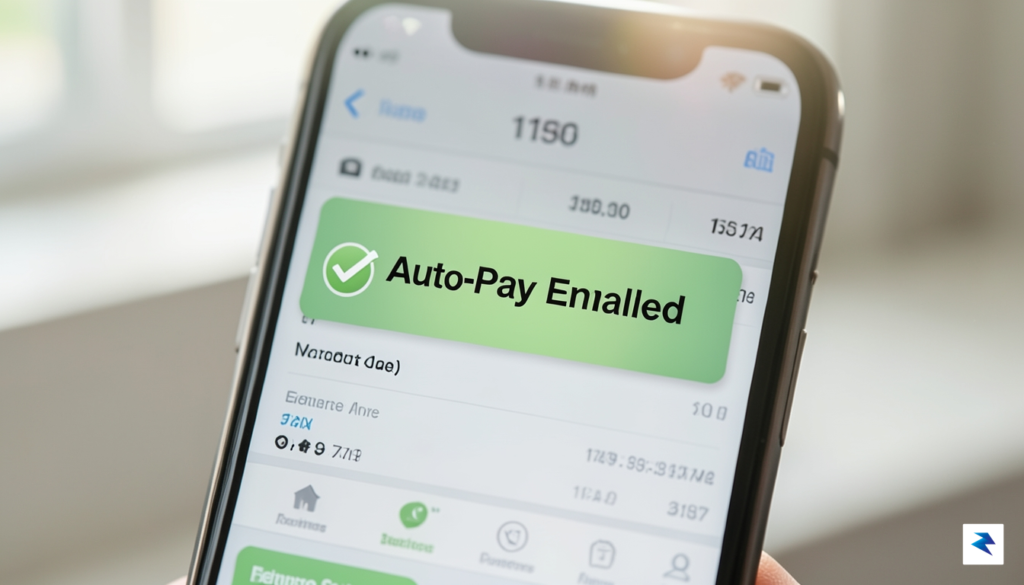
To benefit from the new interest rate reduction, borrowers must understand that this incentive is not applied universally to all accounts by default. Instead, the Department of Education has tethered the relief directly to your commitment to a structured repayment plan. Specifically, you must enroll in an automatic debit program through your loan servicer. By authorizing these recurring electronic payments, you are signaling a commitment to consistent repayment, which in turn unlocks the lower interest rate tier for the next two years. It is important to note that simply signing up for online account access is insufficient; you must explicitly activate the “Auto-Pay” feature within your servicer’s portal to meet the eligibility requirements.
Once you have opted into the automatic payment system, the mechanics of the rate reduction are designed to be seamless, provided that your account remains in good standing. The lower interest rate will be applied to your monthly statement, effectively reducing the portion of your payment that goes toward interest and allowing more of your funds to chip away at the principal balance. However, consistency is the linchpin of this policy. If you choose to manually skip a payment, or if an automatic payment fails due to insufficient funds in your linked bank account, your eligibility for the reduced rate may be immediately jeopardized. Many servicers will trigger a grace period, but prolonged lapses or recurring payment failures often result in an automatic reversion to your original, higher interest rate.
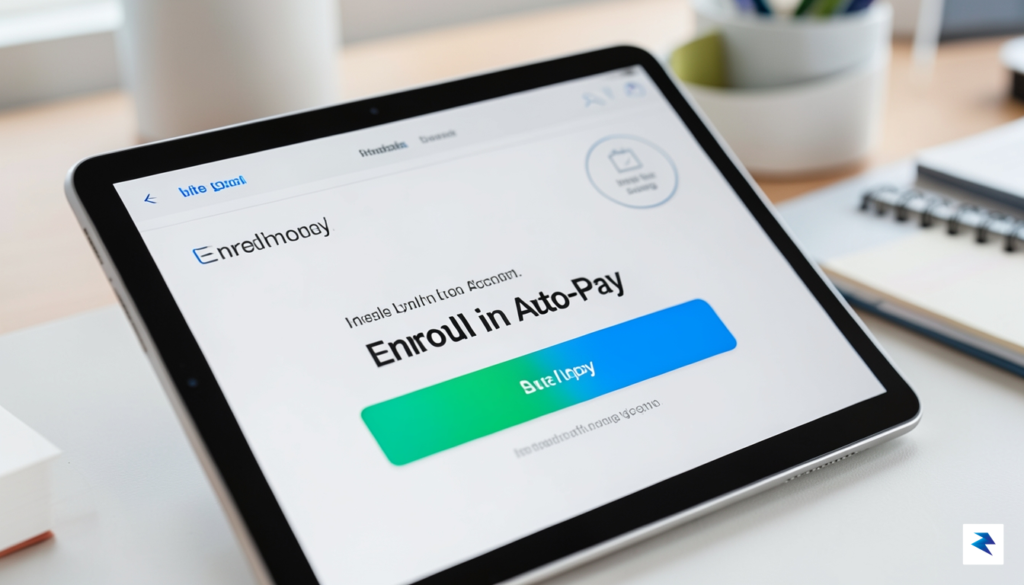
Maintaining the interest rate discount requires more than just initial enrollment; it necessitates a reliable, consistent stream of electronic payments that ensures your loan remains current and in good standing throughout the two-year period.
For those who may have multiple loan servicers or varying payment dates, it is crucial to coordinate your bank account balance to ensure that the electronic withdrawals clear without issue. If a payment fails, you might not only lose the rate reduction but also incur late fees or negative marks on your credit report, depending on the terms of your specific loan agreement. Therefore, we recommend setting up a dedicated payment buffer in your checking account specifically for your loan obligations. By proactively managing these automated withdrawals, you not only secure the financial relief promised by the Department of Education but also build a stronger foundation for long-term debt management.
- Verify Eligibility: Ensure your loan type qualifies under the latest Department of Education guidance before enrolling.
- Confirm Enrollment: Log in to your servicer’s portal and wait for a confirmation email or account status update reflecting the “Auto-Pay” status.
- Monitor Accounts: Regularly check your email and student loan dashboard for any notifications regarding payment status or changes to your interest rate terms.
Eligibility and Impact: Who Stands to Benefit Most
Determining who qualifies for this interest rate reduction requires a close look at the specific architecture of your student loan portfolio. This directive is primarily focused on federal student loans, specifically those held directly by the Department of Education, meaning that private student loans or older FFEL program loans that have not been consolidated into the Direct Loan program remain ineligible for these adjustments. Because the policy is designed to provide targeted relief, the reduction of up to one percentage point is applied automatically to eligible accounts, though the exact magnitude of the shift depends on your current interest rate environment and loan structure.

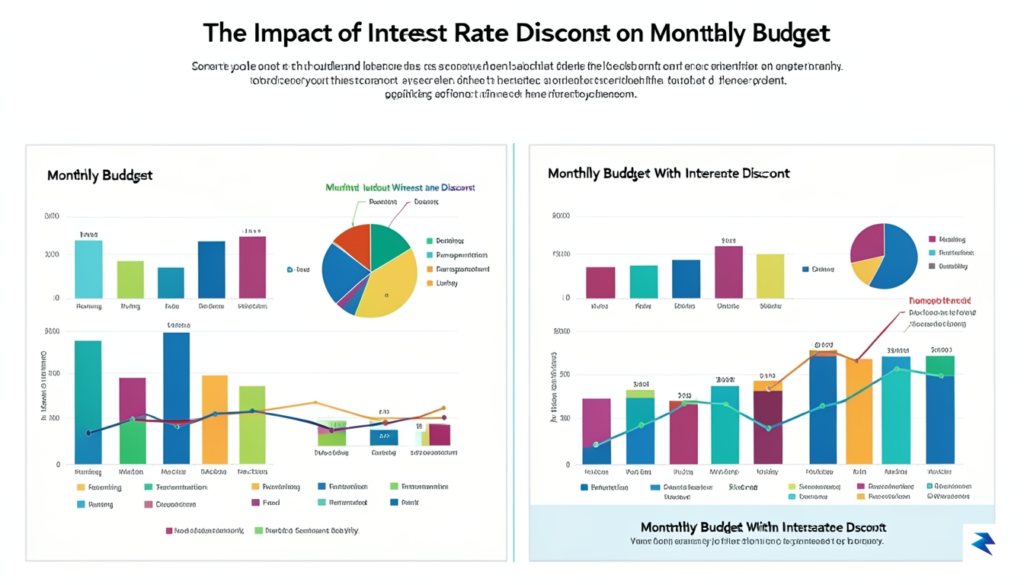
To understand the tangible impact on your monthly budget, consider the mathematical reality of a one-percentage-point decrease on a standard 10-year repayment plan. For a borrower carrying a $30,000 balance at an initial interest rate of 6%, a one-point reduction brings their effective rate down to 5%. Over the course of the 24-month period, this borrower would save approximately $25 to $30 each month in interest costs. While this may seem modest in isolation, it translates to roughly $600 to $720 in additional liquidity over the two-year window, providing a meaningful cushion for those managing tight household budgets or unexpected expenses.
The true value of this reduction lies in the compounding effect; by lowering the interest portion of your monthly payment, a larger percentage of your hard-earned money is directed toward the principal balance, potentially accelerating your path to debt freedom.
The financial relief becomes even more pronounced for borrowers holding larger balances, such as those with $60,000 in federal loans. At that higher threshold, a one-point interest rate drop yields closer to $50 to $60 in monthly savings. Over the full 24-month duration of this policy, these borrowers could see their total interest burden decrease by more than $1,200. This shift is particularly impactful for graduate students or professionals carrying higher debt-to-income ratios, as the additional monthly cash flow can be reallocated toward high-interest consumer debt or bolstered emergency savings accounts.
Ultimately, while these adjustments do not eliminate the underlying debt, they represent a significant administrative effort to lower the cost of borrowing for millions of Americans. It is essential for all federal loan holders to log into their student loan servicer’s portal to confirm that their loans are correctly classified as eligible under this directive. By verifying your loan type and tracking these savings, you can effectively leverage this two-year window to gain better control over your long-term financial trajectory.
Strategic Financial Planning During the Two-Year Window


The temporary reduction in interest rates offers a rare, time-sensitive window to gain significant ground on your financial goals. While it might be tempting to treat the lower monthly payment as extra spending money, the most effective strategy is to treat your loan payment as if it remained at the original, higher rate. By redirecting the difference between your old payment and the new, lower amount directly toward your principal balance, you can fundamentally alter the trajectory of your debt. Because interest is calculated based on the outstanding principal, paying down that balance faster prevents interest from compounding as aggressively over the long term, effectively shortening the life of your loan and reducing the total interest paid over the life of the agreement.
To make the most of this two-year relief period, you should evaluate which debt repayment strategy aligns best with your psychological and mathematical needs. Many financial experts recommend the debt avalanche method, which focuses on paying off debts with the highest interest rates first. In this context, you would prioritize any remaining high-interest private loans or credit card balances, using the savings from your federal student loans to chip away at those more expensive obligations. By mathematically minimizing the interest accrued across your entire portfolio, the avalanche method ensures that every dollar works as hard as possible to reduce your total debt burden.
Alternatively, some borrowers find more success with the debt snowball method, which prioritizes paying off the smallest loan balances first. This approach is designed to provide quick “wins” that build momentum and motivation, which can be essential for those who find the long slog of student loan repayment discouraging. When you apply the interest savings to your smallest loan, you can eliminate that debt entirely in a shorter timeframe, freeing up that specific monthly payment to roll over into the next debt. Regardless of which path you choose, the key is consistency; by treating these savings as a non-negotiable debt payment rather than disposable income, you transform a temporary policy change into a permanent financial advantage.
Applying your interest savings directly to the principal balance during this two-year window can result in significant long-term interest savings and help you clear your debt years ahead of schedule.
Ultimately, this period should be viewed as an accelerated repayment phase. If you maintain your previous payment amount, you are essentially “buying back” your future. You are not only reducing the principal more rapidly than the standard amortization schedule intended, but you are also creating a buffer for when the interest rates eventually return to their previous levels. By the time the two-year window closes, you will likely find yourself in a much stronger position, potentially having saved thousands of dollars in interest that would have otherwise been paid to the federal government.
Long-Term Implications for Federal Student Loan Borrowers

While the recent decision by the Department of Education to lower student loan interest rates offers immediate financial breathing room, it is crucial for borrowers to recognize this initiative as a temporary bridge rather than a permanent solution. Because this relief is strictly capped at a two-year duration, many individuals may face a significant financial “cliff” once the program sunsets. Failing to account for this transition could lead to unexpected payment spikes that disrupt personal budgets and long-term savings goals. Therefore, treating these lower rates as a period of surplus, rather than a permanent reduction in total debt obligation, is essential for maintaining your overall financial health.

To navigate this transition successfully, borrowers should treat their current repayment schedule as a dynamic, rather than static, obligation. It is highly recommended that you re-evaluate your repayment plan on an annual basis to ensure it remains aligned with your evolving income and financial circumstances. By checking in with your loan servicer at least once a year, you can determine how the scheduled interest rate hike will impact your monthly obligations long before the policy expires. Proactive engagement prevents the shock of a sudden increase and allows you to adjust your spending or explore alternative repayment structures, such as income-driven plans, well in advance of the deadline.
The most effective strategy for borrowers is to treat the interest savings as a temporary windfall that should be directed toward principal reduction, rather than as an excuse to decrease monthly payments.
Furthermore, staying informed about the evolving landscape of federal policy is just as important as managing your personal finances. While the current initiative is firmly set for two years, federal programs are frequently subject to legislative adjustments, extensions, or replacements based on changing economic conditions and political priorities. You should remain vigilant by monitoring updates from the Department of Education and reputable financial news outlets. Being prepared for either an extension of the current program or a return to standard interest rates will empower you to make informed decisions about your debt, ensuring that your financial stability remains intact regardless of what happens when the current relief concludes.
- Budget for the Increase: Calculate what your payment would be at the original interest rate and consider setting aside the difference in a high-yield savings account.
- Accelerate Principal Paydown: Use the temporary interest savings to pay down the principal balance, which will reduce the total interest you accrue once rates revert to their previous levels.
- Monitor Policy Shifts: Subscribe to official federal student aid newsletters to receive direct updates regarding potential future legislative changes that could impact your loan terms.