
Why AI Advice Makes Us More Confident But Less Accurate
The Paradox of AI Confidence: When Accuracy Fails The integration of Large Language Models (LLMs) into our daily workflows has introduced a…
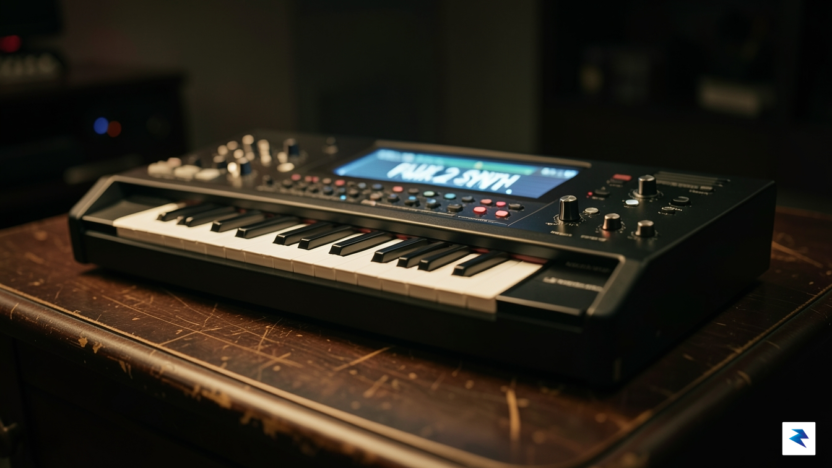
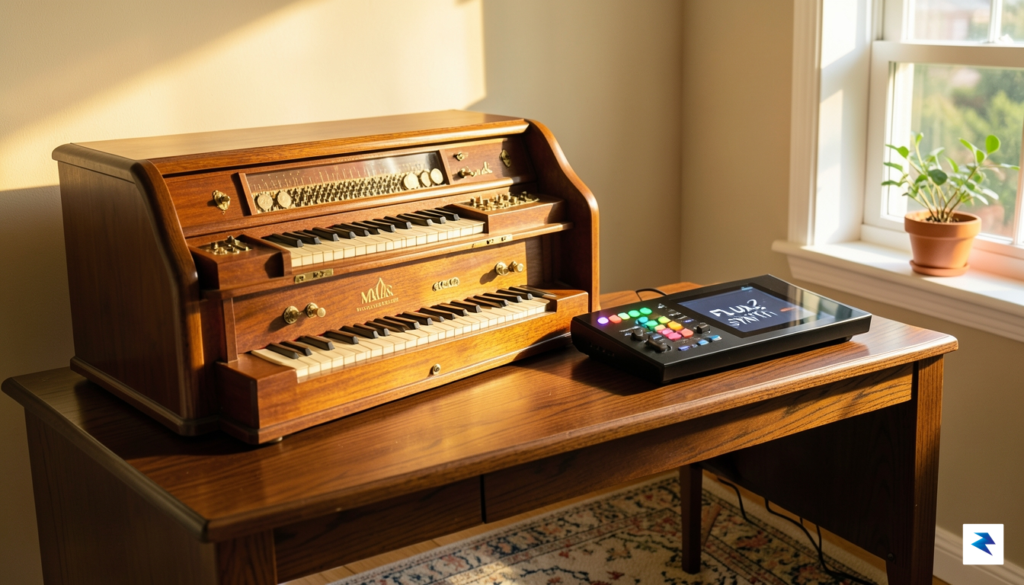
The gentle hum of a vintage chord organ often conjures images of cozy mid-20th century living rooms, family singalongs, and the unpretentious joy of making music without formal training. These unassuming instruments, with their rows of chord buttons and a simple keyboard, were once ubiquitous fixtures in homes across America, offering an accessible entry point into musical expression for countless individuals. Their mechanical simplicity was their greatest asset, allowing anyone to produce rich, harmonically complete accompaniments with just a few fingers, a stark contrast to the complex dexterity required by a piano or guitar. This distinct charm, born from a blend of approachability and a unique, reedy sonic character, has carved out a special place in the collective musical memory, hinting at a bygone era of domestic creativity.
Indeed, the proliferation of home chord organs throughout the post-war decades speaks volumes about a societal desire for instant musical gratification and communal entertainment. Manufacturers like Magnus, Estey, and Lowrey democratized music, packaging sophisticated harmonic structures into easy-to-play formats that made “playing by numbers” a literal concept. They weren’t just instruments; they were catalysts for casual gatherings, holiday celebrations, and personal moments of creative exploration, fostering a culture of musical participation that transcended professional aspirations. This era cemented the chord organ’s identity not as a virtuoso’s tool, but as a beloved companion for everyday melodies, resonating with a warmth and sincerity that modern, hyper-produced sounds sometimes struggle to replicate.
Fast forward to today, and these very instruments, once relegated to dusty attics or forgotten corners of garage sales, are experiencing a remarkable renaissance within the modern synth landscape. A new generation of indie producers and electronic musicians is rediscovering the inherent magic of the chord organ, drawn not by its technical prowess, but by its distinct tactile experience and charming sonic imperfections. There’s an undeniable appeal in the physical engagement of pressing a chord button and hearing the immediate, unfiltered sound, a tangible connection to the instrument that digital interfaces often abstract away. This hands-on, almost lo-fi approach directly feeds into a burgeoning aesthetic that values character, warmth, and a touch of vintage authenticity over pristine digital clarity.
Consequently, what were once humble domestic appliances are rapidly transitioning from quirky novelty items to essential studio tools, sought after for their unique contribution to contemporary tracks. The limited sonic palette of a vintage chord organ, far from being a drawback, often acts as a creative catalyst, forcing artists to innovate within constraints and coax unexpected textures from its reedy voicing. This deliberate embrace of simplicity and the distinctive sonic fingerprint of these instruments—a delightful blend of breathy reed sounds and surprisingly
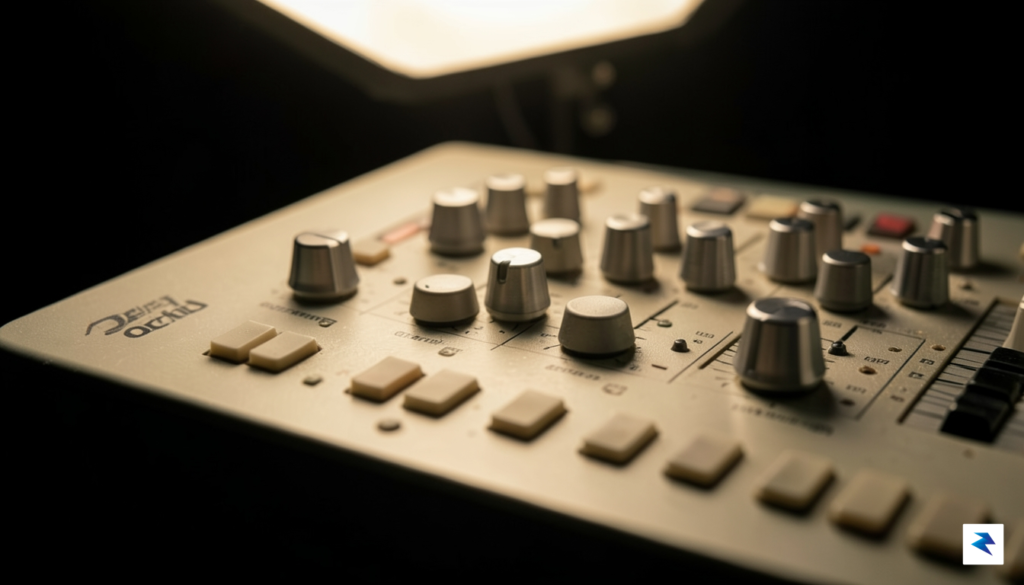
The Orchid synth isn’t merely a nostalgic rehash of yesteryear’s beloved instruments; it represents a thoughtful evolution, meticulously engineered to bridge the gap between vintage inspiration and cutting-edge sound design. Far from being a simple clone, this instrument stands out as a unique proposition for contemporary musicians, blending the immediate, tactile joy of a classic chord organ with the expansive sonic capabilities of modern synthesis. It’s a testament to the idea that retro workflows can be reimagined and enhanced, offering both instant gratification and profound creative depth to a new generation of artists.
At its core, the Orchid beautifully replicates the intuitive, “one-touch chord” workflow that made vintage chord organs so approachable and popular. Imagine sitting down and instantly conjuring rich, harmonious textures with the press of a single button, allowing you to focus purely on musical ideas and performance rather than intricate voice leading or complex fingerings. This immediacy is a powerful draw, making the Orchid incredibly inviting for beginners eager to explore harmony, yet equally appealing to seasoned players looking for a streamlined compositional tool or a fresh source of inspiration. It democratizes the creation of lush sonic landscapes, enabling users to build intricate harmonic progressions with effortless grace, fostering a sense of flow and spontaneity in their music-making process.
However, where the Orchid truly distinguishes itself is in its formidable synthesis engine, which elevates it far beyond the limited sonic palette of its predecessors. Beneath its retro-inspired interface lies a powerful, thoroughly modern architecture that grants unprecedented control over every aspect of the sound. Unlike vintage organs that offered a handful of preset tones, the Orchid provides a comprehensive suite of synthesis tools, including versatile oscillators capable of generating a wide array of waveforms, rich resonant filters for meticulous tone shaping, and an extensive modulation matrix. This allows users to sculpt everything from warm, analog-like pads and shimmering textures to punchy basses and cutting leads, pushing the boundaries far beyond what a traditional chord organ could ever achieve. The depth of its sound design capabilities ensures that while the workflow is immediate, the sonic potential is virtually limitless.
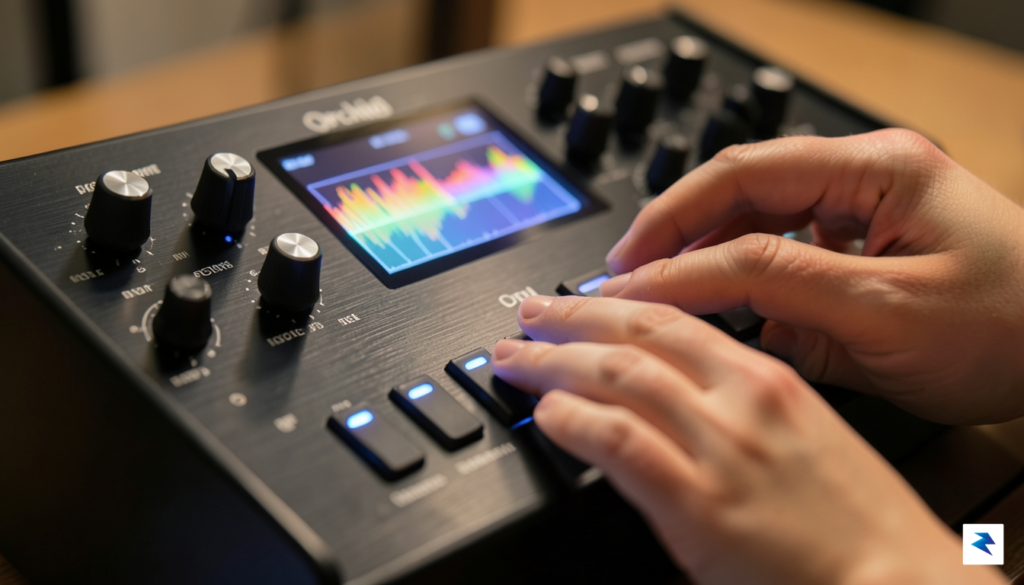
This innovative fusion of instant playability and deep synthesis is precisely what makes the Orchid so compelling. It’s an instrument that respects the past by honoring a beloved workflow, yet fearlessly embraces the future by incorporating advanced sound-generating capabilities. Whether you’re a producer seeking unique textures for your tracks, a performer looking for an expressive and easy-to-play instrument, or simply a music enthusiast eager to explore new sonic territories, the Orchid offers a refreshing and powerful solution. It proves that innovation isn’t always about abandoning tradition, but often about enhancing it, creating a truly unique musical experience that is both delightfully familiar and excitingly new.
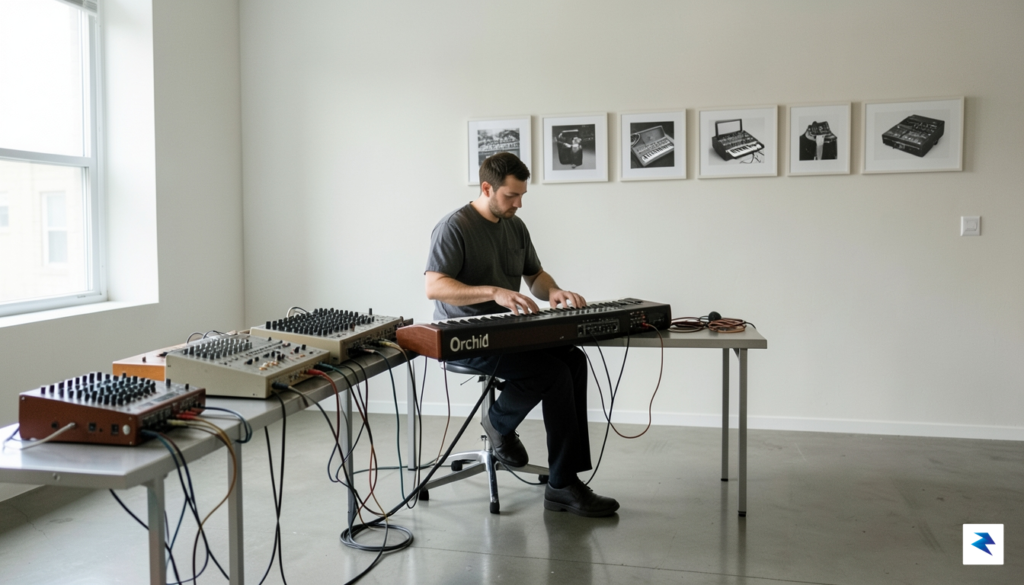
Modern music production, with its boundless digital tools, often presents a double-edged sword. While the sheer power and flexibility of today’s Virtual Studio Technology (VSTs) and Digital Audio Workstations (DAWs) are undeniable, offering an infinite palette of sounds and effects, this very abundance can ironically become a creative roadblock. Artists frequently find themselves scrolling through seemingly endless menus, tweaking microscopic parameters, or sifting through thousands of presets, all before a single musical note has even been thoughtfully played. This phenomenon, often termed ‘choice paralysis,’ diverts valuable creative energy from the act of composition into the labyrinthine process of sound design minutiae, sometimes leaving musicians feeling more like software engineers than artists.
The psychological toll of such overwhelming choice is significant. Instead of diving into spontaneous musical exploration, many producers become bogged down in decision fatigue, constantly second-guessing their sound selections or getting lost in sub-layers of effects. This intricate dance of digital manipulation can inadvertently distance the creator from the raw, emotional core of their music. The focus shifts from crafting a compelling melody or a resonant harmonic progression to perfecting a patch or automating a filter sweep, transforming the creative journey into a technical obstacle course. It’s a common complaint in today’s studios: spending hours on a sound only to realize the core musical idea hasn’t progressed.
This is precisely where the allure of simpler instruments, like the classic chord organ, steps into sharp relief. In stark contrast to the sprawling digital interfaces, a chord organ presents a beautifully constrained environment. Its fixed voicings, often a handful of major and minor chords activated by single buttons, along with a few distinct timbre options, strip away the noise and force a different kind of engagement. There are no deep-dive menus, no endless modulation matrixes; just immediate, tangible sound. This simplicity isn’t a limitation but a liberation, steering the artist away from the tempting rabbit hole of infinite tweaking and back to the fundamental act of making music.
By design, the chord organ compels a compositional approach that prioritizes melody and harmonic progression above all else. When the sound itself is a given, the musician’s attention naturally gravitates towards the quality of the notes being played and the relationships between them. Strong, memorable melodies become essential to elevate the fixed sonic character, and innovative chord changes are required to add depth and interest. This shift encourages a more intuitive, ‘play-first’ mentality, where ideas are explored through immediate musical interaction rather than mediated by complex software. It fosters a direct conversation between the musician and the instrument, bypassing layers of digital abstraction.
Ultimately, the resurgence of interest in instruments embodying this kind of elegant simplicity reflects a deeper psychological need in the digital age. It’s a yearning for clarity, for a creative process unburdened by the tyranny of too many options. Embracing the constraints of a chord organ allows artists to reclaim a sense of flow and focus, fostering an environment where musical intuition can truly flourish. In a world saturated with digital complexity, the refreshing straightforwardness of these instruments offers a powerful antidote, proving that sometimes, less truly is more when it comes to sparking genuine creativity and rediscovering the sheer joy of making music.
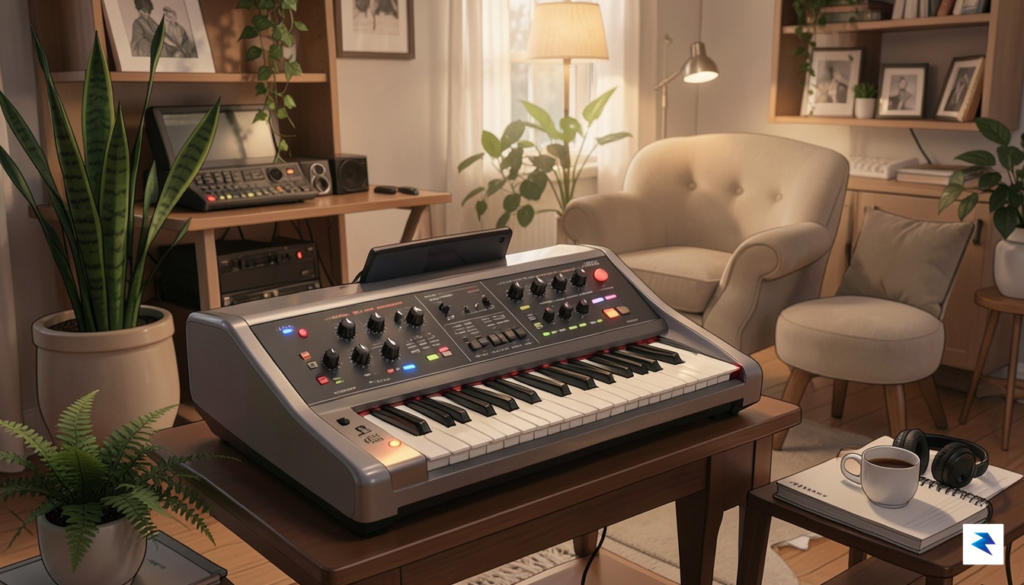
The modern music landscape is increasingly saturated with complex digital audio workstations and intimidating hardware, often requiring a steep learning curve to even begin making sound. However, a delightful counter-movement has emerged, championing instruments that prioritize immediate gratification and tactile interaction over endless menu-diving. This “hipster synth” aesthetic, perfectly embodied by the Orchid, is about far more than just looking good on an Instagram feed or fitting into a curated studio vibe. It represents a fundamental shift in design philosophy, moving away from intricate programming towards an experience that invites spontaneous play and creative exploration. The Orchid’s genius lies in its ability to strip away unnecessary complexities, presenting a warmly familiar interface that encourages users to simply turn it on and start making music, rather than getting bogged down in endless configuration.
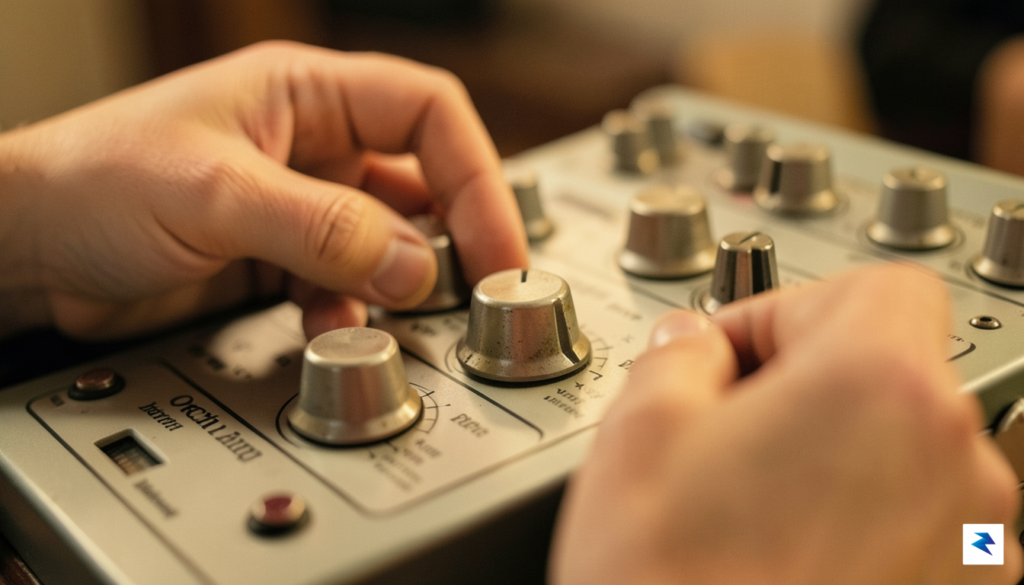
At the heart of the Orchid’s approachable design is its exceptionally intuitive physical interface. Gone are the multi-function buttons and cryptic LCD screens that often deter new users or interrupt the creative flow of seasoned professionals. Instead, the Orchid presents a clear, one-knob-per-function layout, reminiscent of classic analog gear where every control has an immediate, audible effect. This directness drastically lowers the barrier to entry for songwriters, producers, and hobbyists who might be intimidated by more traditional, programming-heavy synthesizers. Imagine sitting down with an instrument and, within minutes, understanding how to shape its sound, layering rich pads or crafting punchy basslines without needing to consult a manual. This immediate feedback loop fosters confidence and encourages experimentation, making the instrument feel like a natural extension of one’s musical ideas.
While its immediate accessibility is a major draw, the Orchid cleverly avoids the pitfall of being overly simplistic. For seasoned synth enthusiasts and sound designers, there’s a surprising depth lurking beneath its charmingly straightforward surface. The carefully curated set of controls, though seemingly minimal, offers a vast palette for sonic manipulation. Each knob and switch has been thoughtfully chosen to provide maximum expressive potential, allowing for nuanced adjustments to timbre, modulation, and effects. For instance, while you might not have an endless array of oscillator types, the quality and character of the available waveforms, coupled with accessible filter controls and a well-implemented LFO, mean you can still sculpt truly unique and professional-grade sounds. It’s a testament to intelligent engineering that an instrument can be so easy to pick up, yet so difficult to fully exhaust creatively, providing a satisfying journey for beginners and experts alike.
The Orchid embodies the idea that sophisticated sound doesn’t require complex interfaces, proving that a thoughtful, user-centric design can indeed coexist with professional-grade capabilities.
The true triumph of the Orchid’s design philosophy lies in this delicate balance: it’s an instrument that invites you to play rather than program, yet yields results that are anything but amateurish. Songwriters can quickly sketch out chord progressions and melodies, focusing on the musicality without getting lost in technical minutiae. Simultaneously, its robust sound engine and high-quality outputs ensure that these spontaneous creations translate directly into studio-ready tracks. This isn’t just a toy; it’s a powerful tool disguised as an approachable companion, bridging the gap between inspired improvisation and polished production. By making advanced synthesis accessible to a broader audience without compromising on sonic integrity, the Orchid stands as a shining example of how thoughtful design can empower creativity for musicians at every level of experience.
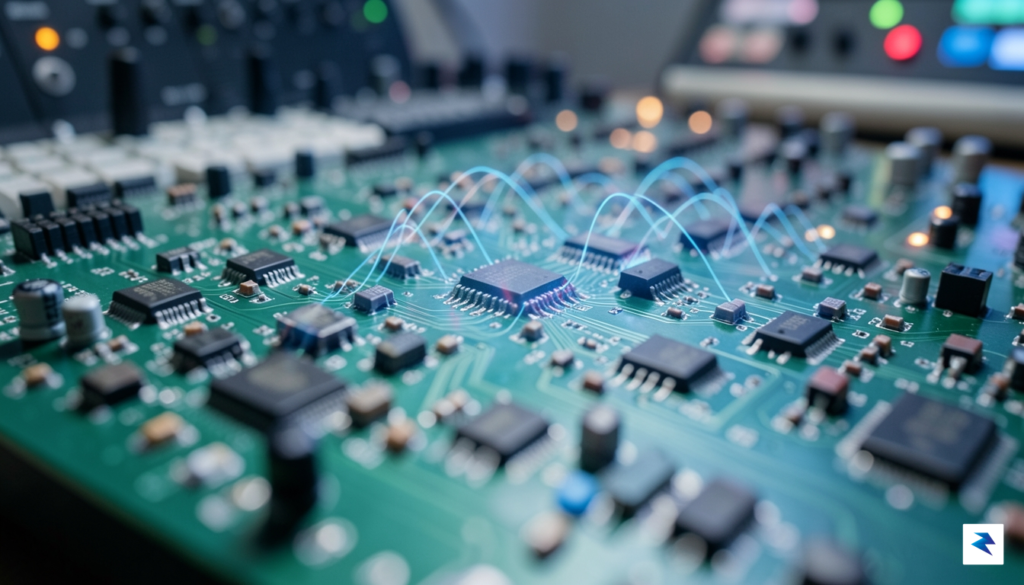
Beneath the charmingly retro facade of the Orchid lies a formidable synthesis engine, a stark contrast to the simplistic sound generation of its mid-century ancestors. While its aesthetic might playfully evoke memories of a child’s first keyboard, this instrument functions less like a toy and more like a precision power tool for sonic sculptors. Where 1950s chord organs, often beloved for their immediate playability and distinctive, reedy timbres, offered a fixed sonic palette, the Orchid provides a canvas of nearly limitless possibilities, allowing it to stand shoulder-to-shoulder with far more imposing studio gear.
Classic chord organs, such as the iconic Magnus or Bontempi models, operated on a relatively straightforward principle. They typically employed a system of internal reeds, much like a harmonica or accordion, with a small fan blowing air across them. Each key or chord button would open a valve, allowing air to vibrate a specific reed, producing a singular, unalterable tone. The magic of these instruments lay in their instant gratification and their characteristic, somewhat melancholic warmth, but their sonic capabilities were inherently limited to variations of these fixed
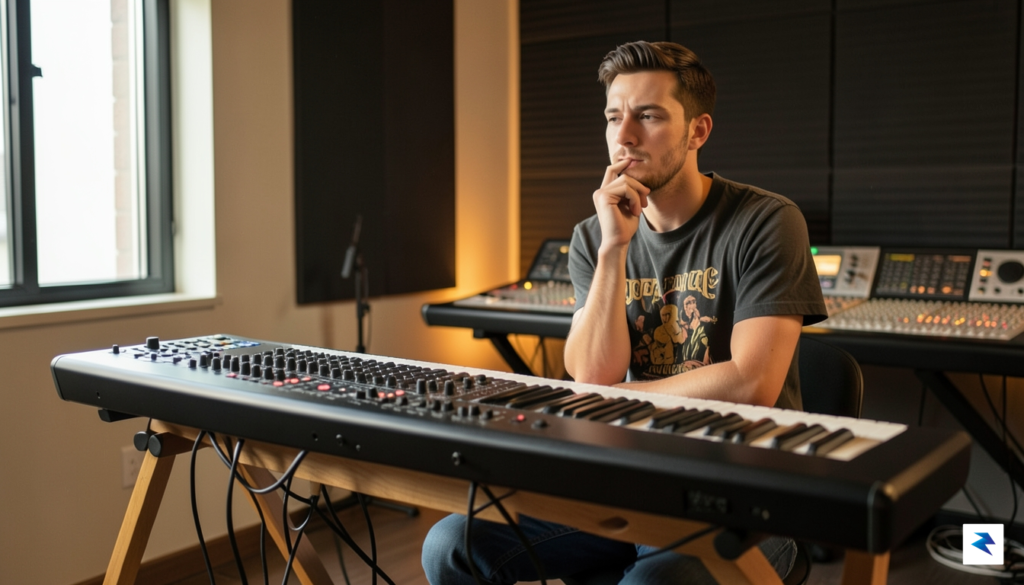
Deciding whether to bring the Orchid into your creative space requires an honest look at your current workflow and your sonic goals. This instrument is not merely another generic subtractive synthesizer; it occupies a specific niche that favors tactile discovery and immediate, organic chord generation over complex modulation matrices. If you are a songwriter who often finds yourself bogged down by the infinite menu-diving of modern soft synths, the Orchid acts as a refreshing antidote. It excels as a primary compositional tool for those who prioritize melody and harmonic structure, allowing you to sketch out ideas rapidly without the need to stare at a computer monitor for hours on end.
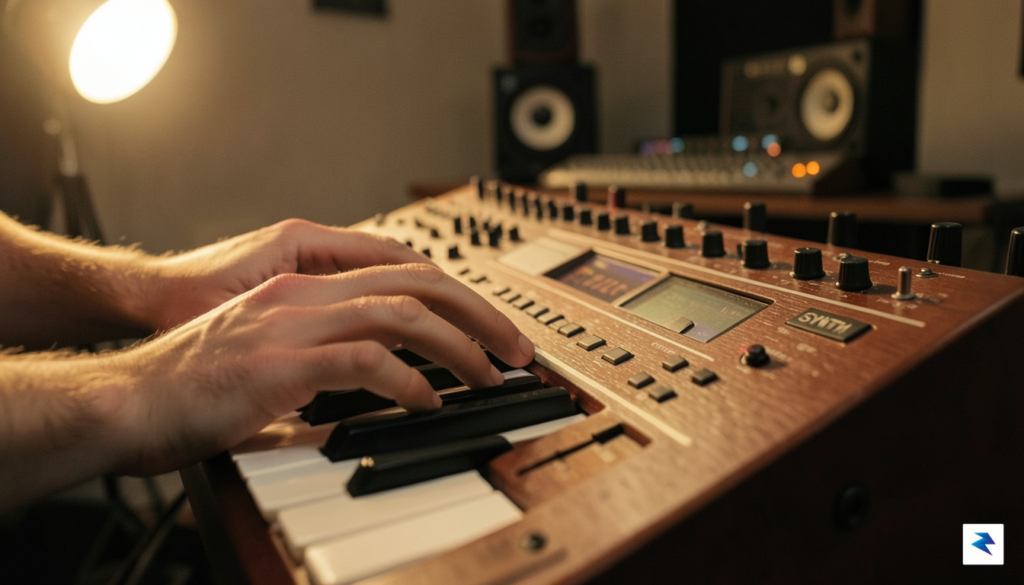
The Orchid is best suited for the producer or performer who values “happy accidents” and the limitations of hardware. Because it lacks the deep, granular editing capabilities found in digital workstations, it forces the player to work with the sounds provided, which can be a massive boost for those suffering from choice paralysis. Conversely, if your primary goal is surgical sound design or creating complex, evolving cinematic textures, you may find the Orchid somewhat restrictive. It functions best as a character piece—a “flavor-maker”—that adds a distinct, analog-adjacent warmth to tracks that might otherwise feel too sterile or digital.
The true power of the Orchid lies not in its versatility, but in its ability to inspire a specific, nostalgic mood that is difficult to replicate with plugins alone.
Integrating this synth into a modern DAW-centric studio is surprisingly straightforward, yet it requires a shift in mindset. While you can certainly track the Orchid directly into your audio interface to layer it under your VSTs, it truly shines when treated as a live performance instrument. Because it lacks extensive MIDI CC mapping for every parameter, you should think of it as a “print-as-you-go” instrument; record your performance, capture the analog imperfections, and move on. This workflow encourages commitment and helps move projects toward completion, effectively bypassing the endless “tweaking” phase that kills so many creative momentum cycles.
Ultimately, your decision should hinge on whether you want a Swiss Army knife or a specialized paintbrush. If you are looking for a reliable workhorse to cover every sound in your arrangement, this may not be the optimal primary investment. However, if you are seeking a tactile, inspiring instrument that breaks you out of your digital habits and adds a soulful, retro sheen to your compositions, the Orchid is an investment that will pay dividends in pure creative joy.
You must be logged in to post a comment.