Building a Goblin Attack System in C64 BASIC: A Step-by-Step Guide
The Evolution of the C64 Dungeon Crawler Developing a dungeon crawler on the Commodore 64 serves as a definitive rite of passage for any retro…


Moonshot AI has recently catapulted into the spotlight, captivating the global tech industry with its Kimi K3 model. The unprecedented surge in user demand for Kimi K3, compelling the company to temporarily suspend new subscriptions, is a clear indicator of a burgeoning hunger for truly advanced artificial intelligence capabilities. This model has rapidly become a focal point, not merely as another incremental update in the crowded field of large language models (LLMs), but as a distinct offering that addresses key limitations of existing AI systems, thereby reshaping user expectations and setting new benchmarks for practical utility.
At the heart of Kimi K3’s appeal lies its remarkable technical prowess, particularly its vastly expanded context window. While many leading LLMs operate with context windows ranging from tens of thousands of tokens, Kimi K3 reportedly handles hundreds of thousands, allowing it to process and comprehend significantly larger volumes of information in a single query. This is a game-changer, enabling the model to ingest entire books, lengthy research papers, extensive codebases, or comprehensive legal documents without losing coherence or vital details. This ability to maintain a deep, nuanced understanding across vast swathes of text drastically reduces the “hallucination” effect often seen in models struggling with information overload, leading to far more reliable and contextually relevant outputs.
The practical implications of such a robust context window have translated into a diverse array of compelling use cases, driving its rapid adoption among both professional and casual users. For professionals, Kimi K3 has become an indispensable tool for complex tasks like synthesizing extensive market research reports, drafting detailed legal briefs, or debugging large-scale software projects by understanding the entire codebase simultaneously. Researchers can leverage it to analyze vast scientific literature, identifying patterns and drawing connections that would take humans weeks or months to uncover. On the other hand, casual users benefit from its ability to summarize lengthy news articles, clarify intricate historical events by cross-referencing multiple sources, or even enhance creative writing projects by maintaining consistent narrative threads over extended dialogues.
What truly sets Kimi K3 apart from other leading LLMs in the current market is this unique blend of immense processing capacity with highly practical, reliable output. While competitors might excel in specific areas like creative generation or simple query responses, Kimi K3’s strength lies in its ability to handle deep, sustained analytical tasks that demand comprehensive contextual understanding. This isn’t just about generating text; it’s about processing, understanding, and extracting meaningful insights from extremely complex, multi-faceted inputs. The overwhelming demand thus reflects not just curiosity, but a profound recognition by users that Kimi K3 offers a tangible, immediate upgrade to their productivity and analytical capabilities, making it a truly differentiated and indispensable tool in the evolving landscape of artificial intelligence.

The recent decision to temporarily halt new subscriptions for Kimi K3 is not a reflection of a lack of ambition, but rather a strategic choice to prioritize the integrity of the user experience. As the platform has experienced an unprecedented surge in interest and computational demand, the engineering team reached a critical juncture where maintaining high-performance standards for current subscribers became the primary objective. By capping new user intake, Moonshot AI is taking proactive measures to prevent server congestion, ensuring that the existing community continues to benefit from the low-latency, high-fidelity interactions that have become the hallmark of the Kimi service.

In the rapidly evolving landscape of generative artificial intelligence, the temptation to scale as quickly as possible often leads to significant technical debt and service degradation. Moonshot AI’s choice to pause enrollment highlights a commitment to quality over raw growth metrics. Reliable AI performance requires consistent access to GPU clusters and optimized inference cycles; when demand outpaces these resources, latency often spikes, and response quality can suffer. By stabilizing the current user base, the company is effectively buying the necessary breathing room to scale its infrastructure thoughtfully, rather than forcing a system that is currently operating at maximum capacity.
The decision to pause new subscriptions is a conscious investment in the stability of our ecosystem, ensuring that every user receives the premium, uninterrupted experience they expect from our most advanced models.
This measure should be viewed as a temporary gate, not a permanent closure. It serves as a clear signal that the company is taking the necessary steps to refine its backend architecture to handle larger volumes of traffic without compromising on the depth or accuracy of its responses. For those currently waiting to gain access, this period of restraint is a positive indicator that Moonshot AI is prioritizing a robust, scalable foundation over the short-term gains of rapid, potentially unstable expansion. As the infrastructure continues to be optimized, the company aims to reopen its subscription tiers, bolstered by a more resilient technical framework that can support a significantly larger, more diverse community of users.
Looking ahead, this period of consolidation will likely be remembered as a pivotal moment in the company’s operational maturity. By choosing to manage resources with such precision, Moonshot AI is positioning itself to deliver more reliable, long-term innovation in the Kimi product line. This disciplined approach suggests that while the current pause might be inconvenient, it is ultimately designed to ensure that when new users are welcomed back into the ecosystem, they are entering a platform that is fully equipped to meet their needs with speed, precision, and consistency.
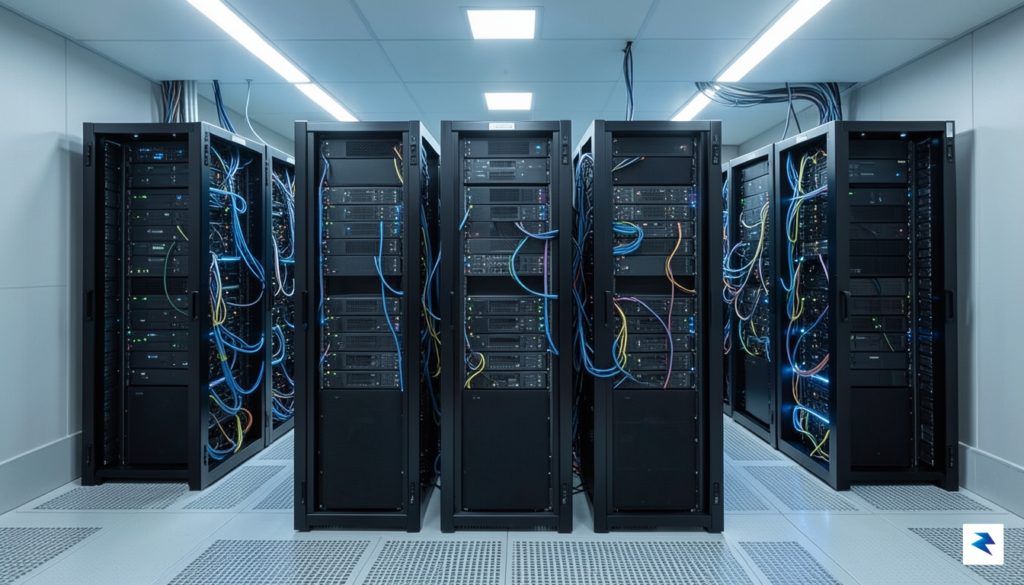
The recent decision by Moonshot AI to suspend new subscriptions for its Kimi K3 large language model, driven by overwhelming demand, serves as a potent illustration of the profound infrastructure challenges currently facing the world’s most ambitious AI research laboratories. Far from being an isolated incident, this scenario underscores a broader industry bottleneck that prevents even well-resourced companies from scaling their groundbreaking technologies as quickly as user adoption demands. The sheer computational heft required to run these advanced models at scale presents a unique set of hurdles, involving everything from specialized hardware scarcity to immense energy consumption and the intricate science of distributed computing.
At the core of these infrastructure demands lies the indispensable Graphics Processing Unit, or GPU. Unlike general-purpose CPUs, GPUs are specifically designed for parallel processing, making them perfectly suited for the complex matrix multiplications and tensor operations that underpin modern neural networks. However, the global supply of these high-performance chips, particularly those optimized for AI workloads, is notoriously limited. A handful of manufacturers dominate this specialized market, and geopolitical factors, along with an insatiable demand from cloud providers and AI developers alike, mean that acquiring thousands of these cutting-edge units is a monumental logistical and financial undertaking. Simply put, you cannot just “order more servers” when the fundamental components are in such short supply, often requiring lead times that stretch for months or even years.
Beyond the silicon itself, the energy requirements for operating large-scale LLMs are staggering. Each powerful GPU consumes significant wattage, and a data center housing thousands of them can draw as much power as a small town. This immense power consumption translates directly into substantial heat generation, necessitating sophisticated and equally energy-intensive cooling systems. Consequently, the physical location of an AI data center becomes critical, requiring access to robust and reliable power grids, often in regions where land and energy costs can be considerable. Therefore, the ambition to deliver cutting-edge AI services must always contend with the very real-world constraints of electrical engineering and sustainable resource management.
Furthermore, predicting the demand trajectory for a highly successful AI model is an incredibly complex endeavor. While companies can project growth based on initial adoption rates, the viral nature of a truly compelling product, like Kimi K3, can lead to sudden, exponential spikes in user activity that no forecast could reasonably anticipate. This unpredictability makes proactive infrastructure provisioning a high-stakes gamble. Over-provisioning incurs massive upfront costs for hardware that might sit idle, while under-provisioning, as seen with Moonshot AI, leads to service disruptions and potential user frustration. The delicate balance between anticipated growth and immediate operational capacity is a tightrope walk for even the most experienced infrastructure teams.
Scaling AI infrastructure is also fundamentally different from simply adding more commodity servers in a traditional web service context. Large language models are often so massive that they cannot fit onto a single GPU, let alone a single server, necessitating complex strategies for model parallelism and data parallelism across hundreds or even thousands of interconnected devices. This distributed inference introduces new layers of complexity, where latency – the time it takes for a model to process a query and return a response – becomes a critical performance metric. Ensuring consistent, low-latency responses across a vast network of GPUs requires highly optimized software, efficient networking infrastructure, and advanced load-balancing techniques. Even with ample hardware, optimizing every component to work in concert at peak efficiency for millions of concurrent users is an engineering feat of the highest order.
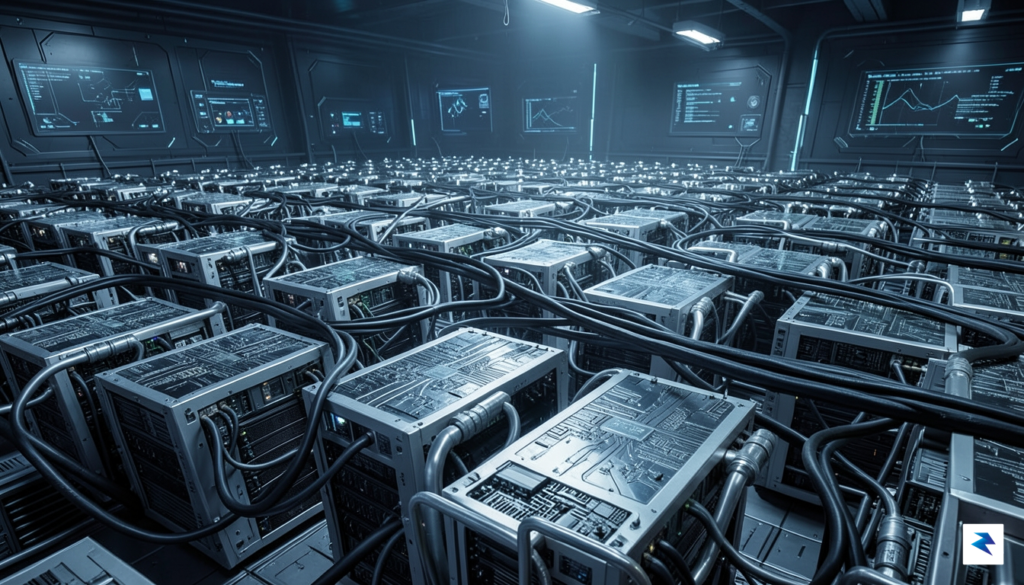

The sudden suspension of new subscriptions by Moonshot AI signals a profound shift in the artificial intelligence landscape, marking a transition from the era of “experimental novelty” to one of “essential utility.” For years, AI developers prioritized growth at all costs, offering open access to entice users and gather data. However, as models like Kimi K3 integrate into the daily workflows of professionals, students, and businesses, the stability of these platforms has become just as vital as the sophistication of their algorithms. This event suggests that the industry is entering a more mature phase where managing computational capacity is now a foundational business challenge, comparable to the rigorous training processes required to build the models themselves.
This development fundamentally alters public perception regarding AI availability. Users have grown accustomed to the idea that digital services are infinitely scalable, assuming that a subscription guarantees immediate access. When a platform suddenly hits a hard ceiling, it shatters the illusion of bottomless infrastructure. Moving forward, the industry will likely have to grapple with the inherent trade-offs between maintaining a high-performance, responsive user experience and the desire for massive, uninhibited user growth. Companies may find that providing a subpar, slow experience to millions is far more damaging to their brand than temporarily closing the gates to ensure those who are already onboarded receive the high-quality service they expect.
The scarcity of high-end AI processing power is no longer a theoretical bottleneck; it is an economic reality that will dictate how quickly the next generation of software can reach the global market.

Looking ahead, we should expect waitlist models and tiered access to become a standard practice rather than an outlier. Much like the early days of cloud computing or even exclusive social networks, AI providers may begin using scarcity as a tool to balance hardware load during viral growth surges. This shift might force a change in user behavior, where individuals may need to secure their spot in the AI ecosystem well before they actually require the tool for a project. Ultimately, this move by Moonshot AI highlights that compute power is a finite resource, and the firms that best manage this scarcity will likely be the ones that define the next chapter of the AI revolution.
In this new paradigm, reliability will become a competitive advantage. If users begin to view AI tools as mission-critical, they will gravitate toward platforms that demonstrate the ability to manage demand effectively, even if that means stricter entry requirements. The industry is learning that long-term success is not just about having the smartest model in the room, but about having the operational infrastructure to reliably deliver that intelligence to a growing, hungry user base without collapsing under the weight of its own popularity.

The sudden suspension of new subscriptions at Moonshot AI serves as a stark reminder that the current AI landscape is still in its infancy, characterized by rapid breakthroughs that often outpace underlying physical infrastructure. For power users and developers who rely on these sophisticated models for their daily workflows, this bottleneck highlights the inherent risks of leaning too heavily on a single provider. In an era where AI capabilities are advancing at breakneck speed, maintaining technological agility is no longer just a suggestion—it is a necessity. To navigate these periods of instability, users should consider adopting a multi-model strategy, diversifying their toolsets to ensure that a service outage or capacity freeze does not grind their productivity to a halt.
For those looking to mitigate the impact of such shifts, it is wise to maintain access to secondary models that offer similar functionality. Relying exclusively on a flagship product like Kimi K3 can be a double-edged sword; while its performance may lead the market, its popularity is precisely what triggers these resource-intensive service pauses. By familiarizing yourself with alternative interfaces or API endpoints, you ensure that you remain operational even when a primary platform reaches its breaking point. Additionally, developers should focus on building modular applications that allow for “model swapping,” enabling them to switch between providers dynamically as capacity fluctuates across the industry.
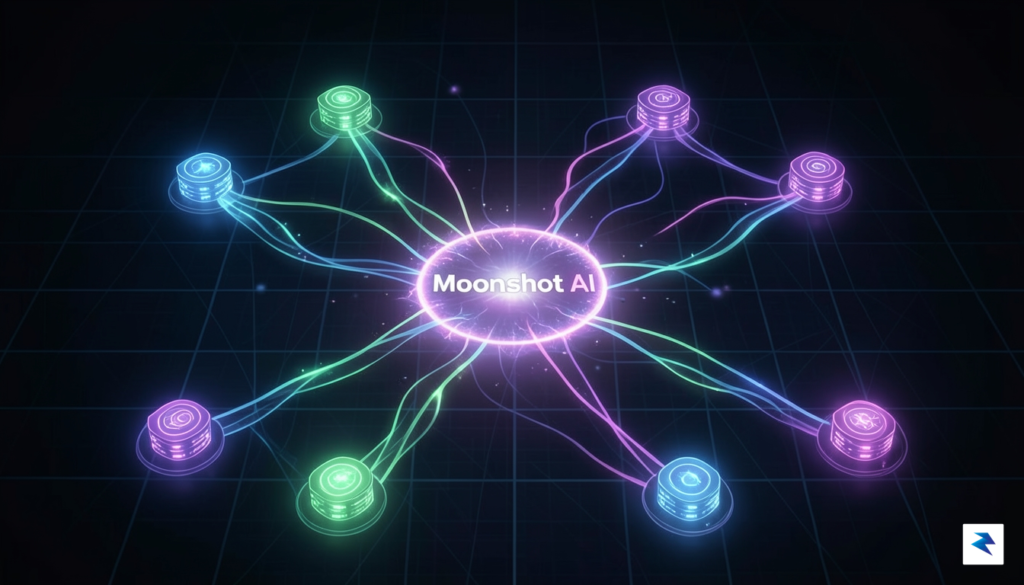
Looking ahead, the road for Moonshot AI involves an aggressive scaling of their computational resources to meet the unprecedented appetite for the Kimi K3 model. It is highly probable that the company is currently working to secure additional high-end GPU clusters and optimize their inference engine to accommodate a wider user base. As they work through this backlog, users can expect a phased re-opening of subscriptions, likely accompanied by new tier structures designed to balance server load more effectively. This transition phase is critical, as it forces the company to evolve from a high-growth startup into a robust infrastructure provider capable of sustaining large-scale, enterprise-grade demand.
The true measure of an AI platform’s maturity is not just the sophistication of its models, but the resilience of the infrastructure that supports them.
Ultimately, the current friction in the system is a symptom of a healthy, albeit turbulent, market. As Moonshot AI works to expand its capacity, users should practice patience, recognizing that these interruptions are common hurdles in the journey toward more accessible and powerful artificial intelligence. By staying adaptable and keeping a pulse on the broader ecosystem, you can continue to leverage the best of what modern technology has to offer, even as the pioneers of the field learn to manage their own meteoric growth. The future belongs to those who view these temporary pauses not as permanent roadblocks, but as inevitable milestones in the maturation of a transformative technology.
You must be logged in to post a comment.