
Brazil’s CVM Targets 60-Day Deadline to Finalize Asset Tokenization Framework
Brazil's Strategic Leap into Asset Tokenization Brazil's securities regulator, the CVM (Comissão de Valores Mobiliários), is making a…
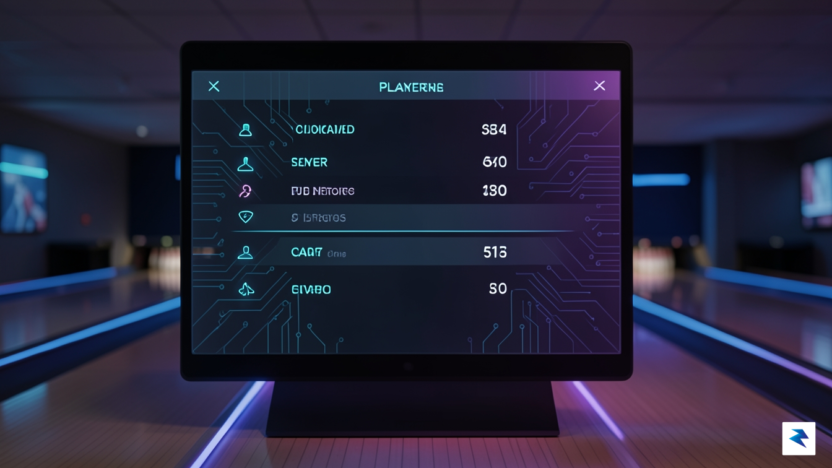
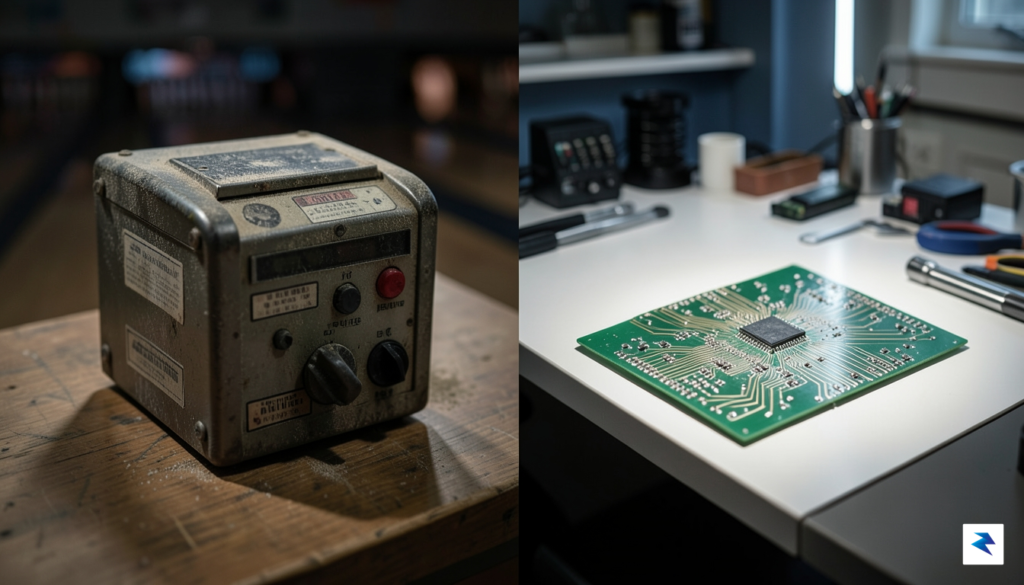
For decades, the bowling industry has languished in what many operators call the “R&R desert”—a landscape defined by stagnant innovation, exorbitant repair costs, and technology that feels like a relic of the mid-2000s. At the heart of this frustration is a glaring economic absurdity: while the mechanical pinsetters that power a bowling alley are robust, 70-year-old marvels of electromechanical engineering, the control systems tasked with managing them are often fragile, proprietary, and astronomically priced. When a facility owner faces a $120,000 quote to replace a scoring system—a price point that occasionally rivals the cost of the entire building—it becomes clear that the issue isn’t the hardware’s complexity, but the suffocating grip of vendor lock-in.
The business model employed by legacy bowling technology giants relies heavily on the assumption that operators have nowhere else to turn. These companies bundle their hardware with restrictive, long-term service contracts and proprietary software that prevents alley owners from making even the most minor adjustments. Because these systems are intentionally opaque, simple maintenance tasks that could be handled by a savvy staff member are instead gated behind expensive technician visits and proprietary diagnostic tools. This artificial scarcity of information forces small business owners into a perpetual cycle of debt, where they are essentially paying a “technology tax” just to keep their lanes operational.
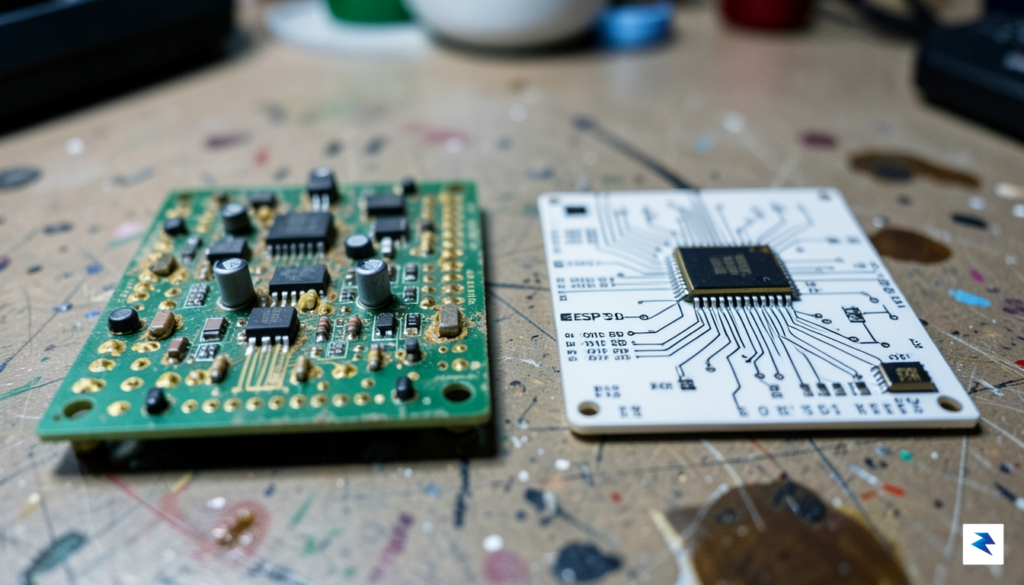
The true cost of proprietary infrastructure isn’t just the initial invoice; it is the total erosion of the business owner’s agency over their own facility.
Transitioning to open-source hardware, such as the ESP32 platform, represents a radical shift from being a hostage of the industry to being an empowered steward of one’s own infrastructure. By replacing bloated, over-engineered black boxes with low-cost, modular microcontrollers, an operator can regain complete control over the guest experience. This transition allows for custom visual interfaces, real-time data integration, and a level of creative flexibility that proprietary vendors simply cannot—or will not—provide. When the barrier to entry for managing a lane drops from six figures to a few thousand dollars, the power dynamic shifts entirely; the facility owner is no longer beholden to the whims of a distant support desk, but is instead able to iterate, repair, and upgrade their systems at the speed of modern technology.
Ultimately, moving toward decentralized, open-source scoring systems is not merely a cost-saving measure; it is a necessity for long-term sustainability. In an era where customer expectations for digital engagement are rising, small bowling centers cannot afford to be tethered to legacy systems that lack basic API functionality or modern connectivity. By decoupling the mechanical brilliance of the pinsetters from the outdated digital overhead of the scoring system, we pave the way for a more resilient and creative future for the sport, ensuring that independent alleys remain competitive in a rapidly evolving entertainment market.
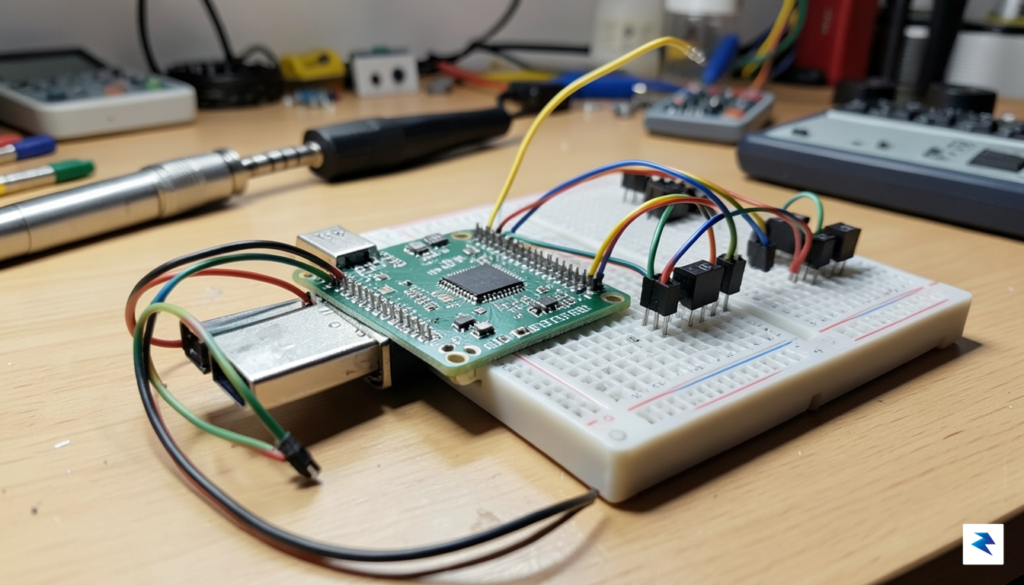
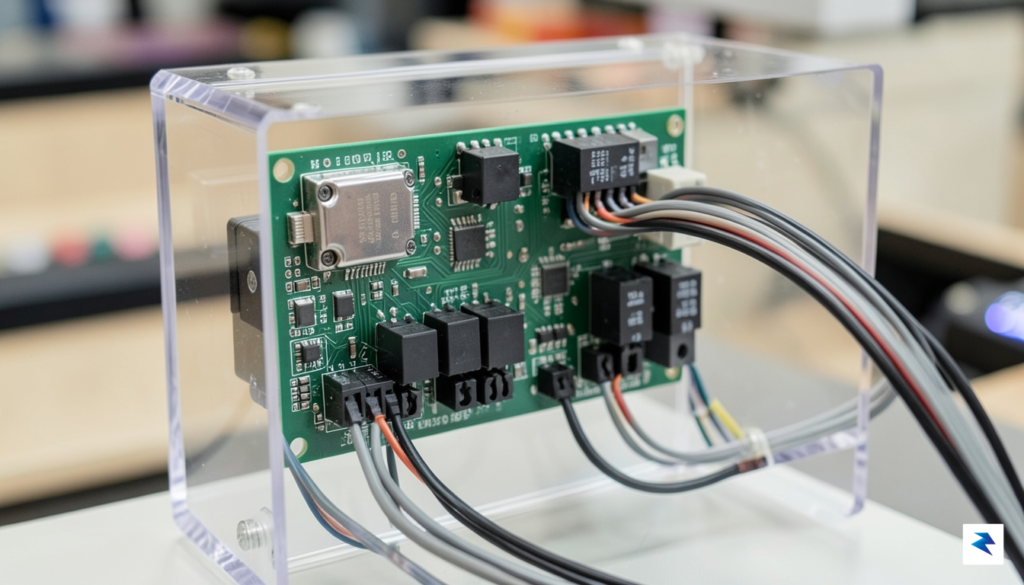
Transitioning away from proprietary, black-box systems requires a fundamental shift in how we perceive industrial hardware. Instead of relying on expensive, monolithic controllers that are designed to be serviced only by authorized technicians, the new architecture centers on the ESP32—a versatile, dual-core microcontroller that bridges the gap between high-level logic and raw physical control. By offloading the complex scoring calculations to a central server and delegating the mechanical heavy lifting to these affordable chips, I was able to create a modular system where each lane operates as an independent, intelligent unit. This distributed approach not only improves reliability but also drastically lowers the entry barrier for custom hardware integration.
The physical interface relies on a robust combination of optocouplers and relay logic to survive the harsh, electrically noisy environment of a bowling center. Optocouplers are essential here, providing the necessary galvanic isolation to protect the delicate ESP32 pins from the high-voltage spikes generated by the pinsetter’s heavy-duty motors and solenoids. When a pin falls or a ball passes a threshold, IR break-beam sensors detect the change in state, sending a clean, isolated signal to the microcontroller. Simultaneously, relay modules act as the “muscles,” allowing the low-voltage logic of the ESP32 to safely trigger the 24V or 120V actuators that orchestrate the pin-clearing process. This setup effectively mimics the sophisticated timing cycles of expensive, proprietary controllers while remaining entirely transparent and user-serviceable.
The true genius of this architecture lies in its modularity: when a component fails, you aren’t waiting weeks for a proprietary part; you are swapping a five-dollar module in under sixty seconds.
Maintaining a traditional system often involves astronomical service fees and weeks of downtime while waiting for legacy parts that may no longer be in production. In contrast, this DIY implementation brings the cost down to approximately $200 per lane pair—a fraction of the industry standard that often runs into the tens of thousands. Because the entire system is built using commodity components, maintenance becomes a matter of simple board-swapping rather than complex diagnostics. If a relay wears out after millions of cycles, the repair is as straightforward as unplugging the damaged unit and clicking a replacement into place, ensuring the lanes stay active and profitable with minimal overhead.
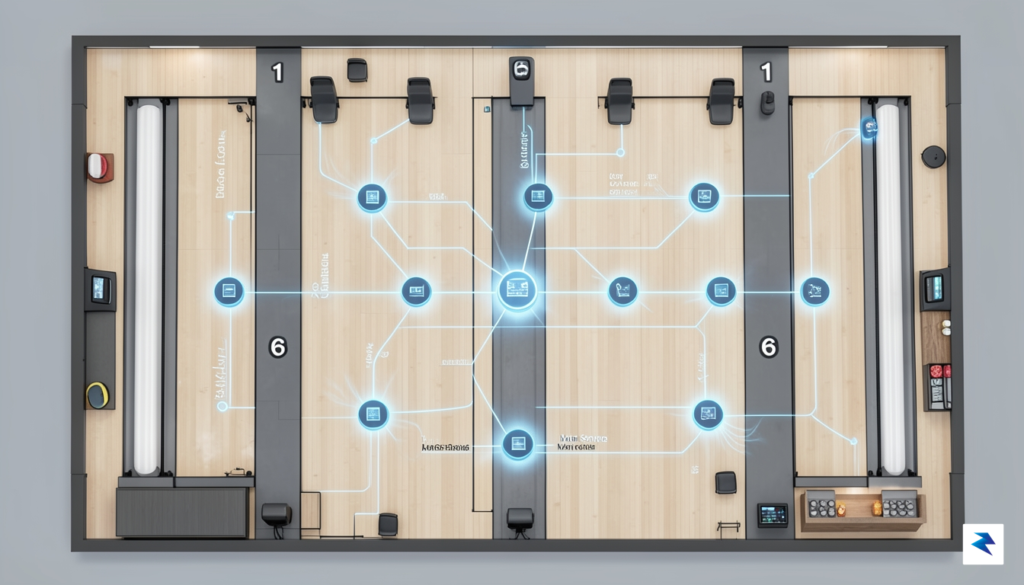
The core challenge of replacing a legacy bowling scoring system lies in the environment itself. A bowling center is an electrically “noisy” ecosystem, riddled with electromagnetic interference from heavy ball-return motors, fluorescent lighting ballasts, and oscillating pin-setter mechanisms. To combat this, I opted for a hybrid communication architecture dubbed OpenLaneLink, which prioritizes raw reliability over complex, high-overhead networking protocols. By utilizing the ESPNow protocol, each lane controller acts as a dedicated node in a star-topology mesh, allowing for near-instantaneous packet transmission without the latency typically associated with traditional Wi-Fi handshakes or congestion-prone network traffic.
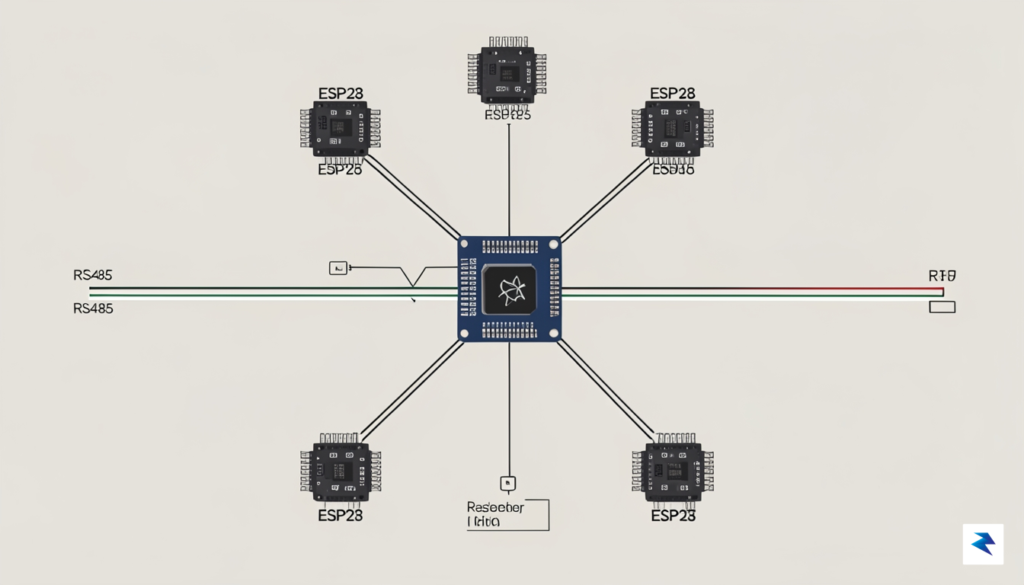
While the wireless mesh handles the heavy lifting during routine operation, no mission-critical system should rely solely on the airwaves in a building full of steel and high-voltage machinery. Consequently, I implemented a robust RS485 wired fallback that acts as a safety net. If the electromagnetic noise floor spikes or a node fails to acknowledge a wireless packet, the system immediately shifts its telemetry to the physical bus. This differential signaling approach provides exceptional noise immunity, ensuring that even if the wireless spectrum is saturated, the critical pin-down signals are never lost. It is this dual-path redundancy that transforms a collection of hobbyist microcontrollers into a system capable of operating with the precision of industrial hardware.
Reliability isn’t just about signal strength; it is about maintaining a deterministic state regardless of external interference.
The translation of these raw sensor events into actionable game logic is handled by the central gateway node, which acts as the bridge between the ESP32 network and the Raspberry Pi lane computer. Each lane controller runs a local state machine that monitors infrared sensor triggers, calculating ball speed and pin impact in real-time. By the time a sensor event reaches the gateway, it has already been debounced and verified against the local state, preventing the double-counting of signals—a common failure point in cheaper scoring systems. Once the gateway receives these verified packets, it aggregates the data and pushes it over a serial interface to the lane computer, which updates the graphical scoreboard. This clean separation of concerns—where microcontrollers handle the “physics” and the computer handles the “interface”—ensures that the system remains responsive, even during the frantic pace of a busy Saturday night league game.
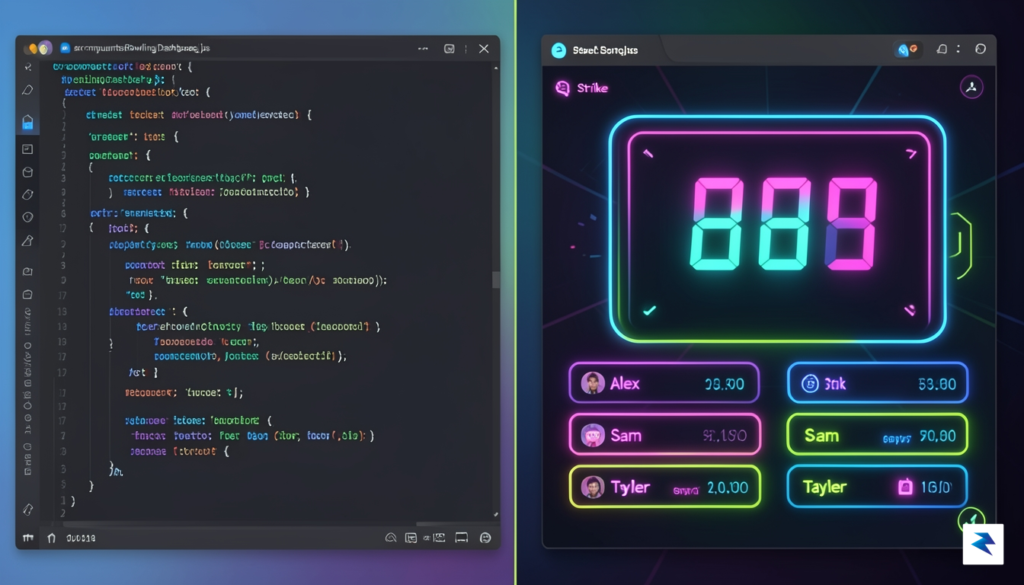
Once the raw pin-fall data is captured by the ESP32 network, it needs a conduit to reach the scoring monitors. By leveraging Redis as a high-speed message broker, we can implement a publish-subscribe pattern that turns static hardware signals into real-time events. As soon as a sensor detects a ball hitting the pins, the backend immediately pushes that update to a Redis channel. This architecture decouples the physical bowling hardware from the presentation layer, allowing the UI to remain incredibly lightweight and responsive. Because Redis operates entirely in-memory, the latency between a strike hitting the deck and the scoreboard animation triggering is virtually imperceptible to the bowler.
This decoupling provides an unprecedented level of freedom for web developers. Instead of being restricted to the rigid, dated interfaces provided by proprietary bowling software vendors, proprietors can now build custom scoring screens using modern frameworks like React. This transition transforms the scoring interface from a utilitarian spreadsheet into a dynamic, browser-based application. Developers can use CSS animations, high-resolution video backgrounds, and interactive character overlays to create a premium atmosphere that rivals modern entertainment hubs. Because the entire front-end is just a web application, updates can be deployed across every lane simultaneously without requiring a technician to manually update each console.
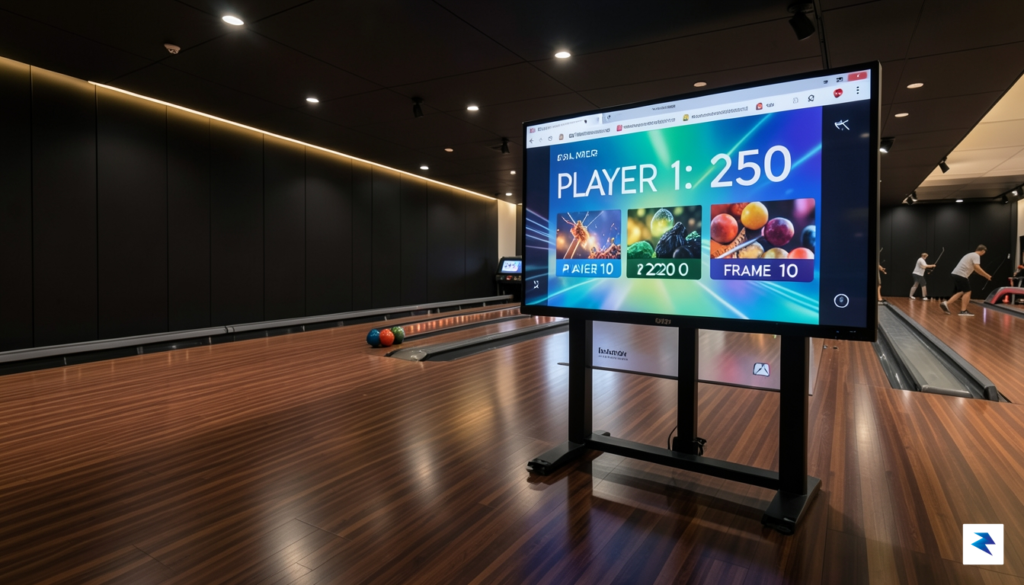
By treating the bowling lane as a data source rather than a black-box hardware system, we shift the power dynamic from the software vendor back to the business owner.
The ability to own your own data is perhaps the most liberating aspect of this transition. When you move away from expensive, vendor-locked licensing models, you stop paying for “feature upgrades” that should have been standard years ago. Instead, your team can build custom themes, loyalty program integrations, or real-time leaderboards that sync across the entire venue. If you want to integrate a birthday celebration screen that triggers automatically when a player scores a spare, you simply write the logic in your React codebase and deploy it. This level of customization allows small business owners to innovate on the guest experience at the speed of the web, ensuring their facility remains competitive without the crushing overhead of enterprise-grade legacy software fees.
Ultimately, this architectural shift proves that high-end interactive experiences do not require high-end enterprise budgets. By utilizing a standard stack—ESP32 for hardware, Redis for communication, and React for the interface—you create a modular system where every component can be independently upgraded or replaced. This longevity ensures that your investment in technology isn’t tied to a specific manufacturer’s roadmap, but is instead built upon the solid, open-source foundations of the modern web. When the hardware and software are decoupled, the only limit to your bowling center’s digital experience is the creativity of your development team.

The success of this project serves as a compelling proof-of-concept for the democratization of niche, high-cost commercial equipment. By shifting away from proprietary, monolithic systems that demand six-figure investments, we open the door for independent recreation centers to reclaim their financial independence. When a small-town bowling alley no longer faces the existential threat of a massive software licensing fee or an overpriced hardware replacement, they gain the breathing room necessary to invest in their local community. This transition isn’t just about saving money; it is about lowering the barrier to entry so that local hubs of socialization can survive and thrive in an increasingly digitized marketplace.
My commitment is to release the full OpenLaneLink stack to the public, ensuring that these tools remain accessible to those who need them most. By open-sourcing both the hardware schematics and the software architecture, I aim to foster a collaborative ecosystem where developers and small business owners can join forces. This project is far from finished, and I am actively inviting contributions from the community to help refine the hardware’s resilience—ensuring it can withstand the rigors of a high-traffic environment—while simultaneously expanding the software’s feature set to include modern analytics, integrated payment processing, and intuitive user interfaces.
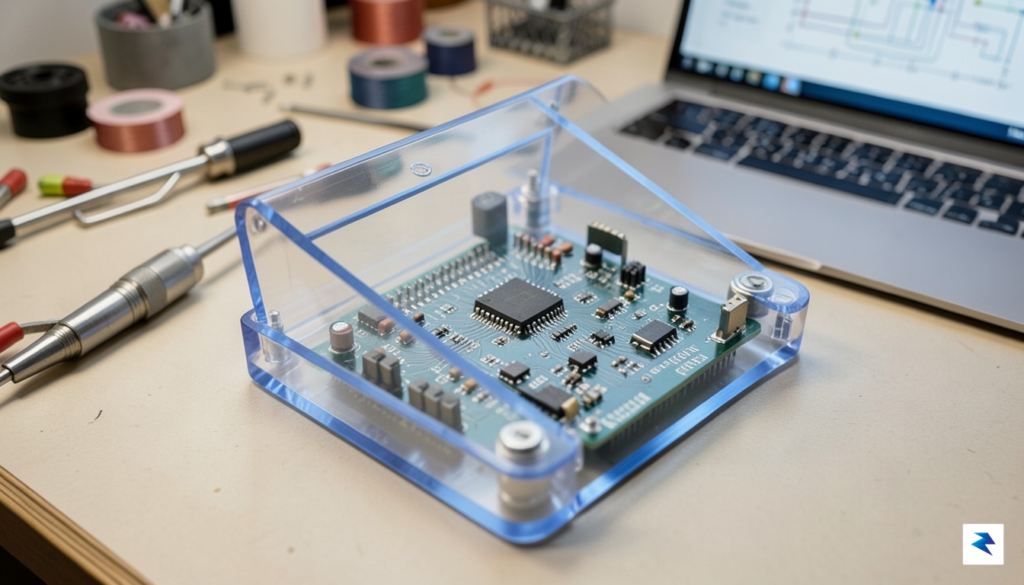
True technological sovereignty begins when we stop renting our infrastructure and start building the tools that serve our specific needs.
Ultimately, the philosophy behind this initiative is rooted in the belief that business owners should have total control over their own infrastructure. Relying on “black box” systems creates a dangerous dependency, trapping operators in a cycle of planned obsolescence and restricted support. By embracing open hardware and modular, transparent software, we can build a future where the local bowling alley or community center is powered by technology that is as repairable as it is affordable. This movement toward open-source recreation technology is not merely a technical accomplishment; it is a vital step toward preserving the physical spaces that keep our neighborhoods connected, one microcontroller at a time.
You must be logged in to post a comment.