WordPress Security Alert: How to Protect Your Site from Remote Takeover Exploits
The Critical Vulnerability: What You Need to Know A major security alarm has sounded across the digital landscape, as researchers have…
For decades, the art of photography was defined by a rigid mechanical hierarchy: the quality of your glass, the sensitivity of your film stock, and the steady hand of the practitioner. We once viewed the camera as a passive tool, a mere vessel for capturing light that required the photographer to possess an encyclopedic knowledge of exposure triangles, depth of field, and focal lengths. However, the rise of computational photography has fundamentally altered this landscape. Today, the internal processing power of our mobile devices has surpassed the physical limitations of tiny lenses, allowing software to synthesize data, reduce noise, and optimize dynamic range in ways that would have been impossible in a traditional darkroom. This shift marks a transition where the camera is no longer just a recorder of reality, but an active collaborator in the creative process.
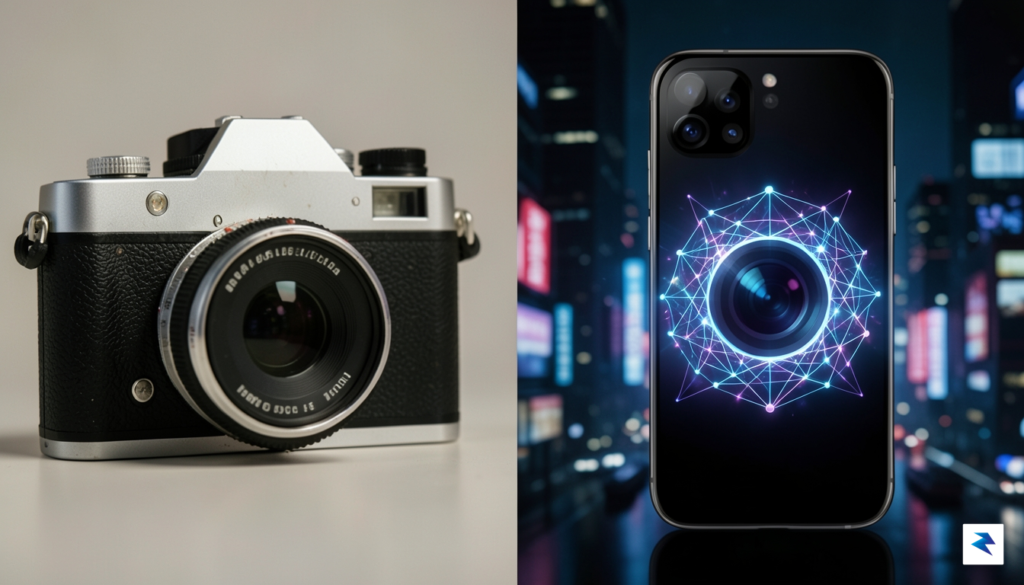
Adobe’s latest integration into its mobile camera interface represents a significant leap forward in this ongoing evolution. For years, Adobe has been the industry standard for post-processing, providing professionals with the tools to salvage or enhance images long after the shutter has been clicked. By moving that intelligence directly into the live viewfinder, Adobe is effectively collapsing the timeline between capture and critique. Instead of waiting until you are sitting in front of a desktop monitor to realize a shot is slightly off-balance or poorly composed, the AI provides immediate, real-time guidance. This transition from retrospective editing to proactive coaching changes the fundamental nature of the craft, shifting the focus from fixing mistakes after the fact to learning the nuances of composition in the heat of the moment.
The true power of AI in photography lies not in automating the creative process, but in democratizing the years of technical experience required to visualize a compelling frame.
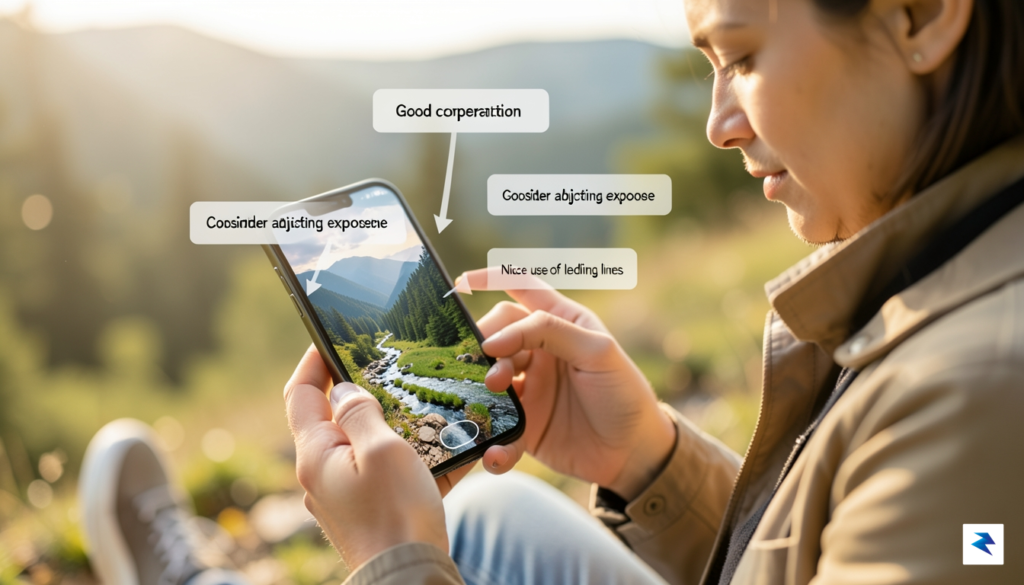
This new paradigm creates a fascinating, albeit complex, gap between traditional manual skills and AI-augmented workflows. Purists might argue that relying on algorithmic feedback dulls the intuition of the human photographer, turning an expressive art form into a series of data-driven prompts. Yet, for the casual user, this bridge between technical ignorance and artistic intent is transformative. By identifying the elements of a balanced shot—such as leading lines, the rule of thirds, or optimal lighting conditions—the software acts as a personal tutor that resides in your pocket. As we embrace these tools, we are not losing the essence of photography; rather, we are entering an era where the barrier to entry is lowered, allowing the photographer’s vision to take center stage while the software handles the underlying technical heavy lifting.
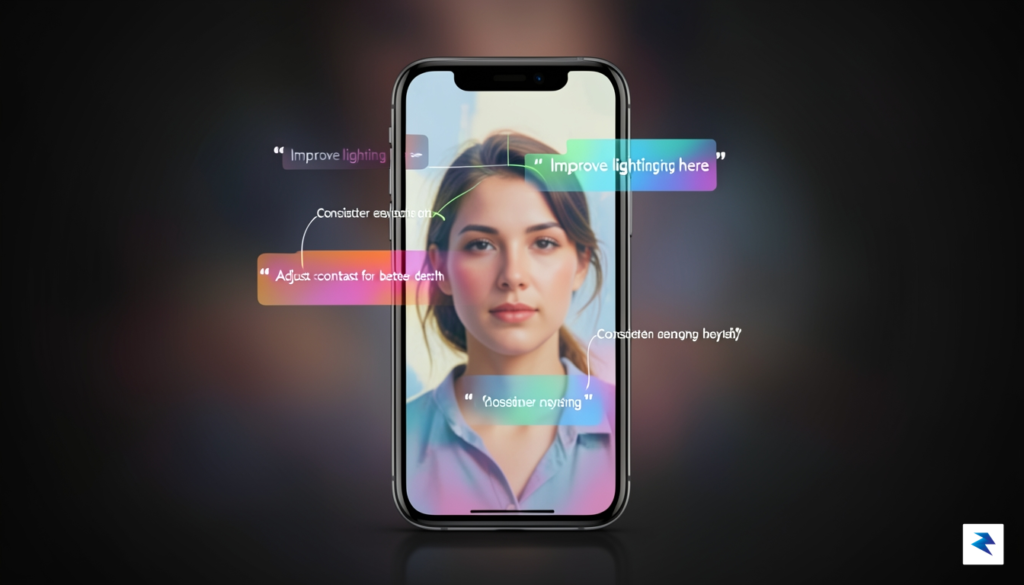
At the heart of Adobe’s latest innovation lies a sophisticated stack of computer vision algorithms designed to emulate the discerning eye of a professional photographer. By leveraging deep learning models trained on millions of high-quality, professionally curated images, the app doesn’t simply scan for pixels; it interprets the intent behind a shutter press. The underlying engine performs a rapid, multi-layered analysis of the scene, deconstructing the visual information into essential elements like exposure, sharpness, and depth of field. As you frame your shot, the software continuously processes these variables, detecting whether your subject is correctly illuminated or if the focus has drifted away from the primary point of interest.
Beyond technical metrics, the AI is programmed to understand the nuanced language of composition that defines compelling imagery. For instance, the system utilizes spatial mapping to evaluate how your subject aligns with established principles such as the rule of thirds, the golden ratio, and leading lines. By overlaying a dynamic grid on your viewfinder, the AI provides real-time adjustments, guiding you to shift your perspective to achieve better balance or more impactful negative space. It recognizes patterns that the human brain often misses in the heat of the moment, helping to transform a cluttered frame into a deliberate, harmonious composition.
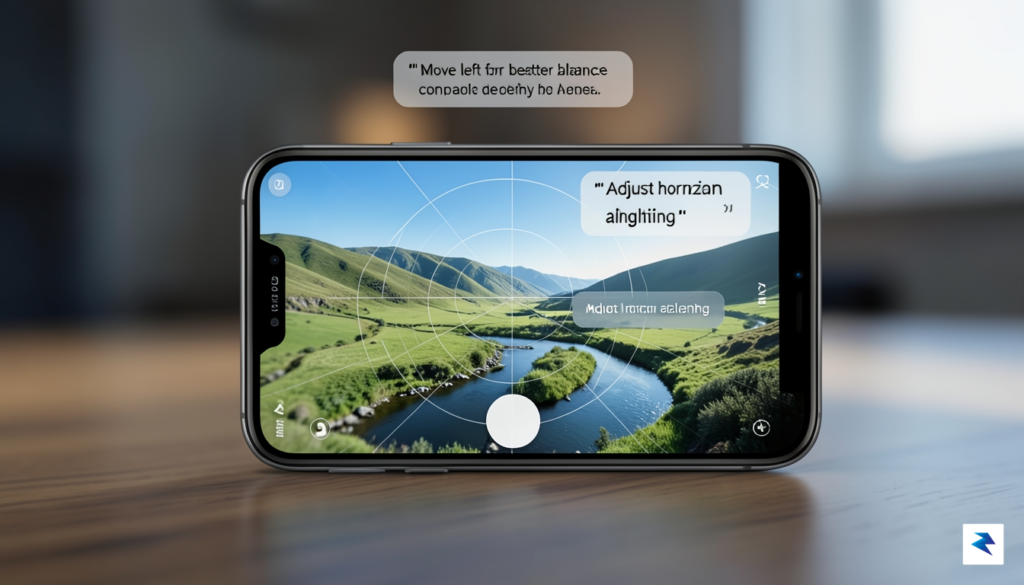
The true genius of this technology, however, is its commitment to pedagogical feedback rather than mere aesthetic censorship. Adobe has moved away from simple “good or bad” labeling, focusing instead on actionable, constructive guidance that teaches users the “why” behind every suggestion. When the app identifies a potential improvement—such as suggesting a lower angle to add depth or a slight tilt to correct a horizon line—it provides immediate context that helps the user learn for future shoots. This training data is derived from decades of professional photography archives, ensuring that the critiques are grounded in industry-standard aesthetics and time-tested artistic techniques.
The goal of this AI is not to take the creative choice out of your hands, but to act as a digital mentor that helps you build a better foundation for every photograph you take.
Ultimately, this engine bridges the gap between novice enthusiasm and professional technical execution. By analyzing the interplay between light and shadow in real-time, it assists in managing high-contrast environments that might otherwise frustrate a casual photographer. The software is constantly learning, refining its understanding of diverse visual styles, and ensuring that as you grow, the feedback evolves with you. Instead of feeling like a restrictive filter, the AI functions as a silent collaborator, nudging you toward a more intentional approach to every single frame you capture.
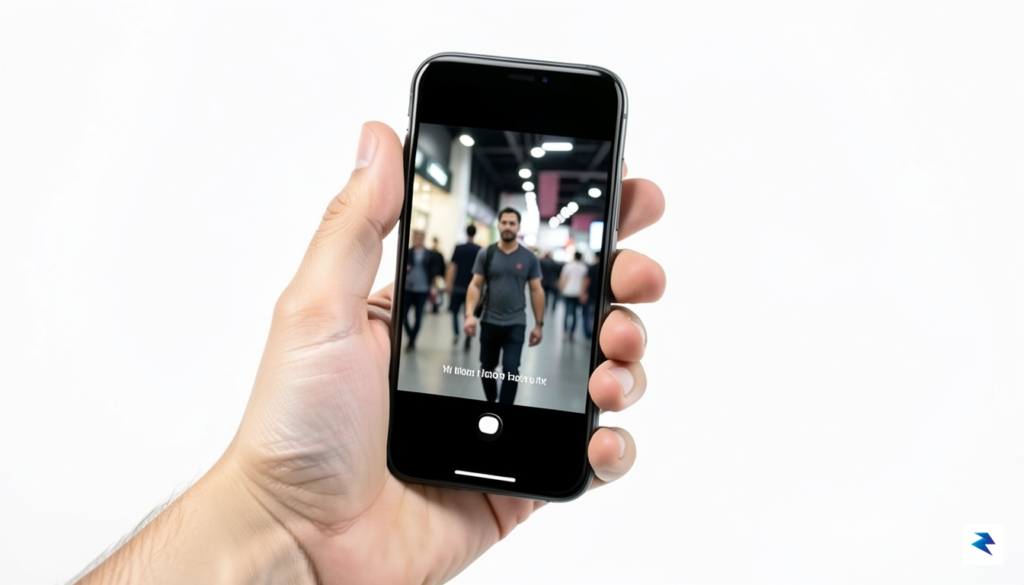
While the immediate allure of Adobe’s new AI camera feature might be its ability to critique your photos, a more profound and immediately transformative capability lies in its sophisticated approach to background removal. This isn’t merely about erasing unwanted elements; it’s a fundamental shift in how mobile photographers and content creators can approach composition, editing, and repurposing their visual content. By intelligently discerning the subject from its surroundings, the AI empowers users to overcome the perennial challenge of cluttered environments, allowing the true focus of their shot to shine without distractions.
The impact of this advanced AI on creative workflows is substantial, particularly for those capturing images on the go. Imagine trying to photograph a vibrant dish in a busy restaurant, a friend laughing in a crowded park, or a product against a chaotic street market backdrop. Previously, achieving a clean, professional-looking image often required meticulous planning, specialized equipment, or hours of post-production editing. Now, the AI acts as an invisible assistant, instantly isolating the main subject, effectively transforming a potentially messy scene into a versatile asset. This democratization of high-quality subject isolation means that professional-grade results are no longer exclusive to studios or desktop editors, making impactful visual storytelling accessible to everyone with a smartphone.
Technically, the feat of accurate background removal, especially on a mobile device, is incredibly complex. It goes far beyond simple color keying, demanding precise edge detection and intelligent masking that can navigate intricate details like stray hairs, translucent elements, or objects with soft boundaries. Traditional methods often struggled with these nuances, leaving jagged edges or unnatural halos around subjects. Adobe’s AI, however, leverages deep learning models trained on vast datasets, enabling it to understand context and make informed decisions about what constitutes the subject versus the background. This contextual awareness is the true power, allowing for a level of precision that feels almost magical, seamlessly separating even the most challenging subjects from their environments with remarkable fidelity.
Furthermore, this capability dramatically streamlines the process of repurposing content across diverse platforms. Once a subject is cleanly isolated, its utility skyrockets. A single photo can instantly be given a new backdrop for an Instagram story, placed on a transparent background for an e-commerce product listing, or dropped into a graphic design project without the need for time-consuming manual masking. This instantaneous adaptability empowers creators to maximize the value of every shot, effortlessly tailoring their visuals to the specific aesthetic and requirements of different social media channels, websites, or marketing campaigns. It reduces the creative friction, allowing for rapid iteration and broader reach without sacrificing visual quality.
Ultimately, the advanced background removal feature signifies a move beyond simple photo corrections; it’s about unlocking new creative possibilities directly from your pocket. It shifts the user’s focus from worrying about distracting backgrounds to concentrating purely on the subject and the story they want to tell. By intelligently handling the complexities of subject isolation, Adobe’s AI camera feature not only elevates the quality of mobile photography but also fundamentally alters the efficiency and versatility of the mobile editing experience, transforming everyday snapshots into powerful, adaptable visual content.
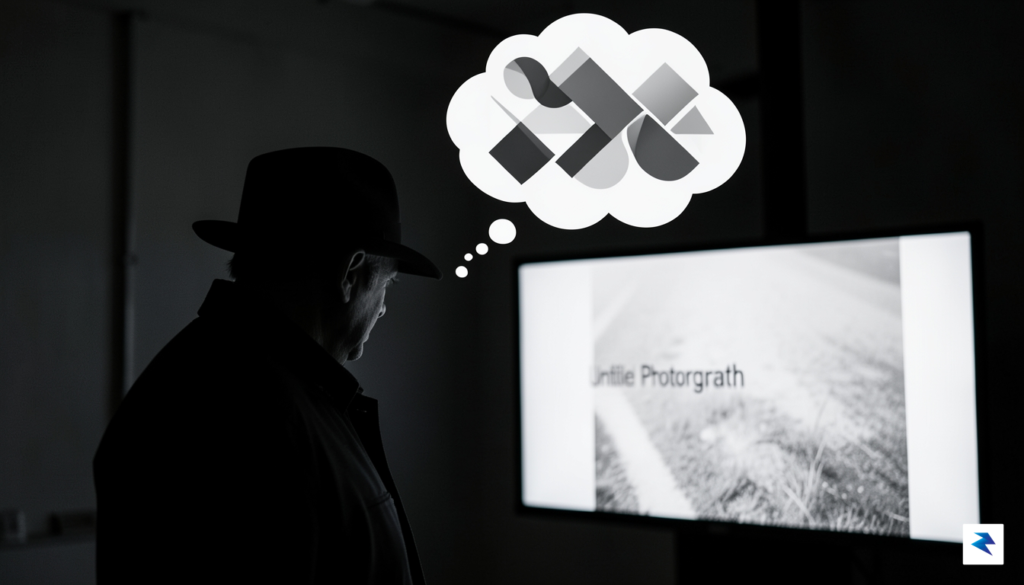
The integration of artificial intelligence into the creative process brings us to a complex crossroads: can a mathematical model truly understand the soul of a photograph, or does it merely enforce a sanitized version of technical perfection? There is a palpable danger that by relying on algorithmic suggestions, photographers may begin to chase a standardized aesthetic. When AI identifies the “correct” composition, exposure, or color balance based on millions of high-performing images, it risks creating a feedback loop of homogenization. If every creator adjusts their frame to satisfy a digital critic, we may lose the raw, unpolished, and delightfully unconventional perspectives that often define groundbreaking art.
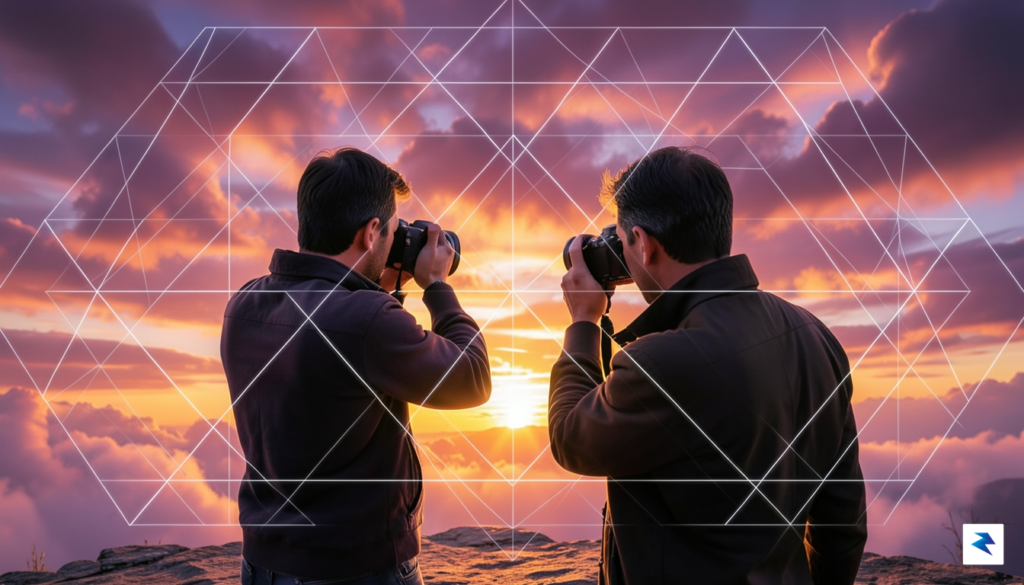
Furthermore, the subjective nature of photography is precisely what makes it a powerful medium for human connection. Artistic expression thrives on intuition, emotional resonance, and the deliberate breaking of traditional “rules.” A machine might interpret a slightly tilted horizon or a deep, moody underexposure as a technical failure, whereas those very choices might be the heartbeat of a photographer’s unique style. By prioritizing standardized beauty, we risk suppressing the unconventional creative voice. If we allow software to dictate what constitutes a “good” image, we may inadvertently discourage the experimentation that leads to genuine innovation.
True artistic growth often occurs in the margins, where the rules of composition are questioned rather than strictly obeyed.
Ultimately, the goal of photography is not to achieve a perfect score from an algorithm, but to translate a personal experience into a visual language that speaks to others. While AI can serve as a useful tool for learning the fundamentals of lighting or depth, it should never be viewed as the final arbiter of creative merit. We must maintain a delicate balance, utilizing technology to refine our technical craft without letting it override our human intuition. Developing one’s “eye” requires the courage to trust personal feeling over calculated data, ensuring that the final output remains an authentic reflection of the human spirit rather than a predictable result of binary code.
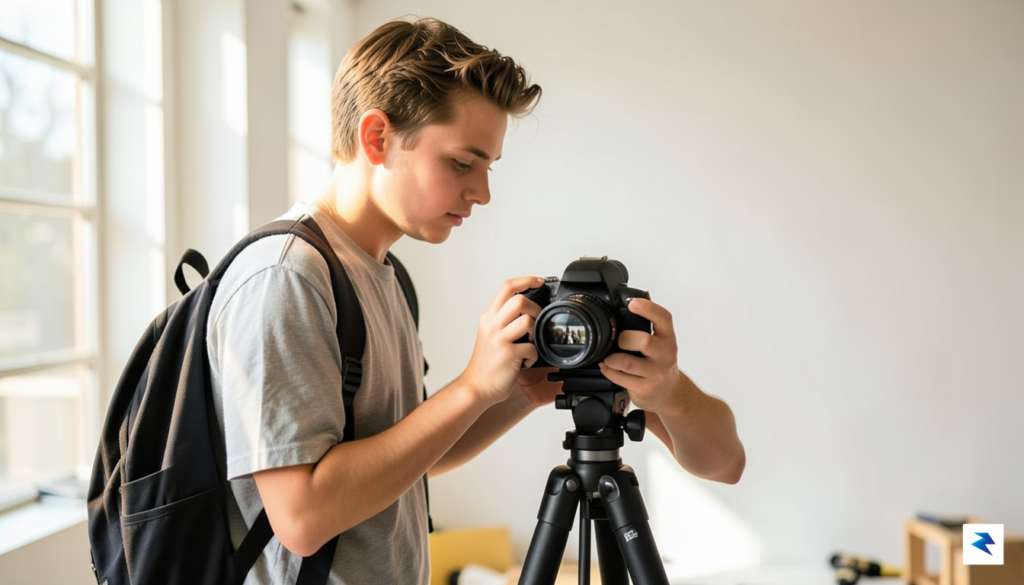
The advent of AI-powered critique tools in camera apps, like Adobe’s latest innovation, marks a significant shift from passive photo-taking to an active learning process. Instead of viewing these features as mere shortcuts to “good” photos, consider them a personal digital mentor, offering instant, objective feedback that can profoundly accelerate your growth behind the lens. The real power isn’t in letting the AI fix your photos, but in using its insights to train your eye, refine your technique, and ultimately, become a more skilled and intentional photographer.
To truly harness this technology, integrate its critique into a deliberate daily practice routine. After capturing a shot, don’t just move on; immediately engage with the AI’s feedback. This instant analysis allows you to understand the strengths and weaknesses of your image while the scene and your creative intent are still fresh in your mind. Dedicate short, focused sessions each day – perhaps 15-20 minutes – to intentionally photograph various subjects, then meticulously review the AI’s suggestions. This consistent loop of capture, critique, and reflection transforms casual snapping into a structured learning exercise, much like a musician practicing scales.
One of the most valuable aspects of consistent AI feedback is its ability to highlight your recurring technical mistakes. Pay close attention to patterns in the critiques: Does the AI frequently point out slightly crooked horizons, overexposed highlights, or a subject that’s not quite sharp? These aren’t random observations; they pinpoint your habitual blind spots or areas where your technical execution consistently falters. By logging these common issues, either mentally or in a simple notebook, you can then consciously focus on correcting one or two specific problems in your subsequent shooting sessions. The AI then becomes your immediate validator, confirming whether your adjustments have successfully addressed the identified flaw.
The ultimate goal is to transition from relying on the app’s direct guidance to internalizing core compositional and technical lessons. As you consistently apply the feedback and correct your errors, you’ll find yourself starting to anticipate the AI’s critique even before you press the shutter button. You’ll begin to ask yourself, “Is this horizon level? Is my subject framed effectively? What would the AI suggest I adjust here?” This mental pre-visualization and self-critique signifies a profound shift, indicating that the lessons are moving from external advice to ingrained photographic intuition. At this stage, the app evolves from a constant teacher into an occasional validator, confirming your own developed eye and understanding.
Embrace this new tool as a catalyst for creative growth, not merely a technical assistant. By mastering the fundamentals through AI critique, you free up mental space to experiment with more advanced creative concepts, knowing your foundational skills are robust. Don’t shy away from deliberate experimentation and even “failing” during your practice sessions; the AI is a non-judgmental coach, always ready to offer constructive input. Ultimately, this AI-powered guidance empowers you to sharpen your craft, allowing your unique artistic vision to shine through with greater clarity and confidence.
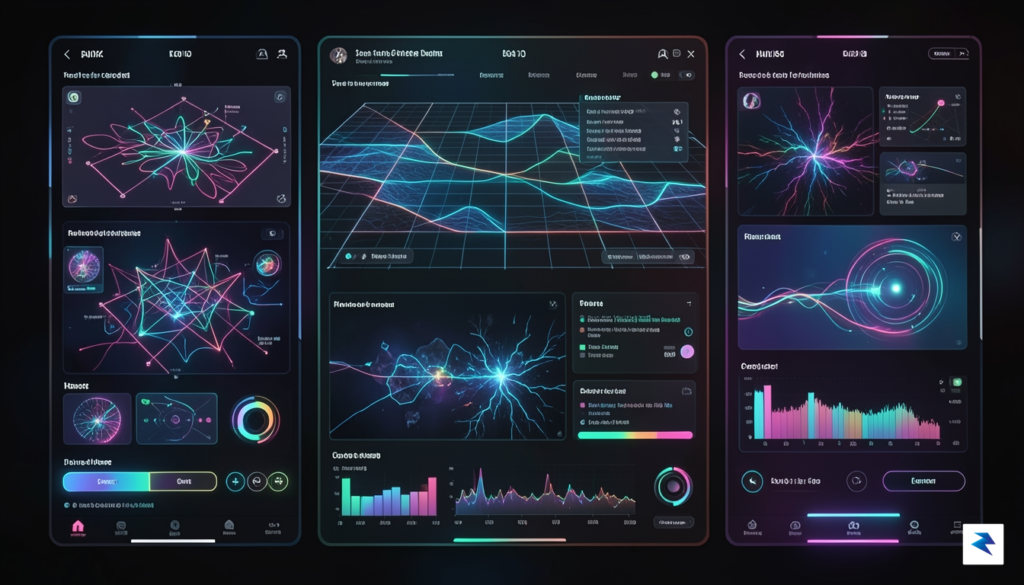
We are currently witnessing a seismic shift in how we capture the world, moving away from the era of “point-and-shoot” simplicity toward a future defined by intelligent, collaborative imaging. As artificial intelligence migrates from remote cloud servers directly onto our device processors, the latency that once hindered real-time feedback is rapidly disappearing. This transition means that your smartphone is evolving from a mere passive recording device into an active, discerning creative partner. In the coming years, we can expect this technology to move beyond basic exposure adjustments; instead, it will offer nuanced, personalized coaching that adapts to your unique aesthetic preferences, helping you internalize professional composition principles with every shutter press.
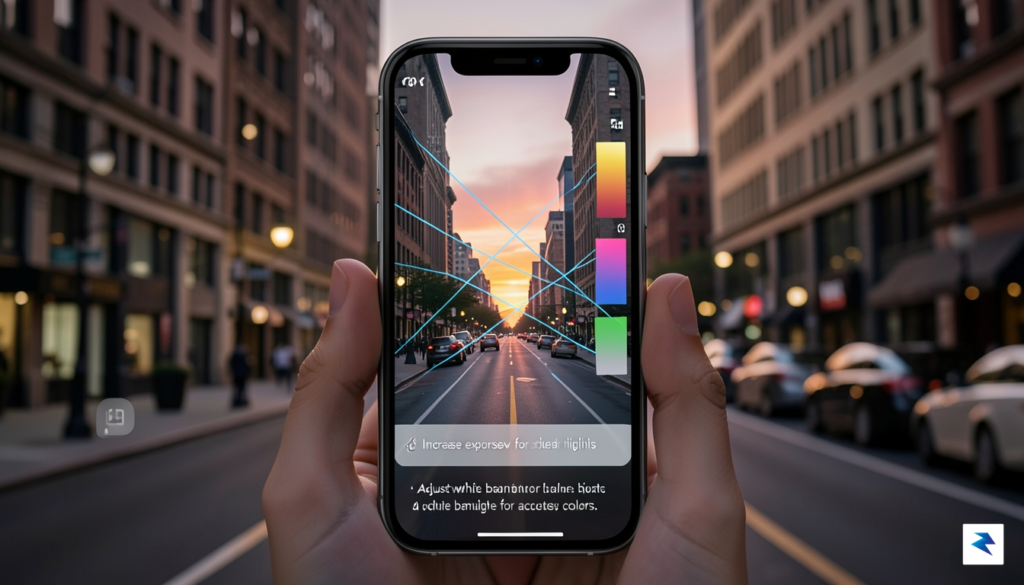
The integration of generative AI is set to redefine the boundaries of mobile photography even further, blurring the line between capturing reality and constructing a vision. Rather than just fixing a blurry shot, future AI tools will likely allow photographers to manipulate environmental factors—such as shifting the angle of the sun, adjusting the depth of field after the fact, or intelligently restructuring a chaotic background to prioritize the subject. This capability does not necessarily diminish the photographer’s role; rather, it elevates the artist from a mere collector of moments to a director of visual narratives. The burden of technical perfection is being shifted to the software, which in turn frees the human user to focus entirely on the emotional impact and intent behind the image.
The true power of AI in photography lies not in automating the creative process, but in providing a bridge between a person’s artistic vision and their technical capability.
Looking ahead, the synergy between human intuition and machine precision will likely produce a new golden age of visual storytelling. As these tools become more ubiquitous, the barrier to entry for high-end photography will crumble, allowing a more diverse range of voices to capture and share their experiences with cinematic quality. We are moving toward a reality where the “perfect shot” is no longer a matter of luck or decades of expensive training, but a result of a seamless partnership between a human eye and an intelligent, supportive interface. Ultimately, this evolution ensures that while the technology behind the lens grows infinitely more complex, the act of photography remains rooted in the most essential human impulse: the desire to see, document, and share the beauty of our world.
You must be logged in to post a comment.