
The Ultimate Guide to Growing Mushrooms at Home (2026)
Introduction: Why Mycology is the New Backyard Hobby In recent years, the kitchen counter has become the new frontier for the modern gardener.…
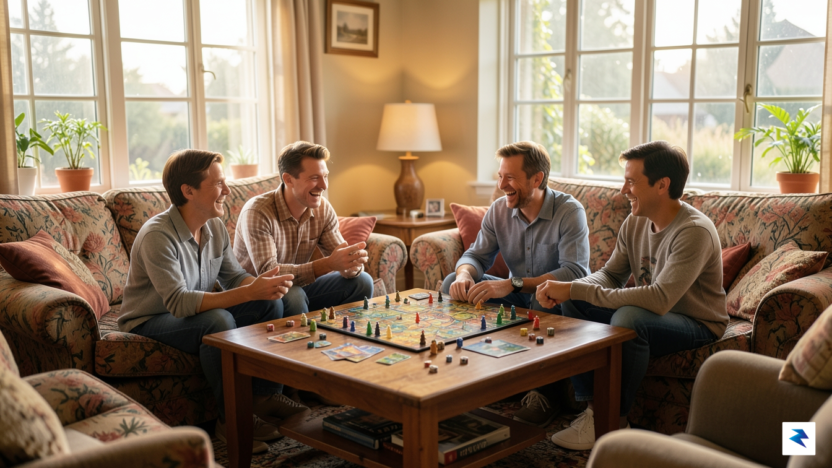
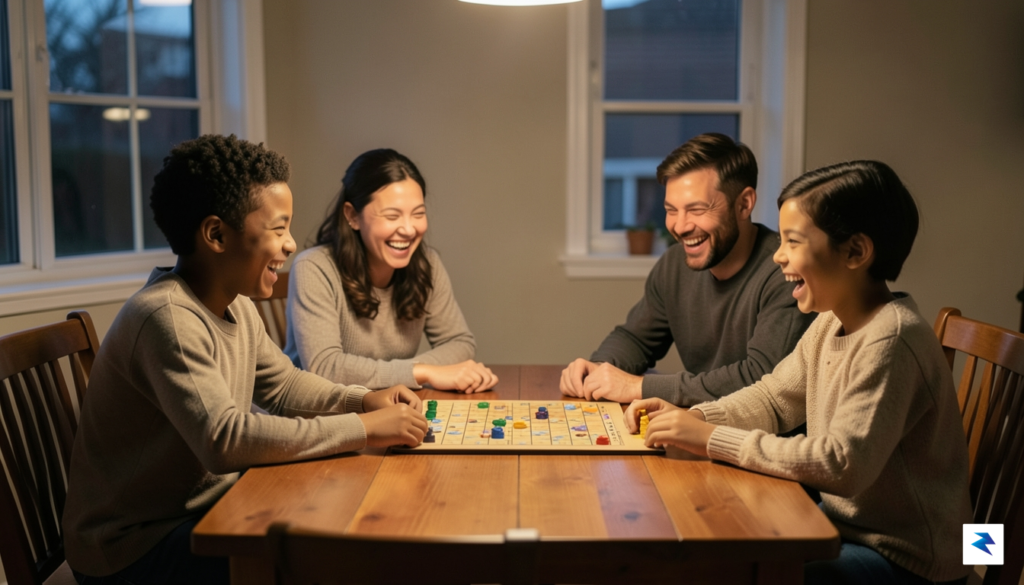
In our current era of near-constant digital immersion, many of us suffer from a pervasive sense of “digital fatigue.” Our brains are perpetually stimulated by algorithmic feeds, flickering notifications, and the passive consumption of endless content, which often leaves us feeling more disconnected rather than informed. By contrast, board games demand a deliberate, physical presence that serves as a powerful antidote to this screen-saturated lifestyle. When we sit down at a table to play, we are not merely engaging in a pastime; we are participating in a shared cognitive ecosystem where the only feedback loop is the person sitting directly across from us.
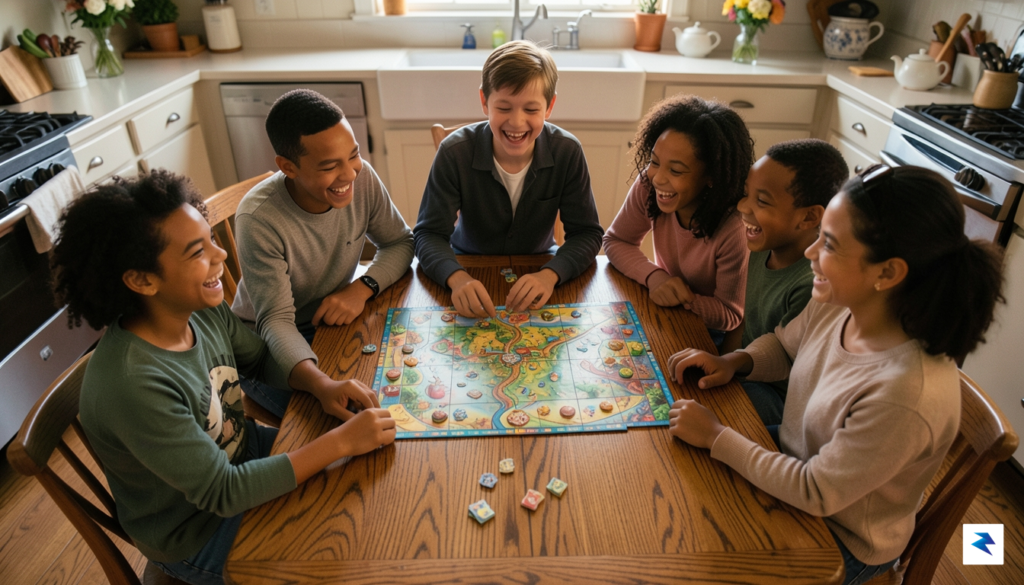
The science of face-to-face play suggests that tabletop gaming fosters unique social and neurological benefits that passive entertainment simply cannot replicate. Engaging in a game requires active listening, strategic anticipation, and the nuanced interpretation of non-verbal cues—all of which are essential components of emotional intelligence. Unlike the solitary nature of scrolling through a smartphone, board games force us to practice patience, negotiation, and collaborative problem-solving in real-time. We learn to navigate the complexities of interpersonal dynamics, such as grace in defeat and humility in victory, which strengthens the bonds of empathy within a family unit.
True connection is found in the shared silence of deep thought and the collective laughter that follows an unexpected move; it is a tangible experience that digital interfaces struggle to authentically mimic.
Furthermore, the cognitive challenge provided by board games acts as a form of “mental play” that keeps the brain agile. When players are forced to adapt their strategies to the unexpected actions of their opponents, they are actively exercising their executive functions, including working memory and cognitive flexibility. This interactive friction ensures that every participant remains fully present, as the game’s outcome is tethered to the choices made by every person at the table. By shifting our focus from the abstract, infinite scroll of the internet to the tangible, finite boundaries of a game board, we reclaim our capacity for sustained attention and foster the kind of genuine, unfiltered human interaction that is increasingly rare in the modern world.
Selecting the perfect game for your household requires a move away from simply grabbing the most popular title on the shelf and toward a more intentional evaluation of your family’s specific rhythm. The secret to a successful evening lies in matching the mechanics of the game to the collective personality and maturity levels of your players. Before investing in a new box, consider the “Rules-to-Play” ratio: if you spend more time deciphering a dense manual than actually moving pieces, you risk losing the attention of younger or less experienced players. Aim for titles that offer a brief, intuitive teach, allowing everyone to jump into the action while the enthusiasm is still high.
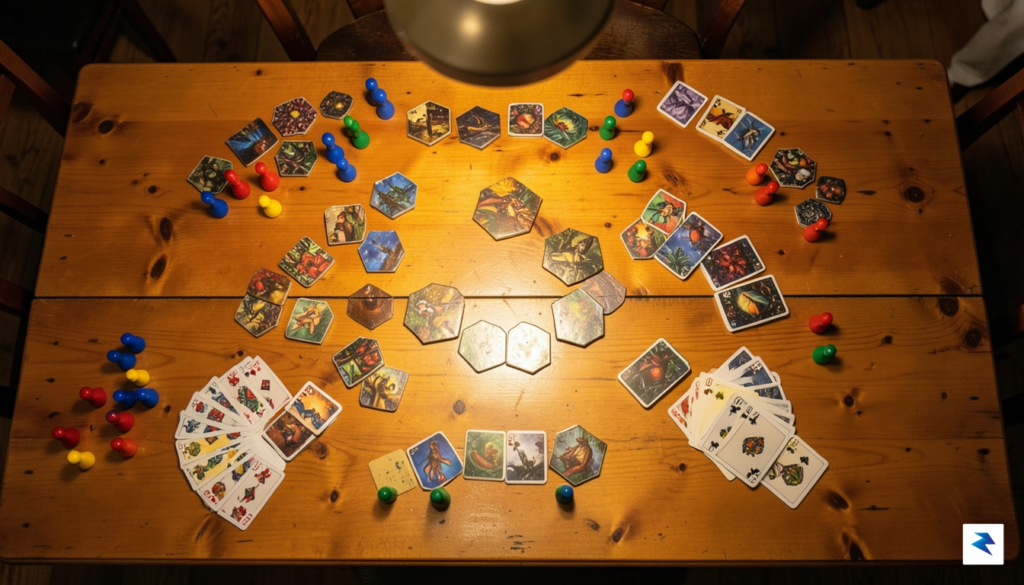
When evaluating potential games, you must also consider the concept of “table presence.” Games that utilize high-quality components, vibrant illustrations, or tactile elements naturally draw people in and keep them engaged throughout the session. If your family has a shorter attention span, prioritize games with quick turns and minimal downtime. Nothing kills the momentum of a game night faster than waiting ten minutes for a single player to calculate their next move. By choosing games where players are constantly involved—even when it isn’t technically their turn—you ensure that the energy in the room remains elevated and inclusive.
The best game for your family is not necessarily the most complex one; it is the one that facilitates the kind of interaction your household craves, whether that is cooperative problem-solving or lighthearted competitive banter.
Furthermore, it is helpful to categorize games based on their complexity level. “Gateway” titles are perfect for families transitioning into modern board gaming, as they offer accessible rulesets that slowly introduce new mechanics without overwhelming participants. These are excellent for families with mixed ages, as they often level the playing field. Conversely, if your group consists of seasoned players, look for games that offer deeper strategic paths and high replayability. To strike the right balance, consider the following checklist:
Ultimately, the goal is to create an environment where the game serves as a bridge to connection rather than a source of stress. By carefully assessing these factors, you can curate a shelf of games that are ready to provide the perfect experience, regardless of whether you have an hour to kill on a Tuesday or an entire rainy weekend to fill.
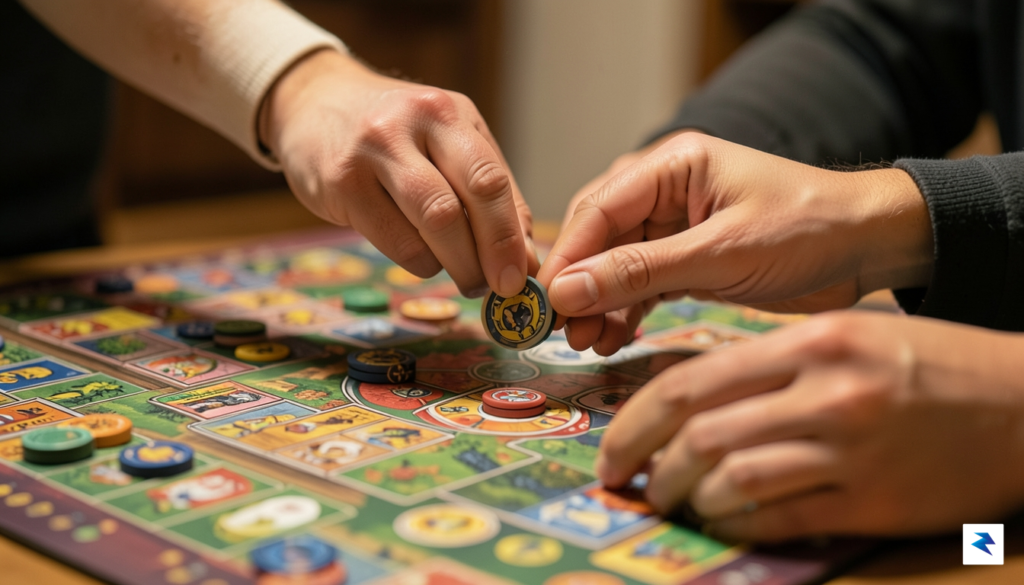
For many households, the traditional board game experience is often marred by the inevitable tension that arises when one player secures a victory at the expense of everyone else. If your family game nights frequently devolve into bickering, tears, or hurt feelings, the cooperative board game genre offers a transformative alternative. Unlike competitive titles that pit family members against one another, these games invite everyone to work toward a common goal, meaning the entire table either celebrates a hard-won victory or learns from a collective defeat together. By shifting the objective from personal triumph to communal success, you eliminate the “winner-take-all” dynamic that often acts as a catalyst for conflict.
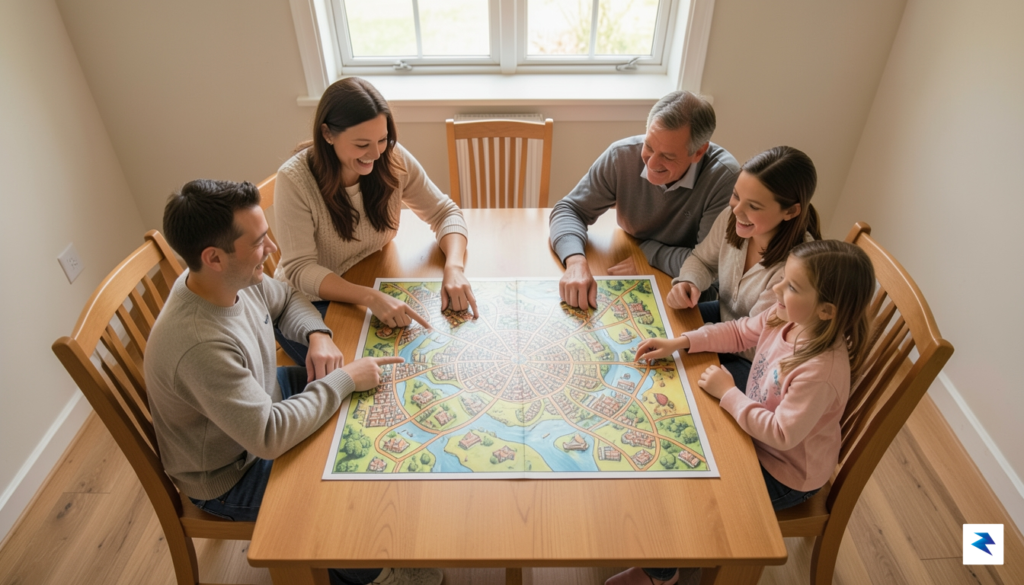
At the heart of the cooperative genre are titles like Pandemic and Forbidden Island, which have redefined how families interact around the tabletop. In these games, the board itself—or a deck of cards—acts as the opponent, presenting escalating challenges that require strategic coordination to overcome. This structure is particularly beneficial for younger children or those who find high-stakes competition overwhelming. Because every player is on the same team, the game becomes a safe environment to practice communication, patience, and empathetic problem-solving. Children are no longer competing against their parents; instead, they are contributing essential skills and ideas to a mission that requires everyone’s input to succeed.
Cooperative play transforms the board game from a battlefield into a laboratory for teamwork, where the focus shifts from individual glory to the power of collective decision-making.
The beauty of these experiences lies in their mechanics, which often center on shared resources and the necessity of consensus. Players must regularly consult with one another, debating the best course of action and weighing the risks of every move. This collaborative process naturally encourages quieter family members to voice their ideas, while teaching more assertive players the value of listening to others. When a crisis occurs on the board, the tension is shared rather than directed at a specific person, which helps de-escalate frustration. Ultimately, cooperative games provide a refreshing structure where the goal is to outsmart the game’s mechanics rather than outmaneuver your loved ones, ensuring that everyone leaves the table feeling like a valued member of the team.
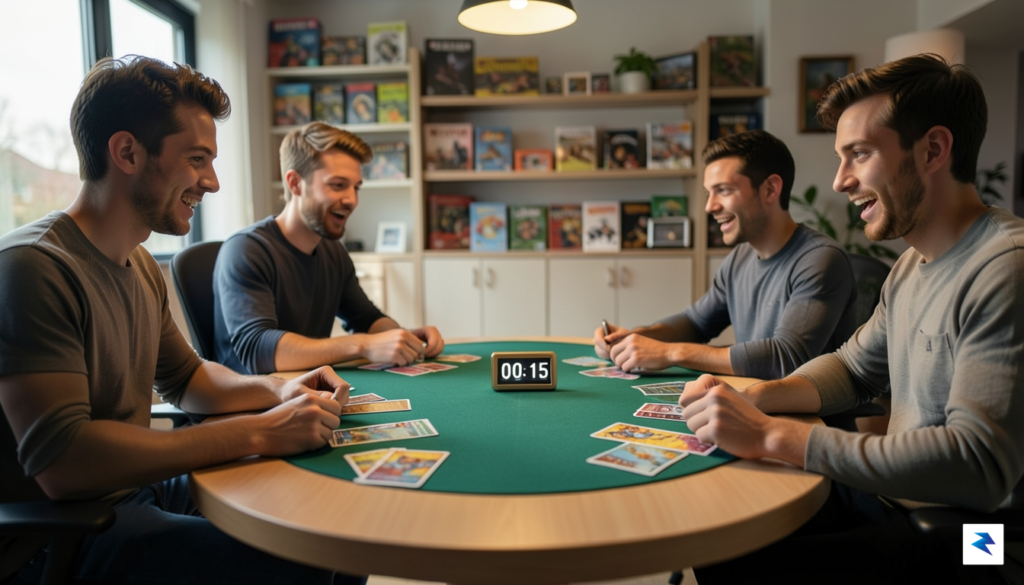
For many families, the memory of classic board games is often marred by the dreaded “downtime”—those long, agonizing minutes spent watching an opponent deliberate while your own interest slowly wanes. Fortunately, the modern tabletop market has undergone a significant evolution, effectively moving away from the multi-hour slogs of the past. Today’s best strategy games are masterclasses in pacing, designed specifically to keep every player engaged from the first roll of the dice to the final scoring phase. By prioritizing tight mechanics and streamlined turn structures, these titles ensure that no one is left checking their watch while waiting for the action to circle back to them.
The secret to this newfound momentum lies in two specific design philosophies: simultaneous play and rapid-fire turns. Games like 7 Wonders or Sushi Go! utilize drafting mechanics where everyone makes their decision at the same time, meaning the game progresses at the speed of the fastest player rather than being held hostage by a single slow thinker. Even in games where turns are taken sequentially, modern titles often incorporate “off-turn” engagement, such as the ability to trade resources or react to an opponent’s move. This constant state of participation transforms the experience from a series of isolated events into a collaborative, high-energy session that demands your full attention.
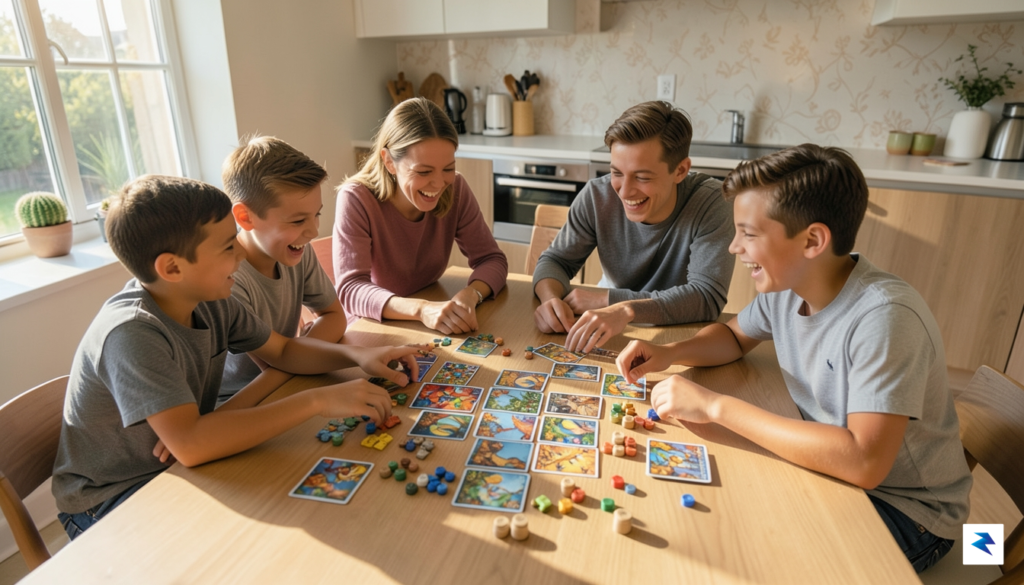
Engaging in these types of games does more than just fill the time; it serves as a sophisticated training ground for cognitive development. Because the action remains brisk, players are encouraged to practice forward planning and critical thinking without the burden of feeling overwhelmed by long-term complexity. When you only have a few seconds to react, you learn to trust your instincts, assess the state of the board quickly, and pivot your strategy on the fly. This creates a healthy environment for children and adults alike to build mental agility, as the low barrier to entry ensures that even the most complex strategies feel accessible and rewarding.
The hallmark of a great family game isn’t just the depth of its strategy, but the efficiency with which it allows every player to remain an active participant in the unfolding narrative.
Ultimately, these fast-paced strategy games provide the perfect balance for a successful family night. They offer enough substance to keep the competitive spirits satisfied, yet they move quickly enough to accommodate the busy rhythms of home life. By selecting titles that emphasize momentum, you can turn an ordinary evening into an immersive experience where the focus remains on connection, shared challenge, and the collective joy of the game.
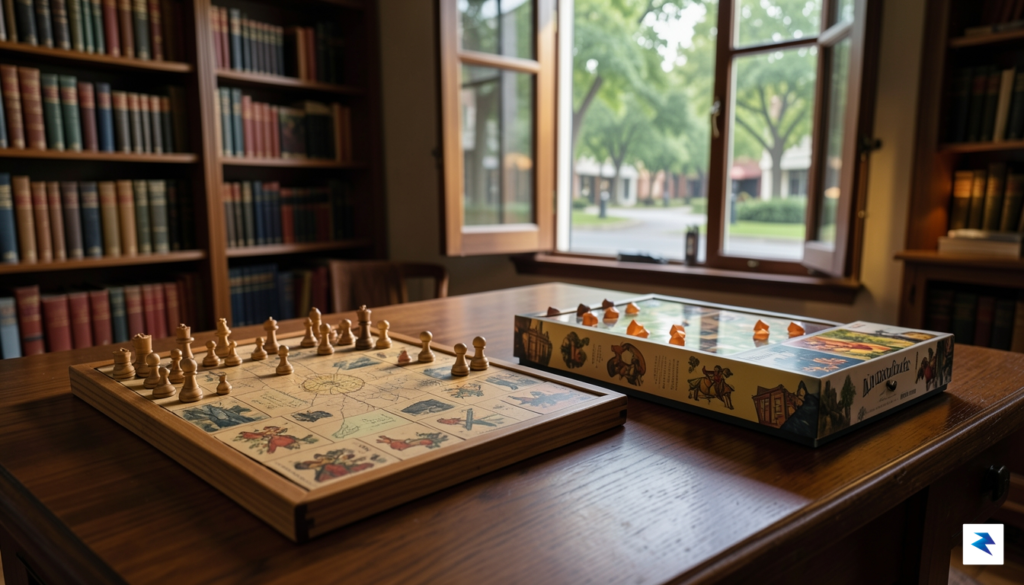
For many families, game night is anchored by the titles gathering dust on the highest shelf of the hall closet—the games we grew up playing on rainy Sunday afternoons. While these nostalgic staples hold a special place in our hearts, the landscape of tabletop gaming has undergone a quiet revolution over the last two decades. Modern game design has systematically addressed the most common frustrations found in older titles, such as brutal player elimination that forces one family member to watch from the sidelines, or the overwhelming reliance on dice rolls that can make strategy feel entirely futile. Today’s designers prioritize active engagement, ensuring that every player remains invested in the outcome until the very final turn.
The evolution from luck-heavy classics to modern strategy games is best exemplified by the shift in territory control and tile-laying mechanics. In older games, a single unlucky draw could effectively sabotage an entire session, leaving players feeling powerless against the whims of fate. Contemporary successors, such as Carcassonne or Ticket to Ride, take those foundational concepts of building and claiming space and refine them into tight, tactical experiences where your decisions carry real weight. Instead of just hoping for the right card, you are constantly presented with meaningful choices, forcing you to balance your long-term goals against the immediate, reactive moves of your opponents.
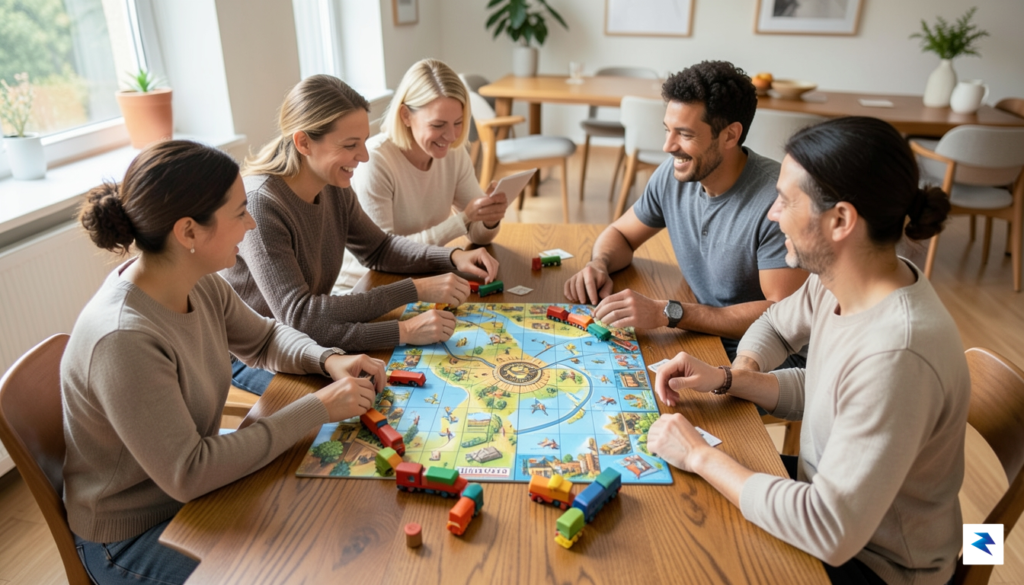
The hallmark of a great modern game is that it provides a “meaningful choice” on every turn, ensuring that even if you don’t win, you feel that your agency shaped the journey of the game.
This transition toward more balanced mechanics doesn’t mean abandoning the spirit of the classics; rather, it’s about polishing the rough edges that often caused arguments or boredom during childhood sessions. Modern games frequently introduce “catch-up” mechanisms or streamlined victory point systems that keep the score close until the last second, preventing the “runaway leader” problem that often plagued older games like Monopoly. By replacing endless cycles of punitive setbacks with additive, constructive gameplay, these newer titles foster a more positive environment where the focus remains on creative problem-solving and social interaction. Transitioning your family to these modern iterations is not about discarding tradition, but rather upgrading your library to ensure that every game night is as exciting, fair, and rewarding as possible for every player at the table.
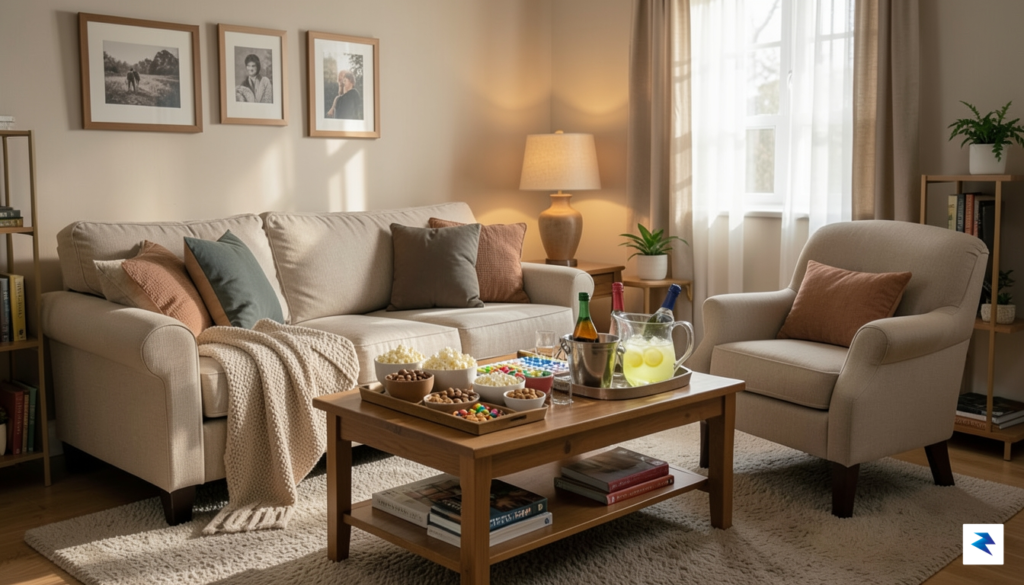
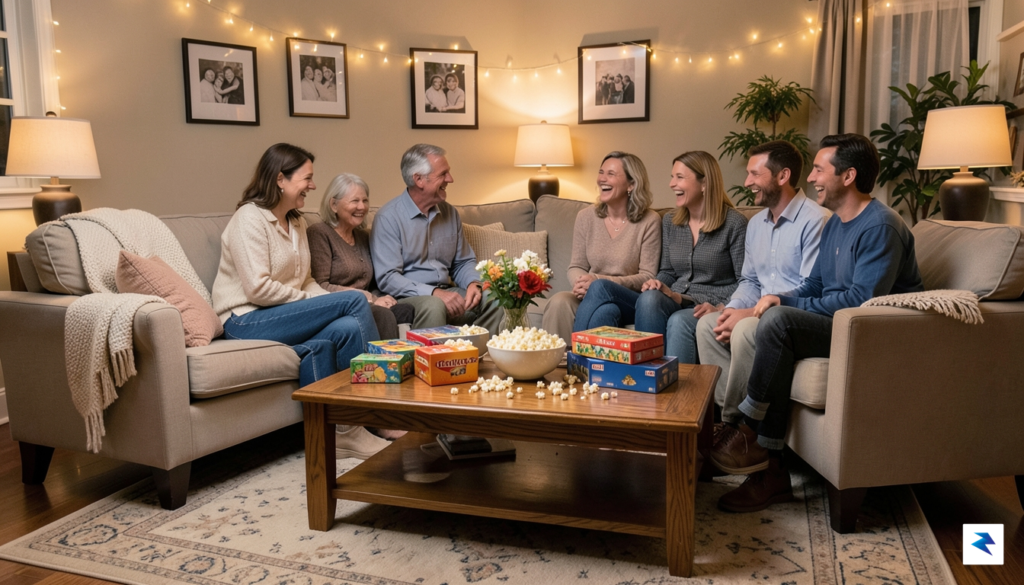
Consistency is the secret ingredient that transforms a casual evening of gaming into a cherished family tradition. When you anchor your week or month with a dedicated time slot—whether it is Friday night pizza-and-play or a Sunday afternoon tournament—you provide everyone in the household with a reliable sanctuary for connection. By removing the guesswork of “when” and “if” you will play, you build anticipation, allowing family members to mentally prepare for a break from their digital devices and daily stressors. The goal of this ritual is not to crown a champion, but to cultivate a reliable space where the focus is entirely on shared laughter, friendly rivalry, and the simple joy of being present with one another.
Setting the stage is just as important as the mechanics of the game itself, and small, sensory details often make the biggest impact. Consider pairing your game selection with specific snacks or a themed menu to heighten the festive atmosphere; a round of strategy games might pair perfectly with a build-your-own taco bar, while lighter party games could be accompanied by a classic popcorn and hot cocoa spread. To ensure a harmonious environment, establish a rotating system where a different family member chooses the game each week. This simple act of autonomy gives everyone a sense of ownership over the ritual and ensures that every personality type, from the tactical mastermind to the social butterfly, gets to enjoy their preferred style of play.
Even with the best intentions, the competitive nature of board games can sometimes trigger frustration, particularly among younger players or those with a perfectionist streak. To keep the focus on connection rather than conflict, frame the experience around the concept of “good sportsmanship as a skill” rather than a character trait. If you find tensions rising, consider implementing a “house rule” that encourages cooperative play, or take a proactive approach by highlighting the importance of celebrating others’ victories. Remember that the ultimate success of your game night is not measured by who wins or loses, but by the strength of the memories you create together.
The true value of a family game night is not found in the final score, but in the intentional time spent disconnecting from the world to reconnect with each other.
Ultimately, the longevity of your game night ritual depends on flexibility and keeping the atmosphere lighthearted. If a particular game is causing more stress than enjoyment, give yourselves permission to abandon it mid-round in favor of a quick, high-energy card game or a collaborative puzzle. By keeping the barrier to entry low and the spirit of the evening inclusive, you ensure that family game night remains an anticipated highlight of your calendar rather than another chore on the to-do list. Over time, these consistent hours of unplugged interaction will weave themselves into the fabric of your family culture, creating a foundation of trust and shared joy that extends far beyond the game board.
You must be logged in to post a comment.