YouTube Tightens Rules: Why Your AI Content Might Lose Monetization
The New Era of Content Integrity on YouTube The democratization of content creation has long been a pillar of the digital landscape, but the…
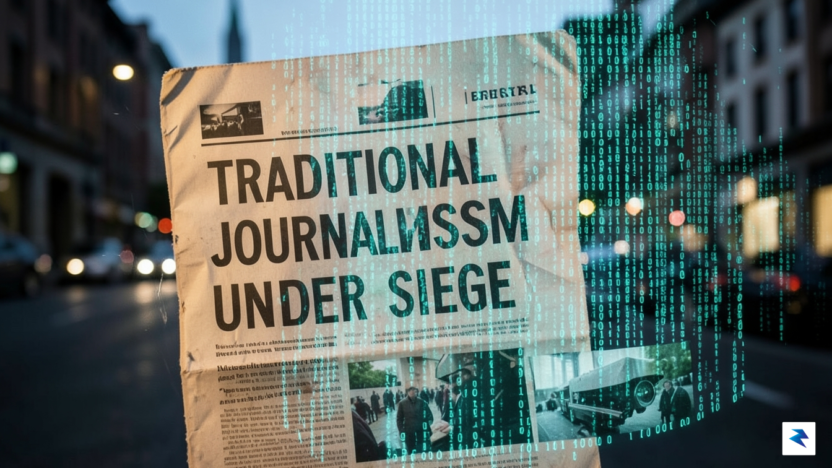
The recent attempts by the executive branch to secure the private phone and email records of New York Times reporters represent a profound departure from traditional norms governing the relationship between the government and the press. By maneuvering to access communication logs—specifically those related to investigative reporting on sensitive topics like Air Force One operations—the federal government is effectively circumventing the standard editorial process. Instead of engaging with the newsroom through public channels or seeking formal corrections, the administration has opted for the blunt instrument of the subpoena. This tactical shift suggests a desire to bypass the First Amendment protections that have long shielded journalists from state-compelled disclosure, turning the legal system into a tool for identifying and potentially punishing whistleblowers.
Government entities frequently target metadata and phone records because they provide a comprehensive map of a journalist’s life without requiring the cooperation of the media organization itself. By going directly to telecommunications providers, federal investigators can reconstruct an entire network of sources, often exposing individuals who believed their interactions were protected by the sanctity of journalistic privilege. This back-door approach is particularly insidious because it happens in the shadows, often leaving the news organization unaware that the privacy of their reporters has been compromised until long after the surveillance has occurred. The goal is rarely just to win a legal point; it is to intimidate those within the bureaucracy who might otherwise feel empowered to share information regarding government malfeasance or inefficiency.
The core of a free society relies on the ability of the press to act as an independent watchdog, a role that becomes impossible if every phone call, text, or email serves as a potential trail for federal prosecutors to follow.
The chilling effect of these actions cannot be overstated, as it threatens to sever the essential ties between reporters and the public servants who provide the raw data necessary for holding power to account. When sources fear that their communication logs will be harvested by the executive branch, they inevitably retreat into silence, fearing professional retaliation or criminal prosecution. Consequently, the public is left with a sanitized, government-approved version of events, stripped of the critical insights that only protected sources can provide. If the executive branch succeeds in normalizing the seizure of reporter records, the long-term cost will be a weakened democracy, where the fundamental right to report on government operations is sacrificed at the altar of excessive, unchecked executive secrecy.
At the center of this legal firestorm lies the fundamental tension between the government’s duty to maintain national security and the First Amendment’s mandate for a free, independent press. For decades, the judiciary has navigated a fragile middle ground, recognizing that a “reporter’s privilege”—the right of journalists to protect their confidential sources—is essential for the functioning of a democracy. Without the guarantee of anonymity, whistleblowers would be silenced, and the public would remain in the dark about government malfeasance or systemic failures. However, federal authorities have increasingly leaned on the broad, often ill-defined umbrella of “national security” to pierce this shield, arguing that the need to identify those who leak classified information outweighs the press’s interest in protecting their conduits.
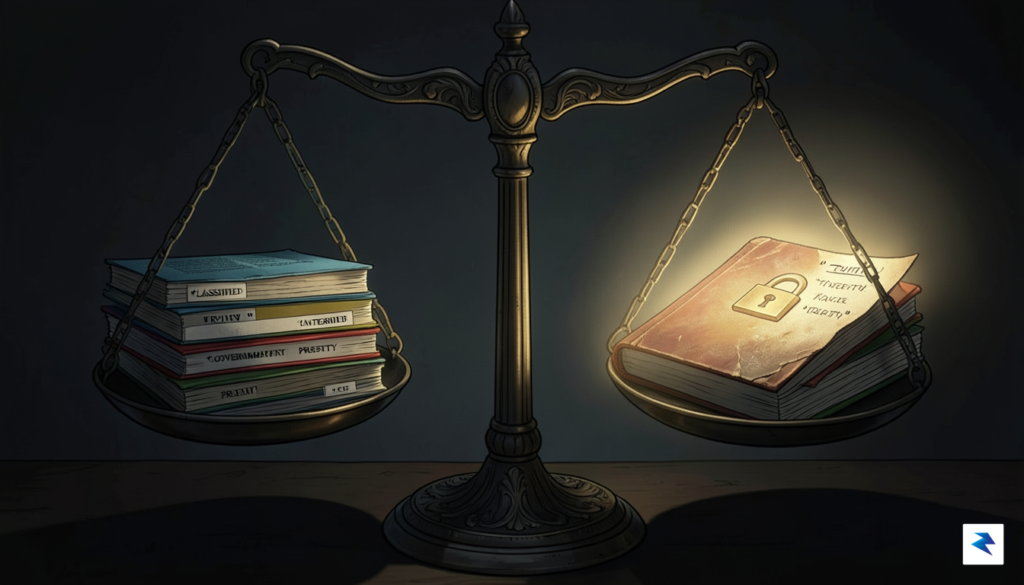
Historically, the courts have been wary of allowing the Department of Justice unfettered access to the inner workings of newsrooms. Landmark cases have established that the government must meet a high burden of proof before compelling a journalist to disclose confidential records, requiring that the information be essential to the case and unattainable through other means. Despite these precedents, the recent escalation in surveillance tactics represents a significant departure from established norms. By seeking phone records and metadata of journalists and their families, the government is effectively attempting to bypass the front door of the newsroom and uncover sources through their private communications, a move that critics argue creates a chilling effect on investigative journalism that could last for generations.
“The protection of confidential sources is not merely a professional courtesy; it is the lifeblood of accountability journalism. When the government targets the records of journalists, it undermines the very foundation of the First Amendment.”
The New York Times has responded to these aggressive subpoenas with a robust legal defense, arguing that such tactics are an unconstitutional overreach that threatens the integrity of the press. Their legal team is pushing to quash these requests by highlighting how these surveillance efforts infringe upon the core protections necessary for journalists to hold power accountable. By forcing the issue before the courts, the organization is essentially arguing that the government’s desire to unmask leakers cannot override the public’s right to know. This ongoing litigation serves as a critical test case, one that will determine whether the reporter’s privilege remains a robust shield or whether it will be rendered obsolete by the modern expansion of state investigative powers.
Ultimately, the outcome of this dispute will set a tone for future interactions between the Fourth Estate and the state. If the courts permit the government to treat journalistic communications as fair game for surveillance, it will likely lead to a permanent shift in how investigative reporting is conducted. Journalists and their organizations remain steadfast in their stance that, without the ability to guarantee source safety, the primary tool of the investigative press will be dismantled, leaving the public significantly less informed about the actions of their own government.

The vitality of a functioning democracy rests on the ability of journalists to act as an independent check on power, a role that is fundamentally compromised when the government aggressively pursues the digital footprints of reporters and their families. Whistleblowers are the lifeblood of investigative reporting; they are often the only individuals with the proximity to witness systemic corruption, illegal surveillance, or gross government incompetence. When federal authorities utilize subpoenas to harvest metadata and phone records, they are not merely conducting an investigation into a leak—they are effectively signaling to every potential source that anonymity is no longer guaranteed. This pervasive threat of exposure creates a chilling effect, forcing those with vital information to remain silent rather than risk professional ruin or legal retaliation.

When the fear of being identified through phone logs or digital metadata becomes the primary concern for a public servant, the quality of our public discourse inevitably suffers. Transparency is not an abstract ideal; it is a practical necessity that requires the flow of unvarnished information from the inside out. If journalists can no longer protect their sources, the public loses access to critical stories regarding how their government operates. Over time, this dynamic erodes the accountability mechanism that keeps institutions honest. Without the protection of source confidentiality, the most sensitive and important truths are never brought to light, leaving the electorate uninformed and vulnerable to the unchecked actions of those in power.
“The capacity to hold the powerful accountable is a fragile privilege, one that relies entirely on the sacred trust between a reporter and a source who risks everything to expose the truth.”
Consequently, newsrooms maintain an ironclad ethical obligation to fight these intrusive subpoenas as a matter of institutional integrity. Defending the privacy of communications is not simply a technical legal battle; it is a moral imperative that defines the role of the press in society. When media organizations stand their ground against federal overreach, they are protecting the fundamental right of the public to know what their government is doing behind closed doors. If these boundaries are allowed to erode, the press loses its status as an independent watchdog, and the public loses the essential window into the inner workings of the state. Ultimately, challenging these subpoenas is about preserving the future of investigative journalism and ensuring that the truth remains a public good rather than a casualty of government secrecy.
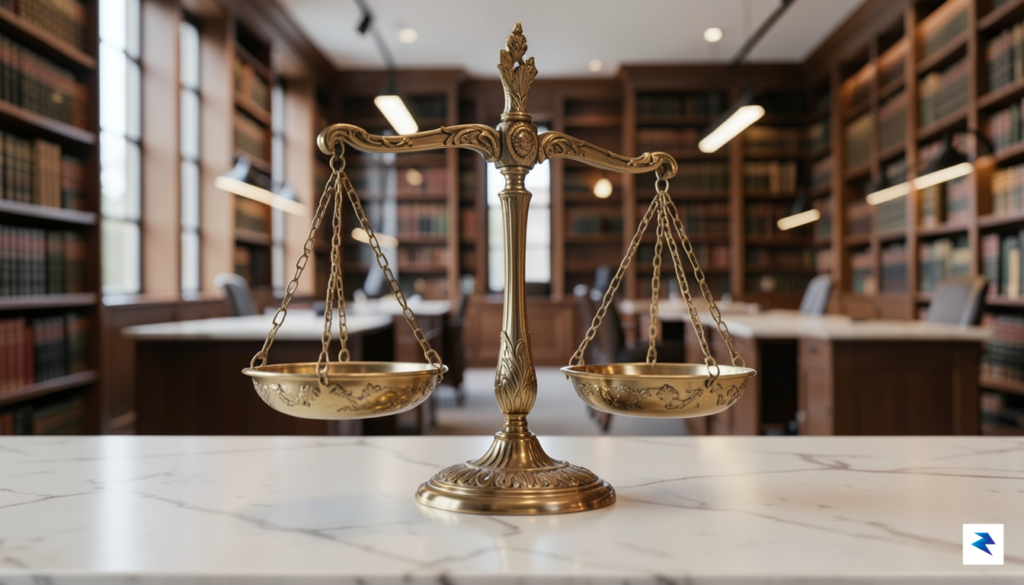
As the legal maneuvering surrounding these subpoenas shifts from the corridors of the Department of Justice to the oversight of the federal judiciary, the stakes for the American press have reached a critical inflection point. Judges tasked with reviewing these government requests must now balance the executive branch’s broad authority to conduct national security investigations against the First Amendment’s foundational role in maintaining a democratic society. This process is far more than a procedural dispute; it is a fundamental test of whether federal power can be checked when it encroaches upon the essential machinery of journalism. Should the courts decline to impose rigorous standards for such subpoenas, they risk establishing a precedent that effectively turns the press into an extension of the state’s intelligence-gathering apparatus.
Given the constitutional implications at play, it is highly probable that this legal battle will eventually escalate toward the appellate level, and perhaps even the Supreme Court. The judiciary’s ultimate ruling will serve as a definitive marker for the relationship between the government and the media for decades to come. If the courts lean toward prioritizing investigative convenience over the protection of journalists, it could signal a new, emboldened era of surveillance where the threat of subpoena becomes a primary tool for silencing dissent or uncovering protected communications. Conversely, a strong ruling in favor of the Times could reinvigorate the legal barriers that have historically shielded reporters from unnecessary government intrusion, reinforcing the idea that the Fourth Estate operates outside the reach of executive overreach.
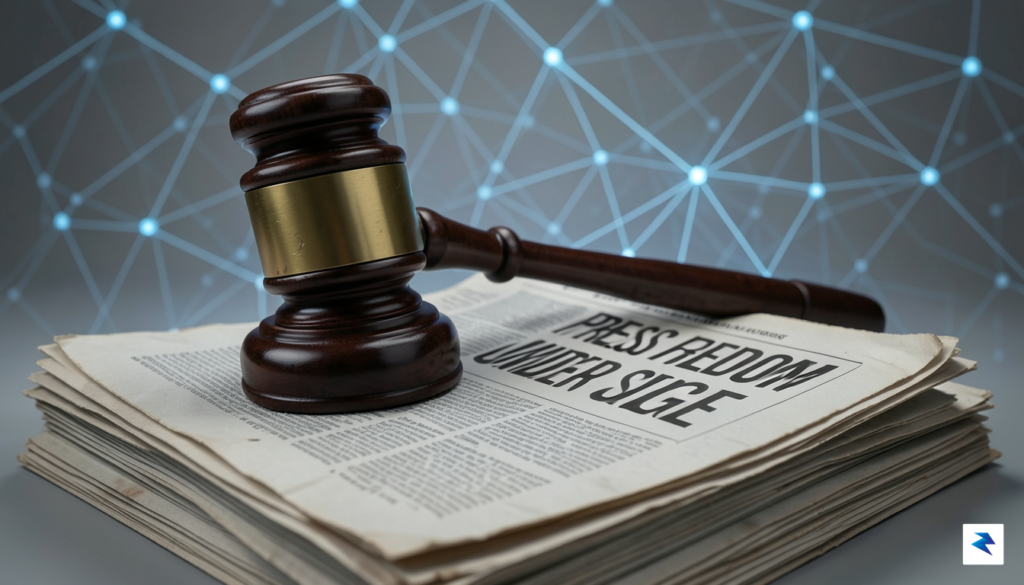
The protection of source confidentiality is not merely a professional privilege for journalists; it is a structural necessity for a society that demands government accountability.
Ultimately, the preservation of source confidentiality remains the lifeblood of a functioning democracy, regardless of which political party happens to occupy the White House. When whistleblowers and concerned citizens fear that their private communications with the media can be easily unmasked by federal authorities, the flow of vital information regarding government misconduct inevitably dries up. A democracy cannot thrive in the shadows, and the ability of the press to hold power to account depends entirely on the promise of anonymity for those who risk their careers and livelihoods to speak the truth. If this investigative channel is compromised, the public’s ability to remain informed—and therefore their ability to self-govern—is permanently diminished.
You must be logged in to post a comment.