Is Your Ebike Safe? What the Aipas Lawsuit Teaches Us About Battery Risks
The Ebike Safety Crisis: What the Aipas Lawsuit Reveals The recent legal action targeting the ebike brand Aipas, which involves major retail…

For years, the mobile photography industry has been locked in an arms race defined by aggressive computational processing. While smartphone sensors have grown in physical size, the software accompanying them has often leaned toward a hyper-real aesthetic, characterized by artificial sharpening, excessive HDR, and a flat, clinical look that strips away the character of a scene. Adobe’s Project Indigo was conceived as a direct response to this trend. The project began as a specialized effort to reclaim the nuance and tactile depth of traditional SLR photography, aiming to bridge the widening gap between the convenience of a smartphone and the artistic control traditionally reserved for professional camera bodies.
The mission of Project Indigo was clear from its inception: to prioritize optical authenticity over algorithmic embellishment. Adobe recognized that photographers were increasingly frustrated by smartphones that seemed to “decide” how an image should look before the shutter was even pressed. By focusing on how light interacts with glass—rather than relying on heavy-handed post-processing filters—the initial release of the app sought to provide users with a more organic rendering of their subjects. Through sophisticated software-based lens simulation, the project replicated the behavior of physical glass, including the subtle rolloff of focus and the natural falloff of light that gives professional photographs their three-dimensional presence.
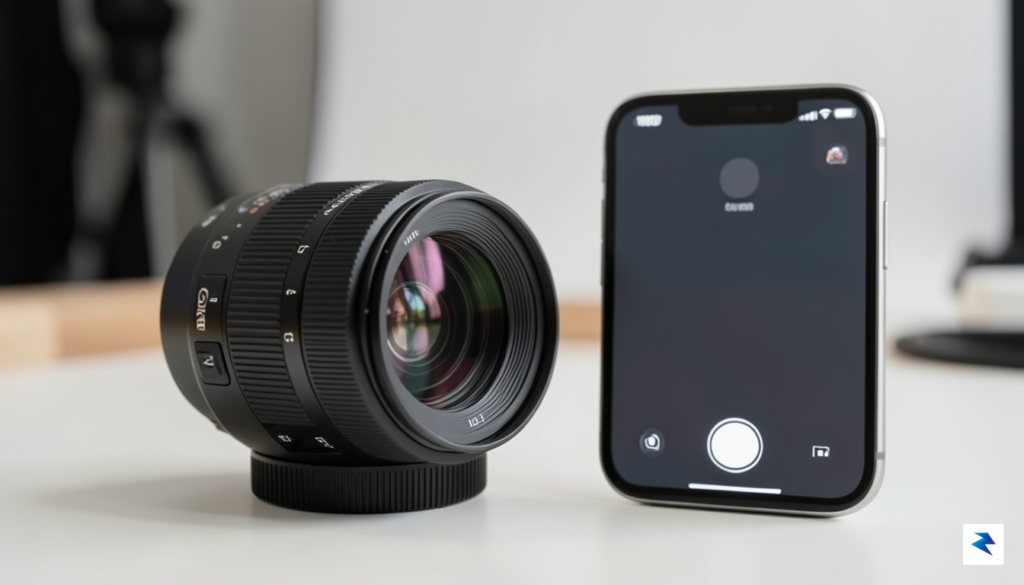
At its core, Project Indigo was built on the belief that a camera should be a tool for capturing reality, not a machine for manufacturing artificial perfection.
By moving beyond the standard, automated pipelines used by most device manufacturers, Adobe allowed users to embrace the imperfections that define great photography, such as subtle depth-of-field variations and realistic color transitions. This approach carved out a dedicated niche for enthusiasts who craved depth and soul in their mobile shots. However, the project did not stop at mere emulation. As it enters its next phase, Project Indigo is evolving from a reactive tool that mimics physical optics into an active, generative partner. By integrating generative AI, Adobe is shifting the goalpost from simply correcting the flaws of smartphone hardware to fundamentally expanding the creative possibilities of the mobile sensor, allowing the software to intelligently interpret and enhance the scene in ways that remain true to the user’s creative vision.
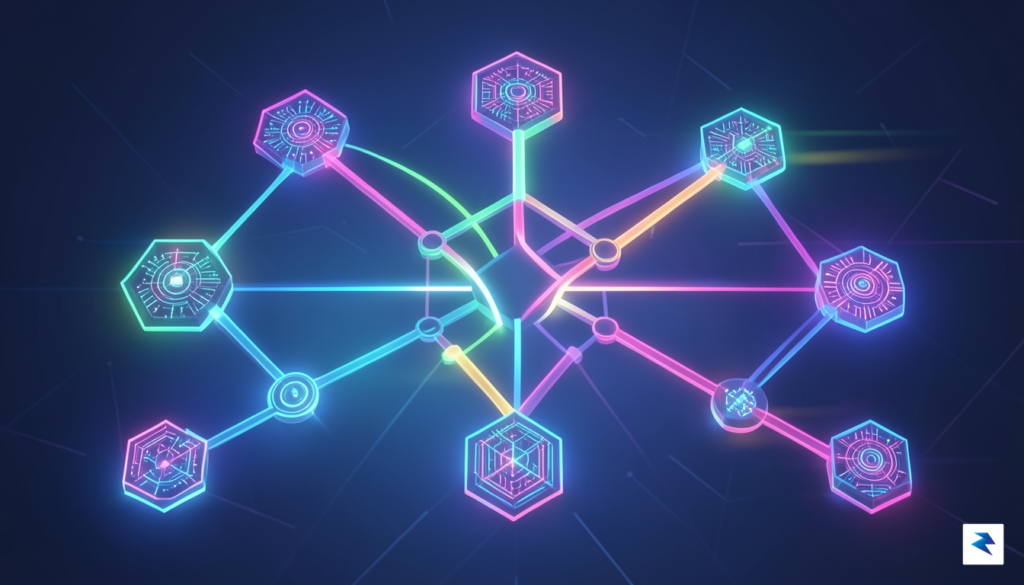
For years, Adobe has meticulously cultivated its proprietary Firefly generative AI as the cornerstone of its creative ecosystem, positioning it as the safe, enterprise-ready alternative to the “Wild West” of open-source models. However, the introduction of Project Indigo represents a calculated pivot away from this internal-only philosophy. By opening its experimental mobile platform to third-party generative engines, Adobe is signaling that it prioritizes the creative utility of the end-user over the rigid exclusivity of its own technology stack. This agnostic approach effectively transforms Indigo from a mere showcase of Adobe’s research into a true collaborative sandbox where the best tools for the job—regardless of their origin—can compete in real-time.
This strategic shift toward model diversity is driven by the rapid, unpredictable evolution of generative AI, where no single developer holds the monopoly on the most effective algorithms for specific tasks. While Firefly excels in areas like content-aware fill and ethical image generation, other models may offer superior performance in niche mobile applications such as real-time lighting adjustments or stylized artistic rendering. By integrating a wider variety of technologies, Adobe ensures that its mobile tools remain at the cutting edge of innovation, allowing them to adapt to new breakthroughs as they emerge in the broader research community. This flexibility suggests that Adobe understands that in the fast-paced world of mobile photography, the “best” model is a moving target that requires an open, modular infrastructure.
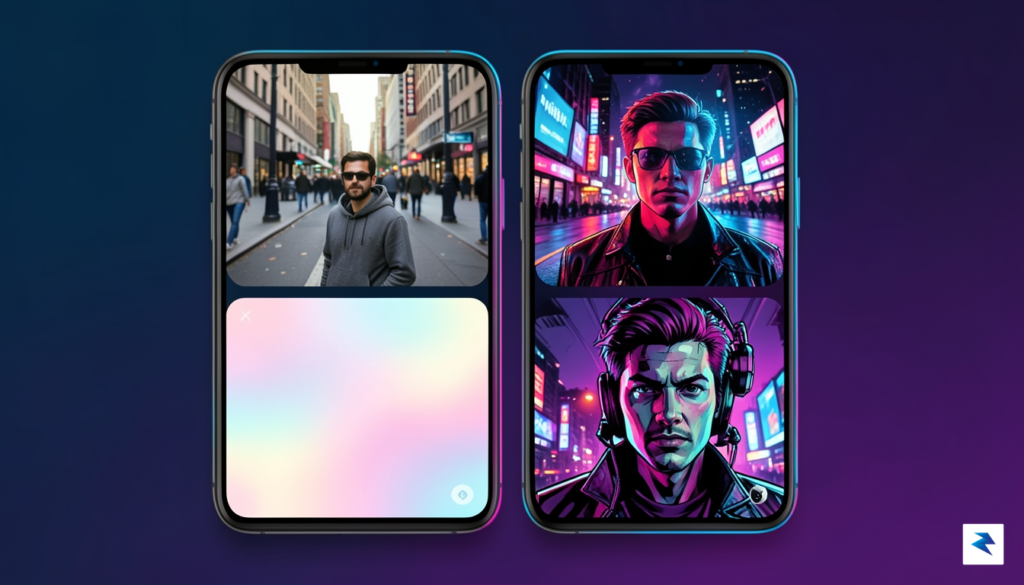
By treating its mobile capture platform as a model-agnostic playground, Adobe is effectively crowdsourcing the future of mobile creativity while maintaining its position as the ultimate curator of the digital workspace.
Ultimately, this decision to embrace third-party integrations serves as a vital stress test for the future of mobile-first design. Instead of forcing users into a monolithic software environment, Adobe is creating a space where experimental AI can be field-tested by actual photographers and creators in their natural habitats. This approach not only provides Adobe with invaluable data on how different models perform under real-world lighting and composition constraints, but it also democratizes the creative process by giving users access to the most sophisticated computational power available. By relinquishing the need for internal perfection in every single instance, Adobe is demonstrating a maturity that suggests they are more concerned with building the definitive platform for mobile photography than with simply promoting their own proprietary code.

The integration of generative AI into mobile photography represents a fundamental shift from merely capturing light to actively interpreting and reconstructing a scene. Unlike traditional filters that simply overlay a static color profile, these new tools utilize contextual understanding to analyze the specific geometry, depth, and lighting conditions of an image. By identifying discrete elements—such as human subjects, foliage, or architectural textures—the software can apply localized adjustments that respect the original image data. For instance, if you are shooting in uneven midday light, the AI can intelligently brighten shadowed faces while simultaneously softening highlights in the background, all without introducing the artificial, “plastic” glow often associated with early image-processing algorithms.
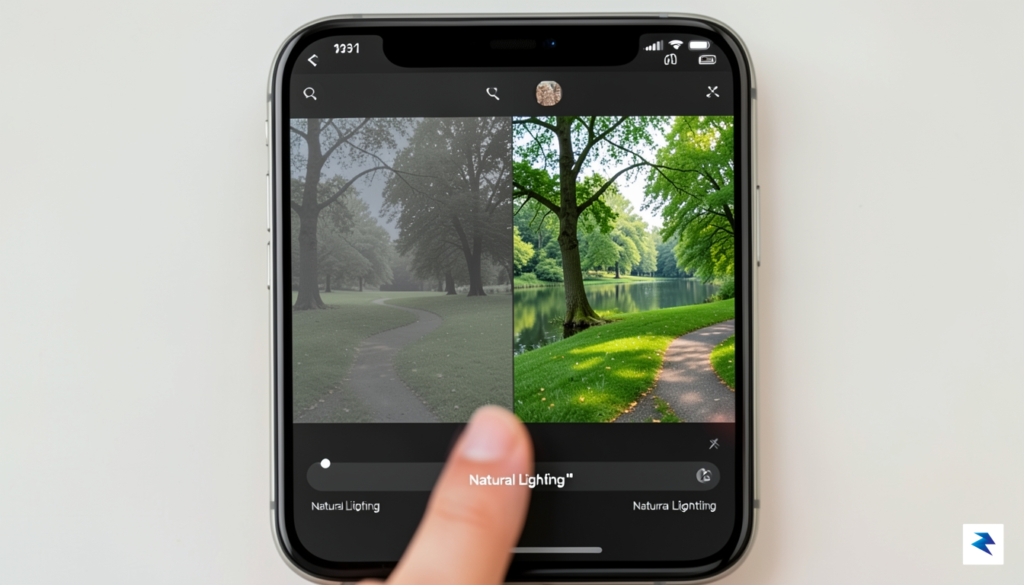
This paradigm shift effectively transforms your smartphone into a portable, high-end creative studio. Users can now perform complex tasks like adjusting the direction of a virtual light source or altering the texture of surfaces to mimic professional studio gear. Because the AI operates on a pixel-aware level, it preserves the integrity of the original raw data, ensuring that the final output remains grounded in reality. The software calculates how light would naturally interact with the specific subjects in your frame, preventing the “uncanny valley” effect that plagues heavy-handed digital manipulation. This level of precision is achieved through massive neural networks trained on millions of high-quality photographic assets, allowing the app to make nuanced decisions about contrast, color temperature, and edge sharpness in real-time.
The true power of generative photography lies in the ability to enhance the intention of the photographer without erasing the soul of the moment.
Maintaining a “natural” aesthetic while performing such heavy generative editing is a massive technical challenge. The core difficulty lies in balancing extreme modification with the preservation of micro-textures, such as skin pores, fabric weaves, or the subtle grain of a landscape. Adobe’s approach focuses on “generative restraint,” where the AI is programmed to prioritize the original composition’s authenticity over dramatic, unrealistic flair. By subtly blending synthetic additions—like simulated soft-focus bokeh or naturalistic color grading—with the existing image data, the app ensures that the final result feels like a photograph rather than a digital painting. This capability represents a new era where the camera serves as a collaborator, helping users bridge the gap between the limitations of mobile hardware and the vision they hold in their minds.
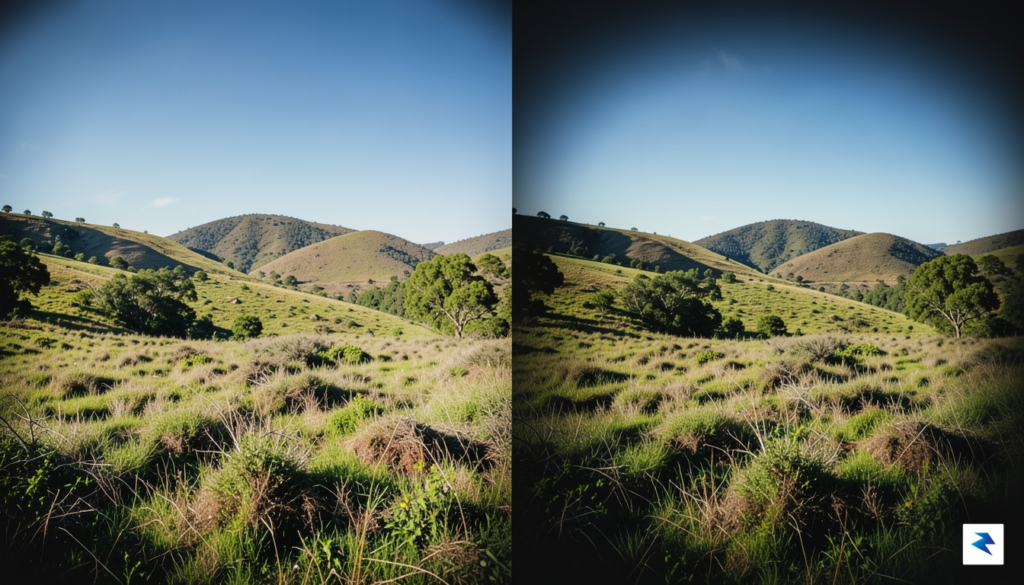
The integration of generative AI into mobile photography invites a profound philosophical conflict: can an image truly be considered “natural” when its core components are synthesized by an algorithm? For decades, the photographic medium has been defined by the capture of light and shadow in a specific, fleeting moment. Project Indigo challenges this traditional definition by blurring the line between the camera’s objective lens and the creative intervention of artificial intelligence. While purists argue that any AI-driven alteration compromises the integrity of the original scene, Adobe contends that these tools are merely modern extensions of the classic darkroom techniques that have always shaped photography, shifting the focus from total image replacement to the subtle enhancement of a photograph’s existing essence.
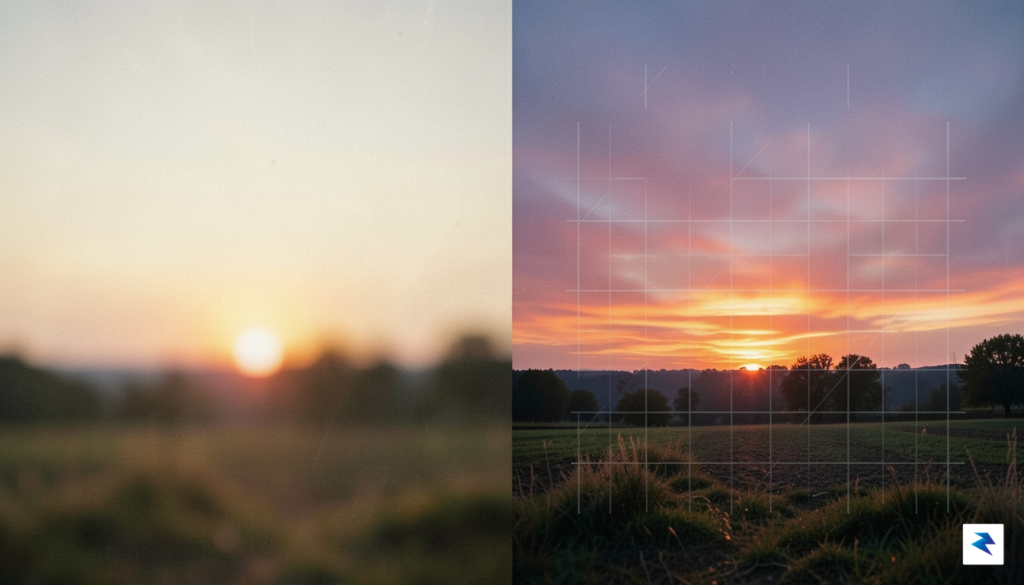
Adobe’s design philosophy hinges on the concept of “assisted reality” rather than synthetic replacement. Instead of allowing users to conjure entirely new objects or landscapes from thin air, the software prioritizes the preservation of the photograph’s “soul”—its unique texture, color balance, and lighting conditions. By focusing on technical refinements such as intelligent noise reduction, dynamic range expansion, and subtle focus correction, the application attempts to bridge the gap between what the camera captures and what the human eye perceives. This approach acknowledges that mobile sensors are inherently limited by their size and constraints; therefore, generative tools serve to reclaim the reality that the hardware may have failed to record, rather than inventing a new, artificial narrative.
The true value of photography in the AI era is not the perfection of the pixels, but the preservation of the moment’s intent.
Ultimately, the tension between authenticity and manipulation rests on the evolving expectations of the modern user. For many, a “natural” photo is no longer defined by the raw, unedited output of a sensor, but by the ability to capture the subjective emotional truth of a memory. When a mobile application uses generative AI to fix an exposure issue or remove a distracting artifact, it is acting as a digital curator that cleans the frame to better represent the photographer’s vision. As these tools become more sophisticated, the focus will likely move away from the debate of whether the image is “real” and toward how effectively the technology can amplify the photographer’s original artistic voice without crossing into the realm of digital fabrication.
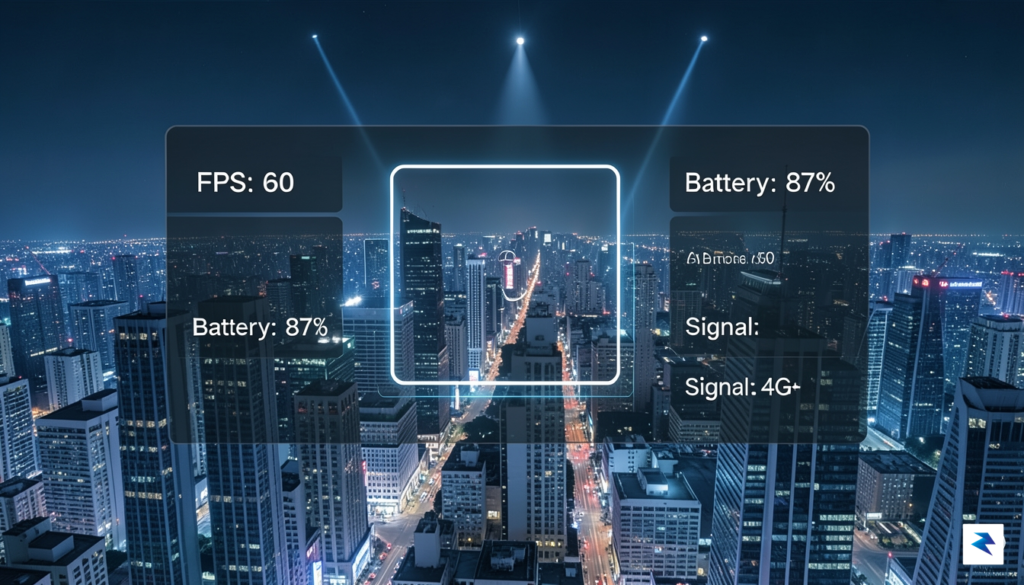
The evolution of mobile photography has shifted rapidly from simple light capture to complex data processing. For years, the industry relied on hardware improvements—larger sensors, faster lenses, and multi-camera arrays—to squeeze better quality out of handheld devices. However, we have reached a point of diminishing returns where physical constraints can no longer compensate for the limitations of small-format sensors. Adobe’s foray into generative-assisted camera technology marks the definitive transition from photography as a process of recording light to photography as an act of calculated reconstruction. By integrating generative AI directly into the capture phase, Adobe is signaling that the lens is no longer the final arbiter of truth, but rather a preliminary data source for a much larger creative engine.
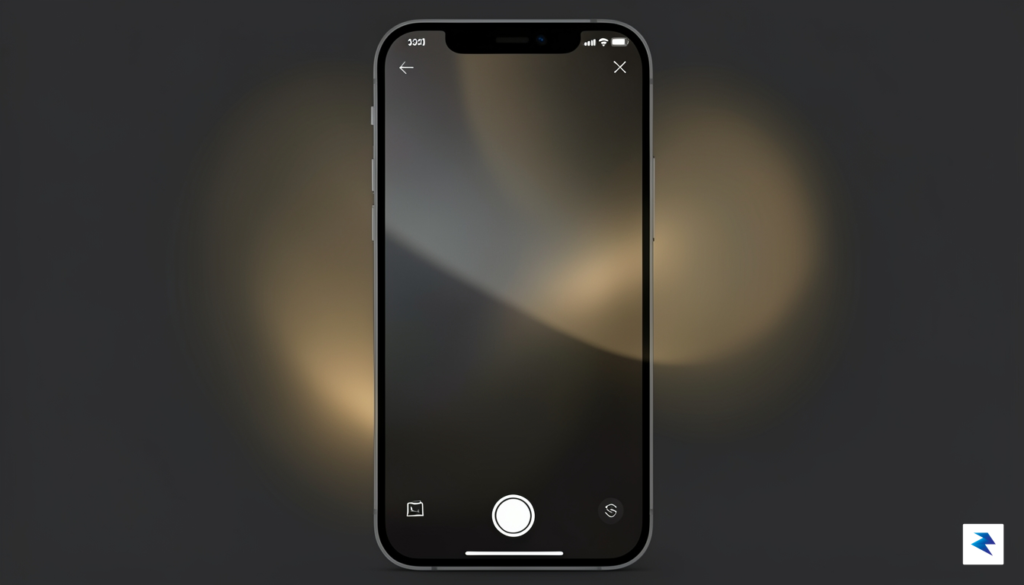
As these experimental technologies mature, it is inevitable that they will migrate from standalone sandbox projects into the core Adobe ecosystem. We can expect to see features first piloted in apps like Project Indigo seamlessly integrated into the workflows of Lightroom and Photoshop. Imagine a future where a mobile user can adjust the depth of field, re-light a scene, or even swap textures with the same precision currently reserved for high-end studio photography—all within a single tap. By embedding generative intelligence into its flagship software, Adobe is effectively democratizing advanced post-production, transforming the average smartphone owner into a digital artist capable of manipulating reality in ways that were once the exclusive domain of professional retouchers.
The boundary between capturing an image and composing a digital interpretation is vanishing, placing the power of a full production studio directly into the user’s pocket.
Ultimately, this trajectory suggests a permanent shift in how we approach our creative workflows. For the average user, the anxiety of “getting the perfect shot” on location will be replaced by the confidence that the software can bridge any gap left by imperfect lighting or composition. However, this shift raises profound questions about authenticity and the nature of the photographic record. As Adobe establishes itself as the primary architect of this new visual reality, the industry must grapple with the implications of a medium where the final image is as much an AI-generated construct as it is a documentation of a physical moment. Whether this leads to a new golden age of creative expression or a crisis of visual trust, one thing remains certain: the relationship between the creator and the lens has been fundamentally and irreversibly rewritten.
You must be logged in to post a comment.