How the ACLU is Helping Lawyers Expose Hidden Police Surveillance
The New Frontier of Digital Defense The landscape of modern criminal justice is undergoing a radical, often invisible transformation as police…

The recent legal action targeting the ebike brand Aipas, which involves major retail platforms like Amazon, marks a critical turning point for the rapidly expanding micromobility sector. At the heart of this litigation is a concerning pattern: the proliferation of electric bicycles marketed to unsuspecting consumers as “safety-certified” when, in reality, they lack the rigorous third-party validation required to prove they meet industry standards. The lawsuit alleges that the brand misled buyers by claiming their products complied with Underwriters Laboratories (UL) safety benchmarks, specifically regarding the fire safety of their lithium-ion battery systems. This deception is not merely a marketing failure; it represents a systemic disregard for user safety that has left both retailers and regulators scrambling to regain control of an increasingly chaotic marketplace.
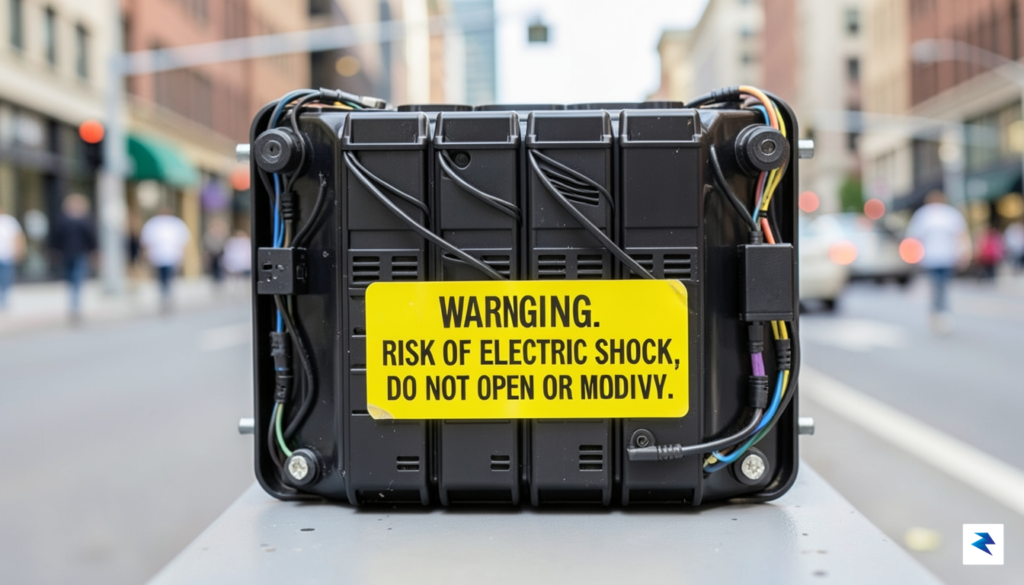
The core of this issue lies in the dangerous disconnect between the rapid manufacturing of cheap, high-capacity batteries and the oversight mechanisms intended to keep them safe. As the popularity of ebikes has skyrocketed, the market has been flooded with components that bypass the expensive, time-consuming process of professional certification. Lithium-ion batteries, when manufactured without precise thermal management systems or high-quality cells, are prone to “thermal runaway”—a catastrophic failure where the battery enters an uncontrollable, self-heating state that can lead to explosive fires. Because many of these bikes are sold through massive online marketplaces that act as intermediaries rather than traditional dealerships, verifying the authenticity of safety claims has become nearly impossible for the average consumer.
The Aipas lawsuit serves as a sobering reminder that a “certified” label on a website is not a substitute for verified, independent testing. Without strict accountability, the convenience of online shopping risks becoming a liability for the public.
This legal battle is serving as a powerful catalyst for industry-wide reform, forcing manufacturers to confront the long-term consequences of prioritizing speed-to-market over consumer protection. Regulators are now under immense pressure to standardize safety requirements across all ebike categories, moving away from voluntary guidelines toward mandatory, enforceable protocols. For the consumer, this case highlights a vital lesson: safety is not just a feature listed on a product page, but a complex engineering reality that requires validation from trusted, third-party institutions like UL. As the industry matures, the Aipas lawsuit will likely be remembered as the moment the micromobility sector was finally forced to trade the “wild west” era of unverified components for a new standard of transparency and accountability.
When shopping for an ebike, it is easy to be dazzled by sleek frames, high top speeds, and competitive price points, but the true measure of a bike’s quality lies hidden within its battery pack. Not all safety labels are created equal, and in an industry flooded with rapid innovation, confusion often reigns supreme. This is where UL (Underwriters Laboratories) certification steps in as the definitive gold standard. Unlike self-reported safety claims from manufacturers, UL certification represents a rigorous, independent testing process that evaluates how a battery system performs under extreme duress. It is not merely a marketing badge; it is a critical safety verification that ensures the electrical system is designed to prevent catastrophic failure before it ever reaches the consumer.
At the heart of this safety infrastructure are two specific standards: UL 2849, which governs the entire electrical system of an ebike, and UL 2271, which focuses specifically on the battery pack itself. These standards subject components to a battery of brutal tests designed to simulate years of real-world wear and tear. Engineers test for mechanical stress by subjecting batteries to intense vibration—mimicking the rattling of city streets—to ensure internal connections do not fray or short-circuit. Furthermore, they perform thermal runaway testing, where the battery is intentionally pushed to its limit to ensure that if a cell does fail, the protective housing contains the energy and prevents a fire from spreading to the rest of the bike or the user’s home.
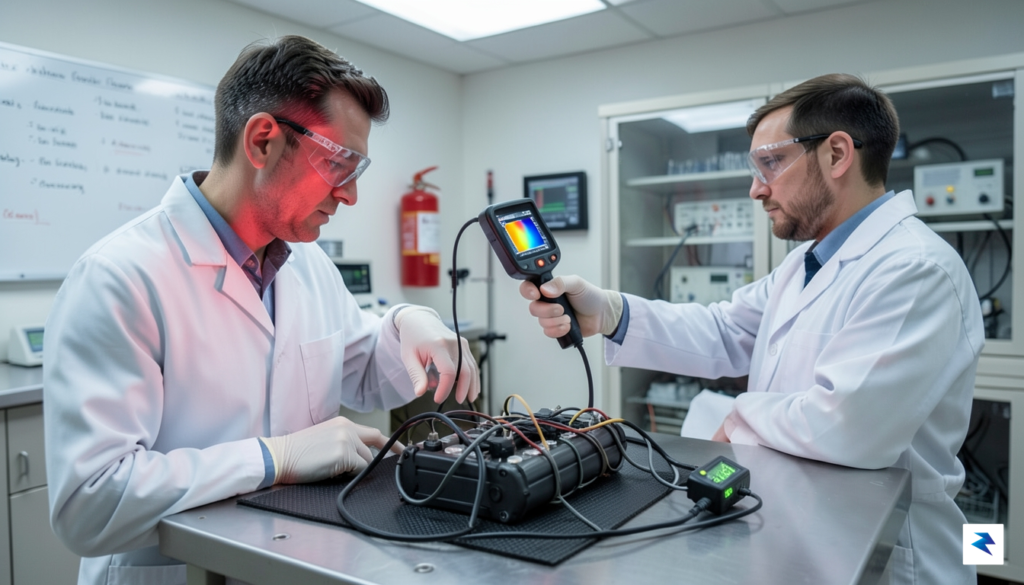
The contrast between a UL-certified system and cheap, unregulated alternatives found on third-party marketplaces could not be starker. Unregulated batteries often lack the sophisticated Battery Management Systems (BMS) necessary to monitor voltage, temperature, and current flow. Without this “brain,” a battery is susceptible to overcharging, which can lead to rapid overheating and combustion. While these cut-rate alternatives might save money upfront, they bypass the essential short-circuit protection and fire-resistance safeguards that prevent a battery from becoming a hazardous liability. As a consumer, choosing a bike with certified components is the most effective way to mitigate the inherent risks of lithium-ion technology.
UL certification serves as the first line of defense for ebike owners, transforming a complex chemical component into a predictable, reliable piece of transportation technology.
Ultimately, verifying these certifications should be a non-negotiable step in the purchasing process. If a manufacturer cannot provide documentation of UL compliance for their specific battery and motor system, it is a significant red flag. By prioritizing these standards, you are not just following industry best practices; you are making an informed decision that protects your property and personal safety. In an era where ebike fires are increasingly making headlines, understanding these safety benchmarks is the single most important action a prospective buyer can take to ensure their ride remains enjoyable rather than dangerous.
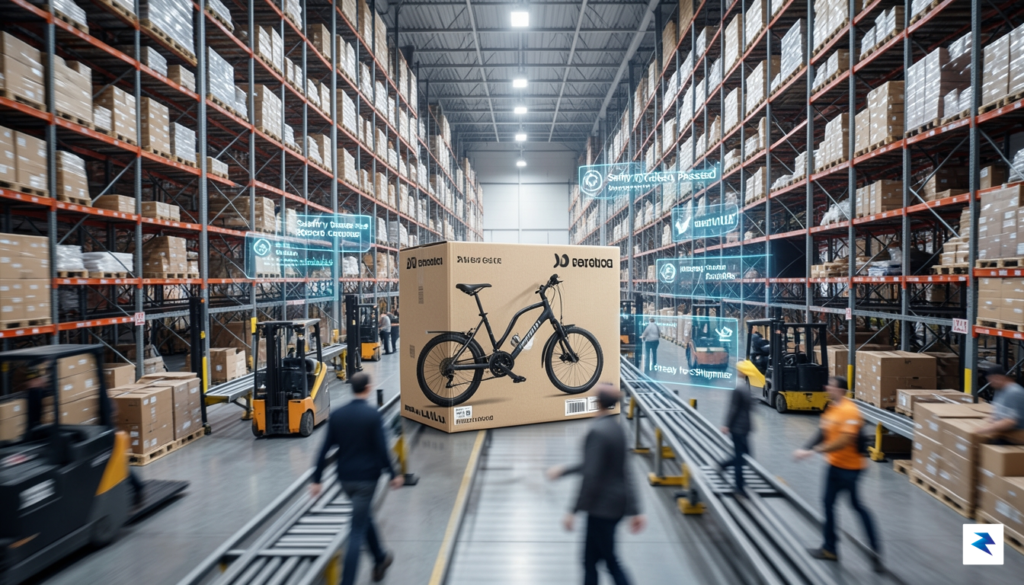

The explosive growth of the “marketplace model” has fundamentally shifted how we shop, transforming platforms like Amazon into sprawling digital bazaars where third-party sellers can reach global audiences with a few clicks. However, this convenience comes at a significant cost: the dilution of traditional retail accountability. When platforms allow thousands of new products to be listed daily, they create an environment where the velocity of commerce often outpaces the velocity of safety oversight. As seen in the recent legal scrutiny surrounding ebike manufacturers, this infrastructure struggle leaves a dangerous void where unverified safety claims can proliferate, effectively shifting the burden of risk assessment from the corporation to the unsuspecting consumer.
Amazon has certainly felt the pressure to bridge this gap, responding to regulatory heat by implementing stricter documentation requirements—such as demanding UL certifications for lithium-ion batteries—before allowing products to go live. Yet, even with these institutional guardrails, the sheer volume of global listings makes universal compliance a Herculean task. Bad actors often use sophisticated methods to bypass filters, such as mislabeling components or falsifying safety documents, which forces platforms into a perpetual game of “whack-a-mole.” This tension between aggressive business growth and the necessity of consumer protection is not merely a technical hurdle; it is a fundamental conflict of interest inherent in the modern e-commerce ecosystem.
The transition from a curated retail model to an open marketplace has created a ‘responsibility gap’ where the platform benefits from the revenue of third-party sales while frequently insulating itself from the liabilities of the products sold within its digital walls.
Recent legal settlements and class-action lawsuits are finally forcing a shift in this dynamic, compelling platforms to tighten their vetting processes and take more proactive responsibility for the goods listed on their sites. These legal outcomes suggest that the era of “hands-off” marketplace management is coming to an end. As platforms are increasingly held liable for the dangerous products they facilitate, they are being incentivized to prioritize long-term safety over short-term listing volume. For the everyday rider, this means the future of shopping for electric transport must move toward a model where safety verification is not an optional add-on for the consumer to investigate, but a mandatory prerequisite for any product appearing on a major retail platform.
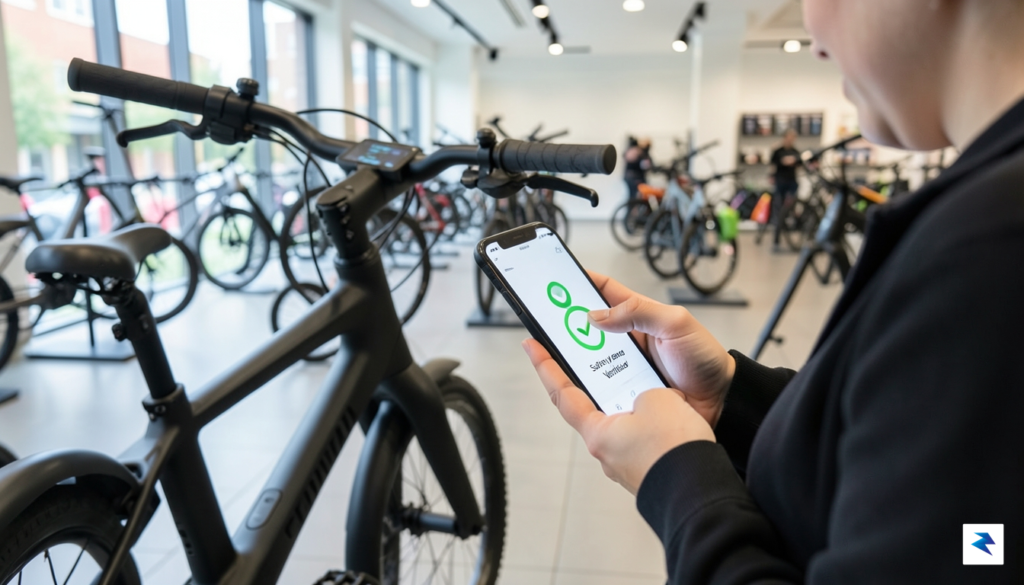
Investing in an electric bicycle is a significant commitment, both in terms of your hard-earned money and your personal safety. Because the market is currently flooded with aggressive marketing and enticingly low price points, it is easy to be swayed by flashy aesthetics and bold claims about range or speed. However, beneath the surface, the integrity of the bike’s electrical system—specifically the battery and charging architecture—is what truly dictates whether your purchase will be a reliable transport tool or a major fire hazard. To navigate this complex landscape, you must act as your own quality control inspector.
The most critical step in your vetting process is verifying official safety certifications. Do not simply take a manufacturer’s word for it when they claim their bike is “safe.” Instead, look for the official UL 2849 certification mark, which is the gold standard for electrical systems in ebikes. This certification signifies that the entire system—battery, motor, and controller—has undergone rigorous testing for fire, electrical, and mechanical safety. If a company claims their battery is “UL certified” but cannot provide a certificate or show the holographic UL mark on the product, you should proceed with extreme caution. You can verify these claims by searching the official UL Product iQ database online to confirm the manufacturer is actually listed.
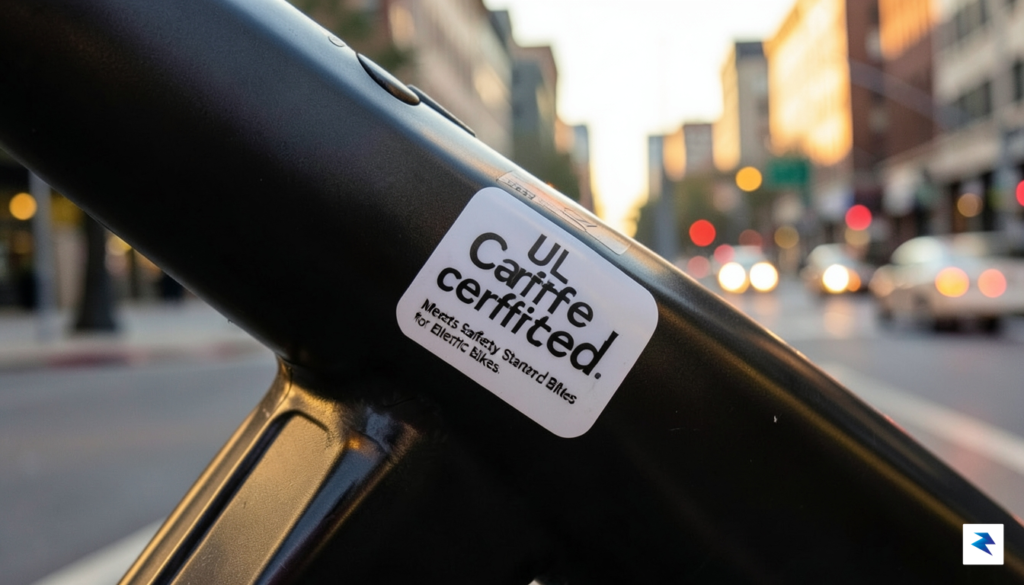
Beyond certifications, you should scrutinize the hardware components that power your ride. High-quality manufacturers typically source their battery cells from reputable, industry-leading companies such as Samsung, LG, or Panasonic. These cells are manufactured with strict quality control standards that prevent thermal runaway and short-circuiting. If a product description is vague, simply stating “high-capacity lithium battery” without naming the cell manufacturer, it is often a red flag that the company is sourcing low-grade, unreliable components to cut costs. Furthermore, if you encounter an ebike deal that seems significantly cheaper than the market average for similar specifications, it is likely that safety corners were cut to keep the price low.
Before finalizing your purchase, always cross-reference the ebike brand name with the U.S. Consumer Product Safety Commission (CPSC) database. This will reveal if the company has been subject to past recalls due to fire risks, battery failures, or faulty wiring.
Finally, never attempt to modify or “fix” an ebike battery on your own. Many battery fires are caused by DIY repairs, the use of aftermarket chargers, or the installation of “hacked” battery packs that aren’t compatible with the bike’s original software. Even if you consider yourself mechanically inclined, lithium-ion battery technology is highly volatile; professional service centers use specialized equipment to test for cell balancing and voltage stability. By sticking to factory-original components and authorized service centers, you ensure that your investment remains a safe, efficient, and sustainable way to travel.

The rapid integration of electric bicycles into our urban landscapes has fundamentally outpaced the legislative frameworks designed to govern them. For years, the industry operated in a figurative “wild west,” where rapid innovation and low barriers to entry allowed for a proliferation of uncertified, potentially hazardous lithium-ion batteries. However, recent legal challenges and a spike in battery-related fire incidents have served as a definitive wake-up call for both consumers and policymakers. We are now witnessing a pivotal shift toward rigorous, mandatory certification standards—such as the UL 2849 safety protocol—that are becoming the new baseline for market entry in major cities and states across the country.
This transition toward strict oversight is not merely about bureaucratic red tape; it is about establishing a foundational level of trust that the burgeoning micro-mobility sector desperately needs to survive. As local governments move to ban the sale of non-certified devices, manufacturers are finding that safety-first engineering is no longer just a regulatory hurdle, but a potent brand differentiator. Companies that invest in transparent supply chains, high-quality battery management systems (BMS), and comprehensive stress testing are beginning to distance themselves from budget-focused competitors who prioritize slim margins over rider safety. This shift suggests that the era of “move fast and break things” is being replaced by a more mature, quality-controlled engineering philosophy.

Looking ahead, the regulatory path forward must balance the need for public protection with the inherent value of electric mobility as a sustainable urban solution. Over-regulation could stifle the very innovation that makes ebikes an accessible alternative to cars, yet a total lack of standards creates unacceptable risks for apartment dwellers and commuters alike. Therefore, the goal for the coming years is to foster an ecosystem where safety is built into the product architecture from the initial design phase rather than being an afterthought. By standardizing manufacturing requirements, we can cultivate a market where innovation flourishes without compromising the lives of the people who use these vehicles daily.
True industry accountability will ultimately be measured not by legal compliance alone, but by the widespread adoption of transparent testing standards that prioritize the long-term integrity of every battery pack sold to the public.
Ultimately, the maturation of the ebike industry depends on its ability to prove that it can police itself before the government has to do it for them. As consumers become more educated about what to look for—such as UL certifications and reputable component brands—the market will naturally favor companies that treat safety as their core product. This evolution toward a standardized, regulated market is the only way to ensure that electric micro-mobility remains a permanent and safe fixture in our cities for generations to come.
You must be logged in to post a comment.