Craneware Data Breach: What Thousands of US Hospitals Need to Know
Understanding the Craneware Cyberattack The recent cybersecurity incident involving Edinburgh-based health-tech firm Craneware has sent a…

At its core, the geopolitical risk premium represents the additional cost that traders and investors bake into the price of crude oil to account for the possibility of future supply disruptions. It is essentially an insurance policy written into the market price; when tensions flare in volatile regions like the Middle East, the market assigns a higher probability to the scenario where tankers are blocked, pipelines are sabotaged, or maritime chokepoints are rendered impassable. Because oil is a globally traded commodity that relies on complex, just-in-time logistical networks, any hint of insecurity forces buyers to bid up prices immediately, often long before a single drop of oil has been physically removed from the market.
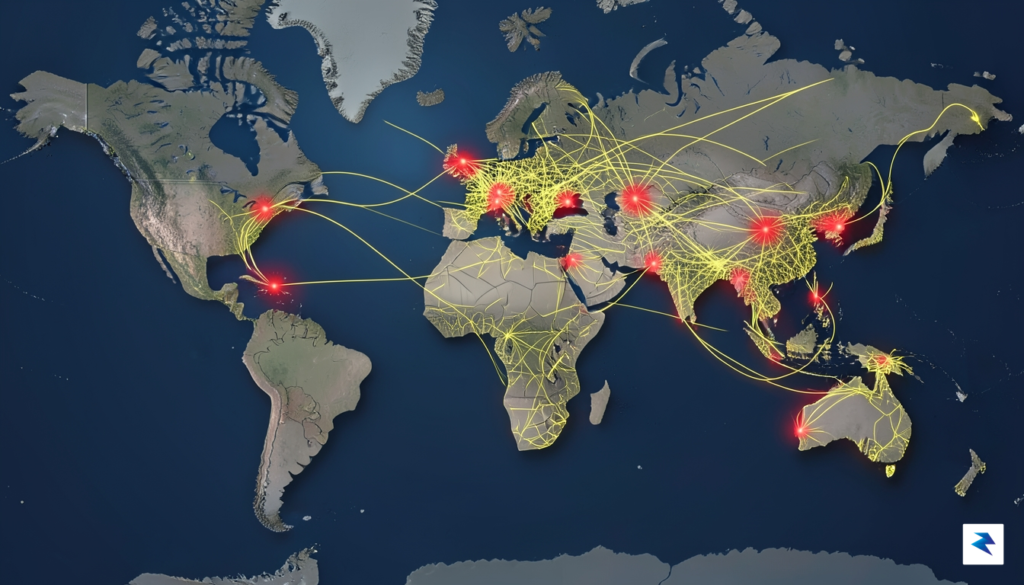
Historically, the correlation between Middle Eastern instability and price spikes has been remarkably consistent, serving as a primary driver of market volatility for decades. The region serves as the world’s “energy heart,” housing a massive percentage of proven reserves and controlling vital transit corridors like the Bab el-Mandeb Strait. When conflict escalates in these areas, the market reflexively recalls past supply shocks—such as those seen in the 1970s or during the Iran-Iraq War—which triggers a “fear premium.” This phenomenon demonstrates that oil prices are not dictated solely by cold, hard arithmetic regarding barrels produced versus barrels consumed, but by the nervous perception of what could happen if the regional status quo collapses.
The geopolitical risk premium functions as a market-based barometer for fear, rising and falling in direct response to the perceived stability of global supply chains rather than the actual volume of oil currently sitting in storage tanks.
The psychological aspect of modern trading cannot be understated, as the rapid dissemination of news headlines often creates a feedback loop of volatility. In the age of high-frequency trading and algorithmic response models, a single report of a drone strike or a maritime threat can trigger automated sell-offs or massive buy orders within milliseconds. Traders are not just reacting to the immediate logistical reality; they are reacting to the behavior of other traders. This leads to a distinct separation between speculative price hikes—driven by fear and anticipation—and the actual physical supply-demand imbalances that typically define long-term market trends. While a physical shortage causes a price spike based on scarcity, the current market tension is largely a response to the uncertainty of future safety, creating a premium that is as much about human anxiety as it is about energy security.

The Bab el-Mandeb strait, a narrow waterway separating the Arabian Peninsula from the Horn of Africa, serves as one of the world’s most critical maritime chokepoints. Connecting the Red Sea to the Gulf of Aden and the broader Indian Ocean, it acts as the essential gateway to the Suez Canal. For the global energy industry, this passage is far more than a mere geographic feature; it is a vital artery that facilitates the transit of millions of barrels of crude oil and refined petroleum products every single day. When this narrow passage is compromised, the synchronized flow of global energy markets is immediately disrupted, creating a ripple effect that touches everything from refinery operations in Europe to consumer pump prices in North America.
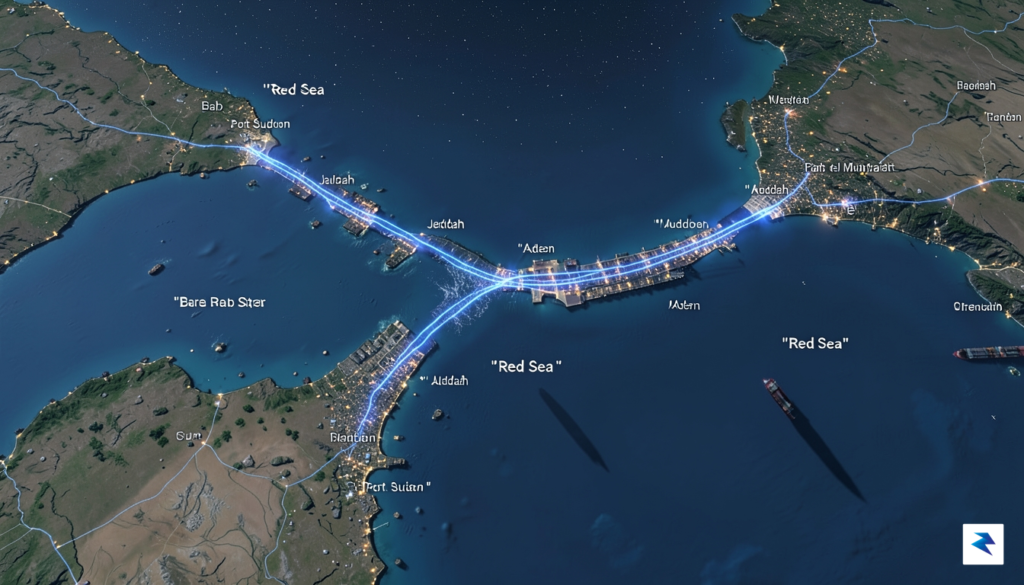
The sheer volume of energy transit through this region underscores its strategic importance. A significant portion of the oil produced in the Persian Gulf destined for European and North American markets must navigate this route to avoid the prohibitively long journey around the African continent. When regional instability forces shipping companies to bypass the Red Sea, the logistical consequences are severe. Rerouting vessels around the Cape of Good Hope adds thousands of miles to a voyage, often extending transit times by two weeks or more. This detour does not merely delay delivery; it fundamentally alters the economics of global shipping by driving up fuel consumption, increasing insurance premiums, and tightening the availability of tanker capacity worldwide.
The redirection of global shipping routes is not just a logistical hurdle; it is a costly structural shift that pressures inflation and degrades the efficiency of the international oil supply chain.
Furthermore, the reliance on the Suez-Red Sea corridor is a testament to the efficiency of modern global trade, but that efficiency is inherently fragile. Because modern oil markets operate on a “just-in-time” delivery model, even a minor disruption in the Bab el-Mandeb can lead to significant localized shortages and price volatility. Shipping firms are often forced to weigh the high cost of security measures against the extreme expense of longer voyages. As these tensions persist, the market remains on high alert, constantly pricing in the risk that this essential gateway could be closed, either partially or entirely. Understanding this geography is essential for grasping why even small-scale military skirmishes in the region hold the power to rattle the foundations of the global economy.
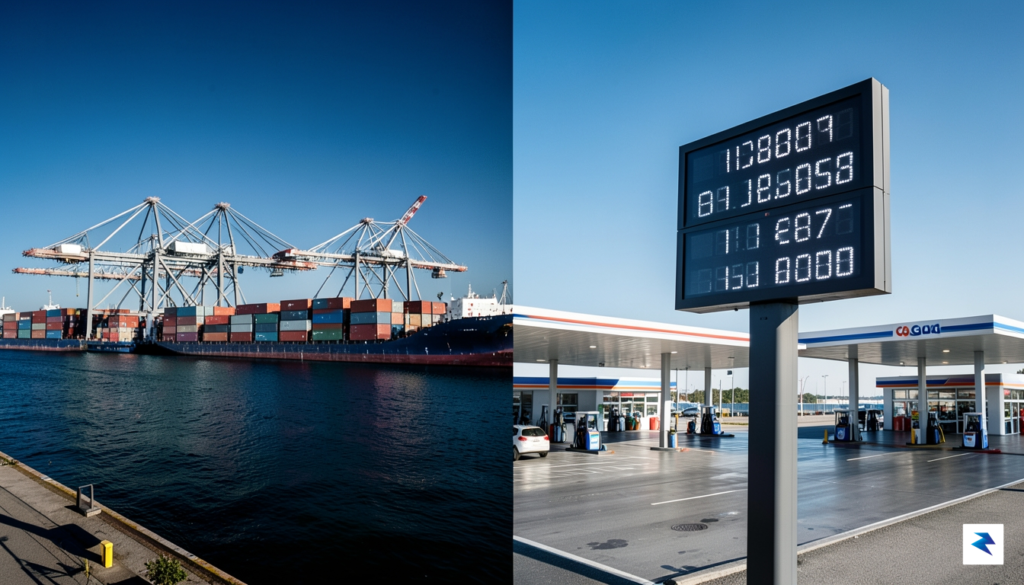
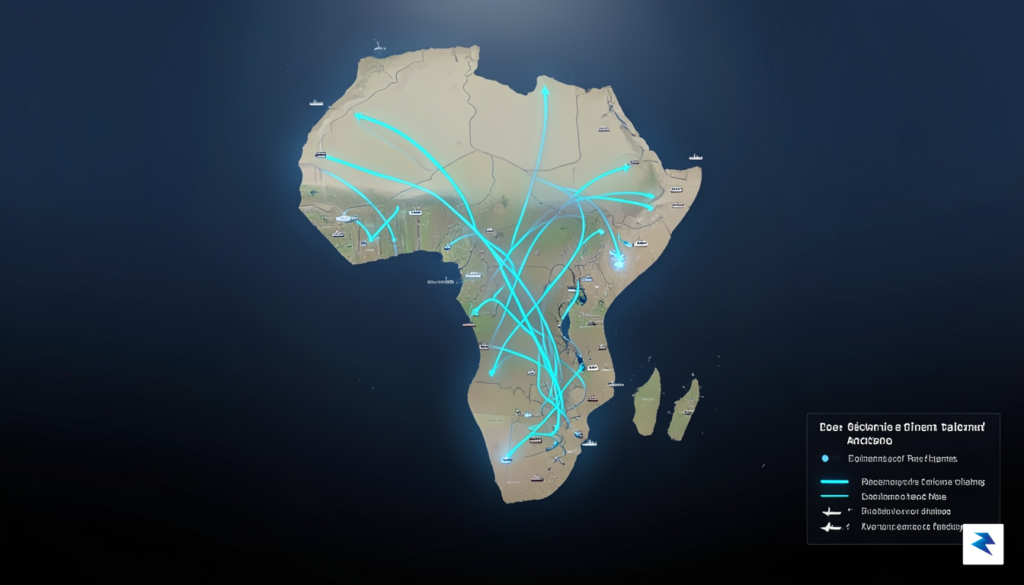
The global energy market operates on a delicate, highly synchronized system known as “just-in-time” delivery, where oil is rarely sitting in vast stockpiles but is instead constantly moving through a massive, interconnected maritime pipeline. When maritime security is compromised in critical chokepoints like the Red Sea, the entire logic of this efficiency collapses. Carriers are forced to reroute vessels around the Cape of Good Hope, adding thousands of miles and weeks of transit time to their journeys. This displacement does not merely create a temporary delay; it effectively shrinks the available global tanker fleet by removing ships from active rotation, creating a logistical bottleneck that ripples outward with immediate consequences for supply availability.
Beyond the physical reality of longer routes, the financial burden of operating in high-risk zones is profound. Insurance companies, facing a volatile geopolitical landscape, have drastically increased “war risk” premiums for tankers navigating these troubled waters. These costs are far from trivial; they represent a significant markup on every barrel of crude oil or refined product transported. Because the oil industry operates on thin margins for transport, these added expenses—fuel for the longer journey, increased crew wages, and skyrocketing insurance premiums—must be absorbed somewhere along the supply chain. Ultimately, the burden is passed down the line, moving from the shipping company to the refiner, the wholesaler, and finally, the retail distributor.
The price at the pump is the final destination of a long, complex chain of risk assessments and logistical surcharges that start thousands of miles away in the maritime corridors of the Middle East.
For the average consumer, these market dynamics manifest as an unwelcome rise in the cost of gasoline and heating oil. While it is easy to view fuel prices as a simple reflection of global crude benchmarks, they are actually a composite of production costs, refining spreads, and, crucially, the “logistical premium” required to move energy from where it is drilled to where it is consumed. When shipping security is threatened, that premium swells, effectively acting as an inflationary tax on energy. As supply chains struggle to compensate for the unpredictability of Middle Eastern shipping lanes, the localized tension translates into a broader, more persistent upward pressure on consumer energy costs, demonstrating just how fragile the global economy remains in the face of maritime instability.
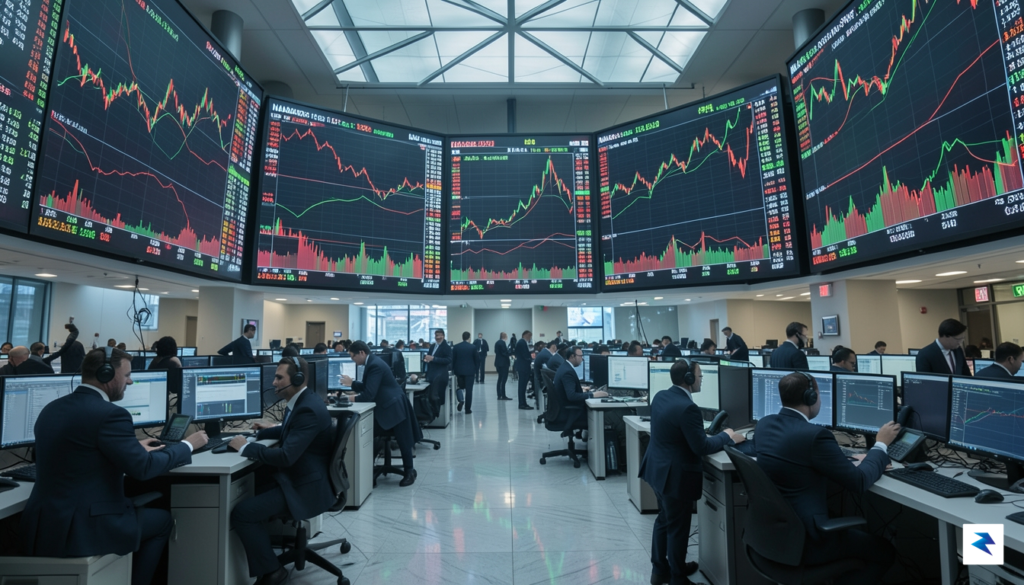
The recent ascent of crude oil prices toward the $90-per-barrel threshold serves as a masterclass in how market psychology can temporarily override fundamental supply realities. When news of Houthi rebel activity in the Red Sea first dominated the headlines, traders reacted with a classic “panic buy,” pricing in a worst-case scenario where global maritime corridors would be effectively severed. This sentiment-driven surge was less about an immediate shortage of barrels and more about the fear of the unknown, as investors scrambled to hedge against potential logistical nightmares that could choke energy transit routes. However, once the initial shock subsided, the market began to reconcile the dramatic headlines with the more grounded reality of current energy balances.
This cooling period highlights a distinct disconnect between the visceral reactions of the trading floor and the actual state of physical supply. Despite the elevated rhetoric surrounding Middle Eastern instability, the global market is currently bolstered by robust production levels from the United States and the deliberate, albeit restrictive, supply management policies of OPEC+. These physical pillars act as a stabilizing force, preventing a sustained price breakout even when geopolitical tensions are at their zenith. The market eventually recognized that while the threat to shipping is genuine and concerning, it has not yet resulted in a significant, physical interruption of global oil flow, leading to a natural retracement from the $90 peak.
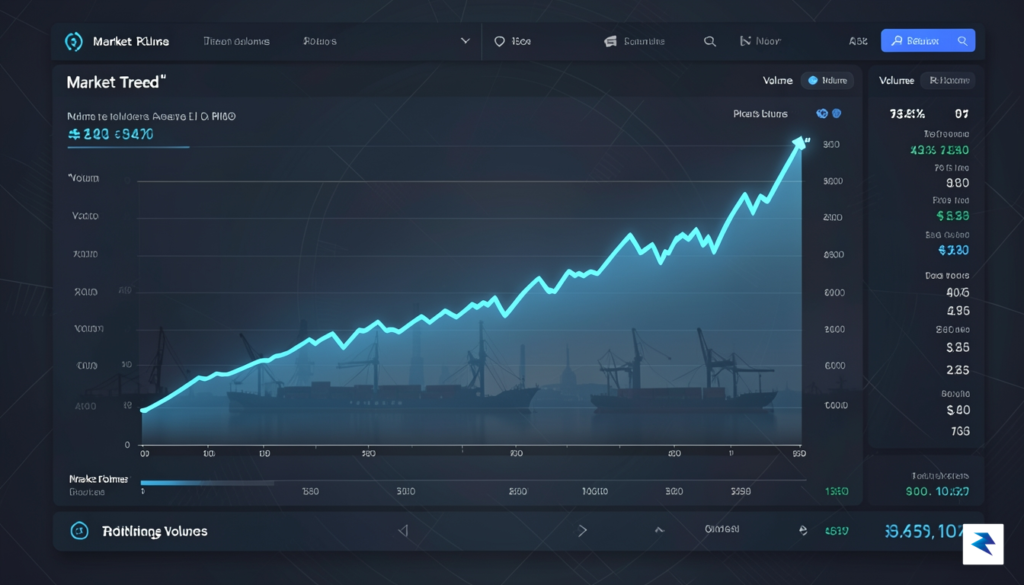
Furthermore, the modern energy market is no longer dictated solely by human traders; it is heavily influenced by high-frequency algorithmic systems. These algorithms are programmed to react instantaneously to keyword triggers and volatility spikes, often amplifying minor fluctuations into significant market moves. When headlines regarding regional conflicts hit the wire, these systems can induce a feedback loop, driving prices higher in a matter of seconds before human analysts have even had the chance to verify the severity of the news. This digital acceleration means that volatility is now a baked-in feature of the energy landscape, rather than an outlier event.
The core of modern oil volatility lies in the gap between the speed of information and the slowness of physical supply chain disruption.
Ultimately, navigating this environment requires a disciplined ability to distinguish between noise and structural shifts. While traders may be quick to chase every geopolitical spark, the long-term price trajectory remains tethered to the fundamental data of production, consumption, and inventory stockpiles. By looking past the immediate, algorithmic-driven turbulence, stakeholders can better understand that while regional threats are a persistent risk, they do not always equate to a fundamental breakdown in the global supply chain. This nuanced perspective is essential for anyone aiming to make sense of the erratic swings that have come to define the contemporary energy market.
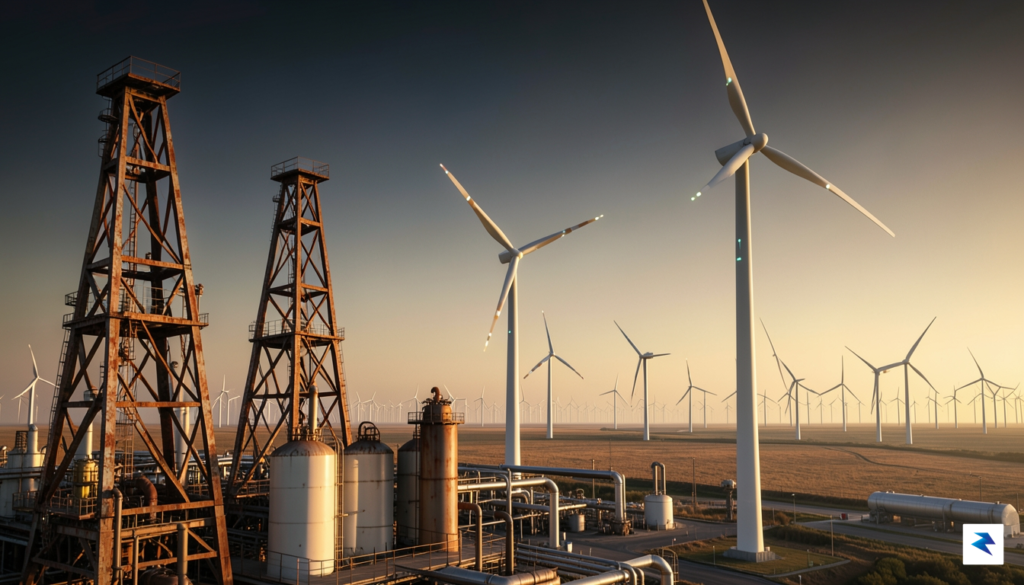
The persistent volatility in the Red Sea has served as a sobering wake-up call for global policymakers, highlighting the inherent fragility of long-haul energy supply chains. For decades, the global economy has functioned on the assumption that maritime chokepoints would remain open, allowing oil to flow seamlessly from producers to consumers. However, as geopolitical tensions flare, nations are increasingly viewing energy security not merely as a matter of market availability, but as a critical component of national defense. This shift is driving a fundamental reassessment of how countries source, store, and consume energy, moving away from a single-track reliance on vulnerable transit routes toward a more resilient, multifaceted architecture.
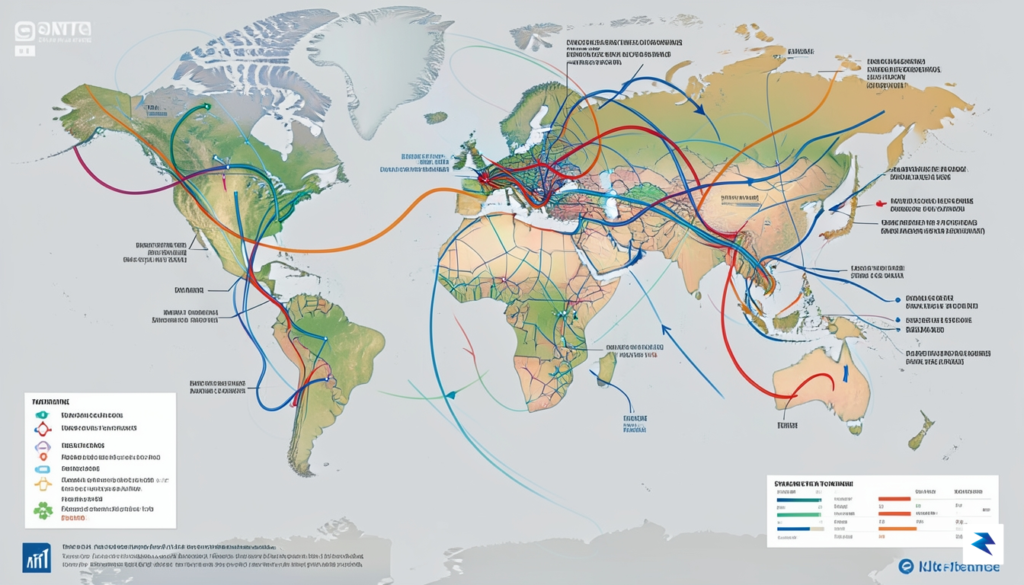
One of the most immediate strategies being employed to insulate economies from regional shocks is the strategic management of petroleum reserves. By maintaining significant inventories, major importing nations act to buffer the domestic market against abrupt supply disruptions and the resulting price spikes. While these reserves are a temporary fix rather than a permanent solution, they provide essential breathing room during periods of high geopolitical tension. Furthermore, many countries are now aggressively investing in localized energy production. By incentivizing domestic extraction and refining, as well as fast-tracking renewable energy infrastructure, nations aim to decouple their economic health from the volatility of international shipping lanes. The logic is clear: the less a country depends on oil crossing a conflict-prone maritime corridor, the less leverage regional actors have over its domestic stability.
Energy independence is no longer just an environmental goal; it is a vital pillar of national security strategy that minimizes exposure to geopolitical instability.
Looking further into the future, the global energy transition is being re-contextualized as a geopolitical security strategy rather than just an environmental imperative. Diversification is the watchword of this new era; by integrating a wider mix of energy sources—including nuclear, wind, solar, and hydrogen—governments are effectively lowering the systemic risk associated with fossil fuel transport. This transition helps mitigate the impact of localized conflicts by reducing the aggregate demand for crude oil that must transit through high-risk zones. Ultimately, the long-term goal is to build an energy grid that is distributed rather than centralized. As countries diversify their energy portfolios, they create a redundant system that can withstand localized disruptions, ensuring that a single blockade or regional skirmish cannot paralyze a modern industrial economy.
You must be logged in to post a comment.