Archer and Anduril: The Evolution of Dual-Use Electric Aviation
The Strategic Pivot: From Urban Commuter to Defense Asset For years, the narrative surrounding electric vertical takeoff and landing (eVTOL)…
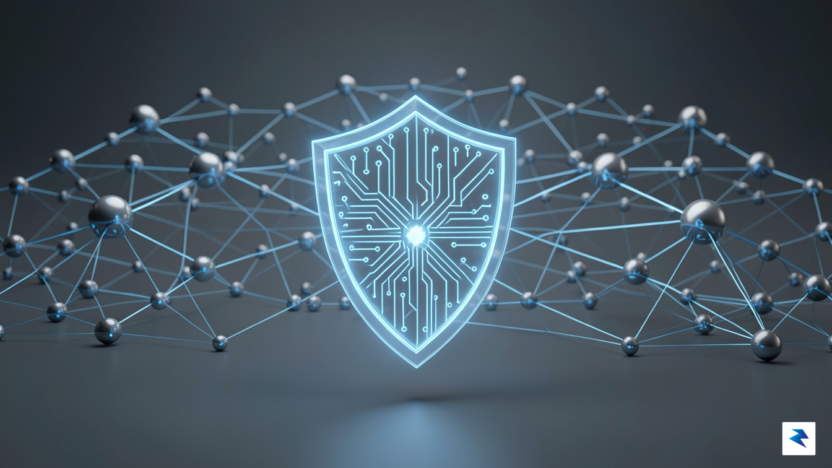

The recent cybersecurity incident involving Edinburgh-based health-tech firm Craneware has sent a ripple of concern throughout the American healthcare infrastructure. As a cornerstone provider of automated billing, claims management, and revenue cycle software, Craneware serves as a digital backbone for thousands of U.S. hospitals, pharmacies, and clinical providers. Because their platforms are deeply integrated into the financial and administrative workflows of these institutions, any disruption or compromise to their environment carries significant weight. Unlike a standard technical outage or a temporary software glitch, this event has been confirmed as a data exfiltration incident, meaning unauthorized actors successfully accessed and removed sensitive information from the company’s internal systems.
Craneware moved to acknowledge the breach shortly after detecting the unauthorized activity, confirming that a “significant” volume of data was compromised during the intrusion. While the company has been working diligently alongside external cybersecurity experts and law enforcement to assess the full scope of the impact, the distinction between this breach and a mere service interruption is critical. A software outage typically results in a loss of functionality or administrative delays, but a data exfiltration event represents a fundamental failure of confidentiality, potentially exposing patient-related billing data and proprietary operational records to malicious third parties.

The severity of this situation is underscored by the sheer scale of Craneware’s footprint in the healthcare industry. Their software is frequently used to manage complex reimbursement processes, making the firm a repository for sensitive organizational data that, if leaked, could be exploited for targeted phishing, fraud, or broader identity theft campaigns. For the thousands of facilities reliant on these tools, the incident serves as a stark reminder of the risks associated with third-party software dependencies. Organizations that rely on cloud-integrated billing systems must now grapple with the uncertainty of how much of their own data—and by extension, their patients’ information—may have been swept up in the theft.
The breach serves as a vital reminder that in the modern healthcare ecosystem, the security of a hospital is inextricably linked to the security of the third-party vendors they trust to manage their critical revenue operations.
Moving forward, the primary focus for both Craneware and its client base is the forensic investigation required to map the exact nature of the stolen files. While the firm has stated they are taking all necessary steps to contain the threat and secure their environment, the long-term ramifications remain to be seen. Industry experts are closely monitoring the situation to determine whether the stolen data is being leveraged for immediate financial gain or if it will be held for ransom. In the meantime, hospitals and pharmacies nationwide are advised to remain vigilant, auditing their own connections to the Craneware platform and preparing for potential follow-on security requirements as more details emerge from the ongoing investigation.

The modern healthcare landscape is defined by an intricate, interconnected web of digital dependencies that, while fostering unprecedented efficiency, has simultaneously introduced critical systemic risks. Medical facilities no longer operate as isolated fortresses; instead, they rely on a vast ecosystem of third-party vendors to manage everything from patient scheduling and electronic health records to complex insurance claims and reimbursement cycles. This reliance on external service providers has created a sprawling attack surface that cybercriminals are now exploiting with surgical precision. When a single billing platform serves thousands of institutions, that software effectively becomes a “single point of failure,” where one successful breach can paralyze revenue operations across the entire country.
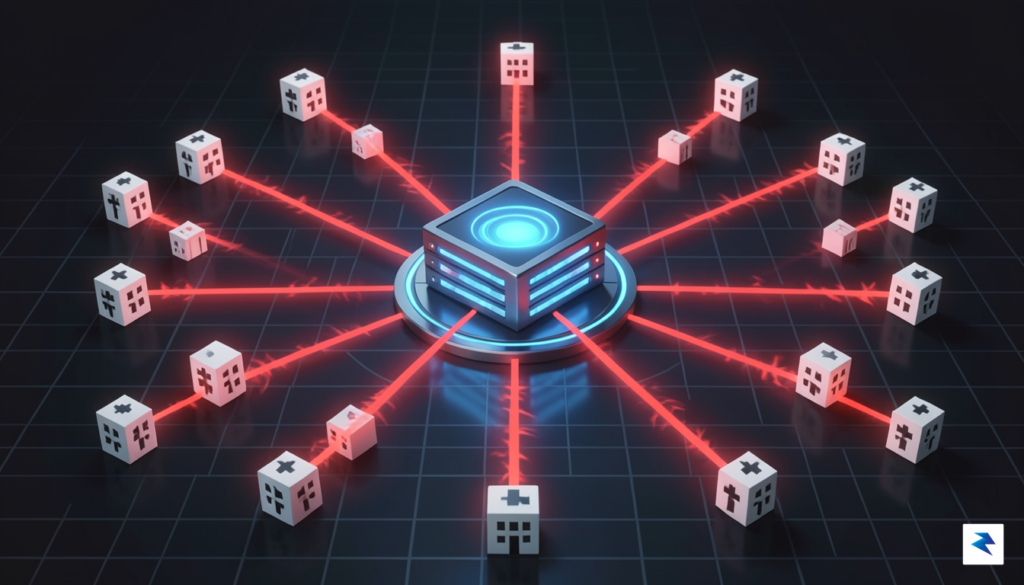
The shift in tactics among ransomware groups and data-theft syndicates is both calculated and alarming. Rather than expending significant resources to breach individual hospitals—which may have varying levels of localized security—bad actors have pivoted toward targeting the centralized software vendors that act as the backbone of the industry. By infiltrating a single high-value service provider, attackers can gain unauthorized access to the sensitive personal and financial data of millions of patients simultaneously. This “one-to-many” approach maximizes the potential leverage for extortion, as the service provider’s downtime directly impacts the financial viability of countless medical practices and hospitals, creating a massive, collective urgency to resolve the incident.
The move toward targeting centralized software infrastructure represents a paradigm shift where hackers no longer hunt for individual targets, but rather for the digital supply chains that underpin entire sectors of the economy.
Furthermore, the complexity of these billing platforms often hides vulnerabilities that remain unpatched for extended periods, providing a window of opportunity for sophisticated threat actors. Because these systems house troves of highly valuable data—including Social Security numbers, insurance details, and diagnostic codes—they are perpetually in the crosshairs of data brokers and state-sponsored hackers. As healthcare providers continue to prioritize digital transformation, the responsibility for securing this data is increasingly shared between the clinic and the vendor. Unfortunately, as the recent breach illustrates, a security oversight at the vendor level can instantly translate into a widespread operational crisis for the thousands of institutions that rely on that software to keep their doors open.
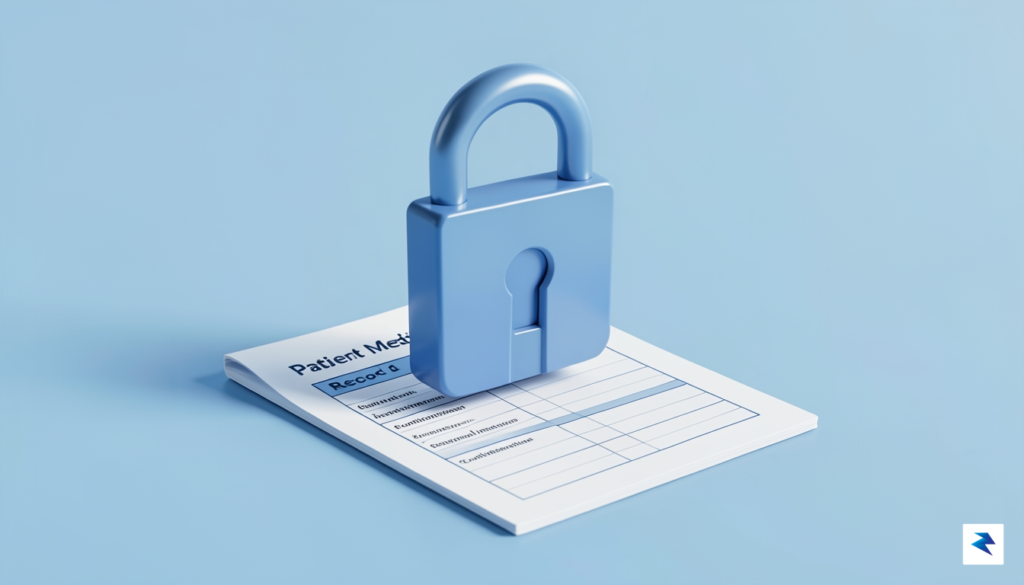
The recent security incident involving revenue cycle management platforms creates a complex web of vulnerability, primarily because these systems act as a critical intersection between clinical care and financial administration. While forensic investigations are currently working to delineate the specific extent of the intrusion, the architecture of such software suggests that a vast array of sensitive data points may have been accessed. Revenue cycle management systems are not merely accounting tools; they are comprehensive repositories that link an individual’s medical journey with their financial profile, creating a high-stakes environment for data privacy.
At the core of this exposure is the convergence of Personally Identifiable Information (PII) and Protected Health Information (PHI). When these two categories of data are intertwined, the risk to the individual escalates significantly. Beyond standard identifiers such as full names, dates of birth, and Social Security numbers, the breach likely encompasses detailed health records, including diagnostic codes, treatment plans, and prescription histories. Because billing software must verify coverage to process claims, it also houses extensive insurance details, including policy numbers, group identifiers, and patient liability records. This combination of data creates a complete profile of a patient’s life, which is precisely why it is so highly coveted by cybercriminals operating on the dark web.
The malicious value of this specific data set cannot be overstated. Unlike a simple credit card breach, which can be mitigated by cancelling a card, the theft of medical and insurance information leads to long-term identity theft that is notoriously difficult to remediate. Criminals utilize this information to facilitate fraudulent insurance claims, obtain prescription drugs, or engage in sophisticated “medical identity theft,” where a perpetrator assumes a victim’s identity to receive medical services. This creates a lasting nightmare for patients, as their medical records may become permanently tainted with the perpetrator’s health history, leading to potentially dangerous errors in future clinical care.
The primary danger of this breach lies in the permanence of the compromised data. While financial passwords can be updated, health records and insurance identifiers are static, long-term assets that expose victims to identity fraud for years after the initial incident.
Furthermore, the inclusion of transaction history—which logs what services were rendered, where they occurred, and how much was paid—provides bad actors with the necessary context to craft highly convincing phishing campaigns. By leveraging legitimate billing details, attackers can contact victims posing as healthcare providers or insurance adjusters, making it significantly easier to extract additional funds or deeper personal information. As the industry grapples with the aftermath of this incident, it is clear that the integration of clinical and financial data, while efficient for hospital operations, introduces a massive surface area for risk that requires vigilant monitoring and robust identity protection measures for all affected patients.

For the millions of patients whose sensitive information has been swept up in this breach, the consequences extend far beyond a momentary technical glitch. Medical records are among the most private assets an individual possesses, containing deeply personal history that, if exposed, can lead to long-term devastation. Beyond the immediate risk of identity theft, victims now face the looming threat of medical fraud, where bad actors could use stolen identifiers to obtain services, prescriptions, or insurance payouts in a patient’s name. This creates a nightmare scenario for victims, as falsified entries in their medical records can lead to dangerous errors in future care, potentially causing long-term complications or misdiagnoses that could persist for years.
For healthcare providers, the operational strain caused by the compromise of a critical third-party vendor is immediate and profound. When billing and administrative systems go dark, hospitals and pharmacies are often forced to revert to manual, paper-based workflows, which significantly slows down patient intake, medication dispensing, and insurance verification. This disruption creates a bottleneck in care delivery, increasing the risk of human error during transition periods and placing immense pressure on staff to maintain standards of patient safety under duress. As these institutions scramble to restore normal operations, the financial implications—ranging from unbilled services to the cost of emergency IT remediation—begin to compound rapidly.
Navigating the fallout of a vendor breach is further complicated by stringent regulatory obligations. Under the Health Insurance Portability and Accountability Act (HIPAA), healthcare providers are not merely passive victims; they bear the legal responsibility of ensuring the integrity of patient data, even when that data is managed by a third-party partner. Following such an event, providers must conduct thorough risk assessments and adhere to strict notification timelines. This involves notifying both the Department of Health and Human Services and every individual patient whose information may have been compromised, a process that is both logistically expensive and legally precarious.
The true cost of a data breach is often measured in the erosion of the patient-provider relationship, which takes years to build and only seconds to fracture.
Perhaps the most insidious impact of this breach is the potential degradation of public trust. Patients visit hospitals and pharmacies with the expectation that their most vulnerable information will be guarded with the highest level of security. When that trust is broken, it can lead to a long-term reluctance to share essential health information with clinicians, which ultimately compromises the quality of care. Restoring this faith requires transparency, proactive communication, and a clear demonstration that the provider is taking every necessary step to prevent future recurrences, a burden that falls squarely on the shoulders of the institutions that were supposed to be the gatekeepers of this sensitive data.

The recent security incident involving a key technology partner serves as a stark reminder that the digital perimeter of a healthcare organization extends far beyond its own physical walls. To navigate an increasingly hostile cyber landscape, hospitals and pharmacy chains must pivot from passive compliance to a proactive, multi-layered defense strategy. This transformation begins with rigorous third-party risk management; organizations can no longer afford to take vendor security certifications at face value. Instead, procurement and IT teams must demand continuous, evidence-based security audits and transparency regarding how partners handle sensitive patient information, ensuring that every link in the supply chain adheres to the same stringent standards as the hospital itself.
Beyond external vetting, the internal architecture of healthcare systems requires a fundamental shift toward a Zero-Trust security model. In this framework, the assumption that any user or device is inherently trustworthy is discarded entirely. By implementing strict access controls, such as multi-factor authentication (MFA) and granular, least-privilege access policies, organizations can effectively contain a breach if one occurs. Even if a bad actor manages to compromise a single credential or workstation, a Zero-Trust environment prevents lateral movement, acting as a digital firebreak that keeps patient records isolated and secure from widespread exfiltration.
The most resilient organizations are those that treat cybersecurity not as a static IT requirement, but as an evolving clinical competency that is vital to patient safety and operational continuity.

Technical controls are only as effective as the people and policies supporting them, making rapid incident response planning an absolute necessity. Healthcare providers should conduct regular, high-stress tabletop exercises that simulate large-scale data breaches, involving both executive leadership and clinical staff to ensure everyone understands their role during a crisis. These simulations should focus on maintaining patient care continuity while systems are offline, ensuring that the urgency of the medical environment does not compromise the integrity of the forensic investigation or the notification process.
Looking toward the future, the integration of artificial intelligence and machine learning into security operations will likely become the standard for predictive threat detection. By utilizing automated tools that can identify anomalous patterns in real-time—such as unusual data export volumes or unauthorized access attempts—hospitals can pivot from reacting to historical incidents to preventing them before they escalate. As digital health continues to expand, the synergy between robust encryption protocols, human vigilance, and adaptive technology will define the next generation of patient data protection, ultimately fostering the trust necessary for a truly connected healthcare ecosystem.
You must be logged in to post a comment.