
Why China’s Egg Prices Are Skyrocketing: A Deep Dive into the Crisis
The Cultural and Economic Weight of the Egg in China In China, the humble egg transcends its role as a mere breakfast ingredient; it is the…


For the modern service member, the smartphone has become as essential to mission readiness as a rucksack or a sidearm. From specialized financial planning tools designed to manage military pay and benefits to hyper-personalized fitness trackers that help troops maintain physical standards, the digital ecosystem has revolutionized how those in uniform navigate their personal and professional lives. These applications offer undeniable convenience, streamlining everything from remote communication with family back home to logistical coordination during deployments. However, this reliance on third-party software has created a sprawling, largely unregulated attack surface that adversarial nations are increasingly eager to exploit.
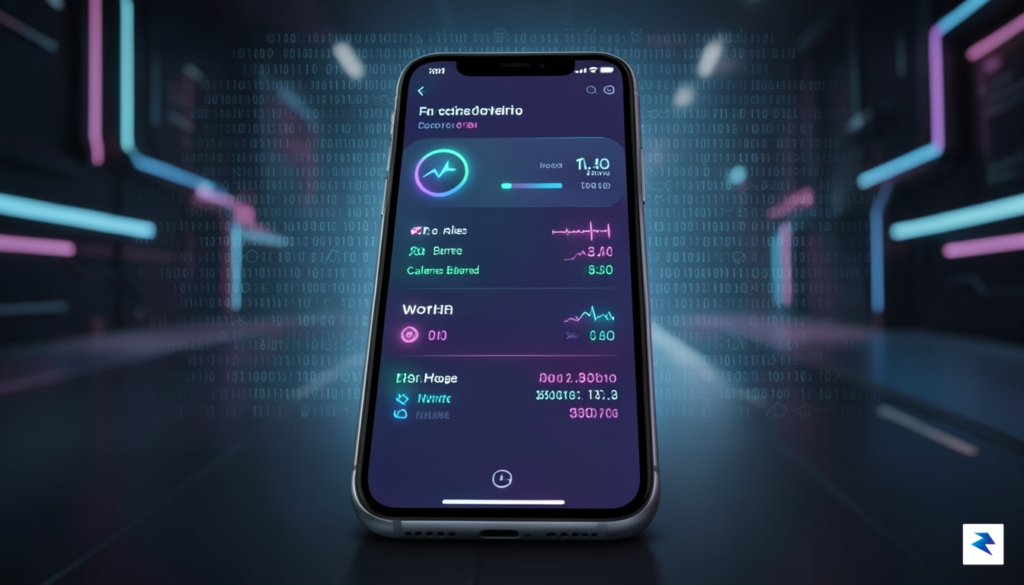
The danger lies in the invisible architecture supporting these tools. Recent investigations into the digital supply chain have unveiled a sobering reality: a significant percentage of apps specifically marketed toward the military community are embedding proprietary code originating from countries like China and Russia. It is estimated that more than 12% of these applications contain foreign-sourced software libraries, which are often integrated by developers to cut costs or accelerate release timelines. While these snippets of code may appear harmless on the surface, they essentially act as digital Trojan horses, providing a potential gateway for sophisticated actors to harvest sensitive location data, personal identifiers, and behavioral patterns from the very individuals tasked with national security.
The integration of foreign-sourced code into military-targeted applications transforms a benign fitness tracker or financial calculator into a high-fidelity intelligence collection device.
The implications of this data harvesting go far beyond simple privacy concerns. When a service member uses an app that transmits location history or network metadata to servers located in adversarial territories, they are inadvertently mapping out military operations and personnel movements. These data points can be aggregated, analyzed, and cross-referenced with other stolen datasets to build profiles on individuals with high-level security clearances. What begins as a user-friendly way to track a marathon time or balance a checkbook can quickly spiral into a critical operational security breach, leaving the Department of Defense with the monumental task of securing a frontline that exists entirely in the palms of its personnel’s hands.
To address this threat, it is essential to understand that the vulnerability is not necessarily in the app’s primary function, but in the hidden “dependencies” that developers import from public repositories. By failing to vet the provenance of every line of code, developers are effectively handing over a “digital key” to foreign intelligence services. As the military continues to integrate civilian technology into the daily routine of its forces, the urgency of implementing strict supply chain security protocols has never been higher. Awareness is the first line of defense; understanding that convenience often carries a hidden cost is the only way for service members to protect both their personal data and the security of the missions they serve.
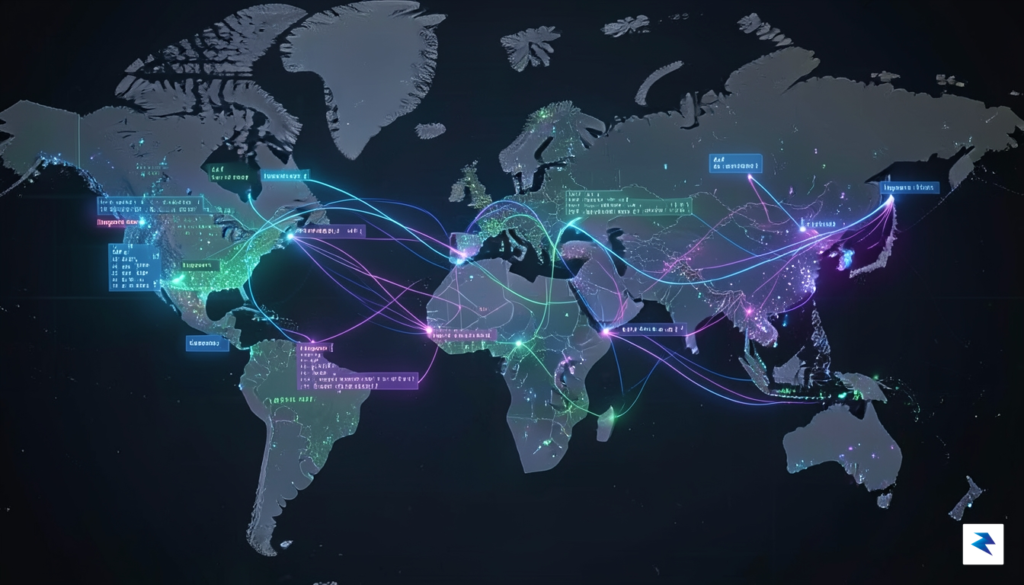
The modern software ecosystem is built on a foundation of modularity, where developers rarely write every line of code from scratch. Instead, they rely on a vast, interconnected network of third-party libraries, open-source frameworks, and Software Development Kits (SDKs) to accelerate the production of new applications. While this approach is undeniably efficient, it has fundamentally transformed the software supply chain into a complex web that is increasingly difficult to audit. When an app developer integrates a pre-built module—perhaps to handle push notifications, ad analytics, or location tracking—they are essentially importing a “black box” of code into their environment. If that specific library was authored, maintained, or even partially contributed to by entities in nations like China or Russia, the resulting application inherits that foreign footprint, often without the developer’s explicit knowledge or consent.
This infiltration often happens through the extensive use of global software repositories. Developers typically fetch these dependencies from centralized platforms, where code can be uploaded, updated, and distributed by anyone across the globe. Because these libraries are updated frequently, a module that was deemed secure during its initial integration could later be compromised through a malicious update, or it may have contained backdoors from the very beginning. The problem is compounded by the sheer depth of these dependencies; a single app might rely on dozens of primary libraries, each of which in turn relies on dozens more. This “dependency hell” means that even a well-intentioned U.S. developer may be pulling in code from a chain of contributors that spans hostile jurisdictions, creating a backdoor that bypasses traditional security vetting.
The security of a modern application is only as strong as the weakest link in its entire dependency tree, making the origin of every line of code a matter of national security.
To make matters more complex, many of these SDKs are designed to be “invisible,” operating quietly in the background to collect behavioral data or track user movement. For developers, these tools offer an easy way to monetize an app or gather vital performance metrics, but the trade-off is often a total loss of visibility into where that data is being sent. When a developer imports a library from a foreign-owned firm, they are essentially granting that firm a window into the app’s internal environment. If the app is being used by military personnel, the risk profile shifts dramatically; the same code used to track civilian shopping habits can just as easily be repurposed to map the movements of soldiers, log their locations, or exfiltrate sensitive device metadata back to servers located in adversarial territories.
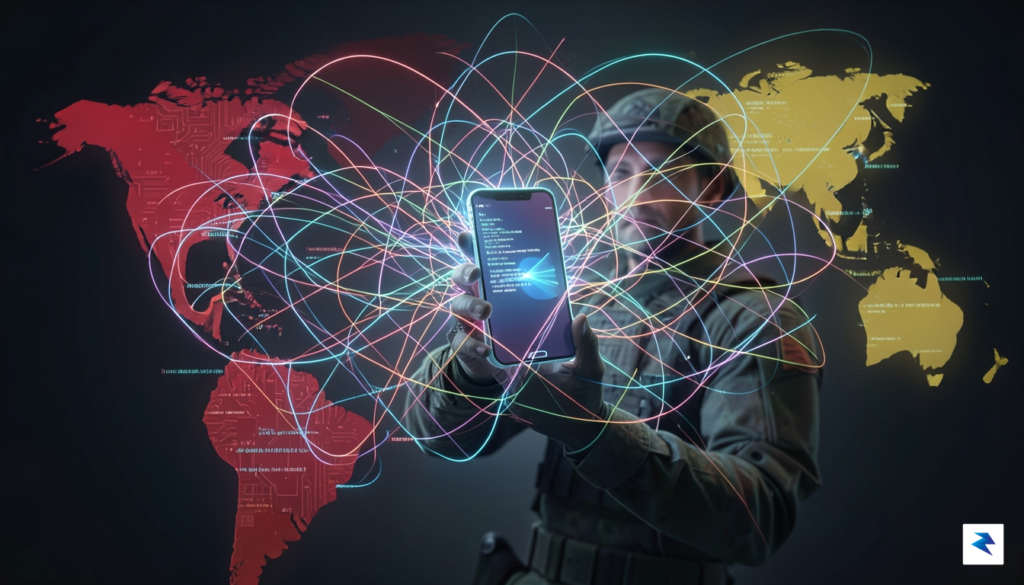
Ultimately, the challenge lies in the lack of transparency within the digital supply chain. Most developers are not performing deep-packet inspections or binary analysis on every third-party component they integrate, largely because the task is technically prohibitive and time-consuming. Without rigorous, automated tools that can map the provenance of every line of code, foreign-developed modules will continue to slip through the cracks. As long as the primary goal of app development remains speed-to-market, the structural vulnerabilities inherent in global code sharing will continue to provide state-sponsored actors with a subtle, yet highly effective, avenue for intelligence gathering.

When an application containing obfuscated or foreign-sourced code is installed on a service member’s device, the risk transcends the typical concerns of targeted advertising or identity theft. It enters the critical realm of national security, where the convergence of granular data collection and adversarial intent can have devastating consequences. These applications frequently demand broad permissions that grant them unfettered access to a device’s most sensitive sensors and databases, including real-time GPS telemetry, comprehensive contact lists, and internal microphone or camera logs. Because this code often operates in the background, users remain largely unaware of the extent to which their daily digital footprint is being exfiltrated to servers located in jurisdictions hostile to American interests.
The danger is compounded by the sheer volume and variety of data harvested by these seemingly innocuous tools. For instance, fitness trackers and health-oriented apps marketed to military personnel often collect biometric data, such as heart rate variability, sleep quality, and precise exercise routes. When integrated with geolocation services, this information allows foreign intelligence agencies to construct a highly accurate “pattern of life” profile for individual soldiers. By observing repeated transit patterns, late-night activity levels, or the specific timing of physical training, adversaries can identify vulnerabilities in security protocols or predict the deployment status of personnel long before official announcements are made.
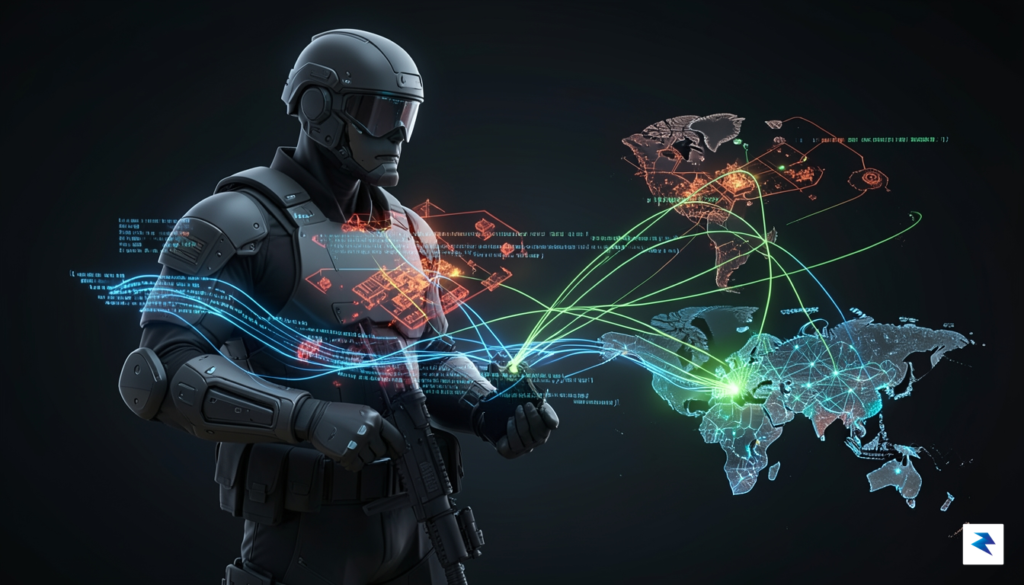
The aggregation of seemingly mundane metadata—like where a soldier runs, who they call, and when they are active—forms a mosaic of intelligence that, when pieced together, reveals operational secrets that no single data point could expose on its own.
Furthermore, the inclusion of embedded software libraries from foreign developers creates a permanent backdoor that can be exploited for more than just passive surveillance. If these apps contain vulnerabilities or “time-bomb” features, they could potentially be leveraged to intercept encrypted communications or exfiltrate financial data, creating leverage for coercion or blackmail. This is not merely about protecting privacy; it is about preventing the exploitation of personnel who are already high-value targets. By mapping social networks and cross-referencing contact lists, adversarial actors can identify familial relationships or professional associations, effectively turning a service member’s own smartphone into a persistent, involuntary intelligence-gathering asset that serves the very regimes the military is sworn to deter.

The Department of Defense (DoD) maintains an incredibly rigid, multi-layered security architecture for government-furnished equipment. These devices undergo rigorous vetting, encryption, and continuous monitoring to ensure that sensitive operational data remains shielded from foreign intelligence services. However, this fortress-like security posture encounters a massive, porous reality when soldiers step off-duty and pick up their personal smartphones. The prevalence of the “Bring Your Own Device” (BYOD) culture within the military has created a dangerous disconnect where the high-level security protocols applied to tactical gear are completely absent from the very platforms service members use to manage their personal lives, banking, and communications.
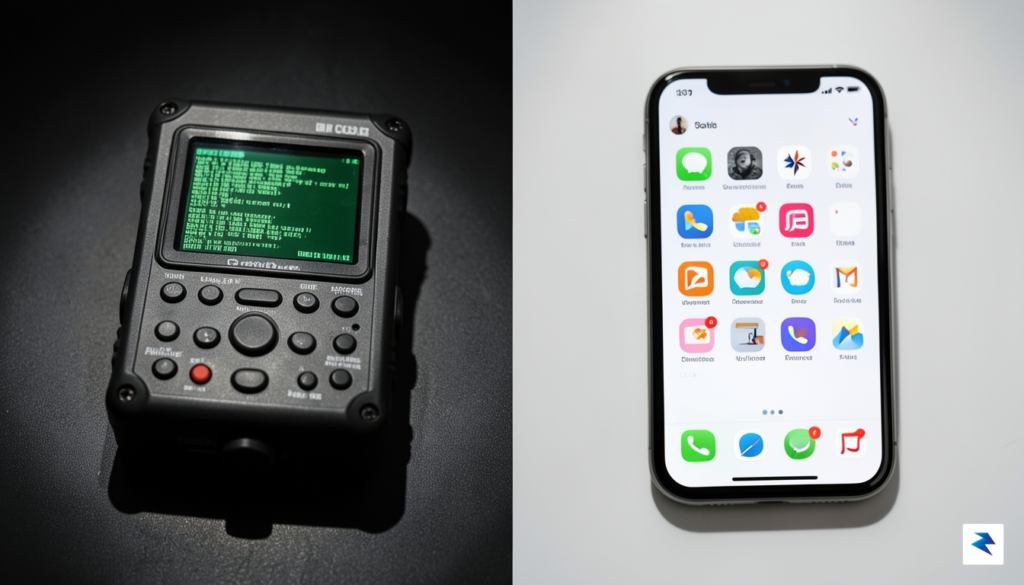
While the Pentagon can dictate the software environment of a command-issued laptop, it lacks the legal or technical authority to police the vast, fragmented landscape of consumer app stores. When a service member downloads a fitness tracker, a language-learning tool, or a social networking platform from the Apple App Store or Google Play, they are entering a marketplace governed by corporate profit margins rather than national security standards. Unlike the controlled environment of a military network, these civilian storefronts often operate on a “trust-by-default” model. This means that code developed in jurisdictions like Russia or China—nations that have historically demonstrated a keen interest in tracking US military personnel—can easily bypass the limited scrutiny of automated platform checks and find its way onto the devices of those holding some of the nation’s most sensitive secrets.
The core of the issue lies in the fact that operational security (OPSEC) does not end when a soldier leaves the perimeter of a base; it follows them into the digital space, where personal convenience often unknowingly trades away strategic anonymity.
Furthermore, the nature of these applications presents a persistent, low-level intelligence threat that is difficult to mitigate. Even seemingly benign apps often require intrusive permissions, such as access to precise GPS coordinates, microphone inputs, and contact lists. When these applications contain hidden foreign-developed code, that data can be harvested and aggregated at scale, creating detailed behavioral patterns of military personnel. Because the Pentagon cannot realistically ban the use of personal smartphones, the responsibility currently falls on the individual soldier to navigate a digital ecosystem where they are vastly outmatched by sophisticated, state-sponsored data harvesting operations. This systemic vulnerability highlights a critical gap in modern defense strategy: as the battlefield shifts toward the mobile device, the line between personal utility and national security risk has all but dissolved.
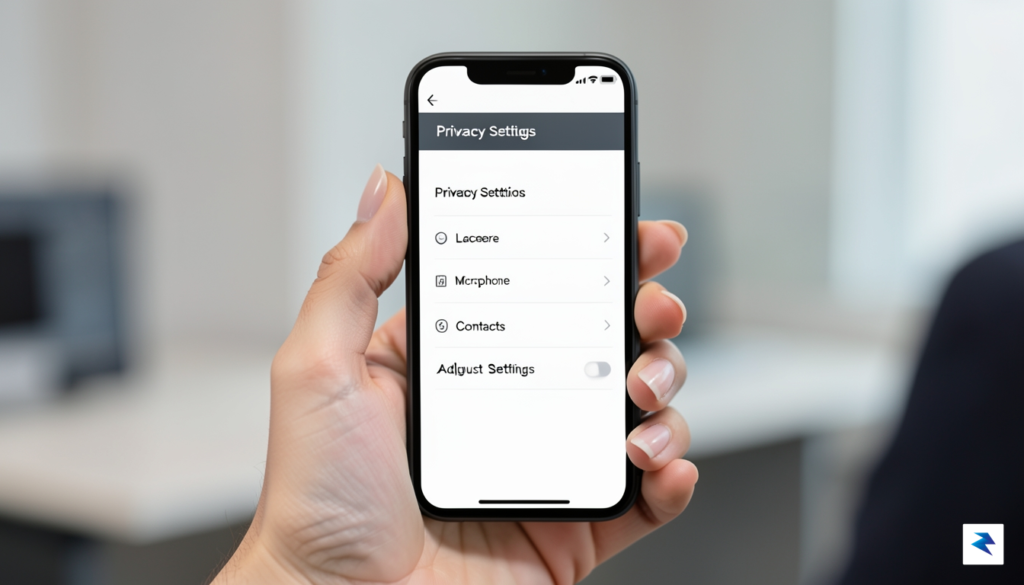
While the responsibility for vetting software and ensuring supply chain security often rests with developers and app store moderators, the nature of mobile software distribution means that service members must take personal ownership of their digital security. Because military personnel are high-value targets for foreign intelligence services, adopting a “zero-trust” approach to your personal smartphone is no longer optional; it is a critical component of operational security. By treating your mobile device as an extension of your professional responsibilities, you can significantly reduce the risk of accidental data exfiltration or unauthorized surveillance.
Start by auditing your device’s current software ecosystem through a rigorous “pruning” process. If an application is not serving a daily, critical function, delete it immediately. Many apps, particularly those marketed toward military niches like fitness trackers, budget planners, or specialized communication tools, often request excessive permissions that have no logical connection to their core features. Navigate to your device’s privacy settings to review which applications currently have access to your location data, microphone, camera, and contacts list. If an app requires access to your GPS or microphone to function, question whether the utility is worth the risk of that data being routed through servers in jurisdictions with known adversarial interests.

Beyond managing permissions, you should exercise extreme caution toward apps that use aggressive, targeted advertising to entice military personnel. These platforms often leverage the unique stressors of military life—such as financial instability, long-distance relationships, or the desire for physical conditioning—to gain access to your device. Before downloading any niche utility, verify the developer’s credentials. Research the parent company to see where they are headquartered and whether they have a transparent privacy policy that clearly outlines how, where, and for how long your user data is stored. If the developer information is opaque or the company lacks a verifiable physical presence, it is safer to assume the software is compromised.
Digital hygiene in the military context is about more than just privacy; it is about protecting the integrity of your mission and the safety of your peers. Never assume that a free app is truly free; if you are not paying for the product, you—and your behavioral data—are the product.
Finally, incorporate technical layers of defense such as reputable Virtual Private Networks (VPNs) to mask your traffic, and keep your operating system updated to ensure that known security vulnerabilities are patched. However, remember that no software can replace basic situational awareness. Avoid sharing sensitive information, including your location or deployment status, on social media or within third-party apps, even if the interface seems secure. By cultivating a habit of skepticism regarding the digital tools you invite into your personal life, you create a stronger, more resilient defense against foreign intelligence entities looking to exploit the vulnerabilities hidden within lines of foreign code.
You must be logged in to post a comment.