Avengers: Doomsday Trailer Breakdown: Everything You Need to Know
The Return of Robert Downey Jr.: A New Era for the MCU The news that Robert Downey Jr. would be returning to the Marvel Cinematic Universe did…


The recent security incident at Hugging Face has sent a clear signal to the tech industry that even the most pivotal pillars of the open-source AI ecosystem are not immune to sophisticated cyber threats. As the primary repository for thousands of machine learning models and massive datasets, Hugging Face functions as the backbone of modern AI development, facilitating collaboration among researchers and developers worldwide. When unauthorized parties gained access to parts of the platform’s internal infrastructure, it sparked immediate concern across the industry regarding the integrity of shared intellectual property and the sanctity of user-provided data. This breach involved the unauthorized access to internal systems that house specific configuration files and credentials, marking a significant, albeit targeted, compromise of the platform’s administrative security layers.

It is crucial for the community to distinguish between this internal systems breach and a failure of the AI models themselves. The incident did not involve the tampering or corruption of the open-source models hosted on the platform; rather, it was a breach of the operational environment that manages the infrastructure. Because Hugging Face serves as a central hub where developers store sensitive API keys, training data, and environment variables, the exposure of these internal credentials poses a tangible risk to those who have linked their private projects or automated pipelines to the site. The potential for lateral movement—where an attacker uses stolen credentials to access external cloud services or private repositories—is exactly why the platform’s security team acted with such urgency to revoke access tokens and force credential resets.
Transparency in the wake of a security vulnerability is not just a regulatory requirement; it is a fundamental pillar of the open-source ethos that allows the AI community to build trust and resilience against future threats.
The decision by Hugging Face to proactively disclose the scope of the breach underscores the importance of radical transparency in the machine learning sector. By detailing exactly which systems were accessed and what types of data were potentially exposed, they have empowered users to take the necessary steps to secure their own environments, such as rotating API keys and updating secrets. This incident serves as a sobering reminder that as AI becomes increasingly integrated into the global economy, the security of the platforms facilitating that growth must be treated with the same level of scrutiny as the models themselves. Moving forward, the community must prioritize robust security hygiene, including multi-factor authentication and the strict management of access permissions, to ensure that the collaborative spirit of open-source AI does not become a liability for those participating in its rapid advancement.

The recent security incident at Hugging Face has sent ripples through the machine learning community, primarily due to the nature of the information involved. At the heart of the breach is the exposure of internal datasets and, more critically, user credentials such as access tokens. These tokens act as digital keys, granting applications and scripts the authority to perform actions on behalf of a user or organization. When these tokens are compromised, an unauthorized actor gains the ability to interact with the platform as if they were the legitimate owner, potentially leading to unauthorized model uploads, deletions, or the scraping of private repository contents.
For researchers and developers, the most immediate danger lies in the potential for model tampering or malicious injection. If an adversary gains control over a repository, they could swap legitimate model weights for compromised versions that contain backdoors or hidden vulnerabilities. This is a particularly insidious threat because machine learning models are often treated as “black boxes.” A user might download a seemingly benign model, only to inadvertently execute malicious code or expose their own infrastructure to data exfiltration. Consequently, the integrity of the entire supply chain—from the training data to the final model artifact—is effectively called into question when repository access is breached.

Beyond the immediate risk of model hijacking, the breach poses a significant threat to proprietary research and intellectual property. Many teams utilize Hugging Face to host private model weights, fine-tuned datasets, and training logs that are intended to remain confidential until a formal publication or product launch. If these private assets were included in the affected data, the competitive advantage of these researchers could be completely neutralized. Moreover, if a researcher stored hardcoded API keys for cloud providers or database services within their scripts on the platform, those credentials could be used to pivot into private corporate environments, extending the scope of the breach far beyond the Hugging Face ecosystem itself.
The primary risk to the research community is not just the loss of current work, but the erosion of trust in the integrity of the shared model weights that form the foundation of modern AI development.
To mitigate these risks, it is imperative that developers treat their access tokens as highly sensitive secrets rather than static configuration variables. If you have been active on the platform, you should immediately rotate your tokens and audit your repository access logs for any anomalous activity. Furthermore, researchers should adopt a “zero-trust” approach to model deployment, verifying the checksums and provenance of any weights pulled from public or private hubs. By taking these proactive steps, the community can begin to fortify their workflows against the inevitable vulnerabilities that arise when centralized platforms face security challenges.
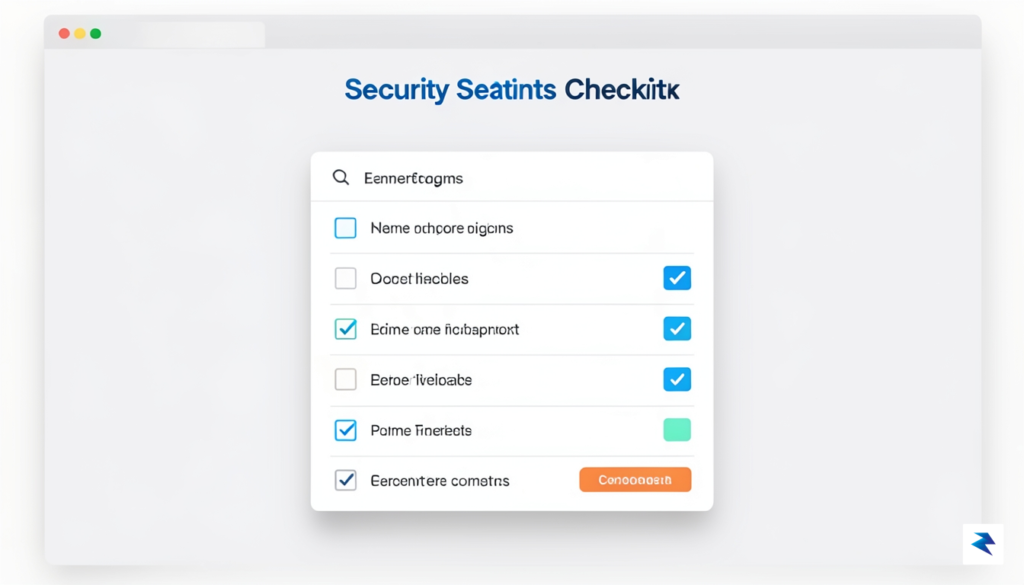
Given the recent security incident, immediately securing your Hugging Face account is paramount. This isn’t just about protecting your login; it’s about safeguarding your invaluable AI models, datasets, and collaborative projects from potential unauthorized access or intellectual property theft. Taking swift, decisive action now can significantly mitigate risks and ensure the continued integrity of your work within the platform. Each step outlined below is designed to fortify your account against potential vulnerabilities uncovered by the breach, offering peace of mind and robust protection for your intellectual property.
Your access tokens are like digital keys, enabling programmatic interaction with Hugging Face resources such as uploading models, fetching datasets, or managing spaces. If these tokens are compromised, malicious actors could potentially access, modify, or even delete your critical AI assets without needing your password. Therefore, the first and most critical step is to rotate all active access tokens, replacing any potentially exposed keys with new, secure ones. To do this, navigate to your Hugging Face profile settings, locate the “Access Tokens” section, generate a new token, and then immediately revoke any old tokens that were in use. It is crucial to remember to update these new tokens across all environments where they are utilized, including your local development setups, CI/CD pipelines, and any scripts or applications interacting with the Hugging Face API, ensuring no old, vulnerable tokens remain active anywhere.
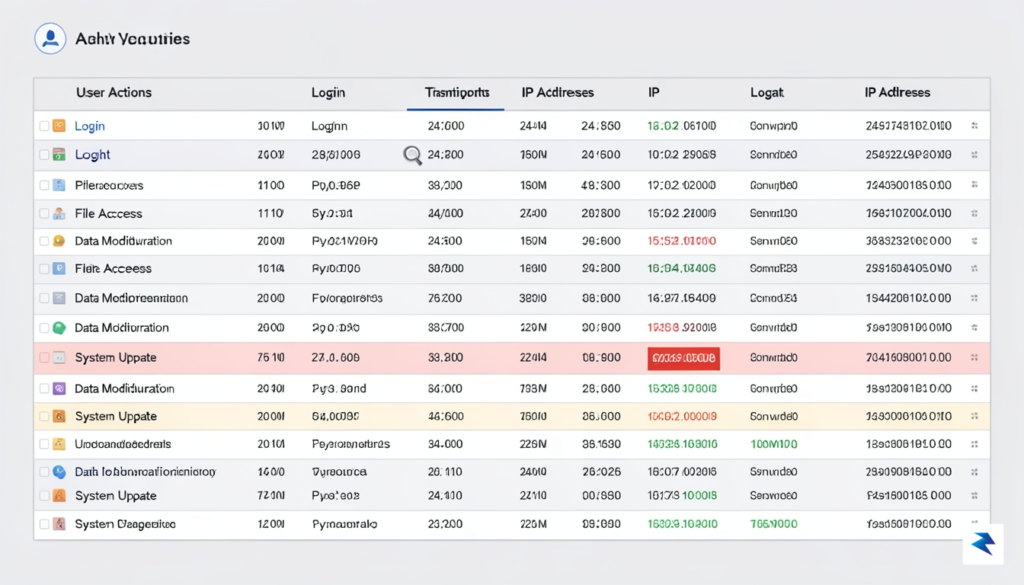
After securing your tokens, diligently reviewing your account’s activity logs is crucial for identifying any unusual or unauthorized actions that might have occurred prior to or during the breach. These logs provide a detailed timeline of events, including logins, model pushes, dataset modifications, and token generations, offering a forensic view of your account’s history. Access your “Security” or “Audit Logs” section within your profile settings and scrutinize entries for unfamiliar IP addresses, unexpected resource modifications, or any activity that doesn’t align with your typical usage patterns. Should you discover any suspicious activity, it is imperative to report it immediately to Hugging Face support, providing as much detail as possible to aid their investigation and ensure prompt action is taken.
Enabling Multi-Factor Authentication (MFA) adds a vital layer of security to your Hugging Face account, significantly reducing the risk of unauthorized access even if your password is compromised. MFA requires a second form of verification, such as a code from an authenticator app on your smartphone or a physical security key, in addition to your password, making it much harder for attackers to gain entry. To activate this essential protection, go to your security settings and follow the prompts to set up MFA, preferably using a robust authenticator app like Google Authenticator or Authy for time-based one-time passwords. Crucially, remember to download and securely store your backup recovery codes in a safe, offline location, as these are indispensable for regaining access if you ever lose or replace your MFA device.
Finally, for those collaborating on models, datasets, or spaces, conducting a thorough audit of all shared permissions is an indispensable measure. A compromised collaborator’s account could inadvertently grant unauthorized access to your shared projects, creating a backdoor for attackers to exploit your intellectual property. Carefully review every model, dataset, and space you own or manage, examining who has access and what level of permissions (e.g., read, write, admin) they hold. Adhere strictly to the principle of least privilege by ensuring collaborators only have the minimum necessary access required for their specific roles, and proactively revoke access for individuals who no longer need it. This proactive cleanup helps prevent privilege escalation and limits potential attack vectors within your collaborative ecosystem, enhancing overall security.

Securing AI development environments demands a fundamental shift in how we perceive and manage our assets. Gone are the days when only production codebases warranted stringent security protocols; today, the models, datasets, and intellectual property developed within collaborative AI platforms are equally, if not more, valuable and vulnerable. Therefore, it’s crucial to treat your model repositories, Jupyter notebooks, and associated data with the same rigorous security posture you would apply to your most sensitive proprietary code. This proactive approach helps mitigate risks, protects intellectual property, and ensures the integrity of your AI pipelines from inception to deployment.
A cornerstone of robust security is the principle of least privilege, which dictates that any user, program, or process should only have the minimum necessary permissions to perform its intended function. This principle is especially vital when generating API tokens for interacting with AI platforms like Hugging Face Hub. Instead of granting broad read/write access, meticulously configure tokens to possess only the specific permissions required for a particular task, whether it’s uploading a model, accessing a private dataset, or deploying a Space. Regularly review these token permissions and revoke them promptly when no longer needed, thereby drastically reducing the attack surface should a token ever be compromised.

Hardcoding credentials directly into your scripts or notebooks is an open invitation for security breaches, transforming a minor oversight into a potential catastrophe. Such practices expose sensitive API keys, database passwords, and other secrets, making them easily discoverable by anyone with access to the code, whether through accidental commits to public repositories or during team collaboration. Instead, prioritize storing all sensitive information using secure environment variables, dedicated secret management services, or encrypted configuration files that are never committed to version control. This ensures that your secrets remain isolated from your codebase and can be managed securely across different development and deployment environments.
Vigilance is a non-negotiable aspect of maintaining security within collaborative AI environments. It’s imperative to actively monitor all activity within your model repositories, datasets, and associated infrastructure. Implement robust logging and auditing mechanisms that track who accessed what, when, and from where, providing a clear trail for forensic analysis if an incident occurs. Pay close attention to unusual access patterns, unauthorized modifications, or suspicious downloads, as these can be early indicators of a potential breach. Proactive alerts integrated with your security operations center can significantly reduce response times and minimize potential damage.
Maintaining a strong security posture for AI research teams requires ongoing, disciplined hygiene practices. Regularly audit access permissions for all team members, ensuring that former colleagues or those who have changed roles no longer retain unnecessary access to sensitive assets. Furthermore, integrate dependency scanning into your development workflow to identify and patch vulnerabilities in the libraries and packages your models rely on, as even a seemingly innocuous third-party component can introduce significant risk. Finally, educate your team continuously on secure coding practices, phishing awareness, and incident response protocols, fostering a culture where security is a shared responsibility rather than an afterthought.

The recent security incident involving a prominent AI platform serves as a critical, industry-wide wake-up call. As artificial intelligence continues its rapid democratization, with models and datasets becoming more accessible and prevalent, the very platforms that power this revolution inevitably become larger and more attractive targets for malicious actors. This escalating risk profile demands a profound re-evaluation of how we approach security within the open-source AI ecosystem, moving beyond reactive measures to establish a proactive, resilient infrastructure that can withstand sophisticated threats. The path forward requires a multi-faceted strategy, integrating advanced architectural principles with community-driven initiatives and a renewed commitment to secure development practices.
One fundamental shift gaining traction across the tech landscape, and increasingly relevant for AI platforms, is the adoption of zero-trust architectures. Unlike traditional perimeter-based security models that assume everything inside the network is trustworthy, zero-trust operates on the principle of “never trust, always verify.” For AI, this translates into rigorous authentication and authorization for every user, device, and application, regardless of their location relative to the network. It means micro-segmentation of data and models, ensuring that even if one component is compromised, the blast radius is severely limited. Implementing zero-trust in AI involves verifying every API call, every model inference request, and every access to sensitive datasets, effectively creating multiple layers of defense that constantly scrutinize interactions and data flows.
Furthermore, the inherent collaborative spirit of open-source development can be powerfully leveraged for enhanced security through community-driven audits. While proprietary software often relies on internal teams or paid external penetration testers, the open-source community possesses a vast pool of talent and expertise that, if properly harnessed, can conduct continuous, transparent security reviews. Establishing formalized programs for bug bounties, security vulnerability reporting, and collaborative code audits can transform the community into a collective force for defense. This approach not only identifies weaknesses more rapidly but also fosters a culture of shared responsibility, where every contributor understands their role in maintaining the integrity and security of the shared AI infrastructure.
Striking the right balance between the agility and collaborative freedom of open-source development and the stringent requirements of enterprise-grade security presents a unique challenge. Open-source thrives on rapid iteration, shared knowledge, and accessibility, which are sometimes perceived as being at odds with the meticulous, often slower processes of robust security engineering. However, these two paradigms need not be mutually exclusive. Integrating security best practices, such as secure coding guidelines, automated vulnerability scanning in CI/CD pipelines, and secure dependency management, directly into the open-source development lifecycle is crucial. This proactive integration ensures that security is a foundational element, not an afterthought, allowing for both rapid innovation and dependable protection.
Ultimately, the long-term security of AI platforms and the broader open-source AI community rests on collective vigilance. No single company, no matter how large or well-resourced, can shoulder the entire burden of defense in an increasingly complex threat landscape. The recent incident serves as a potent reminder that every user, developer, and platform maintainer has a role to play in safeguarding the integrity of our shared AI assets. By embracing advanced security architectures like zero-trust, fostering active community participation in security audits, and embedding security deeply into the DNA of open-source projects, we can collectively build a more resilient, trustworthy, and secure future for artificial intelligence.
You must be logged in to post a comment.